Chinese Culture

Explore the rich traditions, customs, and cultural insights of China

A Giant Falls, Soul Completes Its Cycle: Farewell to Chen-Ning Yang
On October 18, Chen-Ning Yang, a world-renowned physicist, Nobel laureate in Physics, academician of the Chinese Academy of Sciences, professor at Tsinghua University, and honorary president of the In...
Read More
A supernova explosion, where stars forge gold elements in a brilliant death, scattering them across the cosmos.
Gold and the Epic of Human Civilization
Gold is the universe's most profound gift to Earth. Its birth did not occur in the planet's own fiery forges but originated from the cataclysmic sacrifice of stars. In the vast theater of the cos...
Read More
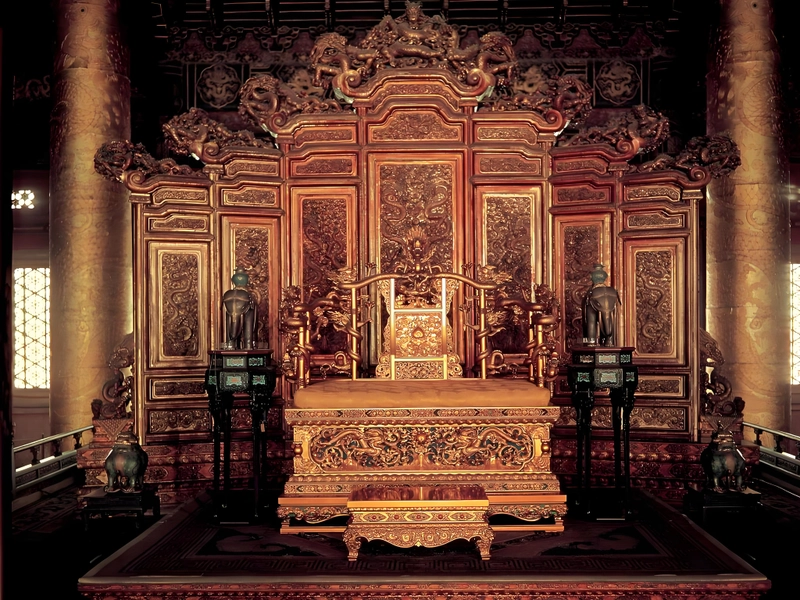
Various traditional Chinese chairs, from Ming-style scholar chairs to Dragon Thrones and common household benches, illustrating the evolution of Chinese furniture, sitting culture, and social hierarchy.
The History of Chinese Chairs: A Millennium of Power, Daily Life, and Aesthetics
From Sitting on the Ground to Sitting on Chairs — The Rising of a Civilization The evolution of Chinese seating furniture, especially the Chinese chair (中国椅子), is not merely a change in form; it refl...
Read More
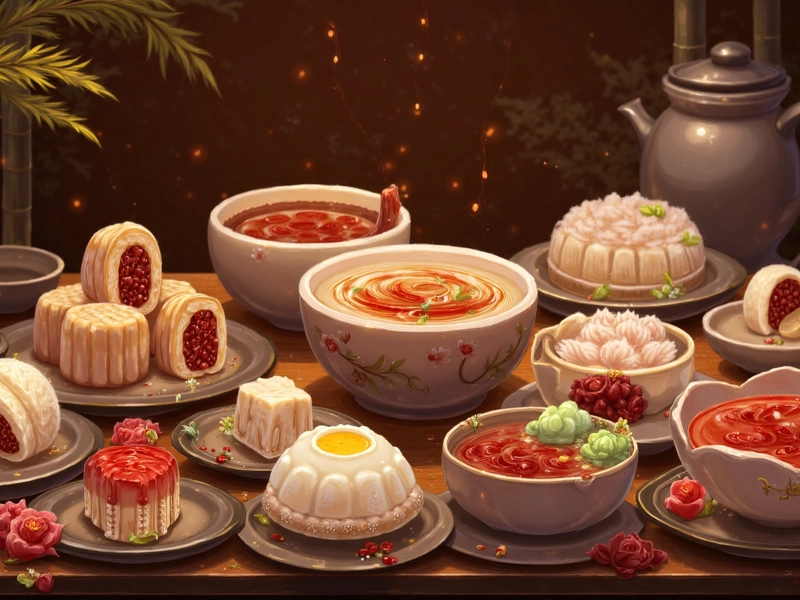
Traditional Chinese desserts arranged on a wooden table, showcasing the gentle and nuanced sweetness that defines Chinese dessert culture.
Let’s Explore Chinese Desserts Together
What Is “Chinese-Style” Sweetness? Unlike Western desserts, which often hit the palate with bold, direct sweetness, Chinese desserts embody a subtle, nuanced sweetness. They do not aim for sugar over...
Read More
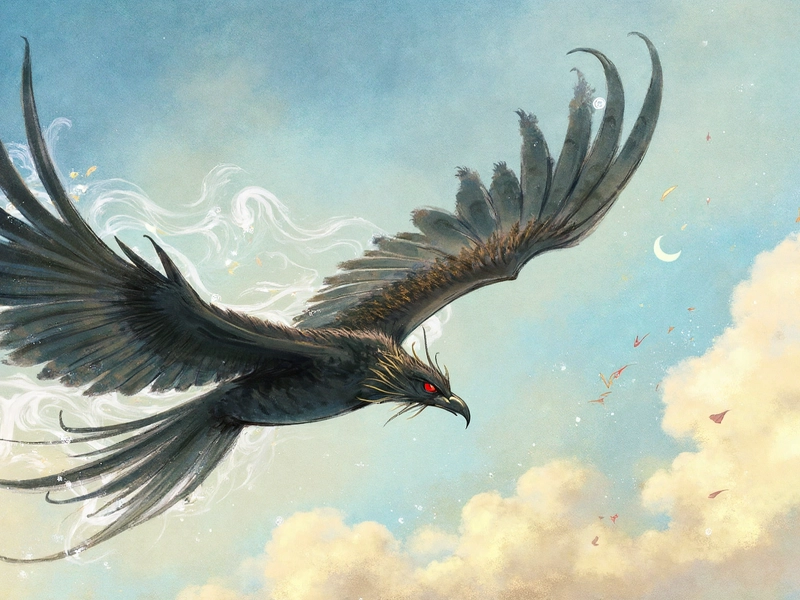
“A giant mythical roc soaring across the sky, symbolizing limitless ambition and a bright future.”
Chinese Idiom Story – 鹏程万里 (péng chéng wàn lǐ)
What Does 鹏程万里 Mean in Chinese Idioms? The Chinese idiom 鹏程万里 (péng chéng wàn lǐ) literally means “a roc (mythical giant bird) flies ten thousand miles.” Literal meaning: The mythical roc can soar ...
Read More
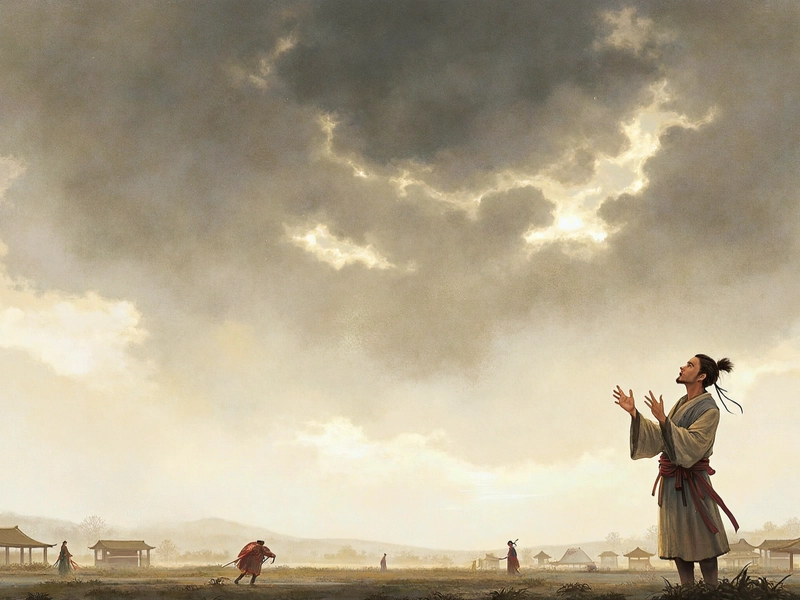
An anxious person looking up at the sky, symbolizing unnecessary worry or fear of improbable events.
Chinese Idiom Story – 杞人忧天 (qǐ rén yōu tiān)
What Does 杞人忧天 Mean in Chinese Idioms? The Chinese idiom 杞人忧天 (qǐ rén yōu tiān) literally means “the people of Qi worry that the sky will fall.” Literal meaning: The people of Qi were afraid the sk...
Read More
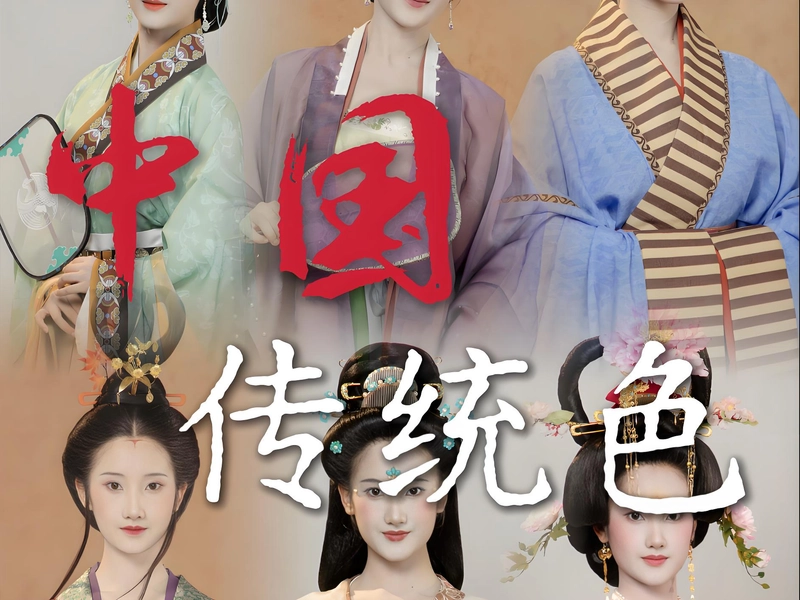
A Chinese traditional color palette, reflecting nature, philosophy, and cultural symbolism.
Chinese Colors: From the Universe of Nature to the Codes of Aesthetics
I. Color: The Philosophy of Seeing After rain, when the sky clears and clouds part, a faint touch of blue appears — poetic and picturesque; painters grind stone blue at their tables, and dyers mix ma...
Read More
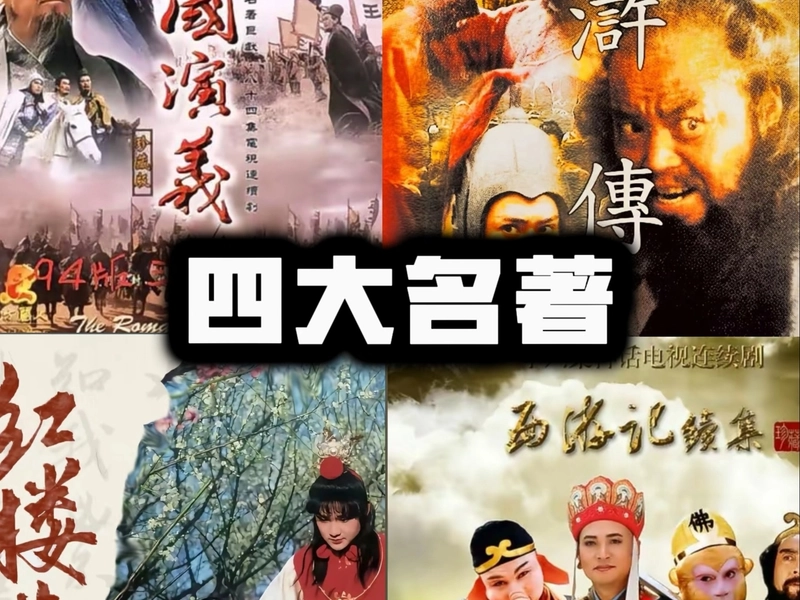
Illustration of China’s Four Great Classical Novels: Romance of the Three Kingdoms, Water Margin, Journey to the West, and Dream of the Red Chamber
The Four Great Classical Novels of China
In classical Chinese literature, there are four novels renowned for their enduring legacy, collectively known as the Four Great Classical Novels. These are Romance of the Three Kingdoms (Sānguó Yǎnyì ...
Read More
vacation
Statutory Holidays about China
China is a country with a long history and profound cultural heritage, and its festival culture is rich and diverse. From traditional Chinese festivals passed down for thousands of years to mo...
Read More
“Chinese idiom 风吹草动 (fēng chuī cǎo dòng) meaning ‘the wind moves the grass’; illustrating vigilance, alertness to small changes, and traditional Chinese military strategy; includes example sentences and cultural explanation for Chinese learners.”
Chinese Idiom Story – 风吹草动 (fēng chuī cǎo dòng)
What Does 风吹草动 Mean in Chinese Idioms? The Chinese idiom 风吹草动 (fēng chuī cǎo dòng) literally means “the wind moves the grass.”Literal meaning: The wind stirs the grass. Figurative meaning: Describe...
Read More
“Chinese idiom 目不识丁 (mù bù shí dīng) meaning ‘cannot recognize even the character 丁’; symbolizes illiteracy or lack of basic education; includes example sentences and cultural explanation for learners of Chinese.”
Chinese Idiom Story – 目不识丁 (mù bù shí dīng)
What Does 目不识丁 Mean in Chinese Idioms? The Chinese idiom 目不识丁 (mù bù shí dīng) literally means “cannot recognize even the character 丁 (ding).” Literal meaning: Unable to recognize the simplest Chine...
Read More
Chinese family gathered outdoors at night, enjoying mooncakes and admiring the full moon during Mid-Autumn Festival
A Quick Guide to the Chinese Traditional Festival – Mid-Autumn Festival
The Mid-Autumn Festival, also known as the “Moon Festival,” is a traditional festival celebrated on the 15th day of the eighth month of the Chinese...
Read More