Chinese Culture

Explore the rich traditions, customs, and cultural insights of China
Illustration of the Chinese idiom 如鱼得水 (rú yú dé shuǐ) meaning 'like a fish in water,' showing harmony and compatibility between a person and their environment, inspired by the story of Liu Bei and Zhuge Liang from the Three Kingdoms period, highlighting Chinese idioms and cultural learning.
Chinese Idiom Story — 如鱼得水
What Does 如鱼得水 Mean?Pinyin: rú yú dé shuǐ English Translation: “like a fish in water” (figuratively: “to gain someone very compatible or to be in a perfect environment”)The Chinese idiom 如鱼得水 (also...
Read More
Illustration of the Chinese idiom 起死回生 (Qi Si Hui Sheng), showing the legendary doctor Bian Que reviving the crown prince during the Warring States period, symbolizing hope, revival, and turning a hopeless situation around.
Chinese Idiom Story —— 起死回生
What Does 起死回生 Mean?Pinyin: qǐ sǐ huí shēng English Translation: bring the dead back to life The Chinese idiom 起死回生 literally refers to extraordinary medical skills that can save someone on the bri...
Read More
Illustration of the Chinese idiom 回光返照 (Huí Guāng Fǎn Zhào), depicting a brief moment of light at sunset symbolizing a fleeting burst of energy or clarity before decline, inspired by the stories of Lin Daiyu in Dream of the Red Chamber.
Chinese Idiom Story —— 回光返照
What Does 回光返照 Mean?Pinyin: huí guāng fǎn zhào English Translation: returning light before sunset (figuratively: a final burst of energy before death or a brief revival before decline) The Chinese ...
Read More
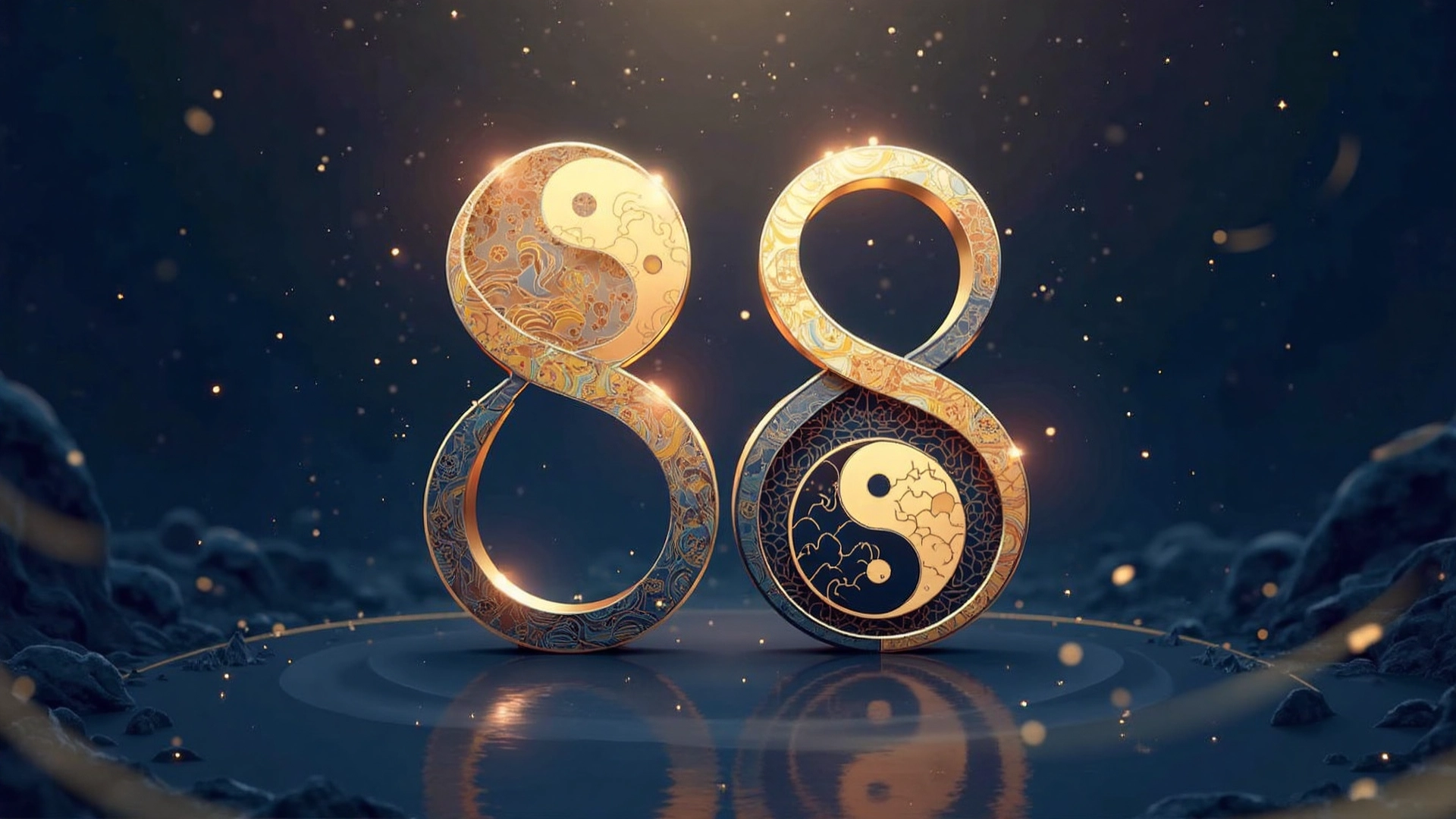
A visual guide for learning Chinese numbers, showing small case, uppercase numerals, and Arabic numerals with pinyin and English meanings.
Understanding Chinese Numbers: Traditional, Internet, and Western Comparisons
Understanding Chinese Numbers
Read More
An educational visual explaining Chinese Baijiu (bái jiǔ), showing its long history, aroma types (light, strong, sauce, phoenix), famous brands such as Maotai, Luzhou Laojiao, Fenjiu, Xifengjiu, and Wuliangye, its intricate brewing techniques, and its cultural significance in banquets, toasts, festivals, and diplomacy, highlighting its role in Chinese tradition and global alcohol culture.
Introduction to Chinese Baijiu
Across cultures and regions, alcohol has always been an indispensable part of human life. French wine is renowned for the terroir of its vineyards and meticulous winemaking, often associated w...
Read More
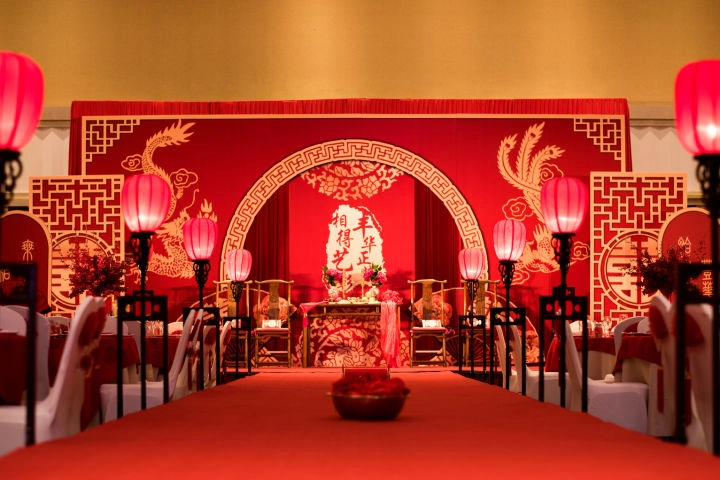
An educational visual showing a traditional Chinese wedding, highlighting red lanterns, bridal sedan chairs, ceremonial rituals, and the historical evolution from Zhou dynasty Six Rites to Ming and Qing engagement and wedding stages, emphasizing cultural significance and symbolism in family, society, and auspiciousness.
Ancient Chinese Weddings: A Timeless Romantic Ceremony
When thinking of a traditional Chinese wedding, images of red lanterns, bridal sedan chairs, and elaborate rituals likely come to mind. But this ceremonial event is much more than a marital ri...
Read More
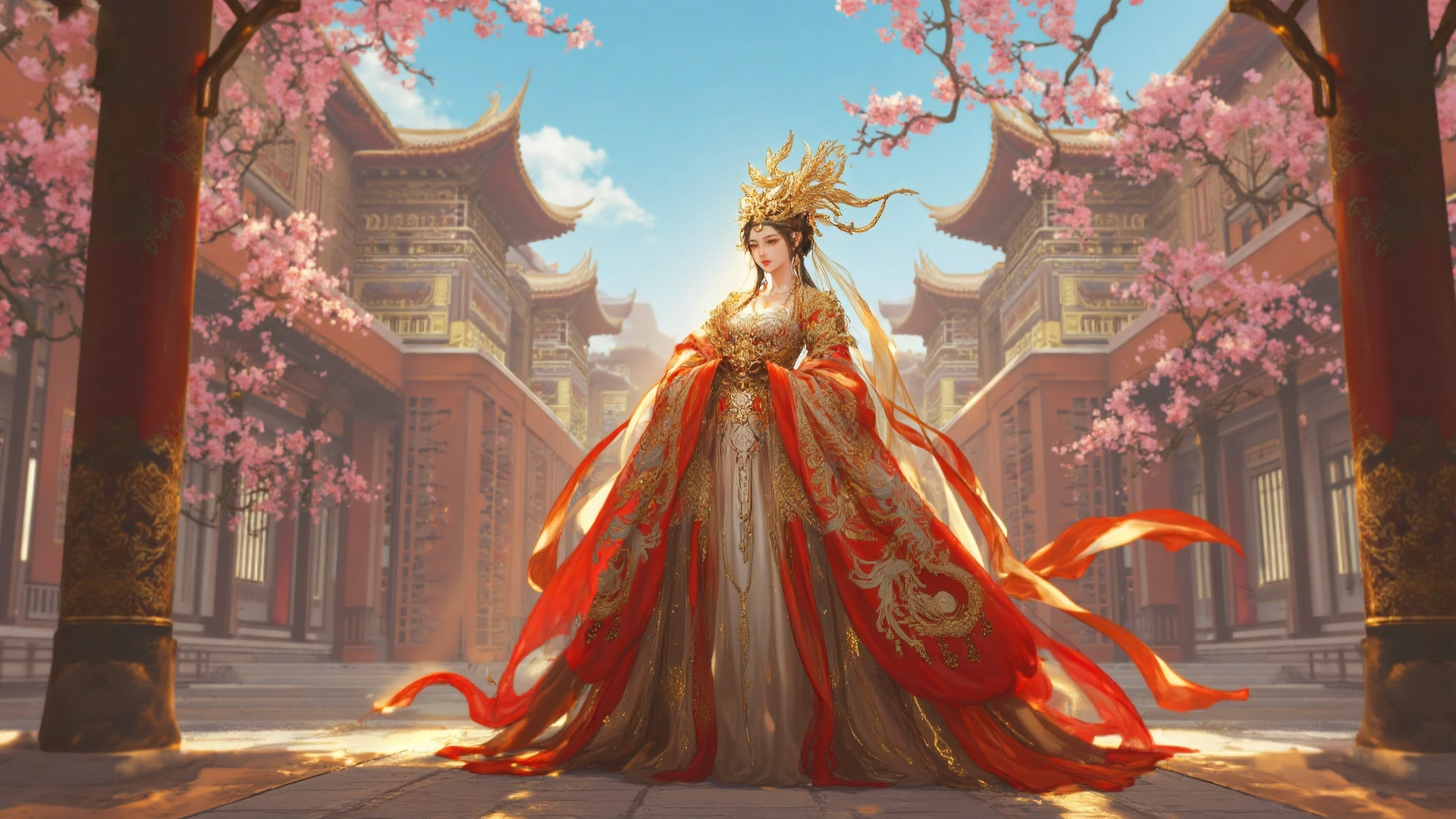
An educational visual showing a bride wearing the Fengguan Xiapi (凤冠霞披), highlighting the phoenix coronet, red embroidered silk robe, gold and silver thread decorations, pearls, and gemstones, emphasizing cultural heritage, nobility, auspicious symbolism, and traditional Chinese wedding elegance.
Traditional Chinese Wedding Attire: A Millennium of Romance and Cultural Beauty
Every bride dreams of her perfect wedding, and in a Traditional Chinese bridal attire, clothing is more than just decoration—it is a powerful expression of culture. From the Fengguan Xiapi (凤冠...
Read More
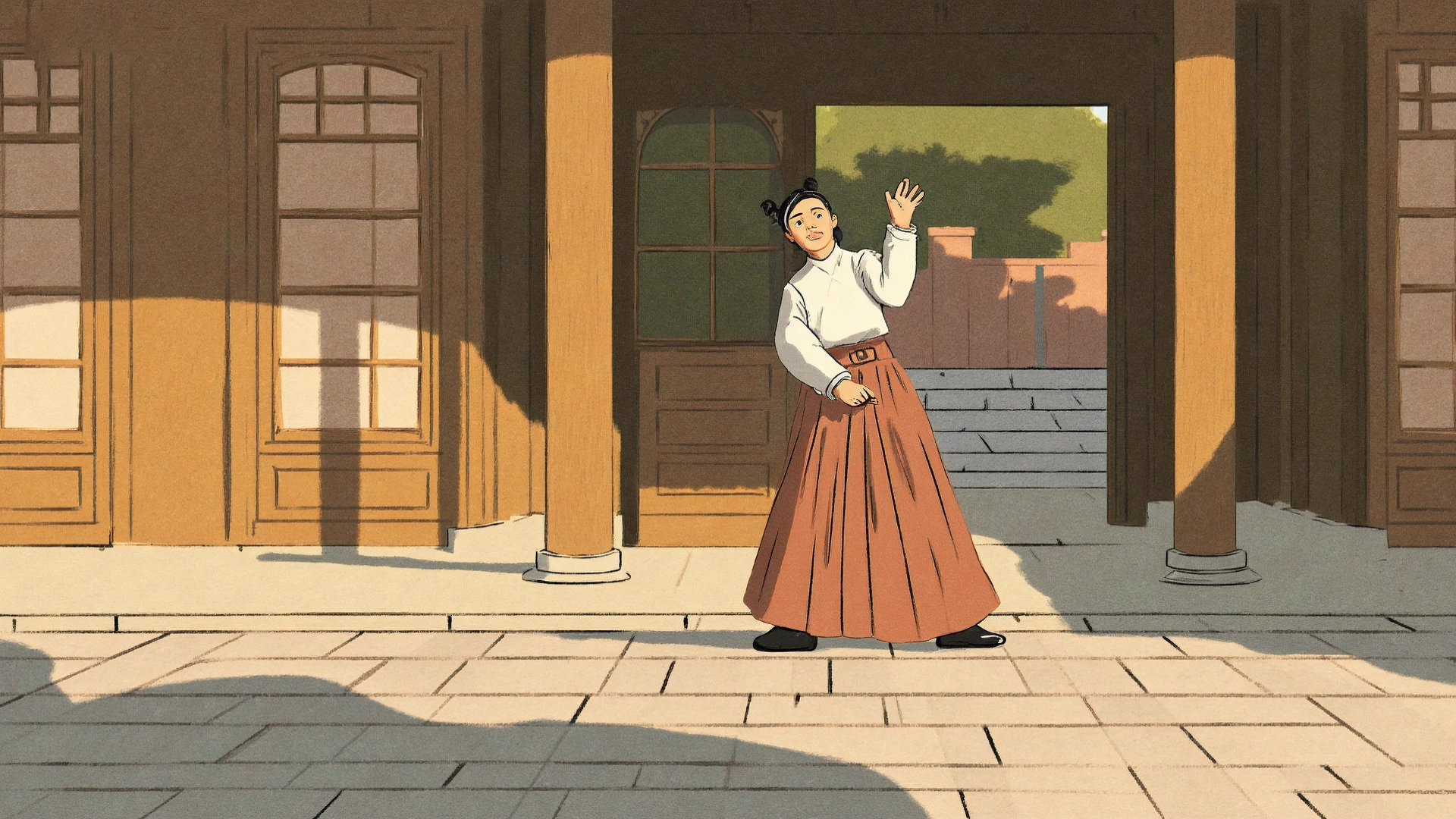
An educational visual depicting Xishi, one of China’s Four Great Beauties, holding her chest and frowning while washing clothes by the river during the Spring and Autumn period, illustrating how her natural elegance and charm made even expressions of discomfort appear beautiful, inspiring the idiom 东施效颦 (dōng shī xiào pín).
Idiom story ——东施效颦
During the Spring and Autumn period, Xishi, one of China’s Four Great Beauties from the State of Yue, was admired for her charm and elegance. However, she suffered from heart pain. One day, af...
Read More
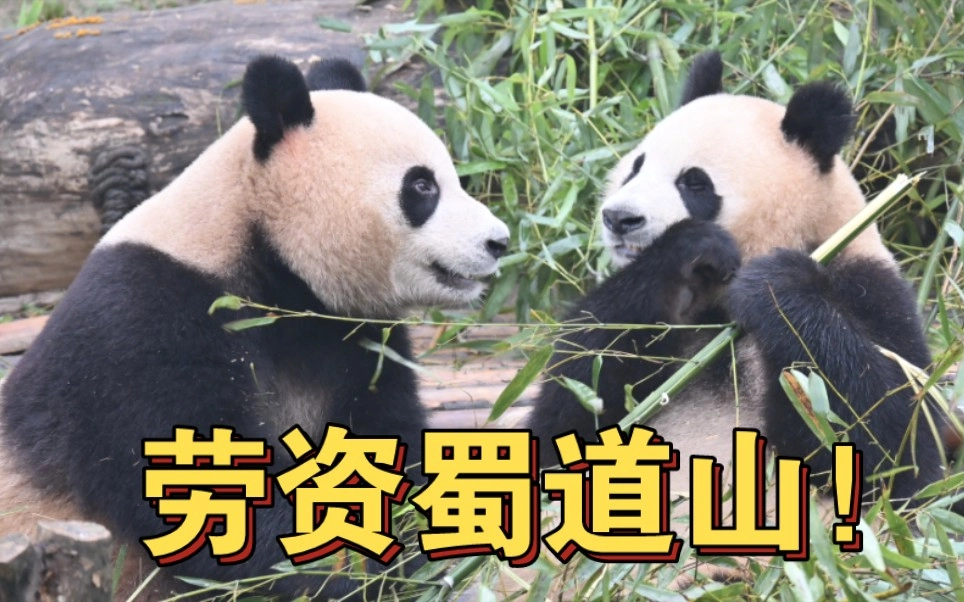
An educational visual explaining the 2023 Sichuan dialect meme 劳资蜀道山 (láo zī shǔ dào shān), literally “I’ll count to three,” showing its humorous yet firm warning usage with a 321 countdown, cultural context including Sichuan Opera, cuisine, and festivals, and featuring pinyin and English explanations for Chinese learners
Laozi Shudao Shan: Humor, Sichuan Culture, and Chinese Internet Trends
In Sichuan and Chongqing, a viral phrase has captured attention on Chinese social media in 2023: 劳资蜀道山 (Laozi Shudao Shan). At first, it may sound strange, but this Sichuan dialect meme b...
Read More
An educational visual illustrating the Chinese idiom 空中楼阁 (kōng zhōng lóu gé), meaning “a building in the air,” explaining its literal and extended meaning of unrealistic ideas or things built on shaky foundations, featuring the story of a wealthy man trying to construct only the third floor of a building, with pinyin and English translations for learning purposes.
Idiom story ——空中楼阁
Once upon a time, a wealthy man saw a three-story building owned by someone else and envied it greatly. He decided to build a similar one but only ordered the craftsmen to build the third...
Read More
An educational visual explaining the Chinese idiom 过河拆桥 (guò hé chāi qiáo), meaning “cross the river and tear down the bridge,” illustrating its literal and extended meaning of betraying or abandoning those who helped you after achieving your goal, featuring historical context from the Yuan Dynasty with officials Cheli Tiemu’er and Xu Youwang, and including pinyin and English translations for learning purposes.
Idiom story ——过河拆桥
During the Yuan Dynasty, an official named 彻里帖木耳 (Cheli Tiemu'er) witnessed corruption in the imperial examination system and was determined to abolish it. Once he gained enough infl...
Read More
An educational visual depicting the Chinese idiom 河东狮吼 (hé dōng shī hǒu), literally “the roar of the lion from Hedong,” illustrating its meaning of a fiercely jealous wife who scolds her husband loudly, featuring the story of Chen Jichang and his wife Liu, with pinyin and English translations for learners.
Idiom story ——河东狮吼
During the Northern Song Dynasty, a scholar named Chen Jichang, who called himself Mr. Longqiu, was fond of entertaining guests and keeping singers. However, his wife Liu, who was from He...
Read More