Chinese Culture

Explore the rich traditions, customs, and cultural insights of China

A vibrant visual guide to the Tour of Guangxi, showcasing professional cyclists racing through Guangxi’s scenic landscapes like the Li River, Ten-Mile Gallery, and Beihai Silver Beach. Includes cultural highlights such as Zhuang singing, Yao and Dong villages, ethnic performances, and local cuisine, combining sports, tourism, and rich Chinese heritage for an engaging, informative, and visually stunning experience.
Tour of Guangxi Road Cycling World Tour: A Feast of Speed, Scenery, and Culture
Guangxi Zhuang Autonomous Region, located in southern China, is renowned for its picturesque landscapes and rich ethnic culture. Since the inaugural Gree Tour of Guangxi Road Cycling World Tour ...
Read More
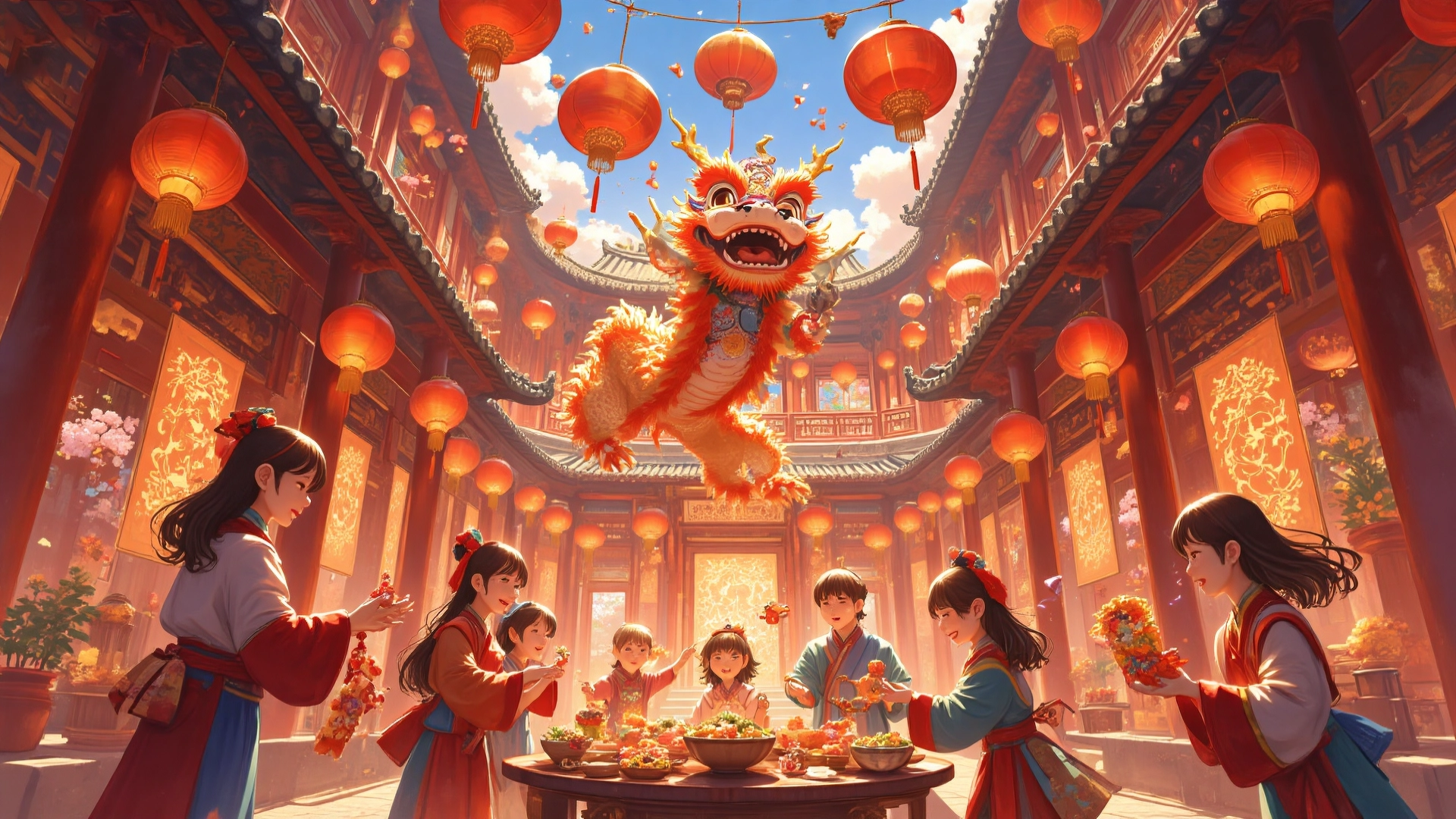
An illustrated guide to traditional Chinese festivals including Spring Festival, Lantern Festival, Qingming, Dragon Boat Festival, Mid-Autumn Festival, and Double Ninth. Shows their history, main activities like family reunions, lantern displays, tomb sweeping, dragon boat racing, moon viewing, and climbing mountains, along with cultural meanings such as respect for ancestors, reunion, health, and prosperity. Designed for Chinese learners to combine vocabulary study with cultural insights.
Traditional Chinese Festivals
Traditional Chinese festivals are an important part of the long-standing history and culture of the Chinese nation. They are diverse in form and rich in meaning. The formation of these festivals i...
Read More
An illustration depicting the Chinese idiom 事危累卵 (shì wēi lèi luǎn), showing Duke Ling of Jin’s precarious position symbolized by eggs stacked on chess pieces, with minister Xun Xi demonstrating the danger, representing a situation as unstable and liable to collapse at any moment.
Idiom story ——事危累卵
During the Warring States period, the small state of Cao was caught between the powerful states of Jin and Chu. Its ruler’s position was as precarious as a stack of eggs. In the Spring and Autumn ...
Read More
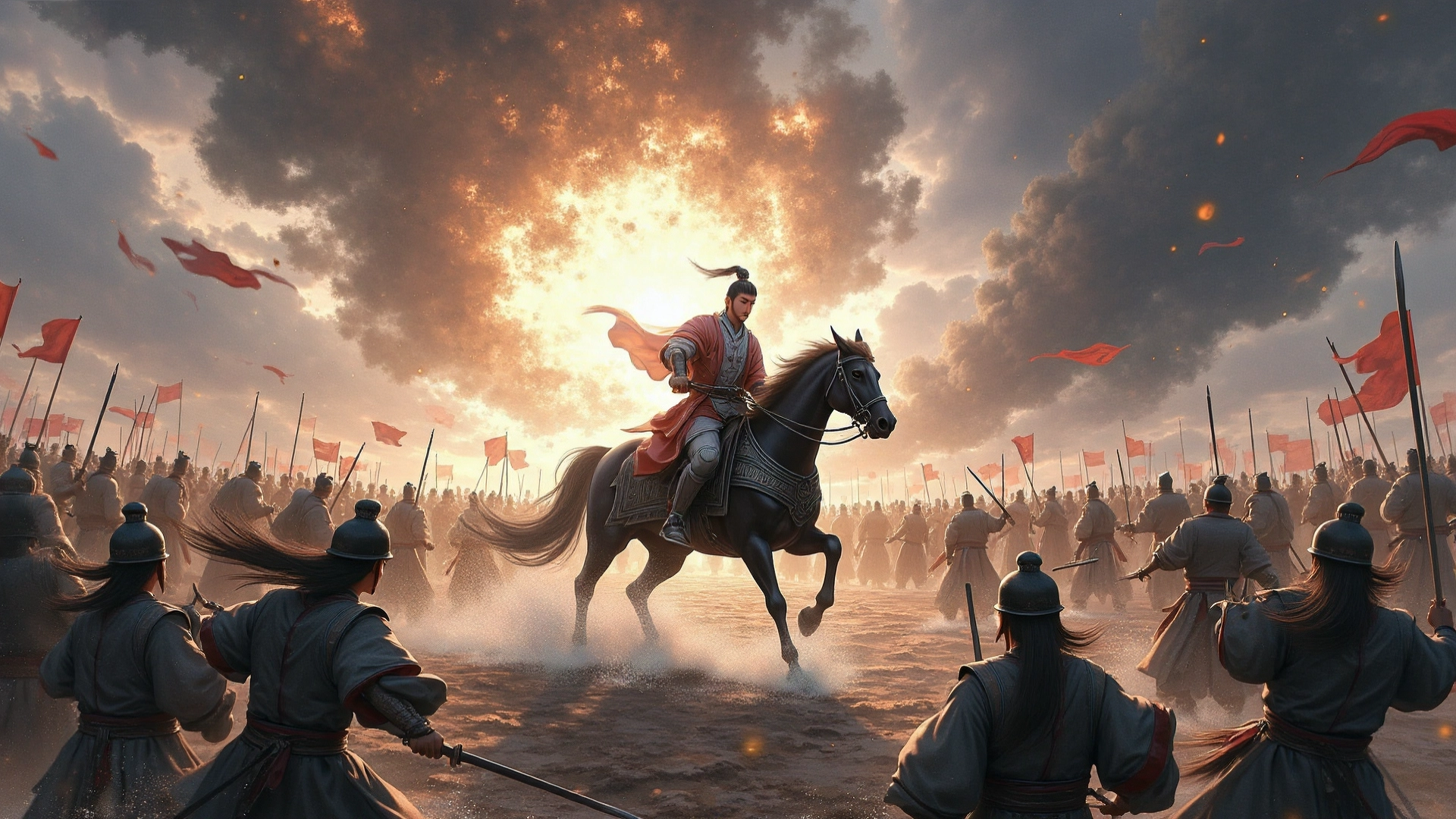
An illustration representing the Chinese idiom 危在旦夕 (wēi zài dàn xī), showing Kong Rong’s troops surrounded by rebels with Taishi Ci urgently reporting the imminent danger to Liu Bei, symbolizing a situation where danger is immediate and urgent action is required.
Idiom story —— 危在旦夕
During the late Eastern Han dynasty, the peasant rebellion led by Zhang Jiao surrounded Kong Rong’s troops stationed at Duchang. Kong Rong sent Taishi Ci to request reinforcements from Liu Bei, th...
Read More
Illustration of everyday life memes in China, including food, transportation, and social situations.
The Ultimate Guide to Chinese Memes: Funny, Trending, and Cultural Insights
When it comes to internet humor, Chinese memes have carved out a unique niche. From clever wordplay to culturally rich references, memes in China offer both laughs and insight into Chinese life. Wheth...
Read More
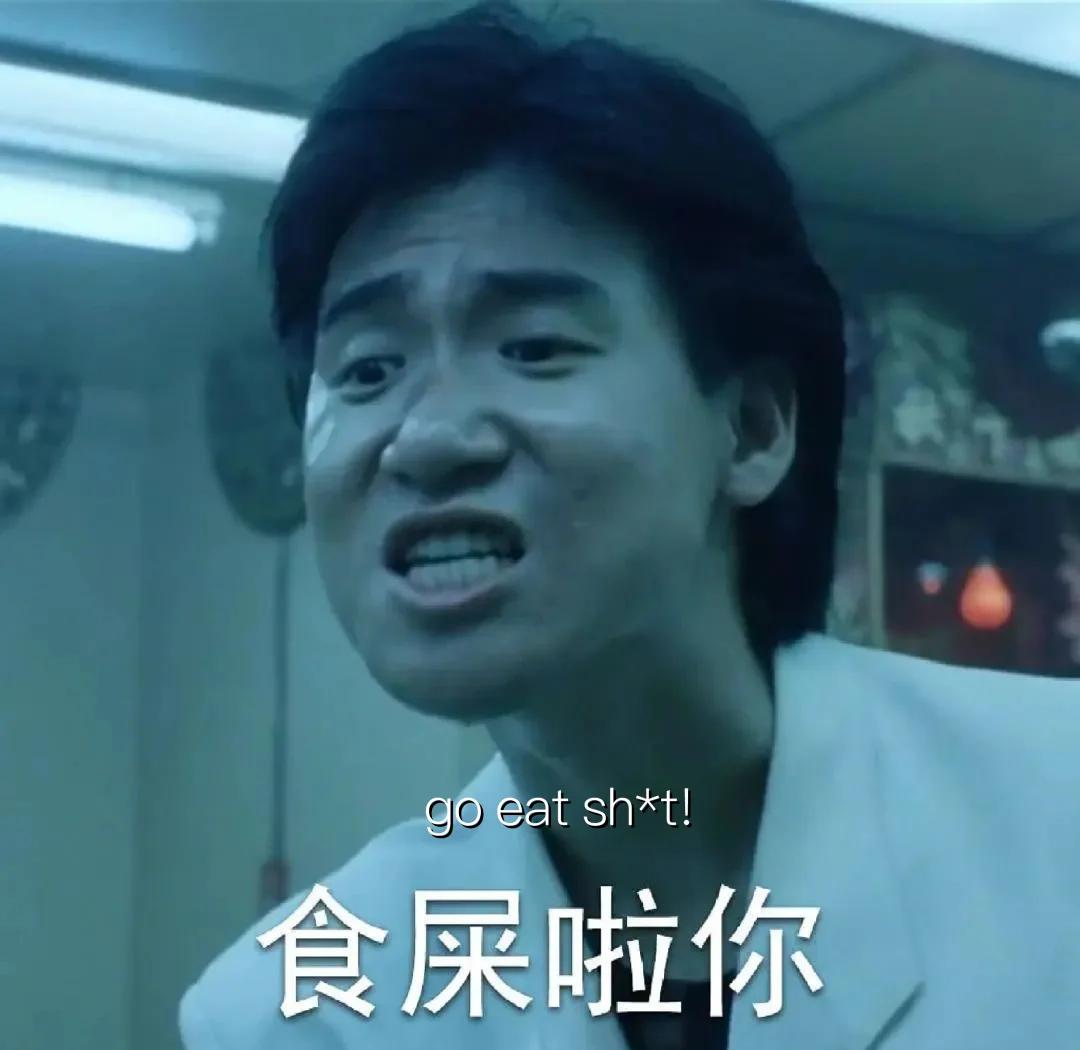
Educational illustration explaining how Chinese dialect swear words appear in movies, dramas, and social media.
Chinese Curse Words, Insults, and Swear Words: Mandarin & Dialects Guide
When learning Chinese, many students are curious about “Chinese curse words”, “Chinese insults”, or “bad words in Chinese with English translation”. Swearing exists in every language, but Chinese is u...
Read More
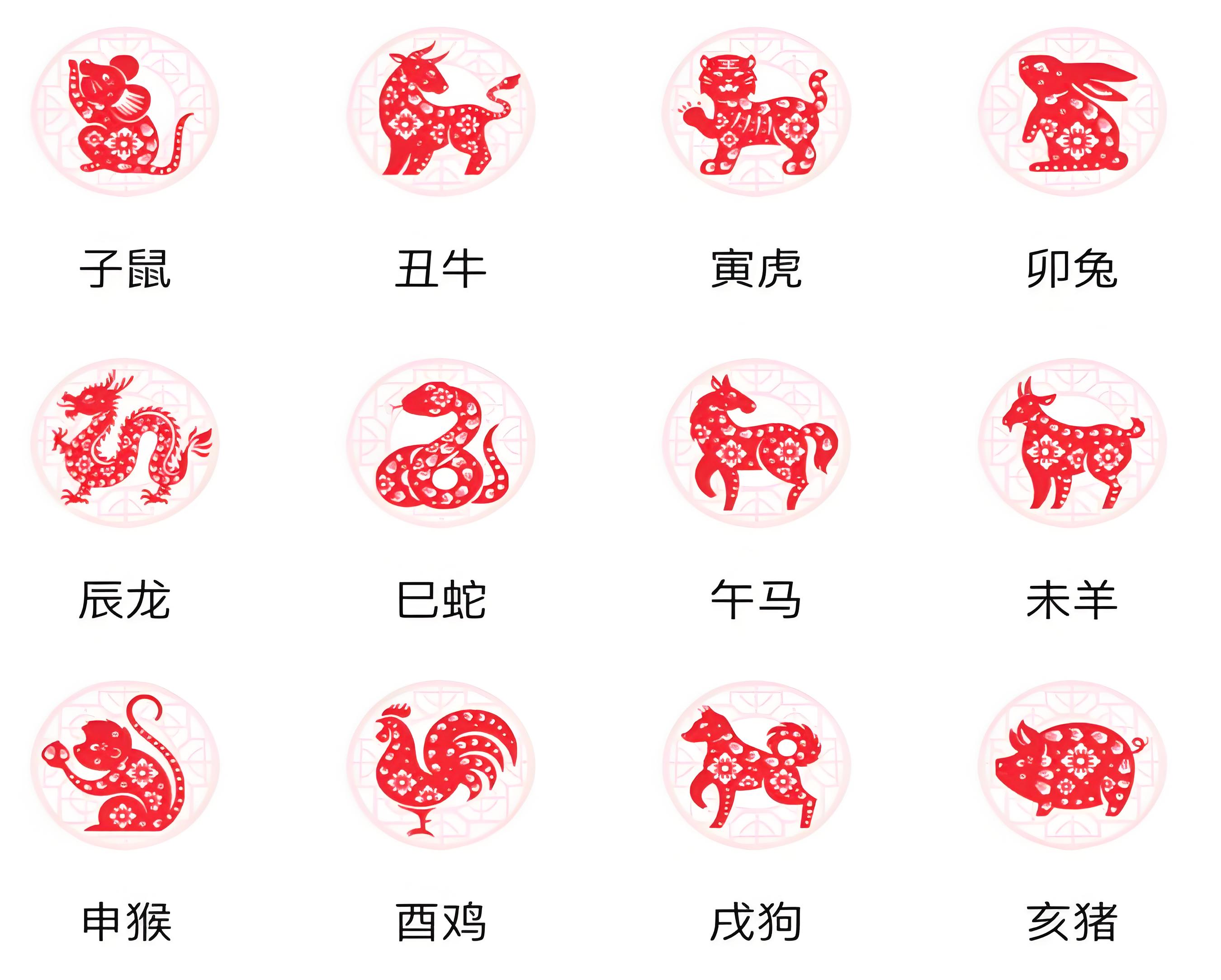
Illustration of the twelve Chinese zodiac animals—Rat, Ox, Tiger, Rabbit, Dragon, Snake, Horse, Goat, Monkey, Rooster, Dog, and Pig—arranged in a circle representing the Chinese calendar cycle.
Chinese Zodiac Animals: Origins, Myths, and Cultural Significance
The Chinese zodiac animals are a cornerstone of Chinese culture. Known as the animals of the Chinese zodiac, these twelve Chinese calendar animals have shaped beliefs about personality, destiny, and c...
Read More
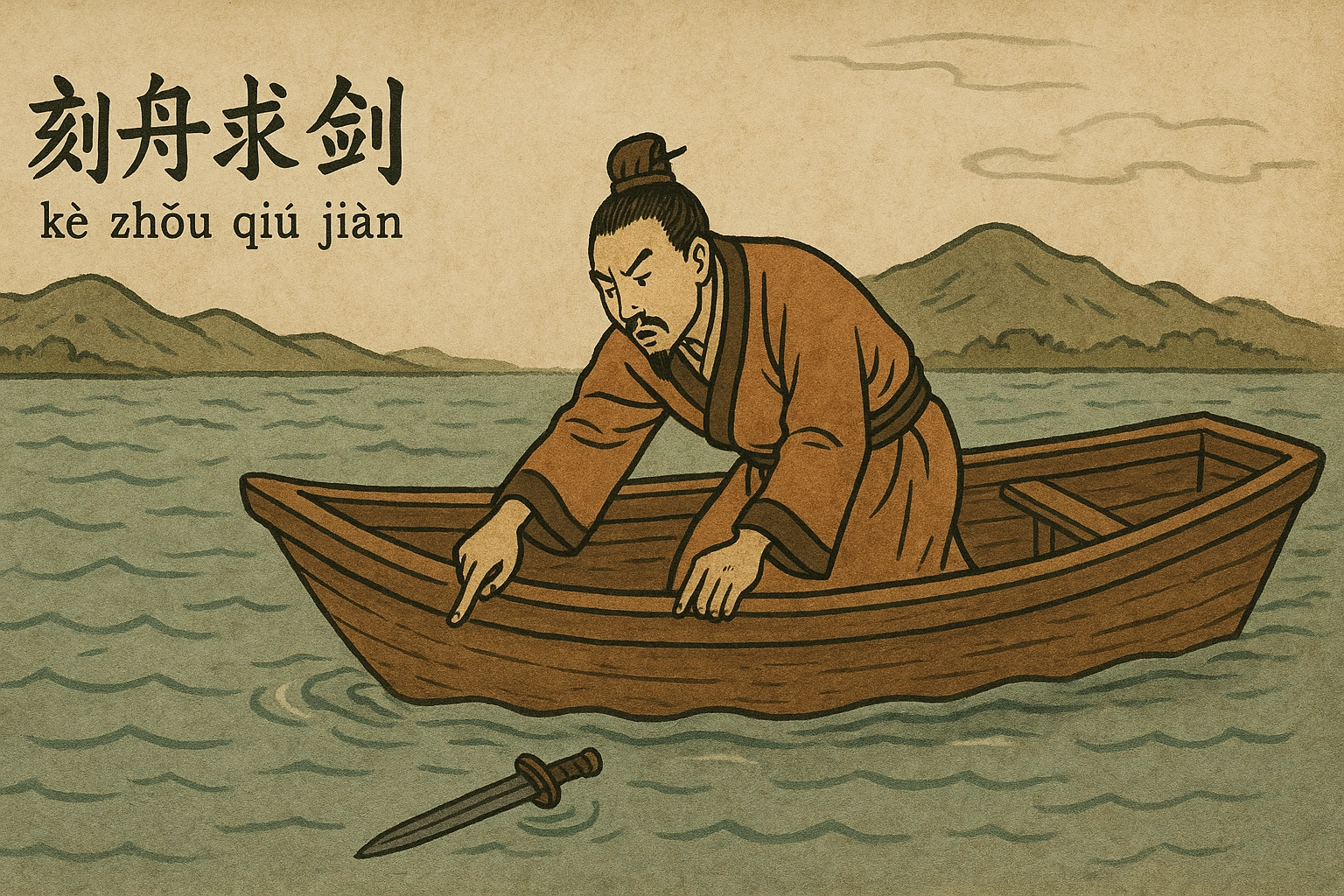
Illustration of the Chinese idiom 刻舟求剑 (kè zhōu qiú jiàn) showing a man from Chu carving a mark on his boat to find a sword he dropped in the river, symbolizing rigid thinking and inability to adapt to changing circumstances.
Idiom story ——刻舟求剑
During the Warring States period, a man from Chu was crossing a river by boat when he accidentally dropped his sword into the water. To remember the spot where the sword fell, he carved a mark on t...
Read More
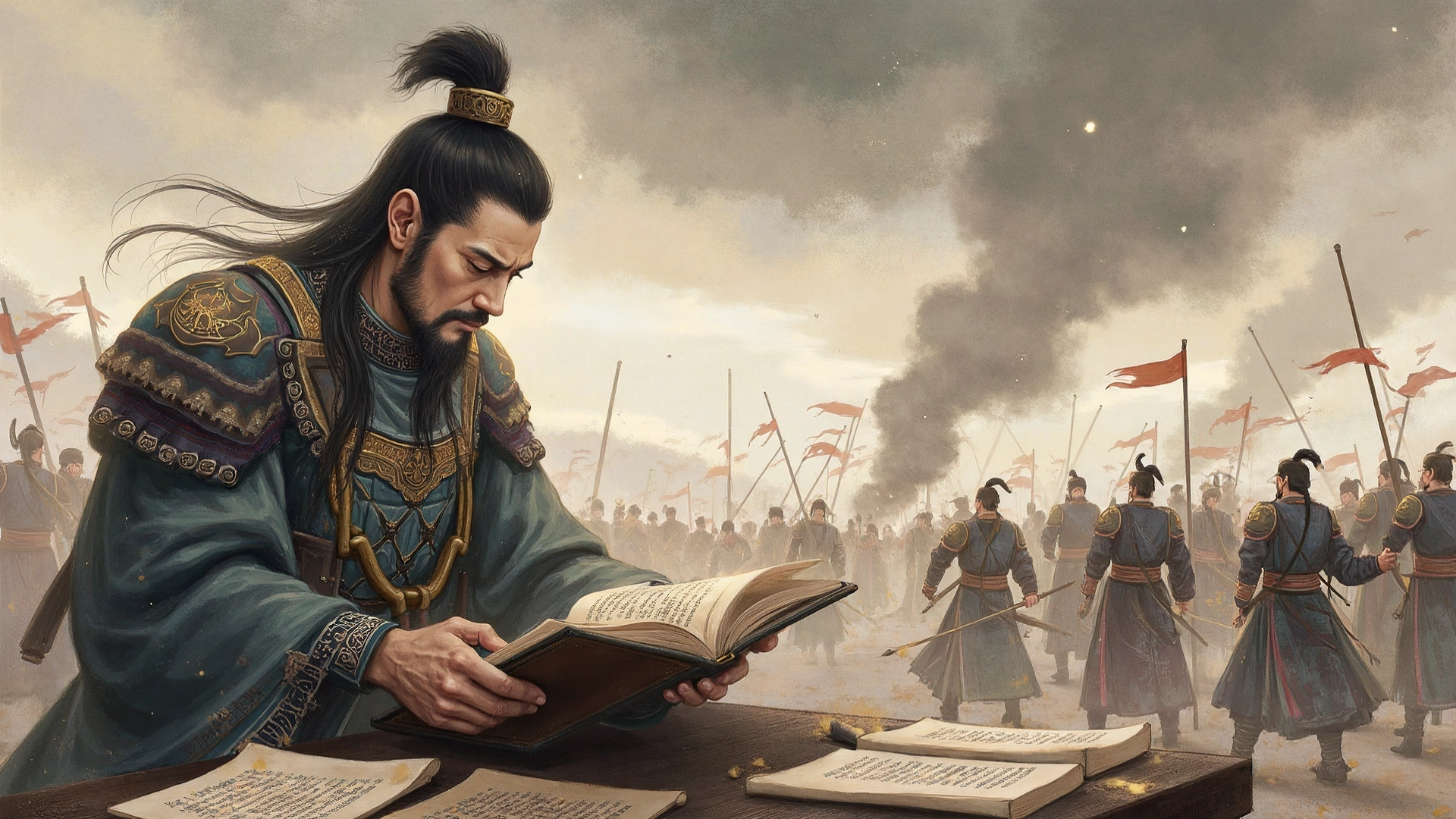
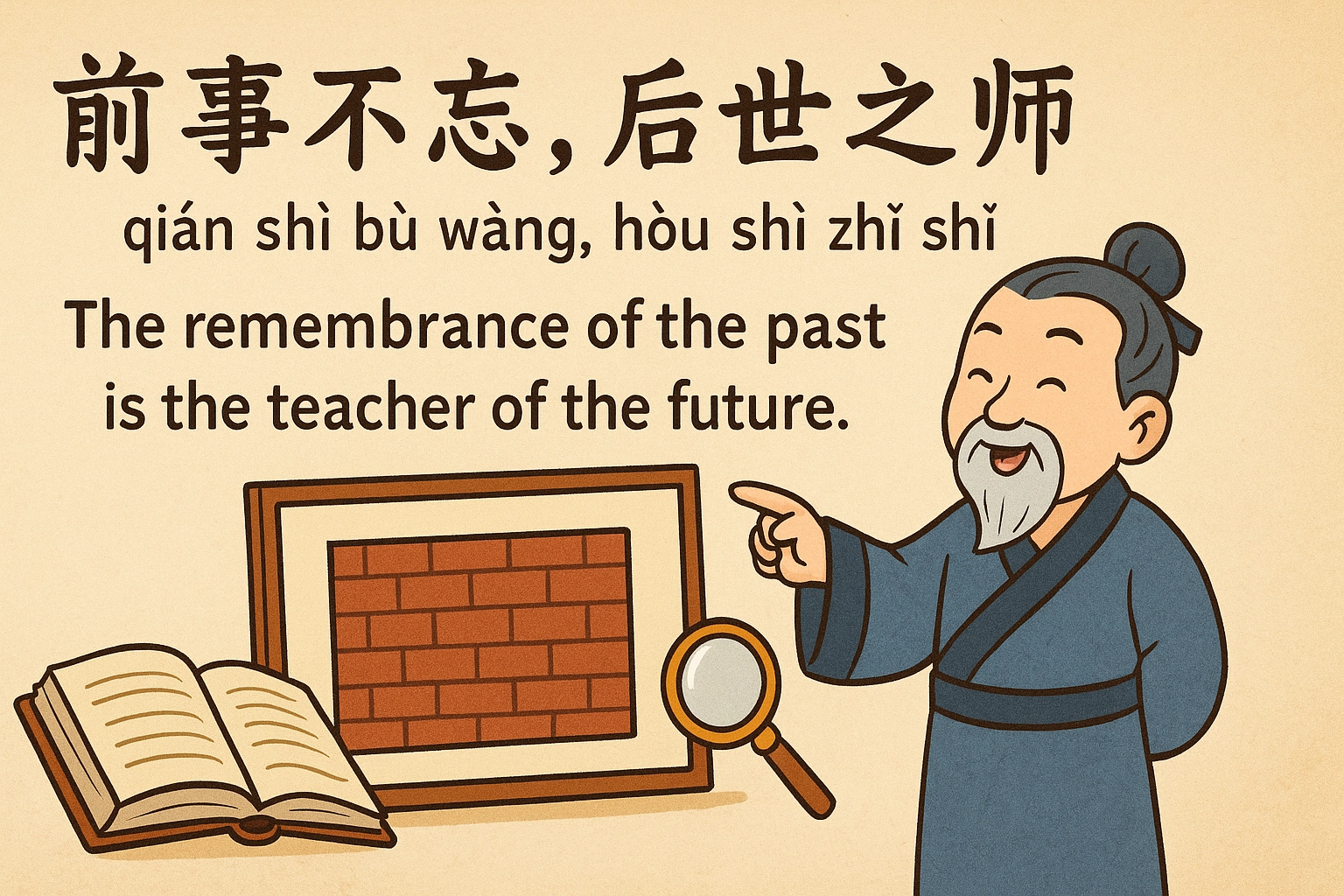
An ancient scroll depicting historical events, symbolizing lessons from the past for guiding the future.
Proverb education —— 前事不忘,后世之师
A proverb (谚语) is a short, commonly used saying that expresses a general truth, practical advice, or cultural wisdom. Proverbs are often passed down through generations and reflect everyday life or mo...
Read More
A person speaking thoughtfully, illustrating the proverb “一言既出,驷马难追” and the importance of thinking before speaking.
Proverb education —— 一言既出,驷马难追
A proverb (谚语) is a short, commonly used saying that expresses a general truth, practical advice, or cultural wisdom. Proverbs are often passed down through generations and reflect everyday life or mo...
Read More
Illustration of Tang Feng carefully inspecting a gift, demonstrating the Chinese idiom 一丝不苟 (yī sī bù gǒu) meaning meticulous attention to detail.
Idiom story ——一丝不苟
Once upon a time during the Ming dynasty, the emperor forbade slaughtering draft cattle, applying to all, including Muslims. A local official, 汤奉 (Tāng Fèng), received 50 jin (about 25 kg) of beef fro...
Read More
Illustration of a Tang dynasty provincial official looking despondent, reflecting the idiom 一事无成 (yī shì wú chéng), meaning accomplishing nothing.
Idiom story ——一事无成
Once upon a time in the Tang dynasty, a provincial official was unlucky in his career, failing at many tasks and often seeking distraction through travel. While staying at Jingguo Temple, he dreamed o...
Read More