Chinese Culture

Explore the rich traditions, customs, and cultural insights of China
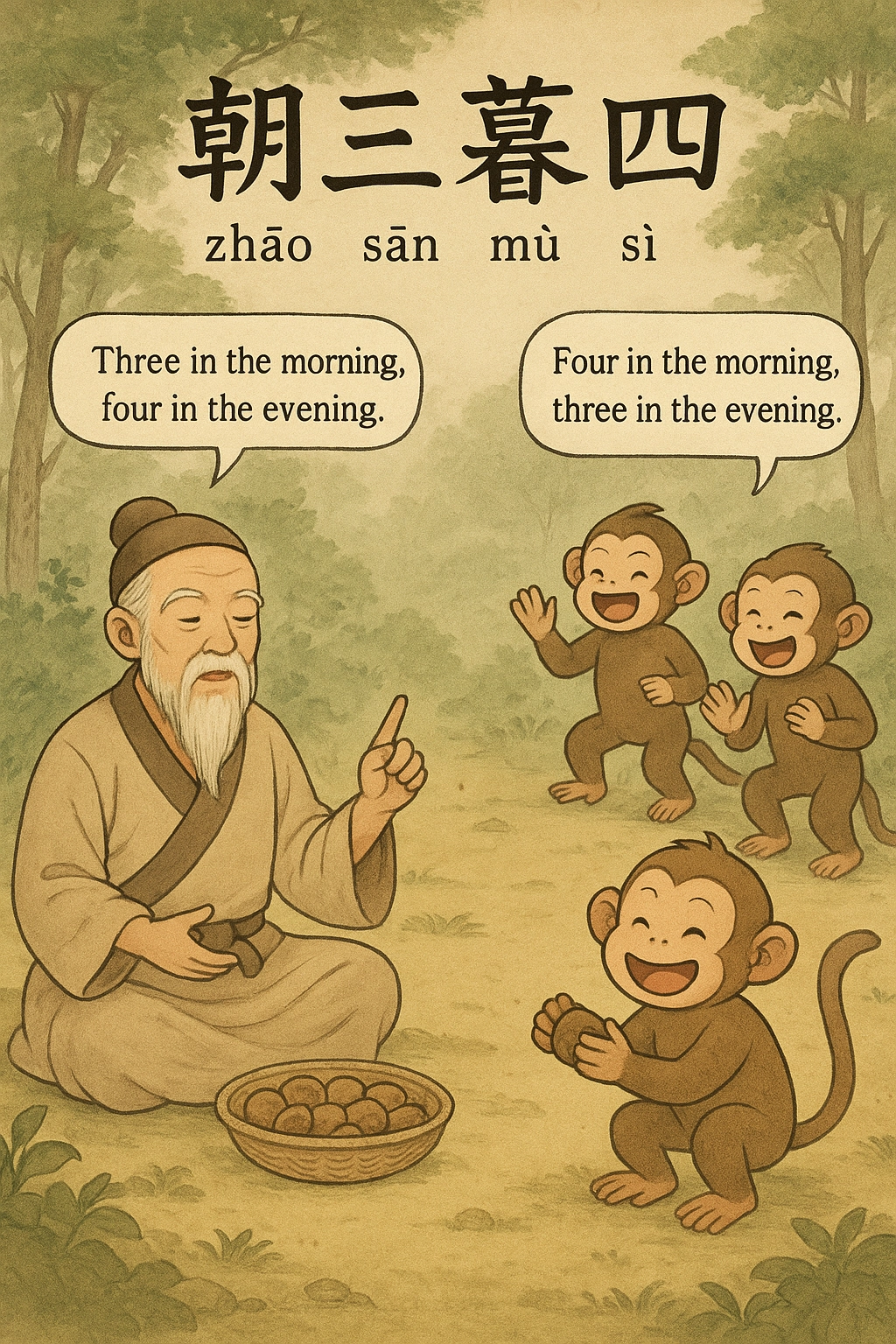
Old man holding acorns and monkeys around him, story of “朝三暮四” (zhāo sān mù sì), Chinese idiom about being fickle, Mandarin Learn, Mandarin Study, Chinese culture teaching.
朝三暮四
Idiom Story — 朝三暮四 The StoryOnce upon a time, there was an old man who raised monkeys (called a “jūgōng”, 狙公). He fed them acorns every day.To save acorns, he told the monkeys:“Starting tomorrow...
Read More
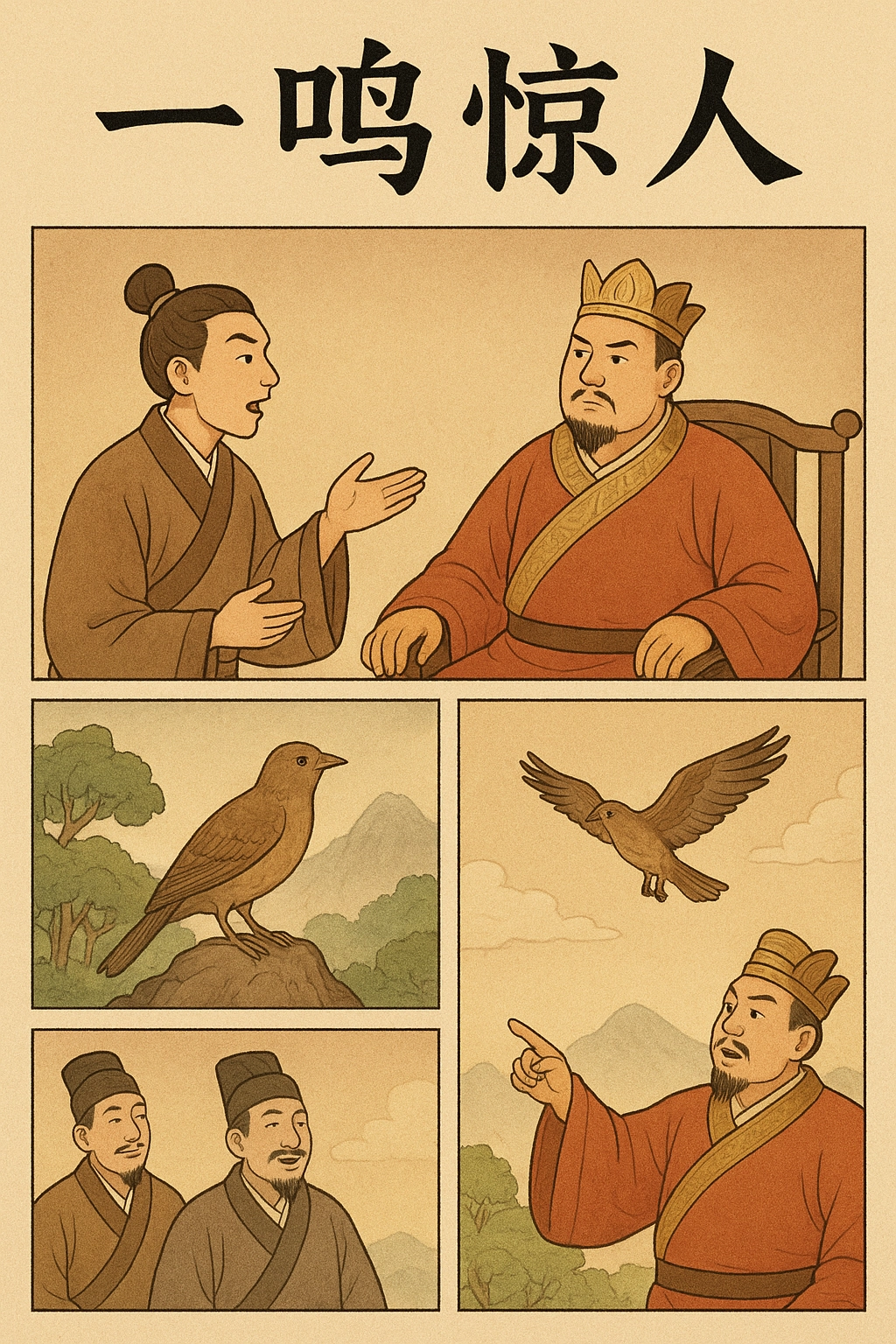
Illustration of King Jingzhuang of Chu listening to Cheng Gongjia, Chinese idiom story “一鸣惊人”, Mandarin Study, Learn Chinese idioms.
一鸣惊人
成语故事:一鸣惊人 King Jingzhuang(荆庄王) ruled for three years but neglected state affairs, indulging in pleasures. Cheng Gongjia(成公贾) came to advise him, and the king asked:“The censor (the officer who f...
Read More
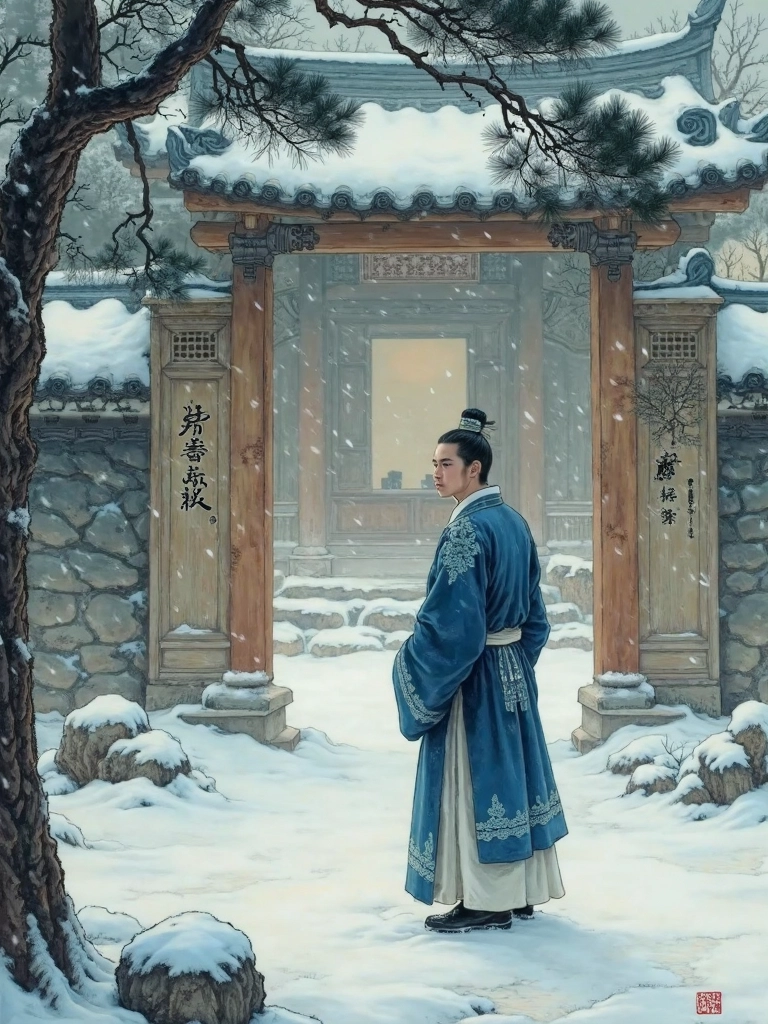
Illustration of Yang Shi waiting in the snow while Cheng Yi meditates inside, Chinese idiom “程门立雪”, Mandarin Study, Learn Chinese idioms, Neo-Confucian story.
程门立雪
This idiom comes from a story about the famous Neo-Confucian scholar Yang Shi(杨时) during the Song Dynasty. Yang Shi was exceptionally intelligent from a young age. He started school at four, could wr...
Read More
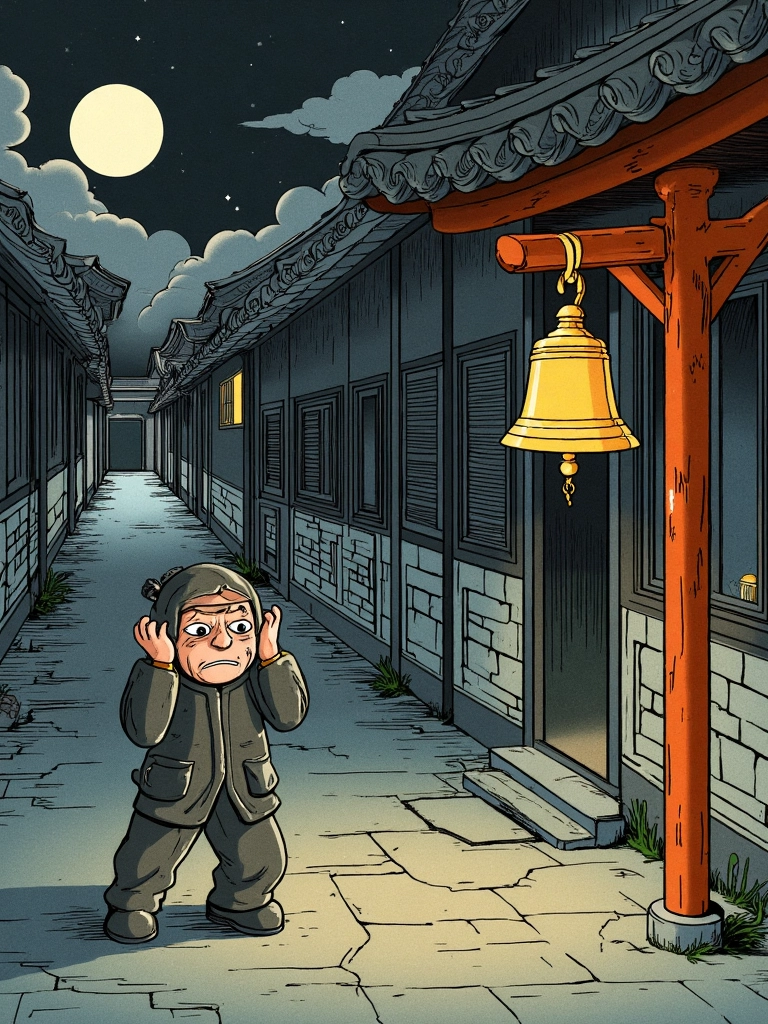
Illustration of the Chinese idiom 掩耳盗铃 (yǎn ěr dào líng), showing a man covering his ears while stealing a bell — symbolizing self-deception in Chinese culture and Mandarin learning.
掩耳盗铃
A long time ago, there was a man who wanted to steal a bell hanging at someone's door. He was afraid the bell would make noise and attract attention, so he came up with a "clever" idea — he covered hi...
Read More
RPLschool Mandarin learning — Chinese idiom “自相矛盾” (zì xiāng máo dùn), meaning to contradict oneself, from a Warring States story about a spear and shield.
自相矛盾
Idiom Story — 自相矛盾 The Story During the Warring States period, there was a man from the state of Chu who sold weapons in the marketplace. Holding up a spear, he loudly proclaimed:“My spear is extr...
Read More
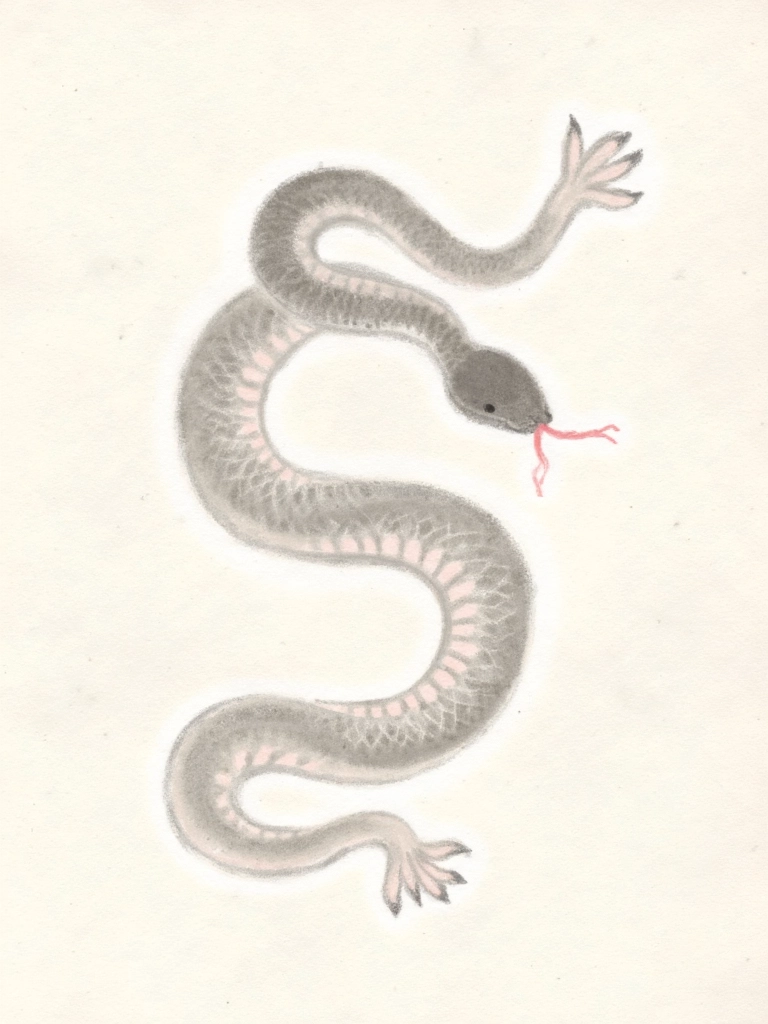
RPLschool Mandarin learning — Chinese idiom “画蛇添足” (huà shé tiān zú), meaning to ruin something by adding unnecessary details.
画蛇添足
Idiom Story — 画蛇添足 The Story During the Warring States period, there was a family in the state of Chu performing an ancestral ritual. They had only one pot of wine, which wasn't enough to share among...
Read More
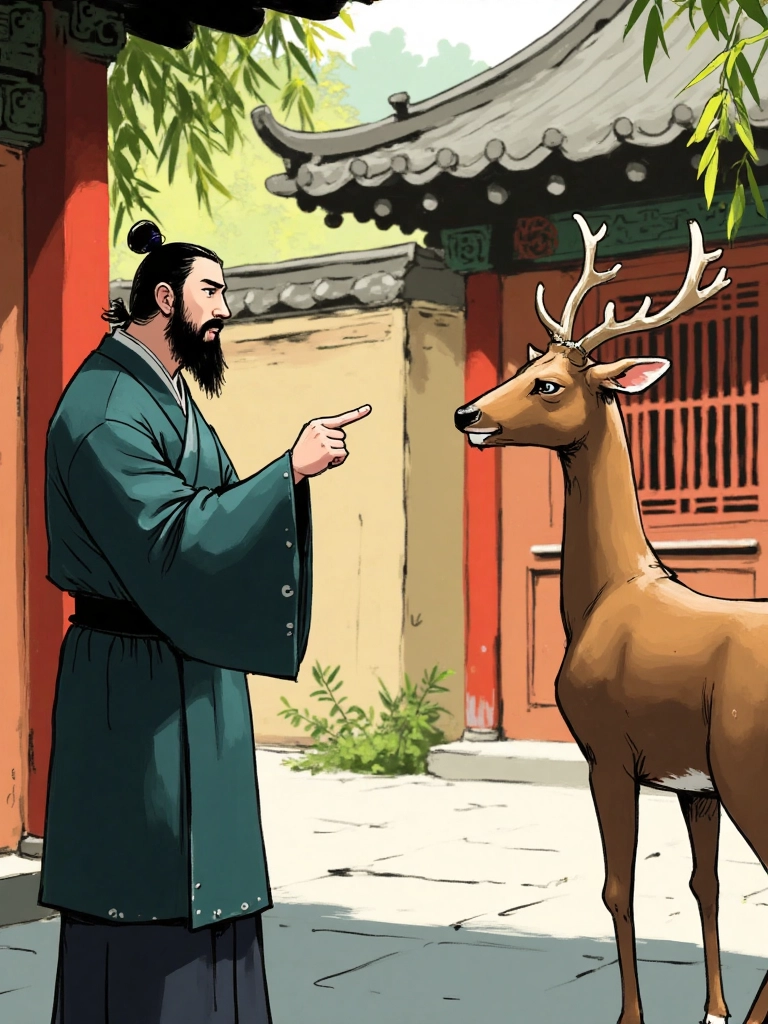
RPLschool Mandarin learning — Chinese idiom “指鹿为马” (zhǐ lù wéi mǎ), meaning deliberately distorting the truth, from Zhao Gao's historical loyalty test.
指鹿为马
Idiom Story — 指鹿为马 The Story When Qin Er Shi 胡亥 (Hu Hai) became emperor, the eunuch 赵高 (Zhao Gao) held great power. He wanted to test whether the court officials would obey him, so he devised an absu...
Read More
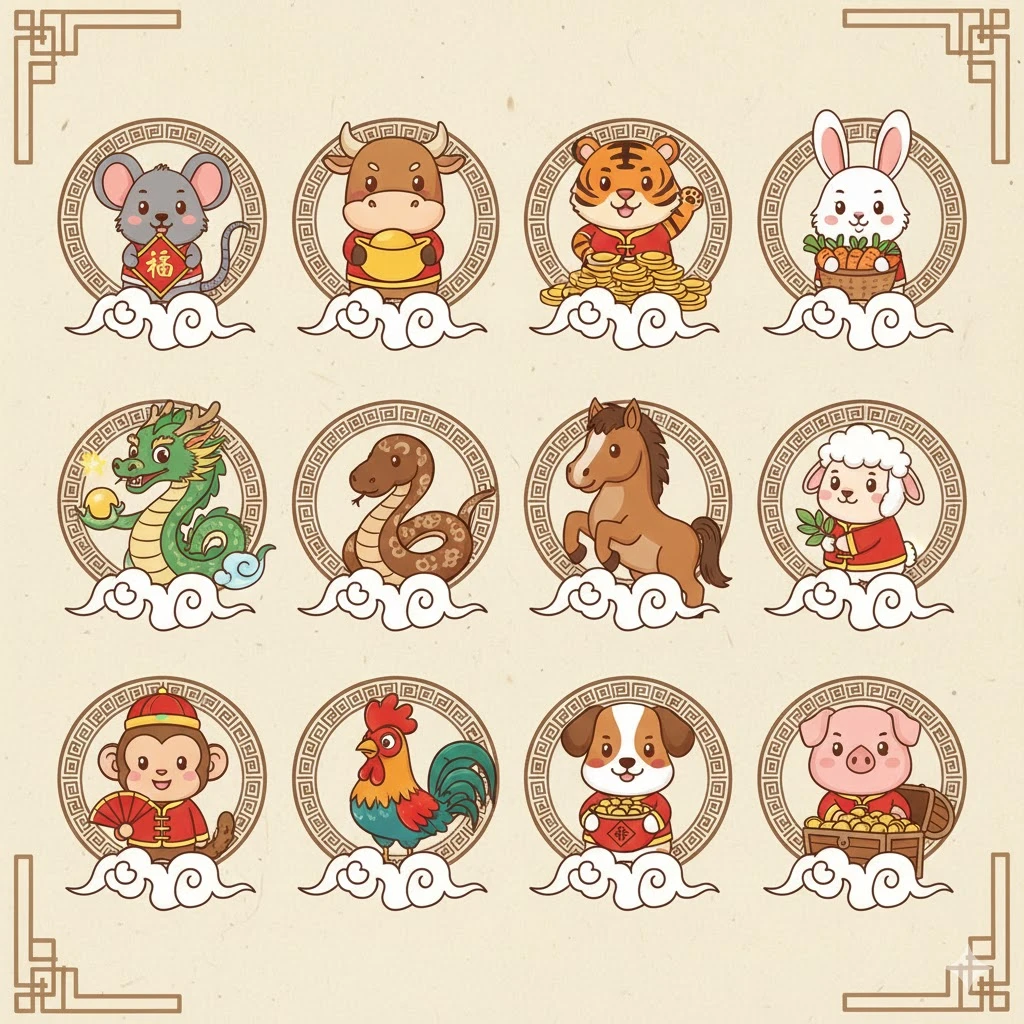
十二生肖,chinese-horoscope
Chinese Horoscope
Chinese zodiac and Zodiac Element Combinations (Wood, Fire, Earth, Metal, Water)
Read More
Chinese idiom “开门见山” (kāi mén jiàn shān) meaning to get straight to the point, inspired by Tang poet Li Bai and Southern Song critic Yan Yu, symbolizing directness and clarity in speech or writing.
开门见山
Idiom Story — 开门见山 To be honest, I wasn't quite sure how to begin my story here. In here, many Chinese learners — some out of personal interest, others for professional reasons. Whatever the motivati...
Read More