Chinese Culture

Explore the rich traditions, customs, and cultural insights of China
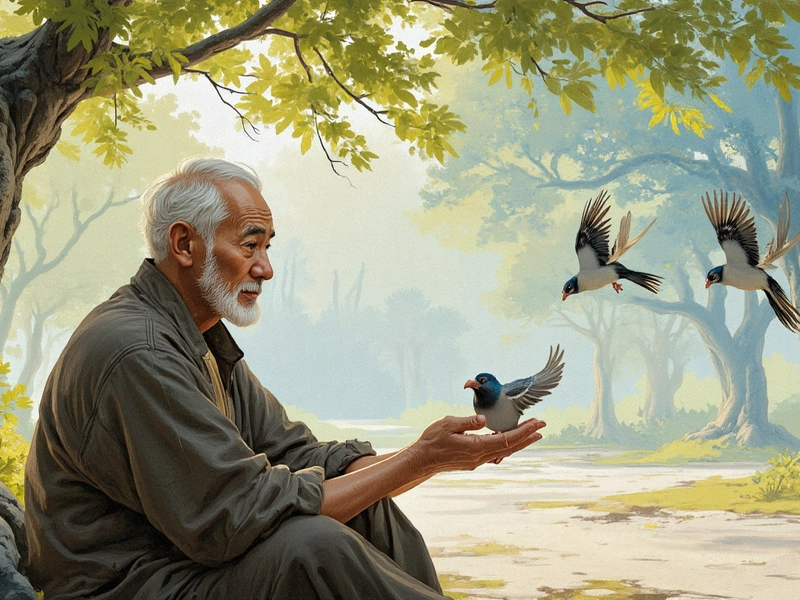
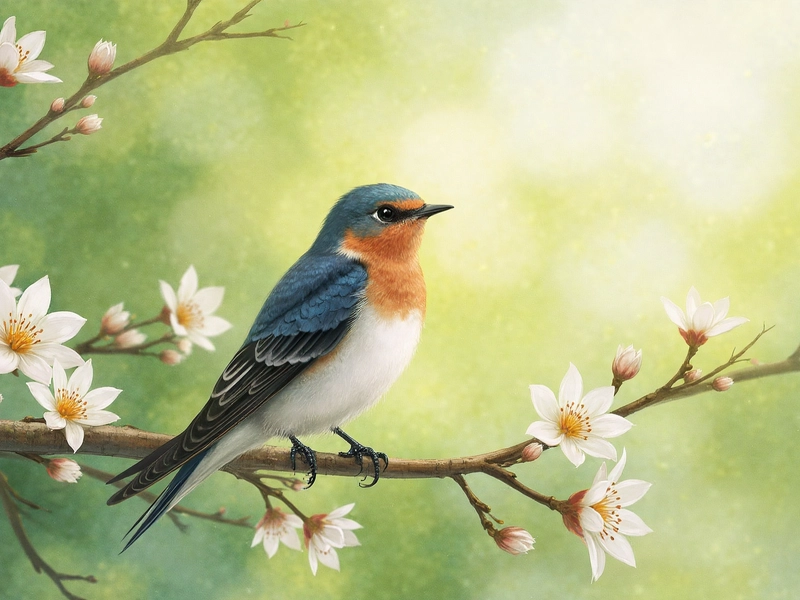
“Bird perched on a branch, calling out, illustrating the proverb 闻啼知鸟,闻言知人 and the idea that sounds reveal true nature”
Learn Chinese Proverbs: 闻啼知鸟,闻言知人 Explained with English Equivalents
A proverb (谚语 yànyǔ) is a short, commonly used saying that expresses a general truth, practical advice, or cultural wisdom. Chinese proverbs are deeply rooted in daily life and traditional culture. Th...
Read More
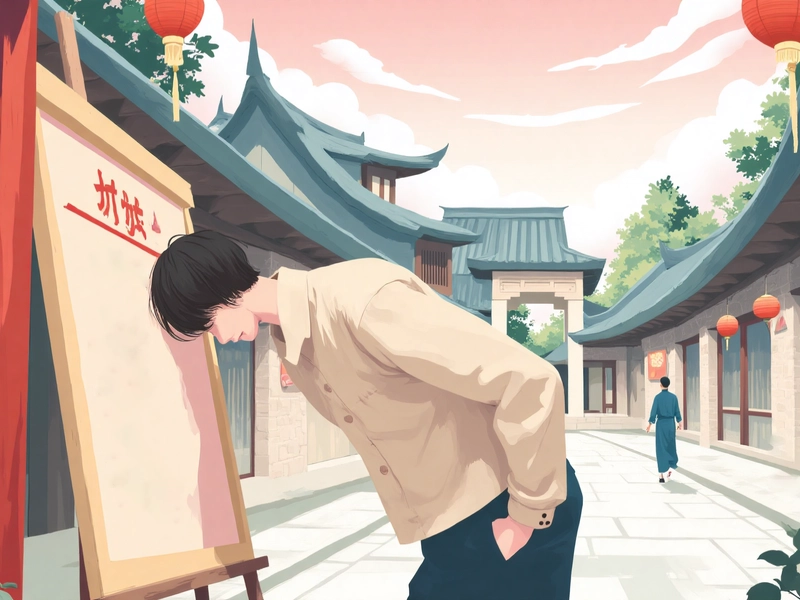
Illustration of Sun Shan, a Song Dynasty scholar, showing humor after seeing exam results, representing the origin of the idiom 名落孙山.
Chinese Idiom Story —— 名落孙山
What Does 名落孙山 Mean?Pinyin: míng luò sūn shān English Translation: “Name falls behind Sun Shan” (figuratively: failing an exam or not being admitted) The Chinese idiom 名落孙山 literally mean...
Read More
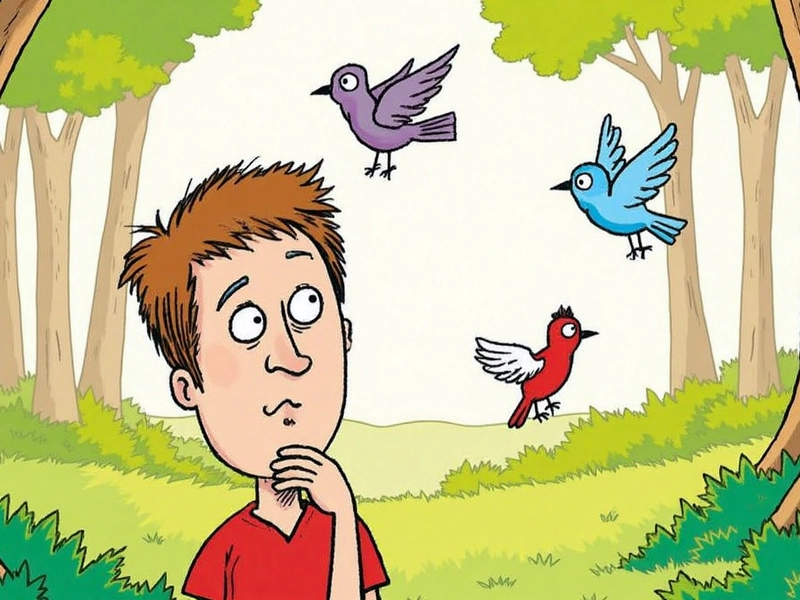
Illustration of the Chinese proverb 双鸟在林,不如一鸟在手 (shuāng niǎo zài lín, bù rú yī niǎo zài shǒu), meaning 'Two birds in the forest are not as good as one bird in hand.' Shows a person holding one bird securely while two other birds fly in the distance, symbolizing certainty versus uncertainty. Represents Chinese idioms about decision making, practical wisdom, and valuing what you already have, with English equivalents like 'A bird in the hand is worth two in the bush' and 'Better safe than sorry.'
Learn Chinese Proverbs: 双鸟在林,不如一鸟在手 – Chinese Idioms for Decision Making
A proverb (谚语 yànyǔ) is a concise expression of wisdom or practical advice, often reflecting cultural values. Studying Chinese proverbs and Chinese idioms not only enriches vocabulary but also help...
Read More
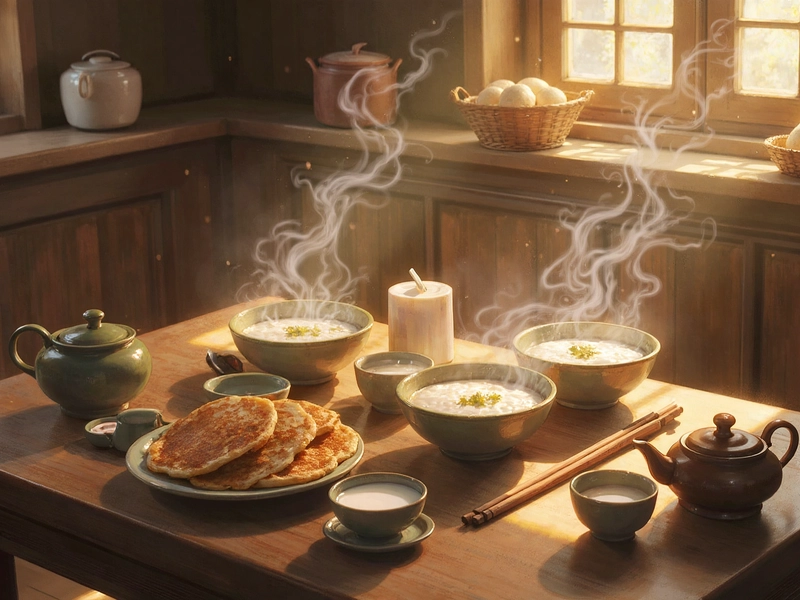
Illustration of 12 popular Chinese breakfast foods arranged on a table, including youtiao (fried dough sticks), baozi (steamed buns), congee (rice porridge), jianbing (Chinese crepes), dumplings, mantou (steamed bread), roujiamo (Chinese meat sandwich), rice noodles (mifen), tea eggs, and zongzi (sticky rice dumplings). Shows a colorful and diverse spread representing regional breakfast differences across northern, southern, and western China, highlighting traditional Chinese breakfast culture and modern variations.
12 Most Popular Chinese Breakfasts You Must Try
Breakfast is often called the most important meal of the day, and in China this is no exception. For travelers and food lovers, the question often arises: what do Chinese people eat for breakfast? ...
Read More
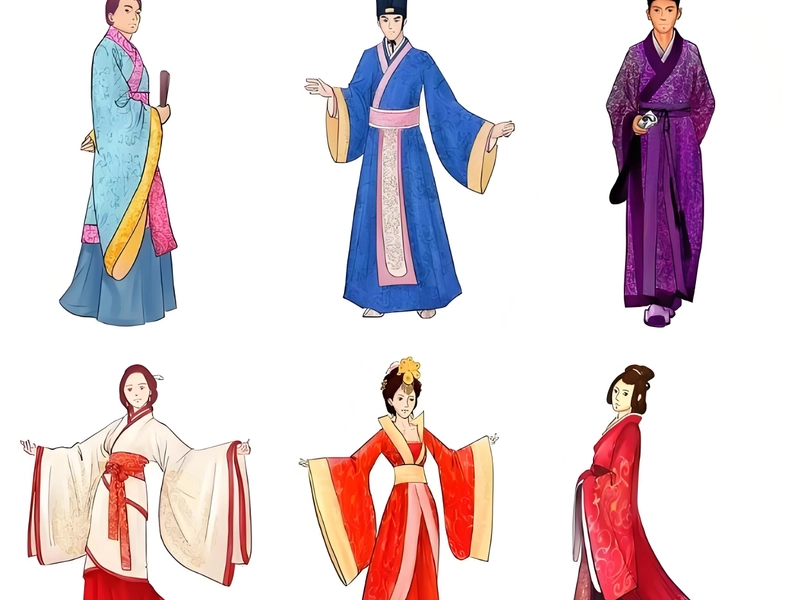
Illustration showcasing traditional Chinese clothing across dynasties and ethnic minorities: Hanfu from the Han dynasty with wide sleeves and layered garments, Tang dynasty robes with elaborate embroidery, Song dynasty elegant attire, Ming dynasty cross-collared tops and long skirts, Qing dynasty qipao and Tangzhuang jackets, along with Dai, Tibetan, Uyghur, and Zhuang ethnic outfits. Modern revival styles and contemporary fashion blending traditional Chinese dress with Western, Japanese, and Korean influences are also represented, highlighting cultural heritage, historical aesthetics, and global fashion fusion.
Traditional Chinese Clothing: A Cultural Journey Through Time
China, with thousands of years of history, expresses its rich culture not only through writing, architecture, and art but also through clothing. Traditional Chinese clothing, also known as Chinese ...
Read More
Illustration of the Chinese proverb 一燕不成夏 (yī yàn bù chéng xià), meaning 'One swallow does not make a summer.' Shows a single swallow flying with the backdrop of an incomplete summer scene. Highlights the proverb’s lesson about avoiding conclusions based on a single event, with English equivalents such as 'Don’t jump to conclusions based on a single event' and 'A single instance doesn’t prove a trend.' Includes elements representing Chinese culture, wisdom, and language learning.
Learn Chinese Proverbs: 一燕不成夏 Explained with English Equivalents
A proverb (谚语 yànyǔ) is a short, commonly used saying that expresses a general truth, practical advice, or cultural wisdom. Chinese proverbs are deeply rooted in daily life and traditional culture....
Read More
Illustration of the Chinese idiom 手不释卷 (shǒu bù shì juàn, unable to put down the book), depicting Lü Meng reading diligently with books in hand, ancient Three Kingdoms-era setting, scrolls and texts around him, symbolizing dedication to study, intellectual cultivation, and cultural emphasis on learning in Chinese history.
Chinese Idiom Story —— 手不释卷
Hand Not Releasing the Book Idiom - 手不释卷
Read More
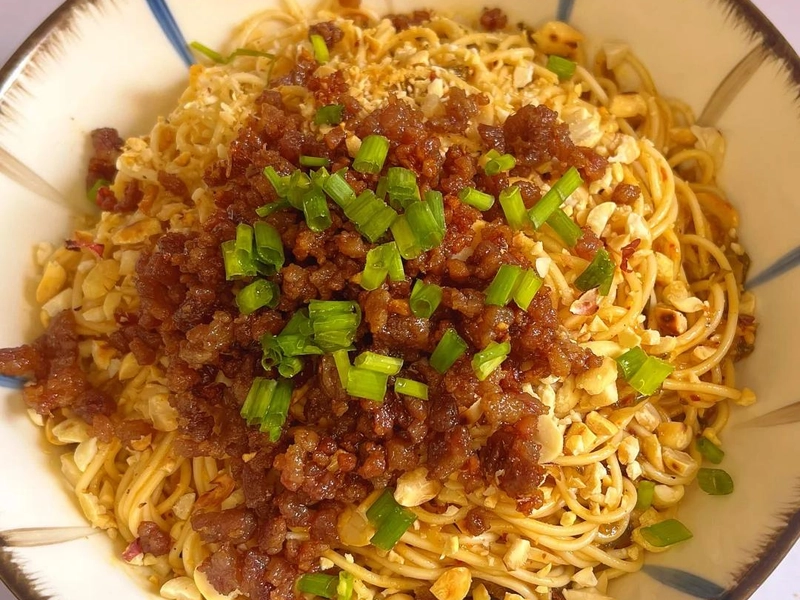
Illustration of the concept of Chinese noodles (面条, miàn tiáo) depicted with steaming bowls of noodles, chopsticks lifting strands, regional ingredients like vegetables and sauces, and iconic noodle-making techniques, representing culinary tradition, cultural heritage, regional diversity, and the artistry of Chinese cuisine.
Discovering China’s Five Great Noodles: A Culinary Journey
Across the globe, noodles are a beloved staple. From Italian pasta to Japanese ramen, they nourish both body and soul. Yet, few cultures celebrate noodles with as much historical depth and regional di...
Read More
Illustration of the Autumnal Equinox in China, showing golden rice fields, falling leaves, and clear autumn skies, representing the balance of day and night and traditional Chinese seasonal culture.
Autumnal Equinox — The Time of Equal Day and Night
The autumnal equinox, one of the 24 Chinese solar terms, marks the midpoint of autumn in the traditional Chinese calendar. On this day, day and night are almost equal, reflecting the delicate balance ...
Read More
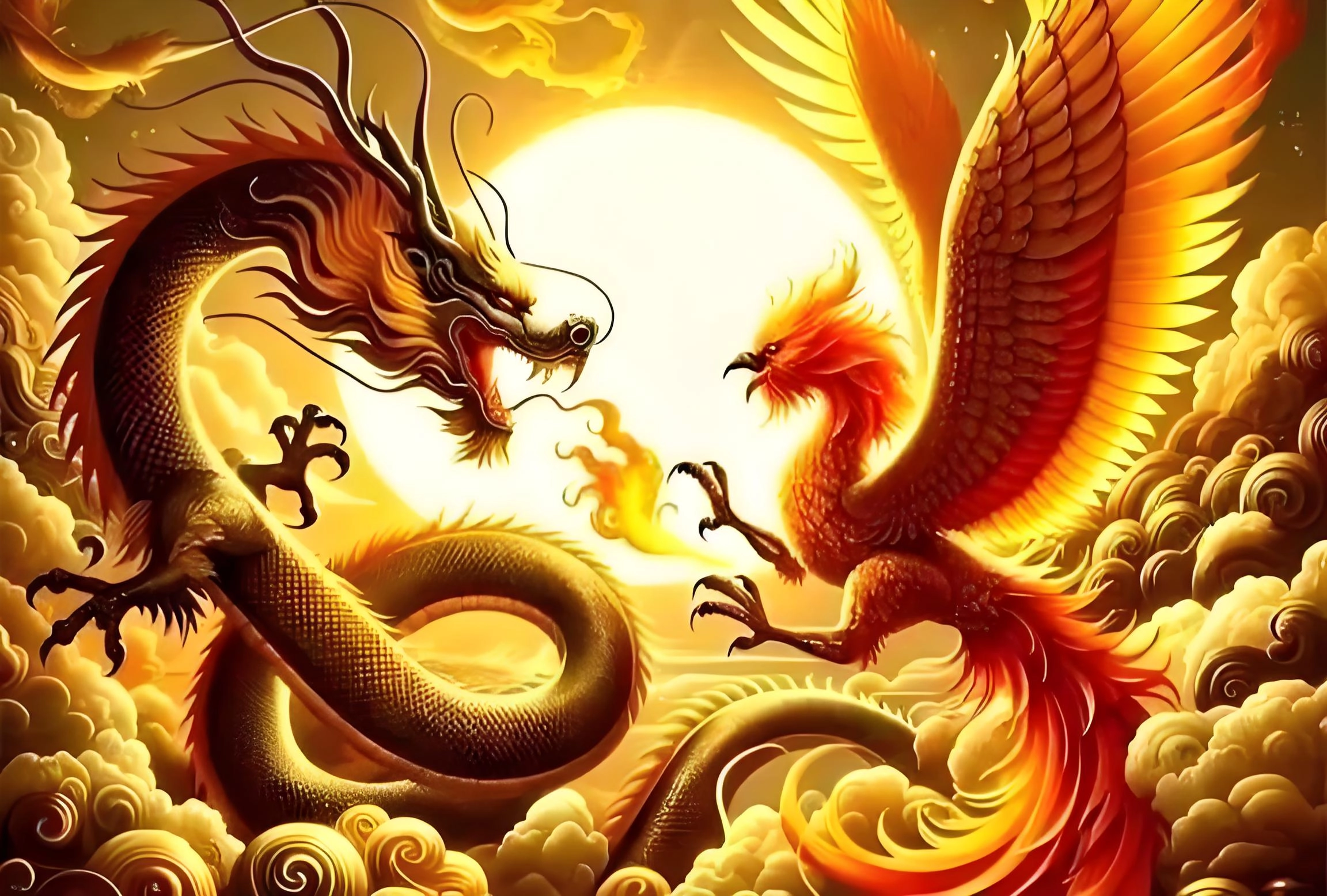
Traditional Chinese dragon (龙, lóng) and phoenix (凤, fèng) motifs, symbolizing harmony, prosperity, and auspiciousness, featured in art, embroidery, and cultural decorations.
Chinese Dragon and Phoenix: History, Culture, and Auspicious Designs
The dragon and phoenix are two of the most iconic symbols in Chinese culture. Known as 龙 (lóng, Dragon) and 凤 (fèng, Phoenix), these mythical creatures have deep cultural significance and appear i...
Read More
Endangered and iconic Chinese wildlife, including the giant panda (大熊猫, Dà Xióngmāo), baiji or Yangtze River dolphin (白鱀豚, Bái Jìtún), Yangtze finless porpoise (江豚, Jiāngtún), Chinese alligator (扬子鳄, Yángzǐ'é), and white-lipped deer (白唇鹿, Bái Chún Lù), showcasing China’s biodiversity and natural treasures.
China’s Unique National Treasure Animals
China is an important treasure trove of global biodiversity, home to many rare and unique animals. These creatures are not only natural wonders but also “living fossils” of the Chinese land. From dens...
Read More
Chinese calligraphy showcasing various styles including Seal Script (篆书), Clerical Script (隶书), Regular Script (楷书), Running Script (行书), and Cursive Script (草书), highlighting the art, culture, and history of Chinese brush calligraphy for learners of Chinese.
The Charm of Chinese Calligraphy: An Artistic Journey from Pen to Soul
Chinese calligraphy is a unique and profound art form in Chinese culture. It is not only the skill of writing Chinese characters but also a medium to convey emotions, express thoughts, and cultivate t...
Read More