Chinese Culture

Explore the rich traditions, customs, and cultural insights of China

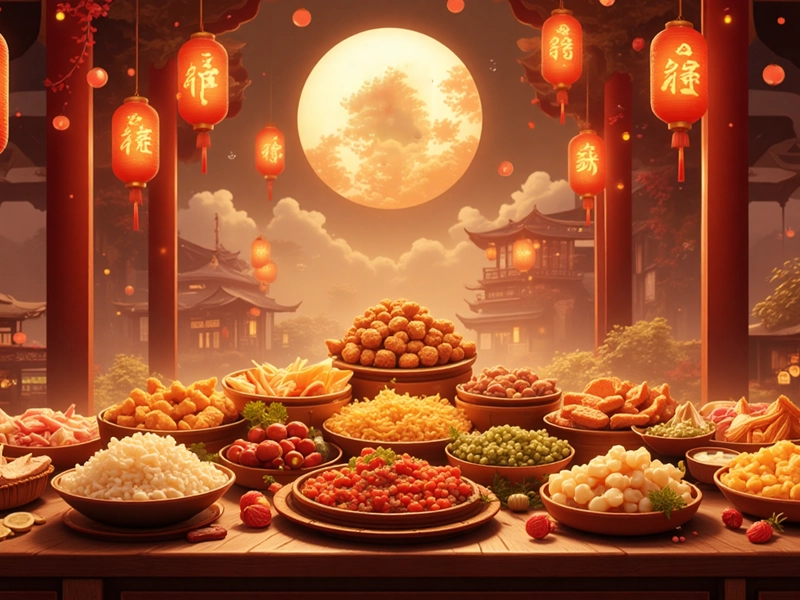
Traditional Mid-Autumn Festival mooncakes with lotus seed paste and salted egg yolk, symbolizing reunion and happiness
Delicious Mid-Autumn Festival Foods – From Mooncakes to Seasonal Dishes
The Mid-Autumn Festival, also known as the Reunion Festival, is celebrated every year on the 15th day of the 8th lunar month and is one of the four major...
Read More
Full moon and blooming flowers representing the Chinese idiom 花好月圆, symbolizing happiness, harmony, and family reunion
Chinese Idiom Story – 花好月圆 (huā hǎo yuè yuán)
What Does 花好月圆 Mean in Chinese Idioms? The Chinese idiom 花好月圆 (huā hǎo yuè yuán) literally means “flowers are beautiful and the moon is full...
Read More
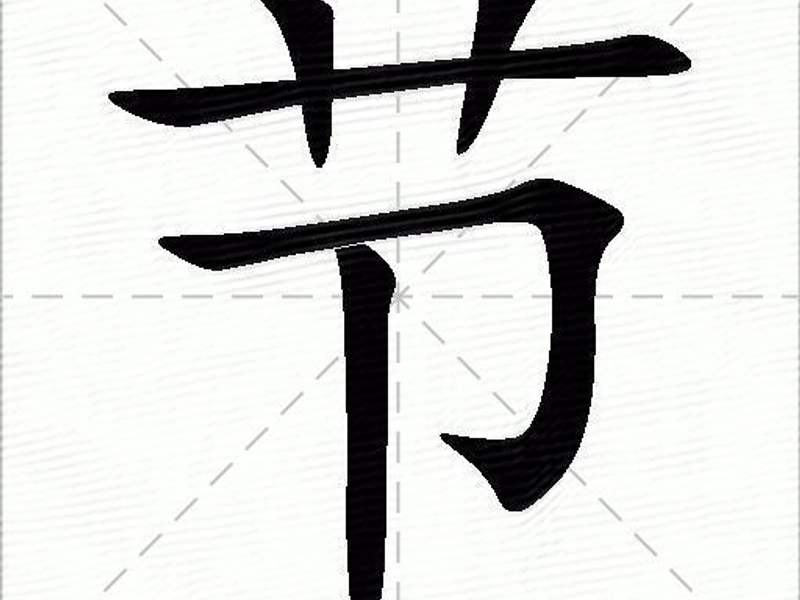
Chinese character 节 (jié) representing festival, moral integrity, and joints with bamboo node origins
The Meaning and Cultural Significance of the Chinese Character “节” (Festival / Section / Moral Integrity)
Read More
Illustration of autonomous, intelligent, and globally expanding NEVs in China, symbolizing the future of the EV industry
New Energy Vehicles (NEV) in China: A Comprehensive Guide from “Fuel” to “Electric”
On an early morning street in Beijing, a white BYD Han quietly passes through an intersection. It emits no exhaust, only the faint hum of its electric motor, a hallmark of modern electric vehicles...
Read More
A white BYD Han electric vehicle quietly driving through a Beijing street, showcasing China’s new energy vehicle (NEV) technology and green mobility.
BYD Growth Story: From a Small Battery Factory to a Global Leader in Electric Vehicles
Riding the Wave of Opportunity in the China EV Industry Amid China’s wave of reform and opening-up, a group of visionary entrepreneurs emerged, daring to challenge tradition and pursue technologic...
Read More
Ancient scroll depicting moral and cultural teachings, emphasizing careful and deliberate actions inspired by Chinese idioms like 打草惊蛇.
Chinese Idiom Story – 打草惊蛇
What Does 打草惊蛇 Mean in Chinese Idioms? The Chinese idiom 打草惊蛇 (dǎ cǎo jīng shé) literally means “beat the grass to scare the snake.” Literal idiom meaning: Hitting the grass, startling the hidde...
Read More
An ancient Chinese painting showing a fearful general mistaking trees and grass for enemy soldiers, representing the idiom 草木皆兵 and paranoia after defeat.
Chinese Idiom Story – 草木皆兵
What Does 草木皆兵 Mean in Chinese Idioms? The Chinese idiom 草木皆兵 (cǎo mù jiē bīng) literally means “every tree and bush looks like an enemy soldier.” Literal idiom meaning: Mistaking grass and tree...
Read More
Chinese New Year banner with phrase 新年快乐 and festive decorations
7 Essential Chinese Wishes: Good Luck, Health, and Happiness in Mandarin
In Chinese culture, colors, words, and phrases often carry deep symbolic meanings, reflecting philosophy, tradition, and social...
Read More
Traditional Chinese color palette showing red, yellow, green, blue, white
Chinese Color Meanings – Symbolism, Tradition, and Modern Applications
In Chinese culture, colors are much more than just visual elements—they carry rich symbolic meanings and are closely linked...
Read More
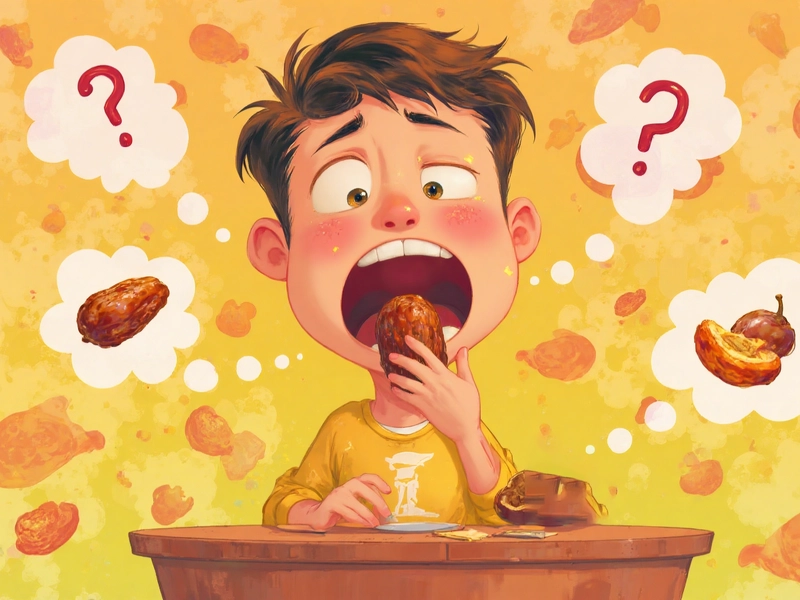
Chinese idiom 囫囵吞枣
Chinese Idiom Story – 囫囵吞枣
What Does 囫囵吞枣 Mean in Chinese Idioms? he Chinese idiom 囫囵吞枣 (hú lún tūn zǎo) literally means...
Read More
Illustration of a person wielding an axe at Lu Ban’s door
Chinese Idiom Story – 班门弄斧
What Does 班门弄斧 Mean in Chinese Idioms?The Chinese idiom 班门弄斧 (bān mén nòng fǔ)...
Read More
“Shiny objects including gold and glittering items, symbolizing the proverb ‘All that glitters is not gold’ (闪闪发光物,并非皆金子)”
Learn Chinese Proverbs: 闪闪发光物,并非皆金子 Explained with English Equivalents
A proverb (谚语 yànyǔ) is a short, commonly used saying that expresses a general truth, practical advice, or cultural wisdom. Chinese proverbs are deeply rooted in daily life and traditional culture. Th...
Read More