Chinese Culture

Explore the rich traditions, customs, and cultural insights of China

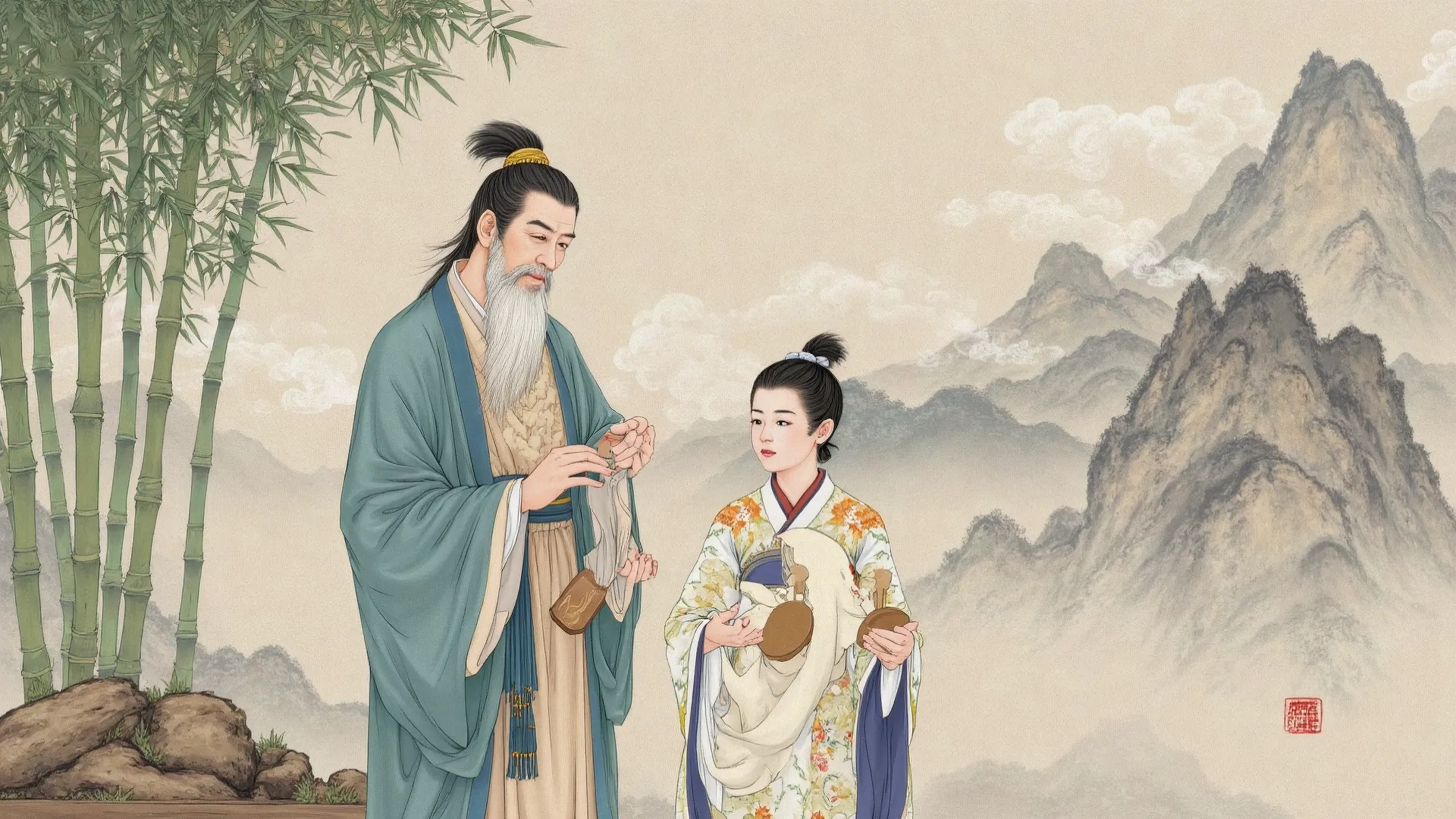
An educational graphic introducing the Chinese proverb 青出于蓝而胜于蓝 (qīng chū yú lán ér shèng yú lán), meaning “the student surpasses the teacher.” The design highlights the proverb, pinyin, English equivalents such as “The pupil outdoes the master,” and explains its cultural wisdom about growth and improvement.
Proverb education —— 青出于蓝而胜于蓝
A proverb (谚语) is a short, commonly known saying that expresses a general truth, practical advice, or cultural wisdom. Proverbs are often passed down through generations and reflect everyday life or m...
Read More
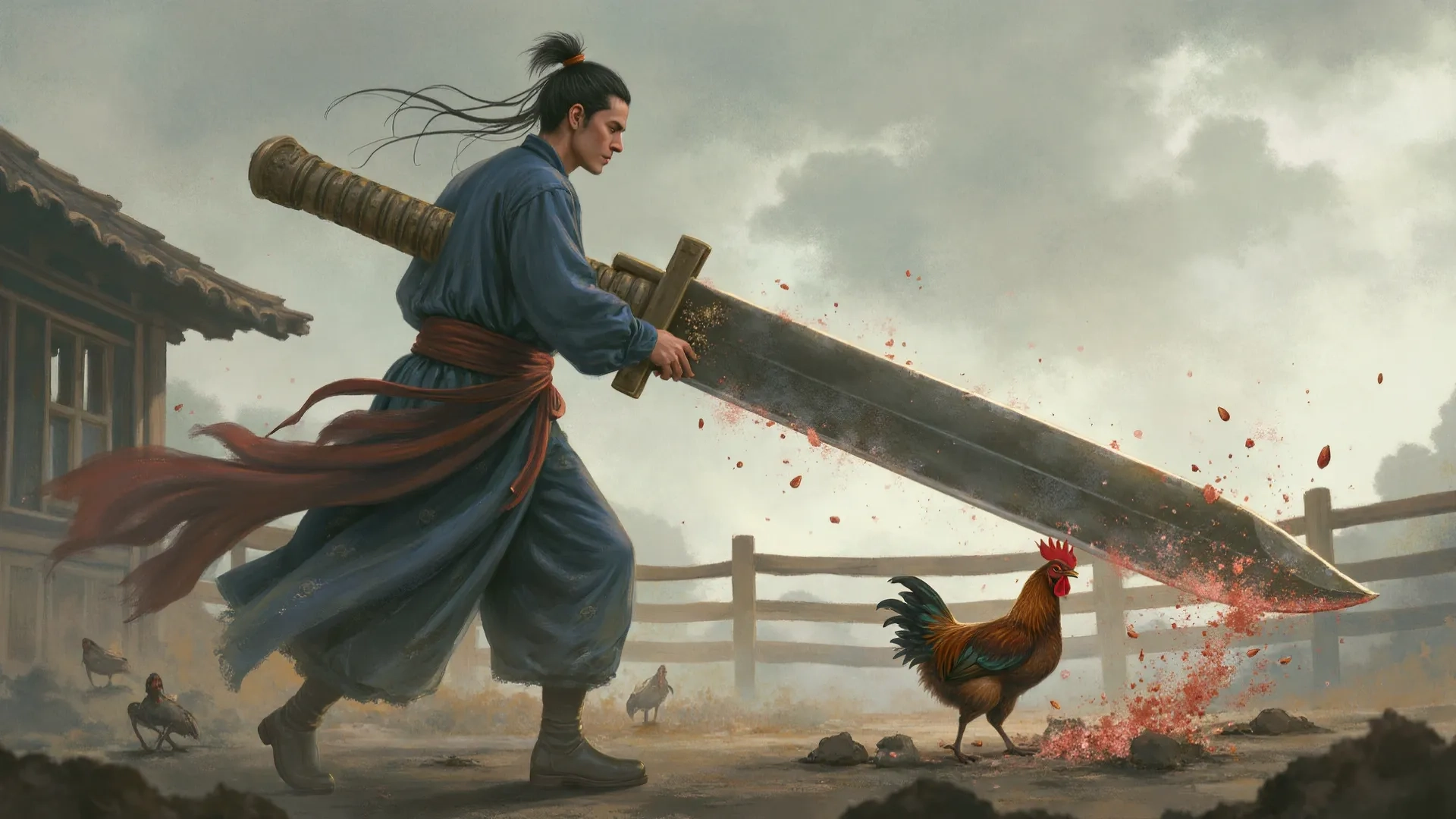
An educational graphic featuring the Chinese proverb 杀鸡用牛刀 (shā jī yòng niú dāo), meaning “using a butcher’s knife to kill a chicken,” with pinyin, English equivalents such as “using a sledgehammer to crack a nut,” and an explanation that it warns against overkill or using excessive force for small problems.
Proverb education —— 杀鸡用牛刀
A proverb (谚语) is a short, commonly known saying that expresses a general truth, practical advice, or cultural wisdom. Proverbs are often passed down through generations and reflect everyday life or m...
Read More
An educational graphic featuring the Chinese proverb 拿人手软,吃人嘴短 (ná rén shǒu ruǎn, chī rén zuǐ duǎn), with pinyin and English equivalents like “You can’t bite the hand that feeds you,” explaining that accepting favors or gifts may make one reluctant to criticize or oppose, highlighting the influence of gratitude on behavior.
Proverb education —— 拿人手软,吃人嘴短
A proverb (谚语) is a short, commonly used saying that expresses a general truth, practical advice, or cultural wisdom. Proverbs are often passed down through generations and reflect everyday life or mo...
Read More
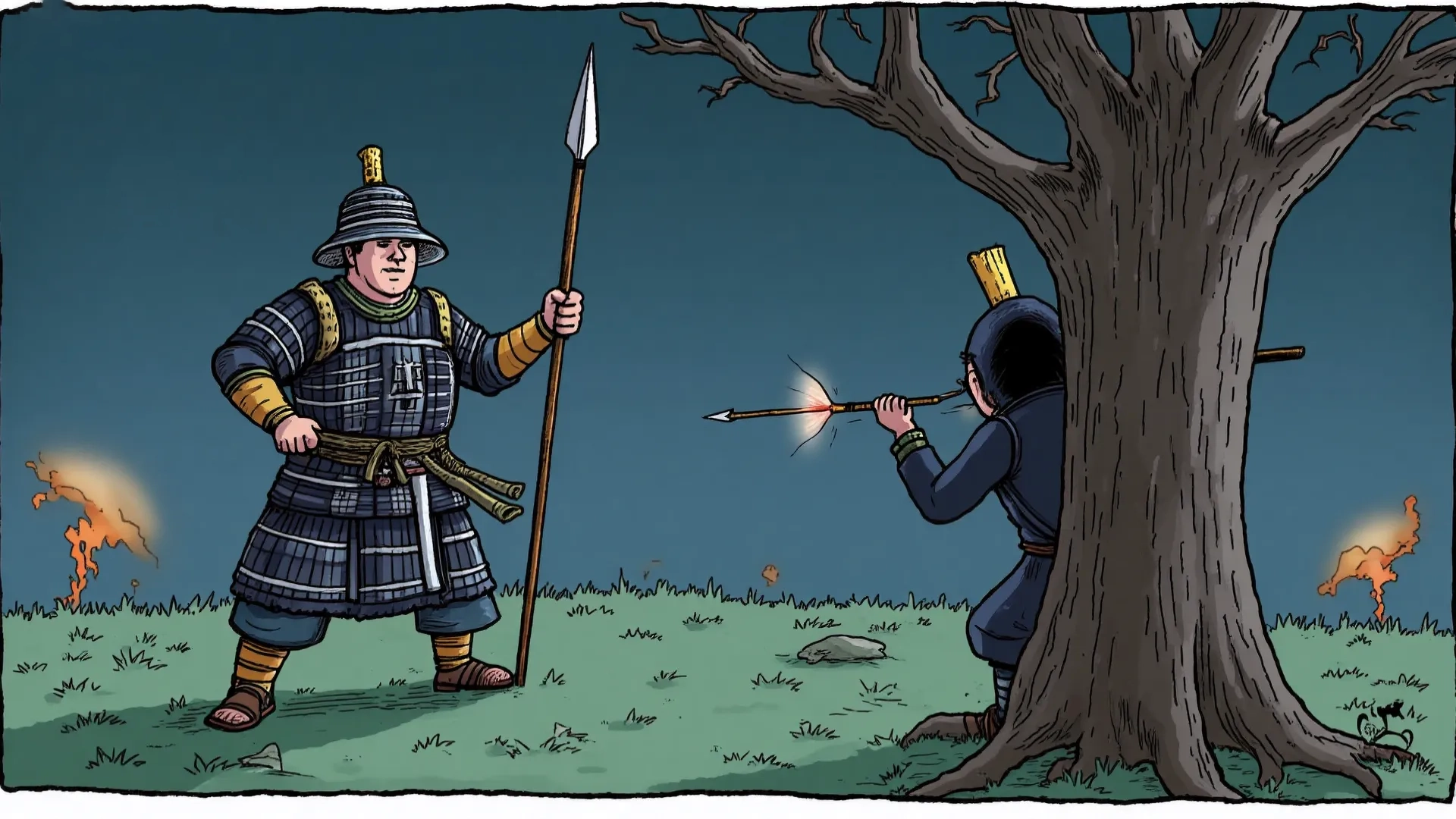
An educational visual featuring the Chinese proverb 明枪易躲,暗箭难防 (míng qiāng yì duǒ, àn jiàn nán fáng), with pinyin and English equivalents like “Better an open enemy than a false friend,” illustrating that open attacks are easier to defend against while hidden threats or betrayals are more dangerous, emphasizing caution against deceit.
Proverb education —— 明枪易躲,暗箭难防
A proverb (谚语) is a short, commonly known saying that expresses a general truth, practical advice, or cultural wisdom. Proverbs are often passed down through generations and reflect everyday life or m...
Read More
An educational visual featuring six classic Chinese myths—Pangu creating the world, Nuwa creating humans, Hou Yi shooting the suns and Chang’e flying to the moon, Yellow Emperor battling Chiyou, Yu the Great controlling floods, and Nezha causing havoc in the sea—with corresponding characters, pinyin, and English explanations, illustrating key themes like creation, courage, sacrifice, responsibility, and justice in Chinese mythology for language and cultural learning.
Classic Chinese Mythology: Legendary Figures and Cultural Meanings
Chinese mythology is ancient, magical, and fascinating. These stories are full of adventure and wonder while containing profound wisdom and cultural significance, reflecting the unique values of C...
Read More
“Chinese proverb ‘物以类聚,人以群分’ in elegant calligraphy, presented on a traditional scroll or ink-wash background, symbolizing cultural wisdom.”
Proverb education —— 物以类聚,人以群分
A proverb (谚语) is a short, commonly known saying that expresses a general truth, practical advice, or cultural wisdom. Proverbs are often passed down through generations and reflect everyday life or m...
Read More
“Smartly dressed person entering a room greeted with smiles and handshakes — demonstrating how good clothing creates favorable first impressions.”
Proverb education —— 佛要金装,人要衣装
A proverb (谚语) is a short, commonly known saying that expresses a general truth, practical advice, or cultural wisdom. Proverbs are often passed down through generations and reflect everyday life or m...
Read More
“Chinese proverb ‘种瓜得瓜,种豆得豆’ in brush calligraphy, overlaid on a rustic farm or garden scene, symbolizing cause and effect in life.”
Proverb education —— 种瓜得瓜,种豆得豆
A proverb (谚语) is a short, commonly known saying that expresses a general truth, practical advice, or cultural wisdom. Proverbs are often passed down through generations and reflect everyday life or m...
Read More
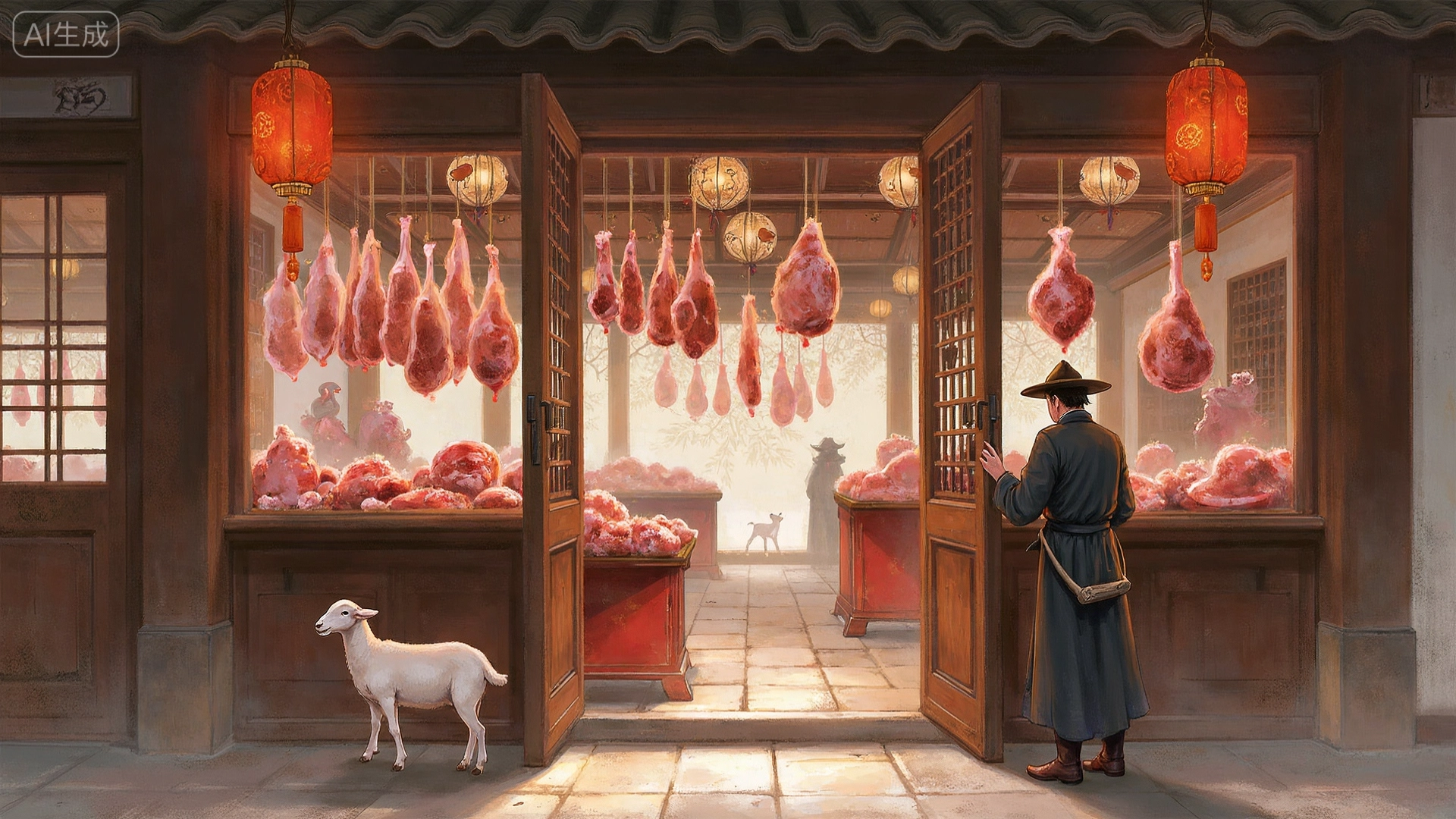
“Chinese proverb ‘挂羊头,卖狗肉’ in bold calligraphy, with a sheep’s head sign above a stall secretly selling dog meat — symbolizing false advertising.”
Proverb education —— 挂羊头,买狗肉
A proverb (谚语) is a short, commonly known saying that expresses a general truth, practical advice, or cultural wisdom. Proverbs are often passed down through generations and reflect everyday life or m...
Read More
An illustration of the Chinese idiom 危言耸听 (wēi yán sǒng tīng), depicting Gu Kaizhi, Huan Xuan, and Yin Zhongkan exchanging exaggerated sayings, such as cooking millet on spear tips, an old man clinging to a withered branch, and a baby lying on a well’s wheel, symbolizing alarming words meant to shock listeners.
Idiom story ——危言耸听
Once, during the Eastern Jin dynasty, the painter Gu Kaizhi, general Huan Xuan, and Yin Zhongkan gathered and shared exaggerated sayings depicting extremely dangerous situations:Huan Xuan...
Read More
An illustration of the Chinese idiom 言过其实 (yán guò qí shí), showing Shu general Ma Su at Jieting confidently lecturing on military theory but ignoring practical strategy, leading to defeat. Zhuge Liang, saddened, later executes Ma Su for his exaggerated words and failure, symbolizing the danger of overstating abilities.
Idiom story ——言过其实
During the Three Kingdoms period, 马谡 (Mǎ Sù), a general of Shu, was fond of discussing military theories. 诸葛亮 (Zhūgě Liàng) admired him, but Liu Bei thought Ma Su was prone to exaggeration and unf...
Read More
An illustration of the Chinese idiom 纸上谈兵 (zhǐ shàng tán bīng), showing Zhao Kuo confidently studying military books and giving commands based on theory, while the Zhao army suffers defeat in the Battle of Changping. Nearby, the experienced general Lian Po is shown as the wiser alternative, symbolizing the danger of relying only on paper knowledge without real-world experience.
Idiom story ——纸上谈兵
During the Warring States period, Zhao Kuo was a general of Zhao state who excelled at military theory but lacked battlefield experience. He replaced the experienced general Lian Po and led the Zh...
Read More