Let’s Explore Chinese Desserts Together
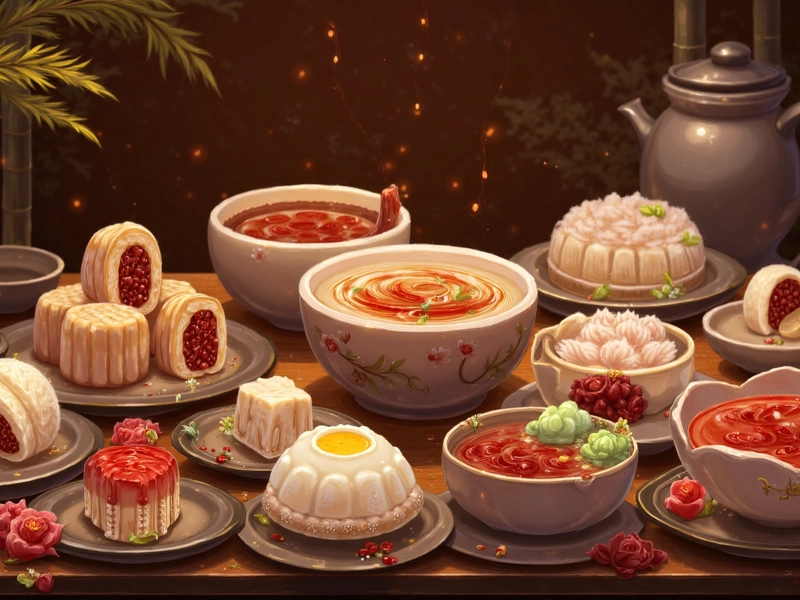
What Is “Chinese-Style” Sweetness?
Unlike Western desserts, which often hit the palate with bold, direct sweetness, Chinese desserts embody a subtle, nuanced sweetness. They do not aim for sugar overload; instead, they leave space to breathe, allowing the natural aroma, texture, and seasonal essence of the ingredients to flow gently, as if telling a tiny story on the tongue. Every bite becomes a delicate dialogue with ingredients, seasons, and mood, showcasing the artistry of Traditional Chinese desserts.
The essence of Chinese sweets lies in gentle sweetness and authentic flavor. Whether it is the rich fragrance of red beans, the tender softness of lotus seeds, the silky smoothness of white fungus, or the subtle elegance of osmanthus, the warmth of goji berries, and the deep sweetness of red dates, the sweetness never dominates. It acts as a soft backdrop, highlighting the natural aroma and intrinsic layers of the ingredients. Sugar becomes more than just a carrier of sweetness—it is a brushstroke of harmony, allowing each bite to unfold in balance and depth.
Chinese pastry such as osmanthus cake offers a light and graceful fragrance, like a spring morning breeze; rock sugar stewed pear nourishes and soothes, like winter sunlight; mung bean soup is cooling and smooth, bringing freshness in the summer heat. These Chinese desserts recipes are not merely taste experiences—they reflect the seasons and the natural world.
This type of sweetness is more than a treat for the taste buds—it is an extension of Chinese dessert culture and life philosophy. Rooted in agrarian civilization, Chinese traditional desserts follow seasonal rhythms, respecting the natural qualities and freshness of ingredients. Each dessert embodies the passage of time and nature, offering a delicate expression of Eastern taste philosophy: sweet without being cloying, elegant without pretension, ordinary yet refined and composed.
More importantly, the beauty of Chinese desserts lies not only in taste but also in ritual and emotion: spring qingtuan symbolizes the awakening of life; Dragon Boat Festival mung bean cakes signify health and well-being; Mid-Autumn Festival mooncakes carry reunion and longing; winter eight-treasure rice warms and wards off the cold. The cyclical rhythm of the seasons is reflected in sweetness, allowing taste, memory, and culture to resonate together.
Every bite becomes a journey through time, tradition, and the heart. For those eager to explore, learn Chinese desserts at home with simple Chinese dessert recipes, and experience the harmonious layers, flavors, and stories embedded in each treat.
The Philosophy of Taste: Sweetness as the Balance in the Five Flavors
In Chinese culinary culture, “gan” (sweetness) holds a unique position within the five-flavor system—sour, bitter, sweet, pungent, and salty. Sweetness is not merely a gustatory experience; it is a principle of harmony. It softens the sharpness of sour, bitter, pungent, and salty flavors, creating a smooth, rounded mouthfeel, while also nourishing and calming the body and mind. This is why many Chinese desserts emphasize “sweet but not cloying”—the sweetness never dominates but interacts with the ingredients, the season, the climate, and even individual constitution, reflecting the Chinese dessert philosophy of aligning with nature and balancing the five flavors.
The Secret of Sweetness without Cloying
1. Emphasizing the Natural Flavor of Ingredients
Chinese desserts often allow the natural aroma and texture of the ingredients to take center stage, with sweetness acting only as a gentle accent. The rich fragrance of red bean paste, the creamy silkiness of sesame paste, the soft, mellow texture of taro cake, and the refreshing natural sweetness of fresh fruit—all pay tribute to the ingredients themselves. Sugar here acts like a delicate brushstroke, subtle yet enhancing the beauty of the main component. More importantly, this approach embodies the philosophy of respecting the essence of ingredients: sweetness does not mask but highlights the natural fragrance and authenticity of the food. This principle is central to Traditional Chinese desserts and Chinese sweets, where taste, aroma, and texture are equally celebrated.
2. Clever Use of Natural Sweeteners
Chinese desserts recipes pay attention to the source and layering of sweetness. Different sweeteners offer distinct flavors and functions. Rock sugar is pure and gentle, offering a light, clean sweetness; brown sugar is warm and rich, nourishing the body while hinting at malt and caramel notes; honey carries floral aromas, sweet without cloying, with natural nourishing qualities; maltose provides a slow, lingering sweetness, creating a long-lasting finish. By combining these sweeteners, the sweetness unfolds in multiple layers—light and delicate, warm and rich, or with subtle floral and fruity notes—making the flavor complex yet natural.
3. Introducing Subtle “Contrasts”
To give sweetness depth, Chinese desserts often incorporate subtle contrasting flavors. Osmanthus cake may include a pinch of salt during preparation to enhance the floral aroma and balance the sweetness; almond tea uses slightly bitter southern almonds to add depth and aftertaste; red bean paste sometimes carries a hint of natural bean bitterness, like a soft accompaniment to the sweetness. These subtle contrasts enrich the flavor layers and allow diners to experience the nuance and resonance of Chinese sweets on the palate.
It is this careful balance and interplay of flavors that make Chinese desserts both gentle and profound, sweet but not overwhelming, elegant yet understated. Sweetness here is more than a taste—it is a life wisdom. It teaches us to practice moderation and harmony, to appreciate the interplay between sweetness and other flavors, and to sense the natural rhythm of seasons, ingredients, and life itself. In Chinese dessert making, sweetness is both subtle and philosophical: the most beautiful sweetness often lies in the space left unfilled, in the subtlety where wisdom resides.
The Art of Time and Space: A Seasonal Map of Chinese Desserts
Chinese desserts do more than delight the palate—they are deeply intertwined with the rhythms of the four seasons. Each season’s dessert reflects the passage of time, blending the cycles of nature with human wisdom, allowing the taste experience to shift and evolve with the year.
Spring · Awakening — Freshness and Renewal
In spring, life awakens, and the air carries the fragrance of soil, flowers, and new growth. The tongue craves light, refreshing flavors. Chinese sweets in this season emphasize vitality and refreshing relief, harmonizing with both nature’s rhythms and the body’s seasonal needs.
Qingtuan (Mugwort Rice Balls) wrap glutinous rice in the delicate aroma of mugwort. Soft and slightly sweet, they carry a hint of grassy freshness, like morning dew on tender spring leaves. Beyond flavor, mugwort is believed to clear heat, detoxify, dispel cold, and strengthen the spleen, giving Qingtuan both culinary and health significance. Its tender green color and small, rounded shape resemble the first buds of spring, creating a harmonious visual and gustatory experience.
Fermented Rice Balls (Jiu Niang Yuanzi) offer a naturally fermented aroma with gentle sweetness and subtle tang. The rice’s fragrance combines with the slightly sweet rice wine syrup, while the balls are soft and springy, symbolizing life’s awakening and the vitality of new beginnings. Historically, fermented rice was used in festivals and rituals to pray for good harvests, health, and blessings. Eating them in spring enhances the feeling of seasonal renewal and life’s resurgence, reflecting the careful traditions of Traditional Chinese desserts and Chinese festival desserts.
Almond Tofu presents a snowy white appearance and smooth, refreshing texture. With a faint almond fragrance, it evokes the gentle spring breeze of early morning. The preparation carefully combines soaking and grinding almonds with delicate tofu processing, creating a dessert that is layered in flavor yet light in texture. Almond tofu symbolizes purity and tenderness, allowing diners to taste spring’s gentleness and vitality on the tongue.
Spring desserts also emphasize elegant colors. Tender green, creamy white, and soft pink appear in Qingtuan, peach blossom pastries, and almond cakes, visually echoing the bright and warm light of spring. These Chinese desserts recipes at home not only delight the taste buds but extend the culture of the season itself: through flavors, ingredients, and craftsmanship, one can experience the lightness, softness, and vitality of spring within each bite, making Chinese sweets both a culinary and cultural journey.
Summer · Coolness — Refreshing and Moisture-Relieving
In the height of summer, the scorching sun and lingering humidity make desserts a vital source of refreshment. Chinese summer desserts emphasize lightness, coolness, and relief from greasiness, aligning with both seasonal rhythms and health wisdom, letting the palate experience harmony with nature.
Mung Bean Soup is a classic summer remedy. The mung beans are cooked until soft and translucent, yielding a sweet, smooth broth that immediately cools the body and dissipates heat. Mung beans have long been regarded as a natural ingredient to clear heat, detoxify, and reduce dampness, making this dessert both refreshing and health-promoting in the summer.
Osmanthus Ice Jelly glistens like morning dew. Soft and delicate, it melts in the mouth, carrying the gentle fragrance of osmanthus. The subtle sweetness and floral aroma create layered sensations, like a cool summer breeze sweeping away heat and fatigue.
Mango Pomelo Sago combines the sweetness of mango, the mild tang of pomelo, and the chewy texture of sago. The tropical fragrance of mango contrasts with the refreshing citrusy notes, creating a dessert that is both cooling and invigorating—a gentle summer afternoon breeze in culinary form.
Hainan Qingbuliang exemplifies southern Chinese desserts, blending mung beans, red beans, coix seeds, coconut jelly, lotus seeds, and more, with rock sugar or coconut milk. Sweet yet refreshing, it relieves heat, reduces dampness, and nourishes the spleen and stomach, reflecting the “food therapy” philosophy of Traditional Chinese desserts.
Summer desserts emphasize bright and fresh colors—greens, whites, yellows, and oranges—visually invoking a sense of coolness. Using natural ingredients such as fruits, beans, and flowers, and techniques like light cooking, chilling, or soaking, the desserts retain their authentic flavors. The sweetness never overwhelms but harmonizes with subtle scents, acidity, and mild bitterness. Summer Chinese sweets are not only a taste experience but a seasonal art, offering refreshment and comfort amidst the heat.
Autumn · Richness — Moistening and Nourishing
Autumn brings dryness and cooler weather, making the palate crave gentle, nourishing sweetness. Chinese autumn desserts emphasize moistening dryness, nourishing the body, and sweet yet not cloying flavors, carefully balancing ingredients and techniques to align taste with seasonal rhythms.
Chestnut Cake is a quintessential autumn treat. Chestnuts, steamed or roasted, offer natural sweetness and a soft, nutty texture. Combined with flour and eggs into a tender cake, each bite evokes the warmth and abundance of autumn, like ripe fruits gently melting on the tongue.
Osmanthus Sugar Taro blends the softness of taro with the delicate fragrance of sugar-scented osmanthus. Slight sweetness and floral aroma complement each other. Steamed and lightly cooked taro retains a dense texture, while osmanthus sugar adds a fragrant finishing touch. Osmanthus symbolizes the Mid-Autumn Festival and harvest, giving the dessert cultural and poetic significance beyond its taste.
Rock Sugar Stewed Pears are a traditional remedy for autumn dryness. Pears are cut and slowly stewed with rock sugar, preserving their natural sweetness and moisture while releasing gentle sugar warmth. Smooth, sweet, and soothing to the lungs, this dessert allows diners to feel autumn’s gentle and nurturing qualities through taste.
Double-Skin Milk is made from fresh milk and egg whites, yielding a silky texture and rich creamy aroma. Each bite melts softly, like the gentle autumn breeze, with a thin milk skin on top for both texture and visual appeal. The sweetness is moderate, enhancing rather than overwhelming the flavor.
Autumn desserts favor warm, comforting colors—off-white, pale yellow, chestnut, and light brown—which visually echo the season’s ripeness and abundance. Techniques such as steaming, stewing, and baking create a balance of sweetness, aroma, and texture: soft, nourishing, and satisfying without heaviness. Autumn desserts are a sensory reflection of the season and a manifestation of Chinese dessert culture, inviting the tongue to experience richness and savor the rhythm and grace of autumn.
Winter · Warmth — Driving Away Cold and Nourishing the Body
In the depths of winter, when biting winds blow, both the palate and the stomach crave warmth. Chinese winter desserts emphasize warming, nourishing, and rich yet not cloying flavors. They are not only a taste experience but also a reflection of culinary wisdom for body care, bringing comfort to both tongue and spirit in the coldest season.
Red Bean Rice Cake Soup combines soft, glutinous rice cakes with simmered red beans, producing a reddish-hued broth that is sweet without being overwhelming. The rice cake is tender and chewy, while the red beans provide a mellow sweetness. Traditionally, red beans are considered a warming food, nourishing the stomach and energy in winter, allowing the chill to gradually melt away on the palate.
Fermented Rice Egg Soup has a milky white color and a subtle sweet aroma of rice wine. The delicate balance of the wine’s gentle acidity and sweetness, combined with the silky eggs, creates a soft, layered texture. In ancient times, this dessert was consumed to warm the stomach, support the spleen, and symbolize New Year reunion and health—blending nourishment with ritual.
Ginger Milk Curd uses the spicy aroma of fresh ginger to awaken the natural sweetness of milk, delivering a slightly spicy flavor with a lingering sweetness. The milk is smooth, and the ginger’s fragrance invigorates the senses, warming the body and stimulating the palate simultaneously. This dessert embodies Chinese dessert making philosophy—balancing spice and sweetness to warm both taste and body.
Eight-Treasure Rice is a traditional winter festival dessert, combining glutinous rice with eight ingredients—red dates, lotus seeds, longan, sweet bean paste, chestnuts, olives, white fungus, and more. Its vibrant colors and rich aroma delight the senses. Soft, sweet, and nourishing, it symbolizes reunion and good fortune, making it a must-have on winter tables.
Winter desserts emphasize warm colors—reds, browns, and off-whites—visually conveying comfort and richness. Through slow-cooking methods such as stewing, steaming, and simmering, sweetness, aroma, texture, and warmth blend seamlessly, providing a layered, ceremonial taste experience. Winter Chinese desserts for celebrations not only warm the body but also soothe the soul, filling the cold season with comforting flavors and festive joy.
Through the four seasons of desserts, one experiences more than just sweetness: these treats reflect the intimate connection between Chinese desserts, natural rhythms, and regional characteristics. Each dessert is an artistic expression of time, space, and taste—a warm, wise fragment of life within the cycle of the seasons.
Cultural Sugar Coating — The Role of Desserts in Rituals and Emotions
Chinese desserts are not merely a treat for the palate—they are carriers of culture. Each dessert is like a soft layer of sugar, wrapping the rituals of daily life, the rhythm of the seasons, and human emotions, allowing taste to become a bridge across time, space, and feeling.
Symbols of Festivals
Chinese festival desserts are closely intertwined with traditional celebrations, serving as an important medium for cultural expression and emotional resonance.
Spring Festival — Tangyuan and Nian Gao are round, plump, and sweet without being cloying, symbolizing family reunion and annual growth. The soft glutinous rice encases fillings such as sesame, red bean, or sweetened beans, satisfying both taste and the wish for family togetherness.
Dragon Boat Festival — Green Bean Cake is subtly sweet and soft, helping to dispel heat and toxins while embodying the agricultural wisdom of seasonal alignment and protection from harm.
Mid-Autumn Festival — Mooncake symbolizes reunion and longing; its round shape evokes the full moon and completeness, while varied fillings—lotus seed paste, red bean, five nuts, salted egg yolk—blend sweet and savory flavors, intertwining taste with familial affection.
Regional Delicacies
Regional Chinese desserts reflect local customs, ingredient characteristics, and aesthetic sensibilities.
Cantonese Sweet Soups (Tong Sui) emphasize light, nourishing ingredients, balancing taste with wellness philosophy. Examples include dried tangerine peel with red bean soup and papaya stewed with snow frog—sweet yet refined, showing the Cantonese dual pursuit of flavor and health.
Chaoshan Sweet Soups often conclude a gongfu tea session: delicacies such as yamu nian or five-fruit soup are delicate and smooth, quenching thirst and heat while carrying the ceremonial elegance and subtle pleasures of tea culture.
Jiangnan Tea-Time Sweets harmonize with light teas—Dingsheng cake and lotus flower pastries are delicately sweet, exquisitely shaped, reflecting the leisure and refined aesthetics of the Jiangnan lifestyle.
Northern Imperial Pastries, by contrast, are grand and multi-layered, such as wando huang, bean rolls, and lvdagun, emphasizing color, form, and balanced taste, embodying the lifestyle and cultural depth of the palace and scholar-official classes.
Through the combination of festivals, regions, ingredients, and craftsmanship, traditional Chinese desserts weave taste with cultural depth. They narrate seasonal change, local customs, and human connection, carrying family unity, friendship, and everyday emotion. Sweetness transcends mere flavor to become a cultural symbol and philosophy of life, allowing people to feel the harmony of nature and humanity on their palate. The cultural significance of Chinese desserts is like a gentle sugar coating—softly enveloping emotions, ritual, and regional memory—letting sweetness flow through life as a comforting balm for both heart and taste.
Elegance for All — From Literati to Street Corners
The unique charm of Chinese desserts lies not only in their refined flavors and layered textures but also in their ability to span social strata, blending elegance with everyday simplicity. Desserts are not merely food—they are vessels of culture, emotion, and aesthetics, allowing people to experience life’s warmth and wisdom through taste.
The Literati’s Elegance
For scholars and literati, traditional Chinese desserts were more than culinary delights—they were extensions of the mind and aesthetic sensibility. The shapes, patterns, and names of Chinese sweets often carry poetic or symbolic meaning: Dingsheng Cake symbolizes luck, victory, and good fortune; Begonia Pastry evokes the beauty of spring through its floral form and color, pleasing both eye and palate.
These Chinese desserts accompanied tea, wine, and poetry, inviting slow, mindful enjoyment. Tasting them was not only a sensory experience but also a moment of contemplative pleasure. A single lotus pastry with a cup of fine tea could embody the philosophy of refined living—eating and drinking slowly, nurturing the self through taste, and expressing poetic sentiment through dessert. In literati culture, Chinese sweets represented the union of food and art, serving as symbols of cultural literacy, ritual, and refined daily practice.
Wisdom of the Streets
On city streets and in bustling neighborhoods, Chinese desserts convey another kind of life wisdom—earthy, approachable, and full of everyday charm. Candied Hawthorn Sticks coat tart berries in a glossy sugar glaze, offering simple joy and satisfaction to children and adults alike. Local treats such as Bazi Cake or Jiao Jiao Candy, though simple in technique, display cleverness in texture, color, and creativity. Accessible and practical, Chinese sweets and street desserts combine fun and comfort, providing small moments of delight during festivals or daily life. They nourish not only the palate but also social connections, turning ordinary spaces into sites of warmth and shared experience.
Harmony of Elegance and Popularity
Chinese desserts achieve a unique cultural tension by harmonizing refinement with everyday appeal. They flourish in elegant tea ceremonies while nurturing ordinary street life. They are pleasures of taste, carriers of emotion, rituals, and Chinese dessert culture. Sweetness bridges social divides, linking people through shared enjoyment, and transforming desserts into conduits for life’s richness. Through this balance, traditional Chinese desserts exemplify the depth of Eastern culinary culture and the subtle wisdom embedded in everyday living.
An Everlasting Feast of Sweetness
Chinese desserts are like a garden for the palate, where each step reveals a new scene and every bite offers a myriad of flavors. They are more than a taste experience—they embody a philosophy of life: teaching us how to harmonize with the rhythms of nature, and how to find comfort and solace in a simple bowl of sweet soup or a soft, glutinous Chinese pastry. Each bite condenses time, season, and culture, weaving taste with emotion and letting the warmth of life flow gently through the senses.
Modern Chinese-style desserts innovate on traditional foundations, incorporating ingredients like matcha, cheese, and hazelnuts into classic techniques. These creations preserve the core values of “light sweetness” and “true flavor,” while adding freshness and playful intrigue for contemporary palates. From exquisitely crafted traditional Chinese desserts inspired by ancient methods to creative street Chinese sweets, they continue the vitality of Chinese desserts, allowing ancient flavors to warm taste buds and memories in the present day.
The enduring charm of Chinese desserts lies in their timeless diversity: spanning seasons and regions, bridging refinement and everyday life, merging the ancient with the modern. They blend sweetness with culture, culinary wisdom with aesthetic pleasure, presenting an everlasting feast of delight that never disperses—a celebration of flavor, memory, and life itself.
Related Vocabulary
| Chinese | Pinyin | English |
|---|---|---|
| 甜味 | tián wèi | sweetness |
| 微甜 | wēi tián | subtle sweetness |
| 平衡 | píng héng | balance |
| 五味 | wǔ wèi | five flavors |
| 食材 | shí cái | ingredient |
| 红豆 | hóng dòu | red bean |
| 莲子 | lián zǐ | lotus seed |
| 桂花 | guì huā | osmanthus |
| 冰糖 | bīng táng | rock sugar |
| 红枣 | hóng zǎo | red date |
| 绿豆汤 | lǜ dòu tāng | mung bean soup |
| 青团 | qīng tuán | mugwort rice ball |
| 月饼 | yuè bǐng | mooncake |
| 八宝饭 | bā bǎo fàn | eight-treasure rice |
| 芝麻糊 | zhī ma hú | sesame paste dessert |
| 双皮奶 | shuāng pí nǎi | double-skin milk |
| 糖水 | táng shuǐ | sweet soup / tong sui |
| 时令 | shí lìng | seasonal |
| 节气 | jié qì | solar term / seasonal rhythm |
FAQ: Traditional Chinese Desserts & Chinese Sweets
Q1: What are Chinese desserts?
Chinese desserts, or Traditional Chinese desserts, are sweet dishes that emphasize subtle, balanced sweetness rather than overpowering sugar. They often include red beans, lotus seeds, mung beans, osmanthus, and rock sugar, reflecting seasonal flavors and Chinese dessert culture.
Q2: How are Chinese sweets different from Western desserts?
Unlike Western desserts that are often very sweet, Chinese sweets are gentle, layered, and highlight the natural flavors of ingredients. They balance sweetness with aroma, texture, and subtle contrasts, embodying the philosophy of sweet but not cloying.
Q3: Can I make Chinese desserts at home?
Yes! Many Chinese dessert recipes at home are simple and accessible. You can try mung bean soup, Qingtuan (Mugwort Rice Balls), osmanthus cake, or red bean soup, experiencing authentic flavors, textures, and gentle sweetness.
Q4: Where can I eat authentic Chinese desserts?
Authentic Chinese desserts are available in traditional bakeries, tea houses, night markets, and dessert shops across cities like Beijing, Shanghai, Guangzhou, and Hong Kong. Street desserts, festival treats, and regional specialties are all worth exploring.
Q5: What are popular seasonal Chinese desserts?
Each season has its highlights:
• Spring: Qingtuan, Almond Tofu
• Summer: Mung Bean Soup, Osmanthus Ice Jelly, Mango Pomelo Sago
• Autumn: Chestnut Cake, Osmanthus Sugar Taro
• Winter: Ginger Milk Curd, Eight-Treasure Rice
Seasonal desserts reflect both flavors and Chinese dessert traditions.
Q6: What ingredients are commonly used in Chinese sweets?
Common ingredients include red beans, lotus seeds, mung beans, chestnuts, goji berries, taro, osmanthus, rock sugar, and honey. They provide natural sweetness, aroma, texture, and sometimes seasonal health benefits.
Q7: Are Chinese desserts healthy?
Many Traditional Chinese desserts emphasize balance and natural ingredients, aligning with seasonal needs. Ingredients like mung beans, chestnuts, and ginger help nourish or cool the body while maintaining gentle, layered sweetness.
Q8: Are Chinese festival desserts special?
Yes, many festival desserts carry cultural and seasonal significance. Tangyuan and nian gao for Spring Festival, green bean cakes for Dragon Boat Festival, and mooncakes for Mid-Autumn Festival are classic examples, combining flavor, tradition, and festive meaning.