Chinese Culture

Explore the rich traditions, customs, and cultural insights of China

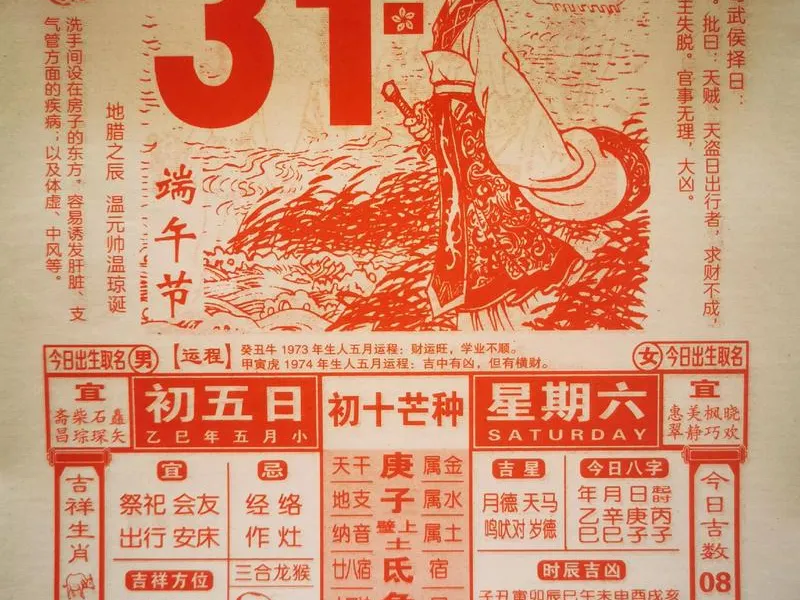
Illustration of the Chinese lunar calendar showing moon phases, lunar months, festivals like Chinese New Year and Mid-Autumn Festival, and its cultural and scientific significance.
Understanding the Lunar Calendar: A Cultural and Scientific Exploration
The lunar calendar has been a cornerstone of Chinese life for thousands of years. From marking festivals and agricultural cycles to influencing cultural rituals, the lunar calendar is far more than a ...
Read More
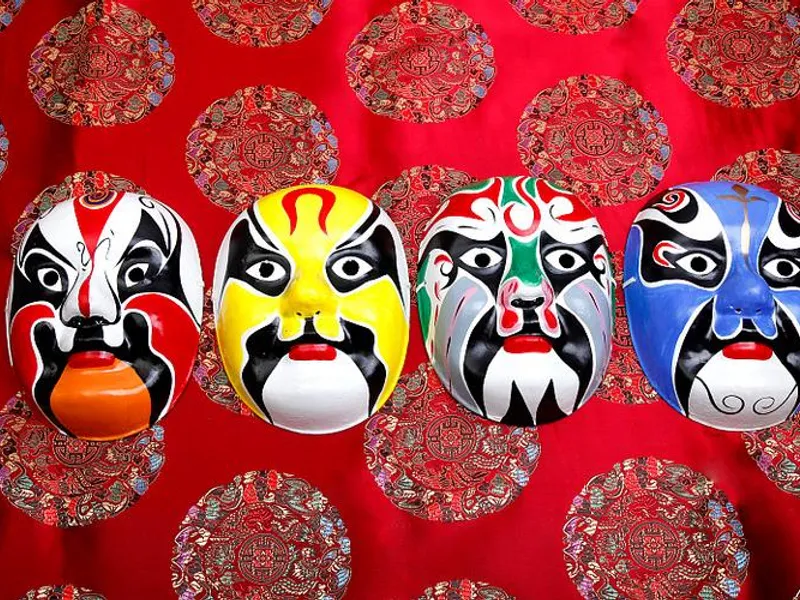
Chinese Opera Masks
The Fascinating World of Chinese Opera Masks
Chinese opera is one of the most distinguished cultural treasures of China, renowned not only for its dramatic performances and expressive movements but also for the visually striking masks that adorn...
Read More
Comparison of Douyin and TikTok short videos showing Chinese lifestyle, livestreamed commerce, makeup tutorials, and cultural trends — illustrating how Douyin shapes modern Chinese society.
Douyin vs. TikTok: How Chinese Short Videos Are Shaping Life, Culture, and Commerce
When you first hear the words “Chinese TikTok” or Douyin, your initial reaction might be: Wait… aren’t they the same thing? Yes and no. Douyin and TikTok are like identical twins raised in different...
Read More
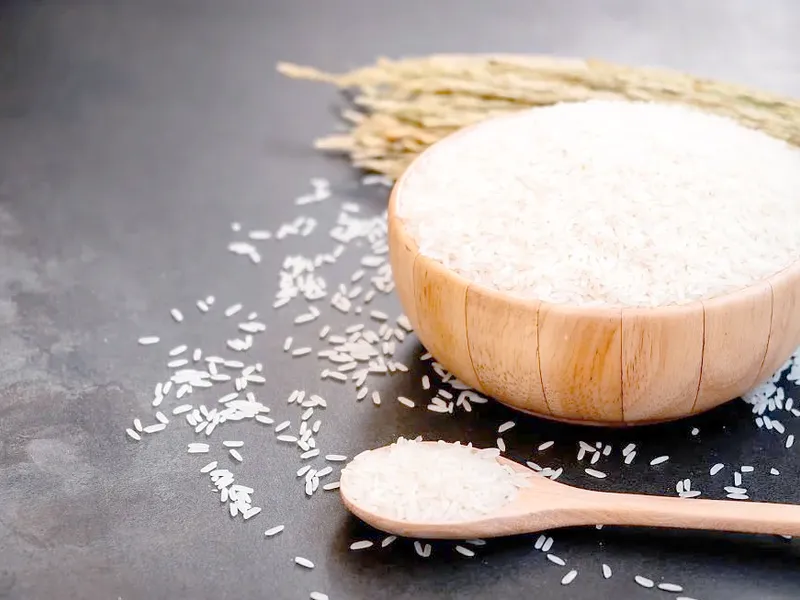
Chinese rice culture
Exploring Chinese Rice: Culture, Cuisine, and Tradition
Rice is the backbone of Chinese culinary tradition, holding a place far beyond mere sustenance. For thousands of years, it has shaped diets, influenced culture, and even dictated seasonal celebrations...
Read More
Chinese Electric Cars
Exploring Chinese Electric Cars: Innovation, Companies, and Global Impact
In recent years, Chinese electric cars have become a major force in the global automotive industry. With the rapid rise of technology, environmental awareness, and government incentives, China has tra...
Read More
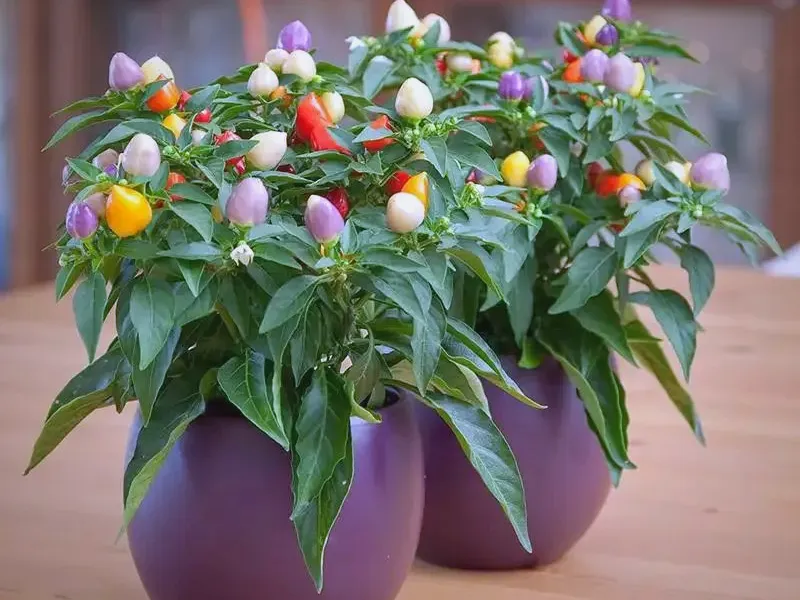
Chinese Five-Color Pepper plant showing five vibrant colors — purple, cream, yellow, orange, and red — symbolizing the Five Elements in Chinese culture. A decorative and edible pepper grown for luck, balance, and prosperity in Chinese gardens and Feng Shui displays.
Chinese Five-Color Pepper: Beauty, Flavor, and Symbolism
When you think of Chinese gardens or cuisine, you might imagine fragrant herbs, colorful spices, or neatly arranged bonsai plants. Among these living treasures, one small plant stands out both for its...
Read More
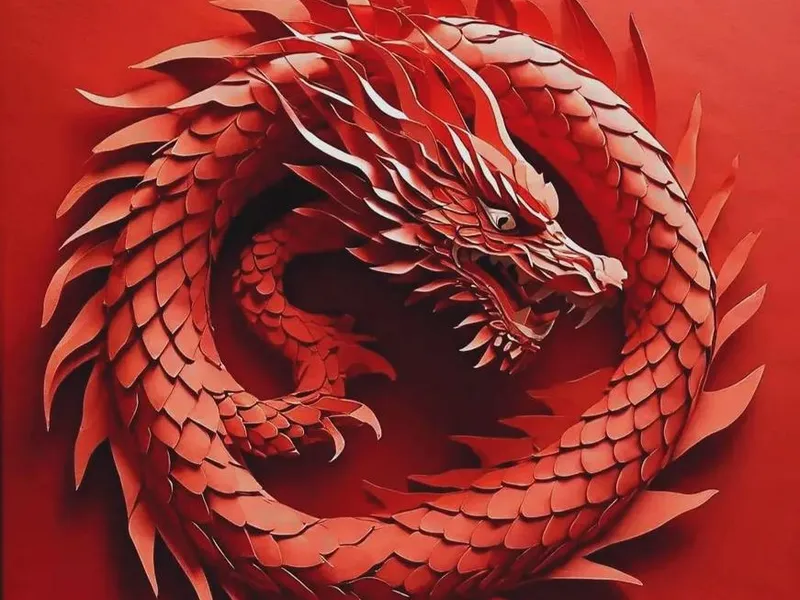
Discover the meaning and symbolism of the Chinese dragon — a timeless emblem of power, wisdom, and harmony. Explore its origins, role in Chinese art, tattoos, festivals, and philosophy. From imperial robes to dragon dances, learn how this legendary creature embodies the spirit and identity of China.
The Chinese Dragon: Symbol, Art, and Spirit of China
Few creatures are as instantly recognizable — or as deeply meaningful — as the Chinese dragon. With its flowing body, fierce yet noble expression, and elegant movement across Chinese art, festivals, a...
Read More
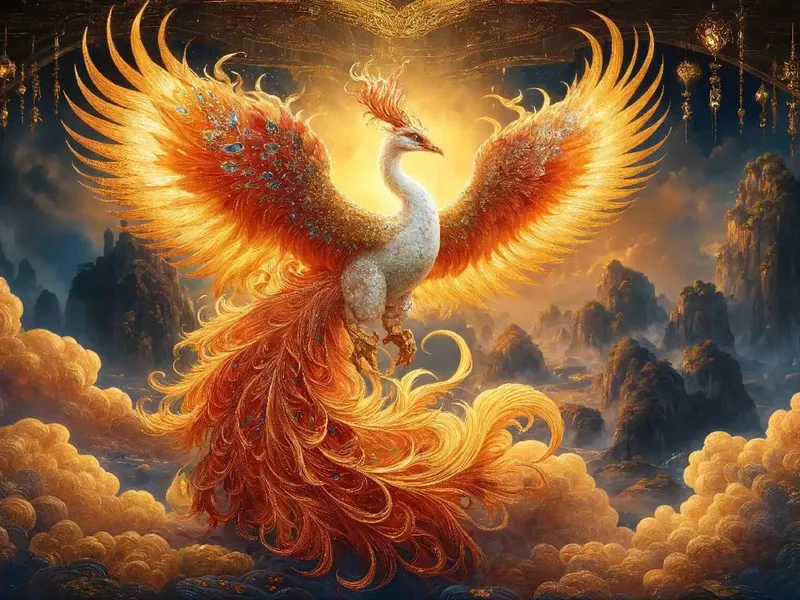
An elegant Chinese Fenghuang soaring among clouds and flowers, symbolizing virtue, harmony, and beauty, reflecting the grace and cultural depth of Chinese tradition.
The Chinese Phoenix: Fenghuang, Beauty, and Harmony in Chinese Culture
The Chinese Phoenix: Fenghuang, Beauty, and Harmony in Chinese Culture When most people think of mythical birds, the first image that comes to mind is the Western phoenix: a fiery creature rising fro...
Read More
An essential guide to the 19th Chinese Solar Term, illustrating the millennia-old ritual of Winter Storage for both nature and the body, reflecting Chinese culture’s philosophy of following the seasons through nourishing foods like dumplings and quiet reflection.
Start of Winter: A Millennia-Old Ritual of Life
The Twenty-Four Solar Terms are a natural calendar written by the Chinese people over thousands of years. They are not only a precise guide for agricultural production but also a cultural gene deepl...
Read More
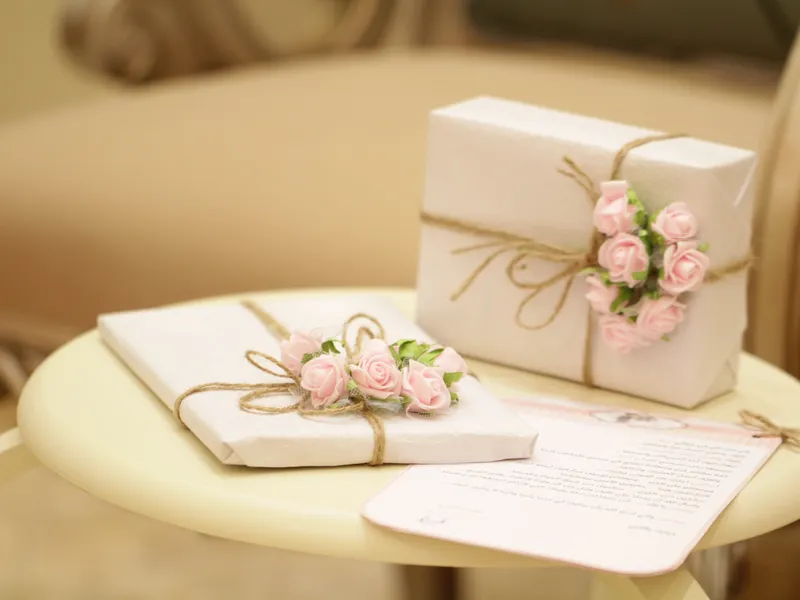
Chinese Gift Giving Etiquette: A visual guide illustrating the key components of the Chinese gift exchange, featuring a bright red envelope (Hongbao) alongside auspicious gifts like tea and jade, while symbolically avoiding taboo items like a clock, representing the mastery of Chinese cultural fluency and respect for 'Face' (Miànzi).
The Art of Giving and Receiving: A Foreigner's Guide to Chinese Gifts and Cultural Etiquette
You've landed in China, the most complex and rapidly evolving cultural landscape on earth. Whether you're here for business, a long-term stay, or just visiting during the festive chaos of the Lunar Ne...
Read More
A visual journey through table tennis in China: from children playing in schoolyards to Olympic champions like Ma Long, illustrating the deep grassroots foundation and elite system behind the nation's enduring table tennis dominance.
The Chinese Legend of Table Tennis
In China, table tennis holds a unique and unrivaled status, rightfully earning the title of national sport. From the weathered stone tables in public parks to the brand-new tables in schoolyards, th...
Read More
The Chongyang Festival (Double Ninth Festival), celebrated on the ninth day of the ninth lunar month, is a traditional Chinese festival symbolizing longevity, resilience, and filial piety. Originating from ancient autumn rituals and the yin-yang philosophy, it evolved through the Han and Tang dynasties into a day for climbing mountains, appreciating chrysanthemums, drinking chrysanthemum wine, and honoring elders. Once meant to ward off misfortune, Chongyang now emphasizes gratitude, family affection, and respect for the elderly—values deeply rooted in Chinese culture. Blending poetry, nature, and human sentiment, the festival endures as a timeless reflection on life, harmony, and emotional connection.
Chongyang Festival: Climbing High on the Ninth Day, Honoring the Elderly
Every year on the ninth day of the ninth lunar month, China celebrates a traditional festival known as Chongyang Festival.The festival's name comes from the doubling of the number nine—nine being a...
Read More