A Quick Guide to the Chinese Traditional Festival – Mid-Autumn Festival
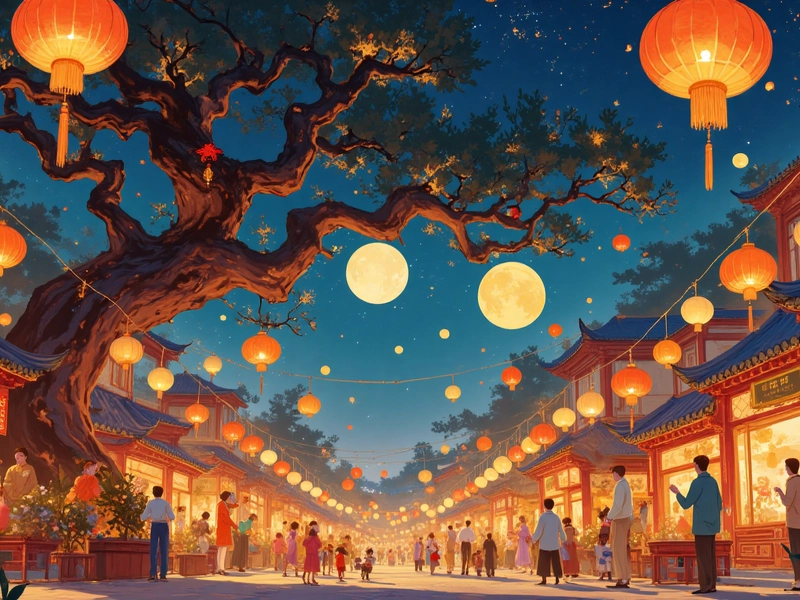
The Mid-Autumn Festival, also known as the “Moon Festival,” is a traditional festival celebrated on the 15th day of the eighth month of the Chinese lunar calendar. It is one of the four major Chinese traditional festivals. The festival’s core themes revolve around family reunion, harvest, and longing. It not only reflects the Chinese people’s emphasis on family gatherings but also carries wishes for a bountiful harvest and sentiments for loved ones. As a representative Chinese festival, the Mid-Autumn Festival is a significant cultural and historical event.
This article will introduce the Chinese Mid-Autumn Festival from aspects such as its origin, historical development, myths and legends, Mid-Autumn Festival traditions, regional customs, and modern significance, helping readers understand this Mooncake festival with rich historical and cultural value.
Origins and Historical Development of the Mid-Autumn Festival
The Mid-Autumn Festival originated from ancient moon worship. In prehistoric China, the moon was considered an important celestial body, and during the autumn equinox, people held moon rituals to pray to the moon goddess for harvest and peace. Records in the Zhou Li mention the “month of mid-autumn,” showing that moon worship had already formed a cultural system in ancient China.
With the development of the lunar calendar, these rituals gradually shifted to the 15th day of the eighth lunar month. By the Tang Dynasty, the date had been officially recognized as a festival, and by the Song Dynasty, it became a nationwide celebration, emphasizing family reunion. The festival not only relates to agricultural harvests but also gradually incorporated cultural meanings of family gathering and social interaction, forming the core of modern Mid-Autumn Festival customs.
Early moon rituals were mainly conducted by emperors at moon altars, symbolizing harmony between the state and nature. Over time, the tradition spread to nobles and scholars, eventually becoming a popular custom among ordinary people. Activities such as moon appreciation, moon worship, and eating mooncakes emerged. During the Ming and Qing Dynasties, moon rituals became more of a folk practice, with lantern fairs, floral lanterns, and osmanthus wine enriching the celebrations, making the festival both solemn and lively.
The festival also inspired classical poetry and literature. Famous works like Su Shi’s Shui Diao Ge Tou – When Will the Moon Be Clear and Bright? reflect longing for family and admiration for a harmonious life. This demonstrates the cultural significance of the Chinese Mid-Autumn Festival and how it became a carrier of artistic heritage.
Myths and Legends of the Mid-Autumn Festival
The Mid-Autumn Festival is also enriched with vivid myths and legends, adding romantic and mystical elements to the Moon Festival. These stories make the festival a symbol of longing, blessings, and peace.
- Chang’e Flying to the Moon
Chang’e flying to the moon is the most well-known legend. In ancient times, ten suns appeared in the sky simultaneously, scorching the earth. The hero Hou Yi shot down nine suns, saving the people. Hou Yi was granted an elixir of immortality, but Chang’e consumed it and ascended to the moon, separating from Hou Yi forever. On the night of the Mid-Autumn Festival, people gaze at the bright moon, reflecting the romantic sentiment of moon appreciation and family reunion. - Hou Yi Shooting the Suns
The story of Hou Yi shooting the suns symbolizes courage in overcoming natural disasters and protecting the homeland. It forms the cultural root of praying for peace and a bountiful harvest during the Chinese Mid-Autumn Festival. - Wu Gang Chopping the Laurel Tree
In the moon palace, Wu Gang was punished to chop a laurel tree endlessly. During moon appreciation, people imagine the tree in the moonlight, linking it to diligence and perseverance, representing persistence and goal pursuit. - The Jade Rabbit
The Jade Rabbit pounds the elixir of immortality for Chang’e. Its image appears in festival decorations, toys, and mooncakes, symbolizing good fortune, longevity, and kindness. - Regional Folk Tales
Different regions developed diverse local tales, such as Qiantang Tide viewing in Zhejiang, the “Sheep Moon” story in Xinjiang, and bonfire traditions in southern ethnic minorities. These stories enrich Mid-Autumn Festival activities and reflect regional diversity.
Traditional Activities of the Mid-Autumn Festival
The Mid-Autumn Festival is rich in traditional activities centered around “moon worship, moon appreciation, and family reunion.” The earliest practice was moon worship or offerings, with mooncakes, fruits, and incense to pray for peace and harvest. This reflects respect for nature and hope for safety and well-being.
On the night of the festival, moon appreciation becomes the most important activity. Families gather in courtyards, terraces, or parks to admire the bright full moon, expressing longing for reunion. Eating mooncakes represents completeness and togetherness. Traditional flavors include lotus seed paste, red bean paste, and salted egg yolk, while modern innovations feature snow skin, tea, and chocolate flavors, making the Mooncake festival even more engaging.
Lanterns are an essential feature, often featuring riddles for entertainment and cultural education. In southern China, appreciating osmanthus flowers and drinking osmanthus wine symbolizes harmony and good fortune. Some regions have unique celebrations like tidal bore viewing in Zhejiang, dragon dances in the south, or bonfire parties among ethnic minorities. The festival’s highlight is the Mid-Autumn Festival family reunion dinner, sharing seasonal foods symbolizing gratitude and togetherness.
Overall, the traditional activities of the Chinese Mid-Autumn Festival uphold worship, blessings, and family reunion while making celebrations lively and culturally rich.
Cultural and Modern Significance
The Mid-Autumn Festival is not only a traditional festival but also a symbol of deep cultural meaning and emotional connection. Customs like moon worship, moon appreciation, and family reunion reflect the Chinese emphasis on family. Myths such as Chang’e flying to the moon, the Jade Rabbit, and Wu Gang chopping the laurel tree add romance and mystery.
In modern society, the festival’s significance has expanded. Beyond family gatherings, people participate in cultural events like lantern exhibitions, folk performances, and culinary experiences to appreciate the Mid-Autumn Festival culture. The festival also connects Chinese communities worldwide. Regardless of location, people share joy through video calls, gifts, and social interactions. The festival emphasizes gratitude, family togetherness, and cultural inheritance.
The festival also impacts commerce, education, and tourism. Cultural festivals, moon-viewing events, and Mid-Autumn Festival travel in China promote local economies while fostering cultural pride. Innovative mooncake flavors and packaging have become modern symbols of the festival.
Conclusion
As one of the four major Chinese traditional festivals, the Mid-Autumn Festival has a long history and rich cultural heritage. Combining celestial worship, myths, folk customs, and family reunions, it is both romantic and heartwarming. Whether in ancient moon rituals or modern gatherings, the festival consistently carries wishes for harvest, peace, and happiness.
On the 15th day of the eighth lunar month, when the moon is at its fullest, people gaze at the same moon regardless of their location, expressing longing and celebrating reunion. This cultural and emotional inheritance makes the Mid-Autumn Festival China a unique festival connecting history and modernity, the nation and the family, nature and human emotion, leaving a lasting glow of togetherness and happiness.
Related Vocabulary
| Chinese | Pinyin | English |
|---|---|---|
| 中秋节 | Zhōngqiū Jié | Mid-Autumn Festival |
| 月亮 | Yuèliang | Moon |
| 月饼 | Yuèbǐng | Mooncake |
| 团圆 | Tuányuán | Reunion |
| 赏月 | Shǎngyuè | Moon gazing |
| 嫦娥 | Cháng’é | Chang’e |
| 后羿 | Hòuyì | Hou Yi |
| 灯笼 | Dēnglóng | Lantern |
| 桂花 | Guìhuā | Osmanthus flower |
| 祭月 | Jìyuè | Moon worship |
| 中秋节习俗 | Zhōngqiū Jié xísú | Mid-Autumn Festival customs |
| 中秋节活动 | Zhōngqiū Jié huódòng | Mid-Autumn Festival activities |
Mid-Autumn Festival FAQ
Q1: What is the Mid-Autumn Festival?
The Mid-Autumn Festival, also called the Moon Festival or Chinese Moon Festival, is a traditional Chinese festival celebrated on the 15th day of the 8th lunar month. It emphasizes family reunion, moon viewing, and thanksgiving for the harvest, featuring customs such as eating mooncakes and lighting lanterns.
Q2: When is the Mid-Autumn Festival in 2025?
In 2025, the Mid-Autumn Festival falls on October 6th. Families in China and around the world celebrate with mooncakes, lanterns, and family gatherings, following long-standing Mid-Autumn Festival traditions.
Q3: What are the traditional Mid-Autumn Festival customs?
Traditional customs include: moon viewing, mooncake eating, lantern displays, lantern riddles, and praying to the Moon. These activities reflect Chinese cultural values of family reunion, harmony, and prosperity.
Q4: What are the famous legends of the Mid-Autumn Festival?
Popular legends include: Chang’e flying to the moon, Hou Yi shooting the suns, Wu Gang chopping the laurel tree, and the Jade Rabbit. These stories add romantic, mystical, and symbolic meanings to the festival.
Q5: What types of mooncakes are popular during the Mid-Autumn Festival?
Traditional mooncakes include lotus seed paste, red bean paste, and salted egg yolk varieties. Modern mooncakes may feature ice skin, chocolate, or tea flavors. Mooncakes symbolize completeness and family reunion.
Q6: How is the Mid-Autumn Festival celebrated in different regions of China?
● Northern China: Focus on moon viewing and eating mooncakes.
● Southern China: Lantern festivals, moon-viewing gatherings, and osmanthus wine tasting.
● Zhejiang coastal areas: Observing the Qiantang River tide.
● Southwest and ethnic minority regions: Fire dances and local folk celebrations enrich the festival.
Q7: What is the cultural significance of the Mid-Autumn Festival?
The Mid-Autumn Festival is a symbol of family reunion, gratitude, harmony, and prosperity. It connects traditional Chinese customs with modern life, promoting cultural awareness, strengthening family bonds, and allowing people to share blessings worldwide.