The Meaning and Cultural Significance of the Chinese Character “节” (Festival / Section / Moral Integrity)
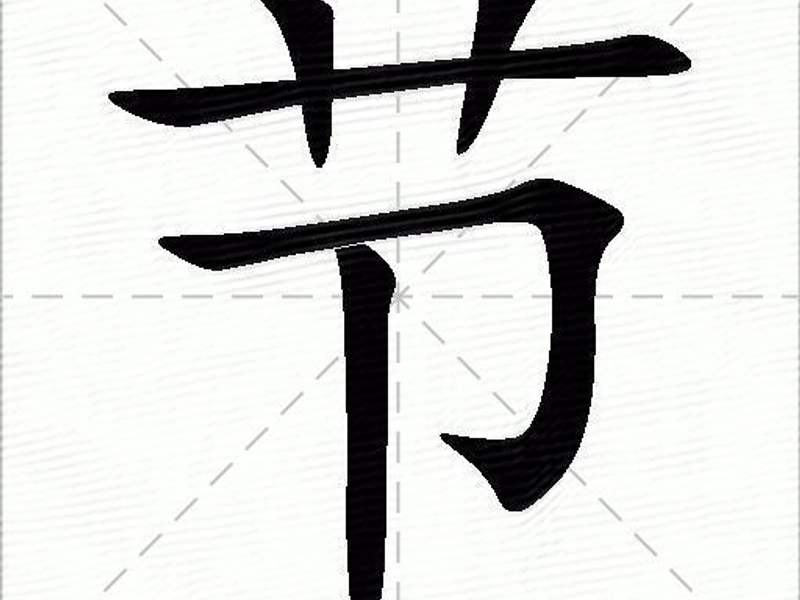
Simplified: 节
Pinyin: jié
Meaning: festival / section / moral integrity / joint
The Chinese character “节” (jié) represents festivals, segments, moral integrity, and joints. Understanding this character helps learners explore Chinese language, culture, traditional festivals, and expressions related to celebrations, time divisions, and ethical principles.
Basic Meaning of “节”
Originally, “节” depicts bamboo nodes, symbolizing divisions or joints. As a fundamental Chinese character, 节 reflects structure, order, moderation, and moral integrity. It appears in literature, daily life, traditional culture, and idiomatic expressions.
Common Combinations with “节”
- 节日 (jié rì, festival / public holiday): Refers to celebrations like Mid-Autumn Festival or Spring Festival.
- 节气 (jié qì, solar term): Refers to the 24 solar terms in the Chinese calendar.
- 节约 (jié yuē, save / conserve): Represents frugality or resource management.
- 节奏 (jié zòu, rhythm / tempo): Refers to musical rhythm or metaphorical pace in life.
- 关节 (guān jié, joint): Refers to anatomical joints or hinges.
Extended Meanings of “节”
- Time and festivals: Important days in the Chinese calendar or cultural celebrations
- Moral integrity: Representing moderation, restraint, or upright behavior
- Structure and rhythm: Joints in anatomy, musical tempo, or metaphorical life pace
- Resource management: Frugality, conservation, or efficiency
Cultural and Symbolic Significance
- Festivals and holidays: Used in 节日 (festivals) and 节气 (solar terms) to mark traditional events
- Moral and ethical principles: Represents moderation, integrity, and virtue
- Daily life and sustainability: 节约 (saving/conserving) highlights cultural emphasis on frugality
- Literature and art: Appears in idioms and expressions reflecting self-restraint or proper conduct
Example Sentences
- 中秋节是中国最重要的节日之一。(The Mid-Autumn Festival is one of the most important festivals in China.)
- 他非常注重节约,用水用电都很节省。(He pays great attention to saving and conserves water and electricity.)
- 音乐的节奏让人感到轻松愉快。(The rhythm of the music makes people feel relaxed and joyful.)
- 运动员的膝关节受伤了,需要休息。(The athlete’s knee joint is injured and needs rest.)
Related Vocabulary
| 中文 | Pinyin | English |
|---|---|---|
| 节 | jié | festival / section / moral integrity / joint |
| 节日 | jié rì | festival / holiday |
| 节气 | jié qì | solar term |
| 节约 | jié yuē | save / conserve |
| 节奏 | jié zòu | rhythm / tempo |
| 关节 | guān jié | joint / hinge |
| 中秋节 | zhōng qiū jié | Mid-Autumn Festival |
| 春节 | chūn jié | Spring Festival / Chinese New Year |
FAQ: Common Questions About the Chinese Character “节”
Q1: Can 节 be used in both cultural and moral contexts?
A: Yes. 节 can refer to festivals (节日), solar terms (节气), frugality (节约), or moral integrity, depending on context.
Q2: How is 节 used in daily life?
A: It appears in celebrations, resource-saving practices, rhythm in music, and anatomical joints.
Q3: Is 节 important in Chinese culture?
A: Very much so. 节 highlights traditional festivals, solar terms, frugality, and ethical conduct, which are central in Chinese society.
Q4: How can learners remember 节?
A: Visualize bamboo nodes, which metaphorically extend to festivals, rhythm, moderation, and moral integrity.