New Energy Vehicles (NEV) in China: A Comprehensive Guide from “Fuel” to “Electric”
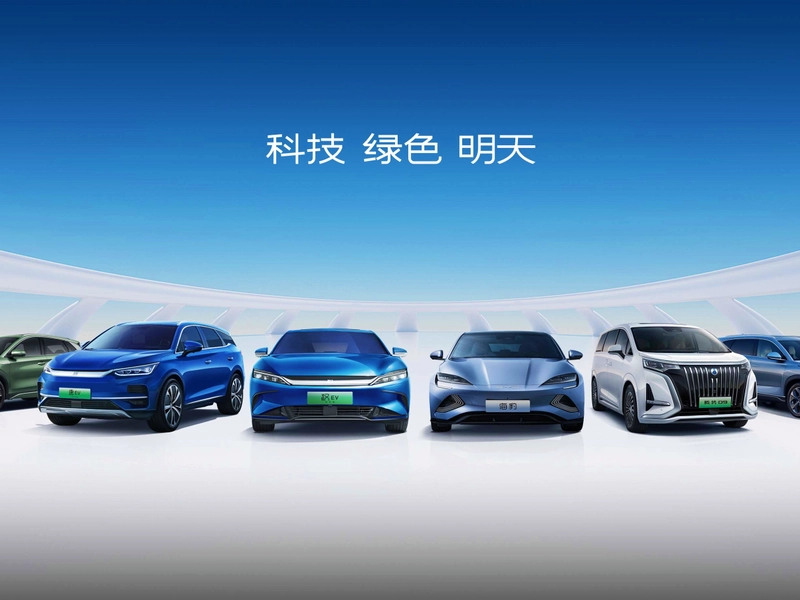
On an early morning street in Beijing, a white BYD Han quietly passes through an intersection. It emits no exhaust, only the faint hum of its electric motor, a hallmark of modern electric vehicles (EVs). At the same time, a news alert pops up on a phone: “China’s NEV penetration rate surpasses 58% in 2025.” These numbers are not just statistics—they reflect tangible changes in everyday life. What has driven the automotive world to gradually shift from “fuel” to electric vehicles (EV)? This article provides a full overview of New Energy Vehicles (NEV / 新能源汽车) and the key differences with traditional Internal Combustion Engine vehicles (ICE), highlighting the growth of the China new energy vehicle market and the Chinese EV industry.
What Are New Energy Vehicles (NEV / Electric Vehicles / EV)?
New Energy Vehicles (NEV) are powered primarily by electricity or hydrogen and use advanced propulsion systems. Unlike conventional vehicles fueled by gasoline or diesel, NEVs are built around three core components, known as the “three electrics”: battery, electric motor, and electronic control system, central to NEV technology, EV battery technology, and Chinese EV innovation.
- Battery: Stores energy, acting like the vehicle’s fuel tank.
- Electric motor: Converts electrical energy into mechanical power to drive the vehicle.
- Electronic control system: Manages energy distribution and efficiency, ensuring safety and performance, key in EV technology China.
NEVs can be classified into three main types based on their power source and drivetrain:
- Battery Electric Vehicles (BEV): Fully electric, zero exhaust emissions, and simple structure.
- Plug-in Hybrid Electric Vehicles (PHEV): Combine a battery with a gasoline engine, suitable for short electric trips and long-range fuel driving.
- Fuel Cell Electric Vehicles (FCEV): Powered by hydrogen, generate electricity via fuel cells, recharge quickly, and offer long-range driving, representing advanced hydrogen fuel cell vehicles.
NEVs reduce emissions, lower the carbon footprint, and are gaining popularity due to simpler motor structures and lower maintenance costs. With advances in EV battery technology, improved EV charging infrastructure China, and supportive NEV government policy China, NEVs are evolving from niche choices to mainstream transport, driving the electric vehicle industry in China toward greener, low-carbon solutions.
Development and Trends of NEVs in China (NEV Market China)
Over the past decade, China’s NEV market has grown rapidly. Since 2010, the government has promoted electrification and green mobility through NEV incentives China, purchase subsidies, tax exemptions, and license plate incentives (EV government subsidies China). Meanwhile, improvements in battery technology and EV charging stations China have significantly increased NEV driving range and convenience. By 2025, China’s electric vehicle sales China exceeded 9.6 million units, with a market penetration rate over 58%, making it the largest Chinese EV market in the world.
- BEVs remain dominant, but PHEVs and FCEVs are steadily increasing in market share.
- Range and fast-charging infrastructure are top priorities for consumers, while intelligent and connected vehicle technologies are increasingly integrated (EV technology China, NEV technology).
- Policy focus is shifting from direct subsidies to infrastructure development and industrial upgrades, moving the industry from high-speed growth to innovation-driven transformation, shaping NEV future trends.
Chinese EV Brands and Outlook (Chinese Electric Car Brands)
- BYD: Market leader, offering strong performance, range, and pricing across BEVs and PHEVs (Buy electric car China).
- NIO: Premium smart electric vehicles, emphasizing battery swapping and intelligent features.
- XPeng: Focuses on smart driving and connected features, rapidly developing autonomous driving technology (Chinese EV news).
- Li Auto: Known for range-extended EVs, balancing long-range driving and family usability.
Emerging brands like WM Motor, Leapmotor, and Hozon continue to innovate, driving technological upgrades and market competition. Future development will focus on:
- Technology upgrades: Higher battery energy density, fast charging, and commercialized hydrogen fuel cells (EV battery China, NEV technology).
- Intelligent and connected vehicles: Autonomous driving, vehicle-to-infrastructure connectivity, and OTA remote updates becoming new standards (EV technology China, NEV innovation China).
- Global expansion: Chinese EV brands targeting domestic and international markets through exports and overseas factories (Electric cars in China).
Why China Is Focusing on NEVs (Chinese NEV Industry / NEV Market China)
- Environmental pressure and emission reduction goals: NEVs help reduce exhaust emissions and address urban pollution in the growing China electric vehicle market (NEV environmental benefits).
- Energy structure optimization and security: NEVs powered by electricity and hydrogen reduce oil dependence.
- Industrial upgrading and technological innovation: NEVs involve advanced battery, motor, and control technologies, central to EV technology China and NEV innovation China.
- Policy guidance and market cultivation: NEV government incentives China and fast-developing EV charging stations accelerate adoption and enhance supply chain competitiveness (EV for consumers).
Summary
China’s automotive market is undergoing profound transformation. NEVs, with battery, motor, and electronic control systems as core power units, include BEVs, PHEVs, and FCEVs. They offer zero emissions, simplified structure, low maintenance costs, and high intelligence, with continuous improvements in range, charging, and infrastructure. Leading brands include BYD, NIO, XPeng, and Li Auto, while emerging players like Leapmotor, Hozon, and Seres drive innovation (Chinese EV reviews).
Traditional ICE vehicles have mature powertrains, convenient refueling, and established infrastructure but face emission and environmental challenges. With supportive policies, advanced EV technology China, and rising green consciousness, electric vehicles (EVs) are gradually taking the lead.
Looking forward, China’s automotive market will be “NEV-dominated, ICE-supplemented.” Technological upgrades, intelligent connectivity, and global expansion will position Chinese NEVs to lead domestically and internationally (Electric vehicle industry China), providing transformation pathways for ICE vehicles. Understanding these differences helps consumers make more rational and eco-friendly transportation choices.
Related Vocabulary
| Chinese | Pinyin | English |
|---|---|---|
| 新能源汽车 | xīn néng yuán qì chē | New Energy Vehicle (NEV) |
| 纯电动汽车 | chún diàn dòng qì chē | Battery Electric Vehicle (BEV) |
| 燃料电池汽车 | rán liào diàn chí qì chē | Fuel Cell Electric Vehicle (FCEV) |
| 电池 | diàn chí | Battery |
| 电机 | diàn jī | Electric Motor |
| 电控系统 | diàn kòng xì tǒng | Electronic Control System |
| 续航 | xù háng | Driving Range |
| 快充 | kuài chōng | Fast Charging |
| 智能化 | zhì néng huà | Intelligent |
| 网联化 | wǎng lián huà | Connected Vehicle |
| 充电桩 | chōng diàn zhuāng | Charging Pile |
FAQ – Electric Vehicles and NEVs in China
Q1: Are NEVs really more environmentally friendly than ICE vehicles?
A: Yes. BEVs produce zero exhaust emissions, and PHEVs significantly reduce fuel consumption and emissions on short trips (NEV environmental benefits, EV for consumers).
Q2: Is the driving range sufficient?
A: Modern EVs can reach over 600 km per charge. Fast-charging technology and improvements in EV charging infrastructure make commuting and long trips more convenient (NEV technology, EV technology China).
Q3: Is charging convenient?
A: EV charging stations China are growing rapidly in major cities and along highways. Fast charging can reach ~80% in 30 minutes. Home charging stations are also available (EV for consumers).
Q4: Who should use PHEVs?
A: PHEVs suit users concerned about range anxiety but occasionally need long-distance travel, balancing short electric trips and long-range fuel driving (Types of new energy vehicles, EV in China).
Q5: Are FCEVs suitable for daily use?
A: FCEVs charge quickly and have long range, but hydrogen refueling networks are still limited, making them suitable mainly for pilot cities, public transport, or logistics (Hydrogen fuel cell vehicles, NEV future trends).
Q6: What advantages do Chinese NEV brands have?
A: BYD, NIO, XPeng, and Li Auto excel in battery technology, intelligent features, battery swapping, and pricing. Emerging brands drive innovation and EV technology China, Chinese EV reviews.
Q7: What is the future trend for NEVs?
A: Key trends include technology upgrades (battery, fast charging, hydrogen), intelligent connectivity (autonomous driving, OTA updates), and global expansion (NEV trends, Chinese EV news, Chinese EV industry).