Delicious Mid-Autumn Festival Foods – From Mooncakes to Seasonal Dishes
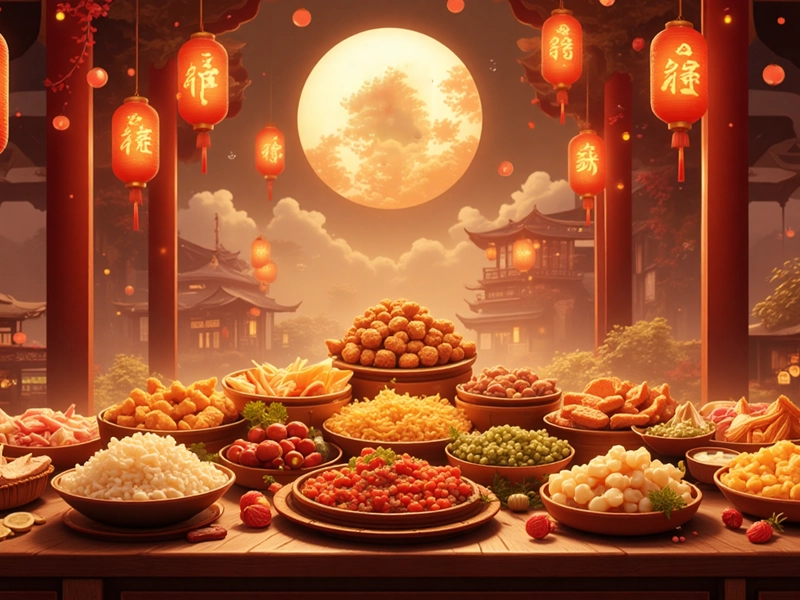
The Mid-Autumn Festival, also known as the Reunion Festival, is celebrated every year on the 15th day of the 8th lunar month and is one of the four major traditional Chinese festivals. This festival is not only a time for family gatherings and sharing affection but also symbolizes harvest and people’s aspirations for a better life. During the festival, people express their thoughts and blessings through moon-gazing, enjoying festive foods, and lighting lanterns. This article focuses on Mid-Autumn Festival food, introducing various mooncakes, seasonal fruits, seafood, meat dishes, and pastries, along with their cultural significance and ways to enjoy them, allowing you to savor the flavors while appreciating the unique charm of this Chinese festival.
Mooncakes – The Core Delicacy of Mid-Autumn Festival
The signature food of the Mid-Autumn Festival is undoubtedly the mooncake (中秋月饼), whose diverse flavors, regional styles, and continuous innovations reflect the richness of Chinese culinary culture and the festival’s theme of reunion.
Traditional flavors include lotus seed paste, red bean paste, five-nuts, salted egg yolk, pork floss, and red bean paste, each with its unique characteristics: lotus seed paste is smooth and sweet, red bean paste is soft and flavorful, five-nuts are crunchy, salted egg yolk complements the sweet fillings, pork floss is savory, and red bean paste is delicate and sweet. The five-nuts barbecued pork mooncake is beloved across China. It combines walnuts, almonds, melon seeds, sesame, and peanuts with red dates or candied osmanthus and barbecued pork, creating a sweet-and-savory taste that symbolizes "Five Blessings and Family Reunion." It is often enjoyed with Pu-erh or chrysanthemum tea to balance the richness.
Different regions have developed distinctive mooncake styles: Beijing-style mooncakes have thin crusts and rich fillings; Cantonese mooncakes feature soft pastry and diverse fillings with salted egg yolks; Suzhou-style mooncakes have multiple layers of crispy pastry; Chaozhou, Yunnan, Hong Kong, and Taiwanese mooncakes showcase regional variations in fillings, crusts, and baking techniques. The lotus seed paste with salted egg yolk is a classic Cantonese mooncake, combining smooth sweetness with savory richness, symbolizing family reunion and happiness. Red bean paste mooncakes are known for their soft, sweet fillings, representing a sweet life and family togetherness.
Modern innovative Mid-Autumn Festival snacks and desserts, such as snow skin mooncakes, snowflake crisp, Longjing tea mooncakes, walnut mooncakes, truffle mooncakes, and ham mooncakes, combine visual appeal with creative flavors, catering to young people and overseas Chinese. Snow skin mooncakes, made with glutinous rice flour, are soft and chewy, do not require baking, and come in various colors with fruit, chocolate, or tea-flavored fillings, best enjoyed chilled. Suzhou-style mooncakes emphasize layered pastry and delicate craftsmanship, showcasing the refined traditional taste of Jiangnan.
Whether traditional or modern, Moon Festival food like mooncakes symbolizes reunion and completeness, reflecting people’s wishes for family, love, and a happy life. On the 15th day of the 8th lunar month, families gather to share mooncakes and enjoy the full moon, embodying the enduring charm of the Mid-Autumn Festival treats.
Seasonal Fruits and Nuts – Enriching the Mid-Autumn Table
In addition to mooncakes, seasonal fruits and nuts are essential on the Mid-Autumn table. They not only enrich the festive spread but also carry auspicious meanings. Pomelo, sharing a homophone with “blessing,” is considered a symbol of good luck and is often sliced for display or eaten directly, wishing peace and prosperity. Pomegranates symbolize abundance and fertility, with their red seeds representing harvest and prosperity; they can be eaten fresh or juiced, offering a sweet taste. Water chestnuts, resembling clever little heads, are traditionally cooked or salted, symbolizing intelligence. Peanuts represent longevity and good fortune and are commonly used in soups, roasted, or eaten as snacks.
Additionally, osmanthus flowers bloom during the Mid-Autumn Festival, and osmanthus products such as osmanthus wine or cakes are often paired with festive foods, adding a fragrant and festive touch. Whether sweet fruits or crunchy nuts, these Chinese festival snacks not only supplement nutrition but also enhance the joy of moon-gazing and reunion.
Seafood – The Taste of Autumn
The Mid-Autumn Festival coincides with the peak season for seafood, making it an indispensable part of the table. Hairy crabs are the stars of the festival, tender and rich in roe, usually served steamed to preserve their natural flavor. In northern China, families also steam crabs and river shrimp or pair them with light wine, enjoying both the taste and the ritual. Coastal regions in Jiangsu and Zhejiang feature a variety of seafood prepared through steaming, boiling, or stir-frying, reflecting local flavors and culinary culture. Seafood not only enriches the meal but also symbolizes abundance and good fortune, a key element of Mid-Autumn Festival food guide.
Meat and Poultry – Nourishment and Reunion
Besides seafood, meat and poultry dishes are also an important part of Mid-Autumn Festival food traditions, offering both nutrition and festive symbolism. Duck, being warm and nourishing, is often braised or stewed and is a seasonal favorite. Chicken symbolizes harvest and blessings, prepared roasted or stewed to signify family reunion and happiness. Traditional dishes such as pork head meat or cured sausages reflect local flavor and festive ritual, essential for the holiday banquet. Sichuan-style blood duck is known for its rich taste and unique flavor, often braised or stewed, showcasing distinctive local culinary traditions. The combination of seafood and meat satisfies the palate while conveying the Mid-Autumn Festival’s cultural essence of “reunion, harvest, and sharing,” making every meal full of ceremony and warmth, consistent with Chinese festival cuisine.
Vegetables and Roots – Natural Abundance
Vegetables and root crops on the Mid-Autumn table are both nutritious and symbolically auspicious. Taro, a homophone for “surplus,” is steamed or cooked with ribs, soft and sweet; lotus root represents reunion, often stuffed with meat and pan-fried, visually appealing and symbolizing family harmony; pumpkin signifies health and growth, baked or stewed, naturally sweet; freshwater snails are considered plump and auspicious, stir-fried or stewed, a traditional autumn delicacy.
Sticky Snacks and Pastries – Sweetness and Reunion
Sticky snacks and pastries have regional characteristics. Osmanthus cakes and glutinous rice cakes are popular in southern China, soft and sweet, often served with tea or alongside mooncakes. Sichuan sesame cakes are crisp outside and soft inside, while Shaanxi reunion buns, round in shape, symbolize family gathering. Dried tofu and peanut tofu are rich in texture, suitable as side dishes or snacks. Local specialties include perilla-fried snails, Foye Gong, chessboard cakes, taro glutinous cakes, and puff pastry mooncakes, reflecting the diversity of Mid-Autumn Festival desserts and regional flavors.
The combination of vegetables, roots, pastries, and local snacks makes the Mid-Autumn table both abundant and culturally meaningful, symbolizing reunion and harvest for the whole family, highlighting Chinese traditional desserts.
Food Pairings and Suggestions
Mid-Autumn foods not only focus on taste but also on pairing and moderation. Mooncakes are commonly paired with Pu-erh or Longjing tea to balance richness; seafood such as hairy crabs or shrimp can be paired with light wine or osmanthus wine to enhance flavor. Regional preferences vary: northern families favor harder mooncake crusts and roasted meats, while southern families prefer glutinous rice cakes, osmanthus cakes, or steamed taro, softer and sweeter. Considering health, mooncakes are high in sugar and fat, so moderation is advised; low-sugar, low-fat options or substituting fruits and nuts for some sweets can balance festivity with wellness. This is especially useful for those following a Mooncake recipes or Moon Festival treats for family guide.
Conclusion
Mid-Autumn foods are more than a feast; they carry deep significance of reunion and tradition, reflecting the richness and diversity of Chinese culinary culture. Whether traditional mooncakes, seasonal fruits, fresh seafood, or local specialties, each dish embodies the values of sharing, culture, and family heritage. May every family enjoy a happy and abundant Mid-Autumn Festival, savoring delicious Mid-Autumn Festival treats and the warmth of reunion.
Mid-Autumn Festival Food Vocabulary
| English | Chinese | Pinyin | Explanation |
|---|---|---|---|
| Mooncake | 月饼 | yuèbǐng | The most iconic Mid-Autumn Festival food, symbolizing reunion and completeness. |
| Lotus Seed Paste Mooncake | 莲蓉月饼 | liánróng yuèbǐng | Traditional mooncake with smooth lotus seed filling, often with salted egg yolk. |
| Red Bean Mooncake | 豆沙月饼 | dòushā yuèbǐng | Mooncake filled with sweet red bean paste, symbolizing sweetness in life. |
| Five-Nuts Mooncake | 五仁月饼 | wǔrén yuèbǐng | Filled with nuts and seeds, representing "Five Blessings and Family Reunion." |
| Snow Skin Mooncake | 冰皮月饼 | bīngpí yuèbǐng | A modern no-bake mooncake made with glutinous rice flour, soft and colorful. |
| Osmanthus Cake | 桂花糕 | guìhuā gāo | Sweet pastry flavored with osmanthus, often enjoyed in Mid-Autumn gatherings. |
| Hairy Crab | 大闸蟹 | dàzháxiè | Seasonal seafood delicacy, especially popular in Jiangsu and Shanghai during Mid-Autumn. |
| Pomelo | 柚子 | yòuzi | Seasonal fruit, homophone of “blessing,” symbolizing good fortune. |
| Pomegranate | 石榴 | shíliu | Fruit representing fertility and prosperity with its many red seeds. |
| Taro | 芋头 | yùtou | Root vegetable symbolizing surplus and good luck. |
| Lotus Root | 莲藕 | lián’ǒu | Represents reunion and harmony, often used in festive dishes. |
| Osmanthus Wine | 桂花酒 | guìhuā jiǔ | Traditional Mid-Autumn Festival drink, fragrant and symbolic of joy. |
| Sesame Cake | 芝麻饼 | zhīma bǐng | Crispy pastry snack, often eaten alongside tea and mooncakes. |
| Reunion Bun | 团圆包 | tuányuán bāo | Round steamed bun symbolizing family reunion. |
| Peanut | 花生 | huāshēng | Represents longevity and blessings, eaten roasted, boiled, or as a dessert ingredient. |
Mid-Autumn Festival Food – FAQ
Q1: What are the most traditional Mid-Autumn Festival foods?
The most traditional Mid-Autumn Festival foods include mooncakes (月饼 yuèbǐng), pomelos (柚子 yòuzi), pomegranates, hairy crabs, taro, and osmanthus-flavored desserts. These Chinese festival foods symbolize reunion, good fortune, and family harmony.
Q2: Why do people eat mooncakes during the Mid-Autumn Festival?
Mooncakes are the core Chinese festival desserts of the Mid-Autumn Festival. Their round shape symbolizes completeness and family reunion. Eating mooncakes, whether traditional lotus seed paste or modern snow skin varieties, is a key Mid-Autumn Festival tradition.
Q3: What are the different types of mooncakes and their flavors?
There are many mooncake varieties, such as lotus seed paste, red bean, five-nuts, salted egg yolk, and modern flavors like matcha, chocolate, or ice-skin mooncakes. Each mooncake flavor carries cultural meaning and reflects regional Chinese festival cuisine.
Q4: Are there any Mid-Autumn Festival fruits or seasonal foods?
Yes, fruits like pomelos, pomegranates, and seasonal taro are common Mid-Autumn Festival snacks. They symbolize prosperity, fertility, and good luck, making them popular choices on the Moon Festival food table.
Q5: What are some famous Mid-Autumn Festival dishes besides mooncakes?
In addition to mooncakes, Mid-Autumn Festival delicacies include hairy crab, duck, lotus root dishes, osmanthus cake, and sesame pastries. These festive foods highlight the seasonal harvest and traditional Chinese dining culture.
Q6: Are there healthy Mid-Autumn Festival food options?
Yes, many families now choose low-sugar or low-fat mooncakes, fresh fruits, and light snacks. Combining Mid-Autumn Festival treats like mooncakes with tea (e.g., green tea, Pu’er) helps balance the richness and makes the celebration healthier.
Q7: How can I experience Chinese Mid-Autumn Festival food culture abroad?
Many overseas Chinese communities organize Moon Festival food celebrations, where you can enjoy mooncakes, lantern displays, and other Chinese festival snacks. It’s a great way to learn about Mid-Autumn Festival dining traditions and share cultural experiences with family and friends.