The Fascinating World of Chinese Opera Masks
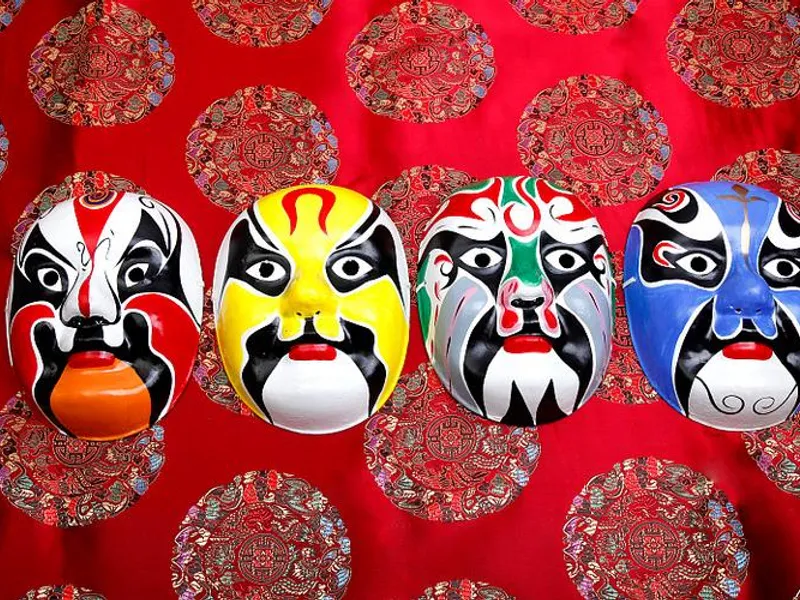
Chinese opera is one of the most distinguished cultural treasures of China, renowned not only for its dramatic performances and expressive movements but also for the visually striking masks that adorn the actors’ faces. These masks, known as Chinese opera masks, are more than decorative props—they are a language of their own, conveying character traits, moral values, and emotional states. From the flamboyant patterns of Chinese Peking Opera to the comical features of the Chinese opera clown, each mask tells a story and transports the audience into a world where color, form, and symbolism come alive.
Origins and History of Chinese Opera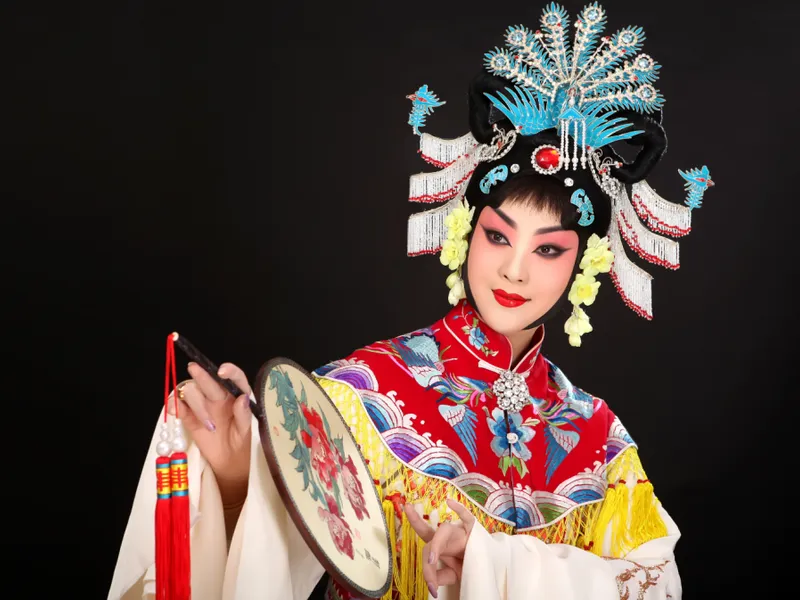
The history of Chinese opera dates back over a thousand years, evolving from folk dances, ritual performances, and storytelling traditions. Early forms, such as Zaju in the Yuan Dynasty and Kunqu in the Ming Dynasty, relied heavily on song, dance, and narrative to entertain and educate audiences. However, it was during the Qing Dynasty that Peking Opera, the most famous form of Chinese opera, rose to prominence. Known for its elaborate costumes, intricate movements, and highly stylized performances, Peking Opera incorporated facial makeup—or masks—as a core element to distinguish characters and enhance storytelling.
The masks evolved from simple painted faces to highly elaborate designs. Initially, actors applied makeup directly onto their faces, using bold lines and vivid colors to convey character traits. Over time, these facial designs became standardized, codified into a symbolic system that audiences could instantly recognize. Today, the artistry of Chinese opera masks remains a central feature, with performers training for years to master the intricate techniques required to bring their characters to life.
Symbolism and Meaning Behind Chinese Opera Masks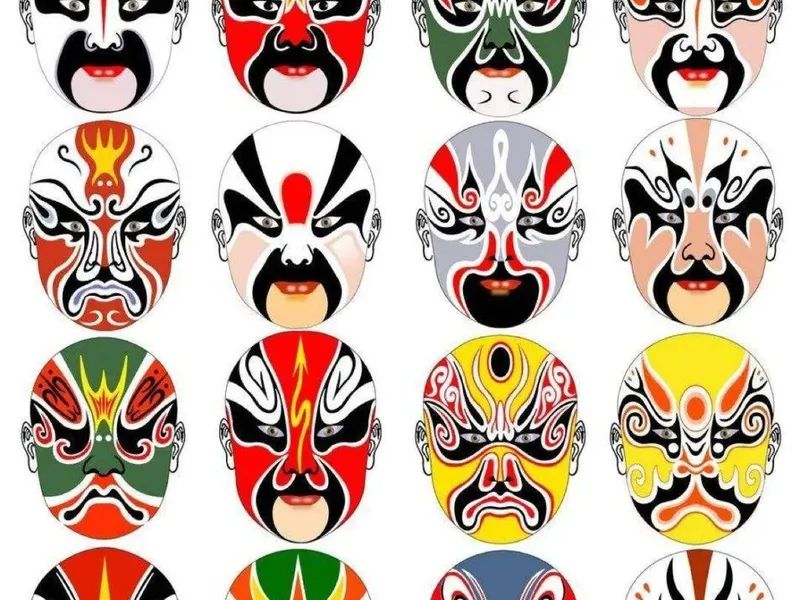
One of the most fascinating aspects of Chinese opera masks is the rich symbolism embedded in every color, pattern, and stroke. Each mask carries a visual code, allowing audiences to instantly understand the personality and moral disposition of the character, even before a single word is spoken.
- Red: Courage, loyalty, and righteousness. Red-faced characters are often heroic and upright, like the famous general Guan Yu in Peking Opera.
- White: Cunning, treachery, or villainy. Characters with white faces are often schemers or antagonists, embodying deceit or cruelty.
- Black: Integrity, impartiality, and strength. A black face often indicates a fair and courageous character, such as the legendary Bao Zheng.
- Blue and Green: Stubbornness, fierceness, or wildness. These colors are associated with characters who are rebellious or unpredictable.
- Gold and Silver: Mystical or supernatural figures. Gods, spirits, or demonic entities are often depicted with metallic masks to signify their otherworldly nature.
The patterns themselves—curves, sharp angles, dots, and stripes—further refine the meaning. For example, a complex set of swirls might indicate a clever strategist, while angular lines suggest aggression or authority. These designs transform the human face into a canvas of storytelling, allowing audiences to immediately grasp who the character is and what role they play in the narrative.
Chinese Peking Opera and Mask Techniques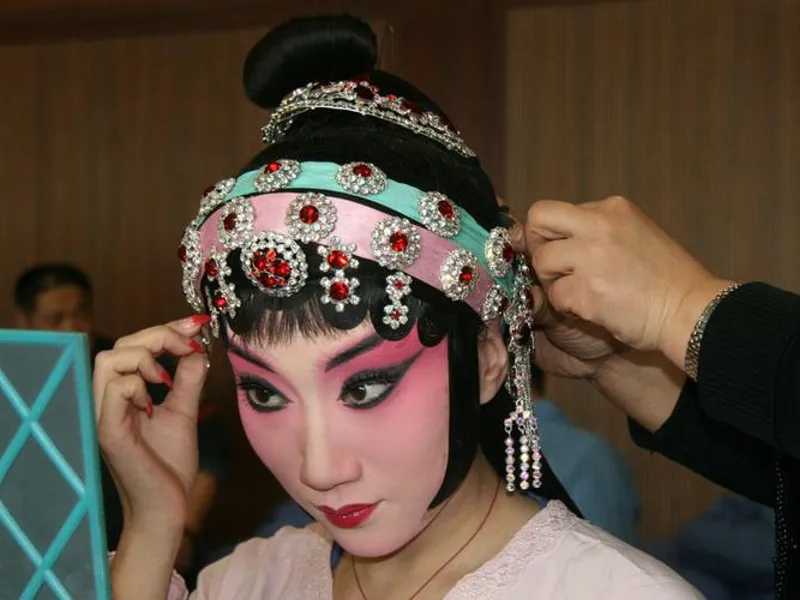
Peking Opera, also known as Jingju, is the most internationally recognized form of Chinese opera and features some of the most iconic Chinese opera masks. In Peking Opera, the masks are not always separate pieces; instead, performers often apply makeup directly to their faces using a meticulous painting technique. This method allows the masks to move naturally with the actor’s expressions while maintaining their symbolic integrity.
The application process is both an art and a discipline. Actors begin by cleaning their faces thoroughly, then apply a base color before painting intricate patterns using brushes of varying sizes. The entire design must be symmetrical and precise, as even small mistakes can alter the perceived personality of the character. Some roles, such as Chinese opera clowns (Chou), use exaggerated features and playful lines to convey humor and mischief, often accompanied by comedic gestures and vocal inflections. These clown characters are essential to balancing the drama and tension of the performance, providing moments of levity while reinforcing narrative themes.
Different Peking Opera roles are categorized into four main types: Sheng (male roles), Dan (female roles), Jing (painted-face roles), and Chou (clowns). Each type has specific mask styles and color schemes associated with their character archetypes. For instance, Jing roles are often adorned with vibrant and bold patterns, reflecting their powerful personalities or heroic traits, whereas Dan roles emphasize subtlety and elegance, using softer tones and delicate lines to express virtue, beauty, or emotional depth.
The Cultural Significance of Chinese Opera MasksChinese opera masks are more than just theatrical tools; they are profound cultural symbols that reflect centuries of Chinese philosophy, morality, and social hierarchy. They convey moral lessons and reinforce traditional values such as loyalty, honor, justice, and courage. Through color and design, audiences can differentiate heroes from villains, wise counselors from traitors, and ordinary humans from supernatural beings, all within the first few moments of the performance.
Masks also serve as a bridge between generations, preserving artistic traditions and folklore. Many designs are based on historical figures, classical novels, and mythological tales, keeping these stories alive in popular consciousness. Workshops and schools dedicated to Chinese opera mask painting continue to train new generations of artists, ensuring that this unique visual language endures despite modern entertainment influences.
Furthermore, Chinese opera masks have inspired art, fashion, and even modern media. Contemporary artists often reinterpret these masks in paintings, sculptures, and digital designs, blending ancient symbolism with new creative expressions. Festivals and cultural performances frequently showcase live mask painting, allowing audiences to witness the artistry and meticulous craftsmanship firsthand.
Chinese Opera Masks in Modern TimesToday, Chinese opera masks are celebrated both as a living art form and as cultural artifacts. They have transcended the stage to become symbols of national identity and artistic pride. Museums around the world exhibit masks from different dynasties and regions, highlighting variations in style, color, and purpose. Photographs and videos of Peking Opera performers in full mask and costume attract global audiences, illustrating the timeless appeal of this dramatic art.
The masks have also entered the realm of tourism and cultural experiences. Visitors to China can participate in workshops where they learn to paint their own opera masks, experiencing firsthand the skill and patience required to master this intricate craft. Local festivals, parades, and theatrical performances often feature masked actors, showcasing the vibrancy and enduring popularity of Chinese opera traditions.
Even in everyday culture, opera masks have left their mark. Merchandise, souvenirs, and visual designs inspired by these masks can be found in home décor, clothing, and digital media, reflecting the deep connection between Chinese artistic heritage and contemporary creativity.
In addition, the humorous and playful Chinese opera clown (Chou) remains particularly beloved. Clowns use exaggerated mask features and comedic gestures to engage audiences directly, often breaking the fourth wall and interacting with spectators. Their performances demonstrate the versatility of opera masks—not just as visual symbols but as tools for storytelling, humor, and emotional engagement.
ConclusionChinese opera masks are a unique fusion of art, culture, and performance. Each mask represents more than a character—it embodies centuries of storytelling, moral philosophy, and human creativity. From the heroic red faces of generals to the cunning white patterns of villains, from the elegant lines of female roles to the playful exaggerations of clowns, these masks bring Chinese opera to life in vivid color and emotion.
As a cultural phenomenon, Chinese opera masks continue to captivate audiences worldwide, preserving the legacy of Peking Opera while inspiring contemporary art and entertainment. Whether viewed on stage, in a museum, or in modern reinterpretations, these masks serve as a reminder of the rich artistic traditions of China and the timeless power of visual storytelling.
For anyone seeking to explore the intersection of history, art, and theater, Chinese opera masks offer a fascinating window into a world where every color, every line, and every expression carries meaning. They are not merely decorative—they are living symbols of a civilization’s creativity, resilience, and enduring cultural heritage.