The Art of Giving and Receiving: A Foreigner's Guide to Chinese Gifts and Cultural Etiquette
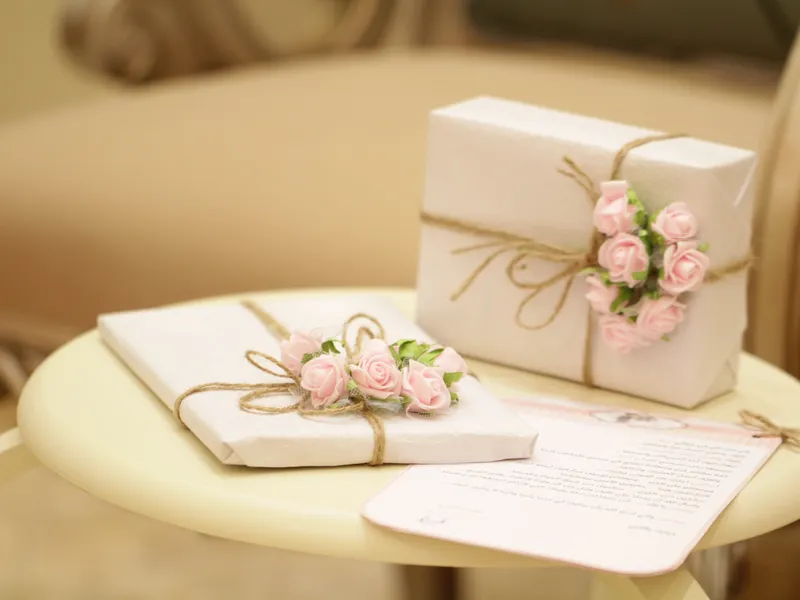
You've landed in China, the most complex and rapidly evolving cultural landscape on earth. Whether you're here for business, a long-term stay, or just visiting during the festive chaos of the Lunar New Year, you will inevitably encounter the art of gift-giving (sòng lǐ 送礼).
This is not merely an exchange of goods; it is a profound social lubricant, a subtle language of respect, gratitude, and establishing the all-important concept of 'face' (miànzi 面子). For the foreign visitor, mastering this tradition—knowing what to give Chinese people as a gift and, crucially, what not to give—is the single greatest shortcut to gaining trust and showing respect.
This comprehensive guide will decode the etiquette, navigate the superstitions, and help you transform your gift-giving from a source of anxiety into a genuine expression of goodwill. We will delve into everything from the symbolism of Chinese gifts for luck to the specific demands of the Chinese New Year gift exchange.
I. Decoding the Core Philosophy: Face, Reciprocity, and Symbolism
Before you browse a single Chinese gift shop, you must understand the three pillars of Chinese gift culture:
1. The Weight of 'Face' (Miànzi)The gift you choose reflects directly on the social standing, taste, and sincerity of both the giver and the recipient.
● Too expensive: Can cause the recipient to 'lose face' by making them feel unable to reciprocate appropriately.
● Too cheap/low quality: Causes the giver to 'lose face' and can be perceived as stinginess or a lack of respect.
● The Sweet Spot: The ideal gift is one of excellent quality, beautifully packaged, and shows that you have put sincere thought and cultural awareness into the selection.
2. The Rule of Reciprocity (Húi Lǐ 回礼)Gift-giving is the start of a cycle. When you give a gift, you create a social debt that the recipient is expected to repay with a gift of similar (or slightly lesser) value at a later date. This cycle is how social and professional relationships (known as guānxi 关系) are built and maintained.
3. The Power of Symbolism (Homophones and Imagery)Unlike in many Western cultures where the object itself is the focus, in China, the focus is often on the meaning and the sound associated with the object. This is the heart of selecting Chinese gifts for luck and avoiding taboos.
II. Chinese New Year Gift Etiquette: The Peak Season for Giving
The Lunar New Year (Spring Festival, Chūnjié 春节) is the grandest time for gift exchange. When you visit a family or client during this holiday, bringing a well-chosen traditional Chinese New Year gift is mandatory.
A. The Red Envelope (Hóngbāo 红包) Tradition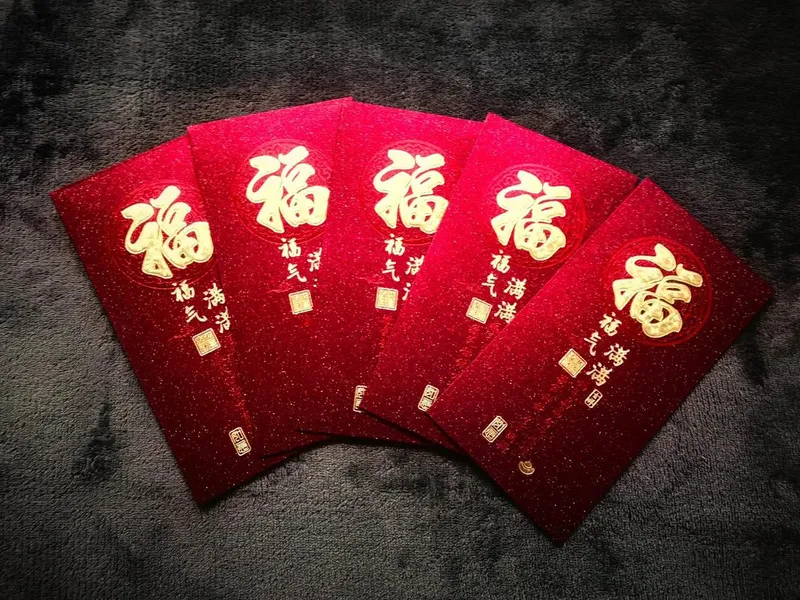
This is the most famous Chinese New Year gift.
● What it is: A crisp, bright red packet containing new, crisp banknotes. Red symbolizes luck, fortune, and warding off evil spirits.
● Who gives/who receives: Primarily given from older generations to younger, unmarried generations (children, grandchildren, unmarried nieces/nephews). It is also given by bosses to employees and sometimes to service workers.
● The Crucial No-Nos (Numbers):
○ NEVER include the number 4 ($4, $40, $400): The word for four (sì 四) is a homophone for the word for death (sǐ 死).
○ The Best Numbers: Use even numbers (in pairs) like 6 or 8. The number 8 (bā 八) sounds like the word for wealth/prosperity (fā 发), making amounts like $88 or $888 particularly auspicious.
● The Money: The notes must be new and crisp. People queue at banks in the weeks leading up to the New Year specifically to get new notes for hóngbāo. Using old, crumpled bills is an insult.
B. The Best What to Gift for Chinese New Year (Tangible Items)When visiting friends or hosts, gifts are often focused on health, shared enjoyment, and family prosperity.
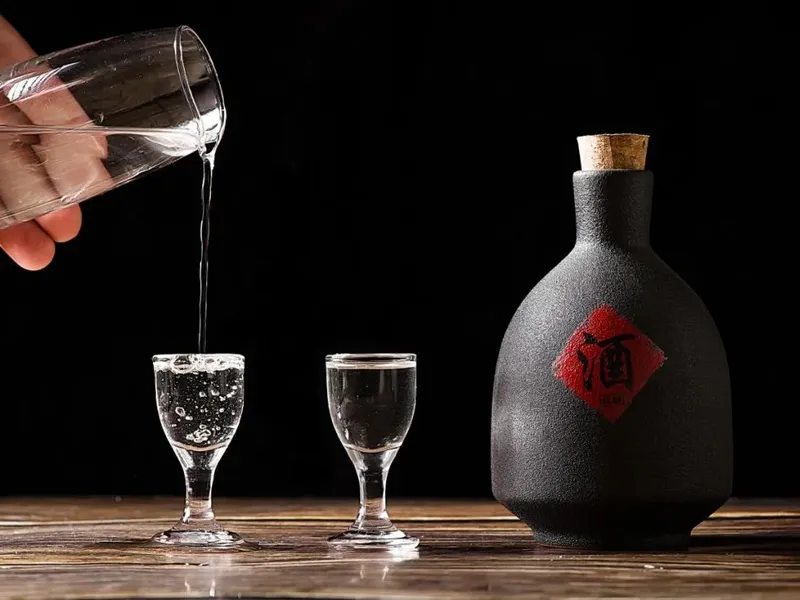
1. High-Quality Tea: Tea is central to Chinese culture. A beautifully packaged set of high-grade Pu'er, Longjing, or Oolong tea is a sophisticated gift that shows appreciation for Chinese traditions.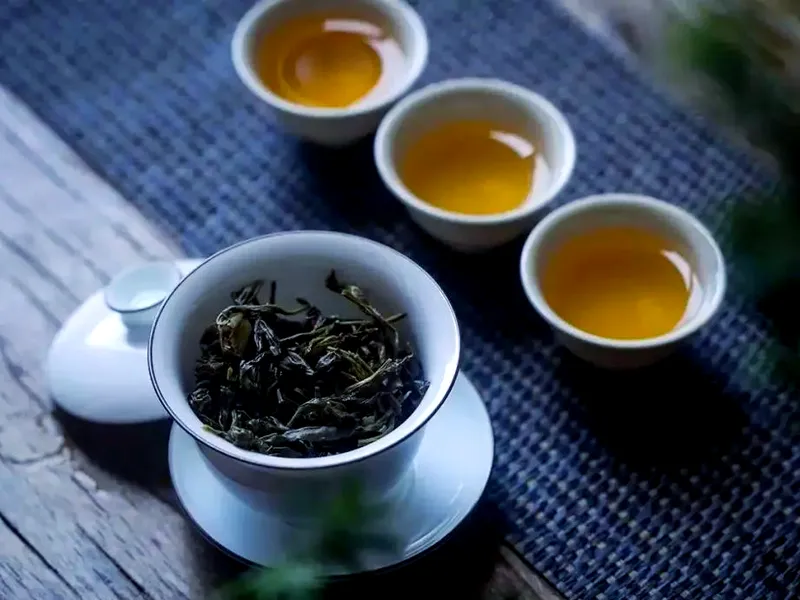 2. Alcohol (Wine/Baijiu): A bottle of imported wine or a high-end domestic Báijiǔ (白酒, white spirit) is a common and safe choice, especially when visiting family elders or a business contact. Choose recognizable, well-known brands to ensure quality is perceived.
 3. Mandarin Oranges or Kumquats (Auspicious Fruit): These are perhaps the most common traditional Chinese New Year gifts.
○ Symbolism: The round shape symbolizes fullness and wealth, and the word for orange (jú 橘) sounds like the word for luck (jí 吉). Always present them in pairs (two, six, or eight).
4. High-Quality Packaged Food: Imported chocolates, fine biscuits, or high-end nutritional supplements (e.g., Bird's Nest, Ginseng) are excellent choices, demonstrating care for the recipient's health.III. The Cultural Minefield: Chinese Gifts to Avoid (Taboos)
Ignoring these taboos can unintentionally send a deeply offensive message. These rules apply year-round, not just during the Spring Festival.
| Taboo Item | Chinese Word | Symbolic Meaning | Why it is Forbidden |
|---|---|---|---|
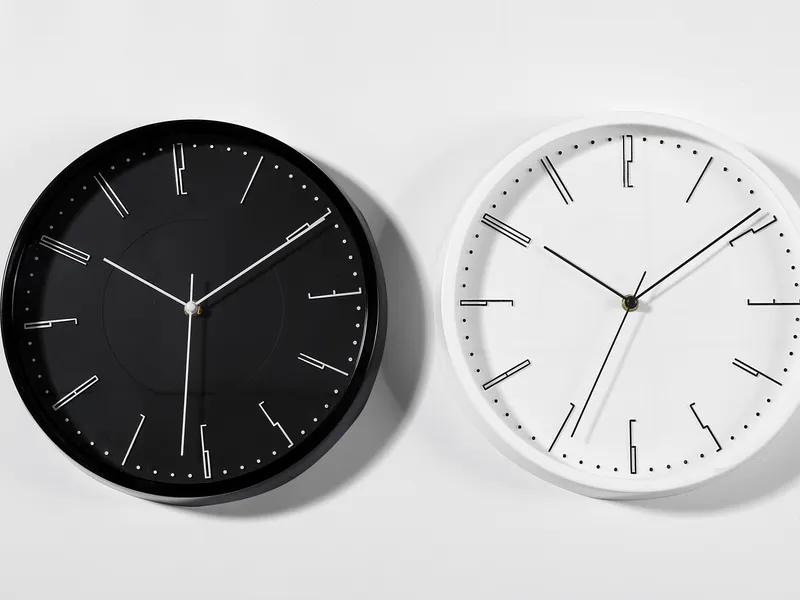
| Clock/Watch | zhōng 钟 | Homophone for the word for end/funeral (zhōng 终). | Giving a clock symbolizes "running out of time," or counting down the recipient's life. |
| Shoes | xié 鞋 | Homophone for the word for evil (xié 邪). | Suggests bringing bad luck or, more commonly, signifies that you wish the recipient to "walk away" from the relationship (severing ties). |
| Umbrella | sǎn 伞 | Homophone for the word for separation/scatter (sàn 散). | Suggests that the relationship will end or be scattered. |
| Pears | lí 梨 | Homophone for the word for separation (lí 离). | Never share or gift pears; it implies you wish to break up the relationship. |
| Sharp Objects | Knives, scissors, letter openers. | Symbolizes severing the relationship or cutting ties. | Considered extremely bad luck for any friendship or partnership. |
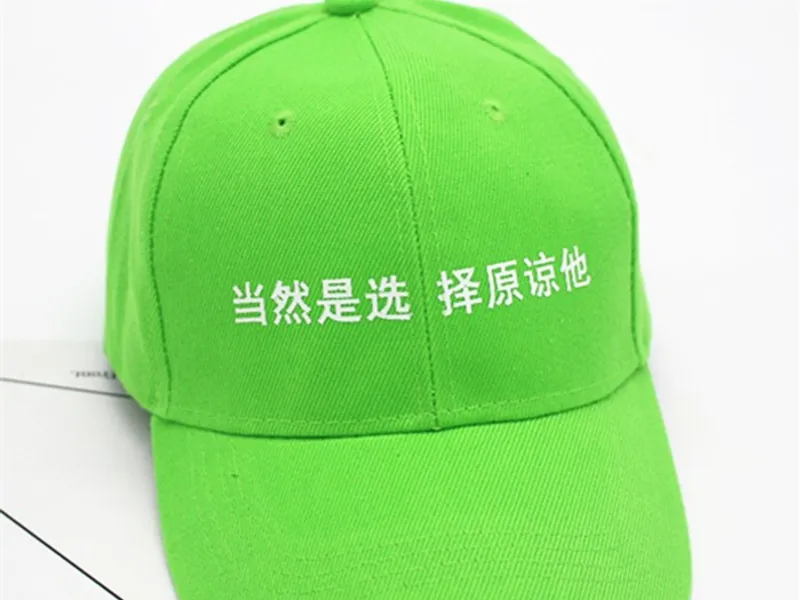
| Green Hat | lǜ màozi 绿帽子 | Phrase means "cuckold" (a man whose wife is cheating on him). | Never gift a green hat to a Chinese man. |
| White or Black Gifts | Color of the item or wrapping paper. | Traditionally associated with funerals and mourning. | Always use red, yellow, or gold wrapping, which symbolize wealth and happiness. |
IV. Navigating the Chinese Gift Exchange (Beyond the New Year)
The principles of gifting extend to birthdays, housewarmings, weddings, and business meetings.
A. What is a Chinese Gift Exchange in Practice?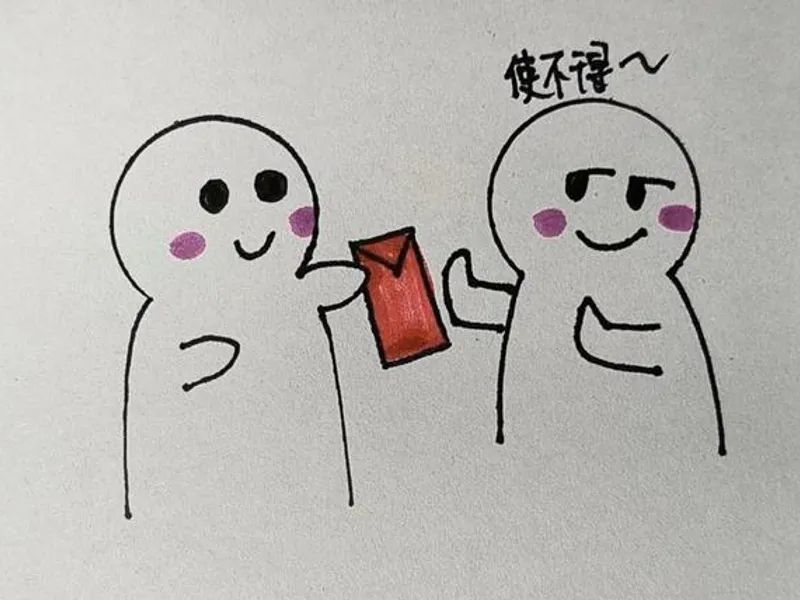
A Chinese gift exchange is less about an organized 'Secret Santa' style event (though those exist among young people) and more about the social process of giving and receiving.
1. The Refusal: The recipient will often politely refuse the gift two or three times before accepting. This is a common courtesy (kèqi 客气) and a display of humility. You must insist gently but firmly. 2. The Two Hands: Always present the gift using both hands. This shows maximum respect (jìngyì 敬意). The recipient should also receive it with both hands. 3. The Delay: The gift will almost never be opened in front of you. The recipient will thank you and set it aside to open later, in private. This prevents any awkwardness if the gift is not what was expected or if its value is too high/low. You must do the same when you receive a gift. 4. The Follow-Up: A genuine text message or call the next day expressing thanks for their hospitality (without mentioning the gift) is often a nice touch. B. Chinese Gifts for Luck and Auspicious ImageryIf you want a gift that is beautiful and conveys a positive message, look for these symbols in a Chinese gift shop:

● Red Knot Decorations (Chinese Knots): Symbolize harmony, prosperity, and the endless cycle of good fortune. An unbroken thread represents longevity.
● Jade: Known as the "Stone of Heaven." Jade jewelry, pendants, or small carvings (especially of your host's Zodiac animal) symbolize health, protection, and good luck.
● Fish (especially Goldfish): The word for fish (yú 鱼) sounds like the word for surplus/extra (yú 余), representing the wish for "surplus and abundance every year" (nián nián yǒu yú 年年有余).
● Red String Bracelets: Believed to ward off evil spirits and bring good luck.
● Items in Pairs: Gifts should always be in pairs (two boxes, two bottles, six pieces), symbolizing happiness and good things coming in doubles.
V. Conclusion: Gifting as Cultural Fluency
The pursuit of the perfect Chinese gift can feel daunting, but the intention is what truly matters. By following the core rules—avoiding taboos, choosing auspicious colors (red, gold, yellow), and presenting the item with respect—you demonstrate a level of cultural fluency that is highly valued.
Ultimately, whether you are giving a lavish Chinese New Year gift to a business partner or a simple box of tea to a host, you are participating in a timeless tradition that solidifies relationships and celebrates harmony. Your thoughtful approach is the best gift of all.