Discovering China’s Five Great Noodles: A Culinary Journey
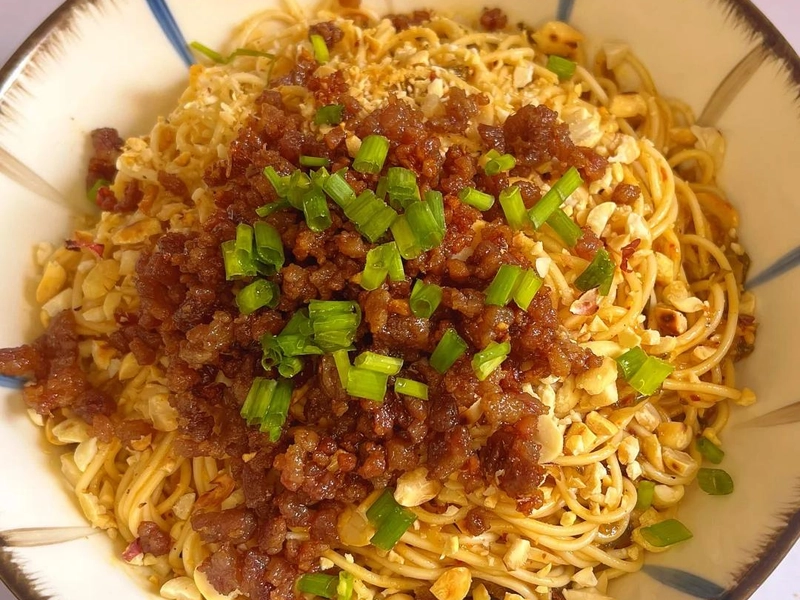
Across the globe, noodles are a beloved staple. From Italian pasta to Japanese ramen, they nourish both body and soul. Yet, few cultures celebrate noodles with as much historical depth and regional diversity as China. Chinese noodles are not only a culinary delight but a living testament to centuries of innovation, culture, and local tradition. Among the myriad types of Chinese noodles, the Five Great Noodles of China stand out: Shanxi Dao Xiao Mian (山西刀削面), Henan Hui Mian (河南烩面), Sichuan Dan Dan Mian (四川担担面), Beijing Zha Jiang Mian (北京炸酱面), and Wuhan Re Gan Mian (武汉热干面). These noodles each reflect their region’s ingredients, history, and culinary philosophy, making them essential experiences for travelers and food enthusiasts alike.
The Historical Roots of Chinese Noodles
Noodles in China have a history stretching over nearly two millennia. The earliest records date back to the Eastern Han Dynasty, when they were referred to as “bing” (饼), a term that encompassed various wheat-based products cooked in water. Over the centuries, different names emerged, including shui shou bing (水溲饼), zhu bing (煮饼), and tang bing (汤饼). It wasn’t until the Song Dynasty that the term mian tiao (面条)—referring specifically to long, thin strips of dough—became standard.
Throughout the Tang, Song, Yuan, Ming, and Qing dynasties, noodles evolved in form, flavor, and method of preparation. Innovations like gua mian (挂面), chao mian (抄面), and fried varieties such as Yi Fu Mian (伊府面) emerged, solidifying noodles as both a staple food and a refined culinary art. This long tradition also laid the foundation for what we now recognize as China’s famous noodles, deeply intertwined with local customs, flavors, and religious or festival practices.
During the Tang Dynasty, the imperial palace served different noodles depending on the season: warm tang bing (汤饼) during winter and cold tao (冷淘) during summer. The Yuan Dynasty introduced long-lasting gua mian (挂面), while the Ming Dynasty perfected the art of chaomian (抄面). By the Qing Dynasty, five-spice noodles (五香面) and fried Yi Fu Mian (伊府面) demonstrated the regionally diverse and technically sophisticated world of Chinese noodles. These developments set the stage for the Five Great Noodles of China, each reflecting regional flavors, techniques, and histories.
Beijing Zha Jiang Mian
Beijing Zha Jiang Mian (北京炸酱面) is one of the most iconic northern Chinese noodles. Known for its rich yellow soybean paste sauce (huangjiang, 黄酱), minced pork, and fresh vegetable toppings, it perfectly embodies Beijing’s traditional flavors. The key to a delicious Zha Jiang Mian is slow-cooked sauce, combining huangjiang and sweet bean paste with diced pork, aromatic ginger, and scallions. Toppings often include cucumbers, bean sprouts, radish, and cabbage, ensuring a balance of texture, freshness, and nutrition.
In Beijing, there are two popular ways to enjoy the noodles: guo tiao (锅挑), where the noodles are served immediately after boiling, and guo shui (过水儿), where noodles are rinsed in cold water before serving—ideal for hot summer days. The rich flavors and comforting textures make Beijing Zha Jiang Mian not only a local favorite but also a must-try for travelers exploring northern China.
The cooking process of Zha Jiang Mian involves meticulous attention: first, cut five-spice pork into small cubes and sauté with ginger, garlic, and scallions. Then, stir in the yellow soybean paste and sweet bean paste, simmering gently to allow the flavors to meld. The noodles are cooked to al dente, rinsed in cold water if desired, and mixed with the rich sauce before topping with crisp vegetables. Some families add a raw garlic clove for aroma and flavor, following traditional practices passed down through generations.
Shanxi Dao Xiao Mian
Shanxi Dao Xiao Mian (山西刀削面), or Shanxi Knife-Cut Noodles, are celebrated for their unique texture: tender inside with a slightly firm bite. Legend attributes their creation to Tang Dynasty general Chai Shao, who, lacking proper kitchen tools on military campaigns, devised a method to slice noodles directly from a dough block using a knife. This innovation eventually evolved into a culinary performance known as flying knife noodles, where chefs slice noodles swiftly and precisely, sometimes juggling dough atop a unicycle for dramatic effect.
Shanxi, the birthplace of these noodles, is renowned for its diverse noodle culture. Dao Xiao Mian can be served with various sauces, including tomato-based meat sauce or lamb broths, often garnished with seasonal vegetables like cucumbers, bean sprouts, or chrysanthemum petals. The combination of skillful knife technique and rich toppings has earned Shanxi Dao Xiao Mian a reputation as one of China’s best noodle dishes, attracting food tourists from across the world.
The preparation begins with high-quality wheat flour, kneaded and rested to develop gluten for elasticity. Noodles are then sliced directly from a dough block into boiling water using swift, precise knife motions. The broth or sauce, whether tomato-based, meat-based, or vegetarian, is carefully simmered, then poured over the freshly sliced noodles. Various toppings, from vegetables to pickled items, provide balance, while a dash of Shanxi vinegar adds a signature tang.
Henan Hui Mian
Henan Hui Mian (河南烩面) is a wide noodle dish with a savory broth, often featuring lamb, vegetables, and noodles cooked together in a harmonious mix. According to legend, it originated when Emperor Taizong of Tang (李世民), ill during his youth, was served a simple noodle dish by a kind couple. The dish nourished him and restored his strength, eventually inspiring the imperial chefs to refine it as Qilin noodles (麒麟面). Modern Hui Mian has since adapted, using lamb or mutton, hand-stretched noodles, and rich broths infused with spices and herbs, offering both comfort and nutrition.
Henan Hui Mian is famous for its white broth (bai tang, 白汤), achieved by simmering lamb bones for hours, producing a creamy and fragrant soup. The noodles themselves are thick and chewy, perfect for absorbing the broth’s deep flavors. Often garnished with seaweed, tofu, herbs, and sometimes quail eggs, Hui Mian reflects Henan’s culinary heritage and is a highlight of Central China cuisine.
The noodle-making process requires skilled hand-stretching to achieve the ideal width and texture. The broth, a combination of lamb bones and aromatic spices, is simmered slowly for hours, yielding a rich, flavorful base. Additional ingredients like tofu, seaweed, and fresh herbs are added to enhance both texture and taste. This method ensures each bite is comforting, hearty, and full of historical significance.
Sichuan Dan Dan Mian
From southwestern China comes Sichuan Dan Dan Mian (四川担担面), a spicy noodle dish originating in Zigong city, 1841. The name comes from the traditional street vendors who carried their noodles and condiments on shoulder poles (dan dan), walking from street to street. Dan Dan Mian is renowned for its bold flavors: spicy chili oil, Sichuan peppercorns, minced pork, preserved vegetables, and rich sesame paste.
This dish exemplifies Sichuan’s culinary philosophy, balancing numbing (málà) heat with savory umami. Vendors would cook the noodles fresh in boiling water, add the spicy meat sauce and vegetables, and pour over a concentrated broth for a mouthwatering combination. Dan Dan Mian’s versatility allows variations like vegetarian versions, clear soup variants, or noodles served with wontons, making it a vibrant representative of Sichuan noodle culture.
The preparation of Dan Dan Mian involves stir-frying minced pork with chili oil, soy sauce, sesame paste, and preserved vegetables. Noodles are cooked separately, then combined with the sauce and garnished with greens and aromatic spices. Each bowl delivers a combination of texture, heat, and aroma that has made it a Sichuan favorite for generations.
Wuhan Re Gan Mian
Wuhan Re Gan Mian (武汉热干面), or Hot Dry Noodles, is a beloved breakfast dish in Hubei province. Emerging in the 1930s, it was accidentally invented when leftover noodles were tossed with sesame oil to prevent sticking. Over time, vendors perfected the recipe, creating a dish with firm, springy noodles coated in aromatic sesame paste and garnished with pickled vegetables, scallions, and chili oil. The noodles are briefly boiled, cooled, and then mixed with the signature sauce, ensuring every bite is flavorful and satisfying.
Re Gan Mian is more than just food; it is a cultural icon of Wuhan, representing the city’s fast-paced street life and culinary ingenuity. Today, famous shops like Cai Lin Ji (蔡林记) continue to draw locals and tourists alike, eager to taste authentic Hot Dry Noodles.
The preparation starts with high-quality wheat noodles, boiled until just tender, then cooled and coated lightly with sesame oil. The signature sesame paste sauce, mixed with soy sauce, vinegar, chili oil, and spices, is tossed with the noodles just before serving. Optional garnishes include pickled radish, green onions, and sesame seeds, creating a dish that is aromatic, hearty, and deeply satisfying.
The Global Influence of Chinese Noodles
China’s noodle culture has transcended its borders. Japanese ramen, for instance, was heavily influenced by Chinese noodle techniques, introduced to Yokohama in the early 20th century. Even today, culinary tours often include noodle workshops, allowing travelers to learn about Chinese noodle-making traditions, further spreading appreciation of these culinary arts internationally.
Chinese noodles have also shaped international perceptions of Chinese cuisine. Each type—whether spicy Sichuan Dan Dan Mian, hearty Henan Hui Mian, or versatile Shanxi Dao Xiao Mian—reflects the cultural identity of its region, making noodle tasting both a gastronomic and cultural experience. Visiting China’s famous noodle cities allows travelers to immerse themselves in centuries of culinary tradition and explore the ways noodles connect history, culture, and everyday life.
Conclusion
From Beijing to Wuhan, Sichuan to Henan, and Shanxi, the Five Great Noodles of China demonstrate how a simple staple—flour and water—can evolve into dishes of extraordinary variety, history, and flavor. They tell stories of emperors and commoners, street vendors and master chefs, and regions defined by climate, culture, and agriculture. Experiencing these noodles is more than a meal—it is a journey into China’s rich culinary heritage.
Related Vocabulary
| Chinese | Pinyin | English |
|---|---|---|
| 面条 | miàn tiáo | noodles |
| 刀削面 | dāo xiāo miàn | Shanxi knife-cut noodles |
| 烩面 | huì miàn | Henan braised noodles |
| 担担面 | dàn dàn miàn | Sichuan spicy noodles |
| 炸酱面 | zhà jiàng miàn | Beijing fried sauce noodles |
| 热干面 | rè gān miàn | Wuhan hot dry noodles |
| 黄酱 | huáng jiàng | yellow soybean paste |
| 芝麻酱 | zhī ma jiàng | sesame paste |
| 面食 | miàn shí | wheat-based food/noodle dishes |