12 Most Popular Chinese Breakfasts You Must Try
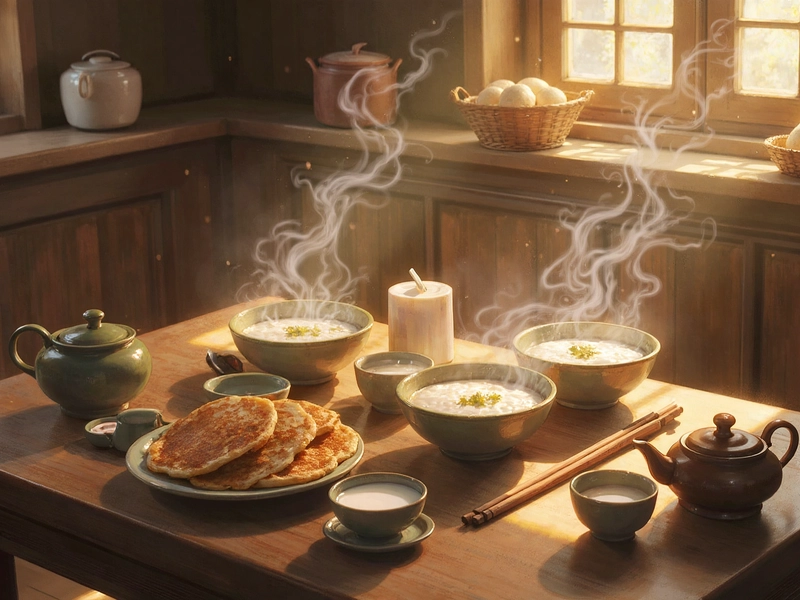
Breakfast is often called the most important meal of the day, and in China this is no exception. For travelers and food lovers, the question often arises: what do Chinese people eat for breakfast? The answer is fascinating because Chinese breakfasts are not only delicious but also deeply rooted in history, tradition, and cultural habits.
Compared to a Western or Asian breakfast, a typical Chinese breakfast offers a mix of flavors ranging from savory and salty to mild and sweet. While in Western countries breakfast often revolves around bread, cereal, or eggs, breakfast in China includes warm soups, fried dough, dumplings, soy milk, noodles, rice porridge, and even meat-filled sandwiches. Whether you are curious about authentic Chinese breakfast foods, breakfast food in Hong Kong, or traditional Chinese breakfast dishes across different provinces, this guide will help you explore what makes China breakfast culture so unique.
The Culture of Breakfast in China
Breakfast in China is more than just food; it reflects cultural values and traditions. Chinese families believe in starting the day with a warm meal that fuels the body and balances energy. A traditional Chinese breakfast is usually savory, light, and easy to digest, in contrast to the heavier, sweeter breakfasts often found in other countries.
Typical Chinese breakfast food varies widely across regions. In the north, wheat-based dishes like dumplings, steamed buns, and pancakes dominate. In the south, rice-based dishes such as congee, noodles, and rice rolls are more common. For people asking what do Chinese people have for breakfast or what do Chinese eat for breakfast daily, the answer depends on geography, family traditions, and even the local street vendors available nearby.
12 Most Popular Chinese Breakfasts
Here are the 12 most beloved Chinese breakfast foods that answer the question: what do people in China eat for breakfast?
- Youtiao (油条) – Fried Dough Sticks
Youtiao, sometimes referred to as Chinese crullers, are golden, deep-fried dough sticks. They are a traditional Chinese breakfast food often paired with soy milk. Crispy on the outside and airy inside, youtiao are a favorite in both northern and southern China. Many Chinese breakfast restaurants serve them fresh in the morning. - Doujiang (豆浆) – Soy Milk
Soy milk is an authentic Chinese breakfast drink. Often enjoyed hot and unsweetened, it is served alongside youtiao for a classic breakfast combination. This traditional Chinese breakfast pairing is so popular that it is often the first answer when someone asks what is Chinese breakfast. - Baozi (包子) – Steamed Buns
Baozi are soft steamed buns filled with meat, vegetables, or sweet bean paste. As a typical Chinese breakfast dish, baozi are quick, convenient, and widely available. Travelers looking for good Chinese breakfast food in China will often find baozi at every street corner. - Zhou (粥) – Rice Porridge or Congee
Congee is a comforting and traditional Chinese breakfast food made from slow-cooked rice. It can be plain or flavored with pork, preserved eggs, chicken, or vegetables. This dish is especially popular in southern China and Hong Kong, making it a common breakfast food in Hong Kong and Guangdong province. - Noodles (面条)
Noodles are not only a lunch or dinner item; they are also a typical Chinese breakfast in many regions. In places like Lanzhou or Wuhan, hot noodle soups are served early in the morning. Asking what do Chinese have for breakfast in central China often leads to noodle dishes with spicy broths. - Jiaozi (饺子) – Dumplings
Dumplings are another example of what do Chinese people eat for breakfast, especially in northern provinces. Filled with pork, beef, lamb, or vegetables, dumplings are steamed or boiled and served with vinegar dipping sauce. They are both a festive and everyday breakfast food in China. - Jianbing (煎饼) – Chinese Crepes
Jianbing is one of the most famous breakfast street foods in China. This savory crepe, filled with egg, scallions, chili paste, and crispy crackers, represents a typical Chinese breakfast food for busy city dwellers. It is often called the “Chinese breakfast burrito.” - Tea Eggs (茶叶蛋)
Tea eggs are boiled eggs steeped in a mixture of soy sauce, tea leaves, and spices. They are portable, flavorful, and considered a traditional Chinese breakfast food. Convenience stores and Chinese breakfast restaurants sell them across the country. - Mantou (馒头) – Steamed Bread
Mantou are plain steamed buns, popular in northern China as a simple, authentic Chinese breakfast. Often served with pickles, soy milk, or porridge, mantou are a staple breakfast food in China’s rural areas. - Zongzi (粽子) – Sticky Rice Dumplings
Although often associated with the Dragon Boat Festival, zongzi are also enjoyed as a breakfast food in China. Wrapped in bamboo leaves, these glutinous rice dumplings are filled with pork, beans, or egg yolk. - Roujiamo (肉夹馍) – Chinese Meat Sandwich
Roujiamo is often described as the Chinese version of a hamburger. Originating from Shaanxi province, it consists of slow-cooked meat stuffed into a crispy flatbread. Today, roujiamo is becoming a common Chinese breakfast food in urban areas. - Mifen (米粉) – Rice Noodles
Rice noodles are a beloved breakfast in southern China, especially in provinces like Guangxi, Yunnan, and Hunan. Served in hot broth with beef, pork, or pickled vegetables, mifen is a filling and flavorful way to start the day. For many locals, a steaming bowl of rice noodles is the answer to what do Chinese people eat for breakfast in the south. Its variations include Guilin rice noodles and Yunnan mixian, both considered typical Chinese breakfast foods.
Regional Breakfast Differences
- Northern China: Steamed buns, dumplings, soy milk, mantou, and fried pancakes.
- Southern China: Congee, noodles, rice rolls, and mifen.
- Western China: Spicy noodles, beef buns, and roujiamo.
- Hong Kong: Congee, rice porridge, pineapple buns, and milk tea.
Breakfast in China reflects not just taste preferences but also geography and climate. Tourists often ask what do Chinese eat for breakfast when traveling between Beijing and Guangzhou, and the answers are completely different.
Modern Breakfast and Chinese Brunch Culture
While traditional Chinese breakfast foods remain popular, modern lifestyles are changing habits. Young people in major cities increasingly choose coffee, sandwiches, or fusion breakfasts that combine Western and Chinese flavors. The idea of a Chinese brunch is also becoming trendy, with cafes offering both baozi and avocado toast.
At the same time, authentic Chinese breakfast restaurants continue to thrive, preserving traditional Chinese breakfast dishes for future generations. Whether enjoying a simple bowl of porridge or exploring Chinese breakfast recipes at home, breakfast China culture continues to evolve.
So, what is Chinese breakfast? The answer is that it is diverse, flavorful, and deeply cultural. From baozi and dumplings to soy milk, rice noodles, and roujiamo, Chinese breakfast foods reflect centuries of tradition and regional variety. For travelers asking what do Chinese people eat for breakfast or what do Asian people eat for breakfast, exploring breakfast in China offers an authentic glimpse into everyday life.
Whether you are eating at a Chinese breakfast restaurant, ordering delivery in a bustling city, or cooking Chinese breakfast recipes at home, there is always something new to discover in China breakfast culture.
Related Vocabulary
| Chinese | Pinyin | English |
|---|---|---|
| 早餐 | zǎocān | Breakfast |
| 油条 | yóutiáo | Fried Dough Stick |
| 豆浆 | dòujiāng | Soy Milk |
| 包子 | bāozi | Steamed Bun |
| 粥 | zhōu | Rice Porridge / Congee |
| 面条 | miàntiáo | Noodles |
| 饺子 | jiǎozi | Dumplings |
| 煎饼 | jiānbǐng | Chinese Crepe |
| 茶叶蛋 | cháyè dàn | Tea Egg |
| 馒头 | mántou | Steamed Bread |
| 粽子 | zòngzi | Sticky Rice Dumpling |
| 肉夹馍 | ròujiāmó | Chinese Meat Sandwich |
| 米粉 | mǐfěn | Rice Noodles |
| 早餐店 | zǎocān diàn | Breakfast Restaurant |
| 中式早餐 | zhōngshì zǎocān | Chinese Breakfast |