Traditional Chinese Clothing: A Cultural Journey Through Time
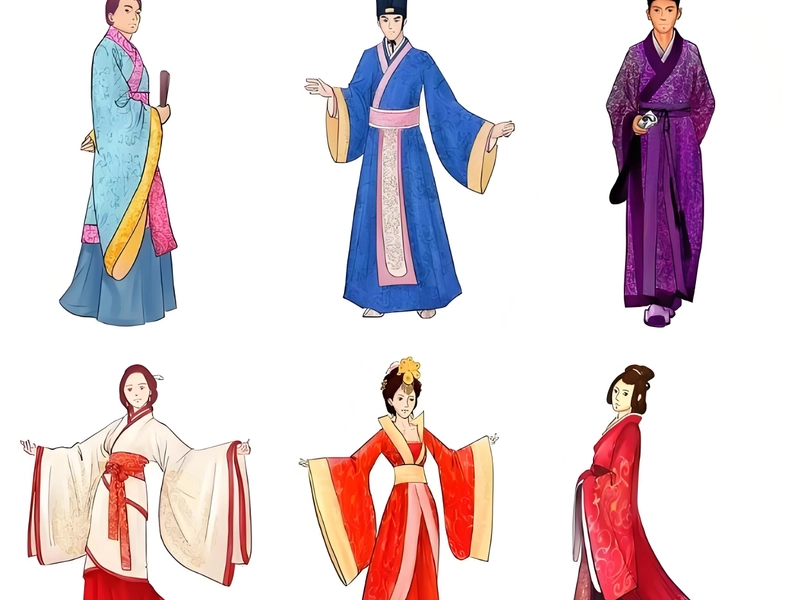
China, with thousands of years of history, expresses its rich culture not only through writing, architecture, and art but also through clothing. Traditional Chinese clothing, also known as Chinese traditional dress or ancient Chinese apparel, is more than mere attire—it embodies history, philosophy, and aesthetics. Each dynasty left its mark on ancient Chinese fashion, and the distinctive attire of ethnic minorities enriches this cultural tapestry. Modern designers and cultural enthusiasts blend classical aesthetics with contemporary fashion, giving traditional Chinese garments a new life.
When imagining a stroll along Tang Dynasty streets or entering a Ming Dynasty scholar’s study, the flowing wide-sleeved robes, exquisite embroidery, and colorful silks vividly showcase the elegance of typical Chinese clothing. This article explores the evolution of Chinese traditional clothing, examining the styles of major dynasties, minority attire, and the modern revival of China traditional fashion.
Han Dynasty Clothing: The Foundation of Traditional Attire
The Han Dynasty (206 BCE–220 CE) laid the foundation for Chinese traditional clothing. Hanfu (汉服 hànfú) is the classic Chinese dress wear of this period, characterized by wide sleeves, layered garments, and cross-collar designs. Male and female garments were similar in silhouette, distinguished by color, fabric, and accessories.
- Men’s typical Chinese outfit: Robes with straight hems or curved hems, secured with wide belts. Nobles preferred silk, while commoners wore hemp or cotton.
- Women’s Chinese traditional clothes: Cross-collared tops paired with long skirts, creating flowing layers. Subtle embroidery added elegance.
Han dynasty clothing emphasized harmony, hierarchy, and dignity. Dark colors, such as black and red, were popular, representing solemnity and vitality. The Han Dynasty set the standard for ancient Chinese clothing in later eras, establishing the aesthetic foundation for traditional Chinese apparel.
Tang Dynasty Fashion: Prosperity and Cosmopolitan Style
The Tang Dynasty (618–907 CE) was a period of economic prosperity and cultural openness. Ancient Chinese fashion flourished as the Silk Road introduced fabrics and dyes from India, Persia, and Central Asia.
- Women’s typical Chinese outfit: Wide sleeves, low-cut tops, and long flowing skirts decorated with floral or geometric patterns.
- Men’s traditional Chinese attire: Round-collared robes with embroidery indicating social rank, often paired with leather boots.
Tang dynasty fashion was both beautiful and symbolic, reflecting social hierarchy and cultural sophistication. Gold and yellow were reserved for royalty, symbolizing power, while commoners could enjoy freedom in colors and patterns. Makeup and hairstyles were elaborate, demonstrating individuality and social status. The Tang Dynasty exemplifies ancient Chinese clothing, combining elegance with daring fashion.
Song Dynasty Clothing: Simplicity and Elegance
The Song Dynasty (960–1279 CE) emphasized simplicity and practicality. Chinese traditional dress became more subdued, reflecting Confucian ideals of modesty.
- Women wore long tops with skirts, secured at the waist, allowing mobility while remaining elegant.
- Men wore square-collared robes, sometimes with long coats, with embroidery to indicate social rank or occupation.
Song clothing maintained the balance between aesthetics and comfort, illustrating how traditional Chinese clothes served both daily life and ceremonial occasions.
Yuan Dynasty Clothing: Northern Influence
Under Mongol rule (1271–1368 CE), ancient Chinese clothing absorbed northern styles. Cold climates required heavier fabrics and high collars.
- Men’s Chinese clothing ancient: Tight-sleeved robes with fur coats.
- Women’s typical Chinese outfit: Long skirts with layered robes.
Despite foreign influences, Han embroidery and motifs preserved the traditional aesthetics of Chinese traditional garments, demonstrating cultural continuity.
Ming Dynasty Fashion: Revival of Han Style
The Ming Dynasty (1368–1644 CE) emphasized Han culture and identity. Traditional Chinese apparel reflected social hierarchy and national pride.
- Men’s ancient Chinese attire: Square-collared robes with embroidered patterns of animals, plants, or geometric designs. Officials wore black fútóu hats with high buns.
- Women’s Chinese dress wear: Cross-collared tops with long skirts, emphasizing modest elegance. Light pastel colors were fashionable. Both genders wore cloaks with straight collars and open sleeves.
Ming clothing refined Chinese traditional clothing, blending historical aesthetics with practicality, laying the groundwork for Qing dynasty attire.
Qing Dynasty Clothing: Manchu Influence and Qipao Origins
- Men’s traditional Chinese apparel: Tangzhuang (唐装) jackets, ankle-length skirts, and the queue hairstyle.
- Women’s typical Chinese outfit: Liangbatou headdresses with elaborate decorations. Non-Manchu women could continue wearing Ming-style Hanfu.
The qipao (旗袍), developed during this period, became one of the most iconic Chinese traditional garments, balancing elegance and femininity. Qing clothing illustrates the interplay of ethnicity, rank, and functionality in China traditional attire.
Ethnic Minority Traditional Dress
Dai (Dǎizú)
Women wear tight tops with long skirts, similar to Southeast Asian silk wraps; men wear collarless tops with loose trousers. Bright colors and light fabrics suit tropical climates.
Tibetan (Zàngzú)
Tibetan clothing emphasizes warmth and functionality. Wool or sheepskin robes, fur coats, and layered garments are common. Women wear silver and turquoise jewelry to indicate age and marital status.
Uyghur (Wéiwú’ěrzú)
Influenced by Islam and Silk Road connections, women wear long embroidered dresses with silk headscarves; men wear long robes, wool coats (chapan), and doppa caps. Ancient Chinese apparel in Xinjiang combines practicality with decoration.
Zhuang (Zhuàngzú)
Zhuang clothing is simple yet detailed. Men wear black tang suits with wide trousers; women wear collarless jackets with embroidery and aprons. Handwoven fabrics highlight craftsmanship.
Modern Revival and Contemporary Chinese Fashion
In recent years, Chinese traditional clothes have experienced a revival among youth. Hanfu communities flourish in urban streets, tea houses, and festivals. Qipao remains popular for weddings, Lunar New Year, and high-end hospitality uniforms.
Designers merge ancient Chinese clothing with haute couture, producing works that are both culturally grounded and modern. Guo Pei, Xu Long, Zhang Huishan, and international brands like Dior and Elie Saab draw inspiration from traditional Chinese garments, showcasing them globally.
Western, Japanese, and Korean Influence
Modern Chinese fashion also integrates international trends. Western fashion introduces tailored cuts and new fabrics, influencing China traditional fashion. Japanese street style and Korean trends (K-pop and K-drama-inspired clothing) impact daily youth attire, including oversized jackets, bright colors, and playful accessories.
This cultural fusion creates a vibrant urban fashion scene: traditional Chinese clothing appears in festivals and social events, while Western, Japanese, and Korean influences shape everyday wear. Traditional and modern, Eastern and Western, ethnic and contemporary styles intertwine, forming a unique fashion landscape in China.
Cultural Significance and Learning Value
Studying Chinese traditional clothing, ancient Chinese garments, and Chinese traditional dress provides insights into history, social hierarchy, and artistry. Clothing acts as a cultural bridge, helping learners appreciate Chinese ancient fashion and daily life in historical China. Experiencing Hanfu, qipao, or ethnic attire allows one to understand aesthetic value and historical meaning firsthand.
Conclusion
From Han dynasty wide-sleeved Hanfu to Qing dynasty elegant qipao, and now modern fusion with Western, Japanese, and Korean trends, Chinese traditional clothing embodies Chinese civilization’s aesthetics, wisdom, and history. Diverse ethnic attire and modern revivals ensure these traditions continue. Wearing ancient Chinese clothing is both a tribute to history and an engagement with Chinese culture across time.
Whether walking in Hanfu on city streets or attending a festival in a qipao, traditional Chinese clothing continues to showcase the enduring beauty of Chinese culture globally.
Related Vocabulary
| Chinese | Pinyin | English |
|---|---|---|
| 汉服 | hànfú | Han clothing |
| 旗袍 | qípáo | Qipao / Cheongsam |
| 唐装 | tángzhuāng | Tang-style jacket |
| 两把头 | liǎngbǎtóu | Liangbatou headdress |
| 交领 | jiāolǐng | Cross-collar |
| 襆头 | fútóu | Futou hat |
| 褡袍 | chapan | Chapan coat |
| 朵帕 | doppa | Doppa cap |
| 汉代服饰 | hàn dài fúshì | Han dynasty clothing |
| 唐代服饰 | táng dài fúshì | Tang dynasty clothing |
| 明代服饰 | míng dài fúshì | Ming dynasty clothing |
| 清代服饰 | qīng dài fúshì | Qing dynasty clothing |
| 少数民族服饰 | shǎoshù mínzú fúshì | Ethnic minority clothing |
| 传统中式服装 | chuántǒng zhōngshì fúzhuāng | Traditional Chinese clothing |