Chinese Learning Tips

Master Chinese with proven strategies and techniques

World Map And China Major Cities
China on the World Map: Major Cities You Should Know | - RPL School
I used to think I knew where China was—until I watched a student point confidently to the western edge of a Mercator map and say, 'That’s Beijing.' It wasn’t. It was near Kazakhstan. That moment cracked open something im...
Read More
World Map And China
World Map And China
I used to think I knew where China was—until I watched a student point confidently to the western edge of a Mercator map and say, 'That’s Beijing.' It wasn’t. It was near Kazakhstan. That moment cracked open something im...
Read More
chinese grammar le particle guide
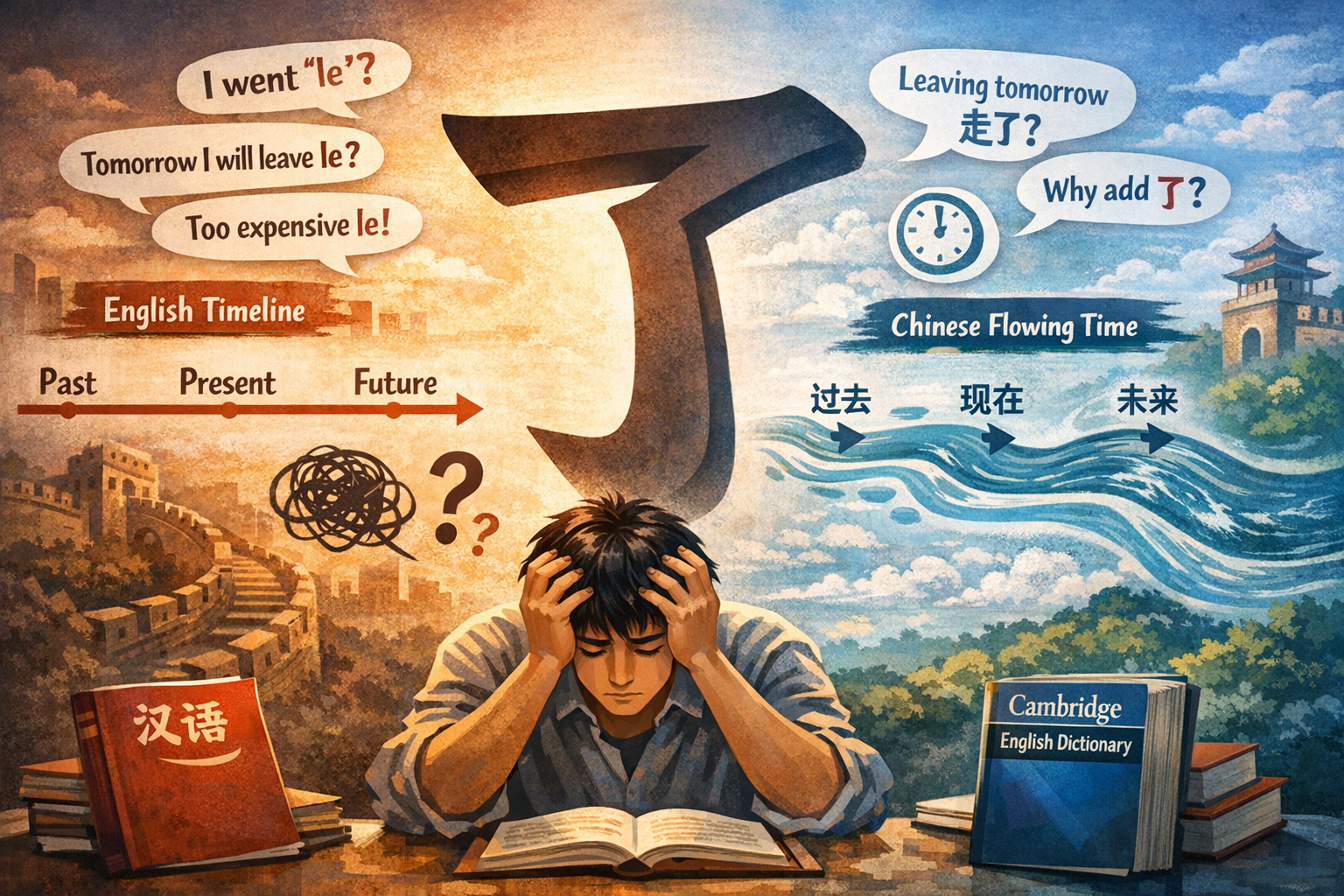
Why Do Chinese Sentences Often End with “了” (Le)? Decoding the Ultimate Mystery for Learners
Why Do Chinese Sentences Often End with “了” (Le)? Decoding the Ultimate Mystery for Learners Introduction: The Beloved and Hated“了” For any foreigner learning Chinese, the character“了” (le) is undoub...
Read More

how chinese expresses time without tenses
Why can Chinese express time clearly even though it has no verb tenses?
Why can Chinese express time clearly even though it has no verb tenses? Introduction: Grammatical 'Absence' or Cognitive 'Transcendence' in Mandarin Time Expression?The 'Stillness' of Verbs vs. the...
Read More
why chinese hard to use
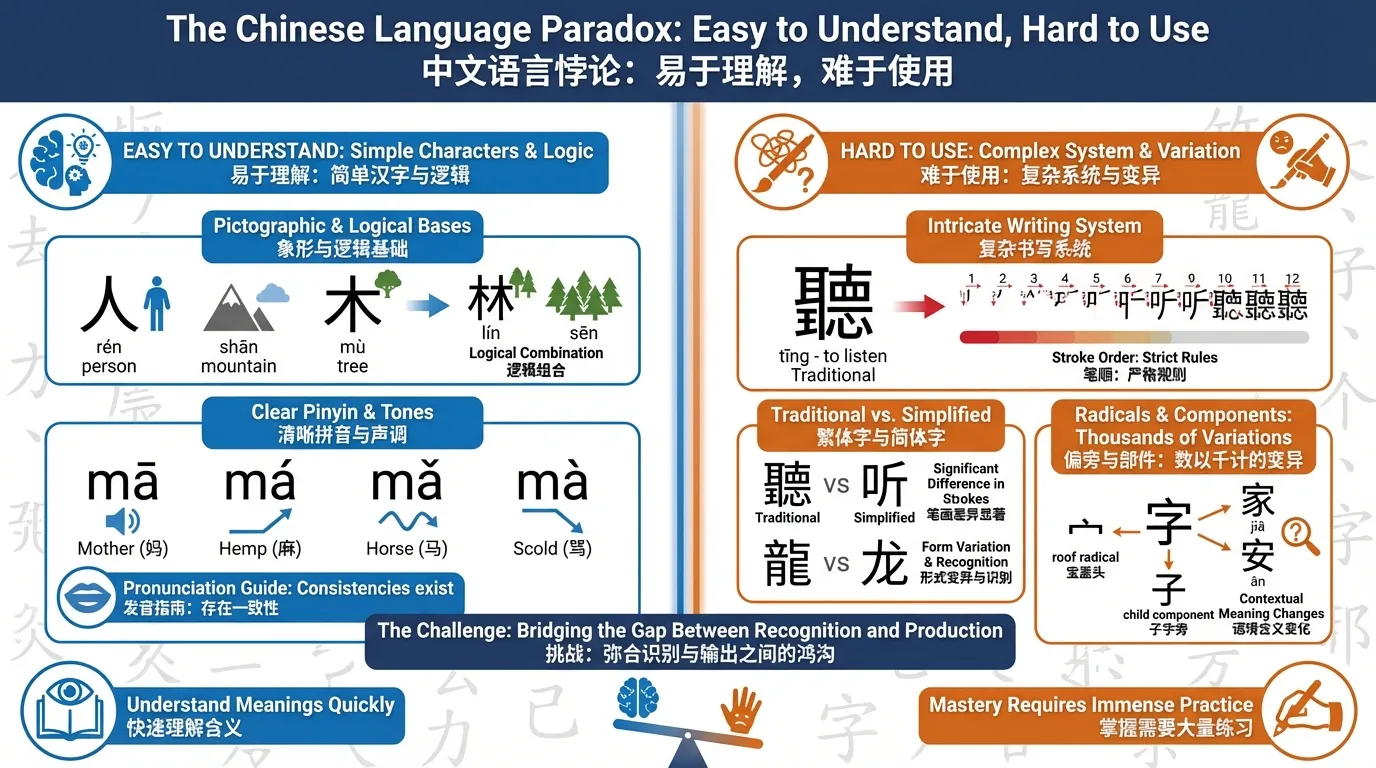
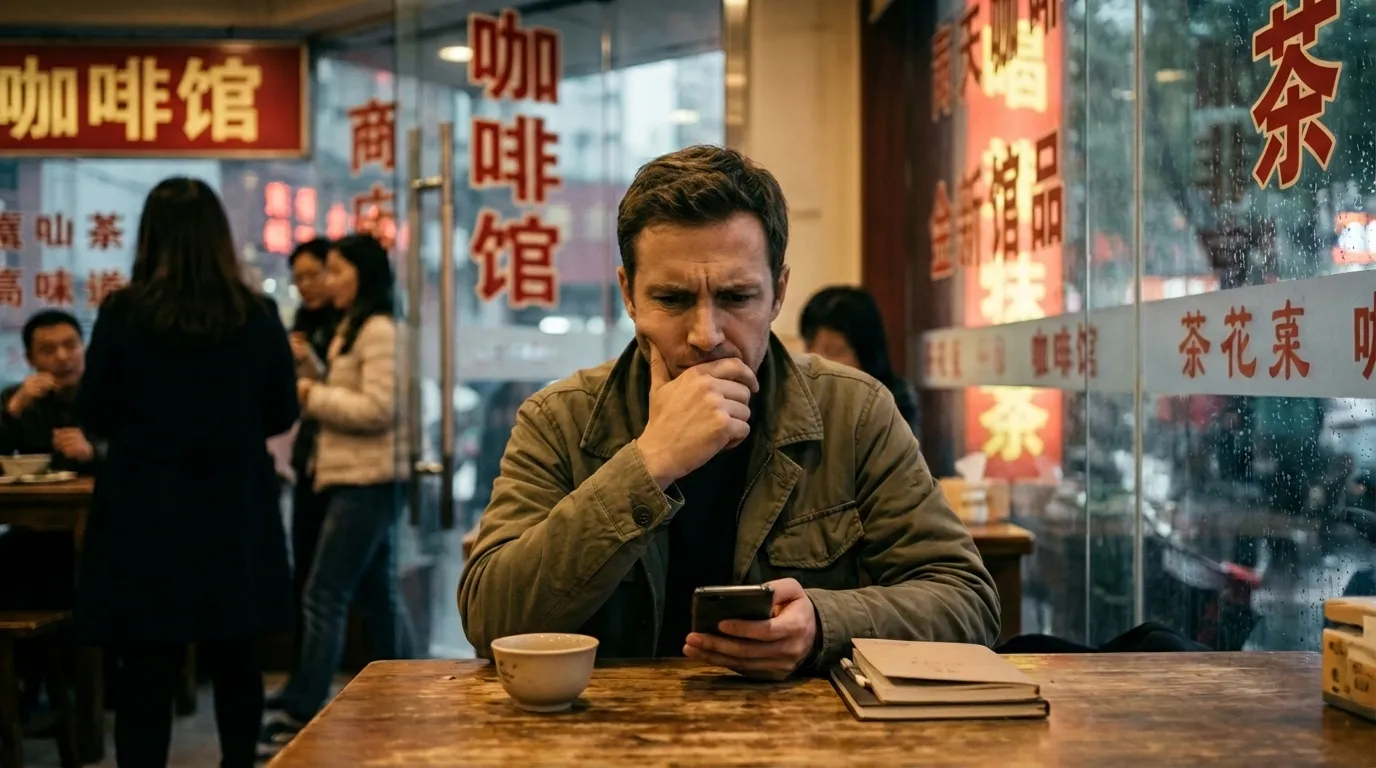
why chinese feels easy to learn but hard to use
Many learners of Chinese share the same quiet frustration. You study Chinese for years. You learn the grammar. You memorize the vocabulary. You understand what people say. And yet, when it is your t...
Read More
Chinese Is Easy to Understand but Hard to Use
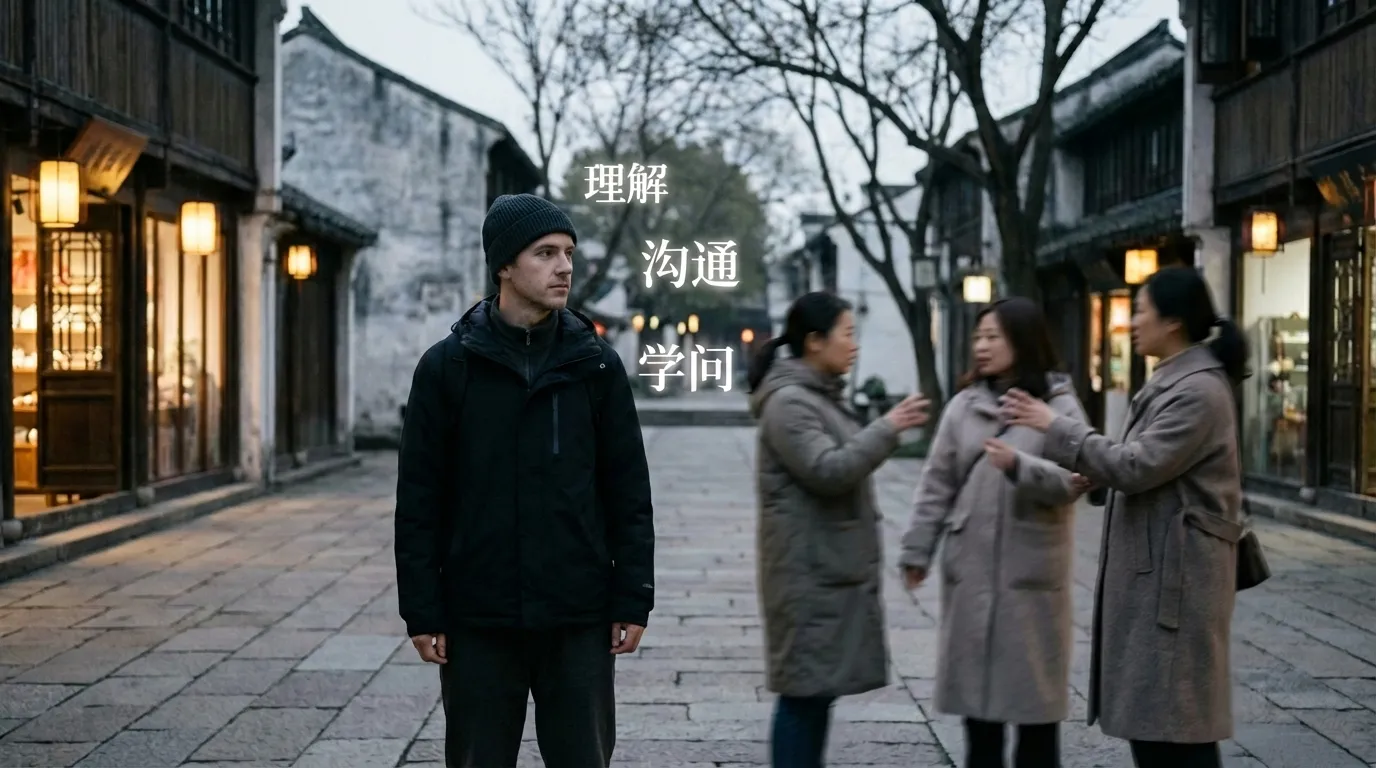
Chinese Is Easy to Understand but Hard to Use: Here’s Why
Introduction: When Understanding Chinese Is No Longer the Problem For many of us, the most confusing stage of learning Chinese does not come at the beginning. It comes later. We can follow conversa...
Read More
Why Advanced Chinese Feels Harder Than It Should
Why Advanced Chinese Feels Harder Than It Should Introduction: When Effort Stops Matching Progress in Advanced Chinese Learning For many Chinese learners, the most confusing moment does not come at...
Read More
Top Chinese Learning Resources
Top Chinese Learning Resources for Serious Learners
Top Chinese Learning Resources for Serious Learners Learning Chinese becomes difficult not when beginners start, but when motivated learners realize that most resources are no longer enough. Seri...
Read More
Immersion Programs vs Self-Study
Immersion Programs vs Self-Study for Advanced Chinese Learning
Introduction: The Advanced Chinese Plateau No One Warns You About For advanced Chinese learners, the problem is rarely motivation. By the time someone reaches HSK5 or HSK6, they have already investe...
Read More
Teacher helping international students prepare for HSK Mandarin exam, with books, laughter, and language tips — representing a fun approach to learning Chinese.
“Surviving HSK with Sanity — My Teacher’s Foolproof Plan for Mandarin Learners”
Let me tell you a secret: teaching HSK Chinese is 10% explaining tones and 90% convincing students they’re not doomed.As a teacher, I’ve heard every excuse: I think I’m allergic to characters...
Read More
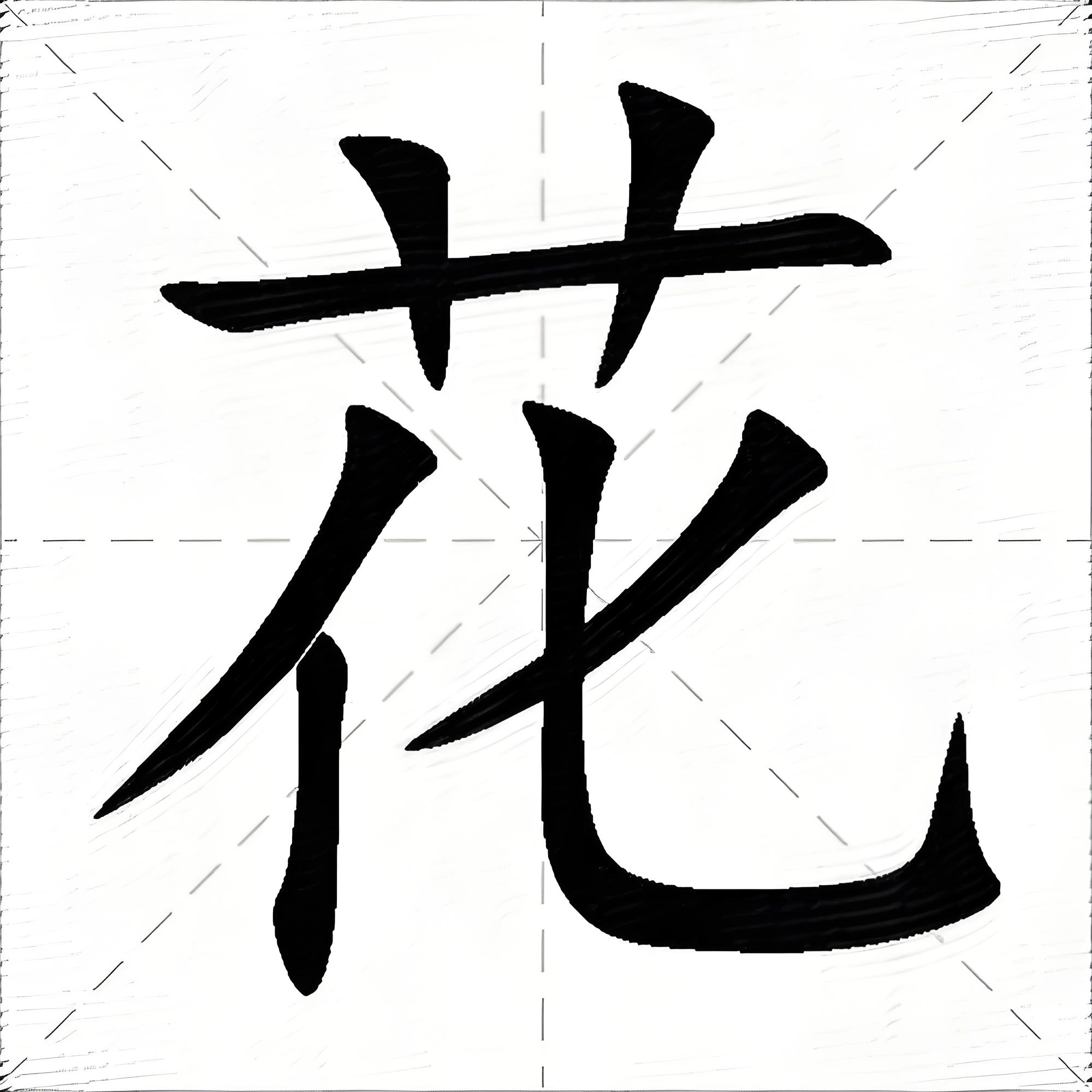
Illustration of the Chinese character 花 (huā, flower) surrounded by blooming flowers, symbolic representations of beauty, vitality, and cultural meanings, highlighting its use in Chinese language, literature, festivals, and artistic expressions.
The Meaning and Cultural Significance of the Chinese Character “花” (Flower)
The Chinese character “花” (huā, flower) is one of the most widely recognized Chinese characters in language, literature, and culture. It represents not only blooming plants but also beauty, vitality, ...
Read More
Illustration of the Chinese character 草 (cǎo, grass/herb) surrounded by green grass, prairies, and medicinal herbs, symbolizing vitality, freedom, creation, and cultural significance in Chinese language, literature, and traditional herbal practices.
The Meaning and Cultural Significance of the Chinese Character “草” (Grass/Herb)
The Chinese character “草” (cǎo, grass/herb) is a commonly used Chinese character that represents herbaceous plants growing on the ground. It conveys not only the image of grass and greenery but also s...
Read More