
Top Chinese Learning Resources for Serious Learners

Contents ▼
Learning Chinese becomes difficult not when beginners start, but when motivated learners realize that most resources are no longer enough.
Serious learners are not looking for shortcuts.
They are looking for systems, pressure, and depth.
This list is not about popularity.
It is about what actually holds up when Chinese stops being easy.
1. Structured Language Schools With Immersion Focus
For serious learners, structure matters more than convenience. A good immersion-based language school offers:
- ● Fixed progression paths
- ● Daily speaking pressure
- ● Feedback that goes beyond grammar correction
This is especially important for learners aiming beyond HSK5, where self-study often plateaus.
Best for:
- ● Learners planning long-term study
- ● Gap year or sabbatical learners
- ● HSK6–9 candidates
👉Immersion Programs vs Self-Study for Advanced Chinese
2. High-Quality Input Platforms (Reading & Listening)
At intermediate and advanced levels, progress is dictated by input quality, not volume.
Look for platforms that:
- ● Grade content naturally, not artificially
- ● Preserve real sentence rhythm
- ● Expose learners to authentic phrasing early
Avoid platforms that oversimplify endlessly. Serious learners need controlled difficulty, not comfort.
Best for:
- ● Vocabulary expansion
- ● Sentence intuition
- ● Reading stamina
3. HSK 7–9 Focused Content (Rare but Critical)
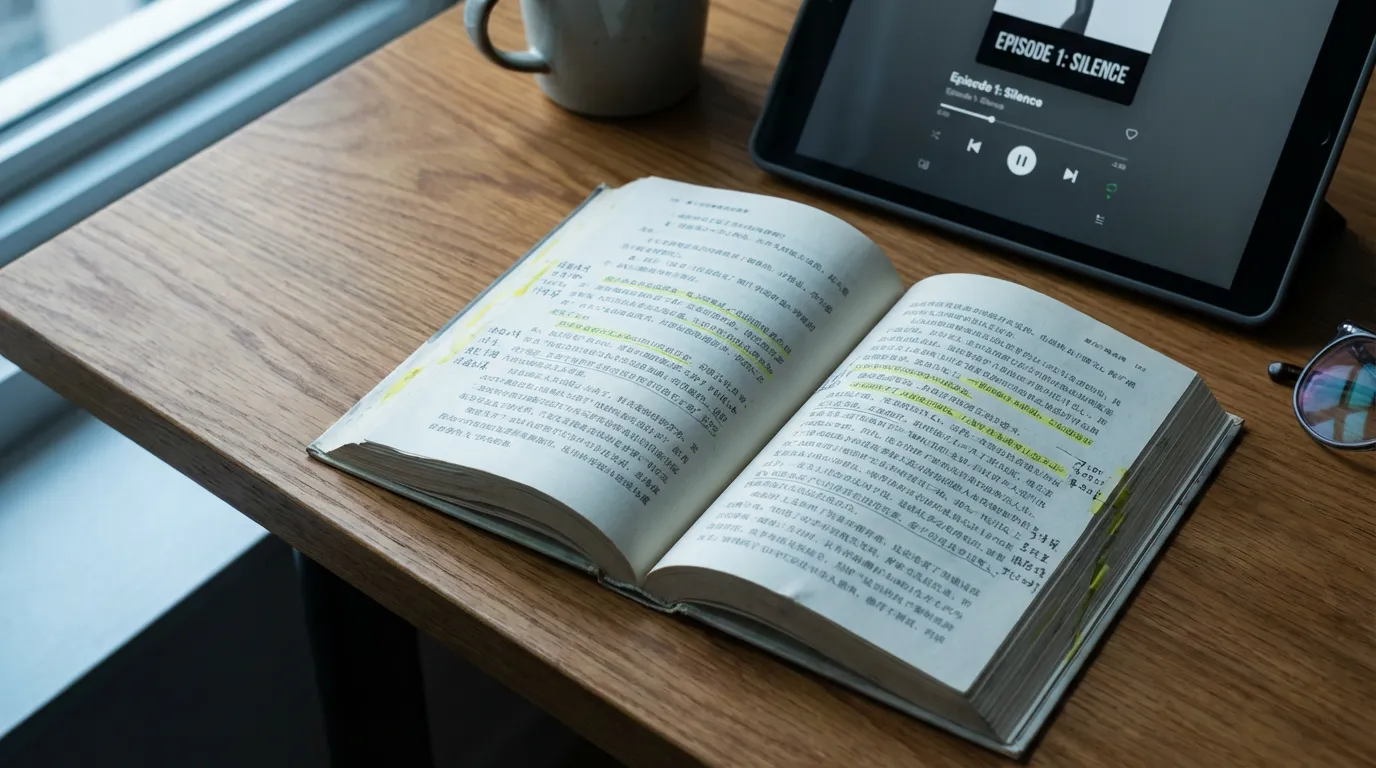
HSK 7–9 is not an extension of HSK6. It is a different skill category altogether.
Resources at this level should:
- ● Train abstract expression
- ● Force opinion-based language
- ● Simulate pressure situations
If a resource still feels “safe” at this stage, it is probably insufficient.
Best for:
- ● Academic Chinese
- ● Professional communication
- ● Argumentation and critical thinking
4. Speaking-Centered Training With Real Feedback

Serious learners do not need more vocabulary lists. They need exposure under pressure.
Effective speaking resources:
- ● Do not script everything
- ● Allow disagreement
- ● Correct logic and register, not just words
Speaking is where fluency either solidifies or fractures.
Best for:
- ● Advanced learners stuck at “almost fluent”
- ● Professionals using Chinese at work
- ● Learners preparing for real-life environments
5. Deep-Dive Grammar & Usage References
At higher levels, grammar is no longer about rules. It is about why native speakers choose one structure over another.
The best references:
- ● Explain usage, not formulas
- ● Show contrast, not definitions
- ● Respect nuance
These are not beginner tools. They are calibration tools.
Best for:
- ● Writing refinement
- ● Advanced accuracy
- ● Style awareness
6. Long-Form Content That Respects the Learner
Serious learners stay longer on pages that:
- ● Do not rush
- ● Do not over-explain
- ● Do not talk down
Long-form essays, learning philosophy pieces, and reflective analyses are underrated but powerful.
They help learners:
- ● Reframe expectations
- ● Normalize difficulty
- ● Stay committed long-term
👉Why Advanced Chinese Feels Harder Than It Should
Final Thoughts
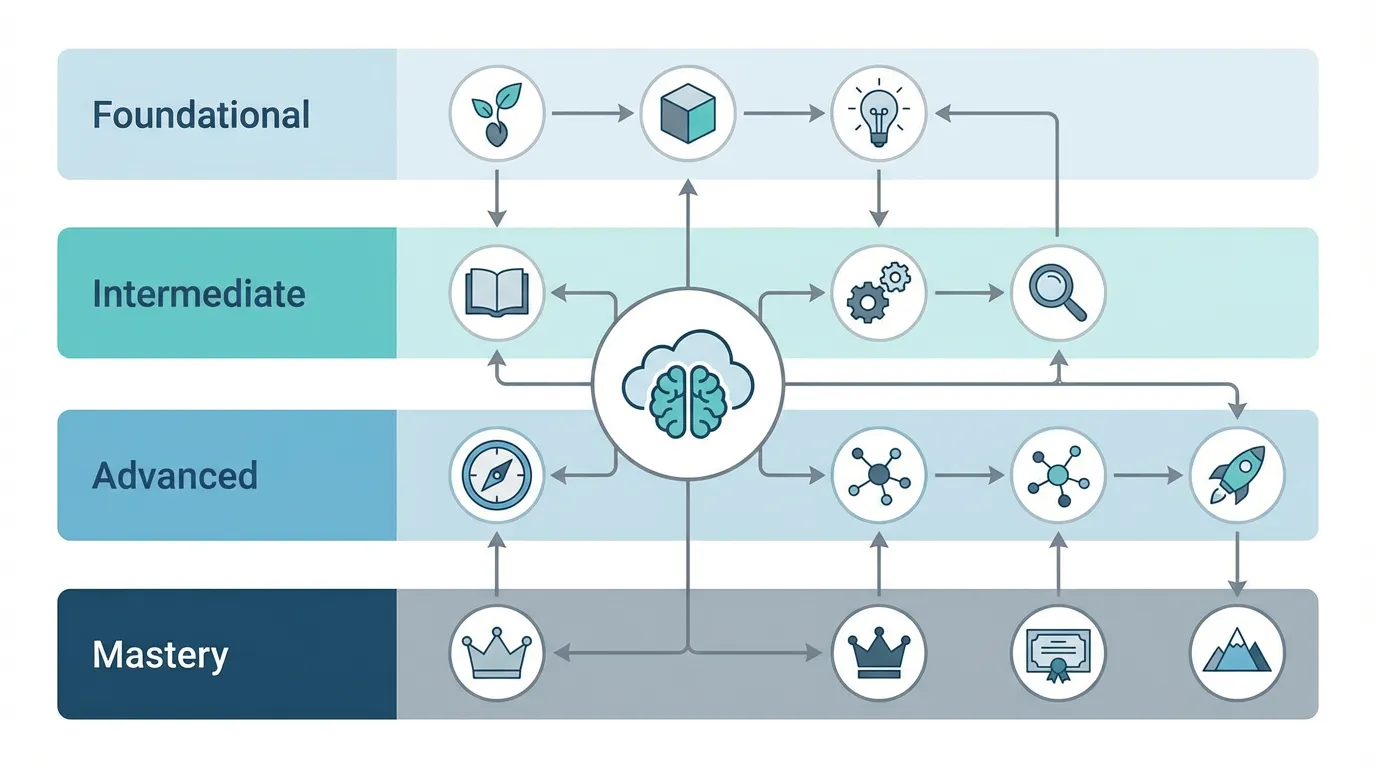
Serious Chinese learners eventually reach a fork:
One path offers endless tools.
The other offers depth, discomfort, and progress.
The resources above are not fast.
They are not trendy.
But they endure.
If you are still reading,
you already know which path you are on.
FAQ
Q: What are the best Chinese learning resources for serious learners?
A: The best Chinese learning resources for serious learners are those that provide structure, sustained difficulty, and real feedback. These include immersion-focused language schools, high-quality reading and listening platforms, HSK7–9 oriented materials, speaking-centered training with correction beyond vocabulary, and advanced grammar or usage references. Resources designed mainly for convenience or entertainment tend to lose effectiveness at higher levels.
Q: What does “serious Chinese learner” mean?
A: A serious Chinese learner is someone focused on long-term proficiency rather than short-term gains. This often includes learners beyond HSK4 or HSK5 who aim to use Chinese for work, study, or deep communication. Serious learners prioritize systems, pressure, and depth over shortcuts or surface-level fluency.
Q: Why do many Chinese learning resources stop working at advanced levels?
A: Many Chinese learning resources stop being effective at advanced levels because they are designed for beginners or intermediates. They often rely on simplified language, predictable exercises, and passive input. Advanced learners need exposure to ambiguity, pressure, and real decision-making in language use, which many platforms avoid.
Q: Are immersion programs better than self-study for advanced Chinese learners?
A: Immersion programs are often more effective for advanced Chinese learners because they introduce real-time communication pressure and social consequences. While self-study can support vocabulary growth and review, immersion environments reveal weaknesses in fluency, register, and expression that self-study alone may not expose.
Q: Can self-study take learners beyond HSK6?
A: Self-study can support learners beyond HSK6 if it includes high-quality input, deliberate speaking practice, and feedback on usage and logic. However, many learners plateau because self-study lacks external pressure and real interaction. Combining self-study with immersion or speaking-focused training often produces better results.
Q: What kind of resources help with HSK7–9 preparation?
A: HSK7–9 preparation requires resources that train abstract thinking, argumentation, and controlled expression under pressure. Effective materials focus on opinion-based language, academic or professional contexts, and advanced reading and listening rather than extended vocabulary lists or basic grammar review.
Q: Is it normal to feel stuck despite using many Chinese learning tools?
A: Yes, it is normal for motivated learners to feel stuck when using many tools that lack depth. Progress at higher levels depends less on the number of resources and more on whether those resources introduce difficulty, feedback, and sustained challenge. Feeling stuck often signals a mismatch between effort and resource design.