
Why Advanced Chinese Feels Harder Than It Should

Contents ▼
Introduction: When Effort Stops Matching Progress in Advanced Chinese Learning
For many Chinese learners, the most confusing moment does not come at the beginning. It comes later.
After years of study, thousands of words, and countless conversations, learners reach a point where Chinese should feel easier. Instead, it often feels heavier, slower, and more fragile than expected.
This contradiction is deeply unsettling.
You know more Chinese than ever before, yet speaking feels riskier. Listening requires more concentration. Writing feels cautious.
Progress becomes difficult to measure. Motivation is no longer driven by novelty, but by persistence.
This article explains why advanced Chinese feels harder than it should, and why this experience is not a failure of ability, but a natural consequence of how high-level language actually works.
The Beginner Illusion: Why Chinese Feels Easier at the Beginning
At beginner and lower-intermediate levels, Chinese rewards effort generously.
Every small input produces visible output:
- ● New vocabulary immediately expands comprehension
- ● Grammar rules unlock whole sentence patterns
- ● Pronunciation improvements are obvious
This creates a sense of momentum. But this momentum is not linear. It is structural.
Beginner progress feels fast because the language system is sparse. There are fewer variables, fewer social consequences, and fewer interpretive layers.
Advanced Chinese removes this artificial simplicity.
Advanced Chinese Learning Is No Longer About Knowledge Accumulation
One of the main reasons advanced Chinese feels harder is that knowledge stops being the main constraint.
At higher levels, most learners already know:
- ● Core grammar structures
- ● Thousands of words
- ● How sentences are technically formed
The challenge shifts from knowing what is possible to choosing what is appropriate.
This requires:
- ● Judgement
- ● Sensitivity to context
- ● Awareness of implication
These skills develop more slowly and less visibly than vocabulary acquisition.
The Burden of Choice in Advanced Expression

At advanced levels, Chinese offers more options than beginners realize.
You can say something politely, directly, indirectly, vaguely, strongly, humorously, or evasively.
Each option carries social meaning.
This abundance of choice creates cognitive load.
Instead of searching for a word, advanced learners must decide between multiple acceptable expressions, each with different consequences.
This decision-making process makes advanced Chinese feel slower and heavier.
Listening Becomes Harder Because You Understand More

Many advanced learners are surprised when listening comprehension feels worse rather than better.
This happens because:
- ● You now notice nuance
- ● You detect implication
- ● You hear what is unsaid
At lower levels, misunderstanding is invisible.
At higher levels, partial understanding becomes mentally exhausting.
You are no longer decoding sounds. You are interpreting intent.
That work is cognitively expensive.
Speaking Feels Riskier When Identity Is Involved
Beginner mistakes are expected. Advanced mistakes are interpreted.
At higher levels, what you say reflects:
- ● Your personality
- ● Your education
- ● Your attitude
- ● Your social awareness
This raises the emotional stakes of speaking.
Advanced learners often become cautious not because they lack ability, but because they now understand the consequences of phrasing.
Caution slows fluency, but it also signals maturation.
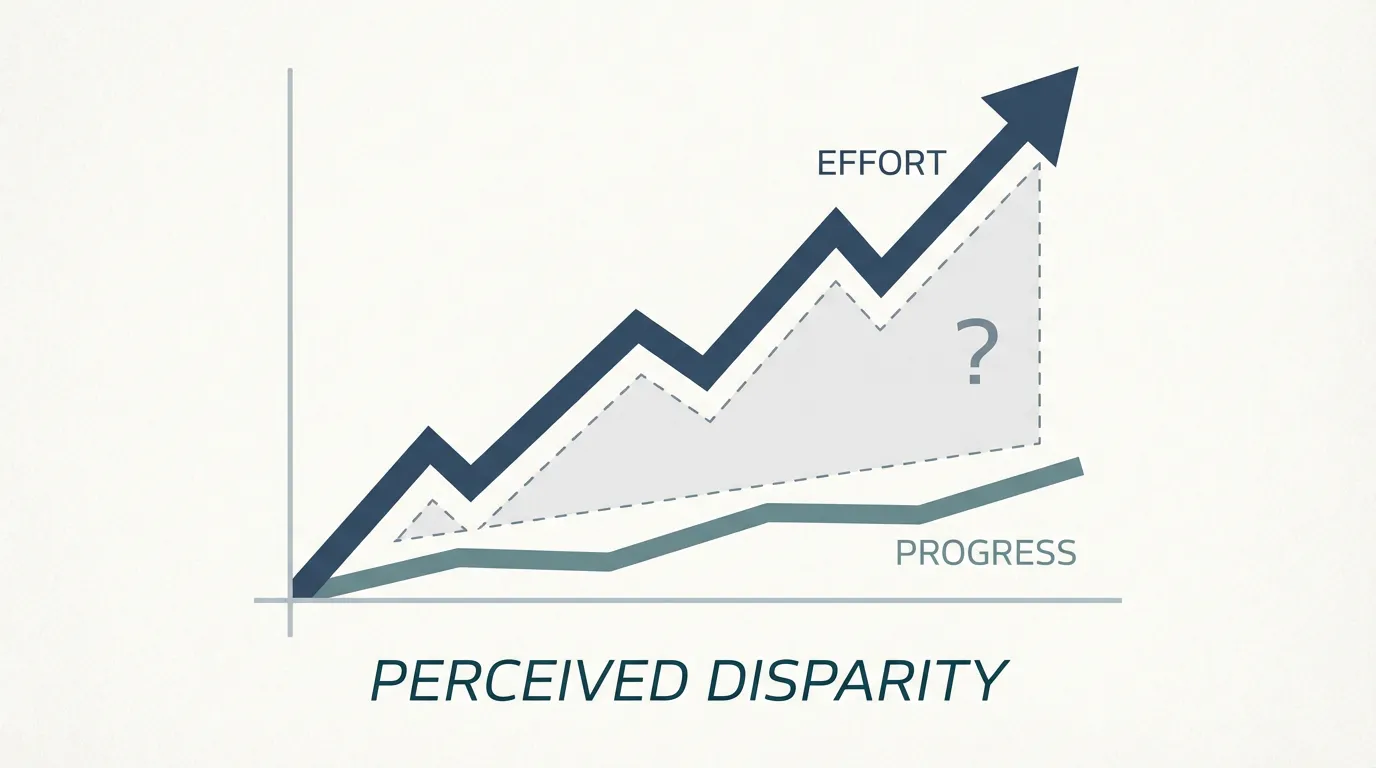
The Chinese Plateau: Why Progress Feels Invisible at Advanced Levels
The so-called Chinese plateau is often misunderstood.
It is not a flat line. It is a transition.
During this phase:
- ● Errors become subtler
- ● Gains become internal
- ● Improvement shifts from accuracy to stability
Because these changes are less visible, learners perceive stagnation where refinement is actually happening.
Why Advanced Chinese Requires Exposure, Not Just Study
At higher levels, improvement depends on:
- ● Situational diversity
- ● Emotional engagement
- ● Social consequence
These cannot be fully simulated through textbooks or controlled exercises.
Advanced Chinese grows through exposure to:
- ● Disagreement
- ● Ambiguity
- ● Real-time pressure
This is why many learners feel stuck despite continued study. They are practicing, but not being tested.
Why Advanced Chinese Feels Emotionally Heavier
Advanced language use intersects with identity.
You are no longer learning Chinese. You are expressing yourself in Chinese.
This brings:
- ● Vulnerability
- ● Self-monitoring
- ● Fear of misrepresentation
These emotional factors are rarely discussed, yet they strongly affect perceived difficulty.
The Role of Expectations
One hidden source of frustration is expectation mismatch.
Learners expect:
- ● Easier expression
- ● Faster comprehension
- ● Automatic fluency
What they encounter instead is:
- ● Greater responsibility for meaning
- ● Higher interpretive demands
- ● More subtle errors
Advanced Chinese feels harder because expectations lag behind reality.
What Helps at This Stage
Progress at advanced levels comes from:
- ● Accepting slower gains
- ● Seeking pressure, not comfort
- ● Valuing stability over novelty
- ● Measuring success by adaptability, not speed
This reframing reduces frustration and restores direction.
Final Reflection: Why Advanced Chinese Feels Harder Than It Should

Advanced Chinese feels harder than it should because it is no longer protected by simplicity.
It operates in full social, emotional, and cognitive space.
Difficulty at this stage is not a sign of weakness.
It is evidence that Chinese is no longer a subject. It has become a medium.
FAQ
Q: Why does Chinese feel harder at advanced levels?
A: Chinese feels harder at advanced levels because learning shifts from acquiring knowledge to managing meaning. Advanced Chinese requires learners to choose appropriate expressions, handle implication, and maintain stability under social and emotional pressure. These skills develop more slowly and are less visible than vocabulary growth, which makes progress feel heavier even as proficiency increases.
Q: Is it normal to struggle after HSK5 or HSK6?
A: Yes, struggling after HSK5 or HSK6 is normal and expected. At this stage, learners encounter the Chinese plateau, where improvements become subtle and context-dependent. Difficulty increases not because learners are failing, but because Chinese begins to evaluate judgment, stance, and adaptability rather than surface correctness.
Q: Does advanced Chinese ever feel easy?
A: Advanced Chinese may feel more stable over time, but it rarely feels effortless in the way beginner Chinese does. As proficiency increases, responsibility for meaning also increases. Instead of becoming easy, advanced Chinese becomes more controlled, flexible, and resilient across situations, which reflects growth rather than struggle.