Chinese Learning Tips

Master Chinese with proven strategies and techniques
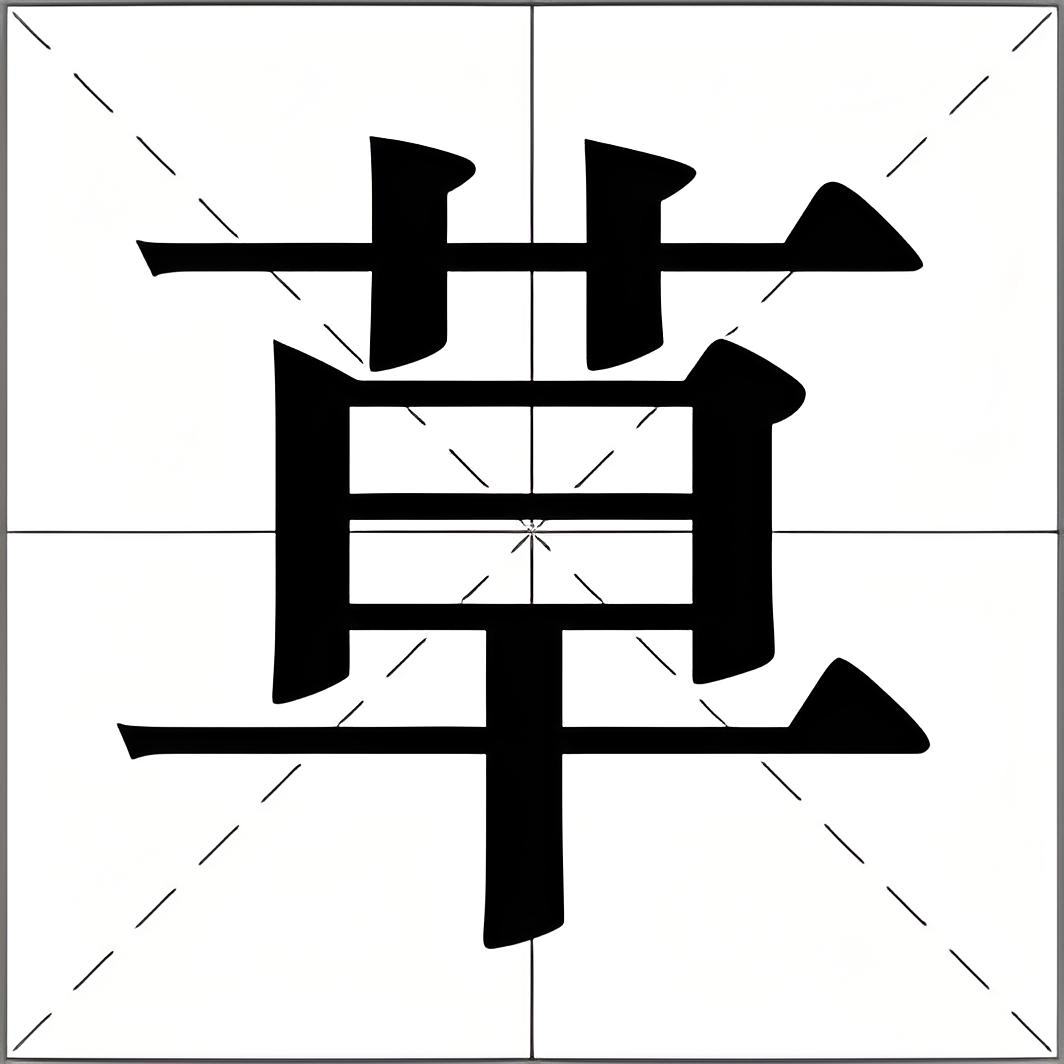
An educational visual explaining the Chinese character “美” (měi), showing its origin from oracle bone script meaning “a big sheep is beautiful,” and illustrating its extended meanings such as physical beauty, virtue, delicious food, and as an abbreviation for the United States, highlighting cultural and symbolic significance in Chinese language and society.
The Meaning and Cultural Significance of the Character “美” (Beauty)
Chinese Character Exploration: 美 (měi) Basic Meaning The Chinese character “美” primarily means beautiful or pretty. In oracle bone inscriptions, the upper part of “美” is “羊” (sheep), and ...
Read More
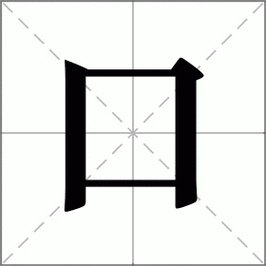
An educational visual explaining the Chinese character “口” (kǒu), showing its origin as a pictograph of a human mouth and its extended meanings in speech, eating, entrances, and counting units, with examples like 吃 (chī, eat), 吹 (chuī, blow), and 吟 (yín, chant), highlighting its cultural significance in communication, livelihood, and expressio
The Meaning and Cultural Significance of the Character “口” (Mouth/Opening)
Basic Meaning The Chinese character “口” originally refers to the human mouth. Its pictographic form is a square shape, representing an opening used for speaking and eating. As a radical, “口”...
Read More
An educational infographic featuring 20 common Chinese interjections such as 哎呀 (āiyā, “Oh no!”), 哇 (wā, “Wow!”), and 嘿 (hēi, “Hey!”), showing their pinyin, English meanings, and usage notes, illustrating how interjections convey emotions, social cues, and cultural subtleties, helping learners sound natural and expressive in spoken Mandarin.
How to Express Emotions in Chinese: 20 Common Interjections in Mandarin
At Chinese Learning Academy, students not only learn how to pronounce interjections correctly but also how to use them in real-life contexts. Mastering these expressions is key to sounding like a n...
Read More
Fantasy illustration of China’s four major municipalities reimagined as RPG races: Beijing as the “Northern Capital” fortress in icy lands with resilient humans; Tianjin as the “Heavenly Ford,” a floating sky city of divine beings; Shanghai as “On the Sea,” a maritime metropolis mastering both land and water; and Chongqing as “Double Celebration,” a mountainous river city of joyful hobbit-like villagers.
Literal English Translations of China’s Municipalities
China has 34 administrative regions, each with its own official Chinese name. Although in English they are usually represented by pinyin, such as Shanghai Municipality (上海市), Beijing Municipalit...
Read More
iagram illustrating Chinese phonetics: syllables corresponding to characters, initials (consonants) and finals (vowels), and the four tones (high-level, rising, falling-rising, falling). Includes examples like mā, má, mǎ, mà, and shows the melodic rhythm of Mandarin with Pinyin and IPA notation.
Overview of the Chinese Phonetic System
Each syllable usually corresponds to one Chinese character, and one character generally corresponds to one syllable. Therefore, tones are often called character tones (字调). Tones in Chinese serve ...
Read More
A professional guide to presenting products in Chinese, covering five key dimensions—shape, color, size, material, and features & functions. Includes practical phrases, vocabulary, adjectives, and example sentences to help users describe products clearly, engage clients, and enhance business communication skills in a polished and effective way.
Introducing Products in Chinese: Master These Skills to Speak with Ease
In business settings, being able to introduce products clearly and professionally in Chinese is key to enhancing your image and improving deal success. This guide covers five dimensions — shape, c...
Read More
A colorful guide to learning Chinese with humor, showing funny jokes, cultural insights, dialect expressions, and interactive exercises. Includes examples of puns, memes, playful slang, and dialect humor to make Mandarin learning fun, engaging, and culturally rich.
Learn Chinese with a Smile: Fun & Educational Guide
Learning Chinese with Humor Learning Chinese isn’t just about memorizing characters and practicing pronunciation—it’s also about understanding culture, enjoying humor, and experiencing the charm...
Read More
Chinese character 人 (rén) meaning person or human, showing cultural symbolism in Mandarin learning at RPLschool
The Character “人” (rén) - Meaning and Cultural Significance
Basic Meaning The Chinese character “人” (rén) originally refers to a human being, an individual with thought, emotion, and social attributes. In Chinese, “人” is also a common radical, often used in ch...
Read More
Chinese character 金 (jīn) meaning gold and metal, explained with cultural symbolism, Five Elements, and examples for Mandarin learning at RPLschool
The Character “金” (jīn) - Meaning and Cultural Significance
The Chinese character “金” (jīn) originally refers to metal or precious metals, such as gold.In Chinese, “金” is also a common radical, often used in characters related to metals,...
Read More
Illustration of “土” in relation to the Five Elements theory, symbolizing central balance, stability, and nourishment.
The Meaning and Cultural Significance of the Character “土”
Basic Meaning The Chinese character “土” primarily represents soil or earth, referring to the natural material on the ground. In Chinese, “土” is also a fundamental radical often used in characters rela...
Read More
The Chinese character “雪” depicted as snowflakes falling from the sky, combining the “雨” radical and “彐” to show its pictographic origin.
The Meaning and Cultural Significance of the Character
Basic Meaning The Chinese character “雪” primarily represents snow, the ice crystals that fall from the sky. Composed of the “雨” (rain) radical and “彐 (jì)”, its pictographic form depicts snowflakes de...
Read More
The Chinese character “雨” depicted as raindrops falling from clouds, illustrating its pictographic origin.
The Character “雨” (yǔ) - Meaning and Cultural Significance
Basic Meaning The Chinese character “雨” (yǔ) originally refers to falling water droplets, i.e., rain. In Chinese, “雨” is also a common radical, usually used in characters related to precipitation and ...
Read More