How Many Characters Are There in Chinese?
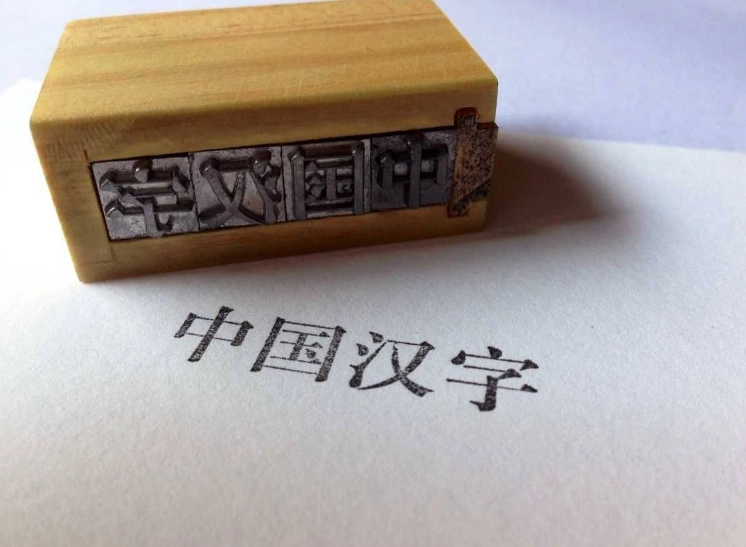
Identifying the exact number of Chinese characters in existence is an elusive task. Still, reliable estimates for both ancient Chinese (古代汉语 gǔdài hànyǔ) and modern Chinese (现代汉语 xiàndài hànyǔ) do exist.
One important thing to understand from the outset is this: you do not need to know anywhere near all Chinese characters to read, communicate, or function comfortably in Chinese. The sheer size of the writing system reflects thousands of years of history rather than the demands of everyday use.
The Number of Characters in Chinese, Past and Present
The total number of unique Chinese characters used throughout history is safely in excess of 100,000, though no exact figure can be pinned down. The largest number ever recorded in a dictionary appears in Taiwan’s Ministry of Education Dictionary of Chinese Character Variants (異體字字典, Yìtǐzì zìdiǎn), published in 2004, which lists 106,230 characters.
However, only a small fraction of these characters are still in active use today.
In 2013, the Chinese government released an official list of 3,500 essential characters used in modern Chinese. Native Chinese schoolchildren are expected to master these at a minimum, though many graduate knowing 5,000, 6,000, or even more characters.
For non-native speakers, the benchmark is lower. To pass the highest level of China’s official Chinese proficiency exam, the HSK (汉语水平考试 hànyǔ shuǐpíng kǎoshì), learners need to recognize 2,663 characters. Importantly, this requirement focuses on reading recognition, not handwriting every character from memory.
So while the historical number of characters is vast, modern usage is far more limited, standardized, and learnable.
Oracle Bones and the Origins of Chinese Characters
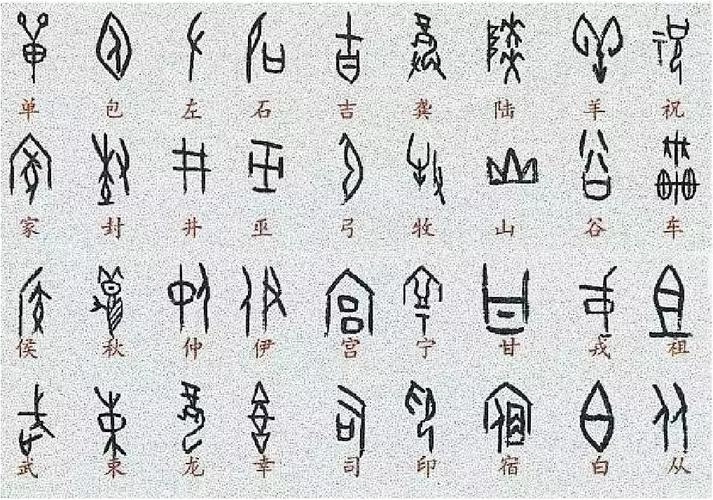
The Chinese writing system has a long and complex history spanning more than 3,000 years. The oldest surviving examples of Chinese writing appear on oracle bones, discovered in Henan province and dating back roughly 3,200 years to the Shang Dynasty.
These early inscriptions were carved onto ox scapulae and turtle shells and used primarily for divination. At that time, the number of characters in existence was far smaller than it is today, and many characters were closely tied to concrete objects, actions, or ideas.
From these early pictographic forms, Chinese characters gradually evolved through multiple script styles, eventually leading to the standardized forms used today.
The Introduction of Simplified Characters
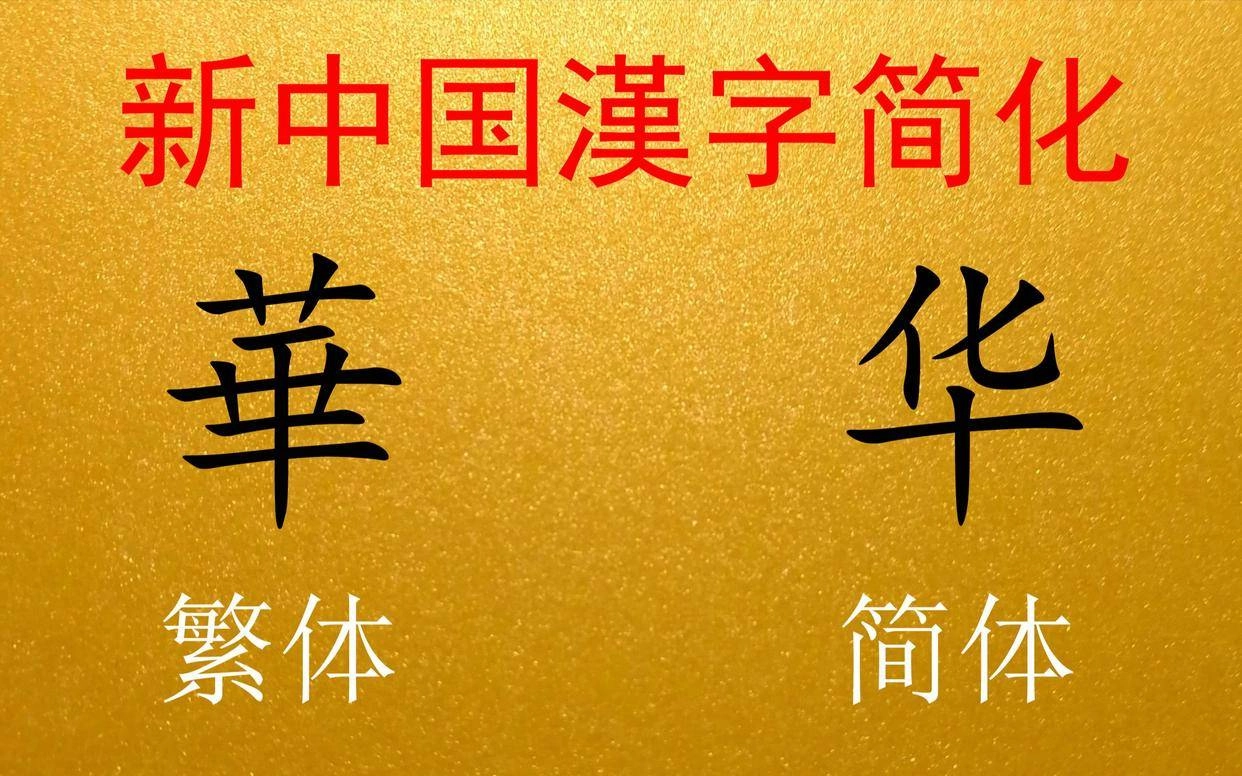
One of the most significant modern developments in the Chinese writing system occurred in the mid-20th century with the introduction of simplified characters.
A total of 2,135 commonly used but relatively complex traditional characters were redesigned into simpler forms that could be written more quickly and remembered more easily. The primary goal of this reform was to increase literacy rates by lowering the barrier to reading and writing for the general population.
This simplification effort reshaped how Chinese is taught and learned, particularly in mainland China, and continues to influence modern reading and writing habits today.
Number of Officially Recognized Chinese Characters Over Time
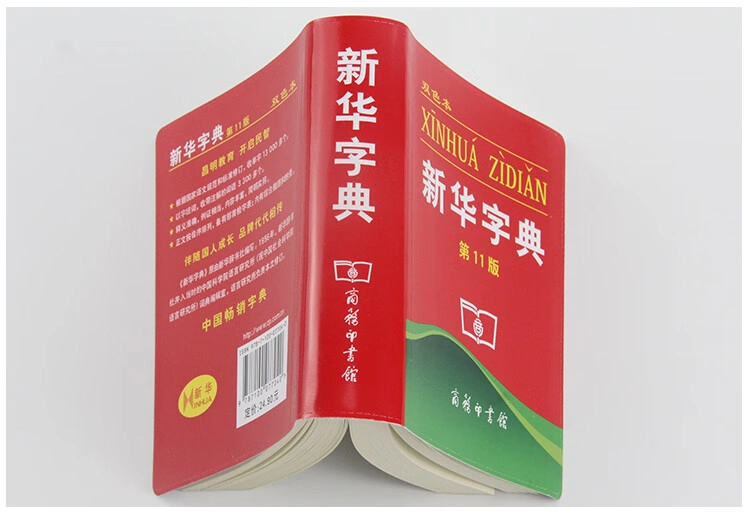
As Chinese society evolved, so did the need to standardize the writing system. Different dynasties, governments, and institutions have attempted to define which characters are considered "standard" at different points in history.
Modern official character lists, such as national education standards and digital encoding systems, reflect practical usage rather than historical completeness. These lists prioritize characters needed for education, publishing, and daily communication, reinforcing the reality that functional literacy depends on thousands of characters, not tens of thousands.
Classifying Characters Using Strokes
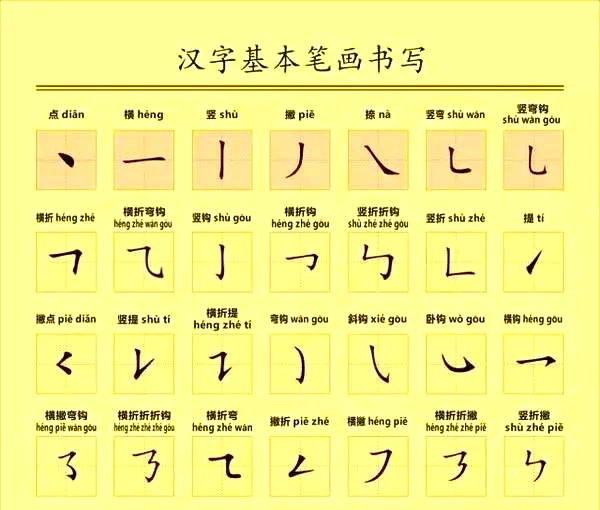
Every modern Chinese character is constructed from a series of strokes, originally written with a brush and now with pen or keyboard input. Characters can be classified by the number of strokes they contain, although the strokes themselves come from a relatively small, well-defined set.
Most classification systems recognize around 10 basic strokes, along with roughly 25 more complex compound strokes. You can think of strokes as the raw building blocks of characters, similar to letters in an alphabet.
Unlike letters in English or Romance languages, however, strokes do not correspond to sounds. Their role is structural rather than phonetic.
Classifying Characters Using Radicals
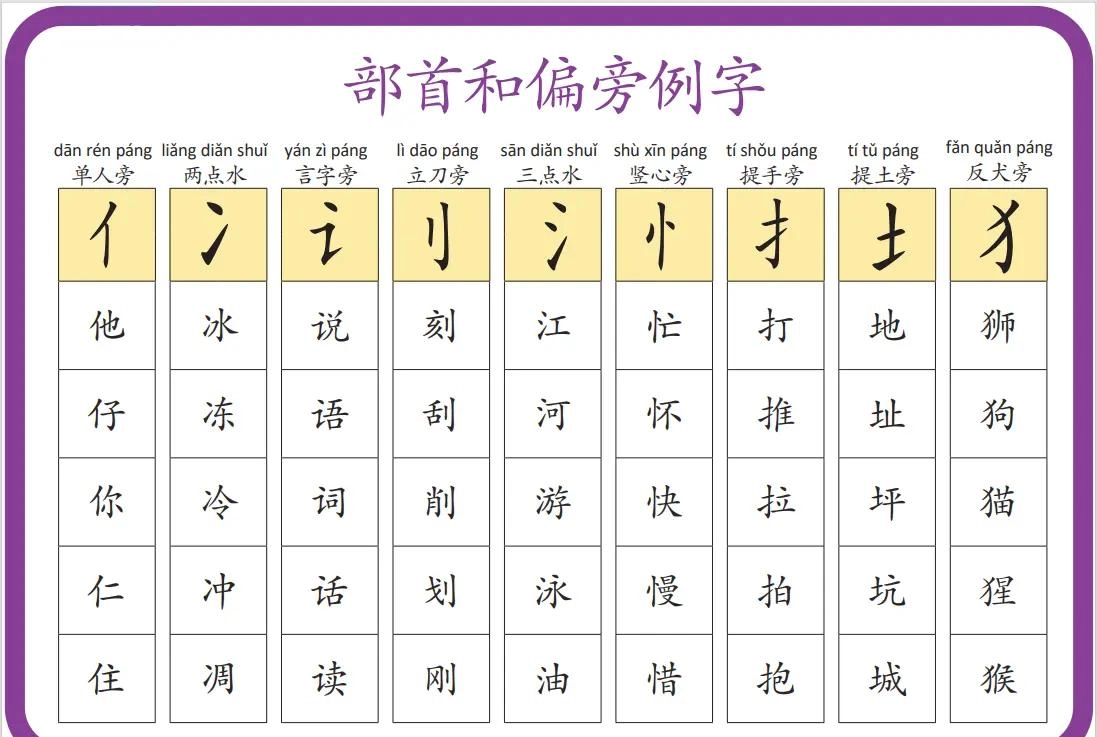
Chinese characters can also be categorized by radicals, which are components that form part of a character’s structure. A radical is smaller and simpler than the full character and often hints at meaning or category.
For example, take the character 河 (hé), meaning “river.”
It consists of two parts:
● The radical 氵, derived from the character for “water,” which signals a connection to liquids
● The component 可 (kě), which provides pronunciation guidance
When combined, these elements create a character related to water and pronounced in a predictable way. Radicals like this help learners organize characters and recognize patterns rather than memorizing each one in isolation.
Is Chinese Phonetic?
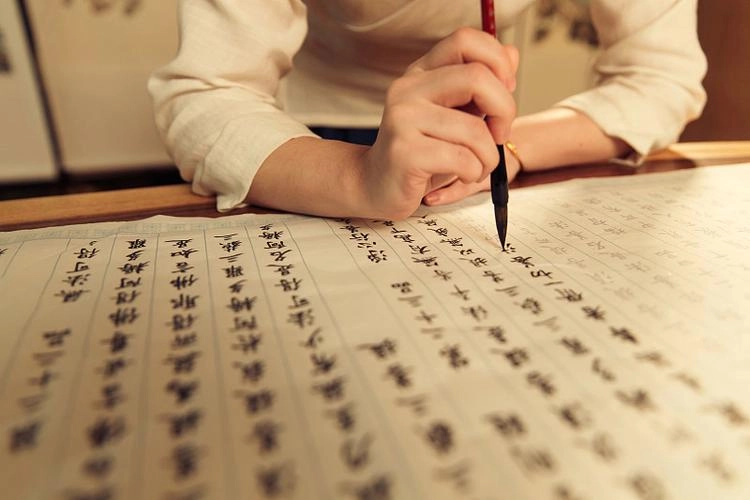
Because some character components suggest pronunciation, Chinese is not purely pictographic, despite a common misconception. Instead, it is best described as a logographic system with phonetic elements.
For instance, many characters share a common phonetic component such as 青 (qīng), resulting in characters like 清 (qīng), 情 (qíng), and 晴 (qíng), which are pronounced similarly despite having different meanings.
That said, Chinese is not phonetic in the same way English is. Pronunciation clues are helpful but not guaranteed, and sound alone is rarely enough to determine meaning.
You Can Learn Chinese Characters

You should now have a clearer understanding of how many Chinese characters exist and why that number can seem intimidating at first glance. Historically, the total exceeds 100,000, but modern Chinese uses only a fraction of that.
For learners, the key takeaway is encouraging: knowing around 3,000 characters is enough to read most everyday materials, and far fewer are needed for basic communication. Understanding how characters are structured and classified is often more valuable than memorizing long lists.
From ancient oracle bones to smartphone screens, Chinese characters have continually adapted to meet the needs of their users. With the right perspective, learning them is not a matter of scale, but of strategy.
FAQ
Q: How many Chinese characters are there in total?
A: There is no exact number, but reliable estimates place the total number of Chinese characters used throughout history at over 100,000. The largest recorded dictionary lists more than 106,000 characters, though most are no longer in active use.
Q: How many Chinese characters are used in modern Chinese?
A: Modern Chinese uses far fewer characters than historical totals suggest. An official list published in 2013 identifies 3,500 essential characters for everyday literacy, covering the vast majority of modern written Chinese.
Q: How many Chinese characters do you need to be fluent?
A: Most learners can read newspapers, signs, and daily materials with knowledge of around 3,000 characters. For basic communication, far fewer are required, especially when combined with spoken proficiency.
Q: How many characters are required for the HSK 6 exam?
A: The highest level of the HSK exam requires recognition of 2,663 Chinese characters. This requirement focuses on reading comprehension rather than the ability to write every character by hand.
Q: What are Chinese radicals, and why are they important?
A: Radicals are components within Chinese characters that often hint at meaning or category. Learning radicals helps learners recognize patterns, group related characters, and reduce the need for pure memorization.
Q: Is Chinese a phonetic language?
A: Chinese is not a phonetic language like English, but it is not purely pictographic either. Many characters contain phonetic components that suggest pronunciation, though these clues are not always consistent.