Savor These 10 Must-Try Chinese Fruits
Table of Contents
China’s diverse climate and rich agricultural heritage have produced an array of delicious and unique fruits. From tropical delights to symbolic seasonal treats, here are ten fruits you shouldn’t miss during your visit:
1. Lychee (荔枝 — lìzhī)
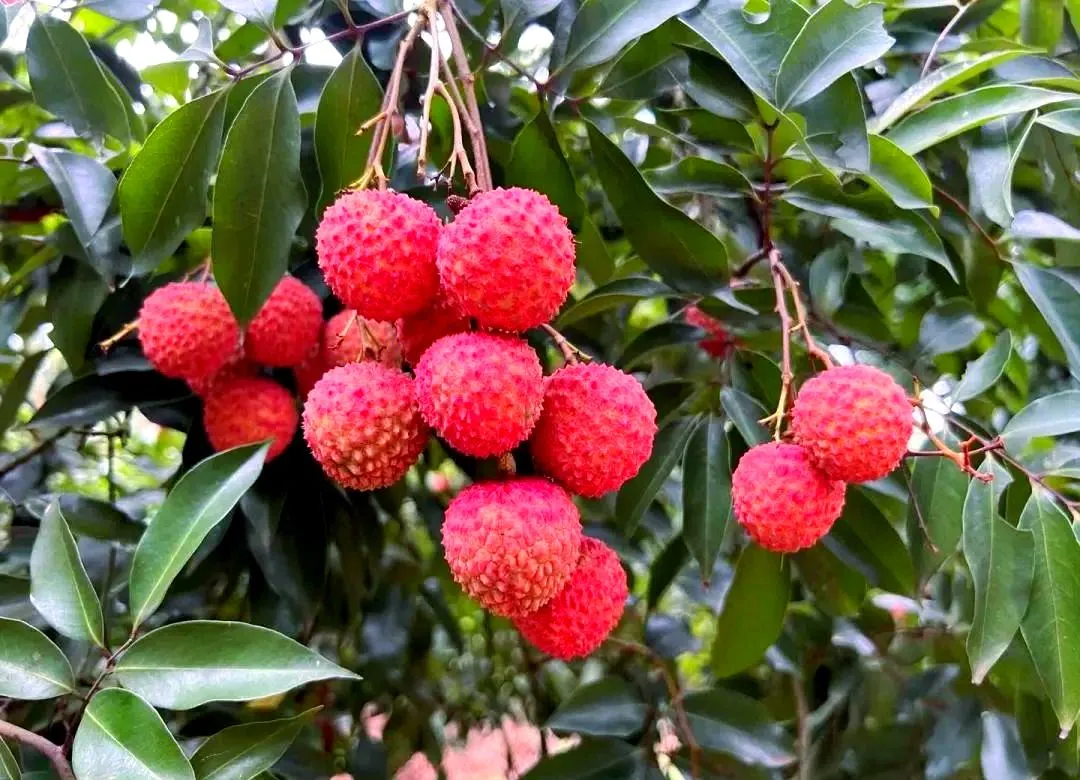
Fresh lychees with their distinctive red, bumpy shells and juicy white flesh.
Dubbed the "King of Fruits," lychee is celebrated for its sweet, fragrant flavor. Its bright red, bumpy shell hides juicy, white flesh inside. In China, lychees are often enjoyed fresh after meals or used in desserts and puddings.
2. Dragon Fruit (火龙果 — huǒlóngguǒ)
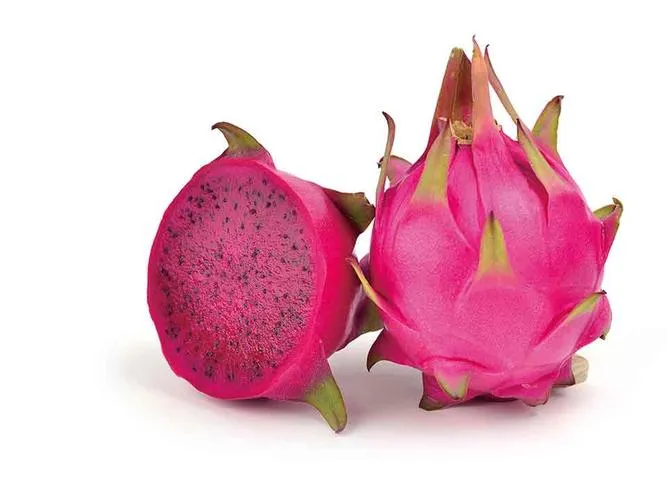
Vibrant dragon fruit with its pink skin and white flesh speckled with black seeds.
Known for its vibrant pink or yellow skin and striking interior speckled with tiny black seeds, dragon fruit offers a mild, sweet taste. Packed with antioxidants, this tropical fruit is as nutritious as it is visually appealing.
3. Pomelo (柚子 — yòuzi)
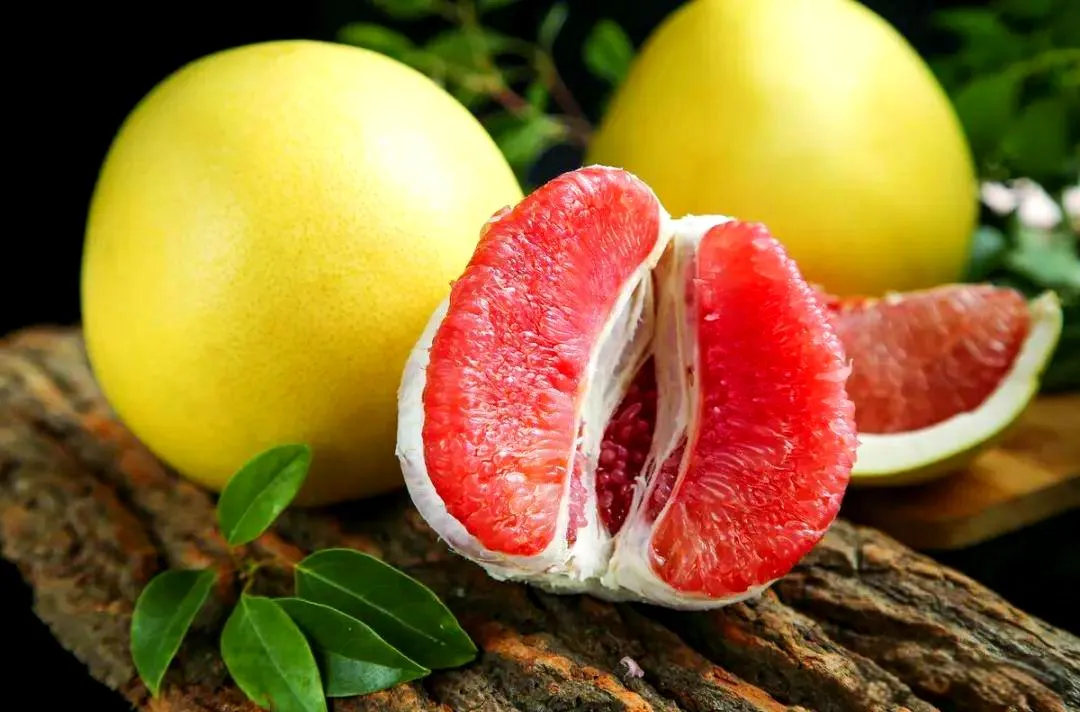
Large pomelo fruits with their thick rinds and juicy segments.
Pomelos are the largest citrus fruits, with thick rinds and juicy, slightly tangy flesh. Sweet and refreshing, they are especially popular during the Mid-Autumn Festival, symbolizing family unity and prosperity.
4. Longan (龙眼 — lóngyǎn)
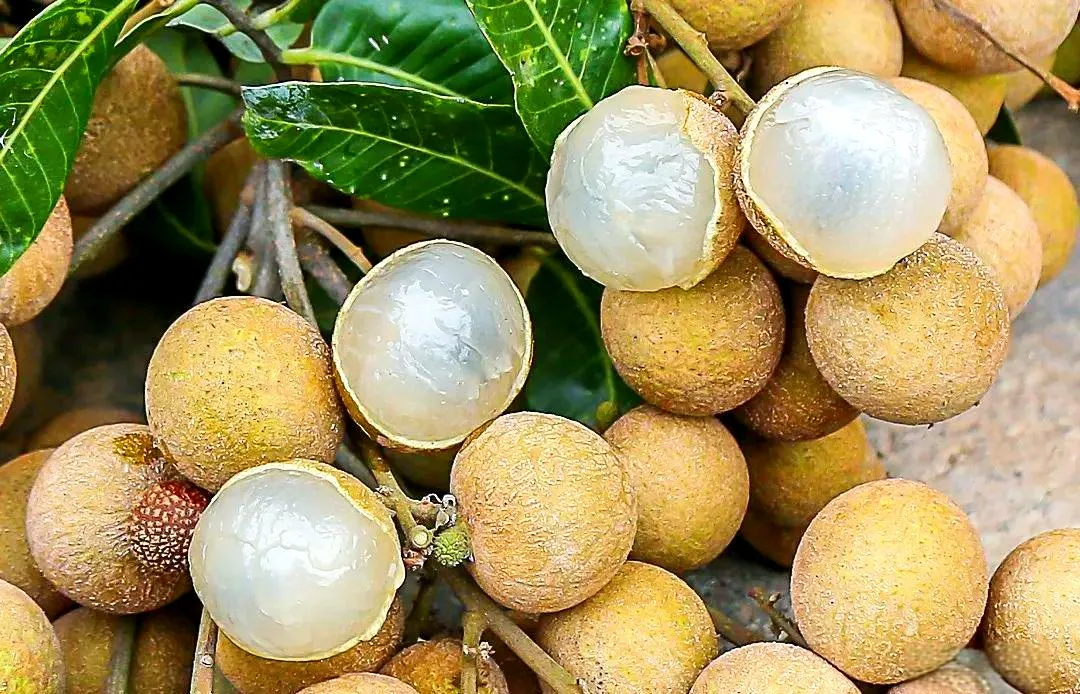
Longan fruits with their translucent flesh and dark seeds resembling dragon eyes.
Called "Dragon Eye" because of its translucent flesh and dark seed, longan is cherished for its delicate sweetness and soft texture. It's commonly used in desserts, snacks, and traditional Chinese teas.
5. Persimmon (柿子 — shìzi)
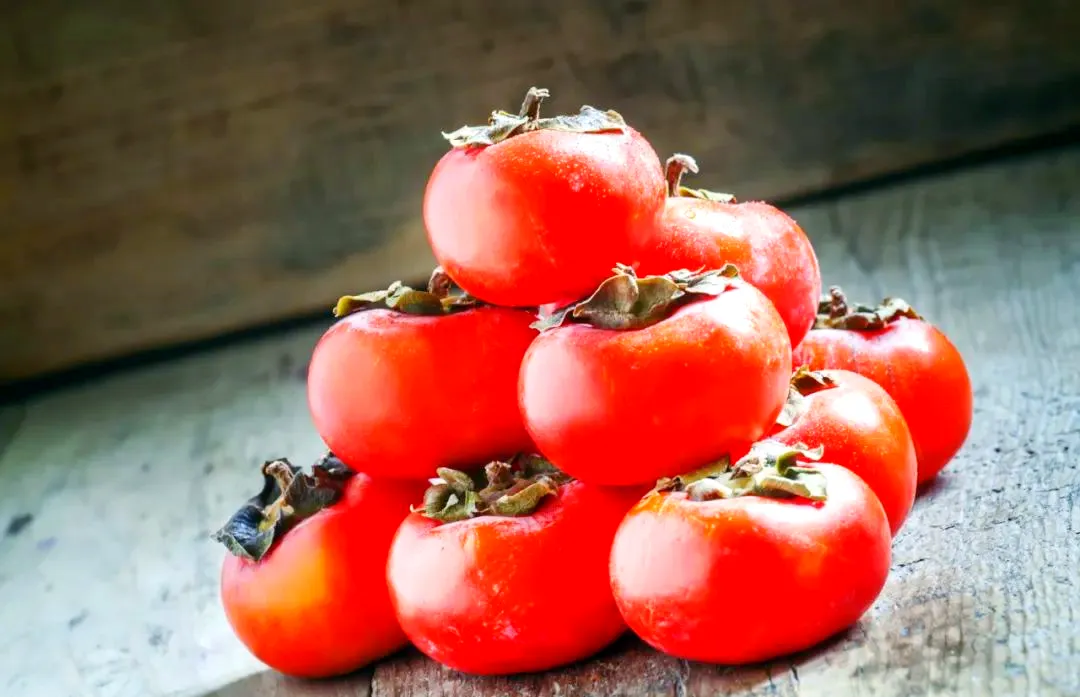
Vibrant orange persimmons, known for their honey-like flavor and symbolic meaning.
With its vibrant orange skin and honey-like flavor, persimmons are more than just tasty—they symbolize good fortune and abundance. They are often enjoyed fresh, dried, or used in seasonal dishes.
6. Mangosteen (山竹 — shānzhú)
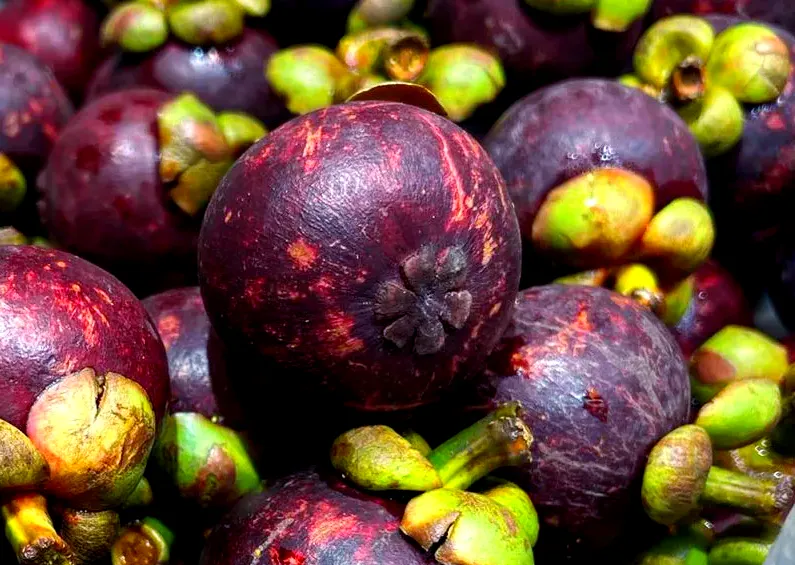
Mangosteen fruits with their purple rinds and white, segmented flesh.
Referred to as the "Queen of Fruits," mangosteen has a thick purple rind and juicy, tangy-sweet white segments inside. Its unique taste makes it a prized tropical delicacy.
7. Kumquat (金桔 — jīnjú)
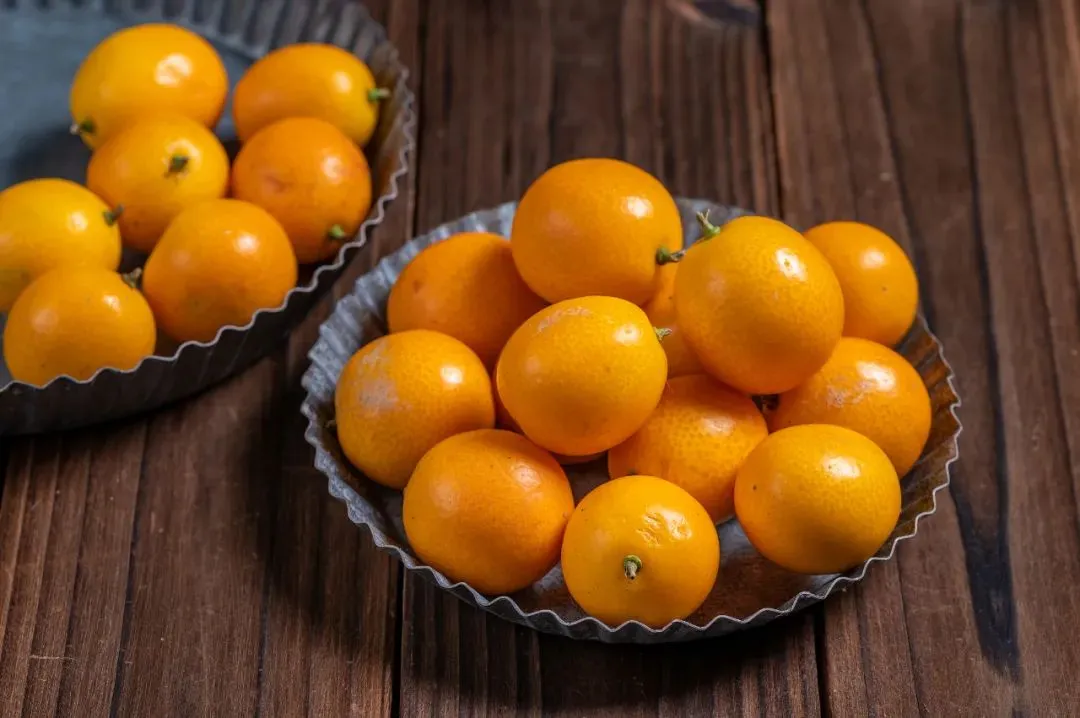
Small, bright orange kumquats, often eaten whole including the peel.
Small, oval, and bright orange, kumquats are eaten whole, including the peel. Their sweet-tart flavor makes them perfect for snacking, cooking, or making preserves, and they are a rich source of Vitamin C.
8. Jujube (枣子 — zǎozi)
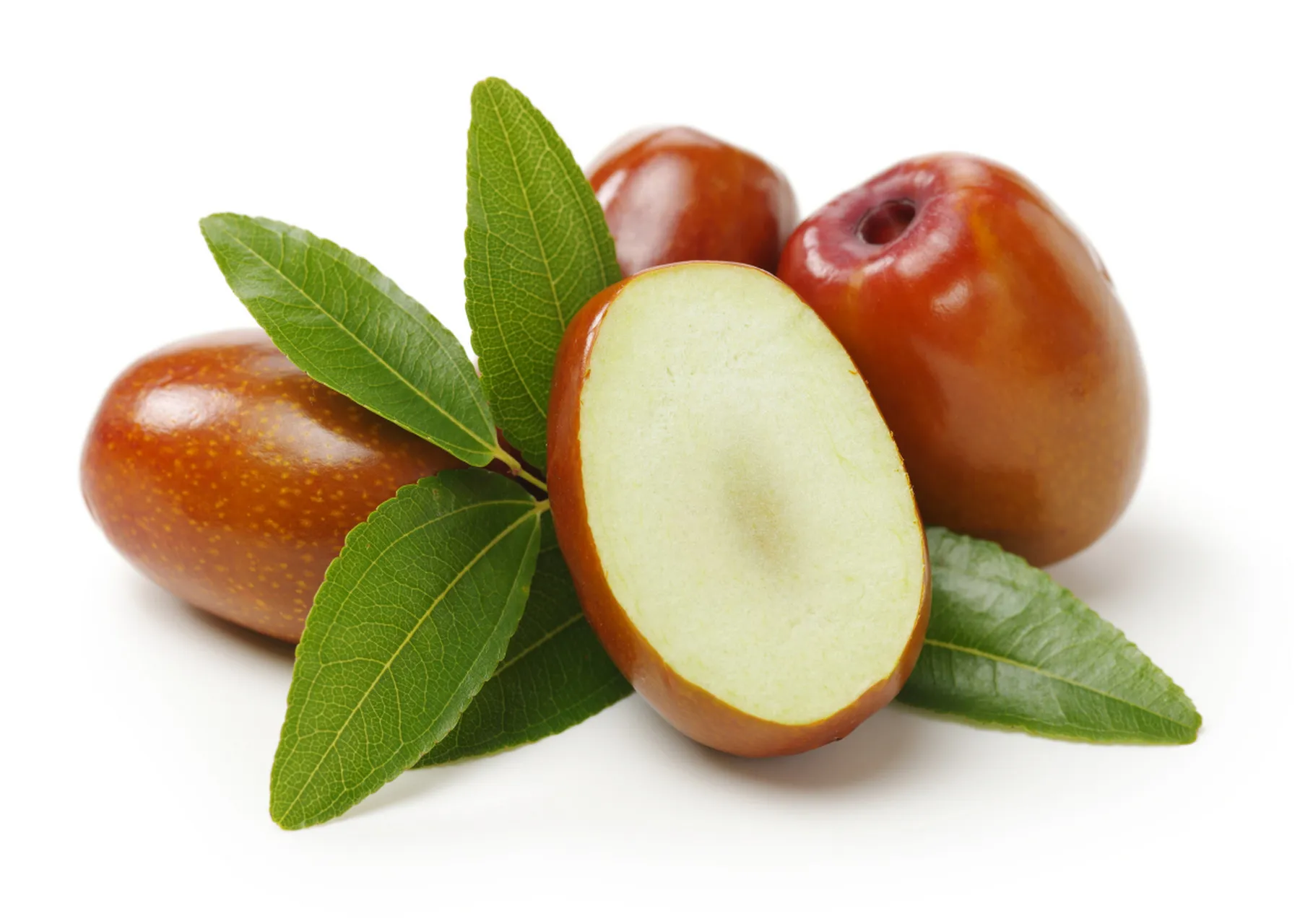
Fresh and dried jujube fruits, symbolizing prosperity and good luck.
Also known as Chinese dates, jujubes can be eaten fresh or dried. In Chinese culture, they symbolize prosperity and good luck, making them popular gifts during festivals like Chinese New Year.
9. Star Fruit (杨桃 — yángtáo)
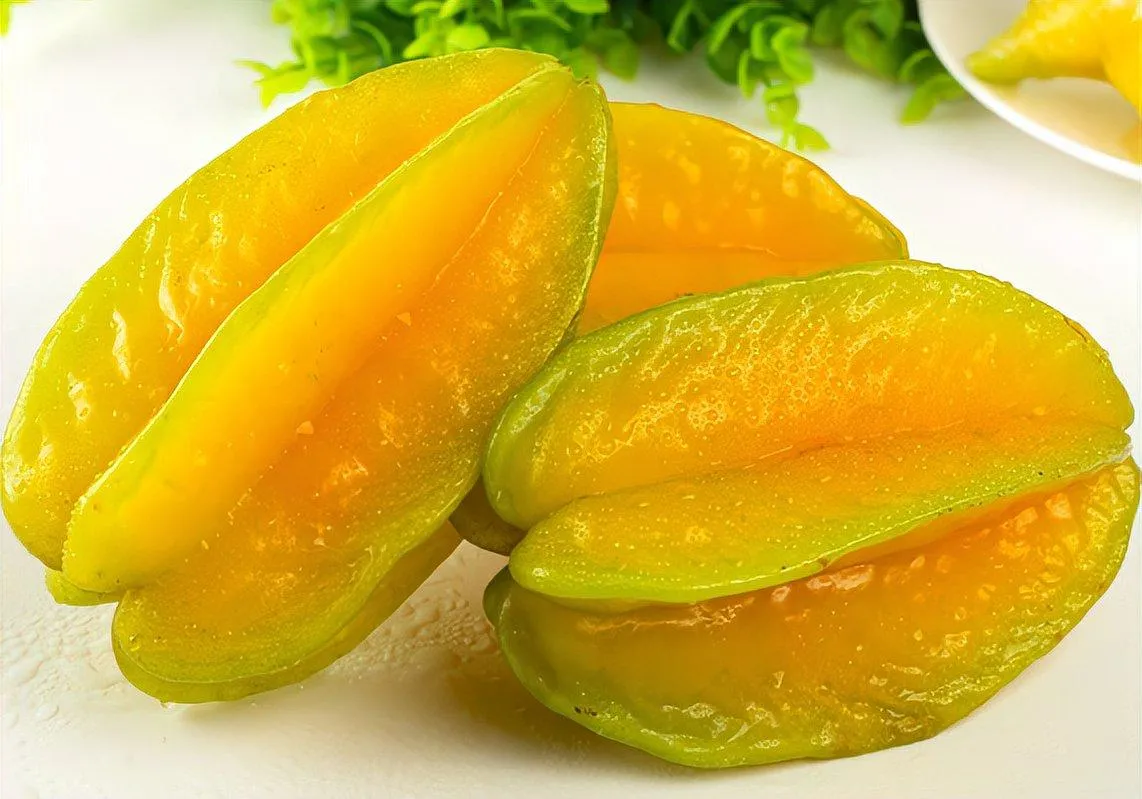
Star fruit slices showing their distinctive star shape when cut crosswise.
This uniquely shaped fruit slices into perfect stars, offering a sweet and slightly tangy taste. Often used to garnish dishes and beverages, star fruit adds both flavor and visual charm to meals.
10. Hawthorn (山楂 — shānzhā)
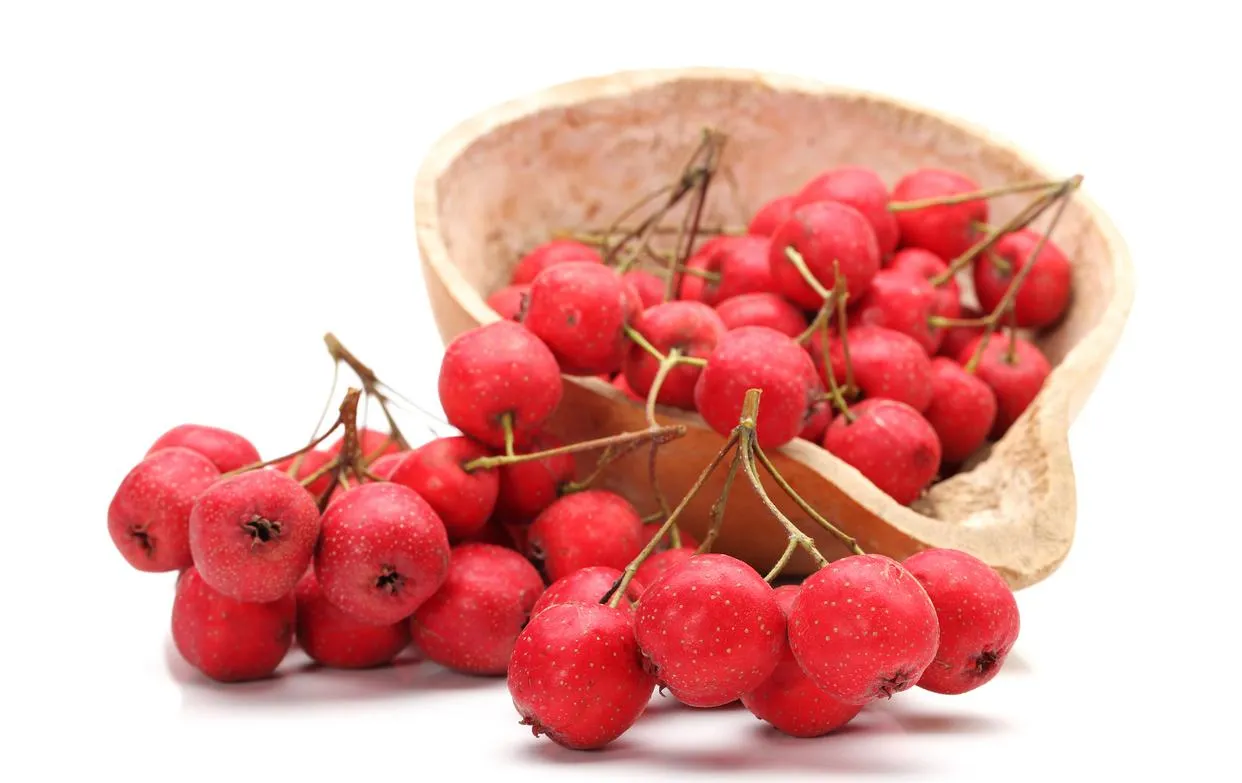
Hawthorn berries, commonly used in Chinese cuisine for snacks and jams.
Known for its tart flavor, hawthorn is versatile in Chinese cuisine. It is commonly made into sugar-coated snacks, jams, or used in sweet and savory dishes, particularly as a traditional street food favorite.
Bonus #1: Cherry Tomatoes (小西红柿 — xiǎo xīhóngshì)
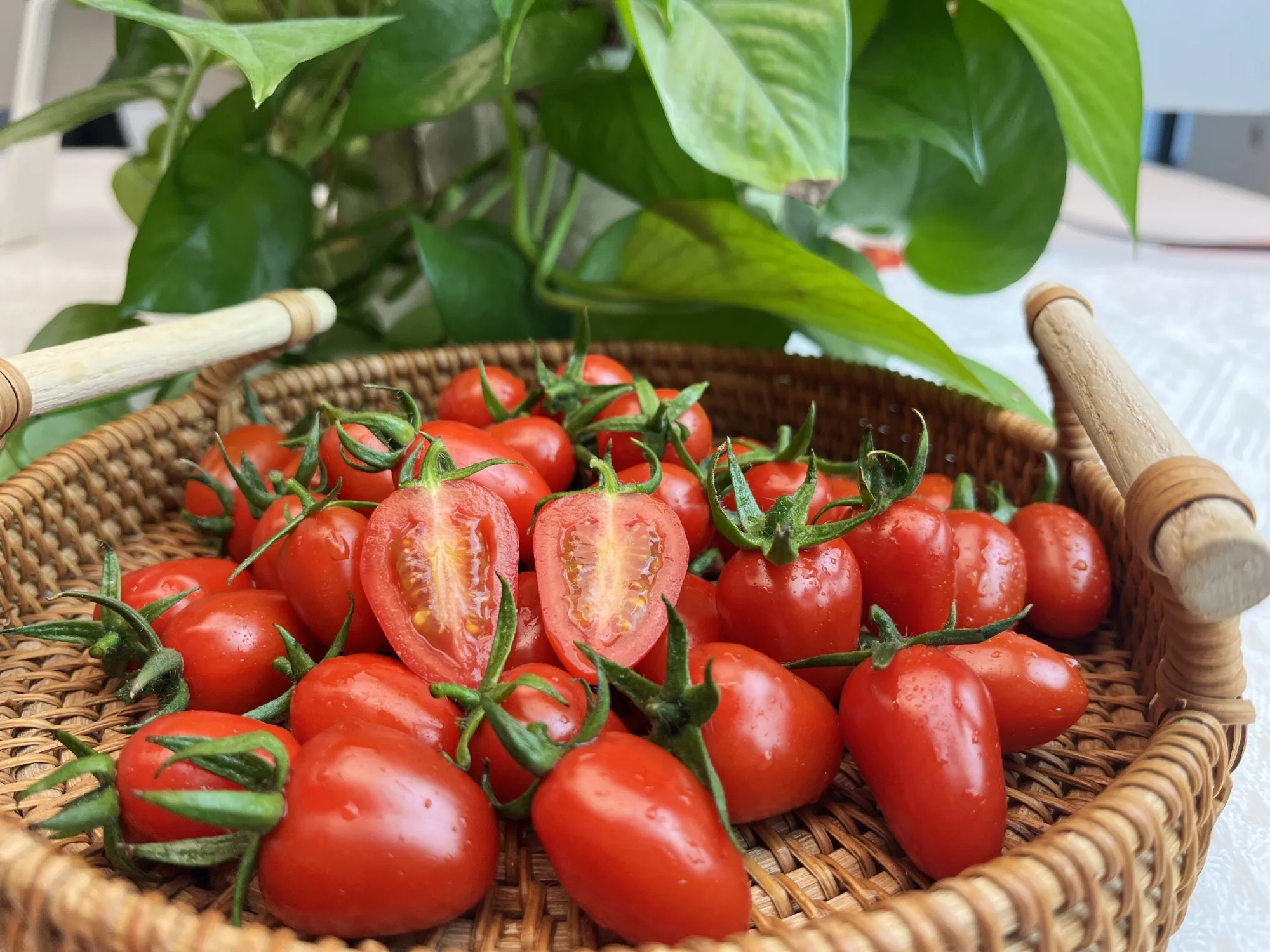
Fresh cherry tomatoes, eaten as a fruit in Chinese cuisine.
While not native to China, cherry tomatoes are commonly eaten there in ways that may surprise you. Considered a fruit rather than a vegetable, they are often enjoyed as a fresh snack or added to fruit salads, just like other sweet fruits.
Bonus #2: Durian (榴莲 — liúlián)
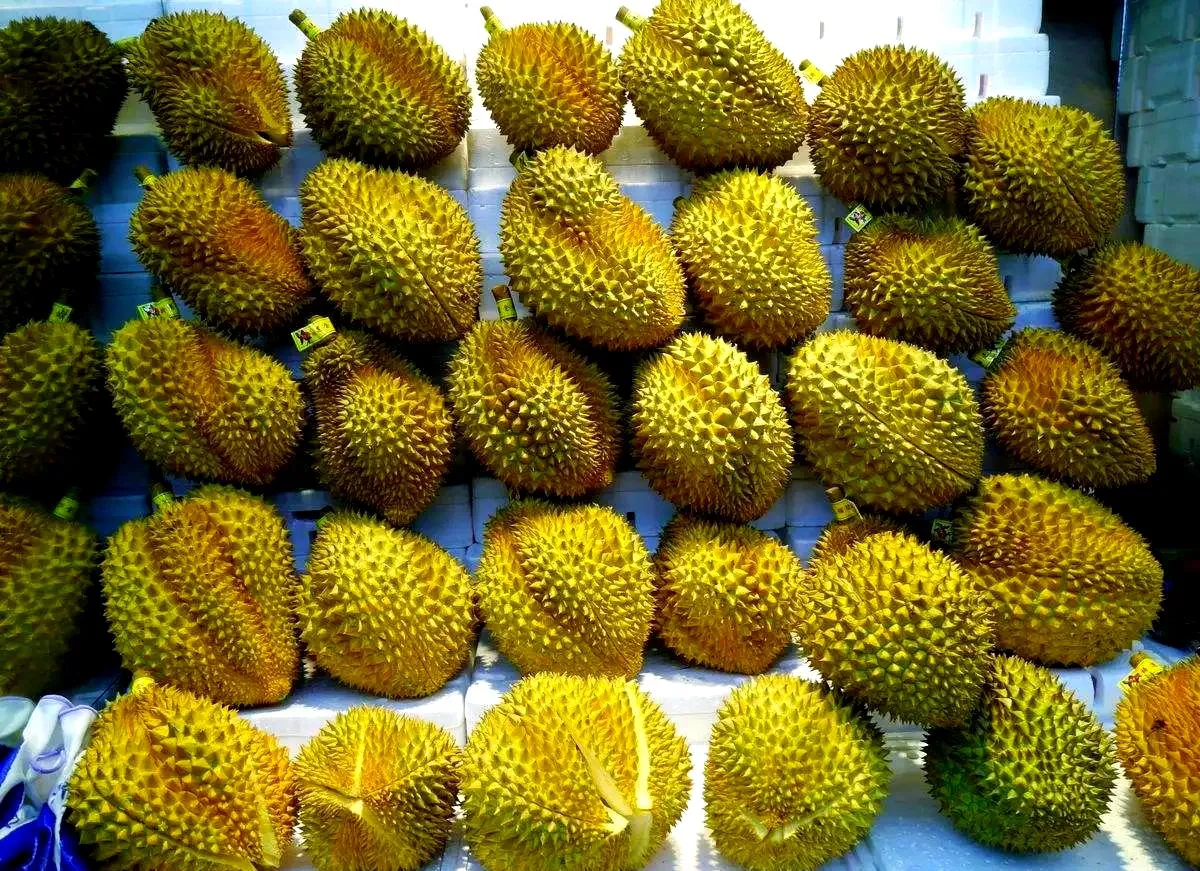
Durian fruits with their spiky exterior, known for their strong aroma.
Durian is a polarizing fruit—people either love it or strongly dislike it. Its pungent aroma and bold flavor are unmistakable, and first-timers are often taken aback. Learning the Chinese name and character is a must, or you might accidentally end up ordering something unexpected—like a durian pizza!
Interesting Facts About Fruit in Chinese Culture
In China, fruits are not only eaten—they carry deep cultural meanings, symbolism, and even superstition. Let’s explore some fascinating aspects of how fruits appear in Chinese traditions.
Superstition: Pears Are Not Good Gifts
In Chinese culture, superstitions often influence everyday practices, including gifting. Some fruits are considered lucky, symbolizing prosperity, fertility, or longevity. Pears (梨 – lí), however, are traditionally avoided as gifts. This is because the word for “pear” (梨 – lí) sounds exactly like the word for “separation” (离 – lí) in Mandarin, implying parting or breaking up. Giving pears to someone could therefore unintentionally convey bad luck or misfortune.
The Origin of Longan Fruit
Many Chinese fruits have legends explaining their origin, adding layers of cultural meaning. Longan (龙眼 – lóngyǎn), also known as 桂圆 (guìyǎn), is one such fruit. According to legend, in ancient Fujian, a dragon caused devastating winds and waves, destroying fields and homes. A courageous young man named Guiyuan confronted the dragon, piercing its left eye with a steel knife and then its right eye, ultimately killing the dragon. Tragically, Guiyuan also died from his injuries.
The villagers buried Guiyuan along with the dragon’s eyes. The next year, two large trees grew bearing fruits with round, bright kernels resembling dragon’s eyes—hence the name “Dragon Eye” (龙眼 – lóngyǎn). The alternative name, 桂圆 (guìyǎn), honors the hero Guiyuan himself. This legend highlights how fruit in China is often intertwined with folklore, heroism, and cultural storytelling.
Fruit-themed Chengyu in Chinese Culture
In Chinese culture, fruits are more than just food—they often carry symbolic meanings and appear in chengyu (成语), the four-character proverbs that convey wisdom, values, or life lessons. Fruit-themed chengyu are commonly used to express ideas about growth, success, and natural cycles.
For example, “瓜熟蒂落” (guā shú dì luò) literally means “when the melon is ripe, it falls off the stem.” This chengyu is used to describe events that happen naturally or outcomes that occur when the time is right. Just like fruits cannot be forced to ripen, this proverb reminds people to be patient and trust in the natural order of things.
Another famous fruit-related chengyu is “桃李满天下” (táo lǐ mǎn tiān xià), which translates as “peaches and plums all over the world.” This expression praises teachers who have nurtured many students who go on to succeed in life, likening students to the fruit-bearing trees that spread their harvest far and wide. It shows how fruits are associated with growth, abundance, and the positive impact one can have on others.
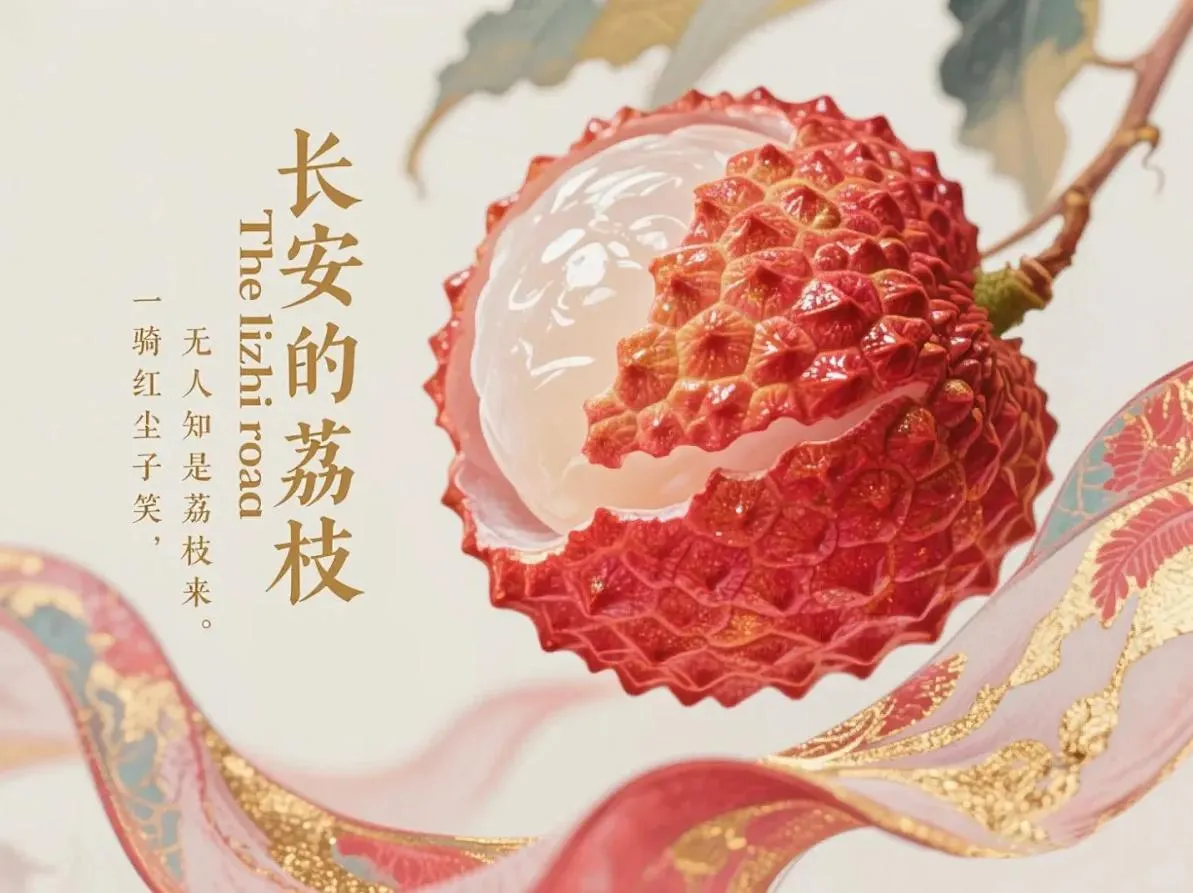
The Lizhi Road, where lychees were transported to Yang Guifei during the Tang Dynasty.
Lychee (荔枝 – lìzhī) also has a rich story in Chinese culture. During the Tang Dynasty, Emperor Xuanzong of Tang was so fond of his favorite concubine, Yang Guifei, that he had fresh lychees delivered from the southern regions to the capital as a special treat for her. The journey was long and arduous, yet the fruits were transported carefully to ensure they arrived fresh. Today, lychee symbolizes love, luxury, and devotion, and it appears in Chinese literature and poetry as a metaphor for indulgence and the lengths people will go for those they cherish.

An illustration depicting the "looking at plums to quench thirst" idiom, showing soldiers motivated by the vision of plum trees.
Finally, “望梅止渴” (wàng méi zhǐ kě) literally means “looking at plums to quench thirst.” This chengyu conveys the idea of using imagination or anticipation to satisfy desires or ease suffering. Historically, it comes from a story in which soldiers, thirsty during a long march, were encouraged by their general imagining plum trees ahead, which gave them hope and motivated them to keep going. The proverb draws a vivid connection to fruit while illustrating the power of the mind in overcoming difficulties.
These examples illustrate that fruits in Chinese culture are not just for eating—they carry rich symbolic meanings and are deeply embedded in language, art, literature, and moral lessons.
Xiao Pingguo—the Chinese Karaoke Phenomenon
In 2015, a musical craze took China by storm, and it remains one of the most iconic Chinese songs today—especially among Mandarin learners, who are likely to hear it in classrooms or during karaoke sessions. The song, “Xiao Pingguo” (小苹果), which translates to “Little Apple,” became famous for its simple, catchy, and repetitive lyrics. Its infectious melody and easy-to-remember words quickly turned it into a karaoke favorite.
Once you hear it, you’ll never forget how to say “apple” in Chinese!
fruits in Chinese vocab table
Thinking of trying these exotic Chinese fruits? First, make sure you know their names!
Below is a handy vocabulary table featuring the fruits we’ve introduced, along with many other common Chinese fruits, so you can recognize and order them with confidence.
| Chinese | Pinyin | English |
|---|---|---|
| 菠萝 | Bōluó | Pineapple |
| 草莓 | Cǎoméi | Strawberry |
| 橙子 | Chéngzi | Orange |
| 火龙果 | Huǒlóngguǒ | Dragon Fruit |
| 金桔 | Jīnjú | Kumquat |
| 蓝莓 | Lánméi | Blueberry |
| 榴莲 | Liúlián | Durian |
| 荔枝 | Lìzhī | Lychee |
| 梨子 | Lízi | Pear |
| 龙眼 | Lóngyǎn | Longan |
| 芒果 | Mángguǒ | Mango |
| 苹果 | Píngguǒ | Apple |
| 葡萄 | Pútáo | Grape |
| 柿子 | Shìzi | Persimmon |
| 水果 | Shuǐguǒ | Fruit |
| 水果沙拉 | Shuǐguǒ shālā | Fruit Salad |
| 桃子 | Táozǐ | Peach |
| 香蕉 | Xiāngjiāo | Banana |
| 西瓜 | Xīguā | Watermelon |
| 杏子 | Xìngzi | Apricot |
| 杨桃 | Yángtáo | Star Fruit |
| 樱桃 | Yīngtáo | Cherry |
| 柚子 | Yòuzi | Pomelo |
| 枣子 | Zǎozi | Jujube |
More Than a Snack: What Chinese Fruit Teaches Us About Culture
From bustling wet markets to family dining tables, fruit in China is far more than a simple snack. Each bite carries layers of flavor, history, symbolism, and language, reflecting how deeply food is woven into everyday life and cultural expression. Whether it’s the sweetness of lychee, the symbolism behind a gifted jujube, or the wisdom hidden inside fruit-themed chengyu, these fruits offer a small but meaningful window into Chinese culture.
By learning their names, stories, and cultural meanings, you’re not just expanding your vocabulary—you’re sharpening your cultural intuition. So next time you spot a new fruit in a Chinese market or hear its name in conversation, you’ll know there’s more to it than meets the eye.
Curiosity, after all, is the ripest fruit of learning.
FAQ
Q: Why are certain fruits in China considered lucky or unlucky?
A: In Chinese culture, fruits often carry symbolic meanings due to their names, shapes, or historical associations. For example, jujubes (枣子 – zǎozi) symbolize prosperity and are popular gifts during festivals, while pears (梨 – lí) are traditionally avoided because the word sounds like “separation” (离 – lí), implying bad luck. Choosing the right fruit can convey positive intentions, respect, and cultural understanding.
Q: How are fruits connected to Chinese legends and folklore?
A: Many fruits in China are linked to stories and legends that give them deeper meaning. For instance, longan (龙眼 – lóngyǎn), also called “Dragon Eye,” is tied to the heroic tale of Guiyuan, who defeated a dragon and inspired the fruit’s name. Such legends highlight heroism, morality, and cultural storytelling, showing that fruits are more than food—they are part of China’s narrative heritage.
Q: What are fruit-themed chengyu, and why are they significant?
A: Fruit-themed chengyu (成语) are four-character Chinese idioms that use fruits metaphorically to convey wisdom, values, or life lessons. Examples include “瓜熟蒂落” (guā shú dì luò – “when the melon is ripe, it falls off the stem”) representing natural timing, and “桃李满天下” (táo lǐ mǎn tiān xià – “peaches and plums all over the world”) praises teachers for nurturing students. These expressions show how fruits symbolize growth, patience, abundance, and cultural insight.
Q: Are all fruits in China native to the country?
A: Not all fruits consumed in China are native. While lychee, longan, and jujube are indigenous, fruits like cherry tomatoes and durian were introduced later but have been incorporated into Chinese diets and markets. Their integration demonstrates the adaptability of Chinese cuisine and its openness to diverse flavors while retaining cultural significance.
Q: How do fruits appear in Chinese literature and history?
A: Fruits have long been used in Chinese literature and historical anecdotes as symbols of love, devotion, or moral lessons. Lychee (荔枝 – lìzhī), for example, was famously sent by Emperor Xuanzong of Tang to his favorite concubine, symbolizing indulgence and devotion. Similarly, fruit metaphors appear in poetry, proverbs, and chengyu, linking everyday food to cultural values and human emotions.
Q: What can learning Chinese fruit names teach us beyond vocabulary?
A: Learning Chinese fruit names provides insights into culture, history, and language. Knowing terms like pomelo (柚子 – yòuzi) or persimmon (柿子 – shìzi) allows you to recognize symbolic meanings, avoid cultural faux pas, and understand idiomatic expressions. This knowledge sharpens cultural intuition and helps travelers, language learners, and food enthusiasts connect more deeply with Chinese society.