HSK1 Explained: Your First Step into Real Chinese
Table of Contents
HSK1 is often described as the easiest Chinese exam. But that description misses the point. HSK1 is not really an exam at all. It is the moment when Chinese stops being something you study and starts becoming something you can use. It is when a handful of characters suddenly turn into greetings, requests, and small pieces of real life. This level does not promise fluency. It promises something more important: your first step into the language as a living thing.
HSK1: What You Can Really Do With Basic Chinese
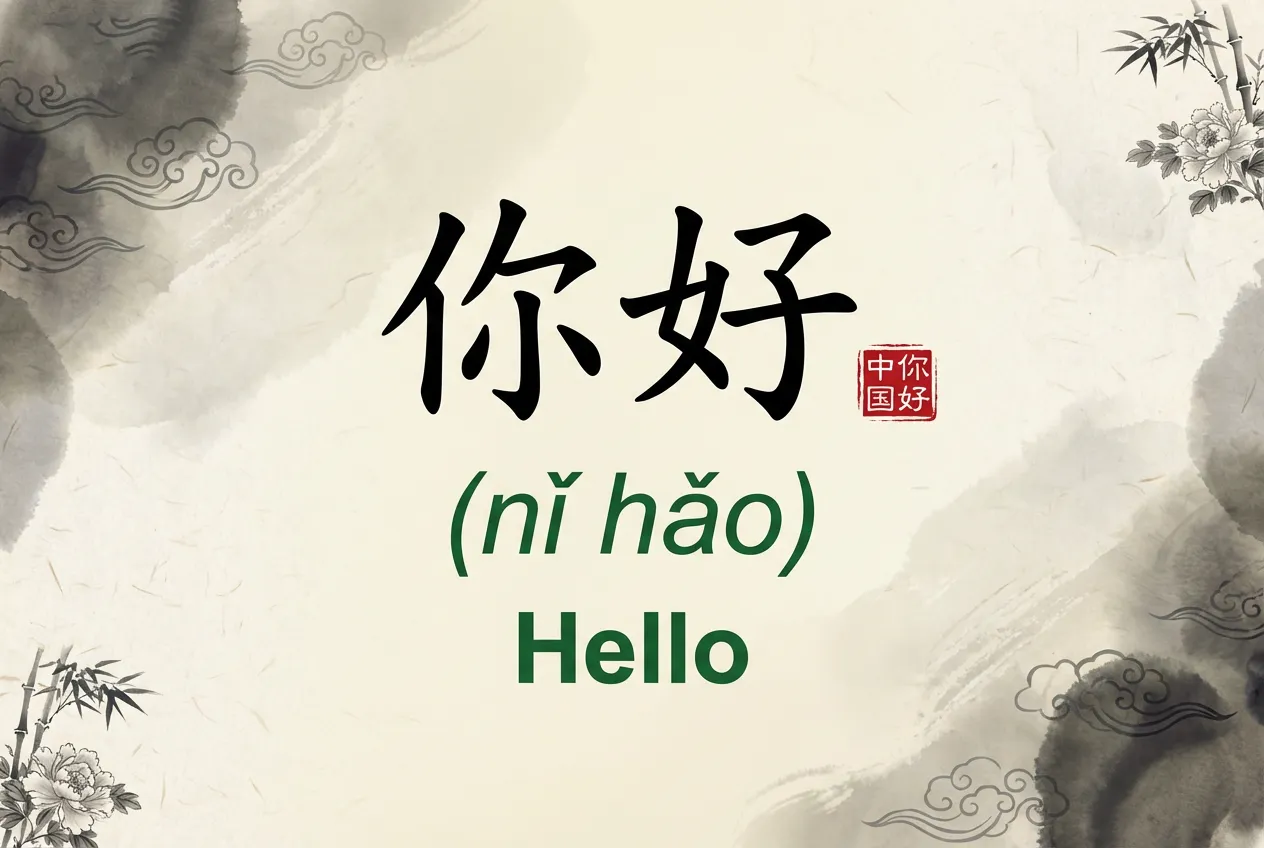
Most people think HSK1 is just the first exam in a long list of Chinese tests. In reality, HSK1 is something much more important. It is the moment when Chinese stops being an abstract system of characters and tones and becomes something you can actually use. It is where “你好” becomes a greeting you say to a real person, not a flashcard. It is where “我要咖啡” becomes a sentence that gets you a drink.
HSK1 is not about fluency. It is about entry. It gives you your first set of tools to survive, to recognize patterns, and to begin thinking in Chinese instead of translating every word in your head. The following sections break down what HSK1 really gives you, how it works, and how far it can take you.
HSK1 Vocabulary List with Examples
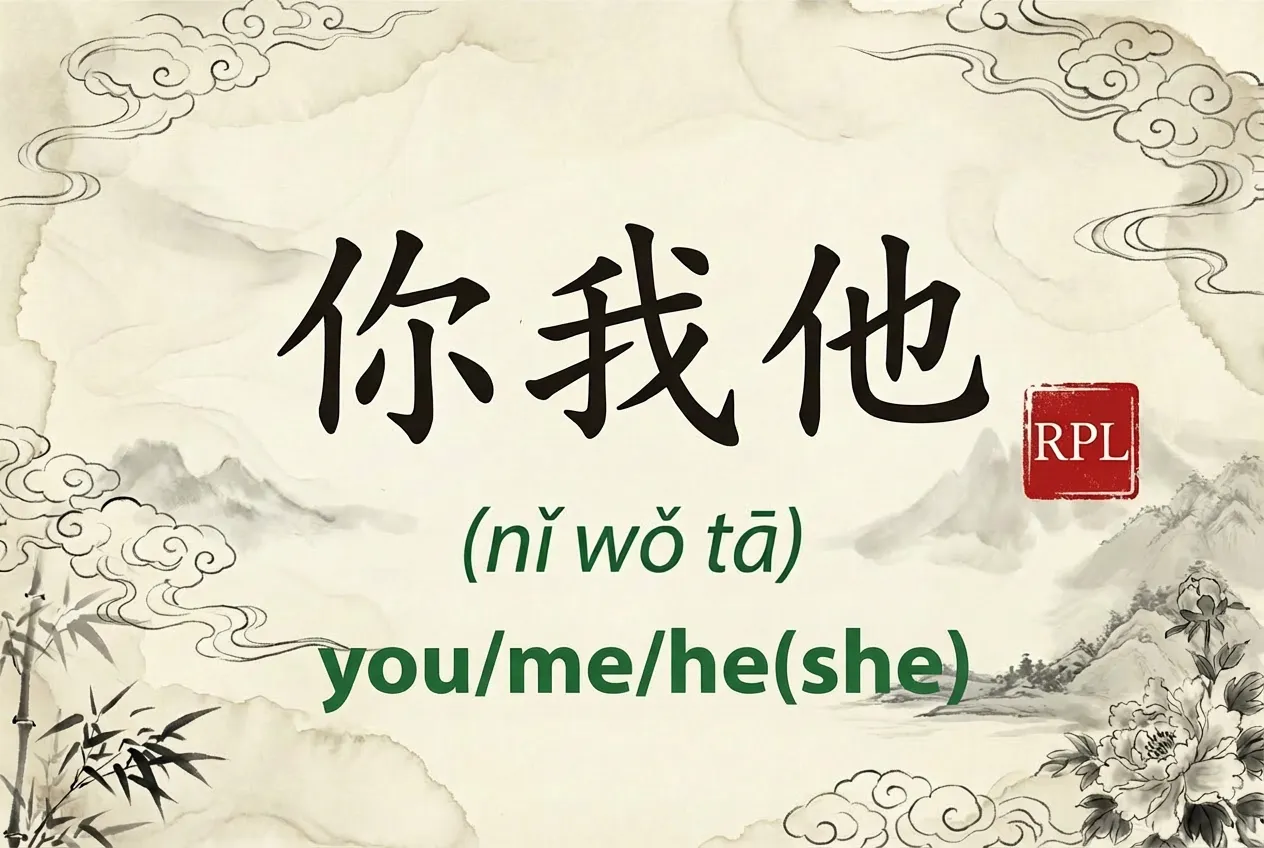
Most people think that 150 words are not enough to speak a language. HSK1 quietly proves the opposite. HSK1 officially contains around 150 words, but the number alone does not tell the real story. What matters is not how many words you know, but how much of life those words allow you to touch. The HSK1 vocabulary list is designed to cover the most basic human needs: who you are, what you want, where you are, and what you are doing.
You learn words like 我 (I), 你 (you), 他 (he), 是 (to be), 有 (to have), 要 (to want), 在 (to be at), 不 (not), and 好 (good). These are not impressive words. They are structural words. They control identity, desire, location, and judgment. With just these, you can already create real sentences that function in daily life.
“我是学生” means “I am a student.”
“我要水” means “I want water.”
“我不要” means “I don’t want it.”
“你是老师吗?” means “Are you a teacher?”
These are not decorative phrases. They are survival language.
HSK1 also includes everyday nouns that anchor you in the real world. You learn words for people such as 老师 (teacher) and 朋友 (friend). You learn places like 中国 (China) and 家 (home). You learn time words like 今天 (today) and 明天 (tomorrow). You learn numbers, food items, and high-frequency verbs like 来 (come) and 去 (go). Together, these words form a small but complete universe. With them, you can place yourself in time, space, and human relationships.
What makes the HSK1 list powerful is how reusable it is. A word like 去 can appear in dozens of situations. “我去中国” means “I go to China.” “你去吗?” means “Are you going?” One verb unlocks many meanings. The same is true for 要. “我要茶” means “I want tea.” “我要去北京” means “I want to go to Beijing.”
HSK1 does not give you many words. It gives you words that multiply.
HSK1 vocabulary is not designed to describe the world in detail. It is designed to let you interact with it. You may not yet say “The weather is humid today,” but you can say “今天不好,” which already communicates discomfort. You may not say “I am allergic to peanuts,” but “我不要” is enough to protect you in a restaurant. That is the quiet power of this level.
This is why learners often underestimate HSK1. They see a short list and think it is too simple. In reality, those 150 words are carefully chosen to give you maximum communicative power with minimal memory load. Every advanced Chinese sentence you will ever learn is built on these exact same words. HSK1 is not the beginning of Chinese. It is the foundation that makes everything else possible.
HSK1 Grammar Explained for Beginners

HSK1 grammar is often described as “simple,” but that simplicity hides something important. It is not simple because Chinese is easy. It is simple because Chinese, at this level, follows an unusually clean logic. Instead of changing verbs for tense or adding endings for plural, Chinese builds meaning through word order and small particles.
The foundation of HSK1 grammar is the basic Chinese sentence pattern: Subject + Verb + Object. “我喝水” means “I drink water.” “他去中国” means “He goes to China.” There is no conjugation, no verb endings, and no agreement. The verb 去 never changes. It works for I, you, he, she, or they. This removes a huge layer of memorization and lets beginners focus on meaning instead of forms.
Negation is just as clean. Chinese uses one powerful word: 不. “我不去” means “I am not going.” “他不好” means “He is not well.” You do not need to change the verb. You simply place 不 in front of it. One small word flips the entire sentence.
Questions are built the same way. Instead of changing word order like English, Chinese usually adds a single particle: 吗. “你是老师” means “You are a teacher.” “你是老师吗?” becomes “Are you a teacher?” Nothing else changes. The grammar stays stable, and meaning is adjusted with a small sound at the end.
HSK1 also introduces one of the most important ideas in Chinese: context matters more than form. “我在中国” means “I am in China.” There is no word for “am.” The verb 在 already carries the idea of being somewhere. Chinese often lets position and context do the work instead of extra grammar.
Another key idea at this level is how Chinese handles time. Verbs do not change for past, present, or future. Instead, time words tell you when something happens. “我去中国” means “I go to China.” “我昨天去中国” means “I went to China yesterday.” “我明天去中国” means “I will go to China tomorrow.” The verb 去 never changes. Time lives outside the verb, not inside it.
This is why HSK1 grammar feels strange at first and then suddenly logical. Once you stop looking for verb endings and tense changes, Chinese becomes lighter. Meaning flows through order, particles, and context. You are no longer wrestling with grammar. You are simply placing ideas in the right sequence and letting them speak.
Can You Travel in China with HSK1?

The honest answer is yes, but only in a very practical, survival-level way. HSK1 will not let you talk about history, debate ideas, or describe your hobbies. But it will let you move through China without feeling completely helpless, and that matters more than it sounds.
With HSK1, you can introduce yourself. You can say where you are from. You can say what you want. You can ask simple questions. You can say yes, no, and thank you. That small toolkit already covers most of what daily travel actually requires.
Imagine walking into a small local restaurant. There is no English menu. No pictures. Just dishes on the wall. You can say “你好” to greet the staff. You can point and say “我要这个” which means “I want this.” If something is wrong, you can say “不要,” meaning “I do not want it.” If you are thirsty, “我要水” gets you water. These are not elegant sentences, but they do the job.
At a hotel, HSK1 is often enough to get you checked in. You can say “我有预订” meaning “I have a reservation,” or “我没有” if you do not. You can hand over your passport and say “我是美国人” or “我是法国人.” That simple information creates enough context for the staff to understand what you need and move the process forward.
Transportation also becomes manageable. You can say “去北京” or “去上海” when buying a ticket. You can ask “多少钱” to find out the price. You can use “这个” and “那个” to point to options. You may not understand every word the clerk says, but you can complete the transaction.
Where HSK1 reaches its limit is when things go wrong. If you need to explain a medical issue, solve a complicated problem, or make a complaint, the language will not be enough. But for moving, eating, buying, and basic human interaction, HSK1 builds a thin but very real bridge into daily life in China.
In fact, many travelers already use HSK1 without knowing it. Every time you say “你好,” “谢谢,” or “这个,” you are operating at this level. The test simply gives a name to something people have been using all along.
How Long Does It Take to Pass HSK1?

For most learners, HSK1 takes between one and three months of consistent study. The important word here is consistent. The vocabulary list is small, so progress is not about talent or intelligence. It is about seeing the same words again and again in different situations until they stop feeling new.
With about 30 minutes of study a day, many learners can cover the full HSK1 vocabulary and grammar within a few weeks. But knowing a word is not the same as recognizing it instantly. You do not really know “我要” until you no longer translate it in your head. At some point, it simply means “I want.” That shift is what takes time.
Learners who already speak another Asian or tonal language often move faster. Absolute beginners usually need extra time to get used to tones, pinyin, and Chinese sentence order. Even so, HSK1 is designed to be achievable. It is meant to give you an early sense of success, not a wall to climb.
What slows most people down is not the material. It is how they study it. Flashcards without context create weak memories. Words learned inside real sentences last much longer. “去” becomes real when you meet it inside “我去中国.” “要” becomes natural when you hear “我要水.” Context turns vocabulary into something you can actually use.
Fear is another hidden delay. Many learners wait until they feel ready before they speak. They want to be correct before they are brave. HSK1 rewards the opposite mindset. The more broken Chinese you use, the faster it becomes working Chinese.
In reality, passing the HSK1 exam is easier than using Chinese in daily life. The exam checks recognition. Real life checks confidence. If you can already say simple things without freezing, you are often ahead of what your test score suggests.
HSK1 and RPL School
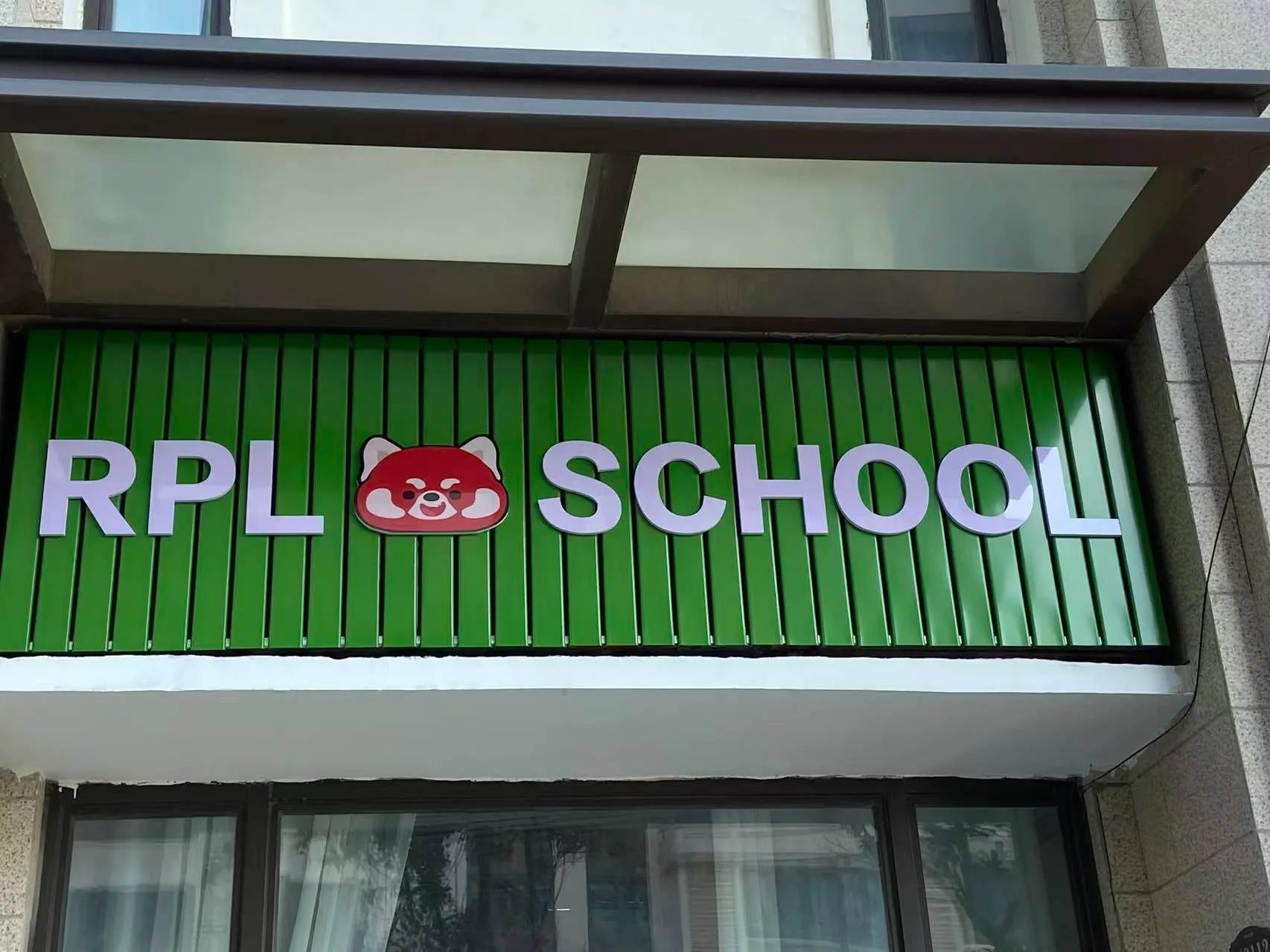
HSK1 and RPL School both help beginners enter the world of Chinese, but they do so in complementary ways. HSK1 offers a structured learning framework, a clear roadmap of vocabulary and grammar that builds step by step. RPL School takes that framework and turns it into real communication, guided practice, real usage, and human interaction.
HSK1 defines what you need to learn. It tells you which words to study, which sentence patterns to master, and what grammar points matter at each level. When you complete HSK1, you know exactly what you have learned and what comes next. It works like a staircase: each step supports the one above it.
However, knowing a list of words and patterns is not the same as being able to use them in real life. That’s where RPL School bridges the gap. At RPL School, structured curriculum meets communication practice. Through small group classes, one-on-one lessons, and a mix of online and in-person formats, students practice Chinese the way it is actually spoken. Vocabulary and grammar become tools you can use, not just items you can recall.
In traditional study, learners often encounter disconnected phrases with no context. RPL School makes meaning continuous. You learn not only what a sentence means, but how and when to say it. Sentences stop being isolated fragments and become part of a living language.
Put simply: HSK1 tells you what to learn. RPL School helps you learn how to use it. Together, they form a learning path that is structured, practical, and aligned with real communication goals, not just exam preparation.
HSK1 in Real Life Conversations
HSK1 in the real world does not sound like textbook Chinese. It sounds slow, slightly awkward, and full of pauses. But that is exactly what real communication sounds like when two people are trying to understand each other.
“你是学生吗?”
“是,我是学生。”
“你是哪里人?”
“我是美国人。”
Nothing about this is impressive. Yet something important has happened. Two strangers now know who the other person is. That is already communication.
HSK1 also lets you express simple needs. “我饿了” means “I am hungry.” “我要咖啡” means “I want coffee.” “不要辣” means “No spicy.” These sentences are not elegant, but they are powerful. They let you take care of yourself in another language. They let you be understood.
The real strength of HSK1 is that it lowers the barrier to interaction. You do not need perfect grammar. You need clear intention. At this level, Chinese is forgiving. Native speakers will meet you halfway if you give them even a little bit to work with.
Real conversations also show you what HSK1 cannot do yet. You will hear words you do not recognize. You will want to say things you cannot express. That frustration is not a failure. It is the moment when the language starts pulling you forward.
HSK1 is not the end of Chinese. It is the moment Chinese begins to breathe. The language steps out of your notebook and into the space between you and another person. That is where learning becomes real.
Start Your Mandarin Journey with HSK1

HSK1 will never let you say everything. But it lets you say something, and that something changes everything. It allows you to step into Chinese without waiting for perfection. With a few words, a few structures, and a little courage, you begin to connect with people, places, and moments that were closed to you before. That is what HSK1 really is. Not a test. Not a list. But the first quiet door opening into another world.
FAQ
Q: What is HSK1 really designed to test?
A: HSK1 is not designed to test how much Chinese you know, but whether you can begin using Chinese in real situations. It checks if you can recognize and understand the core words and sentence patterns that allow you to greet people, ask for things, express simple needs, and identify who you are and where you are.
Q: Is 150 words really enough to communicate in Chinese?
A: Yes, because HSK1 focuses on structural and high-frequency words like 我, 你, 要, 去, 在, and 不. These words can be reused in countless situations. With them, you can form practical sentences such as “我要水,” “我不去,” or “你是老师吗,” which already cover many daily needs.
Q: Do I need to speak fluently to pass HSK1?
A: No. HSK1 does not measure fluency. It measures recognition and basic understanding. You do not need to speak smoothly or quickly. You only need to understand simple sentences, words, and structures well enough to identify their meaning.
Q: Can HSK1 really help me survive in China?
A: HSK1 gives you survival Chinese. You can order food, buy tickets, check into a hotel, and say what you want or do not want. You will not be able to explain complex problems, but you will no longer be silent or helpless in everyday situations.
Q: Why does HSK1 grammar feel so different from English?
A: Chinese at the HSK1 level does not use verb conjugations, plural forms, or tense endings. Meaning comes from word order and context instead. This makes the grammar look simple, but it actually trains you to think in a different, more direct way.
Q: Is HSK1 more about exams or real communication?
A: HSK1 is officially an exam, but its real value is practical. It gives you the minimum language you need to start interacting with people. Once you can say things like “我是学生” or “我要咖啡,” Chinese stops being theory and starts becoming part of your life.