Top 10 Most Populated Metro Areas in China
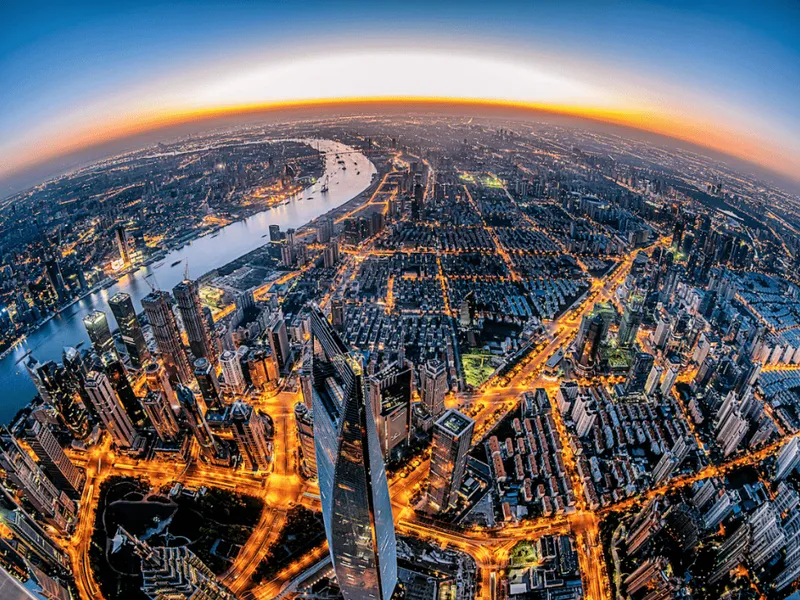
A Deep, Human, Non-AI-like Exploration of China’s Urban Giants
When people imagine China’s big cities, they often think of shiny skyscrapers, fast trains, and millions of people moving in perfect—or chaotic—synchrony. But what many don’t realize is that China’s biggest population centers aren’t just cities. They are metro areas—vast, interconnected “都市圈” (urban circles), where administrative borders matter far less than real, lived-in urban space: the places where people actually live, commute, shop, study, and build their lives.
This article dives into the 10 largest metro areas in China, based on urban agglomeration population rather than municipal numbers. This is important because some municipalities (like Chongqing) are enormous on paper but include huge rural territories, while others (like Shenzhen) look “small” administratively but are massive as continuous metro regions.
Let’s explore each mega-metro—its population scale, economic role, personality, and the real stories behind its growth.
1. The Shanghai Metropolitan Area
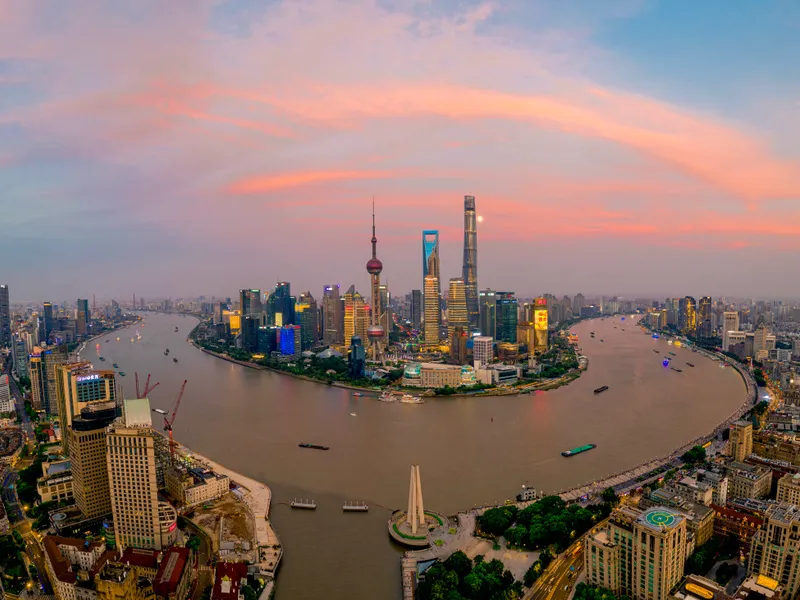
China’s Most Global, Most Urban, Most Influential Mega-Metro
Population (metro): ~28–31 million
Shanghai is not just big—it feels big. Walk anywhere from People’s Square to Pudong Lujiazui, and you can sense the density: thousands crisscrossing elevated walkways, gliding between metro lines, filling cafés, offices, and river ferries.
But Shanghai’s metro area extends far beyond the postcard skyline. Its urban circle includes:
● Pudong’s endless new districts
● Suburbs like Minhang, Jiading, Songjiang
● Satellite cities such as Kunshan and Taicang (in Jiangsu), economically fused with Shanghai’s orbit
Why it matters:
Shanghai is China’s financial capital, shipping hub, luxury magnet, and global business gateway. Its metro population reflects decades of migration—graduates, entrepreneurs, artists, tech workers, finance specialists, all bringing different lifestyles into one constantly evolving metropolis.
Shanghai’s metro area = China’s most globally recognizable modern identity.
2. Beijing Metropolitan Area
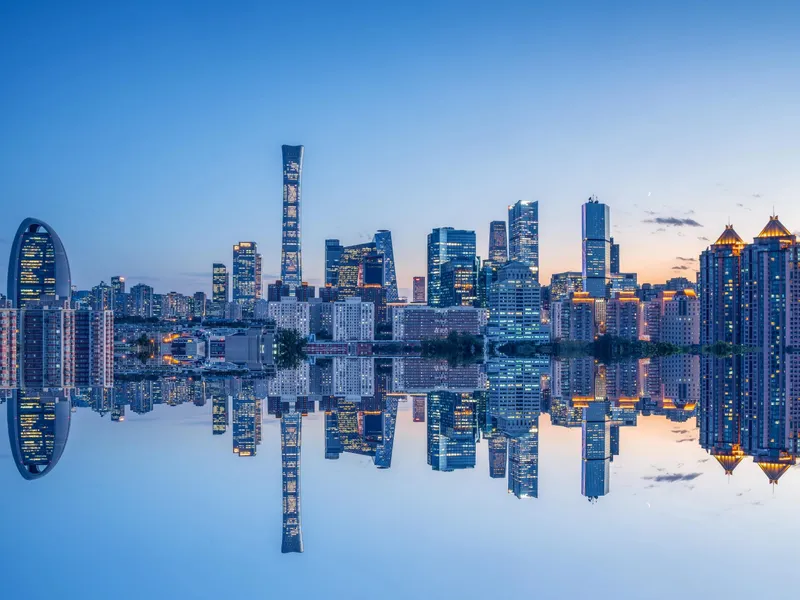
Capital of Politics, Culture, and Elite Education
Population (metro): ~20–23 million
If Shanghai is China’s financial face, Beijing is its political spine. The Beijing metro area includes the capital’s six core districts as well as fast-growing suburban cities connected by expressways, metro lines, and high-speed rail.
Beijing’s vast population supports:
● Government agencies and embassies
● Top research institutions
● China’s most prestigious universities
● National cultural institutions and global events
But Beijing is more than bureaucracy and monuments. It’s a place where hutong courtyards coexist with gigantic tech campuses in Haidian; where people can spend the morning hiking the Great Wall and the evening bar-hopping in Sanlitun.
A metro area this large doesn’t just house power—it exports culture.
3. Guangzhou–Foshan / Greater Pearl River Delta
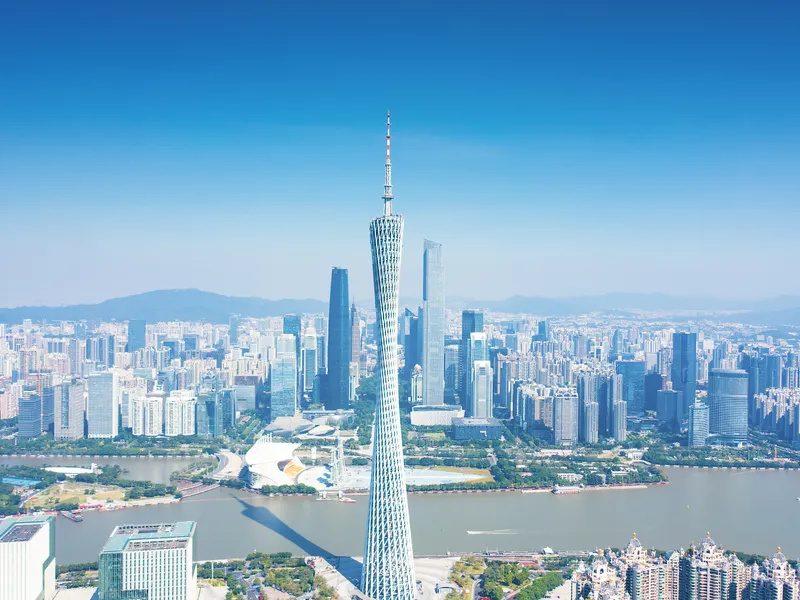
A Dense, Seamless Industrial-Commercial Urban Ocean
Population (metro): ~20–25+ million depending on definition
Guangzhou and Foshan share an invisible border—one you can’t really “feel” when crossing. To many residents, the two cities are essentially one continuous giant. Add in Dongguan and other adjacent industrial cities, and the Pearl River Delta becomes a mega-metro among mega-metros.
Here you’ll find:
● World-leading manufacturing
● Global supply-chain hubs
● Immense trade networks
● Some of China’s most diverse food traditions
This region doesn’t shout like Beijing or sparkle like Shanghai; instead, it works. Factories, designers, logistics centers—everyone is part of an urban workforce that moves goods across the world.
The PRD’s metro scale is the backbone of global consumer culture.
4. Shenzhen Metropolitan Area
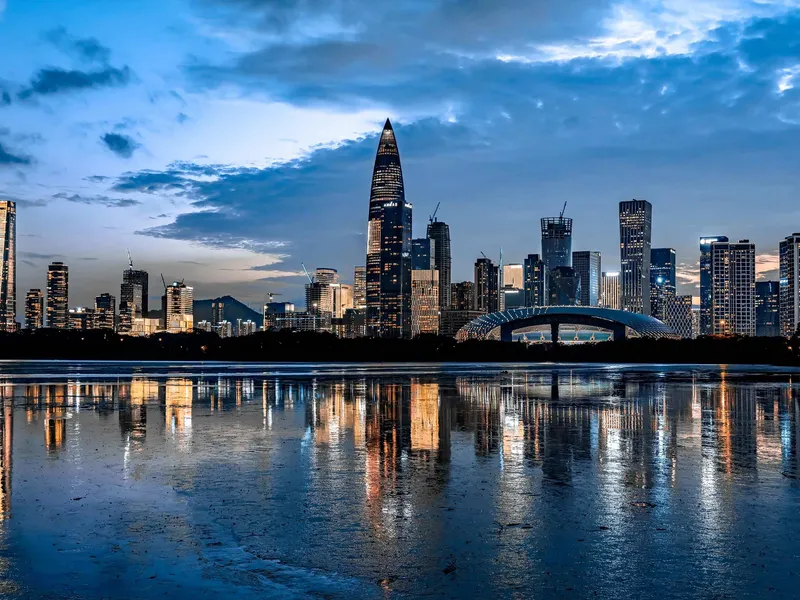
A High-Tech “Instant City” Still Expanding at Full Speed
Population (metro): ~12–18 million
Shenzhen is one of the only megacities on Earth that went from small fishing villages to a global tech powerhouse in just 40 years. The city doesn’t just “grow”—it mutates, innovates, reinvents itself.
Its metro area includes:
● The central districts near Futian and Nanshan
● Immense tech zones (Huawei, Tencent, DJI…)
● Suburbs linked to Dongguan and Huizhou
● Housing zones for millions of migrant professionals
The result?
A metro population that feels young, ambitious, and fiercely entrepreneurial.
Shenzhen’s skyline changes almost monthly, and so does its talent pool. People come here to build—not just companies, but entire industries.
5. Chongqing Urban Agglomeration
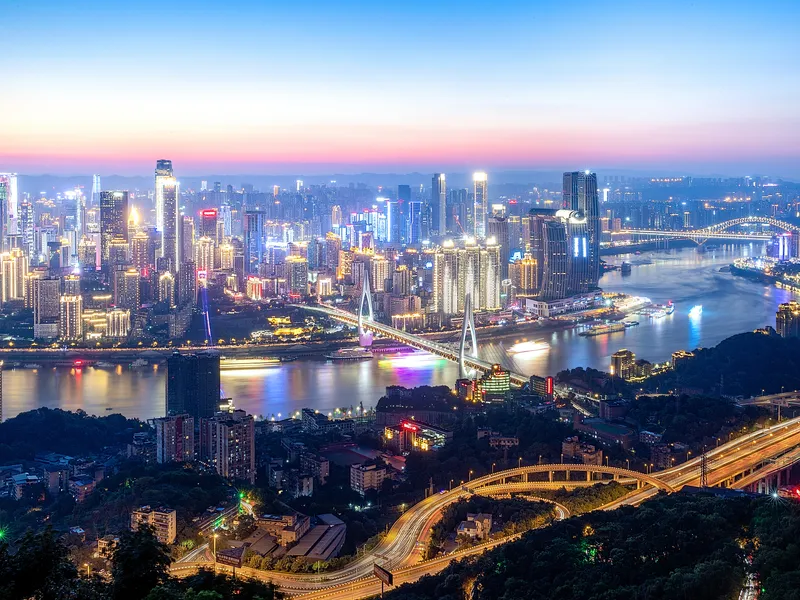
A Mountain Mega-Metro with Serious Scale
Population (urban metro): ~10–15+ million
Chongqing municipality is as big as a small country—but the true metro area is the urban core, a dramatic landscape where skyscrapers cling to mountain ridges and riverbanks.
Key features include:
● Vertical neighborhoods connected by escalators and elevators
● Bridges everywhere
● Hotpot restaurants almost on every block
● An important manufacturing and logistics center inland
Chongqing’s metro population is growing because it is the anchor of southwest China, attracting workers from Sichuan, Guizhou, Yunnan, and beyond.
6. Chengdu Metropolitan Area
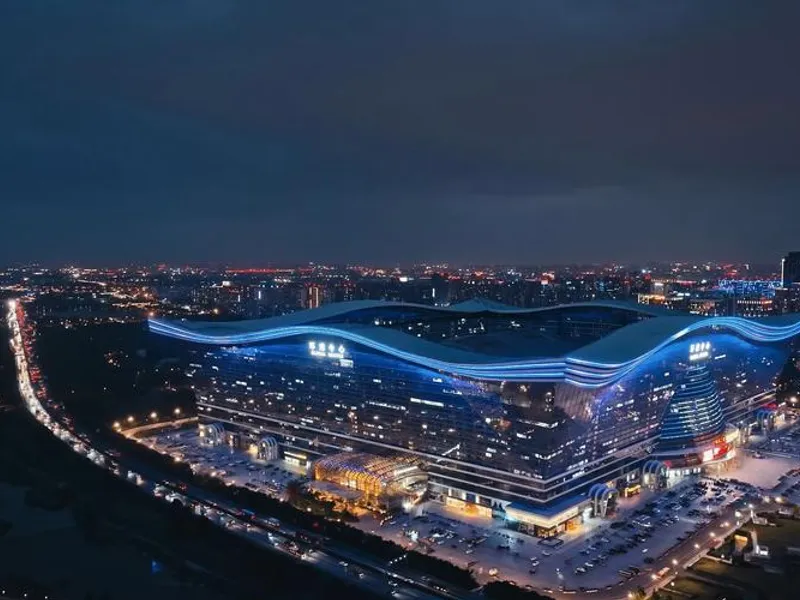
The Chill, Creative, Western China Super-Metro
Population (metro): ~10–17 million
Chengdu doesn’t try to be Beijing or Shanghai—its charm is subtler. A slower pace, a strong cultural identity, teahouses, parks, pandas, and of course, Sichuan cuisine.
Its metro area includes:
● Rapidly urbanizing outer districts
● New tech zones and innovation parks
● Satellite cities and commuter towns
Chengdu’s growth is powered by:
● Universities
● Tech manufacturing
● Digital industries
● A booming service economy
Chengdu is becoming the “capital of lifestyle” in western China—relaxed yet highly competitive in tech and research.
7. Tianjin Metropolitan Area
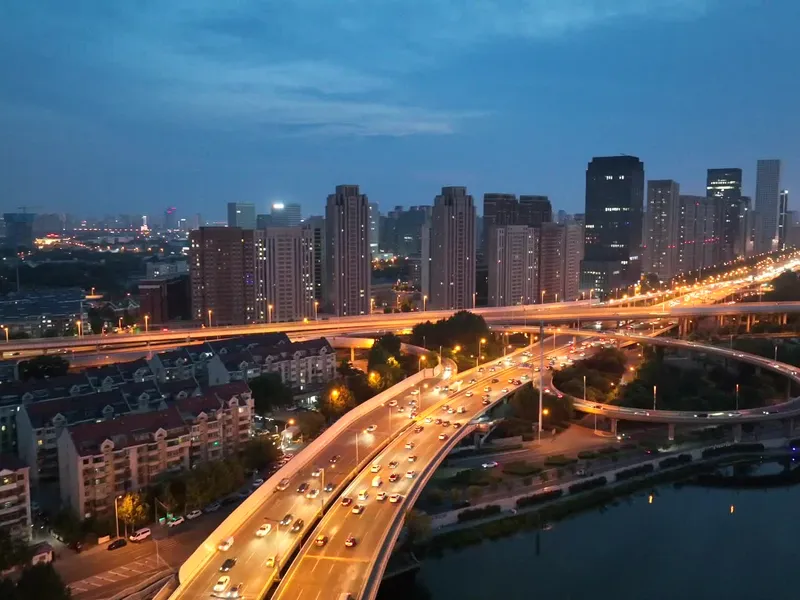
A Coastal Port Megacity Tied Closely to Beijing
Population (metro): ~10–14 million
Tianjin is a major port city whose metro area is tightly linked to the Beijing–Tianjin corridor. Many people live in one city and work in the other, creating a dual-metro synergy that fuels economic activity.
Tianjin’s metro strengths include:
● Manufacturing
● Petrochemicals
● Aerospace
● One of China’s biggest ports
● A deep historical legacy from its treaty-port era
Its population density varies dramatically—dense central districts balanced by vast industrial zones.
8. Wuhan Metropolitan Area
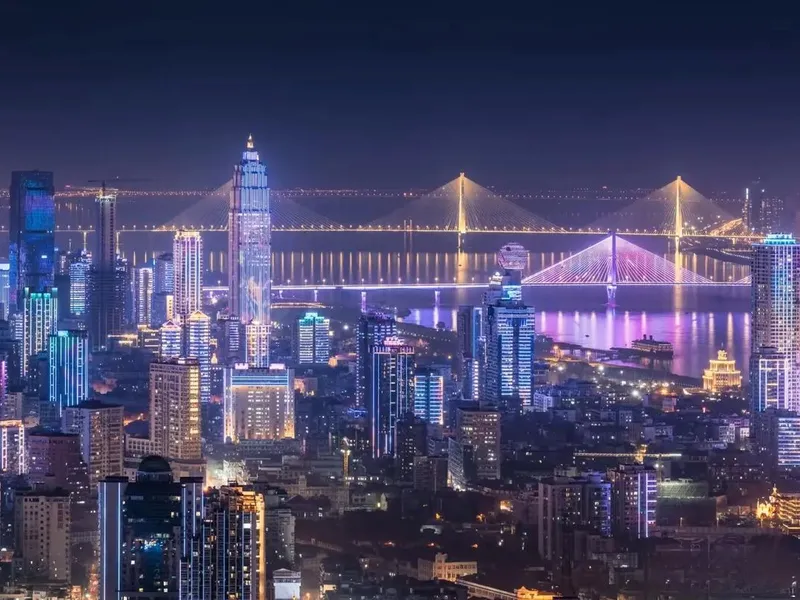
The Transportation Crossroads of China
Population (metro): ~9–12 million
Wuhan stands at the intersection of China’s major railway lines and river transport routes. Its metro area includes a wide belt of new districts growing around lakes, rivers, and university zones.
Wuhan’s metro character:
● Strong research presence
● Major automobile production
● A huge student population
● Heavy investment in infrastructure
If you look at a map of China’s rail network, Wuhan sits right at the center—its metro population reflects that positioning.
9. Xi’an Metropolitan Area
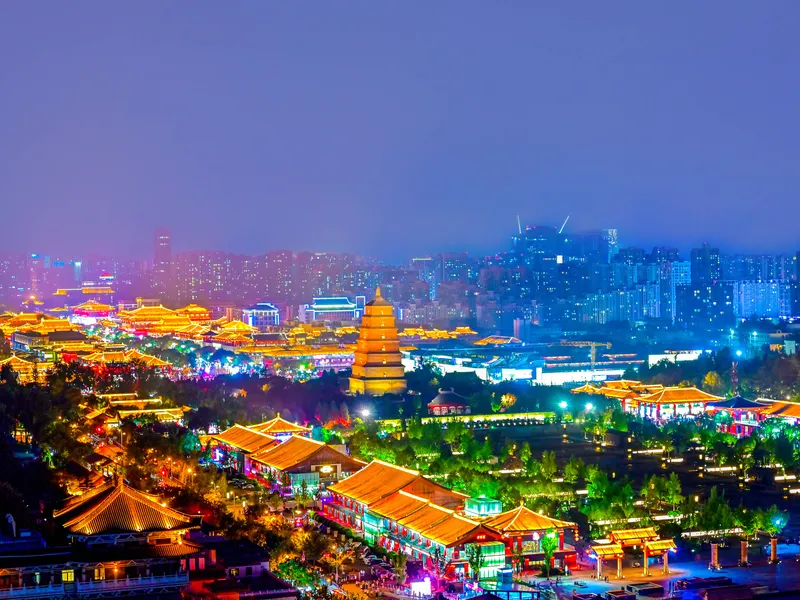
Ancient Capital, Modern Tech Hub
Population (metro): ~8–10+ million
Xi’an feels historic—but its metro area is buzzing with new tech parks, aerospace facilities, electronics manufacturing, and education clusters.
What shapes its population growth:
● Tourism (Terracotta Warriors, city walls, museums)
● Aerospace engineering
● High-tech factories
● University districts
Xi’an’s metro area is the heart of northwest China and an increasingly important hub of China’s “westward urbanization.”
10. Hangzhou–Suzhou–Nanjing Cluster (YRD)
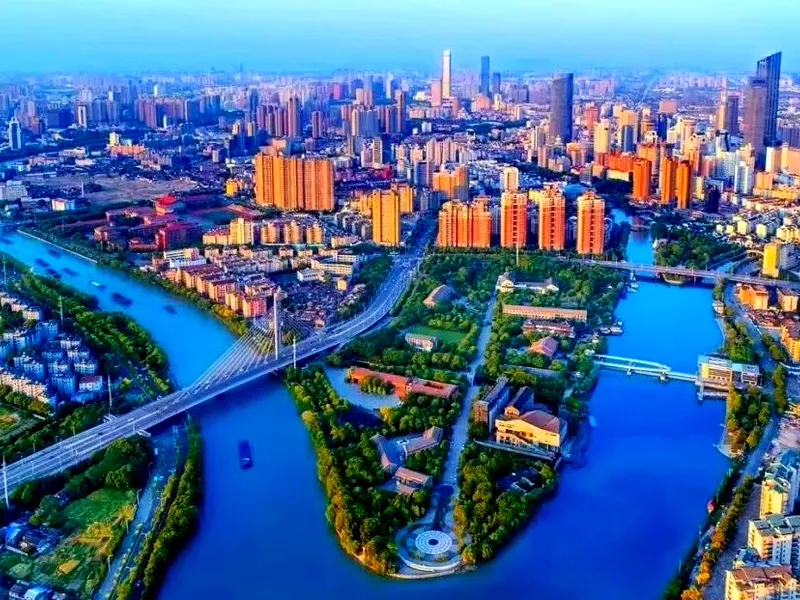
China’s Most Balanced, Most Livable Multi-City Metro System
Population (varies):
Hangzhou ~10–13M
Suzhou ~11M
Nanjing ~9M
The Yangtze River Delta is the most economically sophisticated region in China, second only to the PRD in manufacturing and innovation, and rivaling Beijing in research.
Each city has its flavor:
● Hangzhou: Tech + e-commerce capital (Alibaba)
● Suzhou: High-end manufacturing + canals + ancient charm
● Nanjing: History + universities + cultural weight
Together, they form a triangle of high education, high industry, high consumption, and high mobility.
Why Metro Areas Matter More Than Administrative City Rankings
Many foreigners read lists like:
“Chongqing has 32 million people!”
—but this includes entire counties of rural farmland.
Metro areas show real, lived urban population, revealing:
● commuting patterns
● economic linkages
● urban sprawl
● transportation networks
● cultural zones
● labor markets
This is why metro rankings represent China’s actual modern urban reality.
Final Thoughts
China’s biggest metro areas are more than just numbers—they’re living, breathing organisms. Each has its own character, rhythm, and ambition:
Shanghai inspires.
Beijing leads.
Shenzhen invents.
Guangzhou produces.
Chongqing climbs.
Chengdu relaxes.
Wuhan connects.
Xi’an remembers.
Tianjin ships.
The YRD refines.
Together, they shape the way China lives, works, innovates, and moves into the future.