
The Yellow River: China’s Mother River and Lifeline
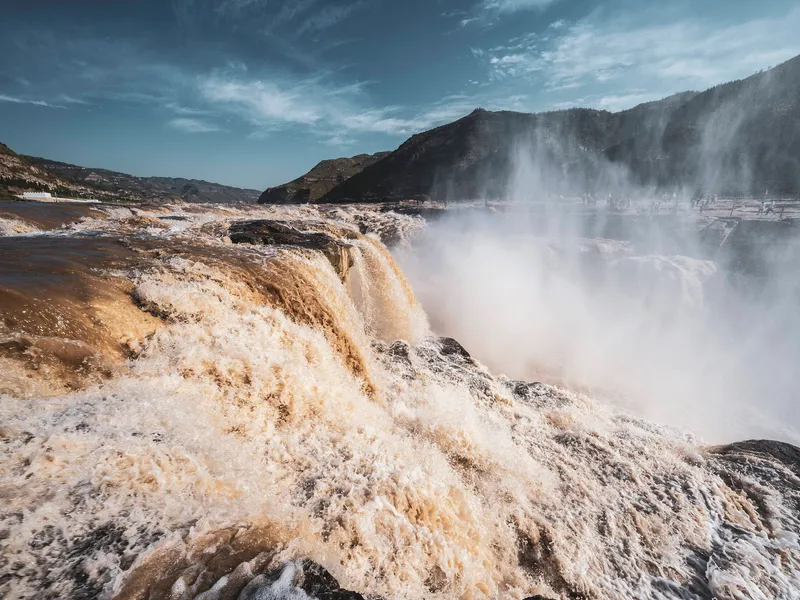
The Yellow River, known as Huang He (黄河, Huáng Hé) in Chinese, is more than just a river—it is a symbol of Chinese civilization, a natural wonder, and a source of life for millions. Flowing through China for thousands of kilometers, it has shaped the landscape, culture, economy, and history of the nation. This article explores the Yellow River from its source to its cultural impact, providing readers with an in-depth understanding of its significance.
Origins and Geography of the Yellow River
The Yellow River originates in the Bayan Har Mountains (巴颜喀拉山脉, Bāyán Kǎlā Shānmài) in Qinghai Province, on the Tibetan Plateau. From its source, the river travels roughly 5,464 kilometers (3,395 miles), making it the second-longest river in China after the Yangtze River. Its path cuts across nine provinces and a diverse range of landscapes, from high-altitude plateaus and deserts to fertile plains and urban centers.
The Yellow River earns its name from the heavy load of loess (黄土, huángtǔ) soil that gives the water a yellowish tint. This loess is windblown silt deposited over millennia, and it creates both opportunities and challenges. On the one hand, the soil is fertile, making the North China Plain a cradle of ancient agriculture. On the other hand, it contributes to frequent flooding, earning the river the nickname “China’s Sorrow (中国的忧, Zhōngguó de Yōu)” due to devastating historical floods.
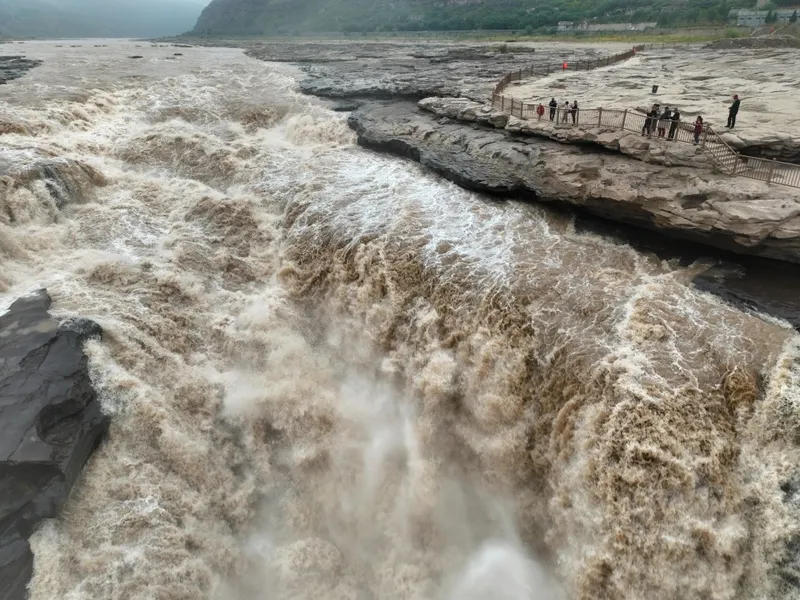
In addition to its length, the river’s drainage basin covers about 752,443 square kilometers, supporting agriculture, cities, and wildlife. It passes through provinces like Qinghai, Sichuan, Gansu, Shanxi, Henan, and Shandong, impacting millions of people along the way. Understanding the geography of the Yellow River helps explain why it has been central to China’s development for thousands of years.
Historical Significance of the Yellow River
The Yellow River is often called the “Mother River of China” because Chinese civilization began along its banks. Archaeological discoveries, including ancient settlements, tools, and pottery, show that early human communities thrived in the Yellow River basin over 5,000 years ago. These communities cultivated millet, domesticated animals, and developed early forms of governance.
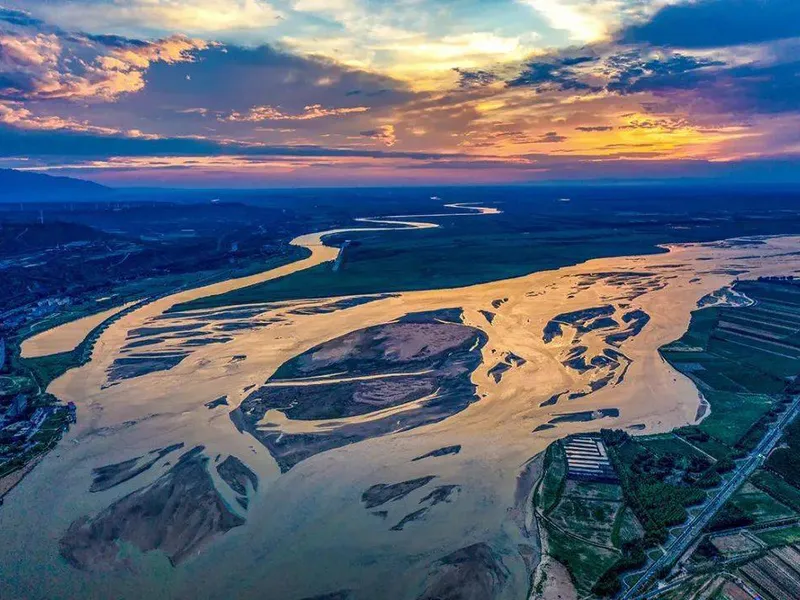
Throughout history, the Yellow River was central to the rise of dynasties such as the Xia (夏, Xià), Shang (商, Shāng), and Zhou (周, Zhōu). Its fertile plains allowed agriculture to flourish, supporting large populations and enabling the growth of cities. The river also served as a transportation and trade route, facilitating communication and cultural exchange.
However, the Yellow River has a dual reputation. Its frequent flooding has caused immense loss of life and property, with some floods killing hundreds of thousands of people. Ancient Chinese rulers invested significant resources in flood control, building levees, canals, and dams, shaping the field of Chinese hydraulic engineering. The river’s management became a critical political and social responsibility for emperors and local leaders.
Ecology, Environment, and Modern Challenges
The Yellow River supports a variety of ecosystems, including wetlands, grasslands, and desert margins. It provides water for agriculture, industry, and domestic use. However, modern development has created significant environmental challenges.
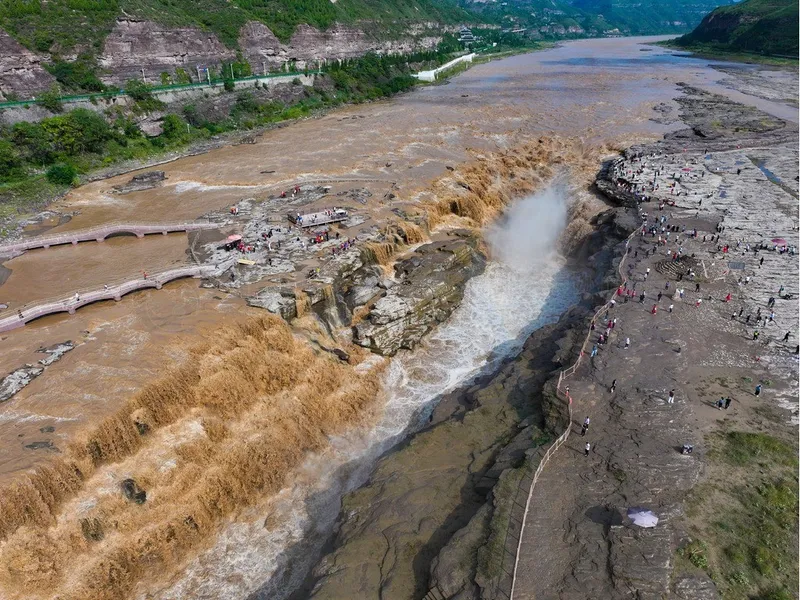
1. Water Scarcity: Due to population growth, irrigation, and industrial use, water levels in some sections have decreased dramatically, especially in the upper and middle reaches.
2. Pollution: Industrial waste, agricultural runoff, and untreated sewage have led to contamination, affecting both humans and wildlife.
3. Flood Management: Climate change and soil erosion have altered flood patterns. While modern dams and reservoirs help, balancing flood control with ecological preservation remains a challenge.
Despite these issues, conservation efforts are underway. Reforestation programs, soil stabilization, and stricter pollution regulations aim to protect the river and its basin. Understanding the environmental context of the Yellow River highlights the delicate balance between human activity and natural systems.
Cultural Impact and Symbolism
Beyond its physical and ecological significance, the Yellow River has a profound cultural and symbolic impact. It appears in poetry, literature, art, and folklore. For example, the Tang dynasty poet Li Bai (李白, Lǐ Bái) wrote about its beauty and power, while countless folk songs celebrate the river as a symbol of endurance, fertility, and unity.
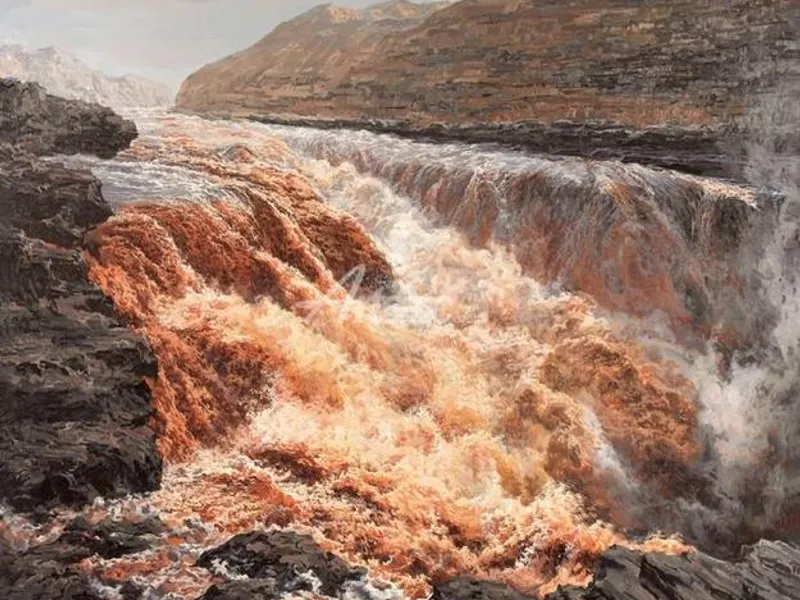
The Yellow River also embodies national identity and resilience. It is celebrated as the birthplace of Chinese civilization and a source of pride for millions of Chinese people. Modern infrastructure projects, including bridges, dams, and scenic tourist sites, show the continued relevance of the river in daily life. Cultural festivals along the riverbank celebrate traditions, local cuisine, and river-based rituals, keeping the river intertwined with Chinese heritage.
Conclusion
The Yellow River is much more than a river—it is a lifeline, a historical witness, and a cultural icon. From its origins in the high mountains to its journey across fertile plains, it has shaped agriculture, civilization, and culture. Its challenges, such as flooding and pollution, demonstrate the complex relationship between humans and nature. Yet the river continues to inspire admiration, study, and care.
For travelers, scholars, and anyone interested in China, understanding the Yellow River provides a window into the country’s history, ecology, and culture. Its flowing waters tell stories of human ingenuity, resilience, and the enduring bond between people and the natural world.