The Great Wall of China: Beyond the Bricks
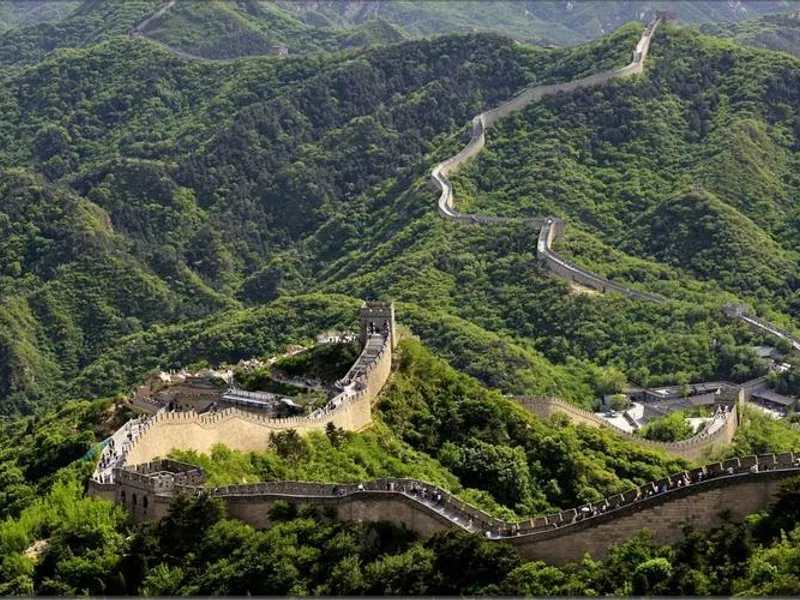
Imagine standing on a misty mountain ridge as the first light of dawn brushes across the horizon. Beneath your feet stretches an ancient path of stone and brick, winding endlessly over peaks and valleys, disappearing into the morning haze. This is the Great Wall of China—not just a wall, but a living chronicle of human ambition, resilience, and ingenuity. Every step echoes the toil of generations, every watchtower tells a story of vigilance and sacrifice. For over two millennia, this monumental structure has guarded the heart of a civilization, while capturing the imagination of the world.
From its staggering length to its architectural ingenuity, the Wall is more than stone and mortar—it is a bridge across time, connecting the present to the echoes of ancient dynasties. Today, as visitors walk its paths, they don’t just see a barrier; they witness a testament to perseverance, cultural pride, and the boundless imagination of humankind.
Origins and History: When and Why the Great Wall Was Built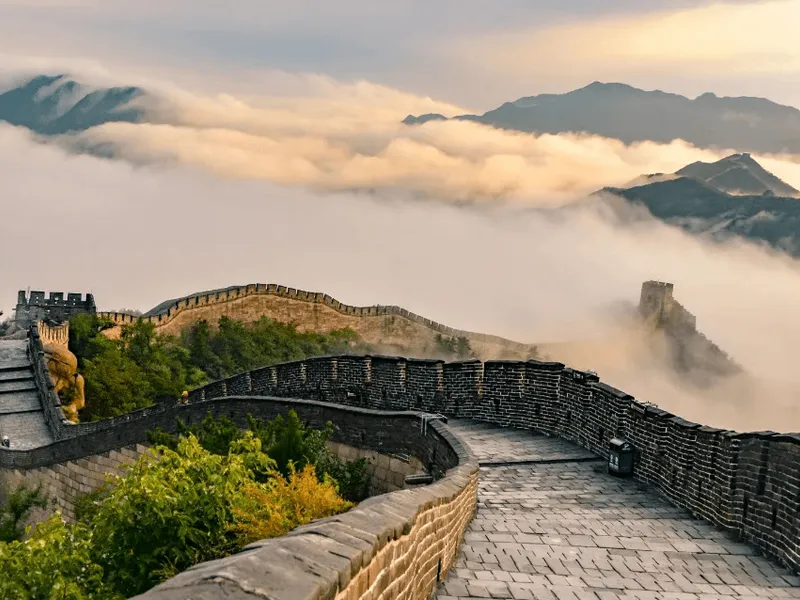
The Great Wall of China, one of the most iconic symbols of human ingenuity and perseverance, stretches across the northern frontiers of China, a testament to centuries of history, labor, and strategy. To understand the Great Wall, one must first look back into the long and complex history of China, a civilization that dates back thousands of years. The wall is not a single, continuous construction, but rather a series of fortifications built, rebuilt, and expanded over centuries by different dynasties, each leaving its mark on the landscape.
The origins of the Great Wall can be traced back to the 7th century BCE during the Warring States period, when several feudal states, including Qin, Zhao, and Yan, began constructing walls to defend against rival states and nomadic incursions from the north. These early walls were primarily made of tamped earth, wood, and stones, modest compared to the monumental stone and brick structures that would later define the Wall. Despite their humble beginnings, these early fortifications laid the groundwork for what would eventually become a colossal national defense system.
The most famous phase of construction came during the Qin Dynasty (221–206 BCE) under Emperor Qin Shi Huang, who is also known for the Terracotta Army. Upon unifying China, Qin Shi Huang sought to consolidate his empire and protect it from northern invasions, particularly from the Xiongnu nomadic tribes. He ordered the linking of existing walls and the construction of new segments, creating a more continuous defense line stretching across several provinces. Tens of thousands of laborers, including soldiers, convicts, and peasants, were mobilized for this enormous project. Historical accounts suggest that the working conditions were harsh and often fatal, leaving behind a legacy of both awe-inspiring achievement and human suffering.
Following the fall of the Qin Dynasty, subsequent dynasties such as the Han (206 BCE–220 CE) and the Northern Wei continued to maintain and expand portions of the Wall. However, the most extensive construction and preservation occurred during the Ming Dynasty (1368–1644 CE). The Ming rulers faced renewed threats from the Mongols, and in response, they undertook large-scale fortification projects, building brick and stone walls, watchtowers, garrison stations, and defensive moats. It was during this period that the Wall acquired much of the form we recognize today—solid, elevated, and stretching over formidable mountains, deserts, and plateaus. Soldiers stationed along the Wall would communicate with each other using smoke signals, flags, and beacon towers, creating a sophisticated early-warning system that made the Wall an effective defensive structure.
While defense was the primary purpose, the Great Wall also served as a tool of control and regulation. It functioned as a boundary to manage migration, trade, and taxation along the Silk Road routes, indirectly shaping the development of regional economies and cultural exchanges. Farmers, merchants, and travelers would often pass through guarded gates, where tolls and inspections were conducted, ensuring that the Wall was not only a military barrier but also a socio-economic instrument that connected and regulated the empire.
The construction of the Wall required immense human and material resources. Laborers carried heavy stones up steep mountains, built watchtowers, and reinforced walls with bricks and tamped earth. According to historical records, hundreds of thousands of people contributed to the Wall over different periods, and it is estimated that the combined efforts spanned several dynasties, making the Great Wall a multi-generational achievement. Stories of families who lived near the Wall, of soldiers stationed for years in harsh weather, and of the ingenuity employed to overcome geographical challenges, all contribute to the rich narrative surrounding its construction.
In summary, the Great Wall of China is not merely a wall, but a historical narrative etched into the terrain of northern China. Its origins lie in early defensive efforts by feudal states, its expansion was driven by imperial ambitions, and its enduring presence reflects the resilience, strategic thinking, and cultural values of Chinese civilization. Understanding when and why the Wall was built offers a window into China’s historical complexity and the extraordinary human effort that shaped one of the most remarkable monuments in the world.
Structure and Architecture: How the Great Wall Was Built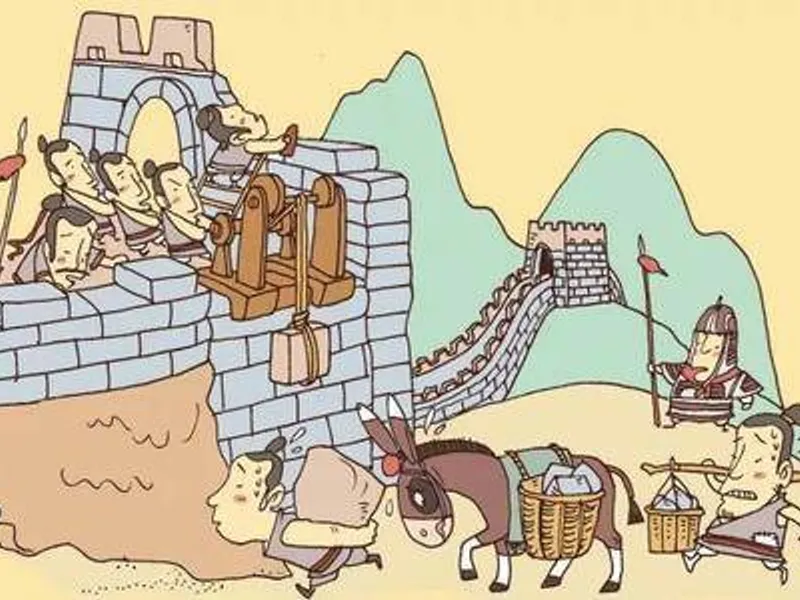
The Great Wall of China is more than just a defensive barrier; it is a marvel of engineering that stretches over mountains, deserts, valleys, and plateaus. Its design reflects both practical military strategy and adaptation to the diverse landscapes it traverses. While often imagined as a single, uniform wall, in reality, it is a complex network of walls, trenches, watchtowers, fortresses, and natural barriers that together form an intricate system of defense.
The height of the Great Wall varies depending on the terrain. On plains, the Wall may rise 20 to 30 feet, while in mountainous areas, it can soar over 50 feet, following the natural contours of the land. In some steep locations, the walls were constructed thinner but with the advantage of elevation, allowing defenders to control high ground. This adaptation demonstrates the builders’ ingenuity in merging architecture with geography. Over its total length, the Wall reaches an estimated 13,170 miles when including all its branches, trenches, and natural defensive features—a staggering feat considering the manual labor and primitive technology available at the time.
Materials used in construction also depended on the local environment. In mountainous regions, stone was abundant and durable, providing a strong and long-lasting foundation. In desert areas, tamped earth and reeds were used, compacted to form thick, resilient walls. In areas near rivers or plains, bricks made from clay and sand were commonly employed. During the Ming Dynasty, bricks and cut stones were systematically used, enabling the creation of watchtowers, battlements, and parapets. The bricks were often interlocked with mortar made from lime and glutinous rice, which strengthened the wall and made it remarkably resilient to erosion and weathering over centuries.
Watchtowers and beacon towers were integral parts of the Wall, spaced strategically to ensure effective communication and surveillance. From one tower, guards could signal approaching enemies using smoke by day and fire by night. These towers were equipped to house soldiers and store weapons, food, and supplies for extended periods, creating a self-sufficient defensive network. Some towers also featured narrow windows for archers and sloped walls to deflect projectiles, illustrating the military sophistication of the Wall’s design.
Bridges, gates, and passes added to the Wall’s functionality. Major passes were fortified as strongholds, allowing for the regulation of trade, troop movements, and civilian crossings. The design cleverly integrated natural barriers such as rivers, cliffs, and ridges, reducing the amount of construction needed while maximizing defensive strength. Sections built along mountain ridges are especially striking, as the Wall seems to climb impossibly steep peaks, a visual testament to the tenacity and skill of its builders.
Laborers faced extreme challenges during construction. Heavy stones and bricks had to be transported manually or using rudimentary tools, often up sheer cliffs or across uneven terrain. Temporary ramps and scaffolding were built to assist with the process, but many workers succumbed to exhaustion, injury, or disease. The massive workforce, which included soldiers, peasants, and even prisoners, underscores the human cost of creating such a monumental structure. Despite the hardships, the Wall’s construction reflects an extraordinary level of organization, planning, and engineering knowledge, passed down and improved through successive dynasties.
The Great Wall is also a remarkable example of architectural harmony with the natural environment. Its curves follow the ridgelines, its watchtowers punctuate the skyline, and its stone pathways snake across valleys and hills. The Wall not only served military purposes but also became a cultural icon, inspiring paintings, poetry, and stories throughout Chinese history. Its visual impact continues to draw millions of visitors from around the world, many of whom marvel at how human craftsmanship can blend so seamlessly with the raw beauty of nature.
In essence, the Great Wall’s architecture is a blend of practicality, military strategy, and aesthetic vision. It adapts to diverse terrains, uses local materials, and incorporates innovative construction techniques that allowed it to endure for centuries. Understanding how the Wall was built provides insight into the intelligence, resourcefulness, and determination of those who created one of the most remarkable structures in human history. The Wall stands not only as a defensive measure but as a monument to the resilience and creativity of the Chinese civilization.
The People Behind the Wall: Who Built the Great Wall of China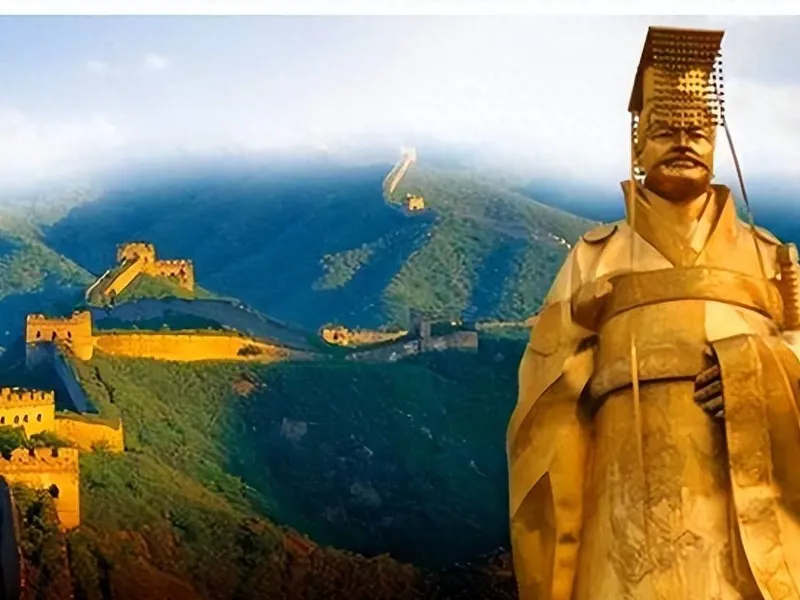
The Great Wall of China is not merely stone and earth—it is the product of the sweat, labor, and lives of countless individuals over centuries. Understanding who built the Wall and how it was constructed offers insight into the scale of this epic endeavor and the human stories woven into its structure.
Construction of the Wall began long before it became the iconic structure we know today. Early walls date back over 2,000 years, built during the Warring States period (475–221 BCE) by various regional states. These early walls were designed to defend against invasions from northern nomadic tribes. When the first emperor of a unified China, Qin Shi Huang, came to power in 221 BCE, he ordered the connection and extension of these fragmented walls to form a single defensive system. This marked the beginning of the Great Wall as a national project.
The workforce behind the Wall was vast and diverse. Soldiers provided labor, particularly for the more strategic or dangerous sections. Their military training made them effective in building fortifications along treacherous mountain ridges. Peasants were conscripted to carry earth, stones, and timber, often over extremely long distances. Prisoners and criminals were also used, performing some of the most grueling tasks under harsh conditions. Historical records indicate that life for laborers was perilous, with many succumbing to disease, accidents, or exhaustion. In fact, it is said that the Wall itself became a massive graveyard, with the bodies of those who died sometimes buried within its very foundations.
During the Ming Dynasty (1368–1644), the construction of the Wall reached its peak in scale and sophistication. The Ming rulers reinforced and rebuilt vast stretches, especially in northern China, to defend against the Mongols and other invaders. Soldiers, local villagers, and skilled craftsmen collaborated to erect walls, watchtowers, and gates. The Ming introduced bricks and cut stones in construction, creating stronger fortifications. This period also saw improved logistics: laborers were organized into teams, supply lines were established, and planning ensured that materials were transported efficiently, even in the most remote areas.
Women played a smaller, yet essential role in sustaining the workforce. They prepared food, mended tools, and sometimes assisted in lighter construction tasks. While historical records focus primarily on men, the contribution of women in supporting these massive labor operations cannot be overlooked. They helped maintain the lives and morale of the builders, ensuring that the monumental project could continue despite the hardships.
The human effort behind the Great Wall reflects a remarkable level of organization. Massive quantities of stone, brick, and earth were moved with primitive tools, often up steep cliffs or across uneven terrain. Temporary ramps, wooden scaffolding, and pulley systems were employed to assist in transporting heavy materials. The laborers’ skill, perseverance, and coordination turned the Emperor’s vision into an enduring reality. Each stone placed and each section built tells a story of human determination against formidable challenges.
Moreover, the Wall was not only a defensive structure but also a social project. By employing thousands, the ruling dynasties could exert control over the population, channel manpower into state projects, and create symbols of imperial power. The laborers’ sacrifices and contributions remain etched into the Wall itself, making it a living testament to the human stories behind its creation.
In summary, the Great Wall of China was built by a diverse and immense workforce over many centuries. Soldiers, peasants, prisoners, and craftsmen labored under harsh conditions, driven by imperial mandates and the need to defend the realm. Their combined efforts, ingenuity, and endurance produced a structure that is not only one of the world’s most remarkable feats of engineering but also a monument to human determination, collaboration, and resilience. Behind every mile of the Wall lies the memory of those who built it, a story as vast and enduring as the Wall itself.
Why the Great Wall Was Built: Defense, Strategy, and Symbolism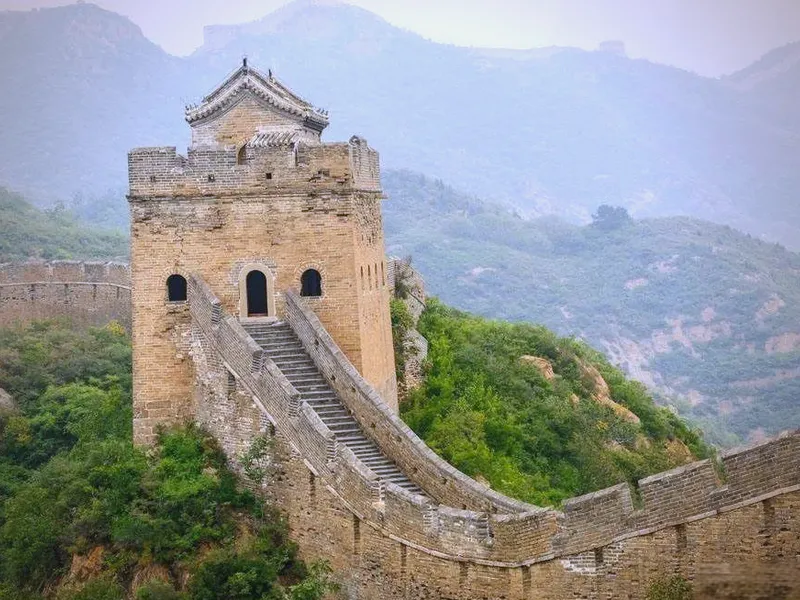
The Great Wall of China stands not only as a physical barrier but also as a testament to China’s historical need for protection, control, and unity. Understanding why it was built requires exploring the political, military, and social contexts of ancient China, as well as the strategies that shaped its construction.
From its earliest iterations, the Wall was primarily a defensive structure. Northern China has historically faced invasions from nomadic tribes, including the Xiongnu, Mongols, and other steppe peoples. These groups were highly mobile, skilled horsemen, and often raided agricultural settlements. The Wall provided a physical deterrent, slowing invaders, protecting cities and farmlands, and allowing imperial forces time to mobilize. It was more than just a wall—it was an early-warning system. Watchtowers were strategically placed along ridges and mountains, where sentries could spot enemy movements and signal warnings across vast distances using smoke during the day and fire at night.
The Wall also served a strategic function in controlling movement. It regulated trade routes, migration, and smuggling, functioning as a tool for economic and administrative control. Gates and passes allowed the state to monitor who entered or left regions, collect taxes, and maintain law and order. The Wall thus became a complex system, combining defense, governance, and surveillance. Its presence reinforced the authority of emperors and demonstrated the reach of the central government into distant frontiers.
Construction of the Wall was also driven by symbolism and statecraft. For emperors, building the Wall was a way to unify the country under a visible, monumental achievement. It represented order and stability in a time when China was often fragmented by internal conflicts and external threats. It demonstrated imperial power, signaling to both citizens and adversaries that the state had the resources, organization, and manpower to protect its borders. The Wall became an enduring emblem of China’s determination to safeguard its civilization.
The Wall’s design also reflects careful consideration of geography and military strategy. It follows mountain ridges, riverbanks, and desert edges, making use of natural barriers to strengthen defense. Sections built from rammed earth, stone, and brick vary depending on local terrain and available resources. Its height, which averages 20 to 25 feet but can reach over 30 feet in certain mountainous areas, made scaling it extremely difficult. Wide parapets and battlements allowed archers to defend positions effectively, while deep trenches in some areas served as obstacles to invading forces. The combination of natural and man-made defenses created a formidable barrier.
Beyond military and administrative purposes, the Wall also influenced culture and psychology. It instilled a sense of security for those within the empire and projected a sense of awe and intimidation toward potential invaders. The Great Wall became a symbol of endurance and resilience, reflecting the capacity of the Chinese people to organize labor and engineering on a monumental scale. Over centuries, it has come to represent China itself—its history, culture, and the unity of its people.
In conclusion, the Great Wall of China was built primarily as a defense mechanism against northern invasions, but its significance extends far beyond military utility. It was a strategic tool for controlling trade and movement, a demonstration of imperial authority, and a symbol of cultural cohesion and resilience. Its massive scale, spanning thousands of miles across diverse landscapes, embodies both the practical and symbolic intentions of the rulers who commissioned it. Every brick and stone of the Wall carries the story of China’s determination to protect its people, preserve its civilization, and create a legacy that would endure for millennia.
The Great Wall Today: Cultural Legacy, Tourism, and Living History
Today, the Great Wall of China is much more than a defensive structure—it has transformed into a living symbol of Chinese history, culture, and human ingenuity. Its enduring presence draws millions of visitors from around the world, while continuing to inspire art, literature, and even culinary experiences.
One of the most striking aspects of the Wall today is its scale. Stretching over 13,000 miles in total, including all its branches, trenches, and natural barriers, it remains one of the longest architectural feats ever attempted by humankind. From the rugged cliffs of the Badaling section near Beijing to the quieter, lesser-known stretches in remote mountains, each segment tells a story. Some parts are fully restored for tourists, while others remain in a more original state, weathered by centuries of wind, rain, and human activity. Walking along the Wall, you experience both its immense physicality and the historical layers embedded in its stones.
Tourism has turned the Wall into a major cultural and economic hub. Popular sections like Badaling, Mutianyu, and Jinshanling provide well-maintained paths, cable cars, and guided tours, allowing visitors to appreciate both the engineering marvel and the breathtaking landscapes surrounding it. Hiking the Wall in the less crowded sections offers a more immersive experience, revealing how it snakes across mountains, valleys, and deserts, sometimes climbing steep cliffs with watchtowers spaced at intervals to provide defensive coverage. Photographers and history enthusiasts alike are drawn to capture these dramatic vistas, often described as a “stairway across time.”
The Wall’s cultural significance is immense. It has inspired countless stories, poems, and legends over centuries. Chinese folklore often depicts the Wall as a protector of the homeland, a monument to sacrifice, and a symbol of perseverance. Generations of workers—including soldiers, peasants, and convicts—contributed to its construction, leaving behind not just bricks but stories of human toil and resilience. In modern times, it represents the unity and continuity of Chinese civilization, a bridge connecting past, present, and future.
Even food culture has a connection to the Great Wall. Along tourist areas near the Wall, local vendors often serve traditional Chinese snacks, dumplings, noodles, and specialties unique to the region. Visitors can enjoy hot bowls of soup or local breads while overlooking the vast stretches of stone, blending culinary pleasure with historical exploration. These experiences create a multisensory understanding of China, where history, landscape, and flavor come together.
The Great Wall also serves as a focal point for education and preservation. Numerous initiatives aim to maintain and protect both the restored and original sections, balancing tourism with conservation. Archaeologists and historians study the Wall to understand the techniques and materials used, offering insights into ancient Chinese engineering practices. Environmental considerations are also key, as the surrounding mountains and ecosystems must be preserved to maintain the Wall’s integrity and scenic beauty.
In recent years, the Wall has become a global icon, featuring in movies, documentaries, and media campaigns. It is a UNESCO World Heritage Site, recognized for its outstanding universal value. Visitors often leave with more than photographs—they carry stories, reflections on human ingenuity, and an appreciation for the cultural heritage that stretches across time and geography.
In conclusion, the Great Wall of China today is far more than an ancient barrier. It is a testament to history, a marvel of engineering, a source of inspiration, and a living cultural landscape. From its towering ramparts and winding staircases to the stories of labor and sacrifice embedded in every stone, the Wall embodies China’s enduring spirit. Whether experienced through hiking, photography, or tasting local delicacies nearby, the Great Wall continues to connect people with the past while inspiring the imagination, proving that some legacies truly are timeless.
To be continued
As the sun sets over the rugged mountains and the Wall fades into the warm hues of twilight, one cannot help but reflect on the stories embedded in every stone. The Great Wall is more than a historical monument—it is a symbol of human endurance, a canvas of cultural memory, and an invitation to explore, imagine, and connect with history.
Just as dawn once illuminated its watchtowers and soldiers once patrolled its ramparts, the Wall continues to inspire awe and admiration today. It invites every visitor not just to witness its grandeur, but to carry a piece of its legacy in their hearts—reminding us that the spirit of human ingenuity and the stories of our past are truly timeless.