
The Chinese Bullet Train: Revolutionizing High-Speed Travel in China
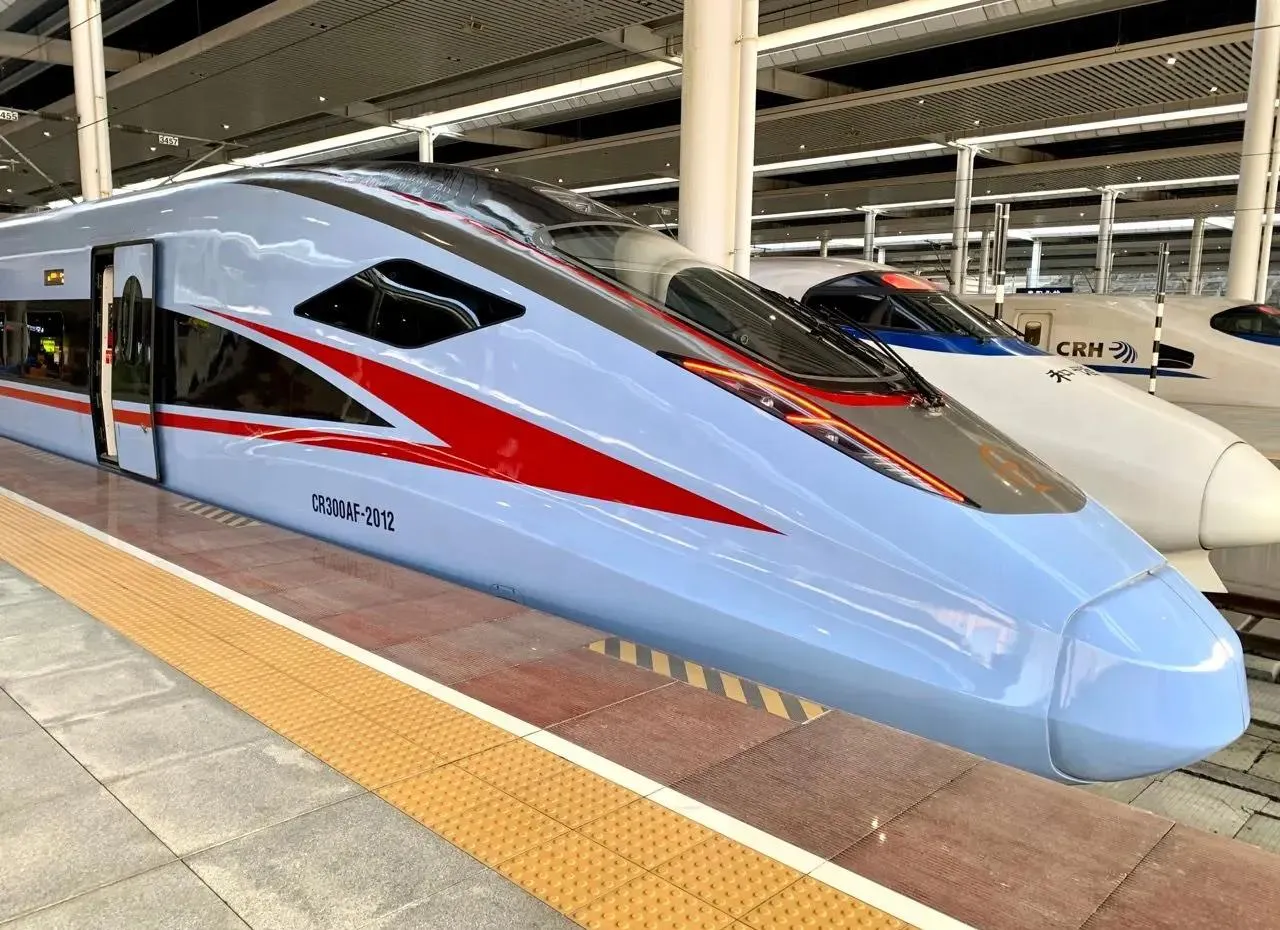
The Rise of the Chinese High-Speed Train: History and Development
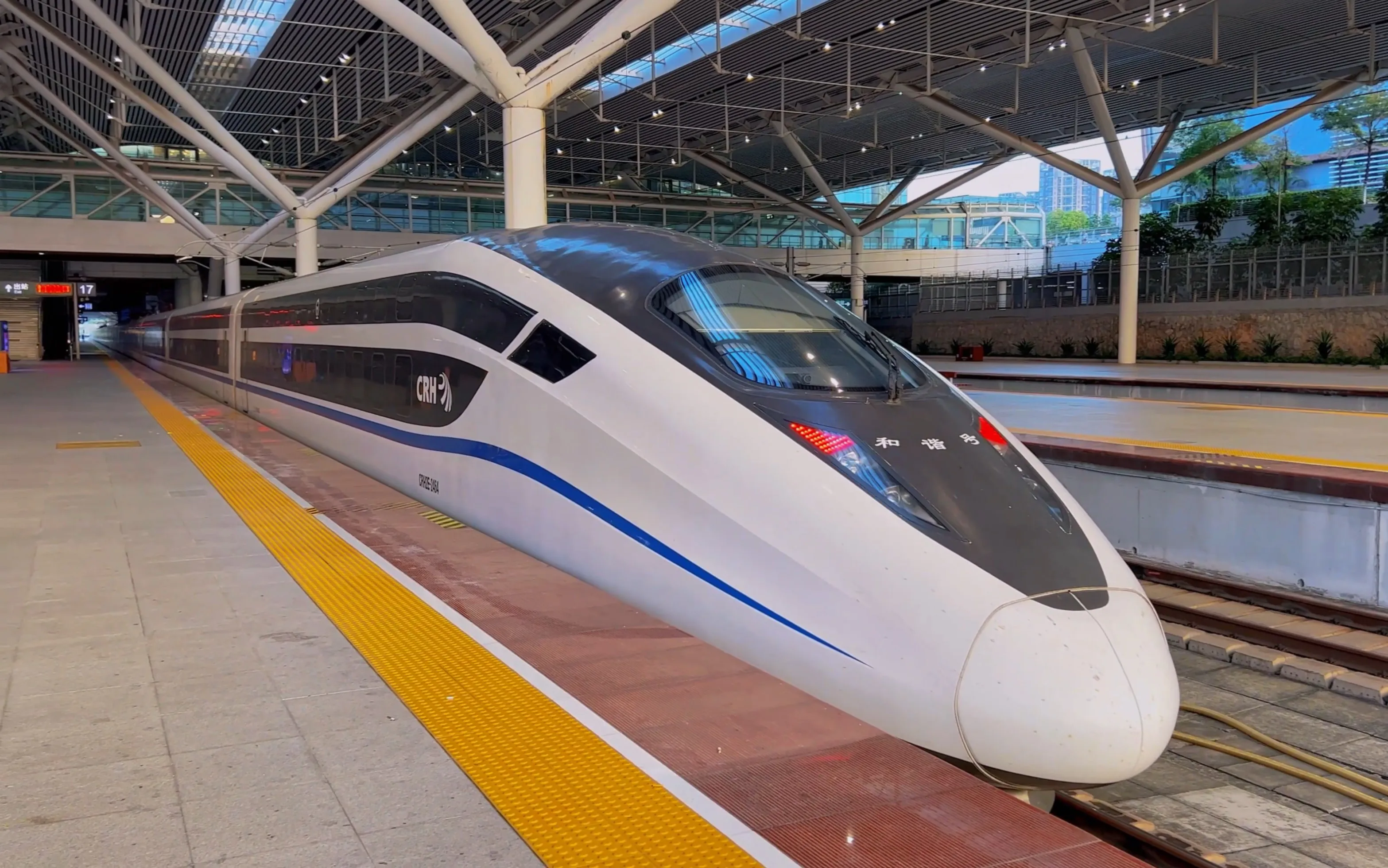
China’s high-speed rail system, commonly referred to as the Chinese bullet train (中国高铁 / 中国子弹头列车), is one of the most remarkable feats of modern engineering in the world. Known for its speed, efficiency, and technological innovation, the chinese high speed train network has transformed travel across China, making long distances accessible in mere hours. This article explores the history, development, technical achievements, and social impact of chinese trains, particularly the high-speed rail network, offering readers a comprehensive understanding of why China’s rail system is a global benchmark.
The story of the Chinese bullet train began in the early 2000s, when China decided to modernize its rail infrastructure to meet growing passenger demand and reduce travel time across its vast territory. Before the introduction of high-speed trains, train in Chinese networks were largely conventional, often slow and overcrowded. The government recognized that developing a national high-speed network was essential for economic growth, regional integration, and global competitiveness.
Construction of the first lines, including the Beijing-Tianjin high-speed railway, was completed in 2008, coinciding with China’s hosting of the Olympic Games. These early chinese high speed trains reached speeds of 300 km/h (≈186 mph), earning global attention for their advanced design and efficiency. Over the next decade, the network expanded rapidly, connecting major metropolitan areas such as Shanghai, Guangzhou, Wuhan, and Chengdu. Today, China boasts more than 40,000 kilometers of high-speed rail lines, making it the largest in the world.
Several factors contributed to this rapid growth. First, technological collaboration and domestic innovation allowed China to design trains capable of unprecedented speeds and stability. Second, government investment in infrastructure was massive, reflecting a national commitment to modern transportation. Finally, urbanization and rising income levels increased passenger demand, creating an ecosystem in which high-speed trains became not only a luxury but a practical necessity.
The development of train chinese technology also included improvements in signaling systems, track quality, and passenger comfort. Modern stations resemble airports, offering amenities such as automated ticketing, luggage handling, and high-speed connectivity. The integration of rail and city transit systems has made traveling within and between cities seamless, enhancing both domestic tourism and business travel.
The introduction of chinese bullet train speed as a competitive benchmark reshaped international perceptions of rail technology. China moved from importing technology to developing world-class trains such as the Fuxing series, capable of operating at sustained speeds of 350 km/h (≈217 mph). These trains are not only fast but also energy-efficient, reducing environmental impact compared to air travel.
In short, the rise of the Chinese bullet train represents a transformative chapter in modern transportation, combining speed, convenience, and national ambition. Its story is as much about engineering as it is about China’s economic and social modernization.
Technical Innovations and the Mechanics of the Chinese Bullet Train
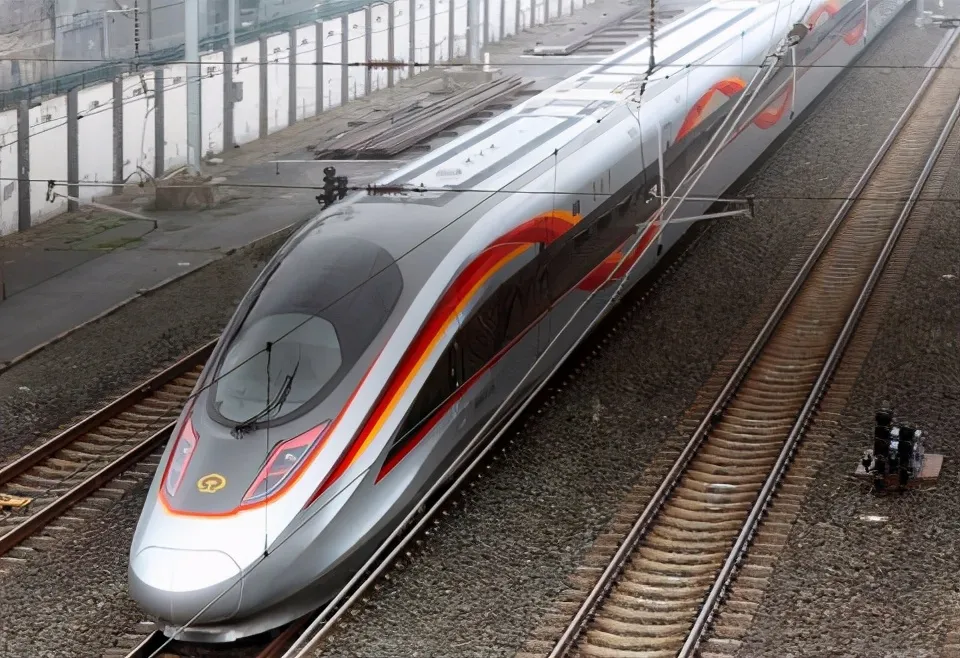
One of the most striking aspects of the chinese high speed train is its engineering sophistication. The trains are designed with aerodynamics, advanced materials, and precision electronics to ensure maximum speed and safety. Unlike conventional chinese trains, which can be susceptible to mechanical failures or slower acceleration, bullet trains operate under stringent safety protocols while maintaining consistent high speeds.
The Fuxing and Hexie series represent the pinnacle of Chinese rail technology. The Fuxing train, often referred to as the China bullet train (中国子弹头列车), is capable of reaching operational speeds of 350 km/h and trial speeds exceeding 400 km/h. Innovations include lightweight aluminum alloy construction, regenerative braking systems, and active suspension that minimizes vibrations for passengers. These advancements enhance both speed and comfort, making high-speed travel a viable alternative to domestic flights.
Another critical innovation is the track infrastructure. Chinese train speed is not solely a function of train design; it also relies on state-of-the-art tracks, bridges, and tunnels. The high-speed rail lines are elevated in many areas, reducing interference from road traffic and enhancing safety. Additionally, advanced signaling and centralized control systems allow trains to maintain precise timing and coordination, minimizing delays and optimizing network efficiency.
Energy efficiency is another major feature. Train in Chinese systems utilize regenerative braking and optimized power consumption to reduce electricity use. Compared to airplanes or conventional trains, high-speed rail generates lower carbon emissions per passenger-kilometer, aligning with China’s environmental goals.
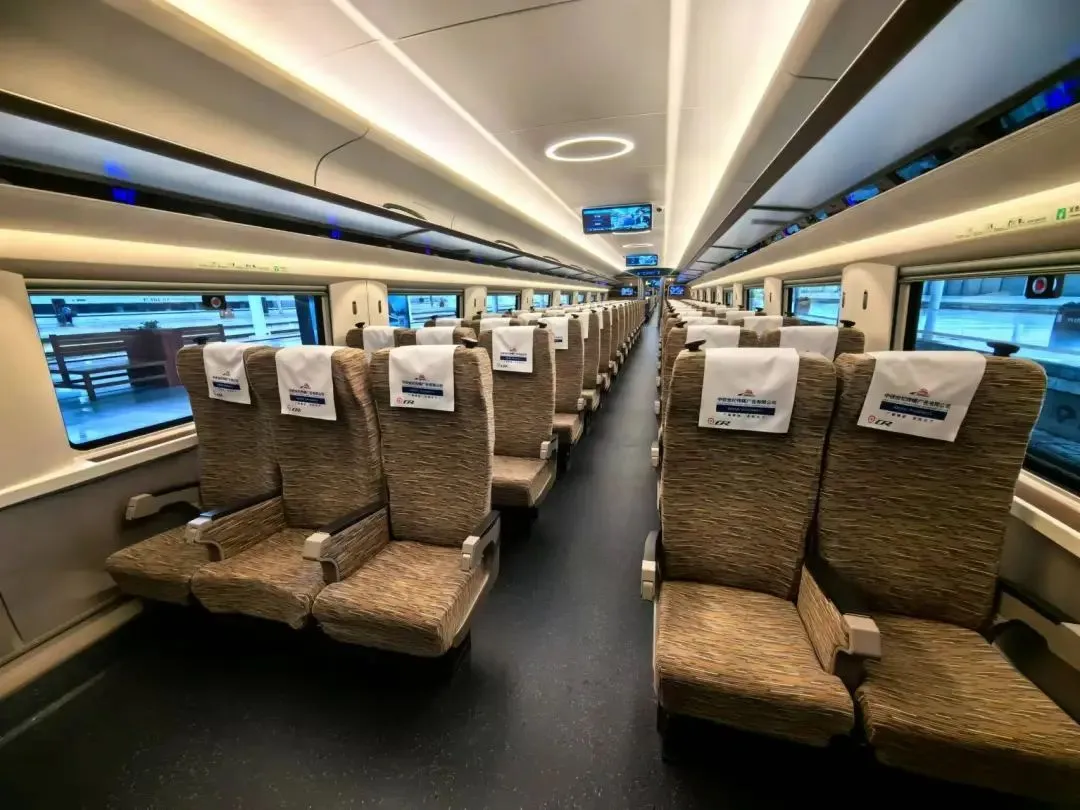
The bullet trains are also designed with passenger experience in mind. Spacious seating, quiet cabins, Wi-Fi connectivity, and onboard amenities transform the travel experience, making journeys both productive and comfortable. In addition, boarding procedures, ticketing systems, and station layouts are optimized for speed and convenience, reflecting the integration of technology into everyday life.
China’s commitment to continuous improvement means that research into faster, safer, and more efficient trains is ongoing. The next generation of chinese high speed trains may incorporate maglev technology, further reducing travel time while showcasing China’s global technological leadership.
Social, Economic, and Global Impact of Chinese High-Speed Trains
The Chinese bullet train has had far-reaching social and economic consequences. By connecting distant regions in hours rather than days, high-speed rail has reshaped domestic travel, commerce, and urban development. Cities that were once isolated now experience increased tourism, investment, and business exchange, illustrating the transformative power of train in Chinese language infrastructure.
Socially, the trains have made travel more accessible to a broad segment of the population. Affordable ticketing policies, frequent departures, and network expansion have allowed millions to commute efficiently, reducing the need for long-distance driving or air travel. This accessibility has improved quality of life, strengthened family connections, and promoted regional integration.
Economically, the high-speed rail network has stimulated domestic industries, including construction, manufacturing, technology, and service sectors. High-speed stations themselves become hubs of commerce, hosting retail outlets, restaurants, and business offices. The chinese train system has created hundreds of thousands of jobs while encouraging regional economic balance by connecting smaller cities to economic centers.
China’s bullet trains also serve as a model of international collaboration and soft power. Countries in Asia, Africa, and Europe have partnered with Chinese companies for high-speed rail projects, exporting both technology and expertise. This global influence demonstrates that the chinese bullet train speed and engineering excellence are recognized worldwide.
Finally, bullet trains have changed how people perceive distance and time in China. A journey from Beijing to Shanghai, once requiring more than 10 hours, now takes under five hours. The speed and convenience allow business, leisure, and educational travel to flourish, transforming not just transportation but also lifestyle.
In conclusion, the Chinese high-speed train embodies a remarkable integration of technology, culture, and social progress. Its history, technical innovations, and societal impact illustrate why China’s bullet train system (中国高铁 / 中国子弹头列车) is a defining symbol of modern China. From engineering marvels to everyday utility, chinese trains continue to shape the nation’s present and future, inspiring global admiration and setting new benchmarks in rail transportation.