Hubei — Chronicle of Jingchu Splendor
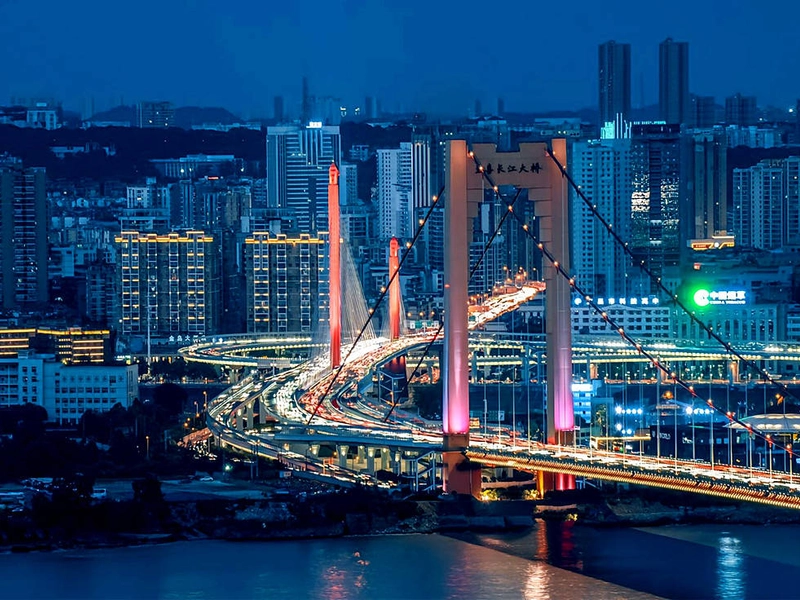
At the confluence of the Yangtze and Han Rivers, Hubei unfolds a living epic of civilization — vigorous, fluid, and ever-renewing. This is the cradle of Chu culture, the homeland of Qu Yuan and his Li Sao, the birthplace of the 1911 Revolution, and a modern powerhouse of China’s industry and transportation. From the awe-inspiring cliffs of the Three Gorges to the fertile plains of the Jianghan Basin, from the golden glow atop Mount Wudang to the rippling waves of East Lake, Hubei’s landscape fuses grandeur and grace, embodying the eternal spirit of “Only Chu produces talents.”
The Soul of Hubei: Crossroads of Nine Provinces, Province of a Thousand Lakes
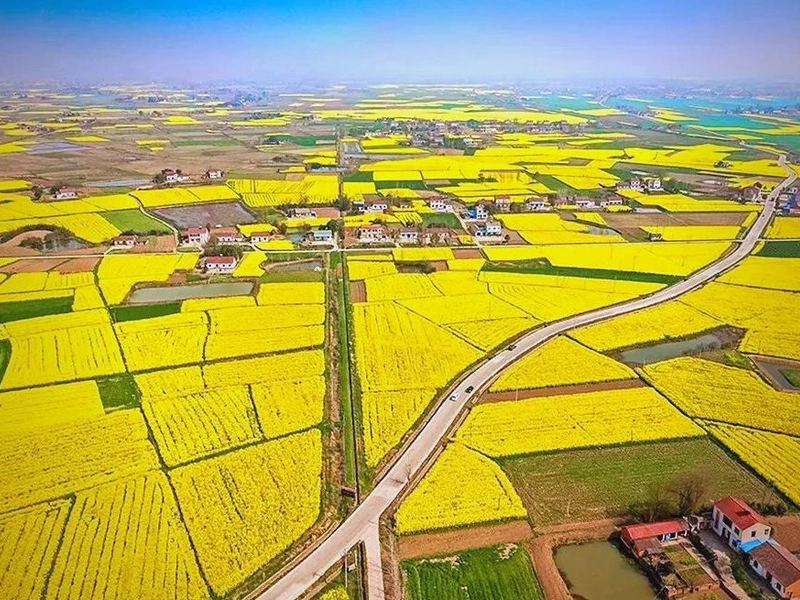
The phrase “Crossroads of Nine Provinces” is not merely a geographic expression — it’s a symbol of Hubei’s openness and connectivity. Situated at the heart of China, Hubei has long been a vital meeting point between north and south, east and west. The Yangtze River cuts across the province from west to east, while the Han River flows southward to meet it, weaving a network of waterways that nourish both the land and its people. The vast Jianghan Plain, rich and golden with rice fields, stands as one of China’s major granaries; while the mountainous west, abundant in minerals, forms the backbone of Hubei’s industrial and energy might.
A Natural Poem of Rivers and Lakes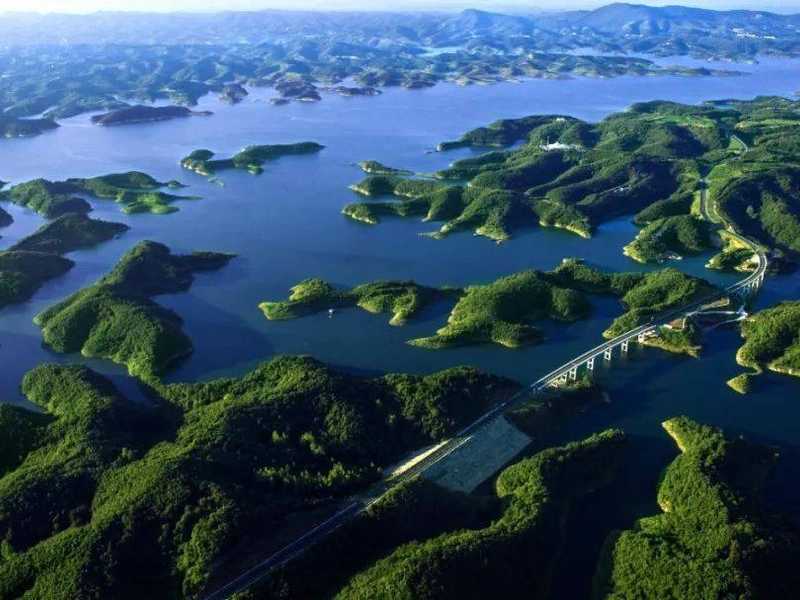
Hubei is celebrated as “the Province of a Thousand Lakes.” Dotted with shimmering waters like scattered pearls, it presents a delicate balance of nature and life. The glittering surface of Honghu Lake, the tranquil ripples of Liangzi Lake, and the vast misty expanse of East Lake together paint a vivid picture of “water within the city, and city within the water.”
The meeting of the Yangtze and Han Rivers gave rise to the prosperity of Wuhan’s Three Towns, fostering a unique dockside culture and mercantile spirit. Once, the bustling Hankou Bund was hailed as the “Chicago of the East”; today, the emerging Yangtze New City stands as a beacon of innovation and the future. Hubei’s water culture blends the romantic melancholy of ancient Chu with the openness and inclusiveness of the modern age.
The Rhythm of Four Seasons in a Water-Land ProvinceLying in the subtropical monsoon zone, Hubei’s four seasons unfold like verses in a poem — each distinct, each alive with its own charm:
- Spring (Mar–May):
- Summer (Jun–Aug):
- Autumn (Sep–Nov):
- Winter (Dec–Feb):
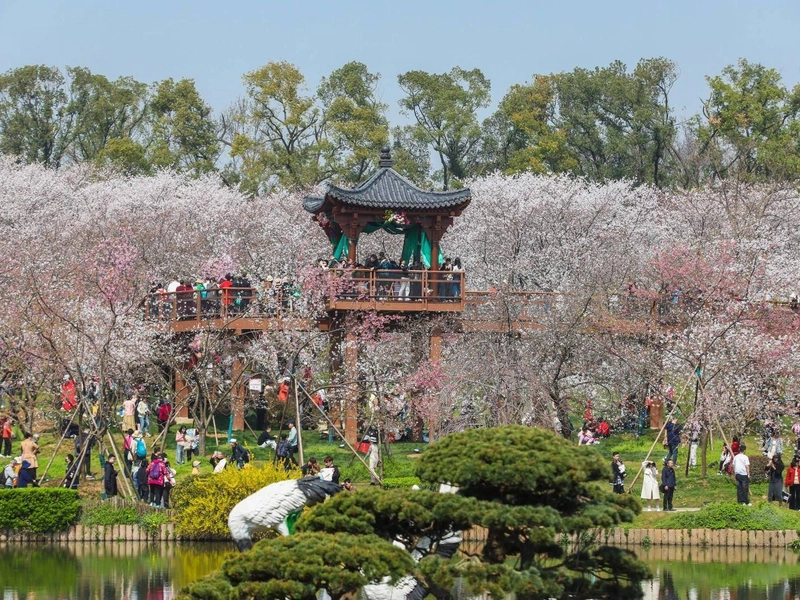
The cherry blossoms of East Lake burst into a pink sea of bloom; golden rapeseed flowers blanket the Jianghan Plain; tender greens awaken the drowsy Southland.
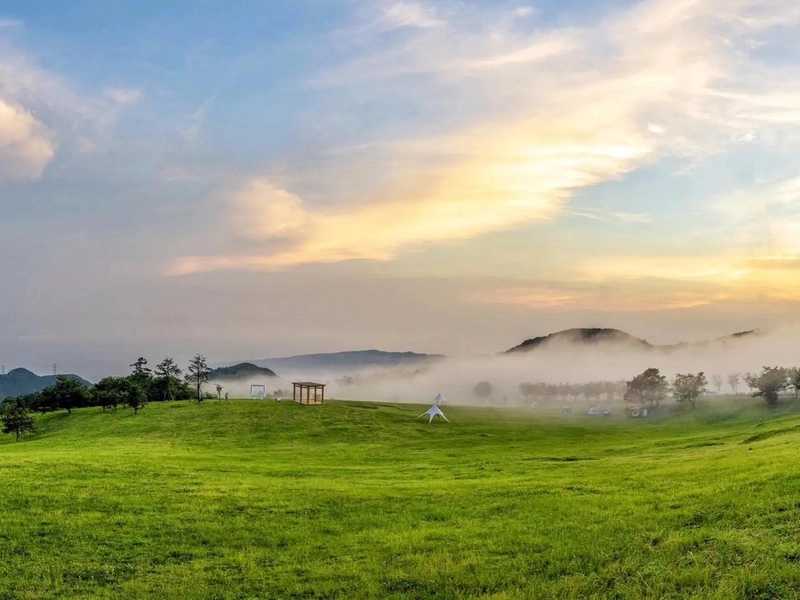
The Three Gorges shimmer under sunlight and breeze; lotus blossoms float across Honghu’s waters, filling the air with fragrance; Han Street glows with night lights, reflecting the harmony of modern city and ancient waterways.
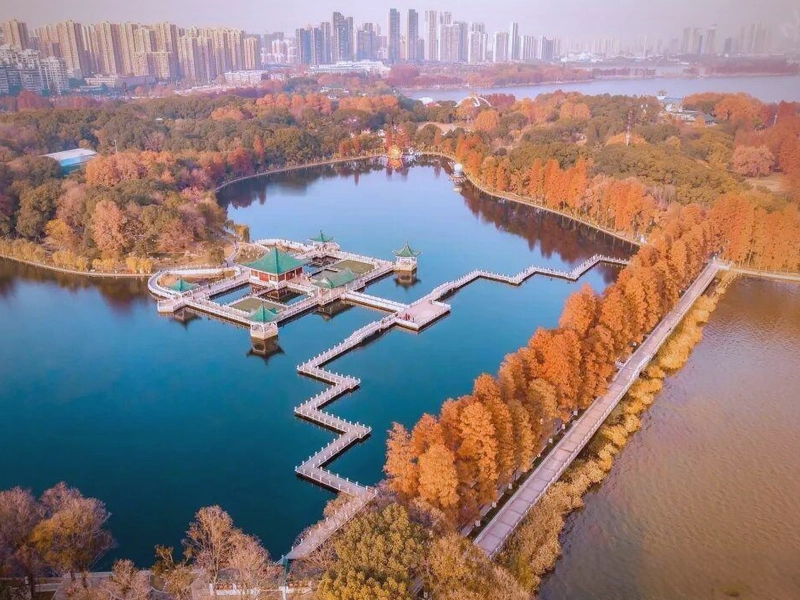
Mount Wudang blazes with red maple leaves and Daoist mystique; Shennongjia’s misty forests turn golden, offering both pristine ecology and ancient legends.
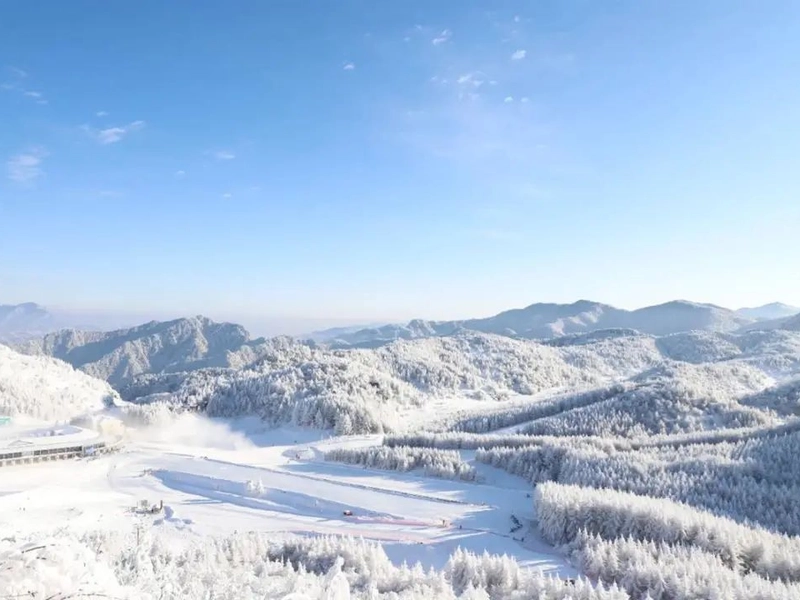
The Yellow Crane Tower gleams against snow-covered Wuhan, a poetic vision in white; steaming hot springs warm hearts and spirits, dissolving the winter chill with comfort and camaraderie.
Hubei — The Soul of Jingchu: The Spirit of Chu and Han, Daring to Lead
Between the mighty Yangtze River and the majestic Jing Mountains lies Hubei — a land where the depth of Chu culture, the fervor of revolutionary spirit, and the inclusiveness of modern innovation converge into one distinctive soul: romantic yet resilient, passionate yet fearless. This is the birthplace of Chu Ci (Songs of Chu), the echo of the 1911 Revolution, and a land where science and faith coexist. The soul of Hubei is the fusion of poetry and fire, the embodiment of ideals and action.
Cultural Pioneers: The Legacy of Chu, A Thousand Years of Scholarship Qu Yuan — The Soul Who Built a Nation with Poetry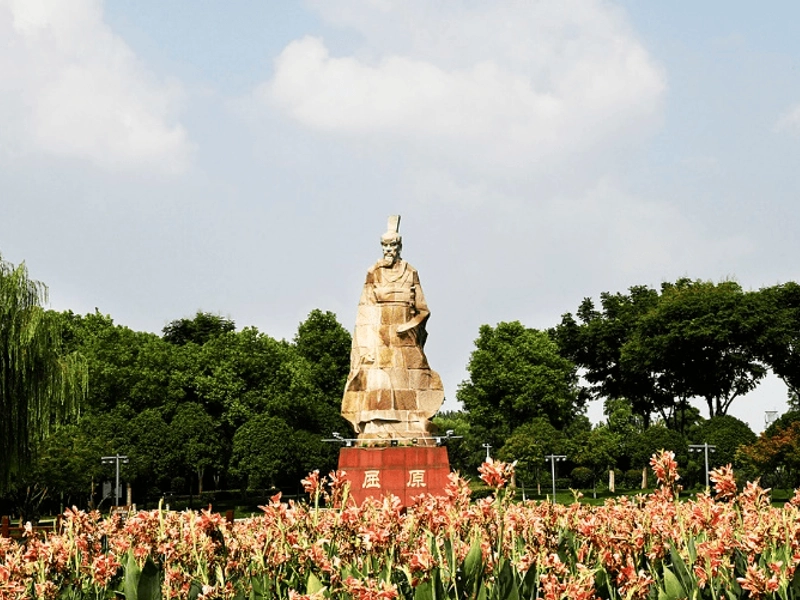
The mountains and rivers of Zigui still echo Li Sao, where Qu Yuan’s lament — “The road ahead is long and far” — became a timeless emblem of the Chu spirit. He infused his patriotic devotion into poetry, transforming loyalty and ideals into a cultural faith. Works like Tian Wen (“Heavenly Questions”) and Jiu Ge (“Nine Songs”) blended mythology, nature, and humanity into a unique poetic style. Qu Yuan’s spirit and verse transcended centuries, influencing scholars and patriots alike. He is honored as the founding father of Chinese Romanticism.
Song Yu — The Refined Successor of Chu Verse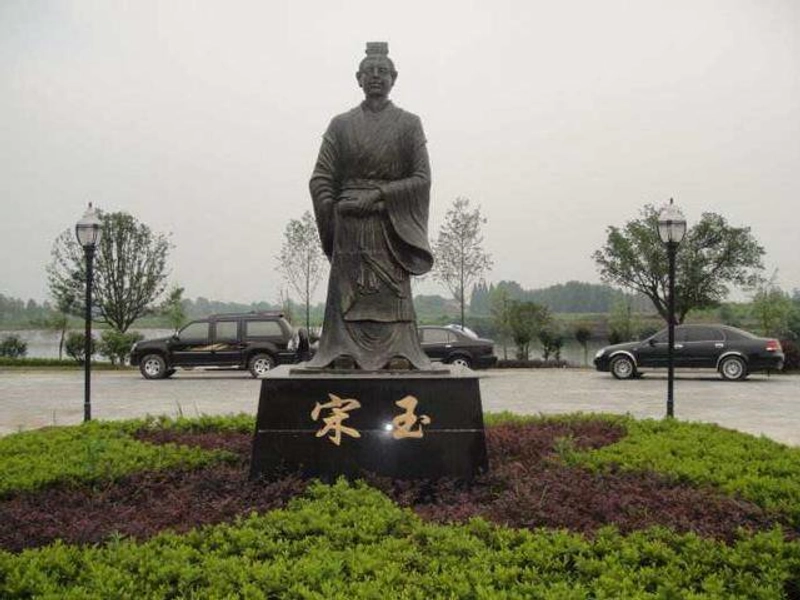
Following Qu Yuan’s legacy, Song Yu expressed the literati’s ideals through works like The Rhapsody of Gaotang and The Rhapsody of the Goddess. His distinction between “music for the common people” and “music for the refined elite” remains a cornerstone of literary criticism. His writings merge emotion and intellect, weaving the landscape and ethos of Chu into lyrical philosophy — shaping Hubei’s image as a region both romantic and wise.
Bi Sheng — The Pioneer of Movable Type Printing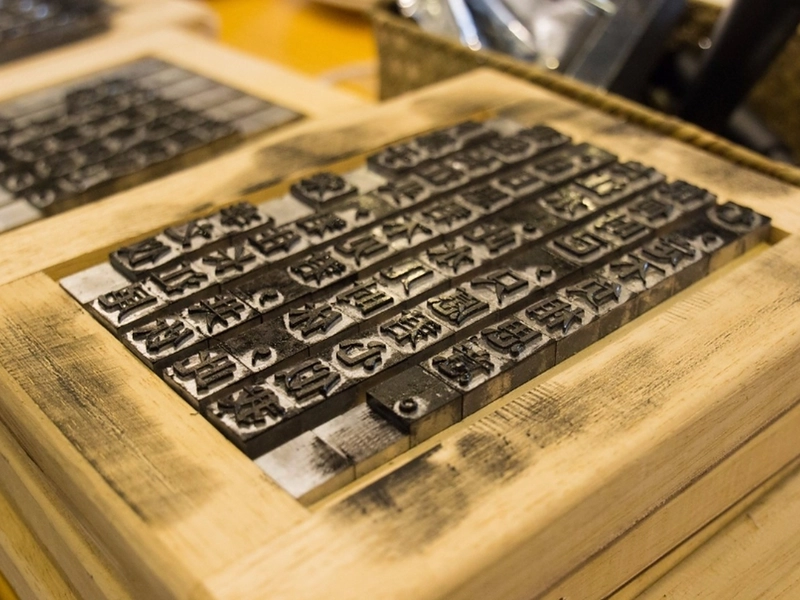
From Ying County in the Northern Song dynasty, Bi Sheng invented movable type printing using clay, revolutionizing the spread of human knowledge. His innovation vastly improved printing efficiency and laid the foundation for cultural dissemination. Bi Sheng’s genius symbolizes the marriage of Chu ingenuity and practicality — transforming simple materials into world-changing technology. Hubei thus stands as both the homeland of poetry and a cradle of scientific progress.
Revolutionary Pioneers: Daring to Be the First, Changing the World Sun Yat-sen and the Wuchang Uprising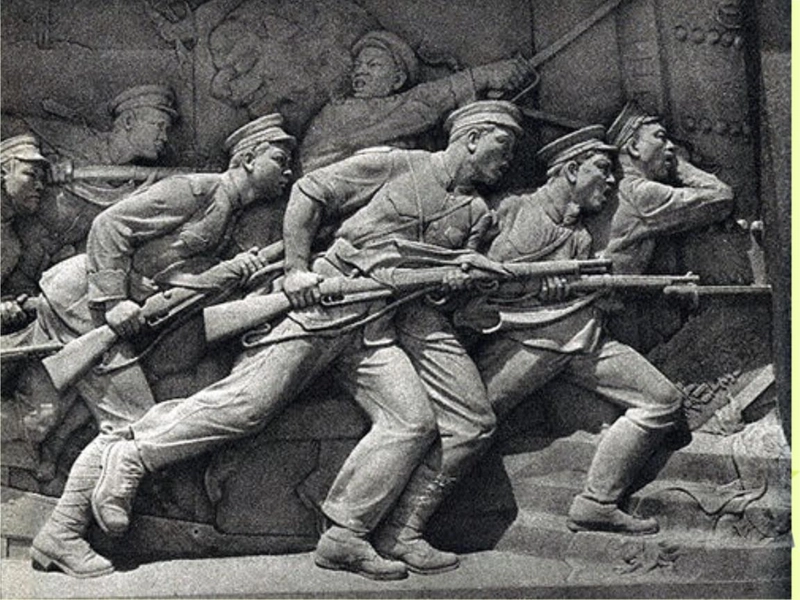
On October 10, 1911, the first gunshot in Wuchang rang out — ending over two thousand years of imperial rule. The Wuchang Uprising made Hubei the epicenter of modern Chinese transformation and ignited the Xinhai Revolution. Though Sun Yat-sen was born in Guangdong, the courage and brilliance shown in Wuchang made Hubei a symbol of national awakening. This defining moment forever imprinted the province with the spirit of “daring to lead the world.”
Dong Biwu — The Flame of Faith from Hong’an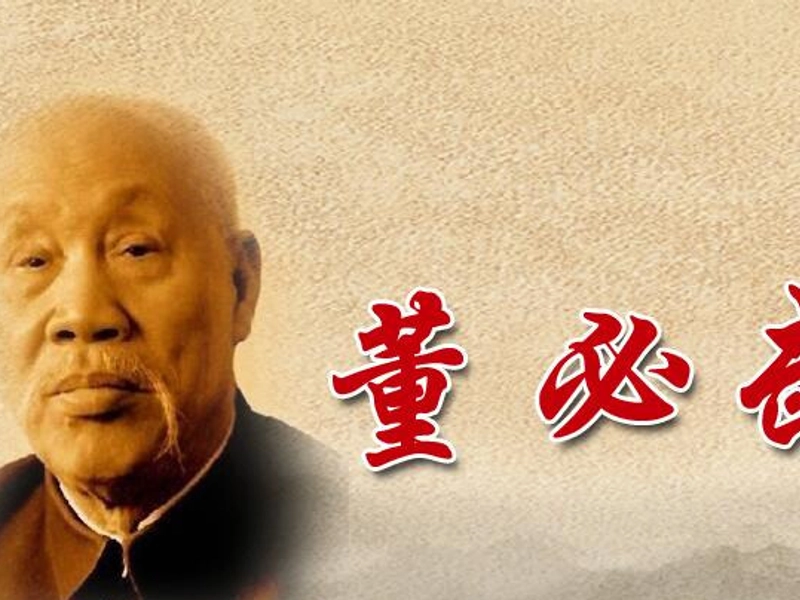
A native of Hong’an and one of the founding leaders of the Chinese Communist Party, Dong Biwu dedicated his life to the nation with integrity and conviction. His advocacy for rational dialogue and inclusiveness — the “Hall of Common Voices” spirit — reflects the balance of passion and reason within Hubei’s revolutionary tradition. Dong’s character and intellect made him a paragon of Hubei’s values: faith, wisdom, and devotion.
Li Xiannian — A Model of Pragmatic Patriotism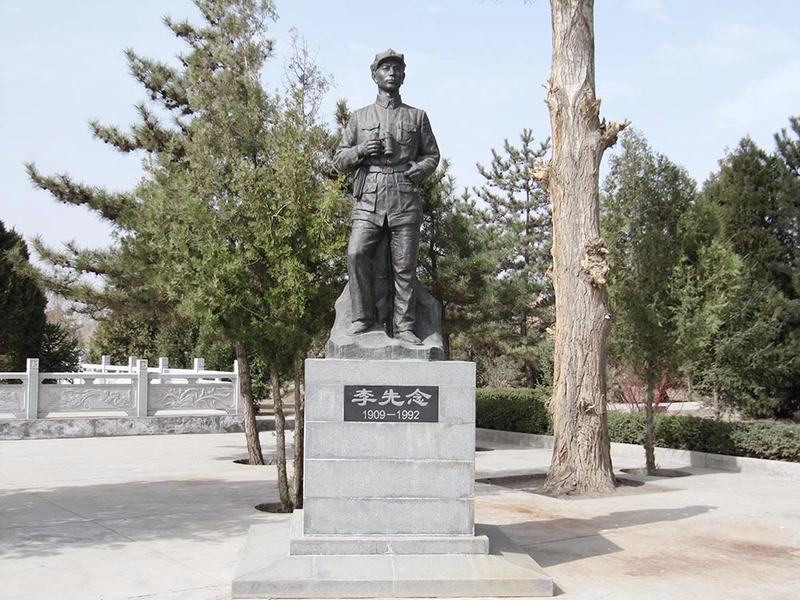
Born into poverty in Hong’an, Li Xiannian rose through hardship to become a key statesman of the People’s Republic. Known for his pragmatism and sense of duty, he embodied the principle of “serving the nation through practical action.” His leadership in national reconstruction, economic reform, and social stability represents the endurance and responsibility deeply rooted in the Hubei spirit — a living fusion of Chu culture and revolutionary realism.
Science and Innovation: Seeking Truth, Enlightening the Future Li Siguang — The Patriarch of Chinese Geology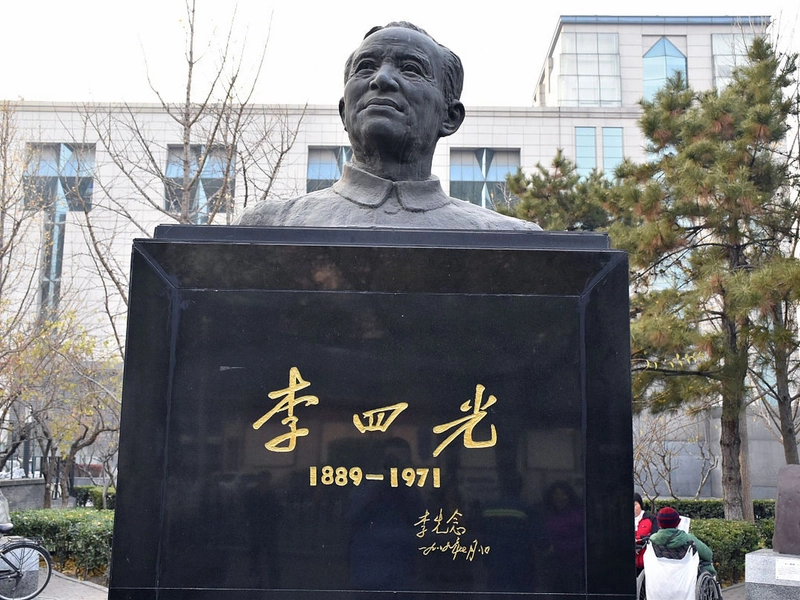
A native of Huanggang, Li Siguang founded modern geological science in China. His pioneering theory of crustal movement laid the groundwork for petroleum exploration and geoscience development. Beyond his discoveries, Li’s scientific rigor and relentless pursuit of truth made him a model for future generations. His spirit — rational, persistent, and visionary — embodies Hubei’s legacy of wisdom and innovation.
Lei Jun — The Modern Chu Spirit in Technology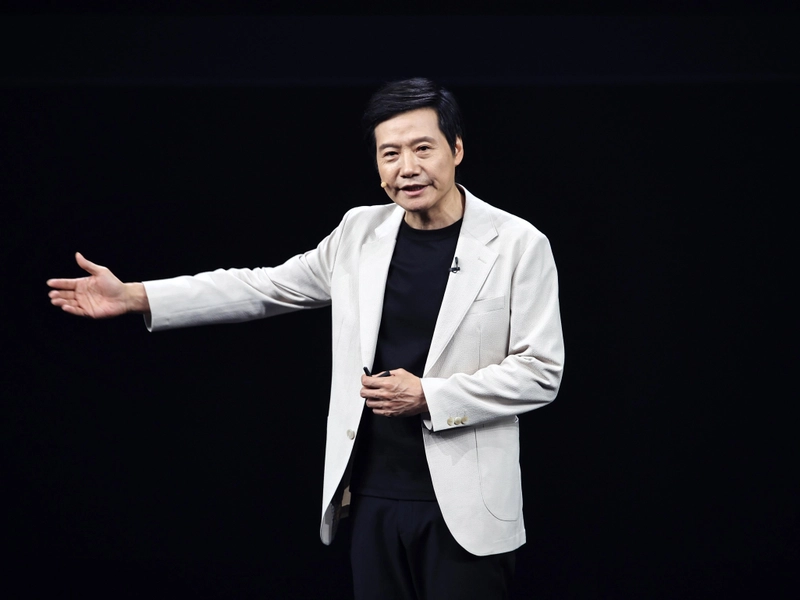
From Xiantao, Lei Jun, founder of Xiaomi, represents the innovative force of the modern Chu people. His entrepreneurial vision and “Mi spirit” — passion, innovation, and execution — continue Hubei’s tradition of daring to lead. Blending technology with human needs, Lei Jun has advanced global digitalization while revitalizing the creative drive of Jingchu culture in the 21st century.
Shi Yigong — A Pioneer of Scientific Thought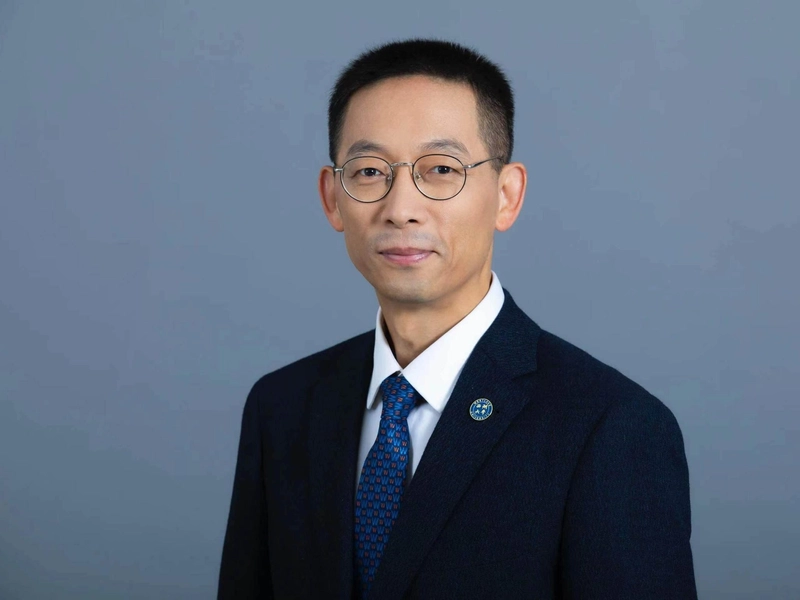
Renowned for his research in molecular biology, Shi Yigong stands as a key figure in China’s scientific community. His achievements in both research and education reflect Hubei’s intellectual integrity — truth-seeking, practical, and innovative. By linking personal ideals with national development, Shi personifies the forward-looking, truth-driven spirit that defines Hubei scholars.
Art and Aesthetics: The Resonance of Heart and Character Li Bai — The Unrestrained Immortal Poet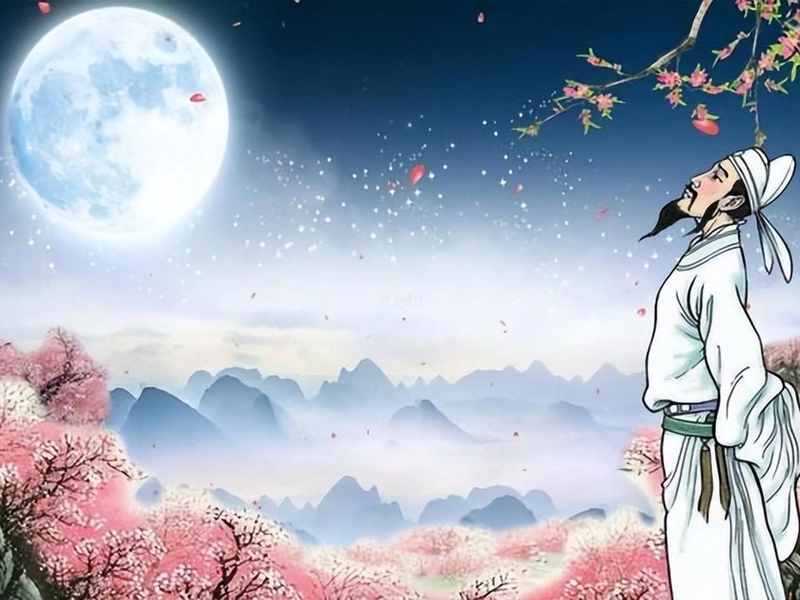
On the banks of the Yangtze and atop the Yellow Crane Tower, Li Bai sang with wine in hand, his verses immortalizing Hubei’s poetic grandeur. His line — “Once the Yellow Crane is gone, only white clouds drift for a thousand years” — remains one of the province’s defining cultural symbols. Li Bai fused nature and self-expression into poetry of boundless freedom and deep reflection, making Hubei’s landscape forever radiant in verse.
Zhu Guangqian — The Father of Eastern Aesthetics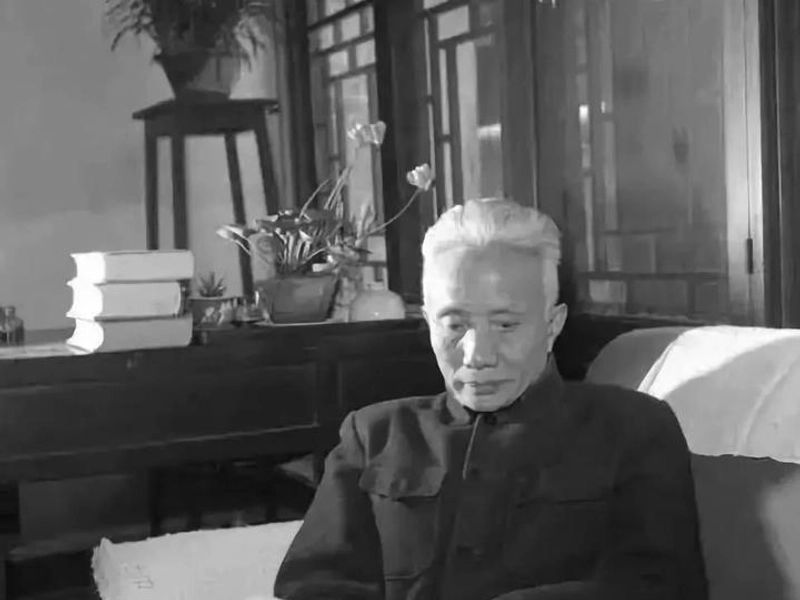
Born in Honghu, Zhu Guangqian became a leading figure in aesthetics and education. His work bridged Eastern philosophy and Western art theory, shaping generations of thinkers and artists. By merging beauty, thought, and life, Zhu expanded Hubei’s cultural influence into the philosophical realm — where art became both moral cultivation and intellectual pursuit.
Mei Lanfang and the Inheritors of Han Opera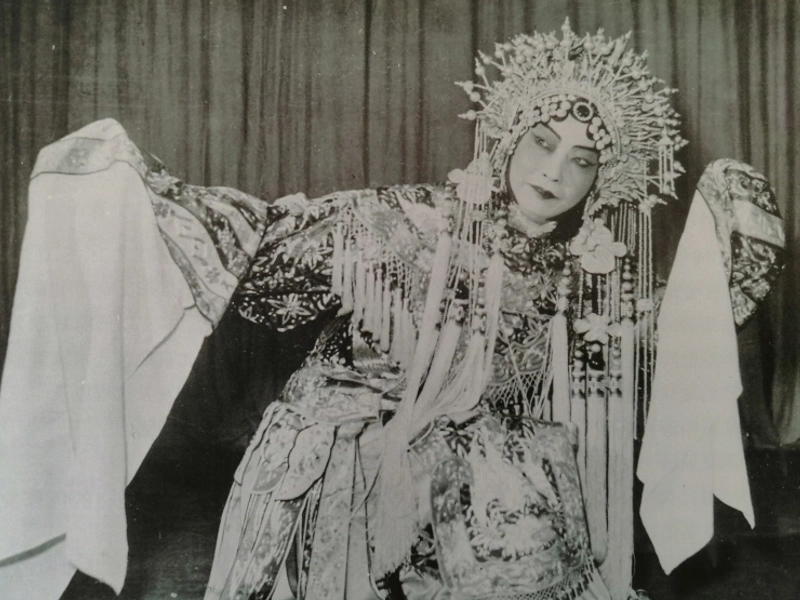
Han Opera, born in Hankou, is characterized by its bold melodies and vigorous movements — the artistic reflection of Chu passion and strength. Through Mei Lanfang’s performances and innovation, this regional art gained national and global recognition. The enduring vitality of Han Opera stands as a living testament to the emotional depth and artistic power of Hubei’s cultural soul.
Hubei’s Prestigious Universities: A Fertile Ground for Knowledge and Talent
Hubei, blessed with scenic landscapes and a long cultural history, also stands as one of China’s educational powerhouses. Its renowned universities and research institutions embody both deep academic heritage and forward-looking innovation, nurturing generations of talents who contribute to China’s scientific, cultural, and economic development.
Wuhan University: A Century of Excellence by the East Lake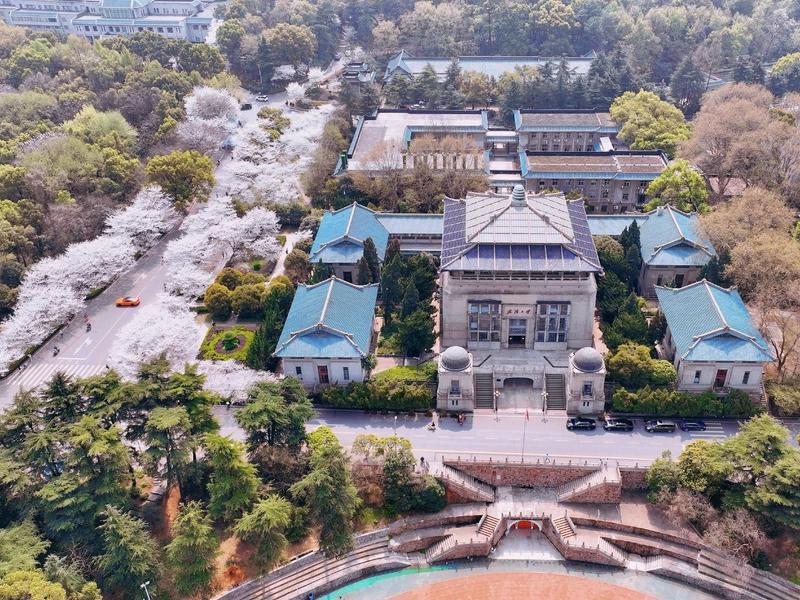
Nestled at the foot of Luojia Mountain and facing the serene East Lake, Wuhan University is celebrated as one of China’s most beautiful and historic campuses. Founded in 1893, it is among the country’s oldest and most comprehensive universities. With strong programs in law, medicine, information science, and environmental studies, the university has produced countless scholars and national leaders. Every spring, its cherry blossoms attract thousands of visitors, symbolizing both the school’s elegance and its spirit of renewal and innovation.
Huazhong University of Science and Technology: A Hub of Innovation and Engineering Power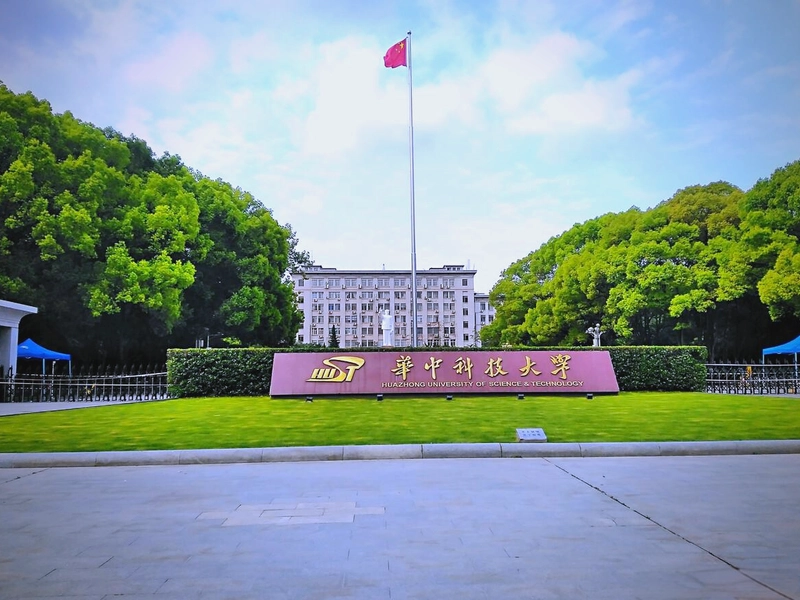
Located in Wuhan’s East Lake High-Tech Zone, Huazhong University of Science and Technology (HUST) is one of China’s leading science and engineering universities. Known for its strengths in robotics, photonics, mechanical engineering, and artificial intelligence, HUST’s research achievements are internationally recognized. With a strong focus on integrating research, education, and industry, the university plays a vital role in driving technological progress and industrial transformation in Hubei and beyond.
Central China Normal University: The Heart of Education and Humanities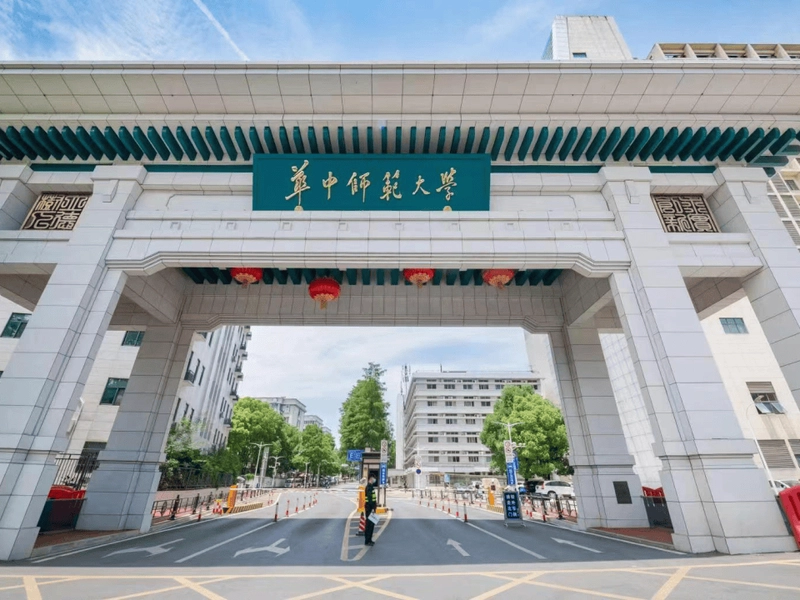
Central China Normal University (CCNU), also in Wuhan, is a top institution specializing in education, psychology, literature, and social sciences. With a balanced focus on research and teaching, CCNU cultivates innovative educators and scholars. Its emphasis on educational reform and humanities research has made it a national leader in teacher training. Blending traditional Chu culture with modern pedagogy, CCNU is known as a beacon of educational excellence and humanistic spirit.
Zhongnan University of Economics and Law: The Cradle of Finance and Legal Studies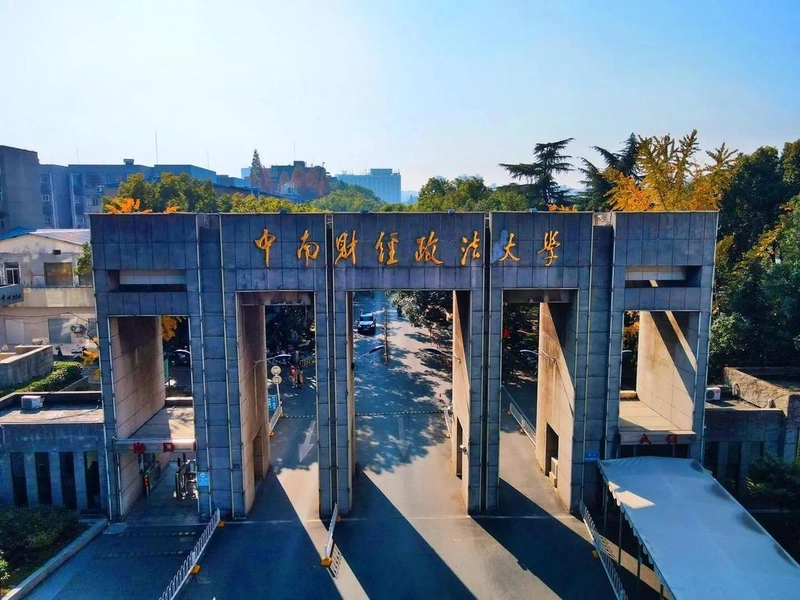
Zhongnan University of Economics and Law (ZUEL) is among China’s premier universities in economics, management, and law. The university is famed for its rigorous academic environment and practical approach to financial and legal education. Its graduates occupy influential roles in government, business, and academia. With a vast library, cutting-edge research centers, and a vibrant intellectual community, ZUEL remains a top choice for students pursuing excellence in the social sciences.
Wuhan University of Technology: Training the Engineers of Tomorrow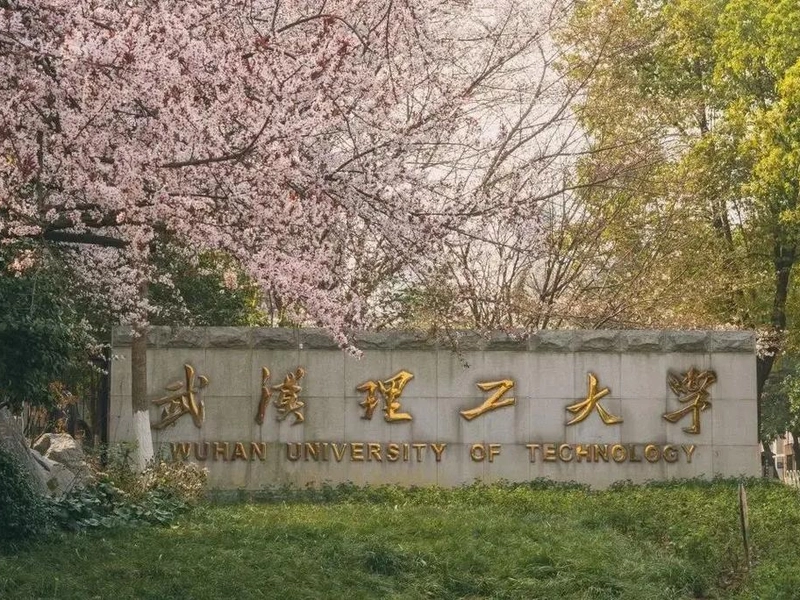
Wuhan University of Technology (WUT) is a leading institution in transportation engineering, materials science, and marine engineering. Its motto — “Integration of Science and Technology, Pursuit of Innovation” — reflects its mission to combine theory with practice. With advanced research facilities and strong links to industry, WUT fosters engineering talents who contribute to China’s industrial modernization and global competitiveness.
Hubei University: A Harmony of Nature, Humanity, and Science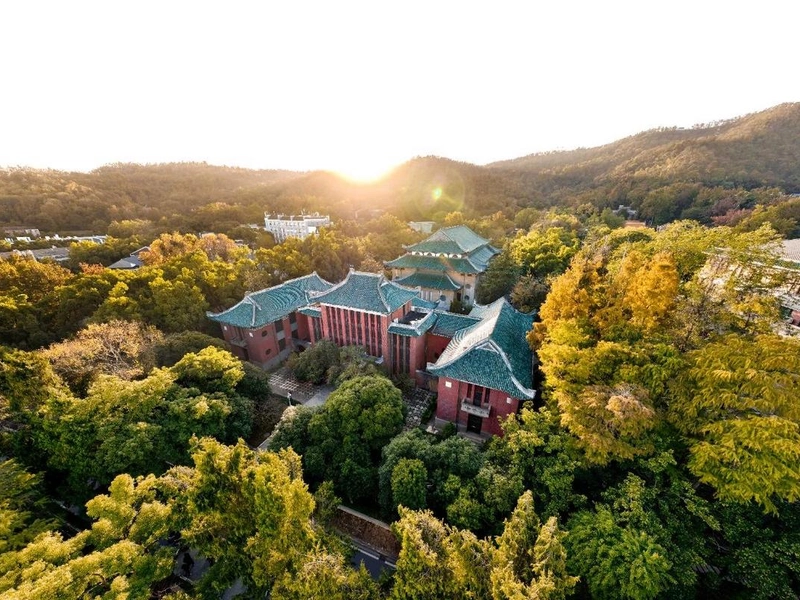
Located by East Lake, Hubei University is a key comprehensive institution that bridges the humanities, natural sciences, and social sciences. With a strong foundation in literature, history, and environmental studies, the university emphasizes interdisciplinary research and international collaboration. Its open academic atmosphere and scenic environment make it an ideal place for scholarly growth and creative exploration.
Hubei University of Technology & Hubei Normal University: Engines of Regional Development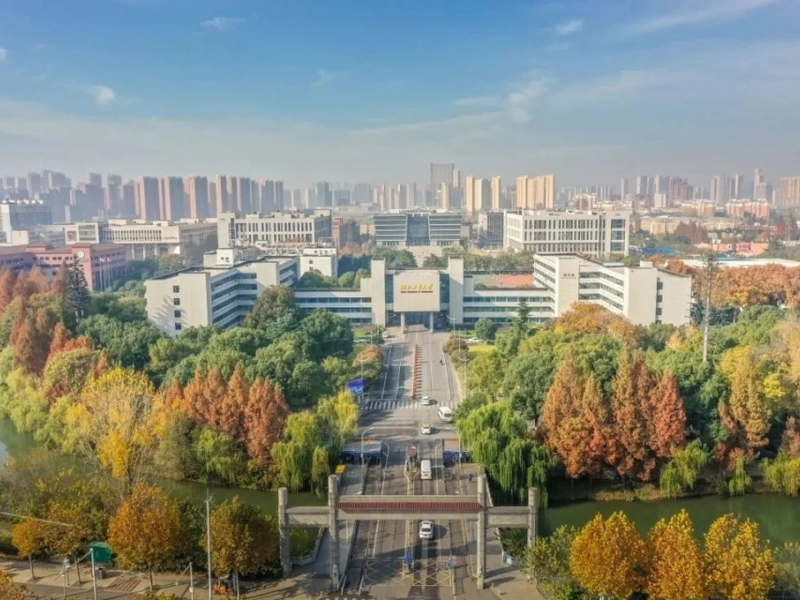
Hubei University of Technology focuses on applied engineering and emerging industries, serving as a hub for technological innovation in the region. Hubei Normal University, renowned for its teacher education and arts programs, plays a crucial role in cultivating educators and promoting cultural heritage. Together, these universities strengthen the region’s educational ecosystem and contribute to Hubei’s sustainable development.
Hubei’s higher education system, grounded in cultural depth and modern innovation, continues to thrive as a cradle of intellect and progress. Whether in science, law, education, or the arts, Hubei’s universities embody the province’s enduring spirit — scholarly yet practical, rooted in tradition yet open to the future — illuminating the landscape of learning across China.
Cities of Distinction: The Thousand-Lake Province and Its Many Charms
Wuhan: The River City — Hub of Nine Provinces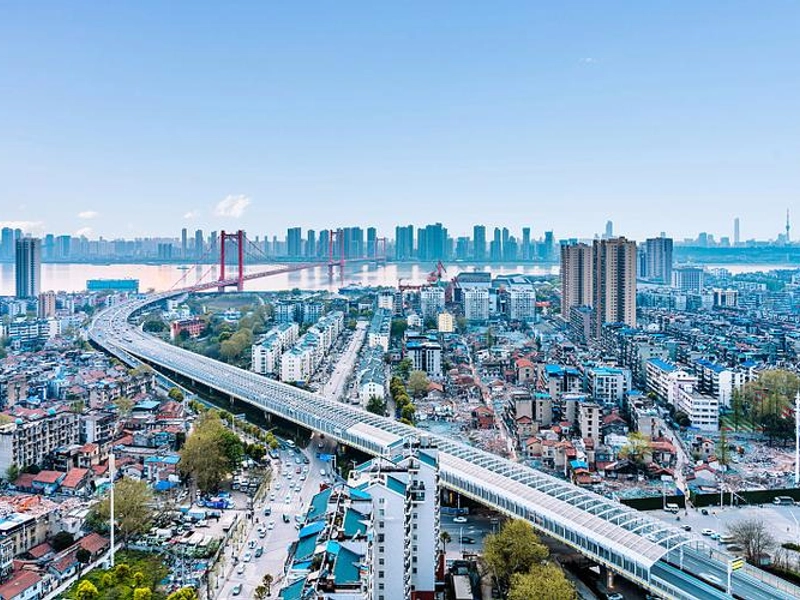
As the capital of Hubei, Wuhan is known as the “thoroughfare of nine provinces.” The city stands proudly where the Yangtze and Han Rivers meet, forming its distinctive riverine landscape. Its three towns—Wuchang, Hankou, and Hanyang—stand along the riverbanks, offering scenic waterfronts and historic views. The Yellow Crane Tower, perched atop Snake Hill, overlooks the city’s blend of history and modern life. A birthplace of Chu culture and the 1911 Revolution, today’s Wuhan is a hub of industry, science, and education, home to the vibrant Optics Valley and numerous universities. The city’s grandeur and the beauty of East Lake harmonize perfectly, making Wuhan a cultural and innovative metropolis.
Yichang: Gateway to the Three Gorges — City of Hydropower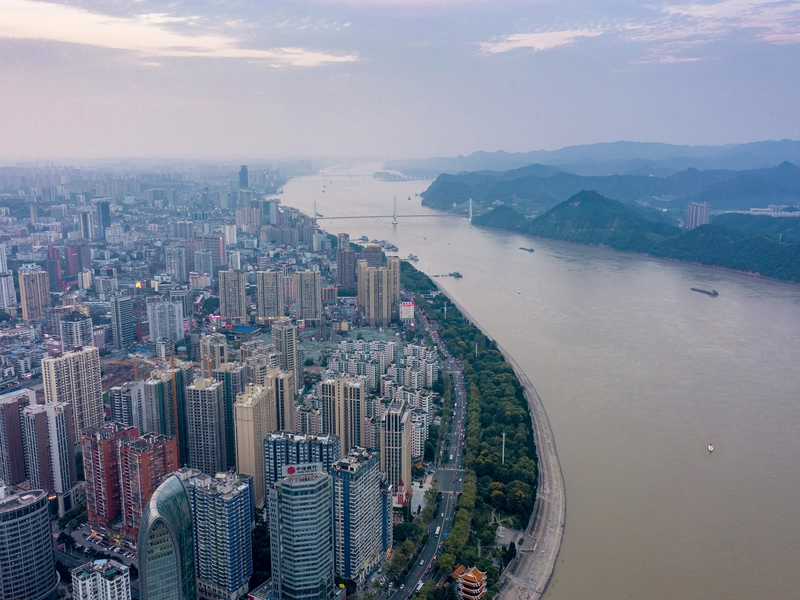
Located at the mouth of the Xiling Gorge, Yichang is famed as the “First City on the Yangtze.” The landscape intertwines rivers and mountains, with the monumental Three Gorges Dam highlighting its strategic role in China’s energy development. Along the river, scenic spots such as Gezhouba and the Three Gorges People’s Village blend engineering marvels with natural splendor. Known both for its hydropower and tourism, Yichang offers sites like the Qingjiang Gallery that reveal the harmony between nature and culture.
Xiangyang: The First Fortress of China — Land of the Three Kingdoms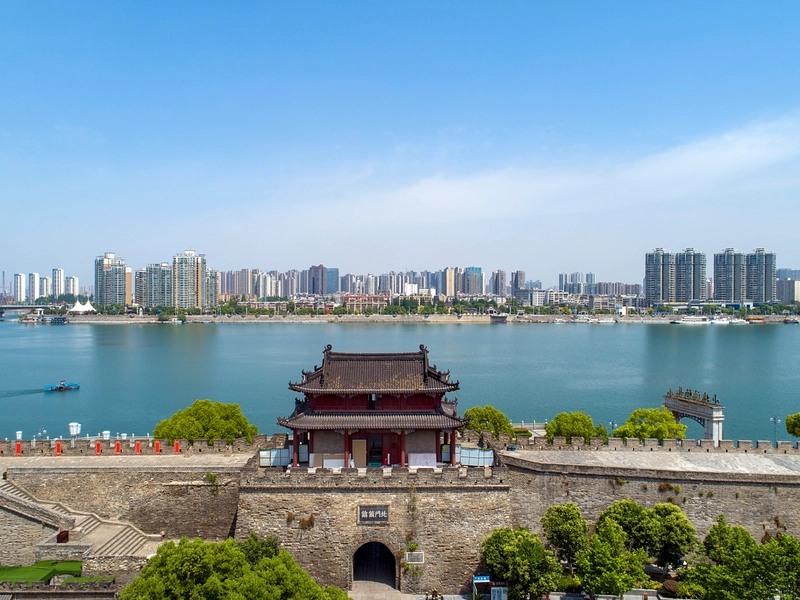
Xiangyang has long been a military stronghold, once hailed as “the first fortress of the Chinese nation.” Its ancient city walls, Han River scenery, and the Zhuge Liang Square create a vivid tapestry of history. The city combines ancient charm with modern vitality—automotive and high-tech industries thrive alongside deep-rooted Three Kingdoms heritage. Landmarks like the Wuhou Shrine and Gulongzhong draw history lovers and travelers alike.
Shiyan: City of Automobiles — Sacred Land of Wudang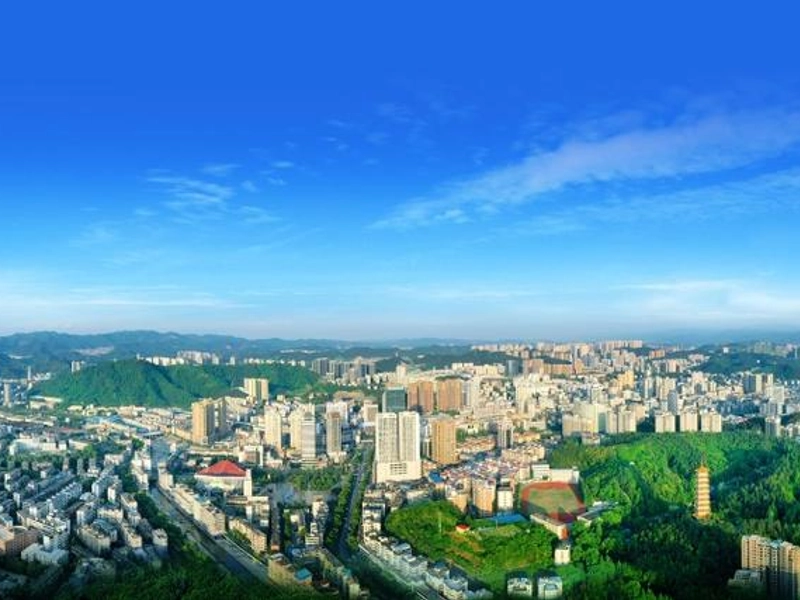
Located in northwest Hubei, Shiyan is home to the majestic Wudang Mountains, a Taoist sacred site and UNESCO World Heritage location. Its ancient temples, Golden Summit, and Zixiao Palace exemplify traditional Chinese architecture and religious artistry. The city is also the heart of China’s Dongfeng Motor industry, blending modern manufacturing with cultural tourism. With lush forests and clear seasons, Shiyan’s natural and spiritual harmony make it a place of both innovation and serenity.
Jingzhou: Ancient Capital of Chu — City of the Three Kingdoms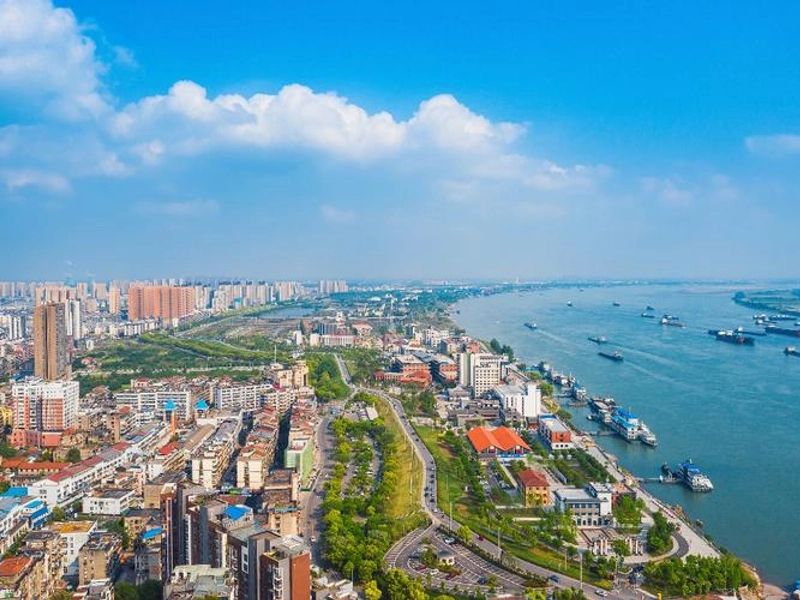
Rich in history, Jingzhou was once the capital of the ancient Chu State and a key site in the Three Kingdoms era. The well-preserved city walls and historical relics within its museums bear witness to millennia of civilization. Nestled along the Yangtze River, Jingzhou’s waterways and cultural heritage give rise to traditional crafts and folk culture. Today, it remains an important commercial and transport hub where ancient civilization meets modern vitality.
Jingmen: Pearl of the Han River — Rising Industrial City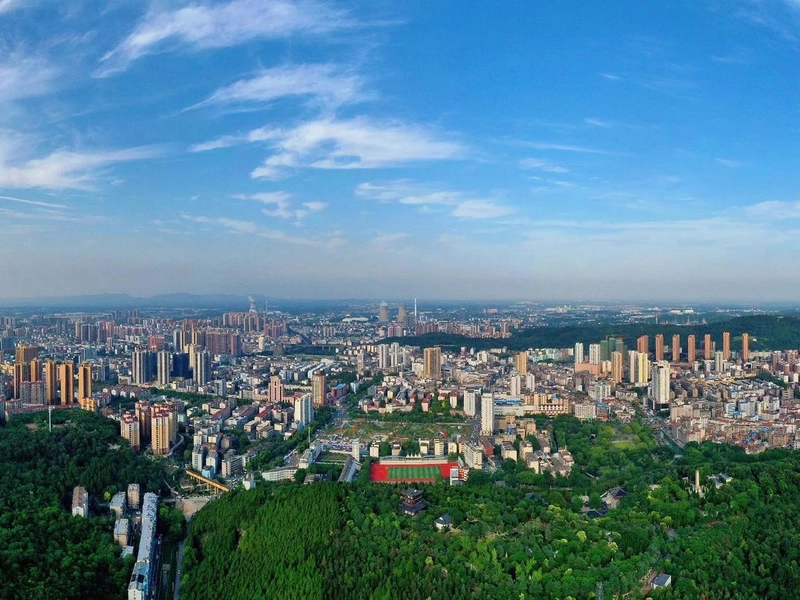
Located along the middle reaches of the Han River, Jingmen is a city of balanced natural beauty and modern industry. Surrounded by mountains and forests, it possesses deep cultural roots with remnants of Chu civilization scattered across the area. Its economy thrives on manufacturing, agriculture, and emerging technologies, positioning Jingmen as a dynamic center on the Jianghan Plain.
Xiaogan: Homeland of Filial Piety — Cradle of Revolution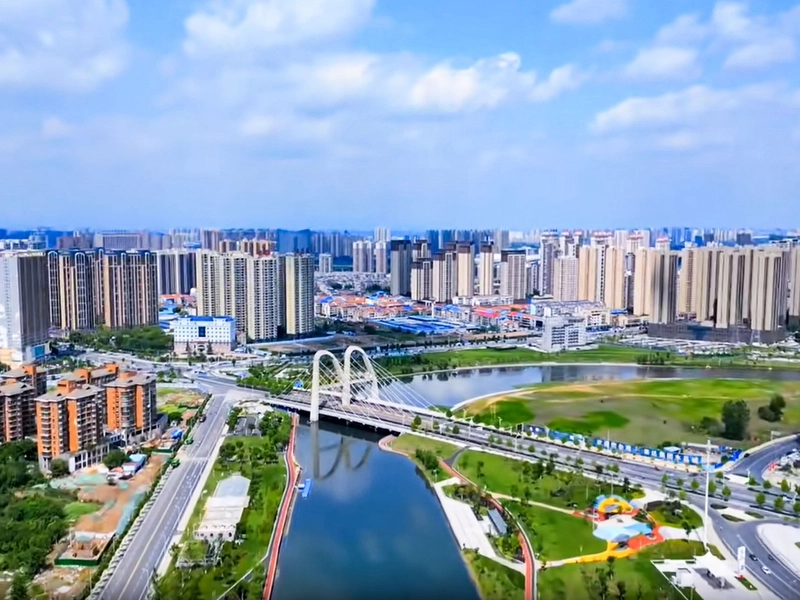
Famed as the “City of Filial Piety,” Xiaogan’s legendary story of Dong Yong reflects its deep-rooted moral culture. Situated north of Wuhan, it also played a key role in China’s revolutionary history. Today, Xiaogan is a fast-developing city powered by agriculture, manufacturing, and services, representing a fusion of traditional virtue and modern progress.
Huanggang: City of Learning — Legacy of Su Dongpo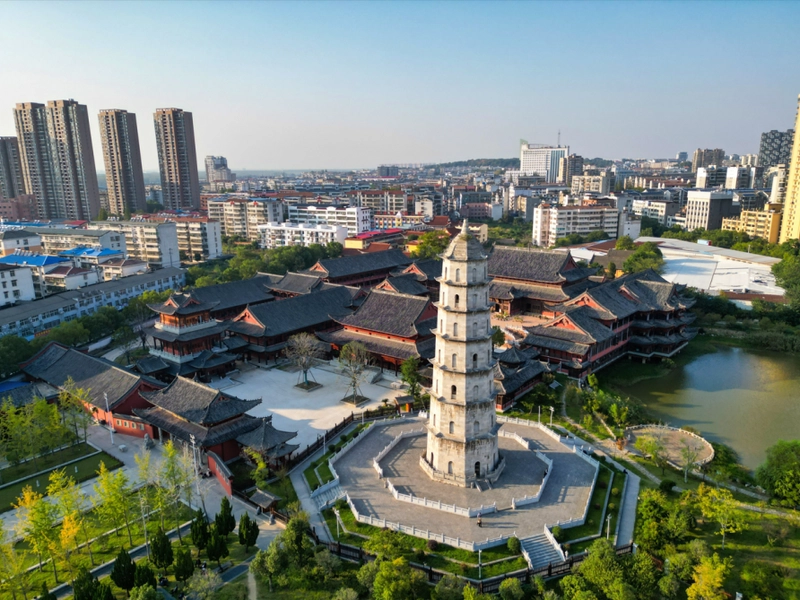
Huanggang is a cultural and educational hub known for its renowned schools such as Huanggang Middle School. Located along the middle reaches of the Yangtze River, the city blends the elegance of water towns with mountain scenery. With strong historical and literary heritage, it preserves sites linked to the great poet Su Dongpo and numerous cultural relics. Its economy is rooted in education, agriculture, and modern industry.
Huangshi: City of Steel — Port and Industrial Hub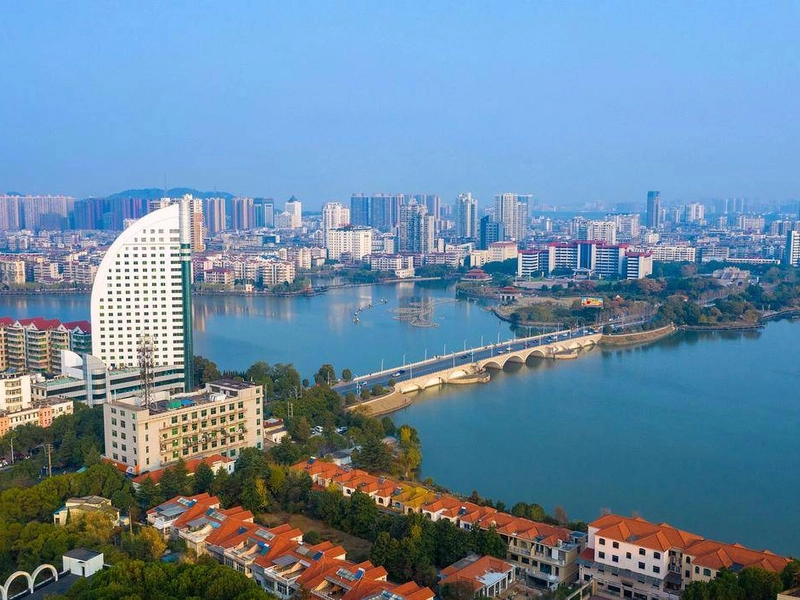
Situated in southeastern Hubei, Huangshi is both a vital river port and a key center of China’s steel industry. With a robust industrial foundation, the city is rapidly expanding its service sector. Surrounded by natural sites such as Phoenix Mountain and Jiuzhen Mountain, Huangshi embodies the meeting of industrial power and natural grace.
Ezhou: Pearl on the Yangtze — Ecological Haven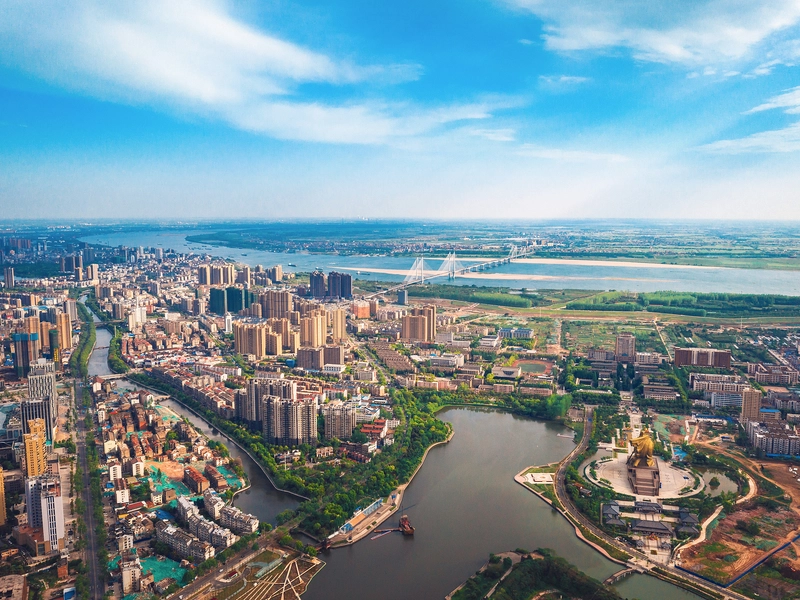
Ezhou lies on the northern bank of the Yangtze River, within the eastern wing of the Wuhan metropolitan area. Rich in history and ecology, it features river beaches, wetlands, and forest parks. Historically an important site of Chu culture, Ezhou today combines logistics, light industry, and sustainable urban development, symbolizing livability and balance in central China.
Xianning: City of Hot Springs — Revolutionary Heritage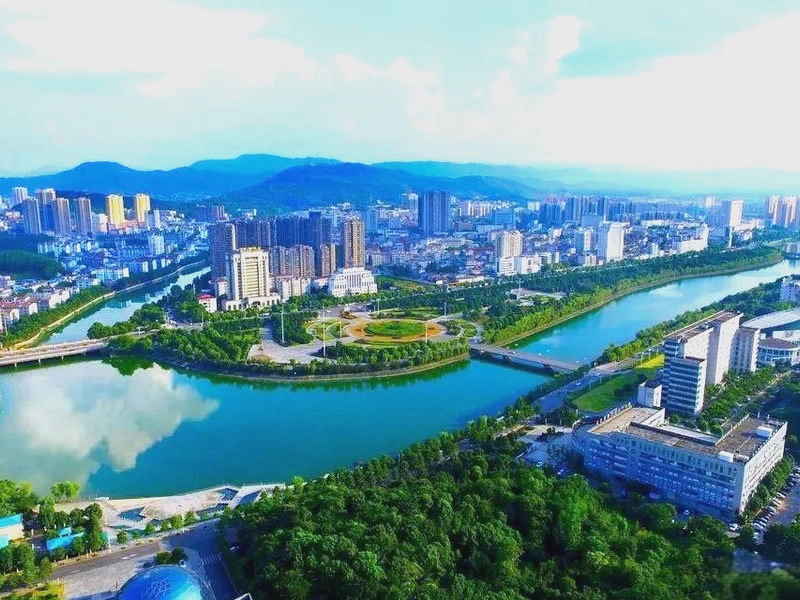
Xianning, known as the “City of Hot Springs,” boasts abundant geothermal resources and thriving tourism. Located on the southern bank of the Yangtze, it has a flat terrain and a mild climate. The city’s history weaves together Chu traditions and revolutionary legacy. With a focus on eco-tourism, agriculture, and light industry, Xianning exudes warmth and vitality.
Suizhou: Legacy of Chu — Homeland of Shennong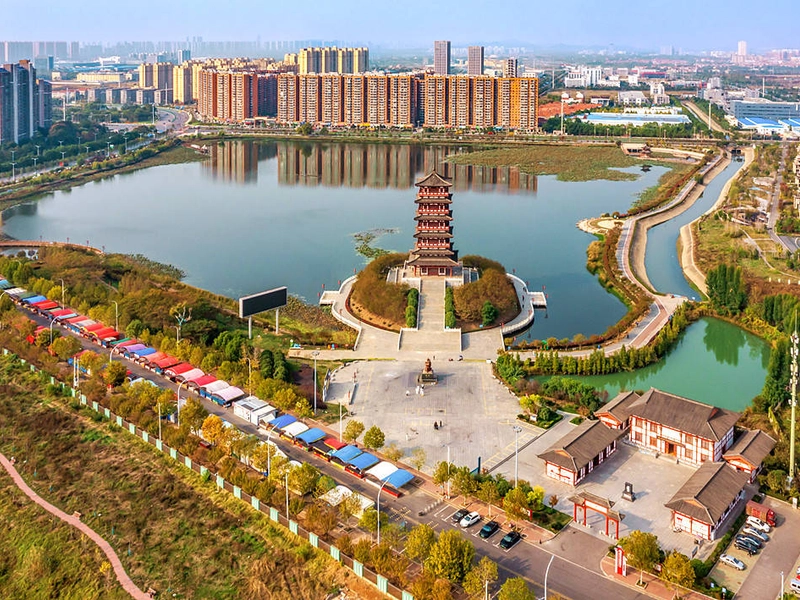
In northeastern Hubei, Suizhou is renowned as the “Hometown of Shennong,” the legendary ancestor of Chinese agriculture and medicine. The city is rich in Chu cultural relics, museums, and folk traditions. Its landscape of rolling hills and plains supports agriculture, machinery, and modern services, reflecting the harmony between ancient civilization and modern development.
Enshi Tujia and Miao Autonomous Prefecture: Ethnic Charm — A Living Landscape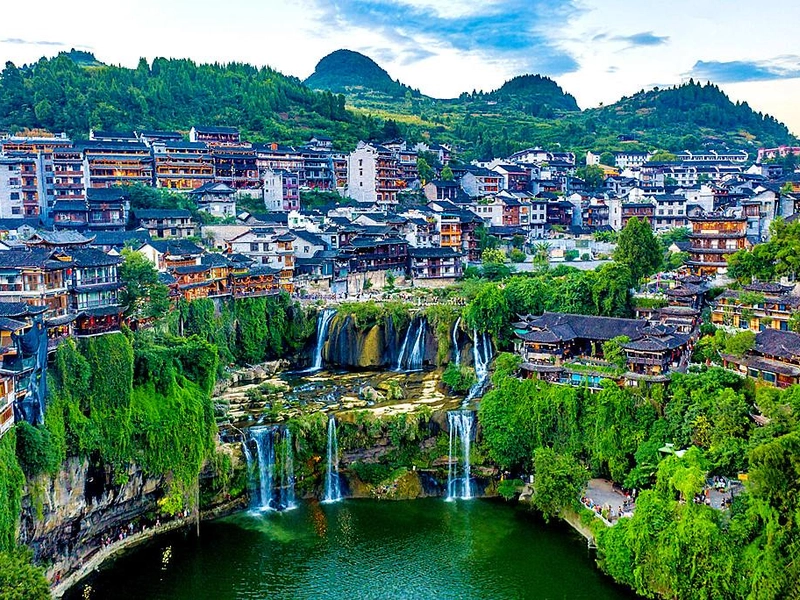
Located in the mountainous southwest of Hubei, Enshi is home to Tujia, Miao, and other ethnic groups, each preserving vibrant folk traditions. Tujia brocade, silverwork, and stilted houses represent the artistry of ethnic culture. The Enshi Grand Canyon and Tenglong Cave showcase awe-inspiring natural beauty. Here, ethnic heritage, stunning landscapes, and modern tourism intertwine to form a living masterpiece of mountain and river culture.
Marvels and Cultural Treasures: Landscapes of Beauty, Heritage of Humanity
The Three Gorges of the Yangtze River: A Natural Gallery and Cultural Corridor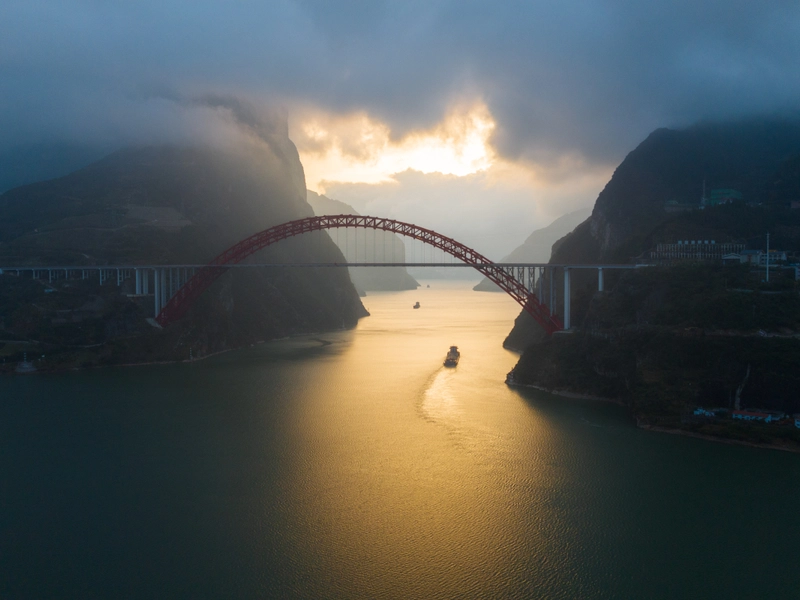
Stretching about 193 kilometers, the Three Gorges—Qutang, Wu, and Xiling—form one of the world’s most renowned natural wonders. Qutang Gorge is famous for its steep cliffs and roaring rapids, Wu Gorge for its misty beauty and strange peaks, and Xiling Gorge for its treacherous yet majestic waters. The Gorges seamlessly blend rugged mountains with the mighty Yangtze River, creating a breathtaking natural masterpiece. Along the way, historical landmarks such as Baidi City, steeped in the legacy of the Three Kingdoms, and the Qu Yuan Temple and ancient Ba people’s ruins highlight the region’s rich Chu cultural heritage. The scenery changes with the seasons—lush greenery in spring, sparkling rivers in summer, fiery foliage in autumn, and misty waters in winter. The Three Gorges are a paradise for photographers, adventurers, and cultural explorers alike.
Mount Wudang: Sacred Peaks Beyond Compare — The First Mountain of Immortals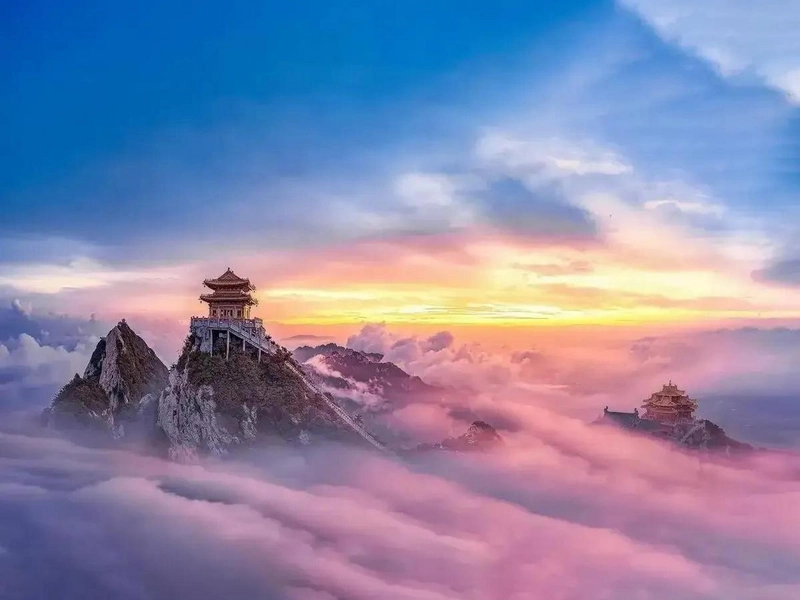
Located in northwest Hubei, Mount Wudang is one of the cradles of Taoism and a UNESCO World Cultural Heritage Site. The mountain is celebrated for its ancient architectural complexes—Golden Summit, Zixiao Palace, Nanyan Palace, and Taihe Palace—each adorned with exquisite carvings and grand design, showcasing the brilliance of traditional Chinese craftsmanship. Wudang’s mist-covered peaks, ever-shifting clouds, and seasonal transformations make it an eternal landscape of beauty. It is also famed as the birthplace of Wudang martial arts, attracting pilgrims and martial artists from around the world. From the sunrise over the Golden Summit to the meditative bells of Zixiao Palace and the heavenly views from Nanyan Terrace, Mount Wudang unites faith, history, and natural splendor—a jewel of Chinese civilization.
Shennongjia: The Roof of Central China — A Pristine Wilderness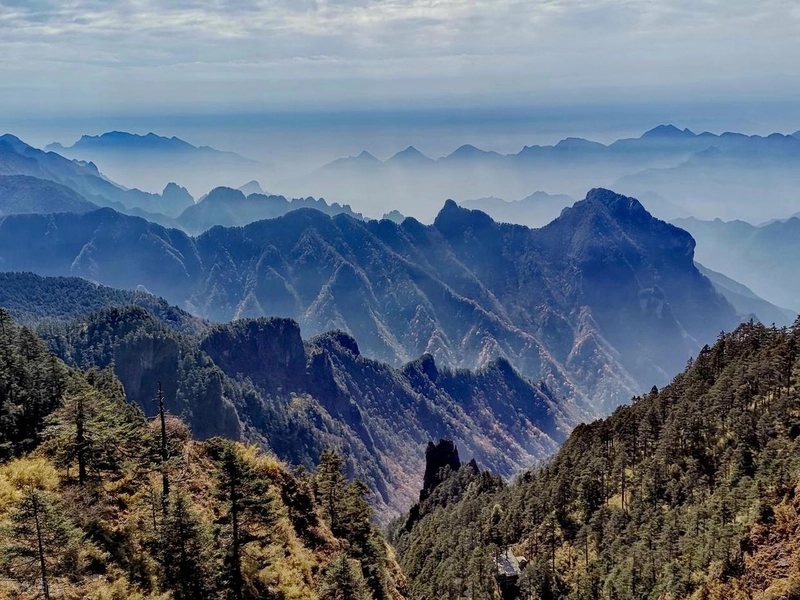
In southwestern Hubei lies Shennongjia, known as “The Roof of Central China.” It is a world-renowned ecological reserve, celebrated for its virgin forests, mysterious peaks, and exceptional biodiversity. Its dramatic terrain and microclimates create the rare phenomenon of “four seasons on one mountain”—summer in the valleys, spring on the slopes, autumn at the foothills, and winter on the summits. Shennongjia is home to precious wildlife, including golden and silver snub-nosed monkeys, and ancient flora untouched by time. Legends of the mysterious “Wild Man of Shennongjia” add a sense of enigma to this land. Scenic areas like Shennong Altar, Tianyan, and Banbiyan combine natural beauty with mythic lore. Across the seasons, flowers bloom, waterfalls cascade, forests blaze with color, and snow glistens—painting an untamed yet poetic masterpiece of nature.
Jingzhou Ancient City: Millennia of Elegance — A Jewel of Chu Civilization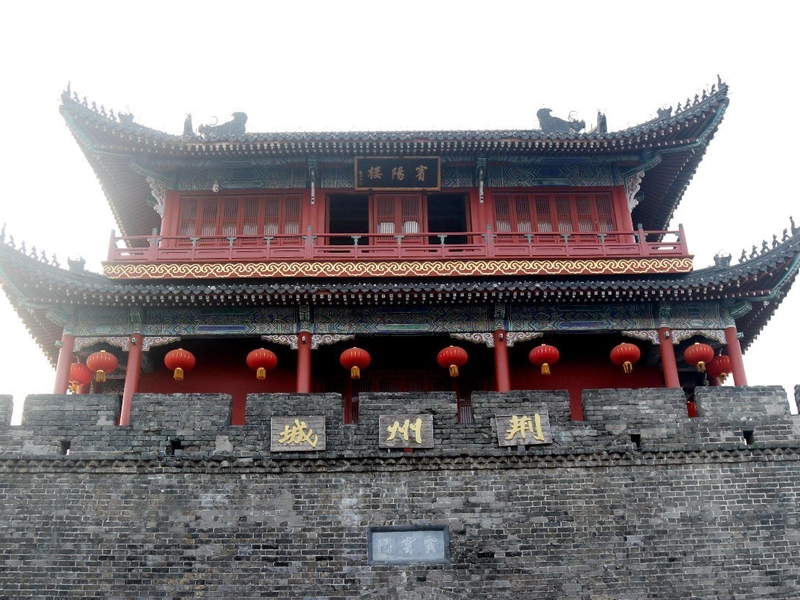
Jingzhou Ancient City retains its complete city walls and historic architecture, earning it the title “Capital of Chu Culture.” Towering ramparts and museums filled with Chu and Han relics tell the story of its military and cultural significance through the ages. The city’s riverside scenery complements relics from the Three Kingdoms, creating a harmony of history and life. Traditional festivals and folk performances bring ancient culture to life, making Jingzhou a living monument where the past and present intertwine.
East Lake and the Wuhan Lake Cluster: Urban Green Heart, Scenic Harmony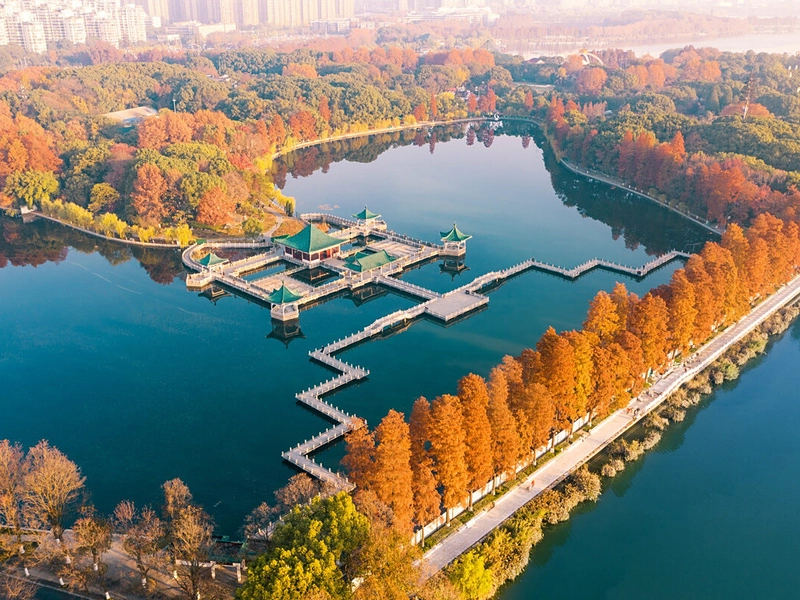
East Lake, the largest urban lake in Wuhan and one of the most beautiful in China, is famed for its crystal waters, scenic trails, and gardens of cherry blossoms and lotuses. Every spring, the lake transforms into a sea of pink blossoms, drawing crowds from afar. Other lakes in Wuhan—such as South Lake and Baishazhou Wetland Park—also serve as ecological sanctuaries and leisure destinations. Together, they form the “green lungs” of the metropolis, embodying the perfect coexistence of urban life and natural serenity.
Yellow Crane Tower: Spirit of the River City — A Symbol of Poetry and Legend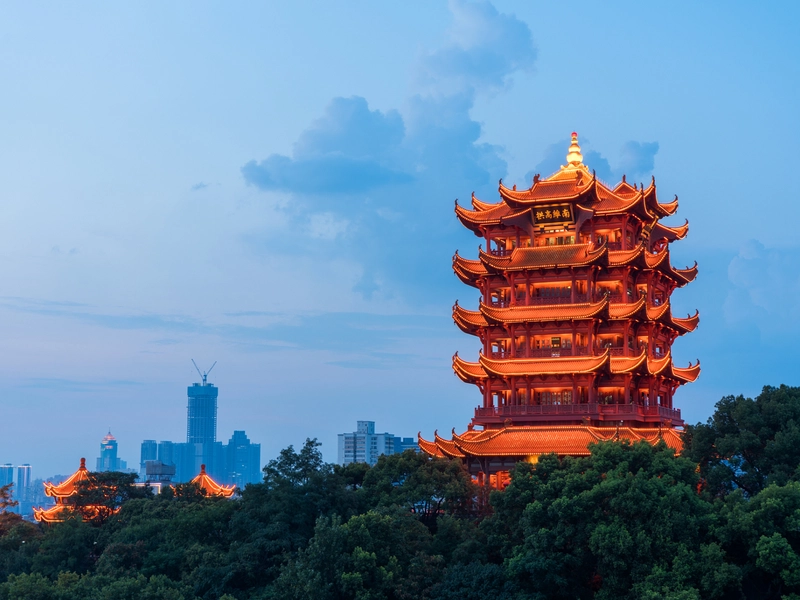
Perched atop Snake Hill on the southern bank of the Yangtze, Yellow Crane Tower stands as one of China’s three great ancient towers. With five stories of sweeping eaves and majestic design, it has inspired countless poets through the centuries—its most famous line, “The white clouds drift for a thousand years,” symbolizes eternal longing and poetic transcendence. From its heights, visitors behold the vast Yangtze River and the cityscape of Wuhan, where history and modernity converge in the river breeze.
Intangible Cultural Heritage: Craftsmanship and Cultural Legacy
Han Opera: One of the Origins of Peking Opera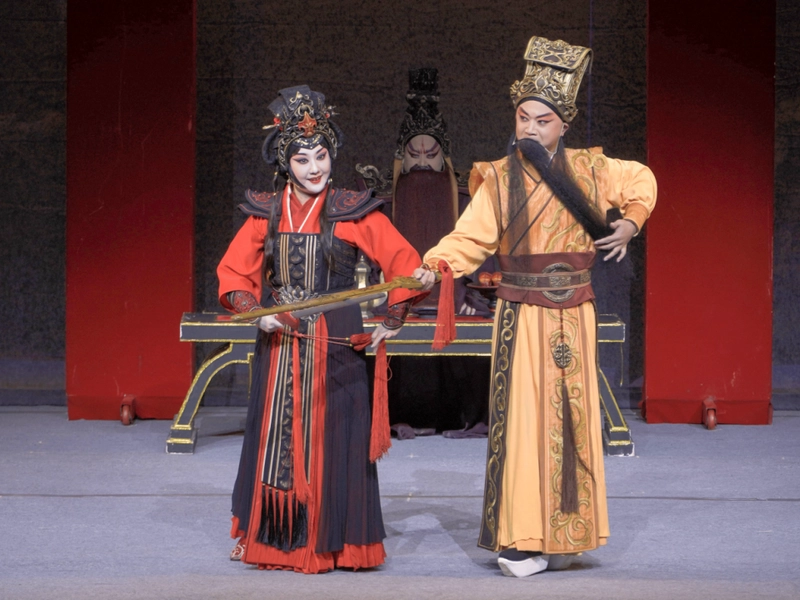
Han Opera, also known as Hubei Hanju, is one of China’s most important regional opera styles and a key precursor to Peking Opera. Popular in Wuhan and surrounding areas, it is renowned for its distinctive Han tune and Chu melody, featuring powerful yet graceful singing and expressive body movements. Han Opera integrates folk music, narrative arts, and elements of classical theater from the Chu region. Its repertoire includes historical dramas, folk legends, and contemporary life stories. Representative plays such as “The Legend of the White Snake” and “Shajiabang” highlight vivid characters and the artistic charm of Chu culture. With its elegant vocal techniques, rich instrumental accompaniment, and ornate costumes, Han Opera reflects the Hubei people’s aesthetic sensibility and artistic ingenuity, leaving a profound influence on the development of Chinese opera.
Chu Opera: Earthy Charm and Everyday Stories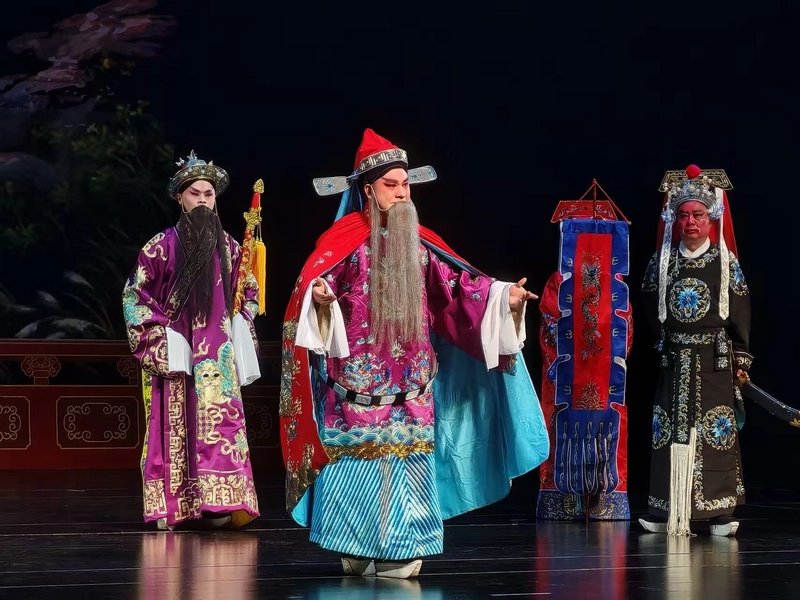
Originating in Huangpi and Xiaogan of Hubei Province, Chu Opera (Chuju) is a beloved local theatrical form that vividly reflects folk life. Compared to Han Opera, Chu Opera is more down-to-earth and lively, characterized by accessible language, expressive gestures, and engaging storytelling. The plots often draw from folktales and rural life, carrying a warm, rustic flavor. Classic plays such as “Liu Bei’s Marriage Proposal” and “The Snail Maiden” blend humor with human emotion, showcasing the richness of Hubei’s folk culture. The use of local dialects adds regional color and authenticity. While preserving its traditional techniques, Chu Opera continues to evolve, appealing to younger audiences and ensuring that this cultural treasure thrives in the modern age.
Huangmei Embroidery: Splendor at the Tip of a Needle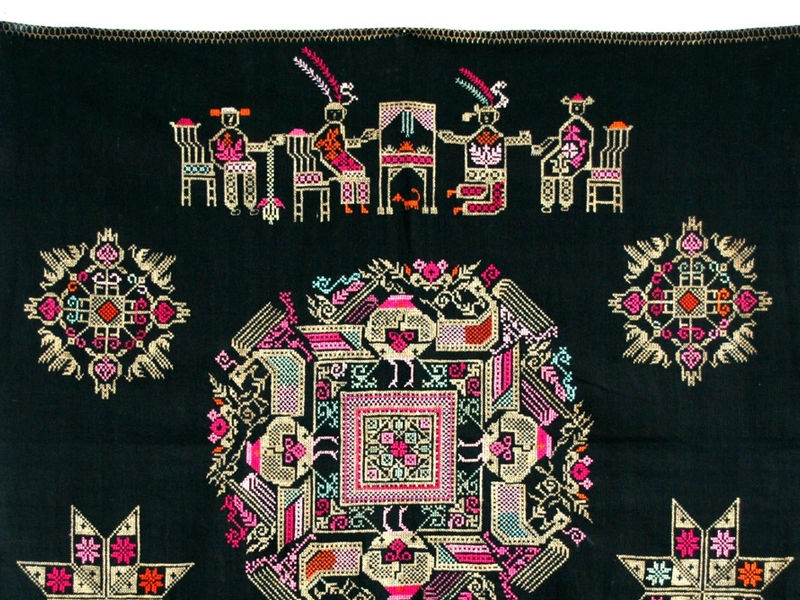
Huangmei Embroidery, also known as Huangmei Tiaohua, is a traditional needlework art from Hubei’s Huangmei County, celebrated for its vibrant colors, rich composition, and auspicious symbolism. Its patterns often depict folk legends, mythological scenes, natural motifs, and festive symbols, representing happiness, fortune, and peace. The embroidery technique emphasizes uniform stitches and fluid lines, blending practicality with artistry. Used in clothing, accessories, and home décor, Huangmei Embroidery captures the essence of everyday beauty. Through generations of craftsmanship, local artisans have combined traditional culture with modern aesthetics, turning this embroidery style into a vivid symbol of Hubei’s cultural identity.
Woodblock New Year Prints and Paper-Cutting: Folk Art on Paper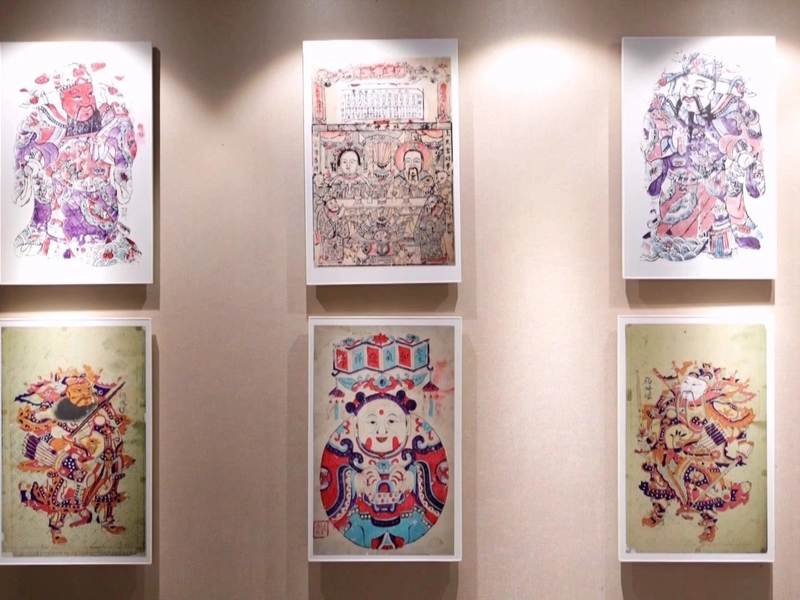
Woodblock New Year prints and paper-cutting are also vital parts of Hubei’s intangible cultural heritage. The colorful and lively New Year prints—featuring auspicious themes—are traditionally displayed during festivals such as Spring Festival or weddings to express hopes for happiness and prosperity. Hubei paper-cutting art, known for its fine knife work and fluid lines, features motifs like dragons, phoenixes, flowers, and folk tales. Both art forms embody the imagination and craftsmanship of local artisans, preserving folk traditions while adding charm to everyday life.
Craftsmanship and Cultural ContinuityHubei’s intangible cultural heritage not only enriches local traditions but also preserves collective memory and everyday wisdom. From the stage artistry of Han and Chu Opera, to the intricate needlework of Huangmei Embroidery, and the lively imagery of folk prints and paper-cutting—each craft reflects the creativity and aesthetic pursuit of the Hubei people. Through continuous inheritance and innovation, these heritage arts keep the roots of tradition alive while bringing timeless beauty into modern life. Whether appreciated, learned, or collected, Hubei’s intangible heritage offers a tangible connection to the warmth, artistry, and historical depth of the Jianghan region.
Gastronomic Treasures: The Flavors of Jingchu
Essence of Hubei Cuisine — The Land of Fish and Rice
Crisscrossed by rivers and lakes, Hubei is blessed with abundant aquatic resources and fertile farmland, earning the name “the land of fish and rice.” Hubei cuisine (E cuisine) emphasizes a perfect balance of color, aroma, and taste, known for its diverse flavor profiles — from light and fresh to rich, spicy, and sweet-sour — while highlighting seasonal ingredients and nutritional harmony. From the fragrant rice fields of the Jianghan Plain to the fresh fish of the Yangtze River and the mountain delicacies of Shennongjia, Hubei cooking artfully blends nature’s bounty into a cuisine that is distinctly Jingchu in character.
Wuchang Fish — A Classic Taste of the Lakes
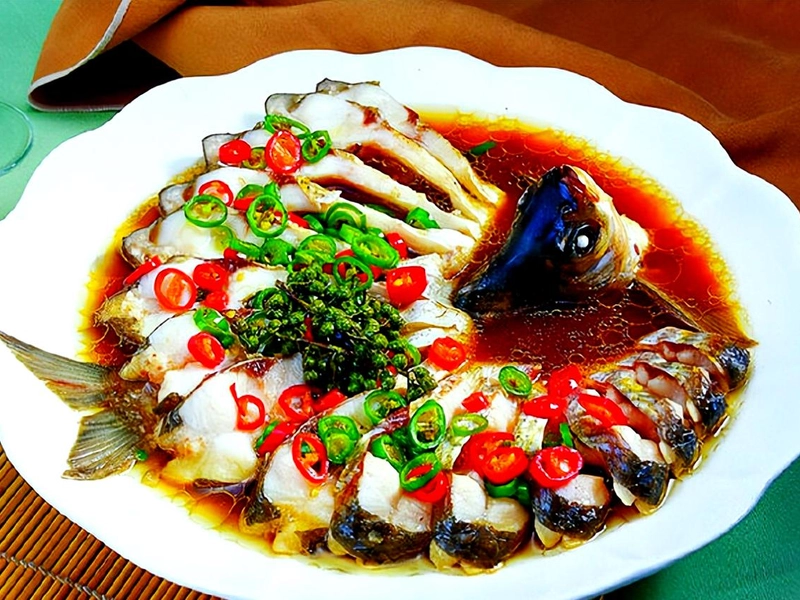 Wuchang Fish, native to the Dongting Lake system in central Hubei, is famed for its tender flesh and delicate flavor. Traditionally prepared either steamed or braised, the steamed version best preserves its freshness. Since ancient times, Wuchang Fish has been celebrated in Chinese poetry — “Having drunk the waters of Changsha, I then eat the fish of Wuchang” — symbolizing both the refined taste of Hubei cuisine and the people’s deep connection with their waters. Whether at festive banquets or family meals, Wuchang Fish remains a beloved centerpiece on the Hubei dining table.
Hot Dry Noodles — The Soul of Wuhan Breakfasts
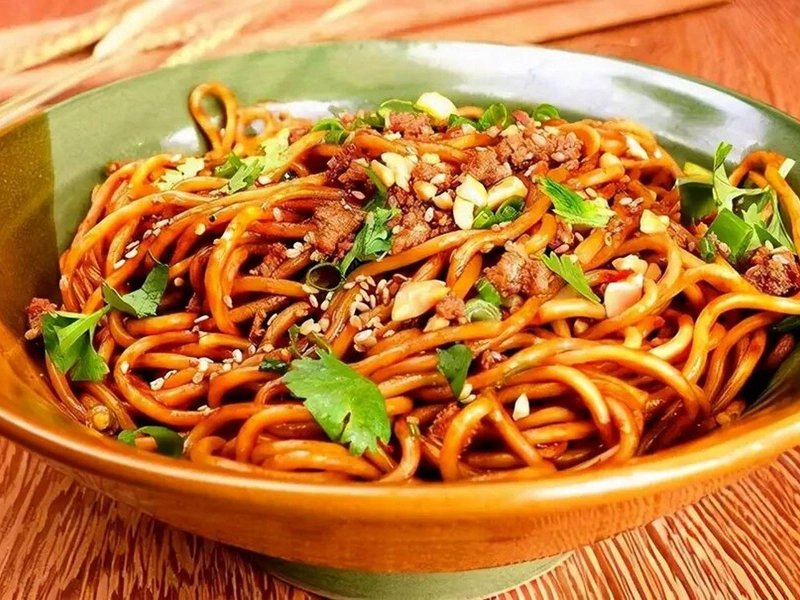 Re gan mian (hot dry noodles) is the iconic breakfast dish of Wuhan — and the city’s culinary soul. Made with springy alkaline noodles mixed with rich sesame paste, scallions, pickled vegetables, and chili oil, it delivers a perfect balance of nutty, savory, and spicy flavors. Found in nearly every alley and street corner, hot dry noodles are a daily ritual for locals. Each morning, queues form at noodle stalls, reflecting the warmth and rhythm of Wuhan’s fast-paced urban life and its people’s devotion to taste and tradition.
Pork Rib and Lotus Root Soup — A Taste of Home
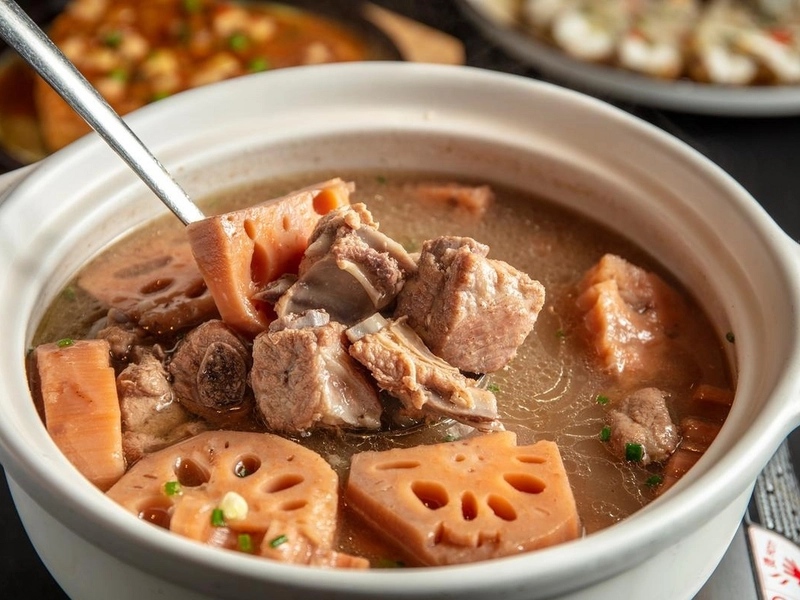 This signature Hubei soup pairs lotus root — crisp yet tender — with pork ribs, slow-simmered for hours until the broth turns clear and fragrant. The flavor is both nourishing and refreshing, embodying the balance between comfort and health that defines home-style Hubei cooking. Beyond its deliciousness, the soup evokes the warmth of family gatherings and the essence of winter comfort — a taste that connects generations and seasons alike.
Mianyang “Three Steamed Dishes” — The Pinnacle of Steamed Flavors
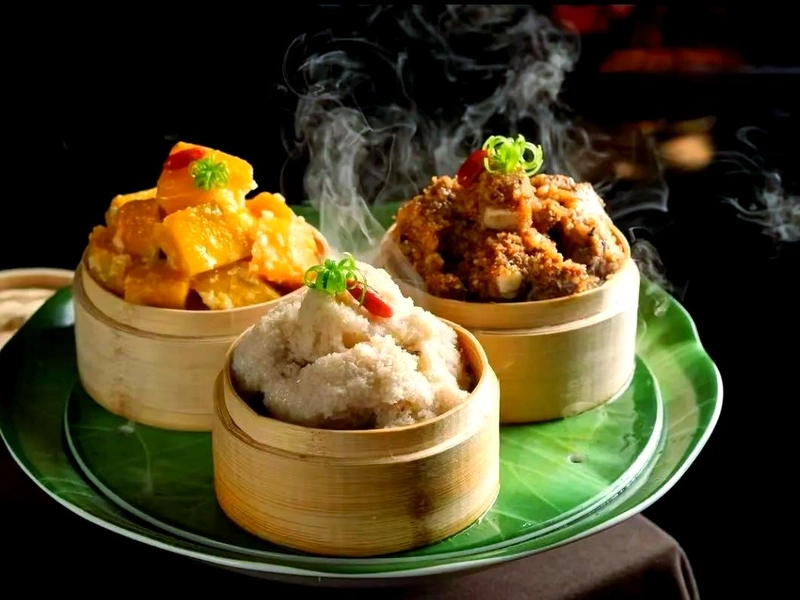 Originating from Mianyang (today’s Jianli), Mianyang Three Steamed Dishes is a traditional culinary masterpiece. Using pork, glutinous rice flour, and various seasonings, it involves three distinct steaming steps — for meat, vegetables, and rice flour — each crafted with precision. The result is tender, aromatic, and deeply flavorful. Often served during festivals and celebrations, it represents both the artistry and hospitality of the Jingchu people, embodying their culinary passion and refined technique.
Local Snacks — Street Flavors and Living Heritage
Beyond main dishes, Hubei’s vibrant snack culture captures the essence of everyday life:
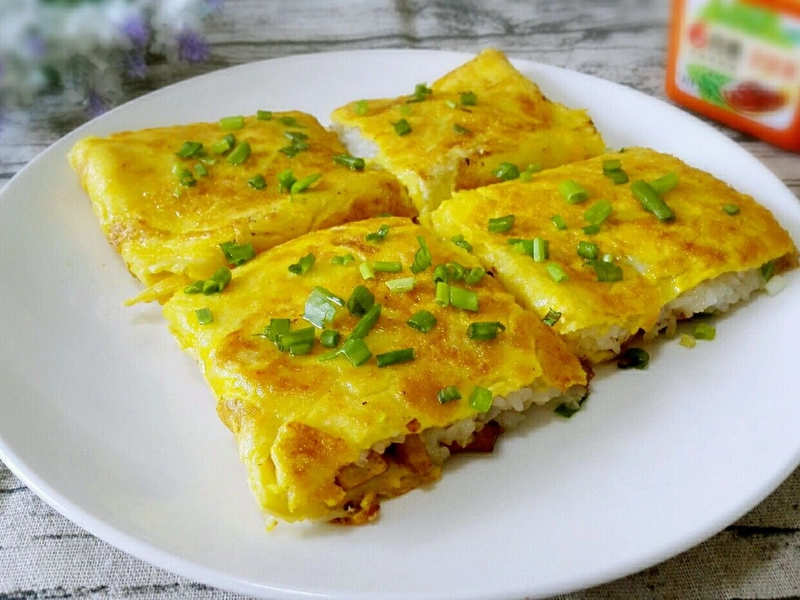
Doupi — A Wuhan classic made from a thin mung bean flour crepe filled with rice and fried until golden and crisp.
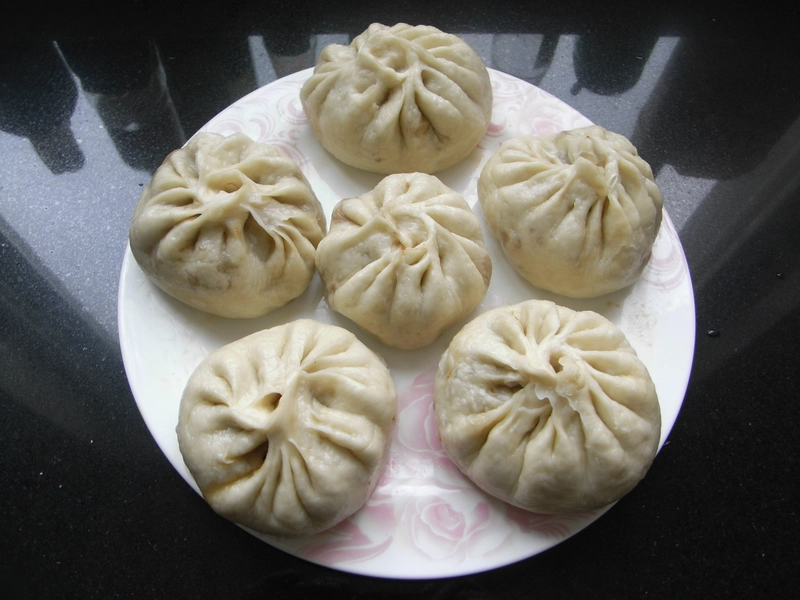
 Sanxian Tofu Bun — A soft, savory tofu pastry from Jingzhou, stuffed with a rich three-flavor filling.
 Huangpi Dousi — A smooth and fragrant soybean noodle dish with a comforting, homestyle flavor.
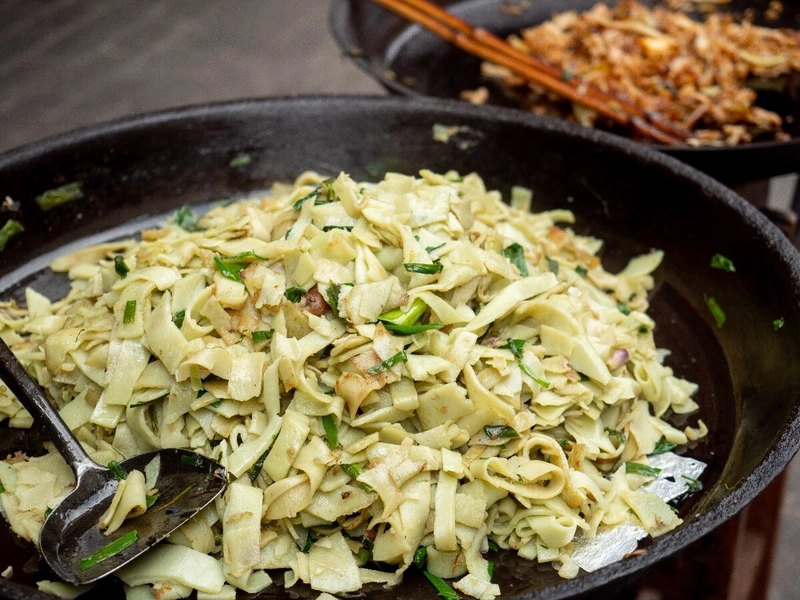
These snacks, humble yet full of character, embody the creativity and warmth of Hubei’s people. Each bite tells a story of place and tradition — making Hubei’s food culture not only a feast for the tongue but also a living expression of its human spirit.
Treasures and Souvenirs: Gifts from the Heart of Hubei
Hubei offers not only a rich culinary heritage but also a dazzling array of local specialties, each embodying the ingenuity and craftsmanship of the Jingchu people. These products make ideal souvenirs — whether for festival gifting, business presents, or travel mementos — carrying the region’s unique cultural essence and everyday charm.
Xiaogan Sesame Candy — Frosty White, Fragrant Delight
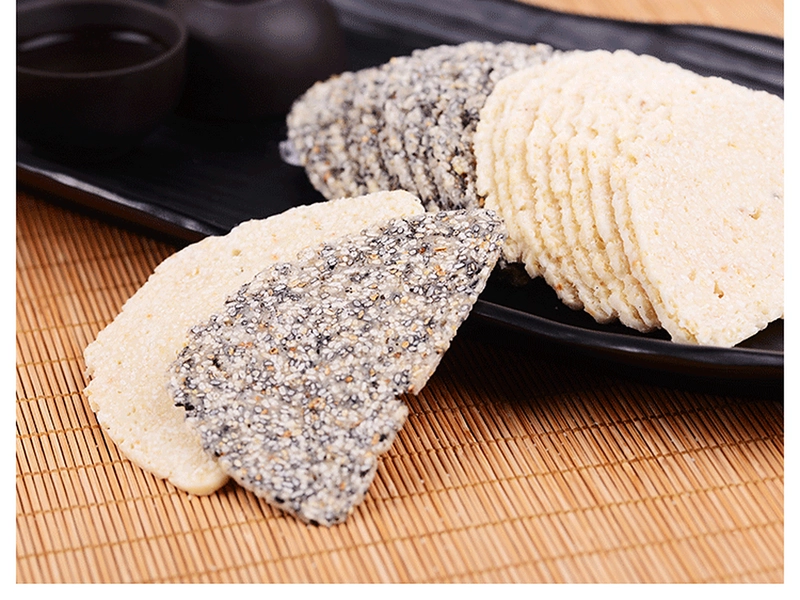 Xiaogan Sesame Candy is a traditional sweet from Xiaogan, made primarily with sesame seeds and maltose. Through careful cooking, pulling, and cutting, the candy achieves a frosty white appearance and a rich, inviting aroma. Crispy and slightly sweet, it is a staple at local festivals and symbolizes good fortune, often given to children and elders alike. With a history spanning centuries, its craftsmanship reflects the Jingchu people’s skillful use of ingredients and attention to life’s rituals.
Qingshan Baked Sesame Cake — Crispy Sweet, Melts in the Mouth
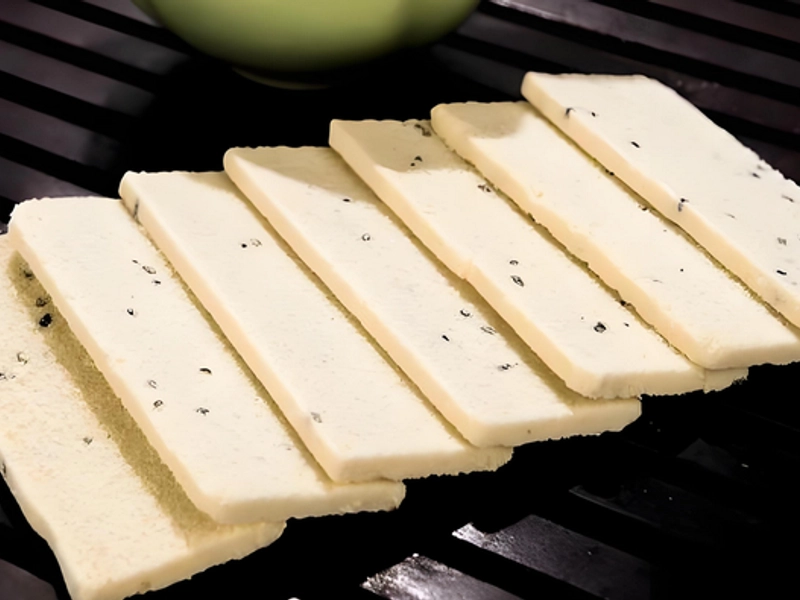 Originating from Wuhan’s Qingshan District, this cake is made from high-quality glutinous rice flour and sesame, sweetened with brown sugar and baked to perfection. The golden, crispy texture and rich aroma make it a festive and family favorite, symbolizing unity and happiness. Beyond its delicious flavor, Qingshan Baked Sesame Cake carries the deep emotional connection Wuhan residents feel for their local tastes.
Jingzhou Fish Cake — Delicate Texture, Rich Flavor
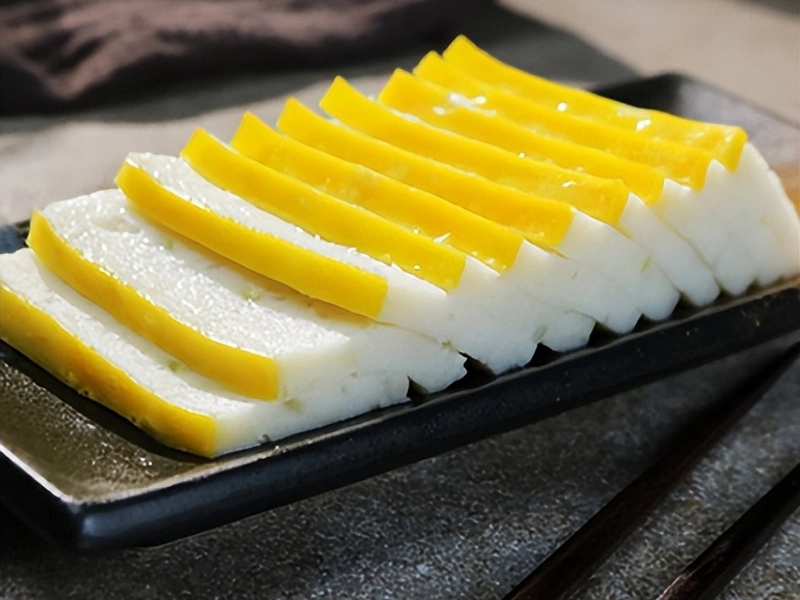 Jingzhou Fish Cake is a traditional specialty made from fresh fish, starch, and seasonings, shaped into cakes and steamed or pan-fried. The result is a delicate texture with a pronounced fish aroma. Fish cakes are popular on local dining tables and are often gifted during festivals, symbolizing prosperity and abundance. Its meticulous preparation showcases the Jingchu people’s clever utilization of river resources and culinary expertise.
Other Notable Local Souvenirs
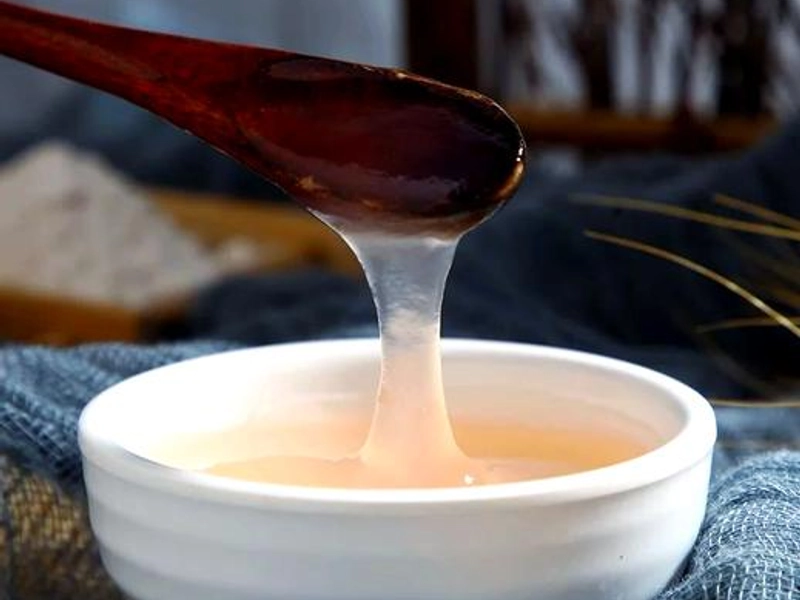
● Wuchang Lotus Root Powder: Made from Dongting Lake lotus roots, fine in texture, suitable for soups or pastries, nourishing and gentle on the stomach.
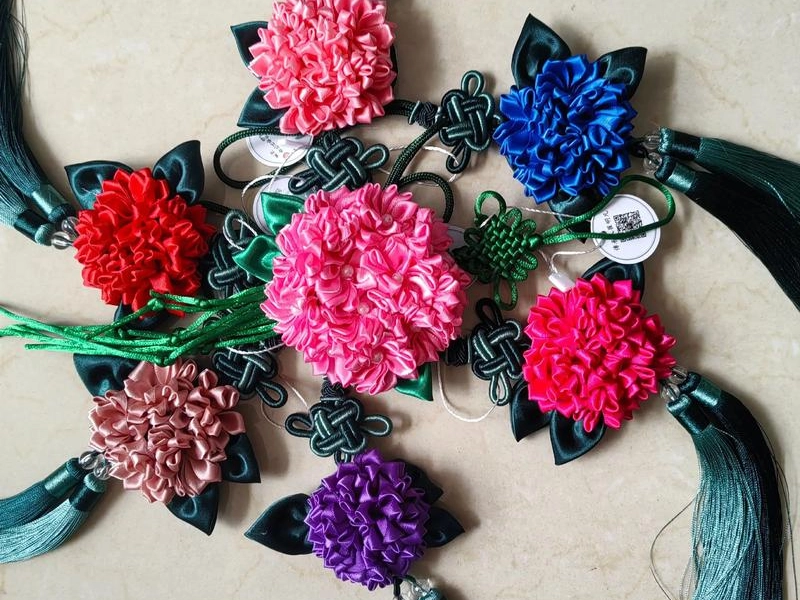 ● Huangmei Scented Sachets: Traditional handmade fabric sachets from Huangmei, fragrant and auspicious, perfect as travel keepsakes or festival gifts.
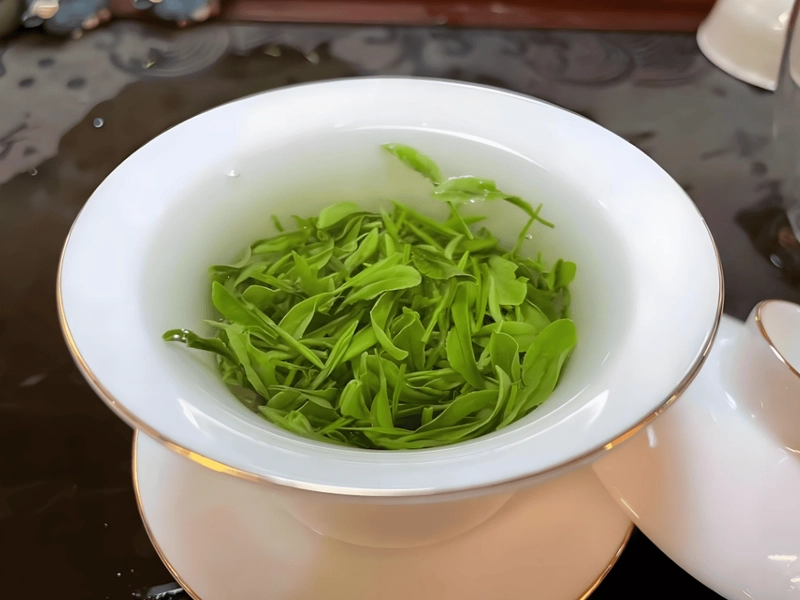 ● Enshi Jade Dew Tea: High-mountain cloud tea from Enshi, with a delicate aroma and emerald green brew, representing Hubei’s premium tea culture and an excellent gift choice.
These specialties not only delight the senses but also reflect Hubei’s cultural ethos — respect for nature, appreciation for life, and pursuit of craftsmanship. Whether as travel mementos or family gifts, they convey the flavors and spirit of Jingchu culture.
Discover Hubei, Experience Its Everywhere Charm
The land of Jingchu is a canvas of natural beauty and cultural richness. From the rushing waters of the Yangtze and Han rivers to the serene lakes dotted across the province; from the sacred Golden Summit of Wudang Mountain to the breathtaking cliffs of the Three Gorges; from the poetic soul of Qu Yuan to the revolutionary fervor of the 1911 uprising; from the smoky, bustling streets of hot dry noodle vendors to the intricate artistry of Liling ceramics — every sight, every story speaks of Hubei’s unique allure.
Here lies a fertile ground where nature meets culture, tradition merges with innovation, and talent is nurtured alongside dreams. Whether wandering the streets of the Yangtze cityscape or exploring secluded mountains and waters, savoring authentic E cuisine, or admiring centuries-old intangible cultural heritage, Hubei offers a profound experience of enduring cultural confidence and dynamic vitality.
The spirit of Jingchu flows like the mighty rivers — vast and unceasing; its charm stands as steadfast as the mountains — deep and enduring. Through the tides of history, Hubei’s character and essence remain engraved, illuminating all who visit and inspiring generations to continue writing the brilliant chapters of Jingchu’s legacy.
Related Vocabulary
| Chinese | Pinyin | English |
|---|---|---|
| 湖北 | Húběi | Hubei (province) |
| 长江 | Cháng Jiāng | Yangtze River |
| 平原 | Píngyuán | Plain |
| 武当山 | Wǔdāng Shān | Mount Wudang |
| 梅兰芳 | Méi Lánfāng | Mei Lanfang |
| 汉剧 | Hànjù | Han Opera |
| 楚剧 | Chǔjù | Chu Opera |
| 黄梅刺绣 | Huángméi cìxiù | Huangmei Embroidery |
| 热干面 | Rè gān miàn | Hot Dry Noodles |
| 排骨莲藕汤 | Páigǔ lián'ǒu tāng | Pork Rib and Lotus Root Soup |
| 豆皮 | Dòupí | Doupi (mung bean crepe) |
| 莲藕粉 | Lián'ǒu fěn | Lotus Root Powder |
| 香包 | Xiāng bāo | Scented Sachets |
| 碧螺春茶 | Bìluóchūn chá | Biluochun Tea / high-mountain cloud tea |
| 黄鹤楼 | Huánghè Lóu | Yellow Crane Tower |
| 清江画廊 | Qīngjiāng Huàláng | Qingjiang Gallery |
Hubei FAQ
Q1: Why can’t mornings in Wuhan go without hot dry noodles?
A1: In Wuhan, hot dry noodles aren’t just breakfast — they are a symbol of daily life. Legend has it that as early as the Republic of China era, street vendors used sesame paste noodles to save busy workers and students from breakfast troubles. Today, long lines at morning noodle stalls have become a local ritual, representing the city’s rhythm and culinary devotion.
Q2: Are there really yellow cranes at Yellow Crane Tower?
A2: The name comes from legend: a mystical crane once flew over the tower. While you won’t see actual cranes now, the tower symbolizes height, freedom, and poetry. Its scenic views and cultural stories continue to attract countless visitors.
Q3: Why is Hubei called “the thoroughfare of nine provinces”?
A3: The phrase refers to Wuhan’s central location and connectivity. The flat Jianghan Plain, intersected by the Yangtze and Han Rivers, makes water travel easy. Combined with modern roads, railways, and airports, Hubei truly acts as a central crossroads, bustling with commerce and movement.
Q4: Can you really “cultivate immortality” at Mount Wudang?
A4: While legends claim Mount Wudang is a Taoist immortality site, visitors today mostly come for the temples, architecture, martial arts, and scenic beauty. The experience — from sunrise over Golden Summit to meditative monastery bells — evokes a sense of mystical serenity.
Q5: Is there really a “Wild Man” in Shennongjia?
A5: The Shennongjia “Wild Man” legend has existed for over a century, though science has not confirmed its existence. True or not, the tale adds mystery to the forest and attracts explorers, nature lovers, and photographers seeking adventure.
Q6: Why is Hubei known as “Only Chu produces talents”?
A6: This saying highlights the region’s long history of producing gifted individuals. From poet Qu Yuan to geologist Li Siguang, and modern entrepreneur Lei Jun, Hubei has always been known for intelligence, creativity, and daring leadership.
Q7: Can Hubei’s lakes really reflect the sky like mirrors?
A7: Yes! On calm days, lakes like East Lake and Honghu Lake reflect the sky perfectly. Photographers love early morning or sunset shots, often capturing scenes where the sky and water seem to merge.
Q8: Why do people in Hubei love eating fish?
A8: With dense rivers and lakes, Hubei is truly a “land of fish and rice.” Fish from the Yangtze, Dongting Lake, and local waters are central to the cuisine, symbolizing abundance and prosperity.
Q9: Are there quirky or unique local festivals in Hubei?
A9: Yes! Besides Dragon Boat Festival and Chongyang Festival, some areas celebrate events like the Honghu Fishing Festival, which combines harvest rituals, community gatherings, and folk entertainment — colorful, lively, and uniquely Hubei.
Q10: Why is Hubei’s dialect so hard for outsiders to understand?
A10: Hubei has many dialects: Wuhan dialect, Huanggang dialect, Enshi Tujia dialect, and more. Wuhan dialect features rolled r’s and unique tones, full of humor and expressiveness, making it fun but challenging for outsiders to follow.