Henan – The Chronicle of Central Plains Splendor
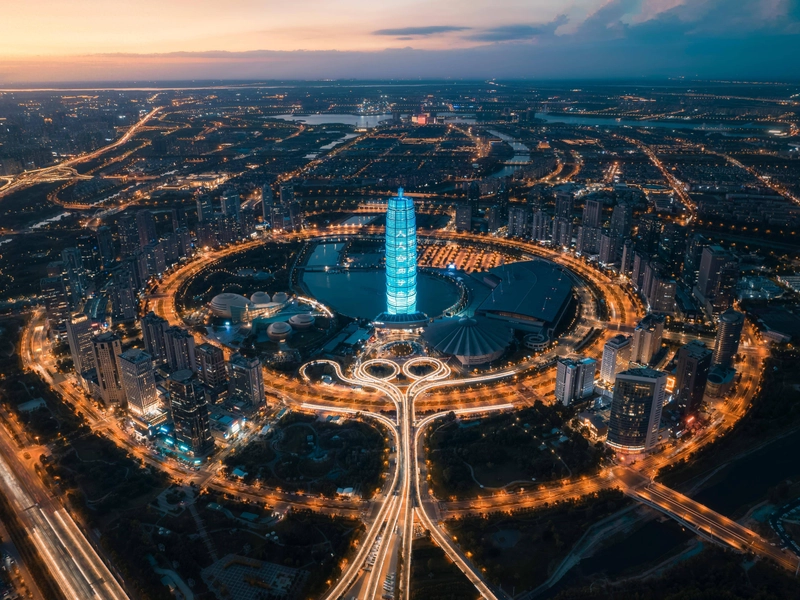
At the dawn of Chinese civilization, Henan, with its unique central position and pioneering spirit, carved the deepest imprints of culture across the land of the Nine Provinces. This region is not only the cradle of Huaxia civilization but also an epic written with loess as paper and the rise and fall of dynasties as ink. From the Taihang and Wangwu Mountains to the Huang-Huai Plain, from the ancient lands of Heluo to the misty south of Henan, every inch of soil tells the story of the name "China." Walking here, one is not merely a visitor but a pilgrim of civilization, tracing the cultural DNA of the Chinese nation through five thousand years of uninterrupted heritage.
The Spirit of Henan: Central to the World, Guarded by Mountains and Rivers
In the grand narrative of Chinese civilization, Henan's geography has never been a simple topographical puzzle but a magnificent epic written with mountains, rivers, and history. It is not only the "Central Plains" in geographical terms but also the heart of "China" in the civilizational sense. Every step taken on this land may overlap with the footprints of the Three Sovereigns and Five Emperors, and every breath is infused with the aura of five millennia of culture.
Geography: A Nexus of the World
Henan's landscape is like a meticulously arranged game of Go, where mountains, rivers, and valleys are the pieces forming the chessboard of Chinese civilization.
Western Henan Mountains – The Dragon Veins of Civilization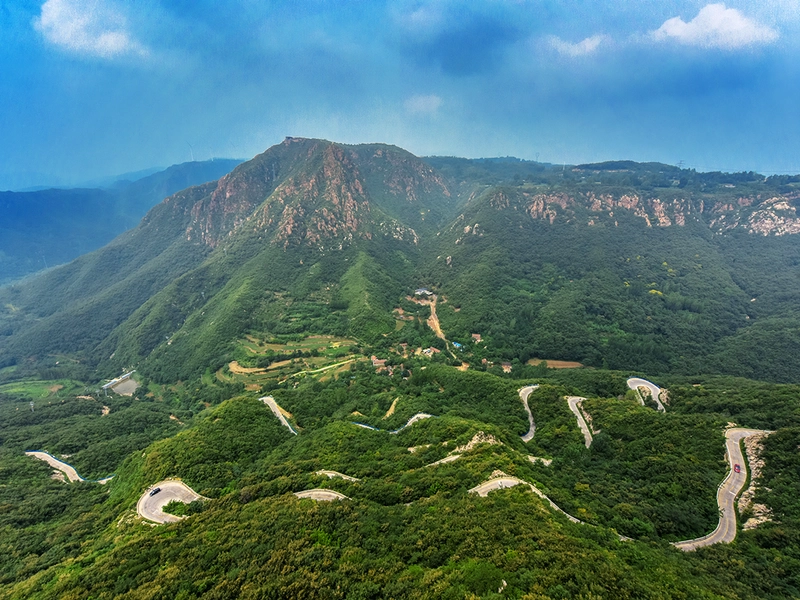
The Taihang Mountains rise like a dragon, with the southern Wangwu Mountain witnessing the immortal legend of "Yu Gong Moving Mountains," symbolizing not only geographic transformation but also the spirit of the nation. The Funiu Mountains stretch over 800 miles; atop Laojun Mountain, mist swirls as if carrying the profound wisdom of Laozi's Tao Te Ching. The majestic Songshan Mountain houses historical complexes that silently reveal ancient understanding of cosmic order. These ranges are not merely geographic barriers but the "ancestral veins" nourishing Huaxia civilization, with each layer of rock recording the cycles of human history.
Huang-Huai Plain – The Lifeblood of Civilization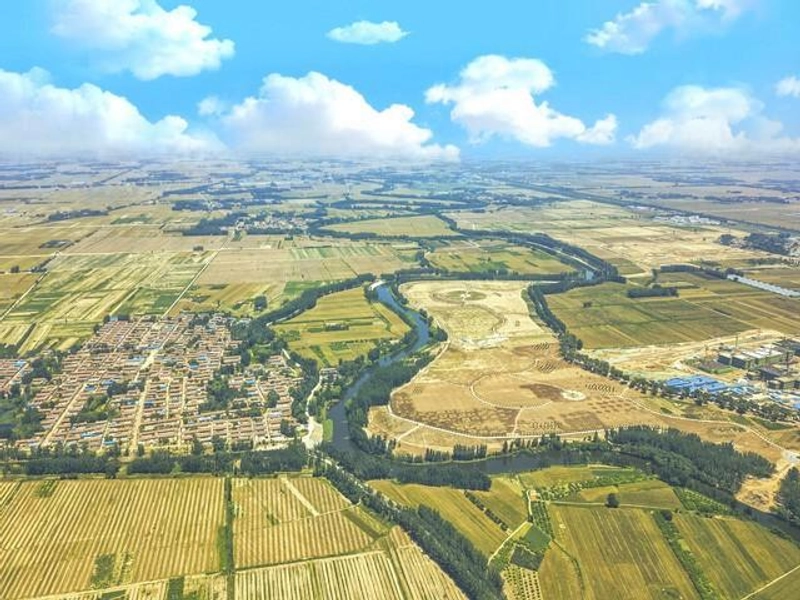
This vast plain, sculpted by the Yellow River over millennia, is fertile ground for early agriculture. The Jialu River threads through Zhengzhou's history and present; the Shaying River quietly nourishes the fields of Zhoukou Bay. This land gave rise to millet and rice cultivation; relics of the Peiligang and Yangshao cultures tell the story of early farming civilization. Yet the plain has also been a battleground: the battles of Muye, Guandu, and Suiyang reflect the old saying, "Whoever controls the Central Plains controls the world," because mastery of this fertile land meant mastery of the lifeline of Chinese civilization.
Nanyang Basin – A Crossroads of Civilizations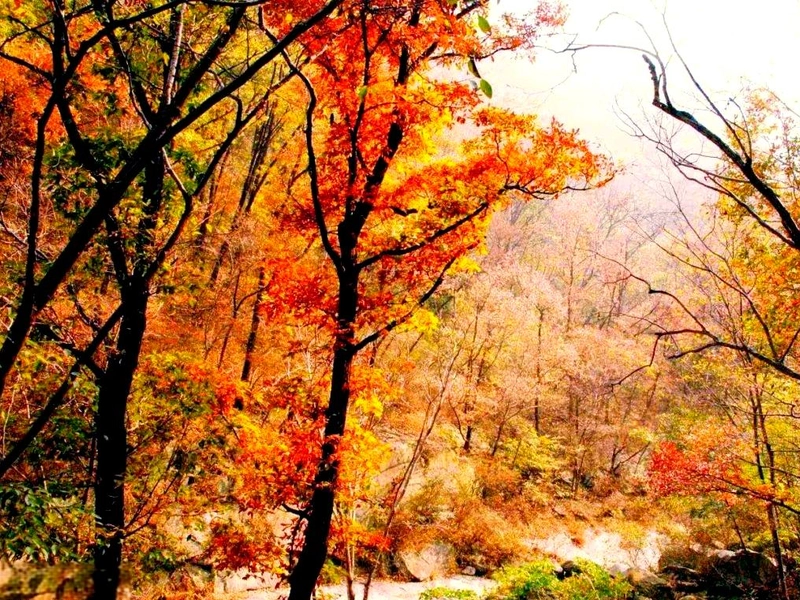
Here, the Yellow River civilization meets the Yangtze River culture. The Nanxiang narrow pass acts as a corridor connecting the Central Plains and Jingchu. The Danjiangkou Reservoir, source of the South-to-North Water Diversion Project, also bears witness to the northward spread of Chu culture and the southward transmission of Central Plains culture. The winding Baihe River nurtures a distinctive basin civilization, blending the robustness of the north with the elegance of the south.
Northern and Eastern Henan – A Fertile Network of Rivers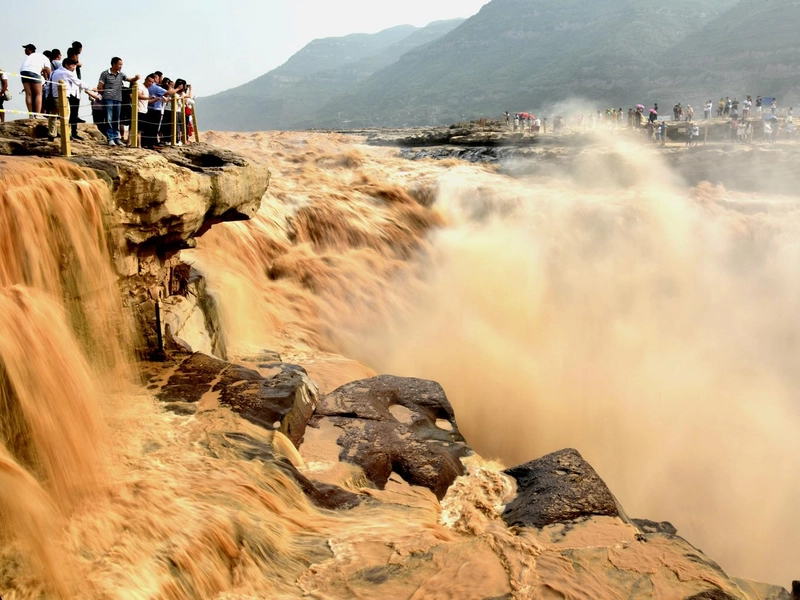
Rivers like the Wei, Zhang, Tuo, and Huai crisscross the land, nourishing its richness. The Yellow River here creates the spectacle of a "hanging river," while beneath Kaifeng city, six ancient cities overlap to form a "city atop city," a marvel of history and a symbol of the resilience of Central Plains civilization.
Climate: The Rhythm of Four Seasons in the Central PlainsHenan lies in the transitional climate zone between north and south, creating its unique natural and cultural landscape.
Spring (March–May): The Awakening of Civilization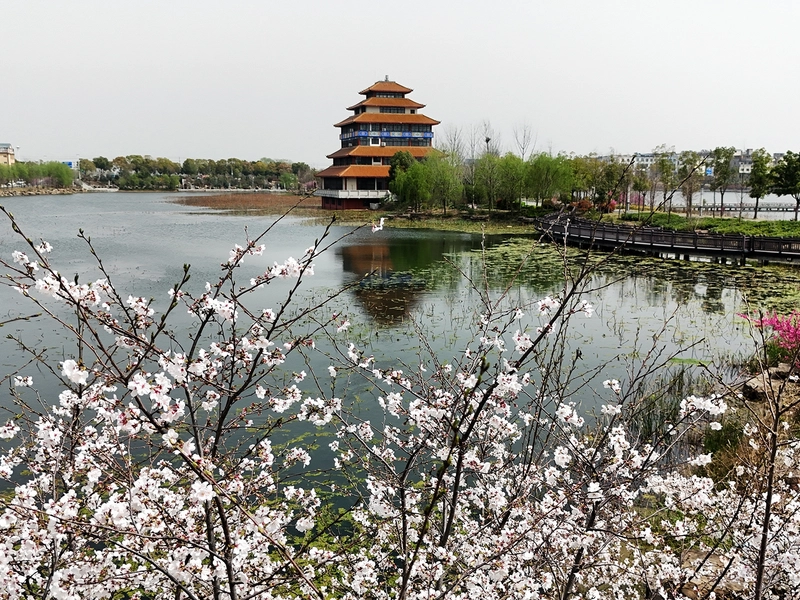
As spring winds cross the Funiu Mountains, the peonies of Luoyang bloom in splendor. "Only the peony is the true national beauty; when it blooms, it moves the capital." In northern Henan, wheat fields turn green again, while southern rapeseed blooms like gold, painting a vibrant canvas across the Central Plains. During this season, ancestral ceremonies at Huangdi's hometown in Xinzheng and temple fairs at Taihao Mausoleum in Huaiyang continue a civilization that spans millennia.
Summer (June–August): The Prelude to Life's Abundance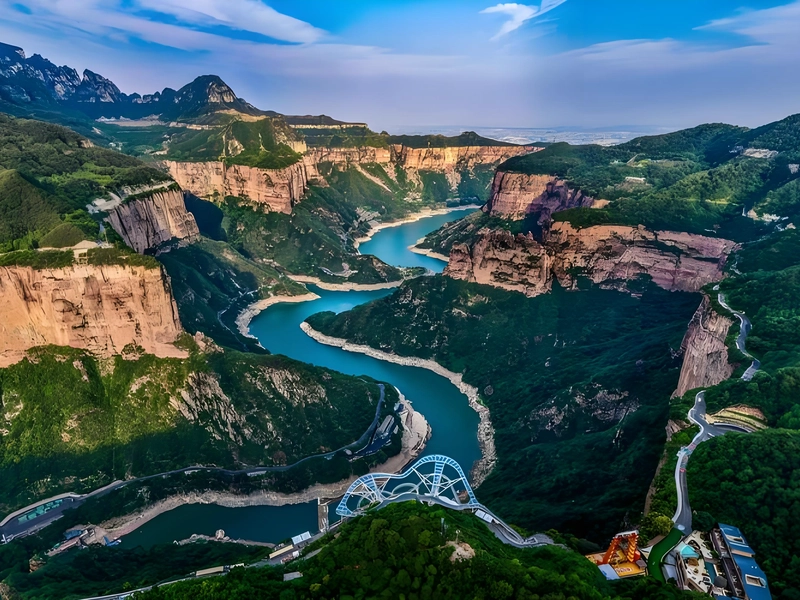
In June, golden waves of wheat roll from south to north, accompanied by the rhythmic hum of modern combine harvesters, creating a modern ode to abundance. The lotus blooms gracefully in Nanwan Lake, Xinyang; waterfalls and streams in Taihang Grand Canyon bring refreshing coolness; the forest paths of Jigong Mountain echo with the footsteps of past missionaries. At this time, the Xiaolangdi Reservoir on the Yellow River regulates water and sediment, taming the river's mighty flow through modern technology.
Autumn (September–November): The Gifts of Civilization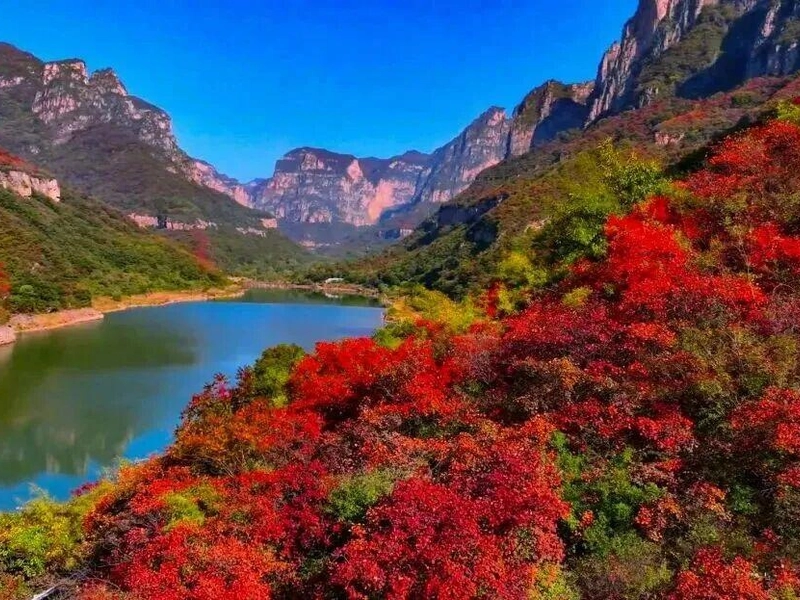
At the foot of Songshan, the golden ginkgo leaves frame the red walls and blue tiles of Shaolin Temple. Hawthorns in western Henan, pomegranates in northern Henan, and chestnuts in southern Henan ripen, filling the air with sweet fragrances. In this season, Jun porcelain in Yuzhou emerges from kilns in vibrant colors, while woodblock New Year prints in Zhuxian Town are prepared for the coming Spring Festival.
Winter (December–February): The Reflection of Civilization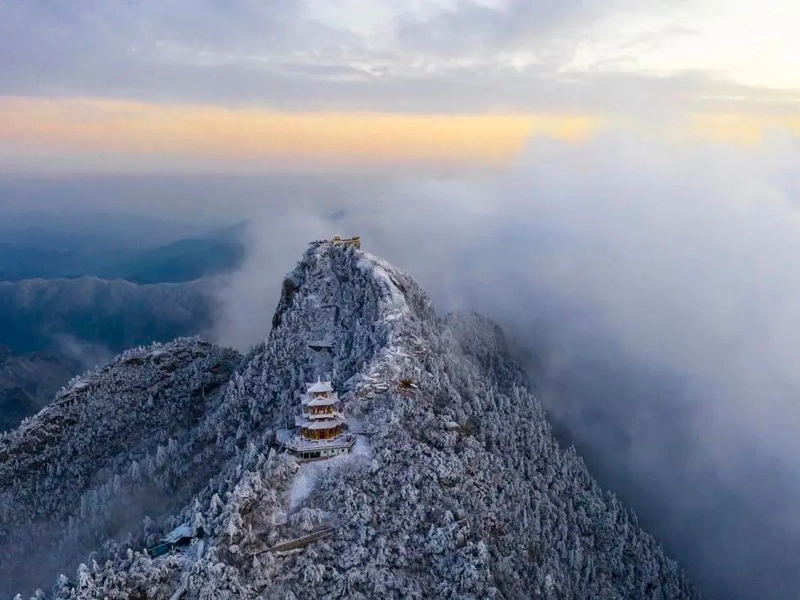
Snow falls upon the statues of Longmen Grottoes, accentuating their serene smiles. At Longting Lake in Kaifeng, snow on Rainbow Bridge mingles with red lanterns, evoking scenes from the Riverside Scene at Qingming Festival. At Anyang's Yin Ruins, oracle bones in the museum seem even clearer under the winter light. Winter is the season for Henan people to gather around warm fires, savor steaming bowls of huimian noodles and spicy soups, and recount the stories of the land.
Henan's mountains and rivers have shaped not only the geography but also the character of Chinese civilization. This fertile land at the "center of heaven and earth" writes the core chapters of Chinese culture with boundless breadth. Every ridge is a backbone of history; every river is the lifeblood of civilization.
The Soul of Henan: The Source of Civilization, A Constellation of Luminaries
On this ancient land of Henan, history has never truly departed. It manifests in oracle bones buried in the loess, in inscriptions carved into steles, in the wisdom preserved in classical texts, engaging every visitor in a dialogue that spans millennia. This is not only the birthplace of Huaxia civilization but also the forge of the Chinese national spirit.
Ancestors of Civilization: Opening the Primordial Chaos
Huangdi: The Common Ancestor of Huaxia, the First Human Teacher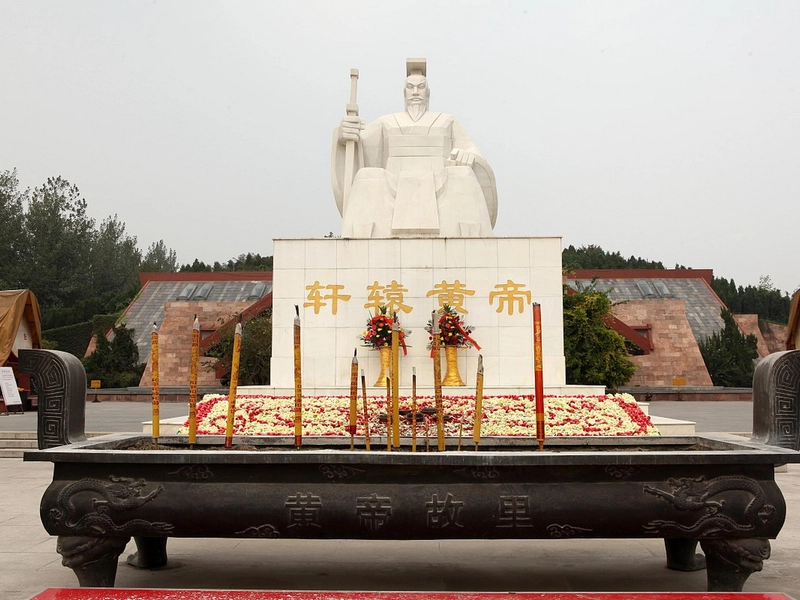
At Huangdi's hometown in Xinzheng, an ancient cypress, said to have been planted by Huangdi himself, still stands tall and vigorous. Every year on the third day of the third lunar month, Chinese people from across the globe gather here at the ancestral square, structured according to the "Heaven-Earth-Human" triad, to engage in a dialogue with civilization spanning five millennia. Huangdi was not only the leader of tribal alliances but also the architect of civilization:
- He commissioned Cangjie to create written characters, ensuring the preservation of culture.
- He discussed medicine with Qibo, laying the foundations of the Huangdi Neijing.
- His consort Leizu taught sericulture, inaugurating the silk civilization.
- He established the calendar, developed musical scales, and invented vehicles and boats.
Along the Xuanyuan Hill by the Yellow River, one can almost hear his majestic command: "Cultivate virtue, strengthen the army, nurture the people, and govern the lands." As the common ancestor of Huaxia, he infused the Chinese nation with its earliest cultural genes.
Dayu: Founder Who Tamed the Waters and Unified the Nine ProvincesOn Juntai Street in Yuzhou, the ancient Yu King Lock Dragon Well tells tales of Dayu's legendary flood control. His story goes far beyond the famous tale of "passing his home three times without entering":
- He "opened the Nine Provinces, linked the nine routes, regulated the nine marshes, and measured the nine mountains," achieving the first systematic governance of the territory.
- He established the Xia capital at Erlitou, creating a hereditary political system.
- He cast the Nine Tripod Cauldrons, dividing the realm into Ji, Yan, Qing, Xu, Yang, Jing, Yu, Liang, and Yong provinces.
- The formulation of the "Yu Penal Code" became an important source of China's legal civilization.
At Yique in Longmen, the gorge said to have been dug by Dayu still showcases humanity's courage and wisdom in overcoming nature.
A Legacy of Sages: Dao Across Ages
Laozi: Founder of Daoist Philosophy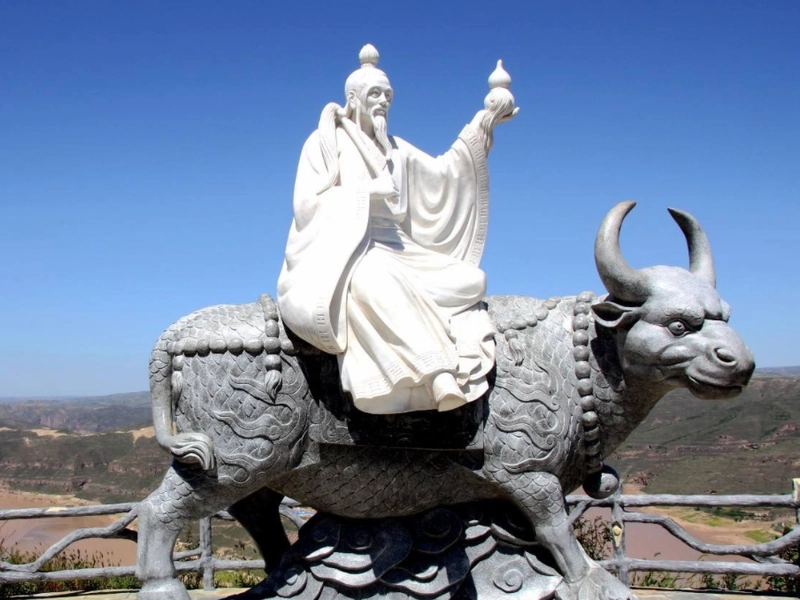
At Taiqing Palace in Luyi, the cypress tree said to have been planted by Laozi remains verdant. This keeper of the Zhou royal archives, witnessing the decay of ritual and music in Luoyang, left behind the Tao Te Ching upon departing west through Hangu Pass. Though only five thousand words, it contains infinite wisdom:
- The cosmic view of "Tao follows nature" shaped a uniquely Chinese mode of thinking.
- The political philosophy of "governing through non-action" became a guiding principle for prosperous dynasties.
- The notion that "the highest good is like water" nourishes the Chinese spirit.
At Hangu Pass in Lingbao, the Taichu Palace where Laozi composed his classic still stands, and with each morning bell and evening drum, one can almost hear the profound words, "The Tao that can be told is not the eternal Tao," reverberating through the valley.
Du Fu: Eminent Representative of Poetic HistoryIn Kangdian Town, Gongyi, Du Fu's modest tomb contrasts sharply with his renown as the "Poet Sage." Born in Gong County and raised in Luoyang, he composed over 1,400 poems, constructing an enduring spiritual sanctuary:
- The Three Officials and Three Farewells reflect human suffering during the An-Shi Rebellion.
- Lines like "the rich feast while the poor freeze in the streets" reveal the conscience of the intellectual class.
- His cry for "ten thousand mansions" embodies the responsibility of Confucian scholars.
Near Longmen Xiangshan Temple in Luoyang, the earthen dwelling where he spent his later years remains, witnessing how this poet intertwined his personal fate with the rise and fall of his country.
Other Intellectual Giants: Forging the Chinese Soul
Zhuangzi: Successor and Developer of Daoist Thought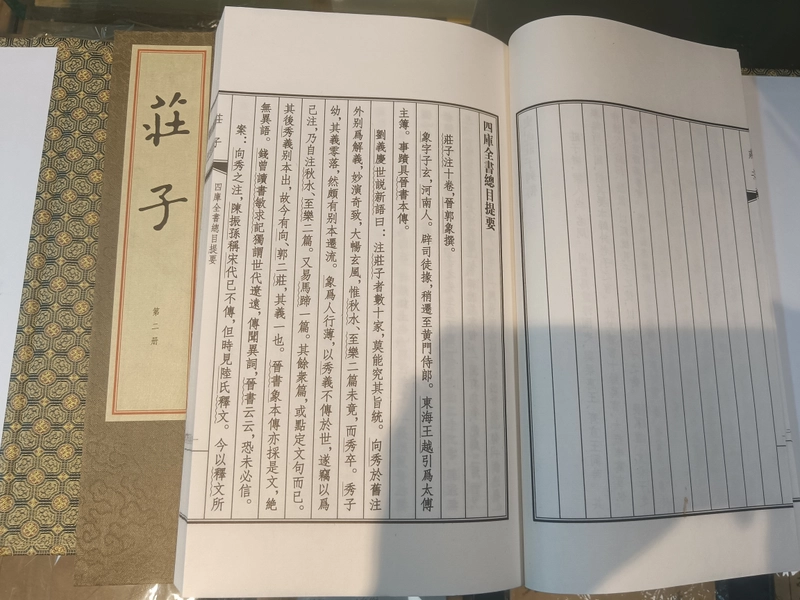
In Minquan County, Shangqiu, the Zhuangzi Well, said to have been used by Zhuangzi for drawing water, still runs clear. This official of Qiyuan opened the horizon of spiritual freedom through The Free and Easy Wandering:
- The "Zhuangzi Dreaming of a Butterfly" explores ultimate questions of existence and perception.
- The allegory of "Butcher Ding Carving an Ox" reveals the supreme unity of skill and Dao.
- The "usefulness of the useless" provides a lens for alternative thinking.
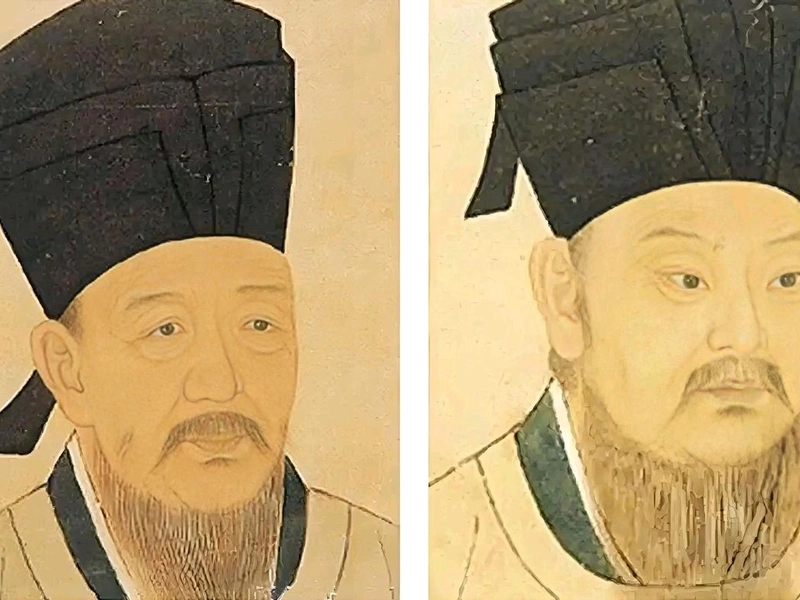
At the Cheng brothers' residence in Yichuan, Luoyang, aged manuscripts continue to radiate the light of Neo-Confucian thought. Cheng Hao and Cheng Yi:
- Founded the Lu School and built the theoretical framework of Neo-Confucianism.
- Propounded "preserve the principle of Heaven, remove human desires," influencing the next seven centuries.
- Lectured at Songyang Academy, making Henan a center of scholarship.
These intellectual giants, like brilliant stars, illuminate the sky of Chinese civilization. Their wisdom permeates Henan's mountains and rivers, flowing into the lifeblood of its people, becoming the nation's most precious spiritual heritage. Walking through Henan, one may unexpectedly encounter these great souls and, in the light of their thought, find one's own spiritual bearings.
The Splendor of Cities: A History of Henan, Half a History of China
The epic of Henan is written collectively by its seventeen cities. From the ancient capitals to emerging hubs, each city represents a significant chapter in Chinese civilization.
Zhengzhou: At the Center of Heaven and Earth, the Rebirth of a Commerce Hub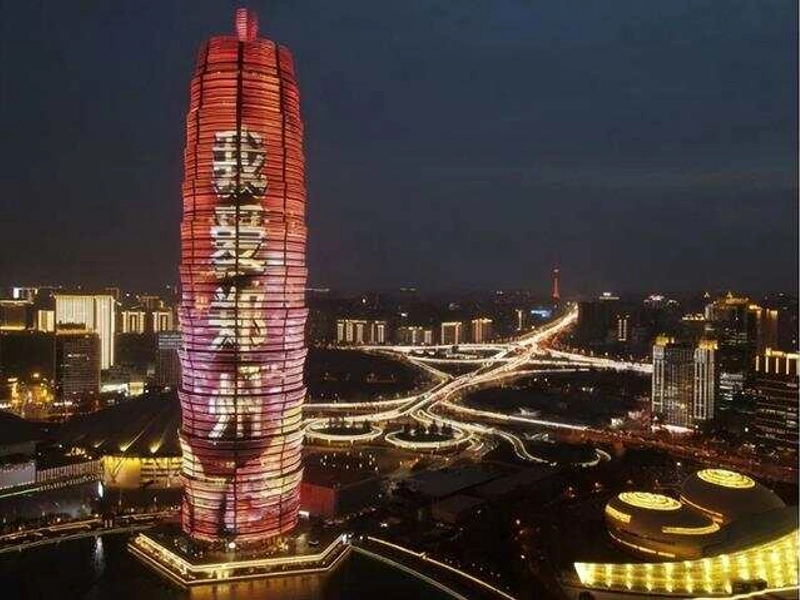
3,600 years ago, Zhengzhou was the capital of the Shang Dynasty; 3,600 years later, it is the heart of China's central high-speed rail network.
Zhengzhou is where antiquity meets modernity. The historical buildings on Mount Song in Dengfeng, known as "the Center of Heaven and Earth," embody ancient reverence for cosmic order; the rammed-earth walls of Shang City mark the beginning of commercial civilization. Xinzheng, Huangdi's hometown, carries the ancestral legacy of the "Common Ancestor of Chinese Civilization," making the Central Plains not just a geographic region but a civilization's coordinate.
Today, Zhengzhou leads the Central China Economic Zone and stands at the crossroads of China's "railway cross." From ancient courier routes and Yellow River ferries to modern high-speed rail hubs and aviation zones, the pulse of trade continues through millennia.
The ancient commerce hub rises anew in the name of logistics, technology, and manufacturing. South of the Yellow River, this city is reshaping the epic of Central China's revival with intelligence and innovation.
Luoyang: Thirteen Dynasties' Ancient Capital, City of a Thousand Years of Flowers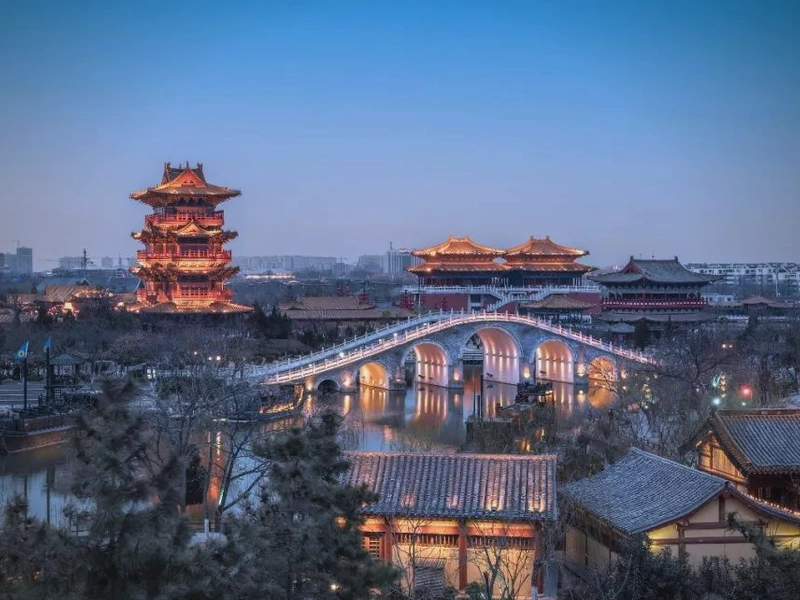
"If you ask about the rise and fall of past ages, just look at Luoyang City."
From the royal aura of Xia, Shang, and Zhou to the prosperity of the Sui and Tang, the rise and fall of thirteen dynasties left its mark here.
The serene Buddhas of Longmen Grottoes contemplate worldly affairs; the bells of White Horse Temple echo millennia of faith; the fertile plains of Luoyang nurture the roots of ritual, music, the eastward spread of Buddhism, and literary flourishing.
This is China's "cultural mother city," a symbol of Central Plains spirit.
Today, Luoyang is still embodied by the peony. In spring, the city awakens amidst floral fragrance, ancient city walls blending with modern streets into a picture of "a thousand years in bloom." From the eastern gateway of the Silk Road to today's sub-center of the Central Plains city cluster, Luoyang shines anew in the interplay of history and future, embracing the revival of its ancient capital and shared prosperity along the Luo and Yellow rivers.
Kaifeng: Dongjing's Splendor, the Enduring Charm of the Song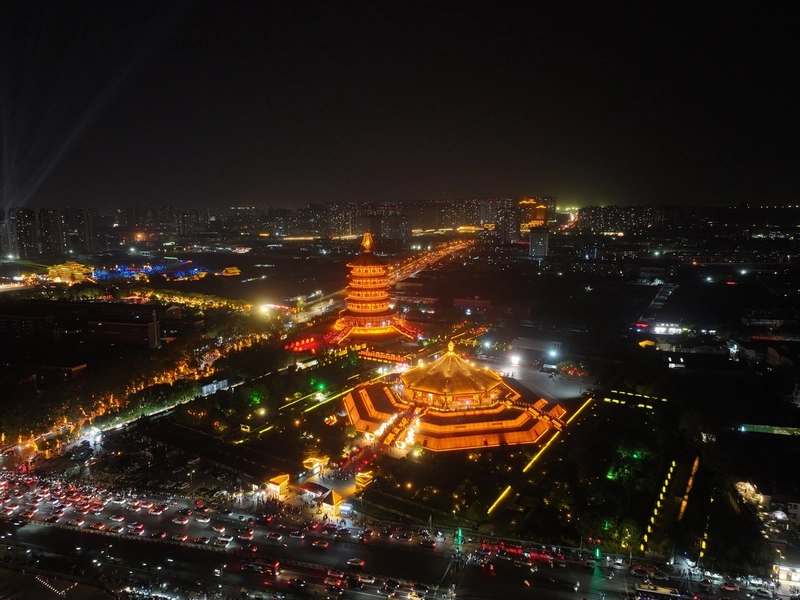
Eight centuries ago, the Along the River During the Qingming Festival depicted Kaifeng's daily life.
At that time, Tokyo Bianliang welcomed envoys from all nations, marketplaces bustled, and night markets never slept—it was one of the world's earliest "international metropolises."
The Bian River still flows, the Dragon Pavilion and Iron Pagoda stand side by side for a millennium, and glazed bricks reflect Song artisans' ingenuity. Layered "city upon city" structures are miracles born of Yellow River silt and historical accumulation.
Today, Kaifeng revives the cultural aura and liveliness of the ancient capital under the banner of “Song Dynasty Charm of China.” From the Bianliang Kite Festival to Qingming Cultural Week, from Bao Gong Temple’s righteousness to the aroma of steamed buns in night markets, the city’s warmth continues to flow through daily life.
Kaifeng not only preserves memory but also, through openness and cultural-tourism integration, transforms the "Song charm" into a new global representation of Central Plains culture.
Anyang: A Millennium of Oracle Bones, Birthplace of Civilization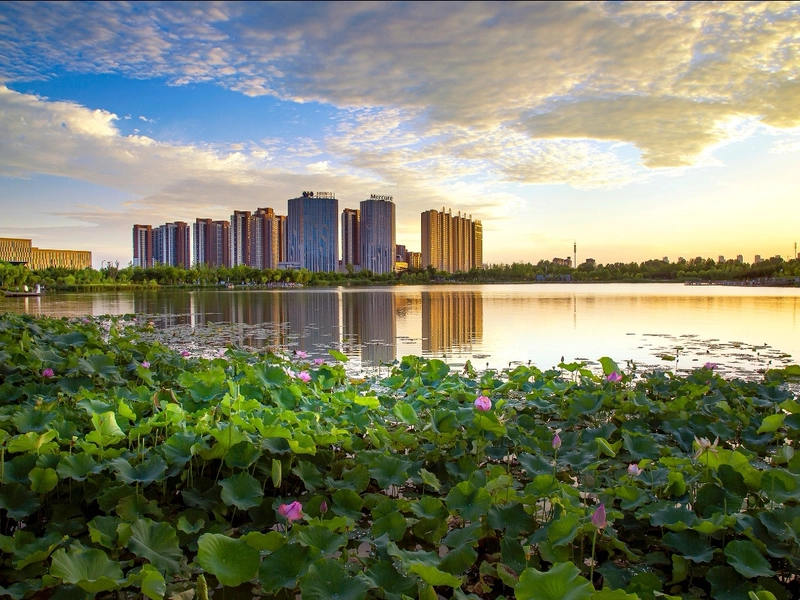
The oracle bones unearthed at Yin Ruins are the first sounds of Chinese writing; the bronzes along the Huan River reflect the lingering glow of civilization.
Anyang is the origin of history, the starting point of "documentable history." Here arose not only the Shang royal system but also early divination, calendars, craftsmanship, and religious concepts.
Each oracle bone, inscription, and ruin narrates the grand progression of human civilization from chaos to order.
Today, Anyang bridges antiquity and modernity. The Museum of Chinese Characters displays the genes of civilization, while the Red Flag Canal spirit transmits the era's faith. From bronze to steel, from divination inscriptions to industry, Anyang continually reminds people of their roots—where we come from and where we are heading.
Nanyang: Home of Wisdom, Land of the Sleeping Dragon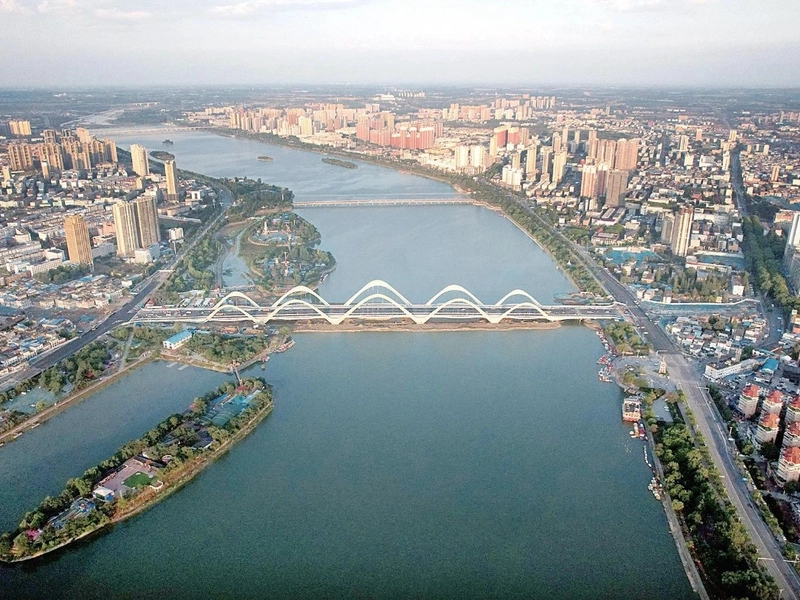
"Zhuge Liang plowed the fields in Nanyang," making this city famous for wisdom.
But Nanyang's brilliance goes beyond the Sleeping Dragon. The medical sage Zhang Zhongjing healed with compassion and skill; scientist Zhang Heng explored the heavens with an armillary sphere; historian Sima Guang illuminated the past with a single lamp; and strategist Zhuge Liang devised ingenious plans. One land nurtured four "sages," creating a legendary city.
Nanyang lies at the convergence of Han and Chu cultures, combining historical depth with poetic vitality. Funiu Mountains and the Danjiang River shape its landscapes, while jade culture and the Silk Road add refinement and openness.
Today, Nanyang relies on new energy, cultural tourism, and medical services as its three main pillars, continuing the city's spirit of balancing wisdom and benevolence. When the wind blows across Wolong Hill, it carries not only echoes of history but also the call of a new era.
The Constellation of the Central Plains: Continuity of Civilization and Urban Resonance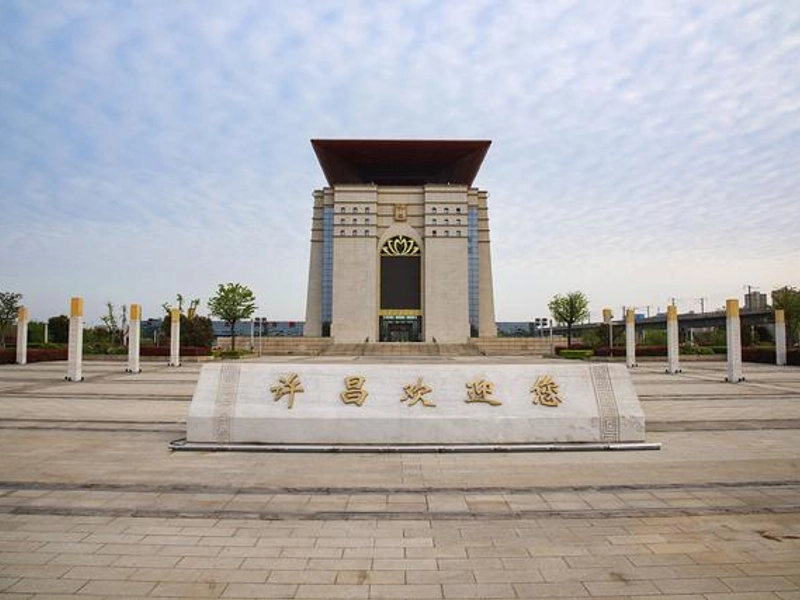
If Zhengzhou, Luoyang, Kaifeng, Anyang, and Nanyang form the historical spine of Henan, cities such as Xuchang, Shangqiu, Zhoukou, Pingdingshan, Xinxiang, Jiaozuo, and Sanmenxia constitute the cultural arteries and spiritual branches. Together, they weave a vast tapestry of Central Plains civilization.
In Xuchang's spring breeze, one can hear the echoes of Cao Cao, "a capable minister in peace, a cunning hero in chaos." Beneath Shangqiu's ancient city, the flame of commerce still burns. In front of Zhoukou's Fuxi Temple, divination and order converge with human origin. Pingdingshan writes a green transition through its "coal city transformation," Xinxiang illuminates the faith of hard work through the Red Flag Canal spirit; Jiaozuo's Yuntai Mountain is a poem of the southern Taihang, and Sanmenxia's Yellow River Dam enacts the dialogue between humanity and nature.
These cities extend Henan civilization and embody its spirit. Some are renowned for history, others rise through endeavor, collectively forming the "cultural latitude" of Henan—from prehistoric civilization to industrial rise, from Daoist origins to ecological renewal, each city shining with its own light.
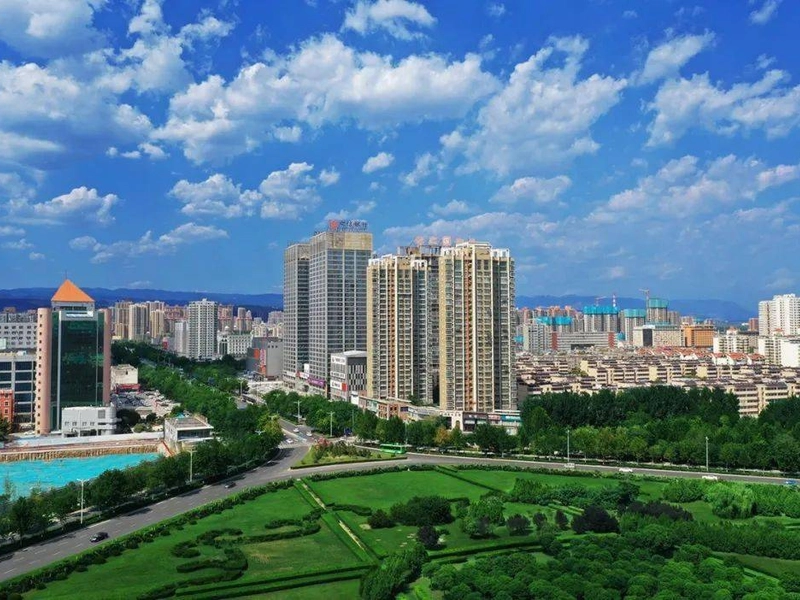
Further north and south, Hebi, Puyang, Luohe, and Zhumadian reflect the modern temperament of the Central Plains. Hebi seeks industrial beauty in green development; Puyang balances energy and agriculture, displaying "fields and oil" in harmony; Luohe spreads the "flavor of the Central Plains" nationwide through its food industry; Zhumadian combines transport and ecology, emerging as the most livable new city in southern Henan.
From ancient to modern, from agriculture to industry, from culture to ecology—every city in Henan is not an isolated entity but a chapter in the "epic of the Central Plains." Together, they form the heart of Chinese civilization: weighty, resilient, and perpetually renewing.
Academic Splendor: Passing the Torch, Continuing Civilization
On the land of Henan, where the world's oldest universities were born, higher education institutions stand like beacons of civilization—safeguarding millennia of scholarly tradition while illuminating the path of the times. They quietly occupy the streets of ancient capitals and the banks of the Yellow River, carrying forward the academic torch of the Central Plains in their own distinctive ways.
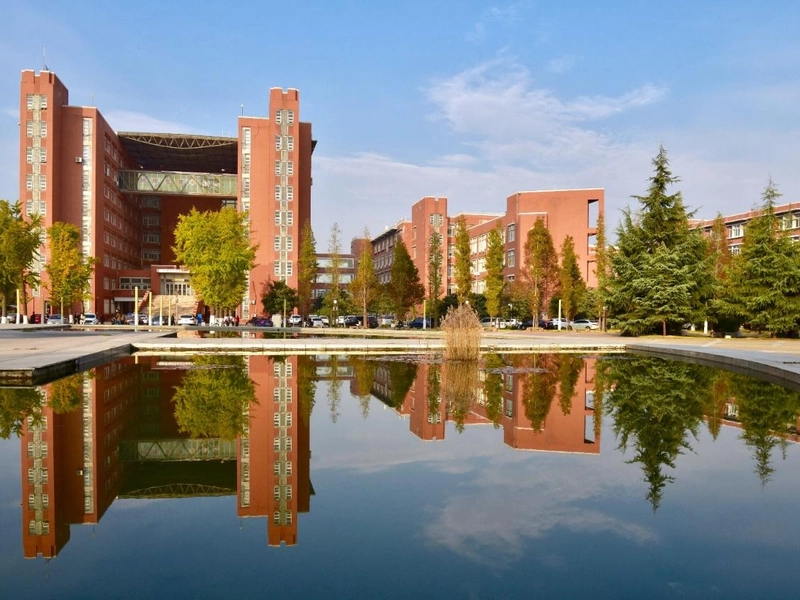
Zhengzhou University, the only "Double First-Class" university in Henan, stands like a composed sage in the heart of the Central Plains. Its campus harmonizes the verdant pines of Houshan with the clear waters of Meihu Lake, while springtime cherry blossoms and autumn ginkgo avenues weave countless memories for generations of students. Here, the lights in materials laboratories burn late into the night, infusing "Made in China" with Henan ingenuity; scholars at the Institute of Central Plains History delve tirelessly into oracle bones, breathing new life into ancient scripts. This university embodies not only the aspirations of Henan's rise but also a vivid practice of ancient civilization in the contemporary era.
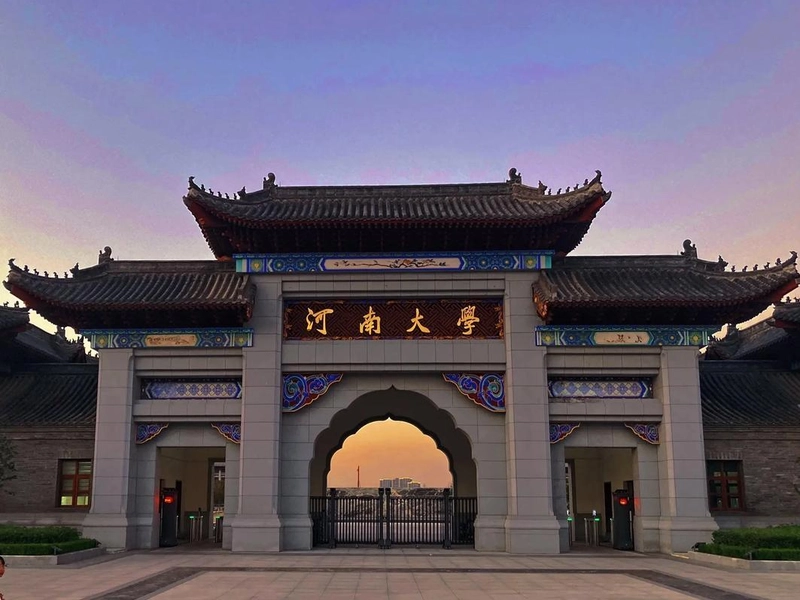
Heading east along Zhengkai Avenue, in the eight-dynasty ancient capital of Kaifeng, Henan University quietly upholds another scholarly tradition. The modern buildings along Iron Tower Lake stand silently, while flowing eaves and bracketed roofs carry the weight of a century. The College of Arts continues the literary legacy of the "Tongcheng School," while the Geography Department's faculty and students year after year traverse both banks of the Yellow River, monitoring the health of the mother river. Most moving are the veteran professors, who, like the campus's historic buildings, are simple yet profound, nurturing generations of students with the school motto "Cultivate Virtue, Renew the People, Achieve Ultimate Good" like gentle spring rain.
In the Central Plains, there is also a unique institution—the Information Engineering University. Unassuming yet outstanding, it is praised as the "Tsinghua of the Military." Here, faculty and students quietly advance research at the frontier of information technology, safeguarding national cybersecurity. Walking through the streets of Zhengzhou, one might never notice these hurried scholars, yet they are quietly laying the foundations for the digital era.
Henan Normal University, with its "people-oriented" philosophy, has cultivated countless teachers who sow hope across the Central Plains; Henan Agricultural University works the yellow earth to ensure the harvest of the "grain warehouse of Central China" through science and technology; students at North China University of Water Resources and Electric Power follow in the footsteps of Yu the Great, continuing to write new chapters in flood control and national prosperity.
Each of these universities possesses its own character, yet together they form a magnificent panorama of higher education in Henan. They are not isolated temples of knowledge but are intrinsically connected to the land itself. From classrooms with windows overlooking millennia-old towers, to laboratories where data flows with the genes of the Yellow River, to academic discussions echoing the wisdom of past sages—Henan's universities are deeply rooted in history while embracing the future with open arms.
Scenic Wonders: Civilization’s Imprint, Past and Present in Harmony
Historical Marks, Witnesses of Civilization
- Longmen Grottoes: A milestone of the Sinicization of Buddhist art.
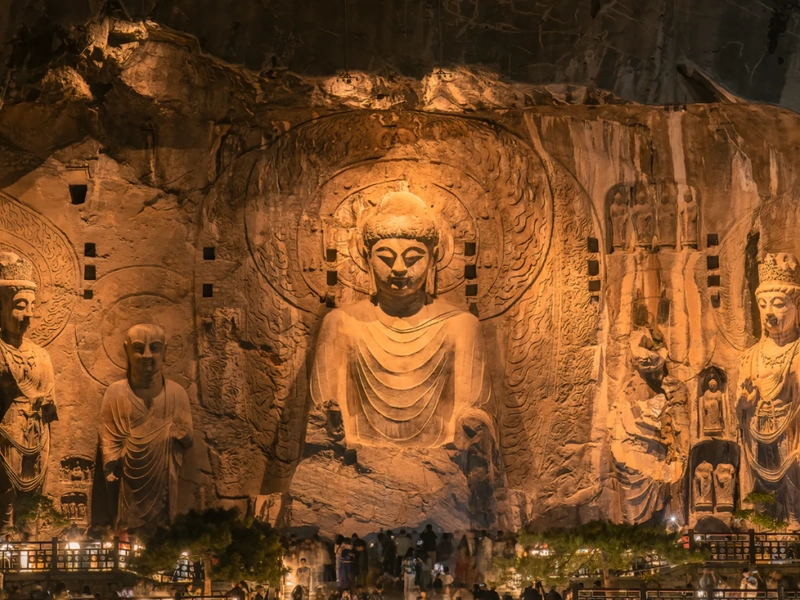 Carved during the Northern Wei and flourishing in the Tang dynasty, over 100,000 Buddha statues adorn the cliffs across more than a thousand years. The "Oriental Smile" of the Vairocana Buddha embodies the pinnacle of Tang craftsmanship and the composure of a prosperous era. On these stone walls, one finds not only forms of faith but also intersections of aesthetics, politics, and philosophy. Longmen is more than a grotto; it is a "history written in stone."
 - Shaolin Temple: The ancestral home of Zen Buddhism and a hall of martial arts.
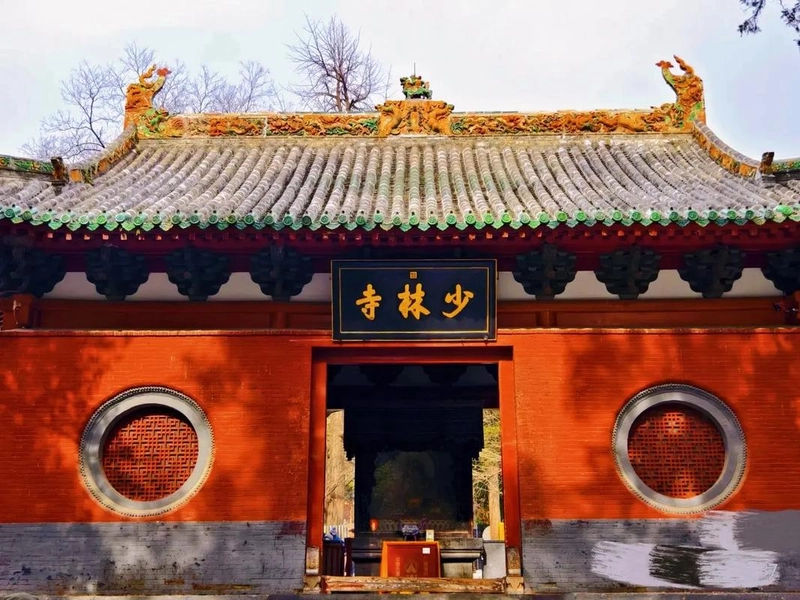 The saying "All martial arts under heaven emerge from Shaolin" is more than a legend—it is a cultural belief. Here, Zen and martial arts merge, monks and laypeople coexist harmoniously. From Bodhidharma facing the wall to martial monks performing staff techniques, Shaolin embodies the kinetic essence of Chinese culture—awakening through stillness, revealing the Way through motion. Shaolin Kung Fu has spread worldwide, while the "Shaolin spirit" symbolizes the enduring Chinese ethos.
 - Yin Ruins (Yinxu): The birthplace of oracle bones and an archaeological sanctuary of civilization.
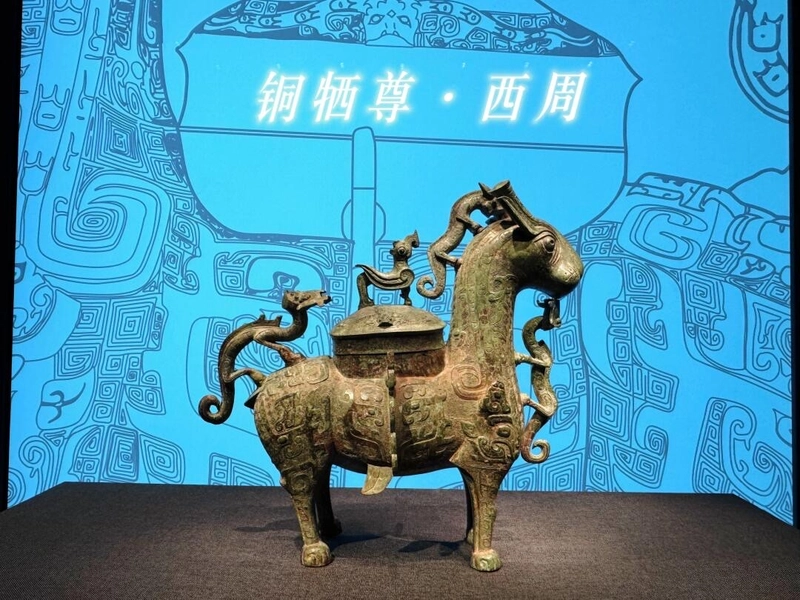 Along the Huan River in Anyang, the rammed earth and bronze relics of Yinxu record China's earliest state memory. The divinations from three thousand years ago represent the embryonic forms of Chinese writing, thought, and governance. Each oracle bone is a dialogue with the ancients—between fire and carving, Chinese history gained its first tangible shape.
Nature’s Masterpieces: Wonders of Heaven and Earth
- Yuntai Mountain: Majestic peaks and gorges on the southern foothills of the Taihang Mountains, a classic example of northern karst landscapes.
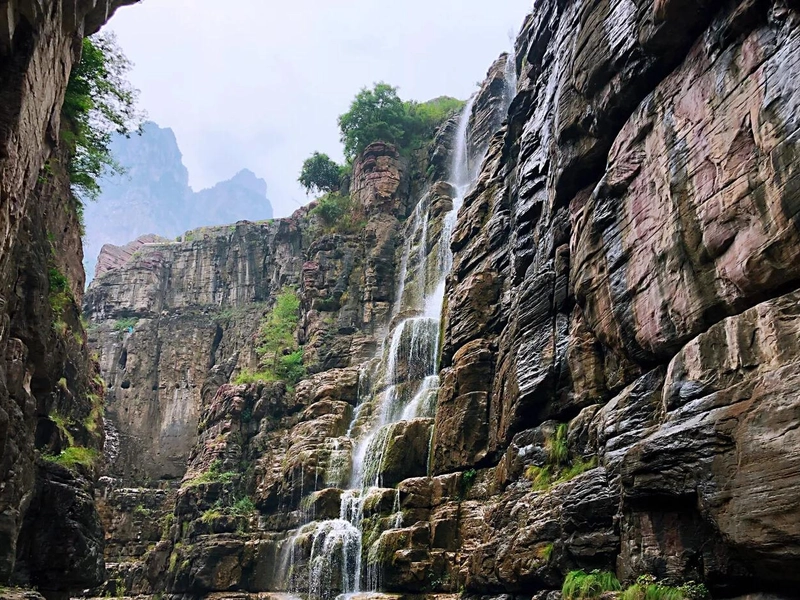 Red cliffs, emerald waterfalls, and swirling mountain mists create a fairyland-like scenery. The strata of Hongshi Gorge blaze like flames, while the streams of Tanpu Gorge flow as clear jade ribbons. Yuntai Mountain's grandeur lies not only in its form but in the harmonious interplay of movement and stillness, showcasing the artistic display of geological changes spanning millions of years.
 - Mount Laojun: A sacred Taoist site, bridging the celestial and the earthly.
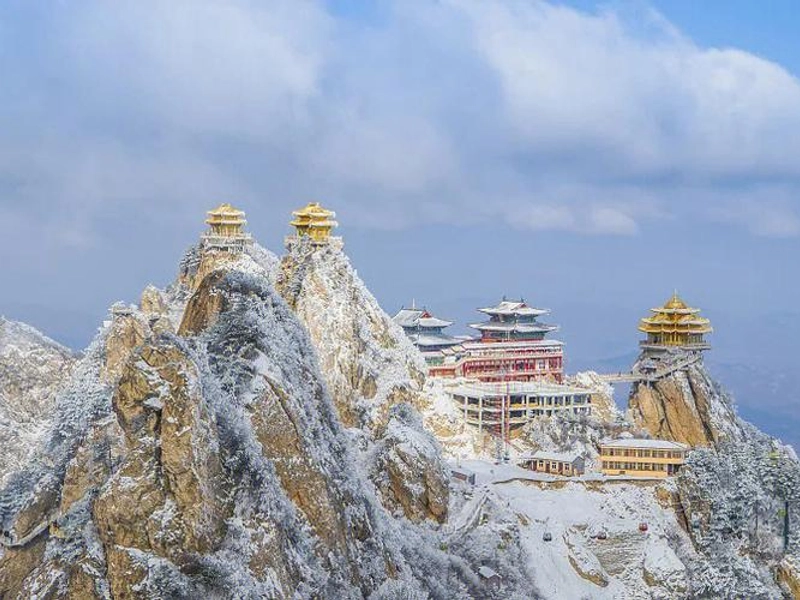 Traditionally regarded as the retreat of the Supreme Elder Lord, its golden temple glimmers atop the peak, surrounded by rolling seas of clouds. Spring brings rhododendron blooms, summer offers cloud waterfalls, autumn showcases red leaves from the summit, and winter cloaks the temple in snow. As the popular verse goes, "Traveling far to witness the human world's wonder, to glimpse the splendor of life," Laojun Mountain astonishes not only with natural beauty but also embodies millennia of Taoist philosophy on the unity of heaven and humanity.
 - Jigong Mountain: A century-old summer retreat at the border of Henan and Hubei.
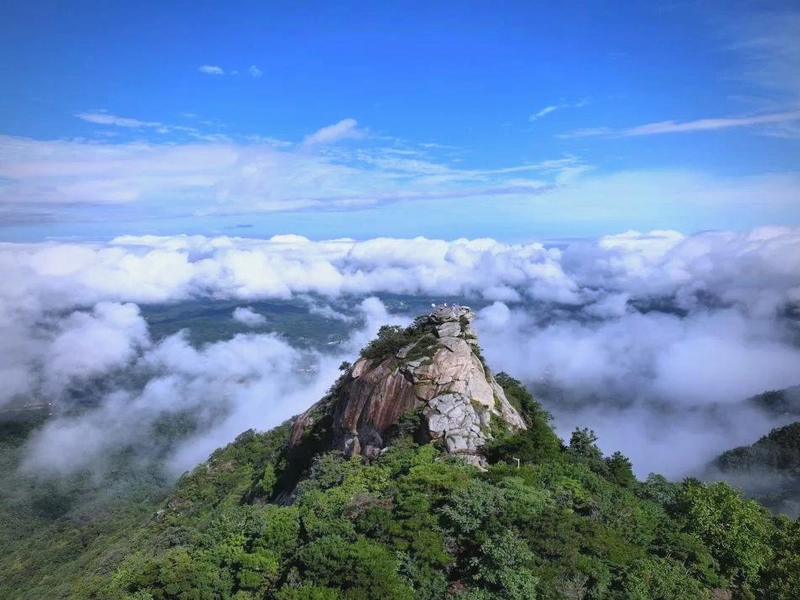 "Green divides Yu and Chu, embracing the Three Rivers," its elegant peaks rise amidst rolling seas of clouds. In the late 19th century, foreign missionaries and merchants built villas here, creating China's earliest international mountain summer resort. European-style architecture, forested trails, and drifting mists blend harmoniously—combining the subtle charm of Eastern landscapes with Western cultural romance.
Henan's mountains, rivers, temples, and grottoes are not only natural wonders but also markers along the continuum of civilization. From the smile of Longmen to Shaolin's balance of strength and grace, from the inscriptions of Yinxu to the jade waterfalls of Yuntai, every scenic spot reflects that Henan is not just China's geographic heart—it is the resonant center of culture and the cosmos.
Intangible Cultural Heritage: Mastery, Inheritance, and Living Civilization
In Henan, civilization does not merely rest in inscriptions and ruins—it thrives in the hands, voices, and performances of folk artisans. Every craft is a continuation of millennia of life; every chant and percussion stroke is a contemporary expression of ancient culture.
- Yu Opera (豫剧): The grand drama of Central China, singing life's joys and sorrows.
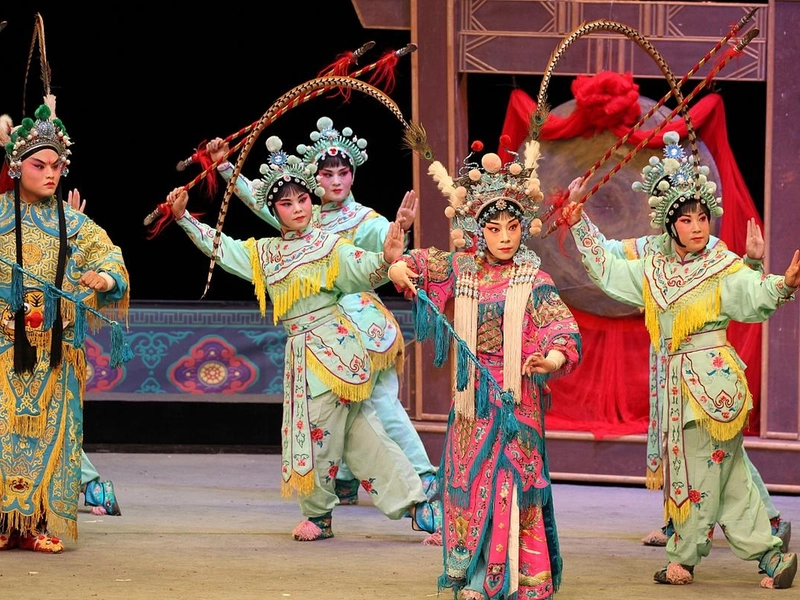 With the clash of gongs and drums, its powerful voice resonates across the Central Plains. Originating in the Qing dynasty and flourishing among the people, Yu Opera is one of China's five major opera forms. Its melodies are high-pitched and impassioned, rhythms brisk, performances direct and unrestrained—reflecting the Henanese character: straightforward, resilient, and sincere.
In Kaifeng's ancient city walls or rural stages, a line like "Liu Dage speaks too biasedly" can spark audience-wide empathy. Icons such as Chang Xiangyu's "Red Maiden" and Ma Jinfeng's "Mu Guiying" embody their roles completely. Plays like Hua Mulan portray patriotic devotion, while Chaoyang Valley captures societal change—each performance mirrors the lives of Central China's people. Yu Opera's charm lies in its versatility: equally powerful on grand national stages and humble village platforms.
With the clash of gongs and drums, its powerful voice resonates across the Central Plains. Originating in the Qing dynasty and flourishing among the people, Yu Opera is one of China's five major opera forms. Its melodies are high-pitched and impassioned, rhythms brisk, performances direct and unrestrained—reflecting the Henanese character: straightforward, resilient, and sincere.
In Kaifeng's ancient city walls or rural stages, a line like "Liu Dage speaks too biasedly" can spark audience-wide empathy. Icons such as Chang Xiangyu's "Red Maiden" and Ma Jinfeng's "Mu Guiying" embody their roles completely. Plays like Hua Mulan portray patriotic devotion, while Chaoyang Valley captures societal change—each performance mirrors the lives of Central China's people. Yu Opera's charm lies in its versatility: equally powerful on grand national stages and humble village platforms. - Bian Embroidery (汴绣): Flowers born from needlework, a millennium of elegance.
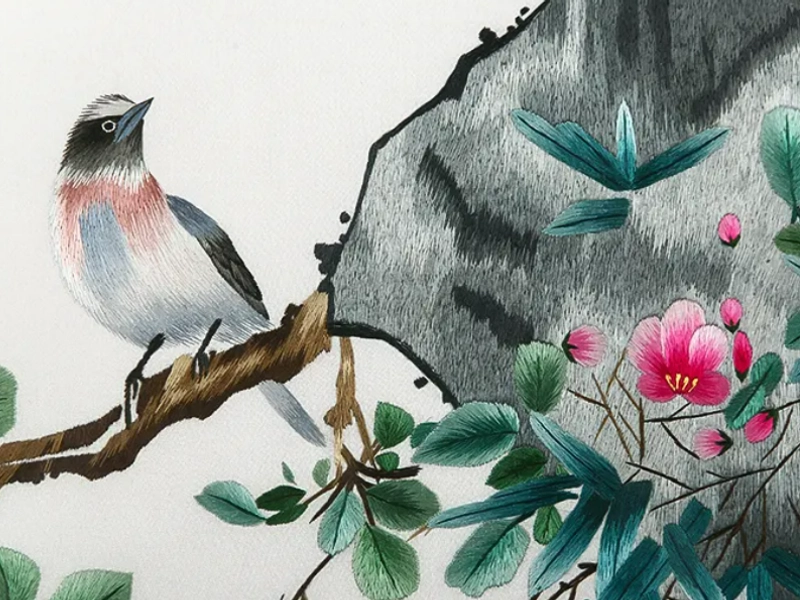 Entering a Bian embroidery studio in Kaifeng is like stepping back into ancient Tokyo Bianliang. Artisans' fingers fly over fine silk, gradually depicting the bustling scenes of Along the River During the Qingming Festival. Known for "neatness, elegant coloring, and vivid expression," a masterpiece may take months or years. The double-sided embroidery, identical in pattern but varying in color on each side, showcases unparalleled craftsmanship. Today, young artisans innovate while preserving tradition, merging heritage with modern design to bring Bian embroidery back to life in the fashion world.
 - Jun Porcelain (钧瓷): From kiln uniformity to limitless colors.
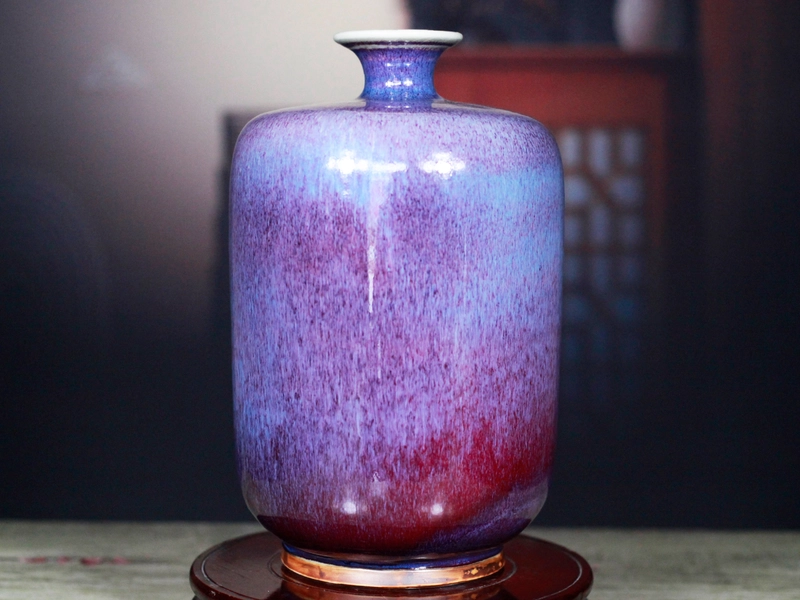 "Gold has a price, Jun has none." In Shenhui Ancient Town, Jun porcelain craftsmen still follow ancient techniques: clay preparation, wheel throwing, glazing—each step embodies patience and skill. The magic lies in kiln transformations—at 1,300°C, glazes flow freely, creating unpredictable patterns and colors. Each piece is unique, capturing the essence of nature in miniature form, reflecting the Taoist philosophy of "unity of heaven and humanity," the essence of Central China's culture.
 - Tang Sancai (唐三彩): The splendor of the Tang dynasty, brilliance across millennia.
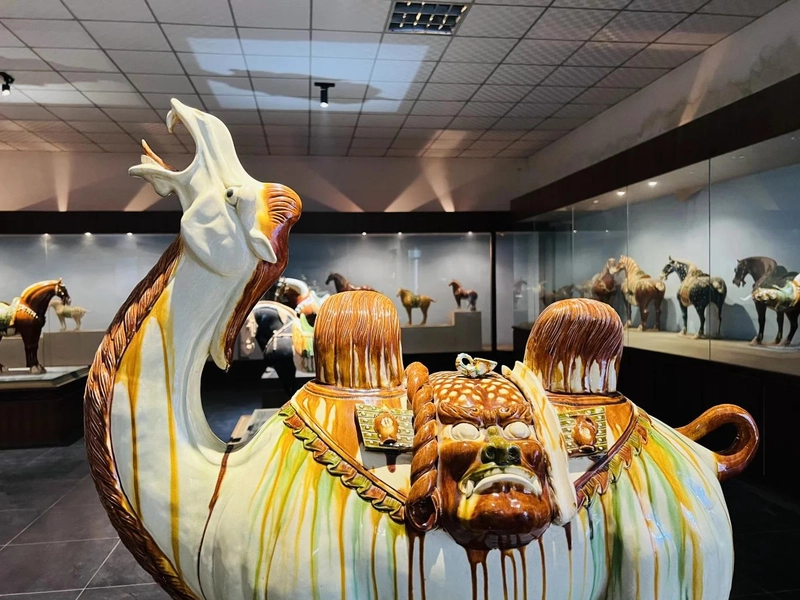 In Luoyang's Tang Sancai workshops, artisans recreate the Tang's vibrant spirit. Dominated by yellow, green, and white glazes, kiln fire blends colors, bringing to life prancing horses, loaded camels, and dancing ladies, reflecting Tang confidence and openness. Modern artisans not only revive ancient methods but also integrate them into contemporary life—Tang Sancai murals adorn city squares, and mini figurines enter everyday homes, keeping this millennia-old art radiant.
 - Zhuxian Woodblock New Year Prints (朱仙镇木版年画): A colorful feast of folk wisdom.
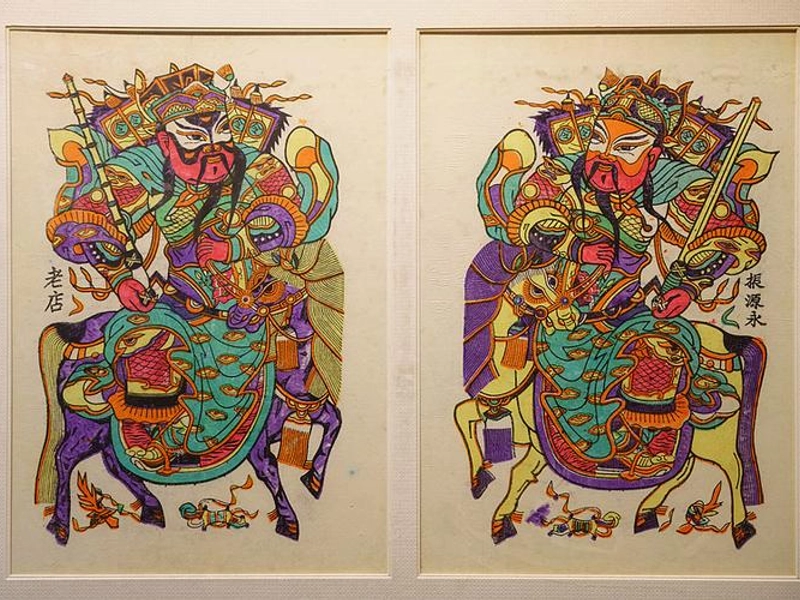 During the New Year season, workshops in Zhuxian town buzz with activity. Old wooden blocks are repeatedly pressed, layering vivid colors into robust folk artworks. Door gods like Qin Qiong, the Stove God, and the God of Wealth not only decorate festivals but embody people's hopes for a prosperous life.
 - Tai Chi (太极拳): Harmonizing strength and softness, Eastern wisdom in motion.
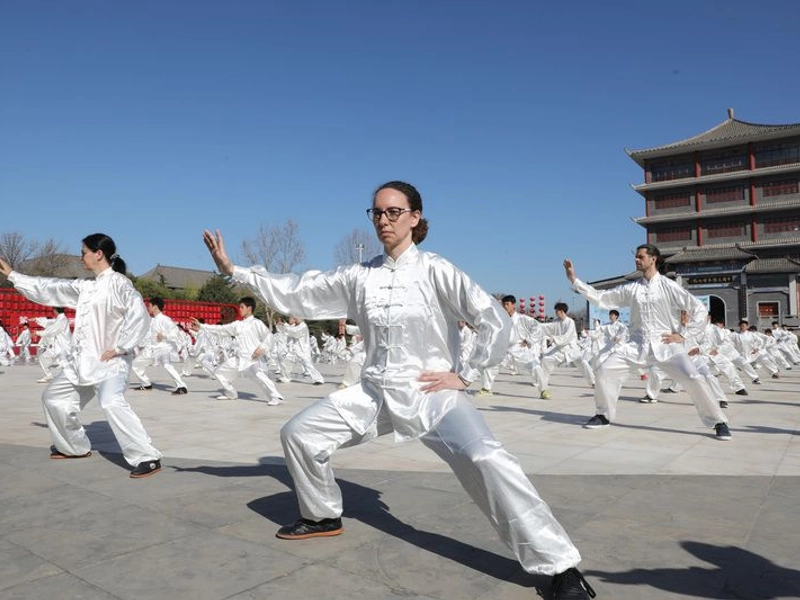 In Chenjiagou at dawn, practitioners train under ancient locust trees. Every movement—opening posture, cloud hands, single whip—flows like water, expressing the philosophy of "overcoming hardness with softness, controlling motion through stillness." Originating in Wenxian, Henan, Tai Chi has spread to over 150 countries, serving as a global symbol of Chinese culture.
These precious intangible cultural heritages form a river of culture flowing from antiquity to the present, vibrant and alive. They are not museum specimens—they are living arts, growing and flourishing in the hands of each inheritor. This is the charm of Central China's civilization: ancient yet youthful, weighty yet vibrant.
Culinary Delights and Local Treasures: The Flavors of Central China
The Ultimate Taste of the Central Plains, A Millennia of Heritage
Henan's culinary culture is a five-thousand-year-long sensory scroll, where every dish bears witness to history and carries the memories and emotions of the land.
- Huimian (烩面): A bowl of noodles capturing the spirit of the Central Plains
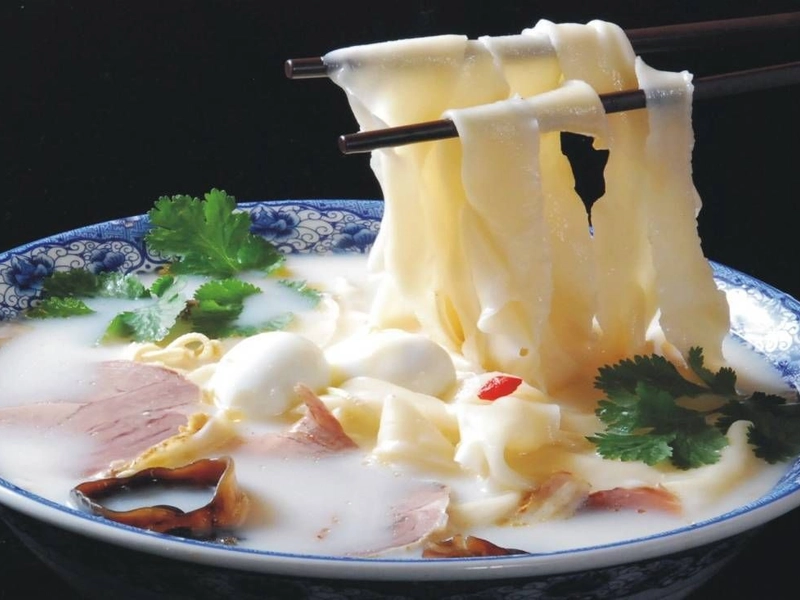 In the alleys of old Zhengzhou, skilled chefs stretch and twirl dough into flying strands, a display of craftsmanship and the natural exuberance of the people. The essence of Huimian lies in a six-hour slow-cooked lamb bone broth, milky and rich in aroma. Ingredients—premium lamb slices, tender black fungus, crisp daylily petals—are finished with fresh coriander and a drizzle of secret chili oil. In this bowl flows the freedom of the Yellow River, the majesty of Songshan, and the bold, straightforward temperament of Henan people. Whether for laborers or distant travelers, a steaming bowl of Huimian offers warmth and comfort unique to the Central Plains.
 - Hulatang (胡辣汤): Awakening the morning ritual of Henan
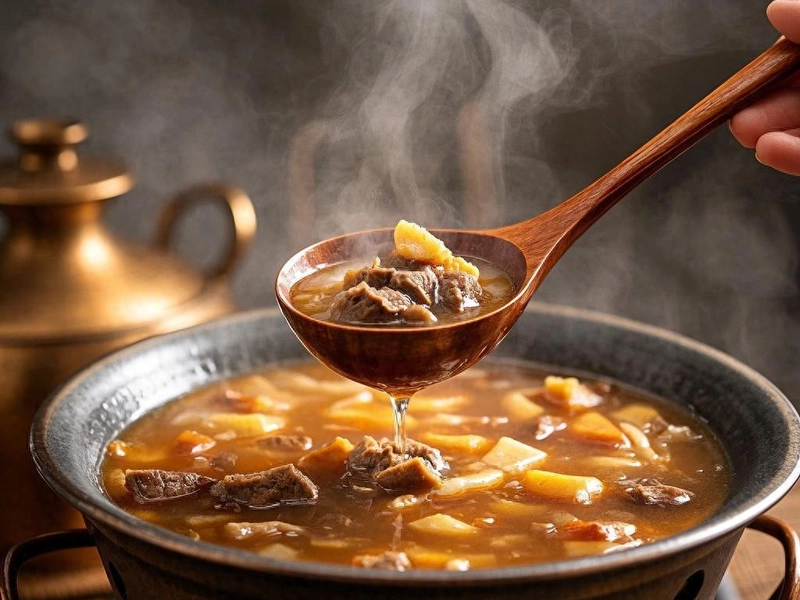 By five a.m. in Xiaoyao Town, the air is already filled with the aroma of pepper and spices. This snack, dating back to the Song dynasty, has become an indispensable morning ritual. Over thirty spices, fresh beef, chewy gluten, and tender black fungus simmer slowly in a large copper pot. As sunlight spreads across the plains, crowds gather, bowls in hand, to sip the spicy, savory soup with freshly fried youtiao. In this taste, one finds the city's lively energy, the vigor of its people, and the enduring resilience and warmth of Henan.
 - Yellow River Carp (黄河大鲤鱼): A culinary tribute to the Mother River
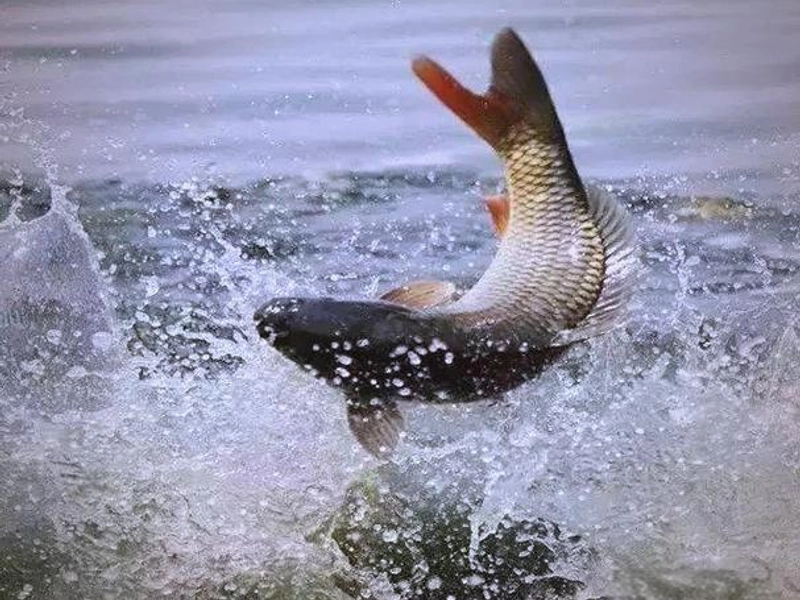 Renowned since ancient times, Yellow River carp is a prized delicacy. The ideal fish, about three jin (≈1.5 kg), thrives in the river's swift currents, yielding firm, flavorful meat. The classic Henan preparation—sweet and sour carp—requires scoring the fish to resemble a golden dragon, frying, then coating with a syrupy blend of aged vinegar and rock sugar. Served with head raised and tail curved, symbolizing "fish leaping over the dragon gate," it honors the river and reflects the gratitude of Henan people.
 - Four Treasures Set (套四宝): A Song dynasty imperial legacy
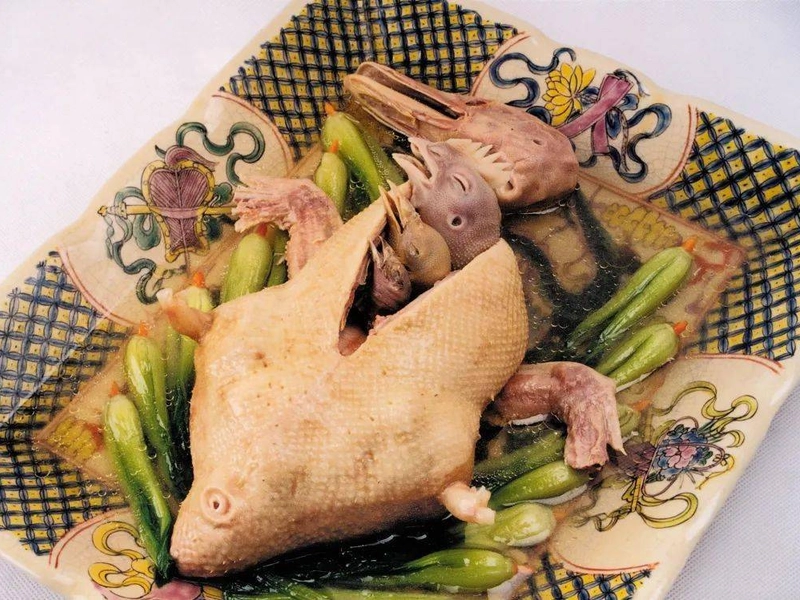 In the old alleys of Kaifeng, the legendary Northern Song dish, Four Treasures Set, layers duck, chicken, squab, and quail into a tower of flavors. Every piece is meticulously deboned, layered, and stuffed to perfection. The outer duck is rich, chicken tender, squab firm, and quail flavorful—a fourfold symphony for the palate. Beyond taste, the dish embodies Song dynasty aesthetics: the selection and layering reflect "best of the best," while the harmony of four birds conveys "unity in diversity." Today, it remains a treasured signature at Kaifeng's historic restaurants.
Regional Specialties, Distinctive Flavors
If the essence of the Central Plains lies in Henan cuisine, regional specialties are its vibrant blossoms, each telling local stories and showcasing folk character.
- Kaifeng Soup Dumplings (灌汤包): A taste of Song-era sophistication
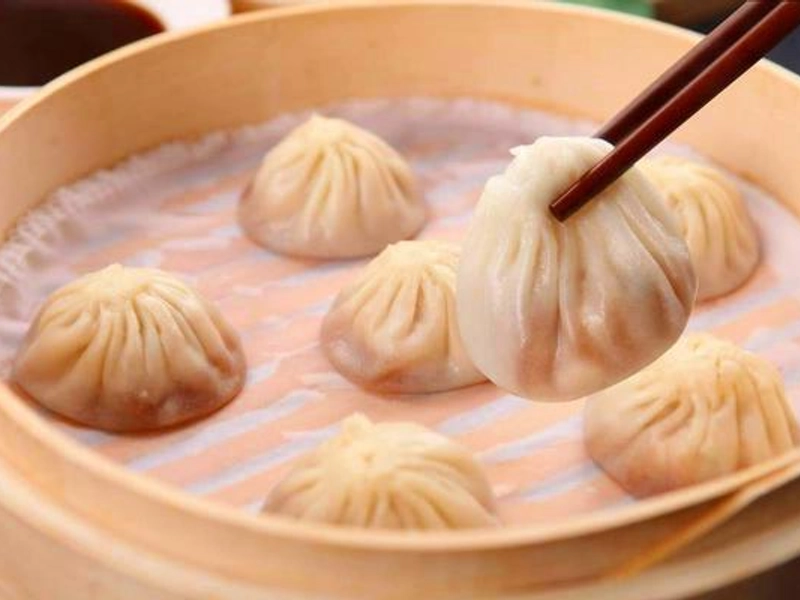 Steamed in the morning sun, each dumpling features eighteen delicate folds encasing a savory broth, originating in the Northern Song. One careful bite releases a burst of rich soup and pork, transporting diners to the bustling streets depicted in Along the River During the Qingming Festival.
 - Luoyang Water Banquet (洛阳水席): A 24-dish feast echoing Tang grandeur
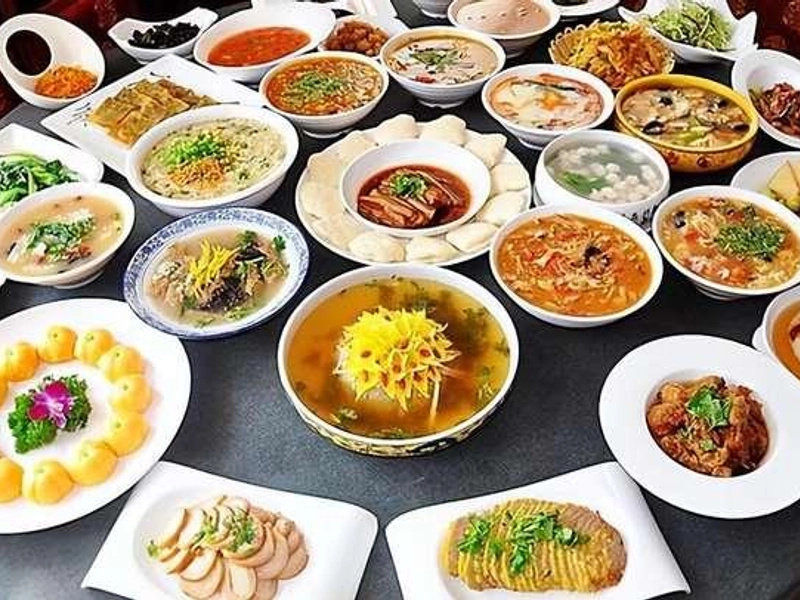 Starting with cold appetizers, moving through main courses, and ending with final soups, every dish flows like a poem. The famed Peony Bird's Nest uses shredded radish shaped into flowers, steaming in rich broth—once praised by Empress Wu Zetian. The banquet is not just food, but a living museum of culinary ritual.
 - Daokou Roast Chicken (道口烧鸡): Three centuries of legendary broth
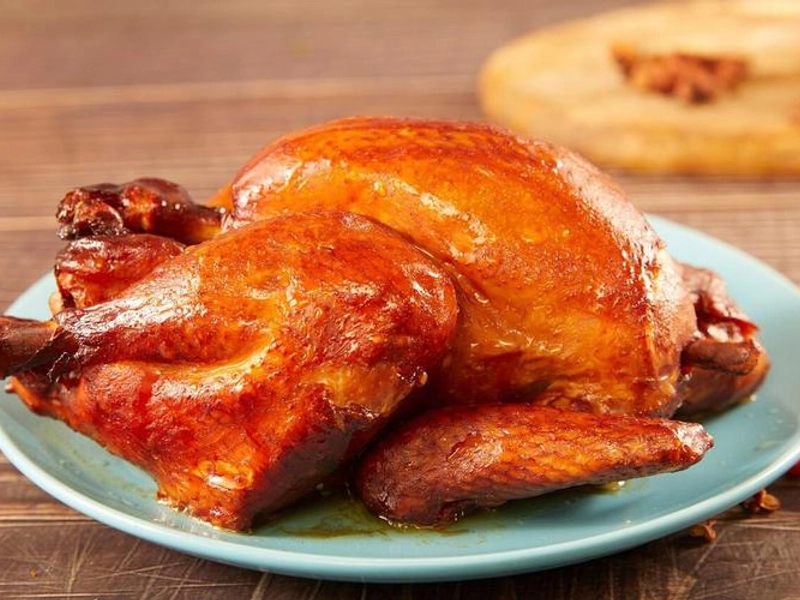 At the renowned Yi Xing Zhang in Daokou, a secret soup recipe has been preserved since the Qing dynasty. Free-range chicken, soaked in honey, fried golden, then simmered with eight aromatic spices for ten hours, emerges tender and flavorful. Each bite carries the glory of imperial praise, the resilience of wartime protection, and the joy of post-reform revival—a taste of three hundred years of history.
Local Specialties and Souvenirs
Henan's gifts extend beyond dishes, encompassing teas, ceramics, and folk crafts that carry history and local memory:
- Xinyang Maojian Tea (信阳毛尖): Mountain mist and southern elegance
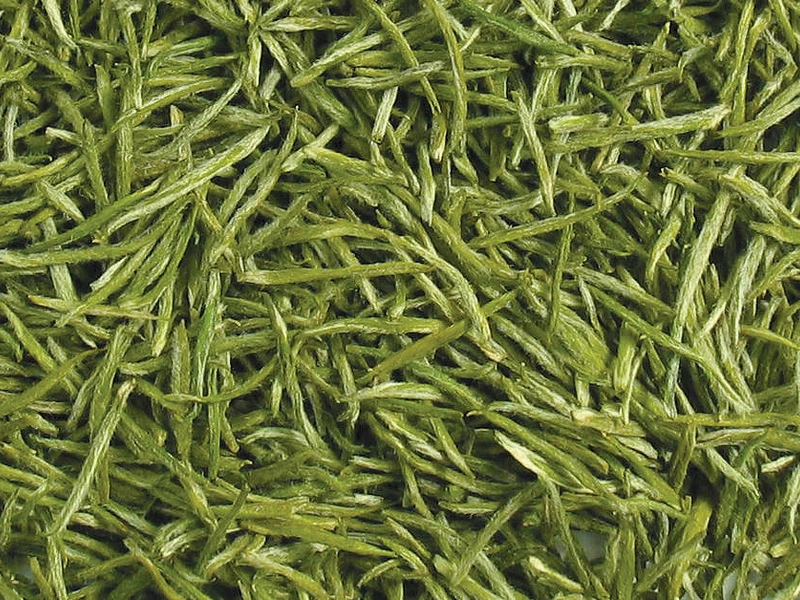 Grown at 300–800 meters altitude, its slender, green, and silver-tipped leaves brew a clear, fragrant cup with a chestnut-like aroma. For centuries, it nourishes daily life and bridges northern and southern tea cultures.
 - Ru Porcelain (汝瓷): Song dynasty aesthetics in heavenly blue
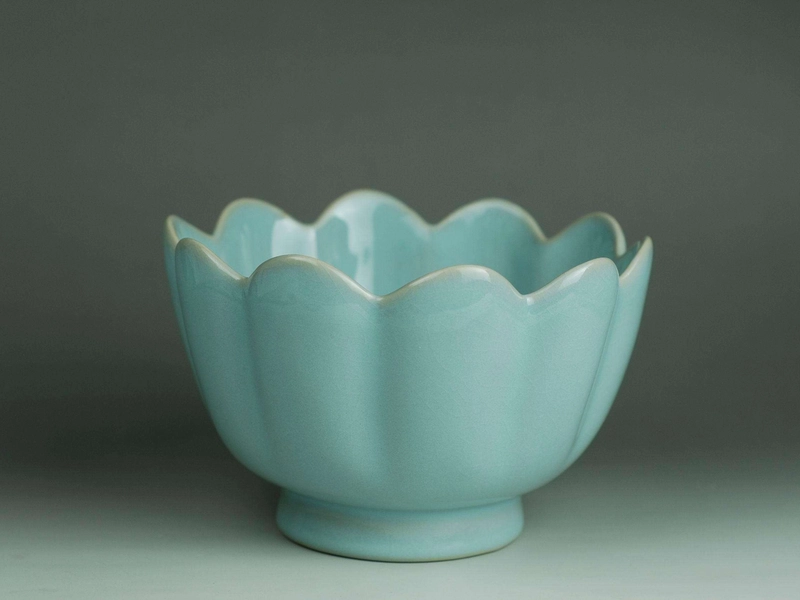 Crafted in Ruzhou, each piece is kiln-fired at 1,300°C, creating unique glaze colors and exquisite crackle patterns, blending millennia-old artistry with modern life.
 - Huaiyang Clay Figurines (淮阳泥泥狗): Ancient totems in vibrant color
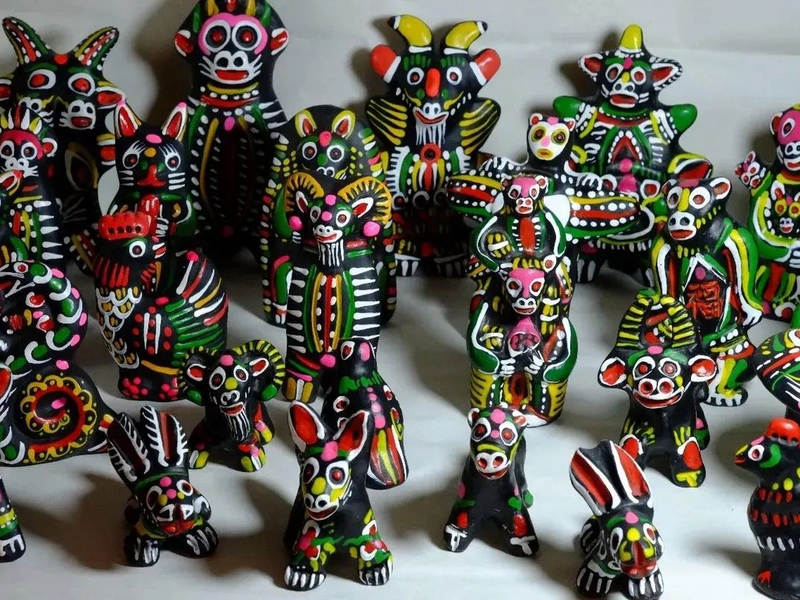 Black clay figurines, hand-painted with red, yellow, white, and green, feature sun and flora motifs. Small holes allow them to whistle when blown, echoing ancestral calls and preserving folk memory in playful forms.
A Land of Heritage and Innovation
Henan offers more than food and crafts. From the Buddha light of Longmen to the Shaolin Zen and martial arts, from Bianliang's bustling dreamscape to the oracle bones of Anyang, its cultural spirit flows through every corner. This land, rooted in loess and soulfully tied to civilization, quietly shoulders the responsibility of cultural inheritance and innovation. Here, visitors feel the weight of history in ancient cities and taste the true essence of life in Henan cuisine.
In Henan, the oldest civilization still beats with the youngest heart.
| Chinese | Pinyin | English |
|---|---|---|
| 河南 | Hénán | Henan |
| 中原 | Zhōngyuán | Central Plains |
| 黄河 | Huáng Hé | Yellow River |
| 嵩山 | Sōng Shān | Songshan Mountain |
| 太行山 | Tàiháng Shān | Taihang Mountains |
| 黄帝 | Huángdì | Yellow Emperor |
| 大禹 | Dà Yǔ | Yu the Great |
| 洛阳 | Luòyáng | Luoyang |
| 开封 | Kāifēng | Kaifeng |
| 安阳 | Ānyáng | Anyang |
| 南阳 | Nányáng | Nanyang |
| 少林寺 | Shàolín Sì | Shaolin Temple |
| 龙门石窟 | Lóngmén Shíkū | Longmen Grottoes |
| 豫剧 | Yùjù | Yu Opera |
| 烩面 | Huìmiàn | Huimian |
Henan Travel FAQ
Q1: Where is Henan located in China?
A: Henan lies at the heart of China, often called the "Central Plains." It's surrounded by mountains to the west and rivers to the east, forming the geographical and cultural center of Chinese civilization.
Q2: Why is Henan considered important in Chinese history?
A: Henan is the cradle of Chinese civilization. It witnessed the rise of dynasties, the invention of writing, and the development of agriculture. Historical relics, ancient capitals, and cultural heritage sites here reflect more than 5,000 years of continuous human history.
Q3: What are the main cities to visit in Henan?
A: Henan's charm spreads across both historic and modern cities. Zhengzhou is a thriving transport and commerce hub; Luoyang offers centuries of culture and the famous peony blooms; Kaifeng reveals Song dynasty elegance; Anyang is the birthplace of Chinese writing; and Nanyang is home to legendary sages and scenic landscapes. Each city has its own story and character.
Q4: What are some famous historical sites in Henan?
A: Henan is rich in historical landmarks. The Longmen Grottoes feature thousands of Buddha statues carved over centuries. Shaolin Temple combines martial arts and Zen Buddhism. Yinxu in Anyang preserves oracle bones, showing the earliest Chinese writing. Mount Song and Yuntai Mountain offer both natural beauty and cultural significance.
Q5: What is the climate like in Henan?
A: Henan experiences four distinct seasons. Spring brings blooming flowers and fresh greenery, summer is warm and lush, autumn is crisp with harvest colors, and winter brings quiet snow, accentuating the historical and natural landscapes. Each season offers a unique experience for visitors.
Q6: What traditional arts are unique to Henan?
A: Henan's arts showcase centuries of culture. Yu Opera tells local stories with passionate music and drama. Bian Embroidery demonstrates exquisite needlework. Jun Porcelain and Tang Sancai reflect the aesthetics of past dynasties. Zhuxian woodblock prints preserve folk wisdom, and Tai Chi offers a living practice combining philosophy and movement.
Q7: What are the must-try foods in Henan?
A: Henan cuisine blends flavor and tradition. Huimian offers hearty noodles in rich broth, while Hulatang is a spicy morning staple. Yellow River Carp celebrates local rivers, and dishes like the Luoyang Water Banquet or Daokou Roast Chicken showcase the region's culinary heritage. Every meal reflects the warmth and resilience of local culture.
Q8: Are there famous local products in Henan?
A: Yes, Henan has many traditional specialties. Xinyang Maojian tea is fragrant and soothing. Ru Porcelain features delicate glazes and Song dynasty elegance. Huaiyang clay figurines are colorful folk art, reflecting the creativity and traditions of the region. These products are cherished as cultural treasures and souvenirs.
Q9: What natural landscapes are worth visiting in Henan?
A: Henan's scenery ranges from mountains to rivers. Yuntai Mountain has majestic peaks and waterfalls. Mount Laojun offers Taoist heritage with cloud seas and temples. Jigong Mountain combines Eastern landscapes with historical Western villas. The Yellow River and surrounding plains also provide iconic natural beauty integral to Henan's history.