Guangxi — Chronicle of the Eight Guizhou Wonders
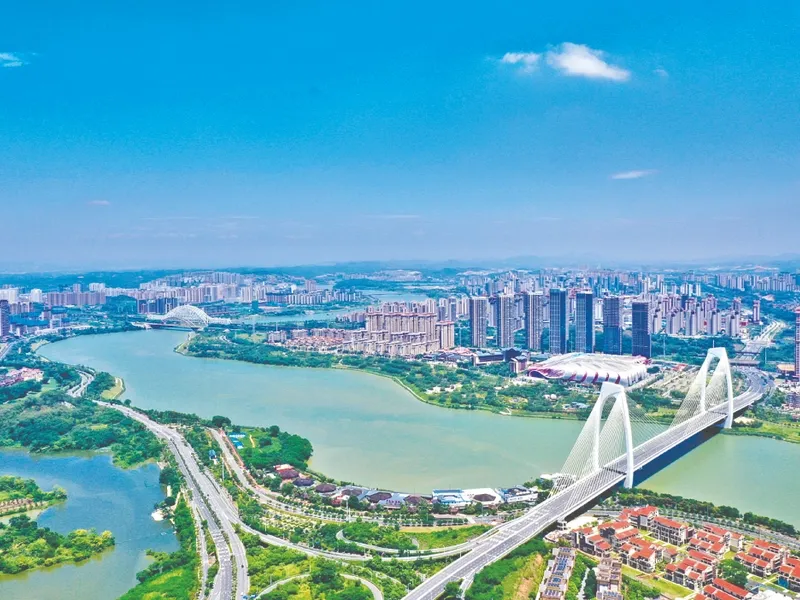
In southern China, Guangxi unfolds a magnificent tableau of harmony between humans and nature, marked by its distinctive landscapes and rich multi-ethnic culture. Mountains embrace the land, rivers weave through valleys, and the region’s karst formations are sculpted with uncanny artistry. Verdant peaks and clear waters create scenes worthy of painting, earning Guangxi the acclaim of “Guilin’s scenery is the finest under heaven.” Along the Li River, morning mists ripple across the water, with fishing boats reflected in the gentle waves — a quintessential symbol of Chinese landscape. At Detian Waterfall, the thundering cascades seem to speak of the frontier land’s majesty and freedom.
Guangxi is not only the “Land of Songs” but also a fertile cultural mosaic where over fifty ethnic groups, including the Zhuang, Yao, Miao, and Dong, have lived together for generations, weaving a vibrant tapestry of traditions. From the Zhuang’s “March 3rd” song fairs to the Dong grand songs, from the Yao Panwang Festival drums to the gleaming silver of Miao attire, the songs, dances, and costumes reflect the warmth of daily life and the radiance of faith.
As an important gateway to Southeast Asia, Guangxi also serves as a key node along the Belt and Road Initiative. The Beibu Gulf Economic Zone exemplifies a new era of openness and cooperation. Beihai, once a crucial port on the Maritime Silk Road, now welcomes global attention with a fresh vitality. Nanning, the “Green City,” bridges China and ASEAN, where tradition meets modernity, and landscapes meet international exchange.
From the landscapes of Guilin to the waves of the Beibu Gulf, from Zhuang song fairs to Miao terraced fields, Guangxi embodies a harmony of mountain as bone, water as soul, and song as heart — a magnificent ode to the symbiosis of people and nature over the centuries.
Exquisite Landscapes, Convergence of the Eight Guizhou Regions
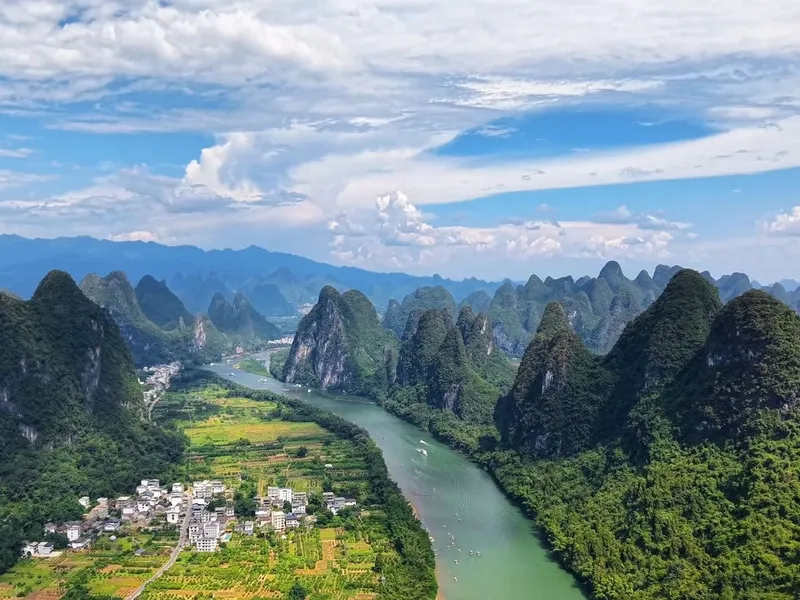
Guangxi’s uniqueness lies in its topography of “eight mountains, one river, one field.” Mountains rise like screens, rivers flow like ribbons, creating the legendary beauty that earns it the title “best landscape under heaven.” Guilin’s peaks are like emerald hairpins — delicate and translucent; the Li River winds like a jade ribbon. Traveling by boat along the sparkling waters feels like drifting through a painting — a beauty not only gifted by nature but also a timeless symbol of the region’s spirit.
Nature’s Poetry in Mountains and Rivers
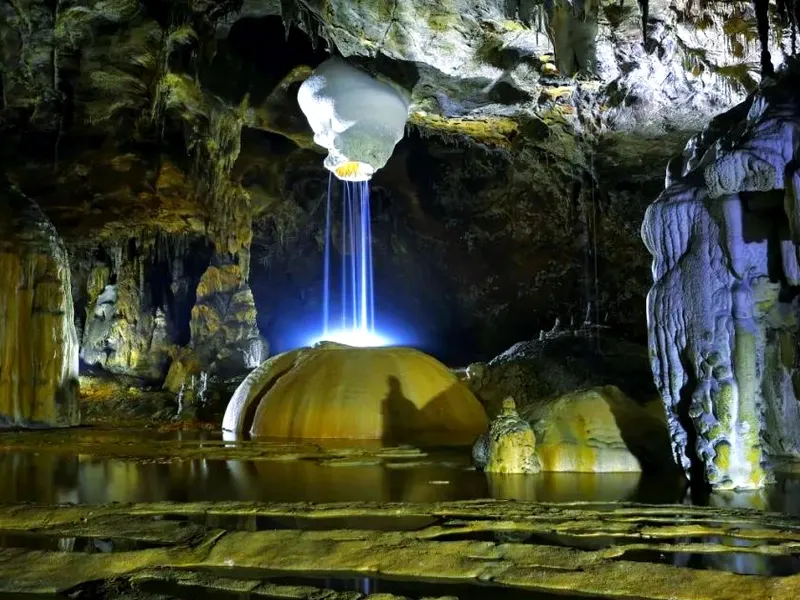
The karst topography turns Guangxi into a living museum of natural wonders. Guilin’s limestone peaks rise like bamboo shoots, forming the backbone of the land; the Tongling Grand Canyon in Jingxi is deep and rugged, shrouded in mist, revealing a hidden “paradise on earth”; the sinkhole clusters in Leye, known as “green scars on Earth,” showcase the power of geological movement; Du’an’s underground river system tells the secrets of time through its flowing currents. The Hongshui River, Liujiang River, and Yujiang River traverse the region like lifeblood, nurturing the land and sustaining southern Guangxi’s civilization for over two millennia.
Here, mountains and waters are not cold or distant — they are living companions, witnessing human toil, song, and prayers, becoming an inseparable part of life in Guangxi.
Lingnan’s Rhythm: A Subtropical Symphony
Blessed with a subtropical monsoon climate, Guangxi experiences all four seasons with distinctive character, like a symphony composed by nature.
Spring (Feb–Apr):
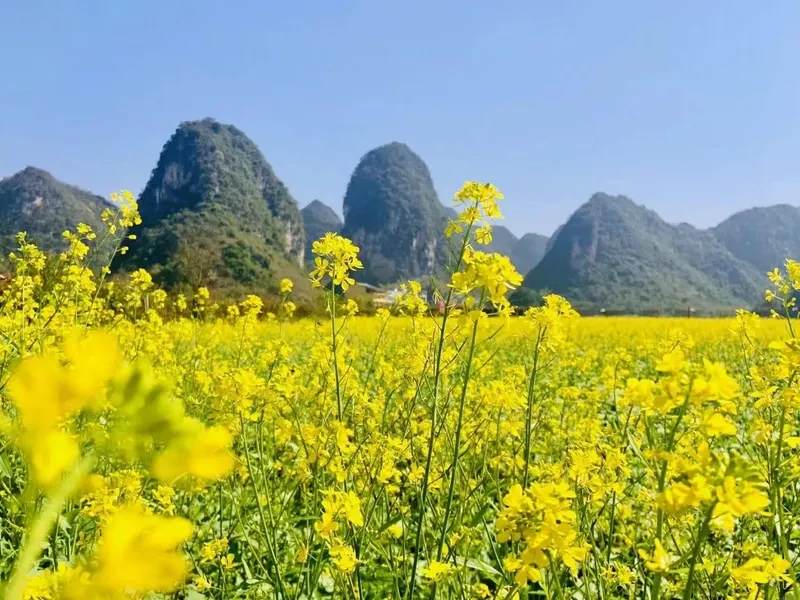
Misty rain drifts along the Li River; peach and rapeseed blossoms unfold; the Longji terraced fields shimmer with water, clouds weaving through the valleys. Miao and Yao villages emerge amidst the mist, resembling a hidden paradise.
Summer (May–Aug):
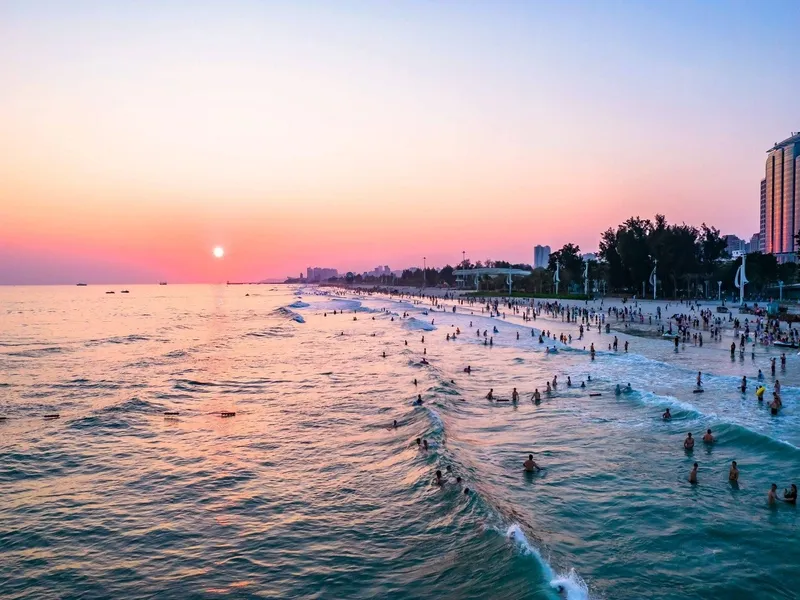
Detian Waterfall roars with grandeur, rainbow arcs stretching across the sky; Beihai Silver Beach sparkles with sunlight, coconut trees sway in gentle sea breezes, and at night, fishing lights merge with stars to form a dreamlike scene.
Autumn (Sep–Nov):
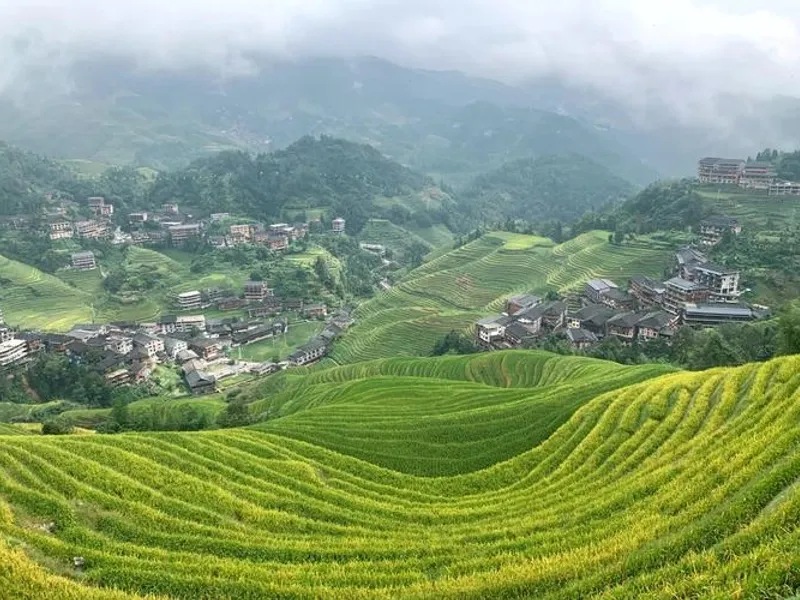
Osmanthus fragrance fills the air, turning Guilin into a fragrant city; rice paddies in the Sanjiang Dong villages turn golden, while distant grand songs echo from drum towers — a melody of harvest and time.
Winter (Dec–Jan):
Rime glistens atop Daming Mountain, cloaking peaks in silver, like a Lingnan snow painting; the hot springs of Bama exude warmth, befitting its title “Land of Longevity,” adding softness and comfort to the winter air.
Through the cycle of seasons, Guangxi’s landscapes never remain silent. They shift colors, express moods, and convey both the grandeur of northern mountains and the delicate liveliness of southern landscapes, painting a continuous natural and cultural symphony.
Outstanding Figures of Guangxi
In Guangxi, every drum tower bears witness to ethnic unity, and every border post records the vicissitudes of history. This is the land of the Zhuang people, where over fifty ethnic groups have coexisted and thrived for generations. Guangxi’s long history has made it a bridge of cultural exchange — the legacy of Central Plains civilization merges with Lingnan local traditions, while the smoke of frontier battles intertwines with the melodies of song fairs, collectively shaping the memory of this land. The history of Guangxi is not only written in its mountains and rivers but also expressed as a profound dialogue about unity, courage, and conviction.
Madam Wa: Heroine Against the Wokou Pirates
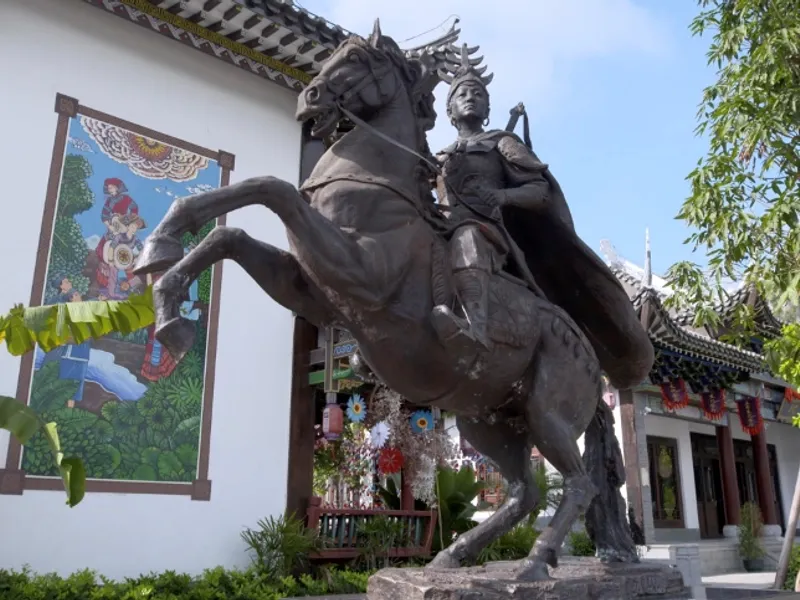
In the ancient city of Tianzhou, the name of Madam Wa still resonates among the blue bricks and black tiles. During the Ming Dynasty under Emperor Jiajing, when Japanese pirates wreaked havoc along the southeastern coast, she courageously led Zhuang “Ting soldiers” on a thousand-mile campaign to defend the region, earning remarkable military achievements. Her combination of intelligence, bravery, and the fearless spirit of a woman warrior wrote a chapter of loyalty and valor for the people of Guangxi. Her figure remains an enduring flame across the land — gentle yet resolute, loyal and unmatched.
Feng Zicai: Commander of the Zhen Nanguan Victory
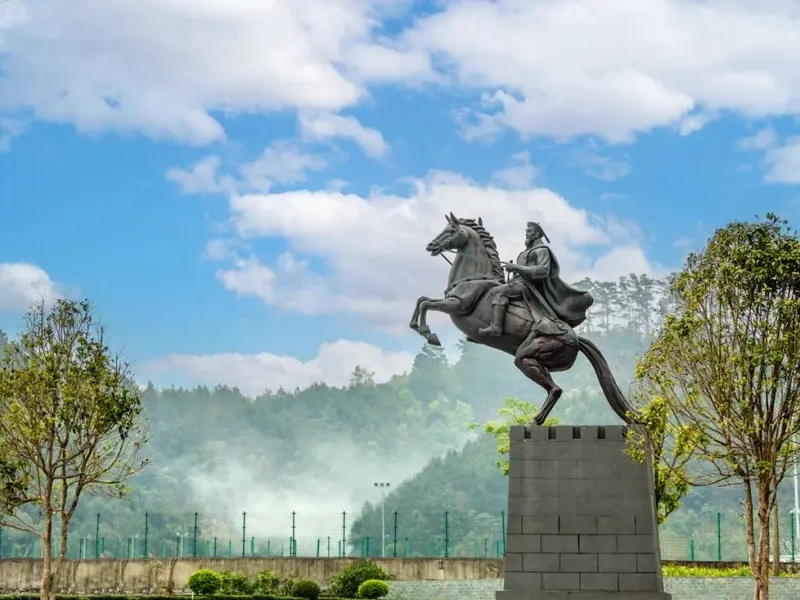
At Feng Zicai’s former residence in Qinzhou, time seems still, yet his spirit of courage is palpable. In the tenth year of Emperor Guangxu’s reign, when French forces invaded the Sino-Vietnamese border, the septuagenarian Feng donned armor once more, personally leading his troops to victory at Zhen Nanguan. This triumph, achieved against overwhelming odds, not only defended the homeland but also awakened national pride and self-confidence.
Wang Li: Titan of Linguistics
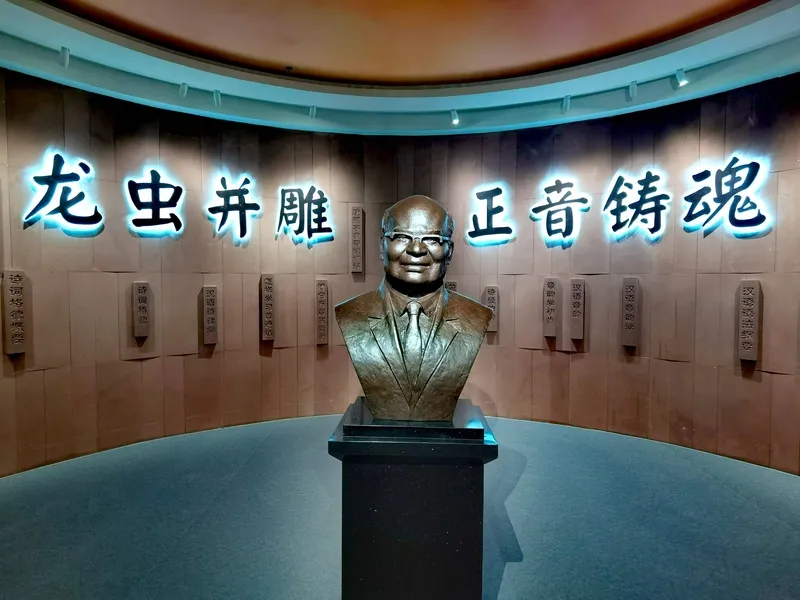
In the old study of Bobai, the scholarly brilliance of Wang Li can still be felt. This linguistic giant laid the foundation for modern Chinese linguistics with profound knowledge and meticulous scholarship. Works such as A History of Chinese and Theoretical Grammar of Chinese are not only academic milestones but also reflections of Guangxi’s tradition of respecting teachers, cherishing learning, and valuing wisdom.
Li Zongren: Pillar of the Nation in Times of Crisis
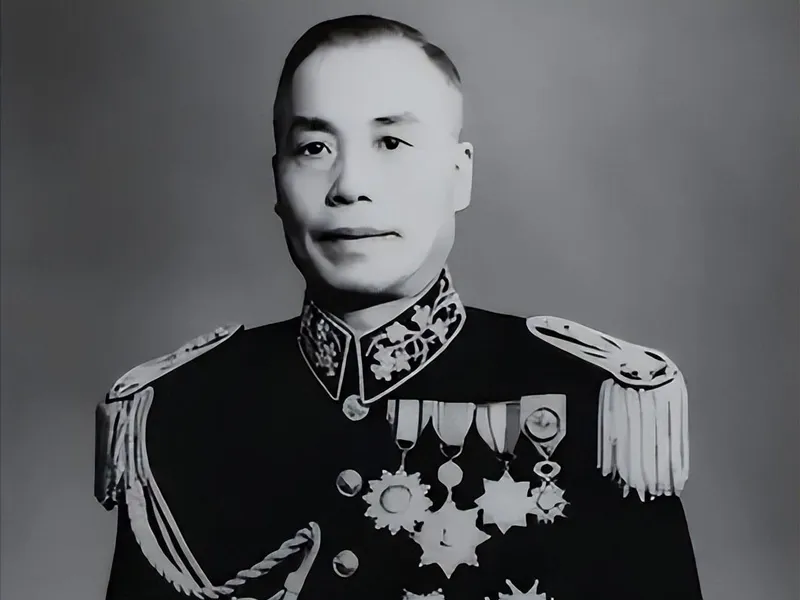
Along the quiet banks of Jingjiang in Guilin, the stories of General Li Zongren endure. As a core leader in the War of Resistance against Japan, he commanded the Fifth War Zone and achieved a decisive victory at Tai’erzhuang, lifting national morale. Even in later years amid political upheaval, he prioritized national duty, steadfastly upholding the principle of “saving the nation in times of peril.” His life exemplifies the resilience and sense of responsibility emblematic of the people of Guangxi.
Liu Sanjie: Embodiment of Zhuang Spirit
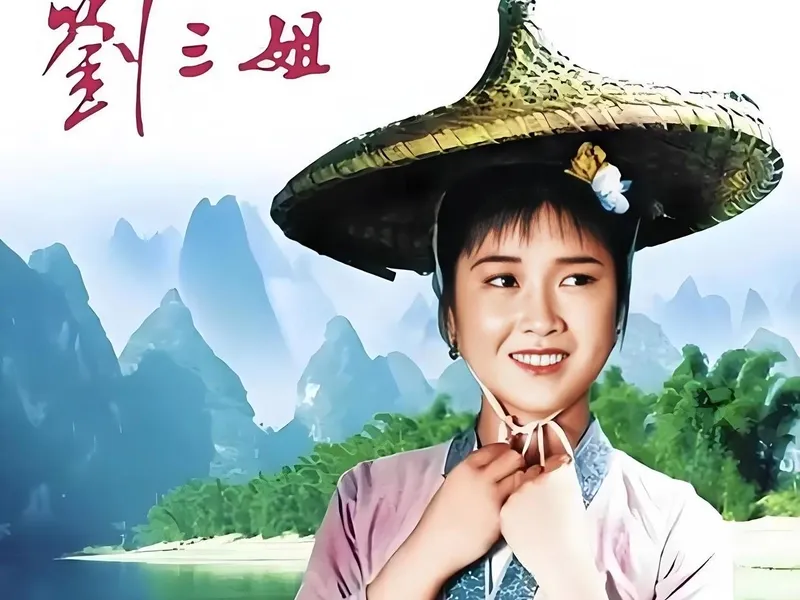
Amid the mountains and rivers of Zhuang territory, Liu Sanjie is more than legend — she is the soul of the people. Through her songs, she wielded intelligence and courage, resisting injustice and celebrating freedom. Her voice transcends valleys and history, becoming a symbol of the wisdom and bravery of the Zhuang people. Whether in folklore, on stage, or on screen, Liu Sanjie remains vibrant, representing the purest and freest spirit of Guangxi.
The “soul” of Guangxi is a force that transcends time and space. It arises from the grandeur of its landscapes and thrives in the hearts of its people. It is the boldness of Madam Wa, the steadfastness of Feng Zicai, the conviction of Wei Baqun, the wisdom of Wang Li, the responsibility of Li Zongren, and the freedom and courage flowing in Liu Sanjie’s songs. These interwoven strands of spirit allow the land of Eight Guizhou to shine with its own light across the river of history.
Distinctive Cities of Guangxi: Colorful and Unique
Nanning: The Green City with a Fairy Charm, Gateway to ASEAN
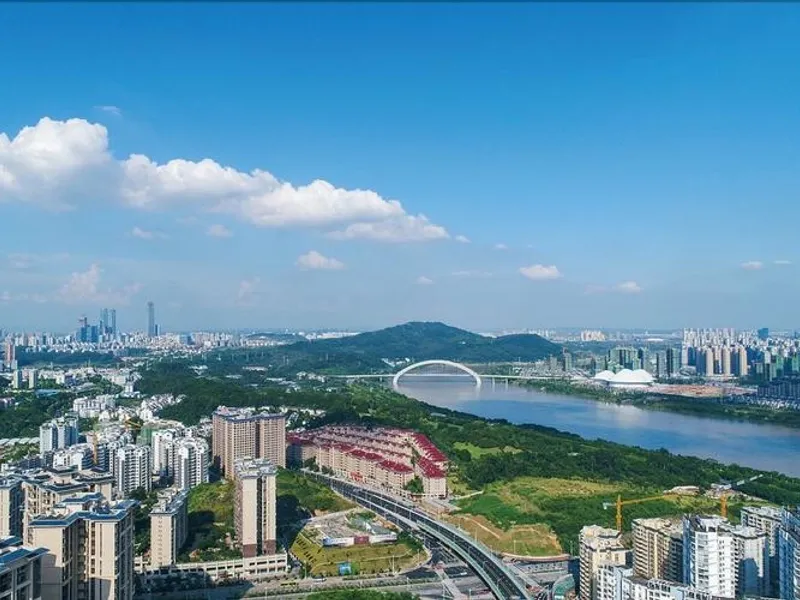
Nanning, known as the “Green City,” is famed for its lush greenery and beautiful ecological environment. The saying “half city trees, half city buildings” perfectly captures its essence. Overlooking the city, Longxiang Tower atop Qingshui Mountain stands like a guardian dragon and sacred elephant, while the rippling waters of Nanhu Lake reflect the interplay of modern architecture and natural beauty, blending tradition with modernity. Nanning is not only the political, economic, and cultural center of Guangxi but also China’s gateway to ASEAN. The China-ASEAN Expo is permanently hosted here, establishing Nanning as a hub for international trade, cultural exchange, and tourism. The city’s rich cultural heritage is evident in its old neighborhoods, Lingnan-style residences, Zhuang ethnic traditions, and local cuisine, reflecting the warmth and diversity of Guangxi culture. From modern skyscrapers to tree-lined parks, Nanning embodies openness, inclusivity, and vitality.
Guilin: World-Famous Scenery, Ancient Cultural Charm
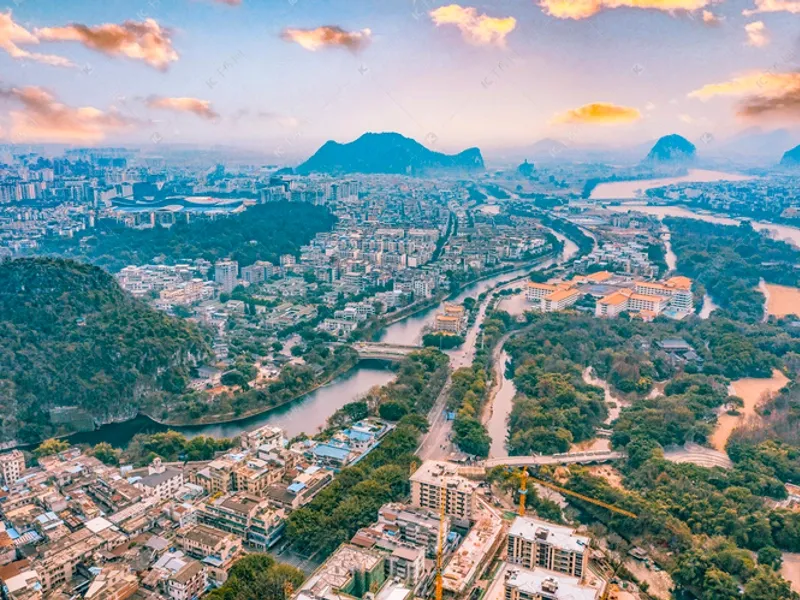
Guilin is renowned for its unique karst landscape, where “a thousand peaks surround the fields, and a river embraces the city.” The Li River winds through the city like a jade ribbon. Guilin’s scenery is not only a natural wonder but also a cradle of rich cultural heritage. The Jingjiang Princes’ Palace preserves the historical glory of the Ming and Qing dynasties, while Elephant Trunk Hill has become the city’s symbol. The two rivers and four lakes surrounding the ancient city add poetic charm to the urban landscape. Guilin attracts visitors with both its natural beauty and folk culture: Zhuang, Dong, and Yao ethnic performances, bamboo rafting, and mountain song duets bring human warmth to the scenic city. With its thriving tourism, Guilin has become an internationally renowned destination, where ancient culture and natural beauty coexist harmoniously.
Liuzhou: Industrial Hub, City of Charm
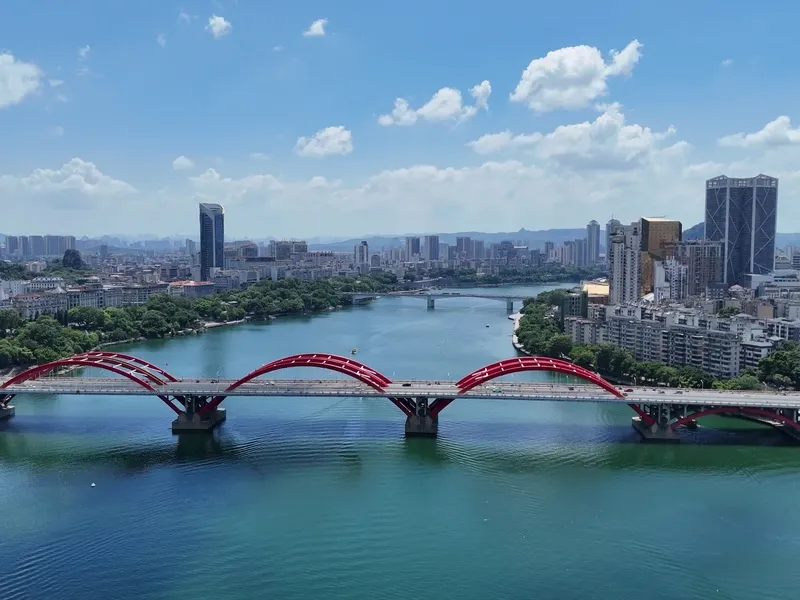
Liuzhou, known as the “Industrial City Among Rivers and Mountains,” is uniquely scenic, surrounded by mountains and traversed by the Liu River. It is a major base for China’s automotive and machinery industries, with enterprises like Liugong and SAIC-GM-Wuling renowned nationwide. At the same time, Liuzhou’s natural landscapes and ethnic culture captivate visitors. The lush banks of the Liu River and surrounding hills form a distinctive “mountains-and-rivers industrial city.” Ethnic communities, including the Zhuang, Dong, and Miao, preserve traditional festivals, folk dances, and handicrafts. Local delicacies such as Luosifen (snail noodles) and beer fish showcase the city’s unique cultural flavor. Liuzhou exemplifies the harmony of industrial development and natural scenery, making it both an industrial hub and a city full of character.
Beihai: Ancient Silk Road Port, Coastal Jewel
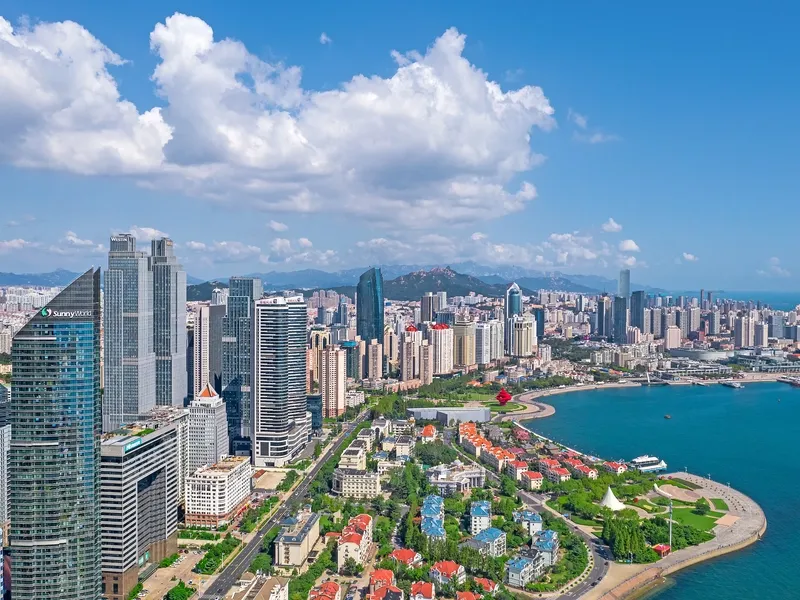
Beihai, a historic port facing the South China Sea, was a key node on China’s ancient Maritime Silk Road. It boasts abundant marine resources, with Silver Beach renowned for its fine sand and clear waters, earning the title “China’s Most Beautiful Beach.” Historically a crossroads for East-West trade, Beihai has witnessed prosperity in commerce and culture. Today, the city combines modern development with coastal tourism. Weizhou Island’s volcanic landforms, coastal erosion features, and rich island culture attract visitors. Beihai Port, as a gateway to Southeast Asia, promotes economic growth and international exchanges. The city blends natural coastal beauty with historical heritage and modern maritime commerce.
Wuzhou: Century-Old Trade Hub, Lingnan Cultural Center
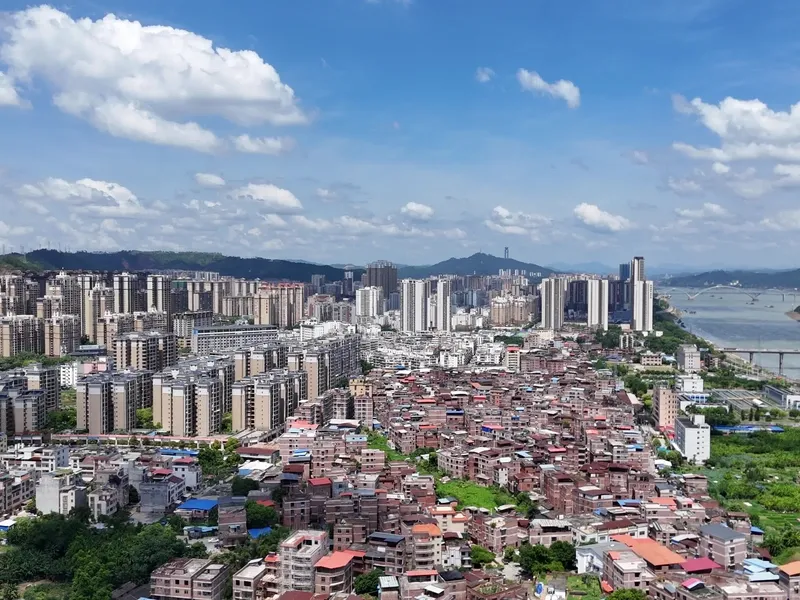
Wuzhou, with its long history, is an important cradle of Lingnan culture, known as the “Gateway between Guangdong and Guangxi.” Historically a bustling trading town, Wuzhou Port made it a hub for economic and cultural exchange. The city preserves numerous ancient buildings, ancestral halls, and traditional residences, reflecting the depth of Cantonese culture. Wuzhou is also a key center for traditional arts such as Cantonese opera and puppet theater, attracting cultural enthusiasts annually. The surrounding mountains and rivers, including Mengshan and Tengxian, complement its cultural richness, making Wuzhou shine on the land of Guangxi.
Fangchenggang: Border and Coastal Gateway, ASEAN Foothold
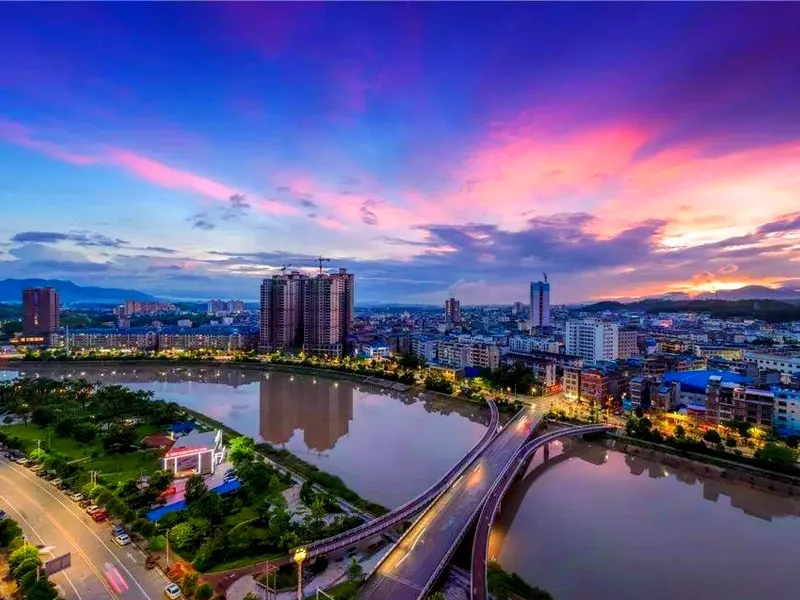
Located on Guangxi’s southwestern frontier, Fangchenggang faces the Gulf of Tonkin and serves as a vital window to Southeast Asia. The city’s economy is supported by its port, making it an important hub for foreign trade. The coastline, sandy beaches, and red mangrove wetlands combine with blue waters and skies to create a scenic and ecologically rich environment. As a border and coastal city, Fangchenggang is also a melting pot of ethnic cultures, with Zhuang, Jing, and Han communities coexisting harmoniously. The city’s openness, maritime culture, and strategic location make it a key gateway for Guangxi to the world.
Baise: Red Land, Hometown of Mangoes
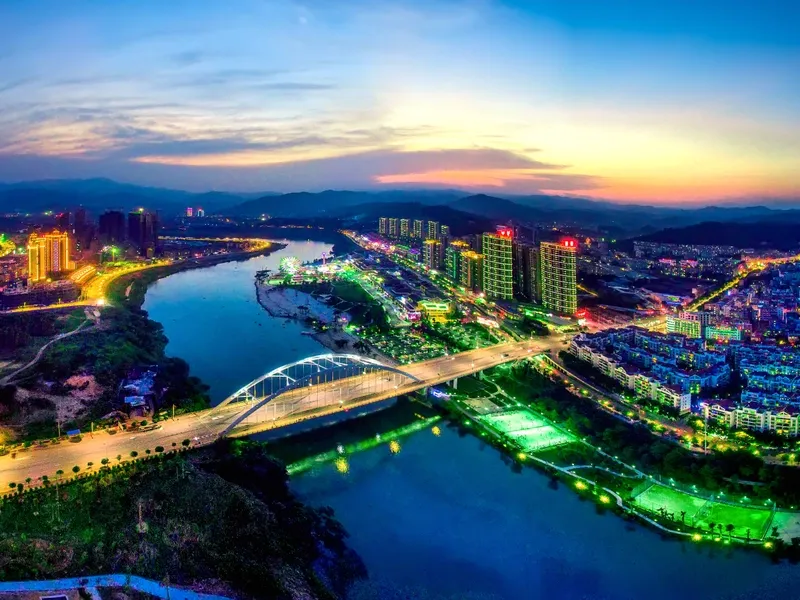
Baise, in western Guangxi, is renowned as a “Red Land” due to its revolutionary heritage. It was a crucial base for the Chinese Workers’ and Peasants’ Red Army, and the Baise Uprising continues to inspire generations. In addition to its red revolutionary culture, Baise has a rich ethnic heritage, including Zhuang and Yao communities. The city’s natural environment is excellent, with landmarks like the Baise Uprising Memorial, Debao landscapes, and mango plantations blending culture and nature. Baise reflects revolutionary history, ecological richness, and ethnic culture, embodying the unique charm of western Guangxi.
Chongzuo: Scenic Borderlands, Cultural Crossroads
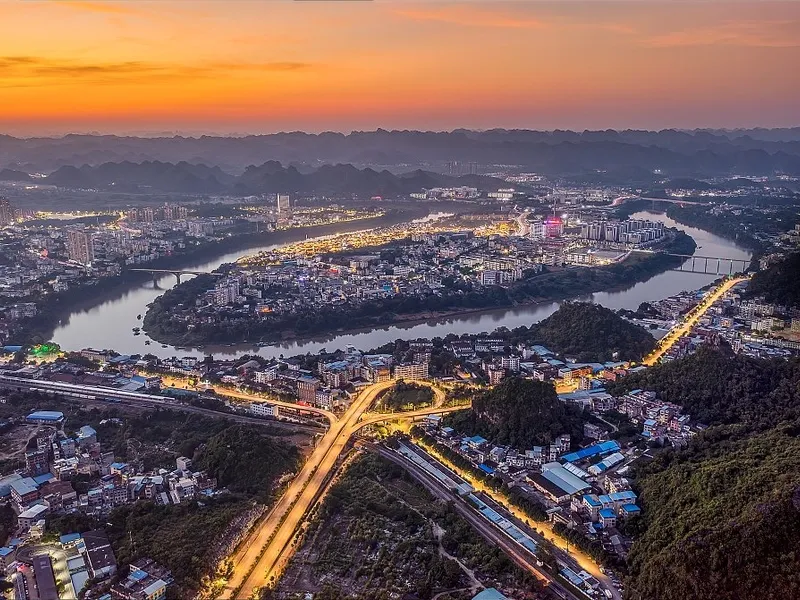
Chongzuo, in southern Guangxi on the Sino-Vietnam border, is a key land trade window to ASEAN. Its natural scenery is breathtaking, with Detian Waterfall as a major cross-border attraction. The gorges and karst landscapes in Jingxi-Daxin attract adventurers and photographers. Chongzuo has a long history and blends Zhuang, Han, and Southeast Asian cultures, with rich folk dances and festival traditions. The annual Zhuang “March 3” Song Fair showcases ethnic culture. Combining ecological beauty and border trade, Chongzuo radiates unique vitality on the Guangxi map.
Laibin: Surrounded by Mountains and Rivers, Balanced Industry and Agriculture
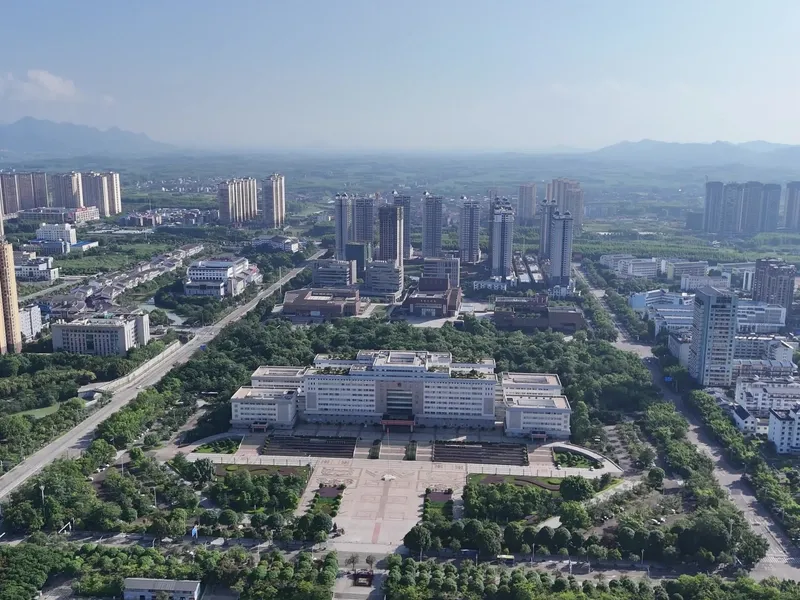
Laibin, in south-central Guangxi along the Hongshui River, is praised as “the finest mountains and waters in Guangxi.” The city is embraced by green hills and intersected by rivers, with classic karst landscapes. Historically home to diverse ethnic communities, including Zhuang, Han, and Yao, Laibin has rich folk customs. Its economy balances industry and agriculture, producing rice, sugarcane, fruits, and vegetables while hosting construction materials, machinery, and food processing industries. Laibin combines urban vitality with rural tranquility, exemplifying a harmonious blend of industry and natural scenery.
Hezhou: Lush City, Deep Cultural Roots
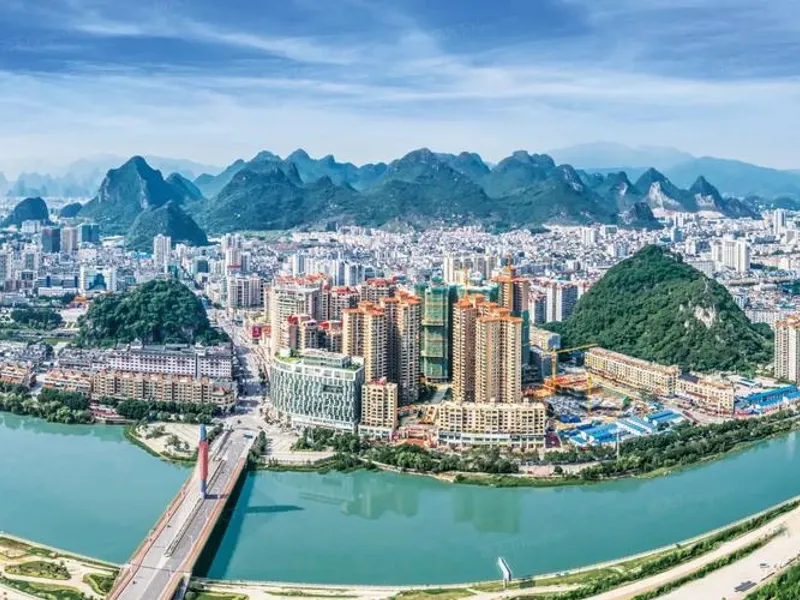
Located in northeastern Guangxi, Hezhou is a mountainous city with verdant scenery year-round, earning the nickname “Green City.” Babao District is the cultural heart, with temples, ancient towns, and residences reflecting Lingnan heritage. Karst peaks, caves, and hot springs enrich the natural environment. Zhuang and Yao communities have left vivid marks on festivals, dance, and clothing. Hezhou’s economy relies on forestry, agriculture, and minerals, alongside tourism development. With ecological beauty and cultural depth, Hezhou exemplifies a city where nature and human civilization coexist.
Hechi: Mountainous Zhuang Homeland, Red Revolutionary Land
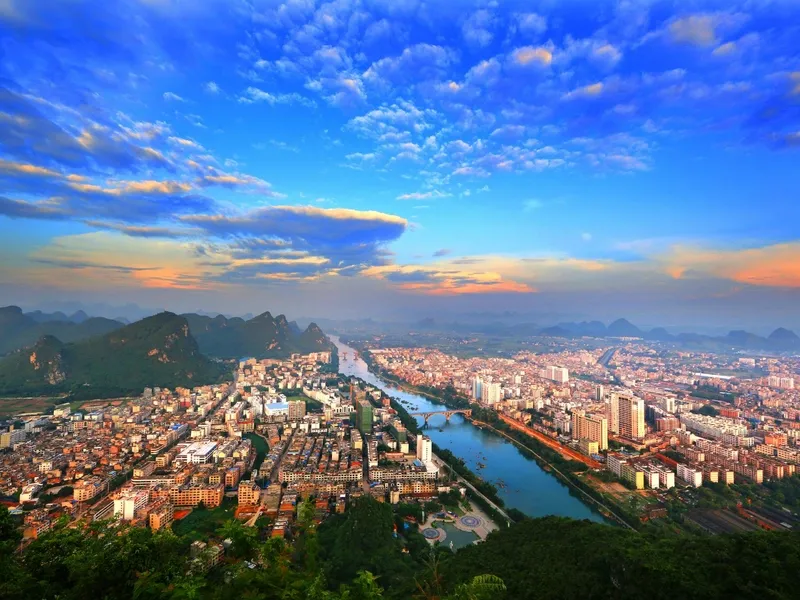
Hechi, in northwestern Guangxi, is predominantly mountainous with abundant rivers. It is a major settlement area for Zhuang, Yao, and Miao communities, rich in ethnic customs and colorful festivals. Natural resources include the Dahua Hongshui River Gorge and Jinchengjiang’s forests and waterfalls. Hechi also holds a strong revolutionary legacy, deeply rooted in the history of the Baise Uprising. The economy develops through mining, forestry, agriculture, and ethnic cultural tourism. Surrounded by mountains and infused with red revolutionary culture, Hechi is a distinctive ecological and cultural city in northern Guangxi.
Qinzhou: Coastal Port City, Emerging Industrial Star
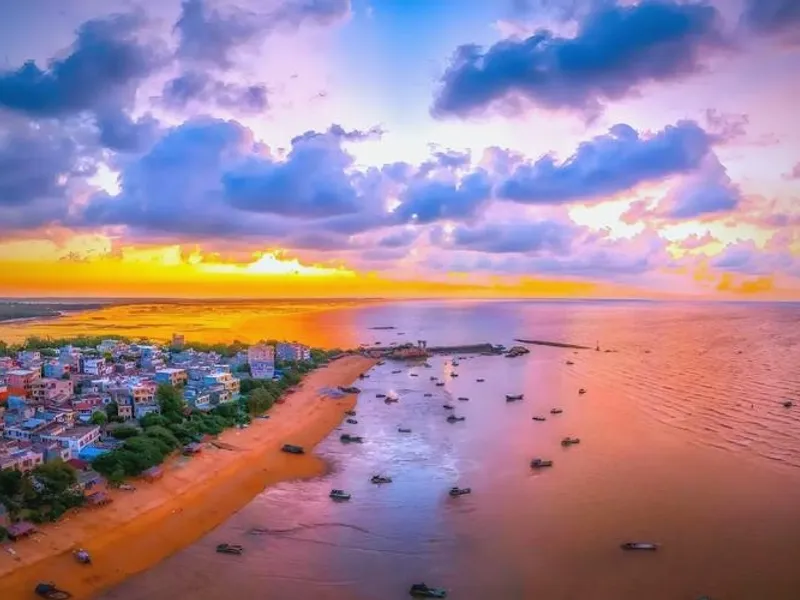
Qinzhou, on Guangxi’s southern coast along the Gulf of Tonkin, is an important seaport city. Qinzhou Port facilitates access to ASEAN, driving economic growth. The coastal area boasts sandy beaches, mangroves, and wetlands, popular for eco-tourism. Local culture blends Zhuang, Han, and Jing traditions, with unique fishing culture and maritime festivals. Recent development leverages port-based industry parks while promoting tourism and urban ecological construction. Qinzhou combines coastal scenery and open port status, serving as a model for Guangxi’s modern, eco-conscious cities.
Guigang: Water City Charm, Commercial Vitality
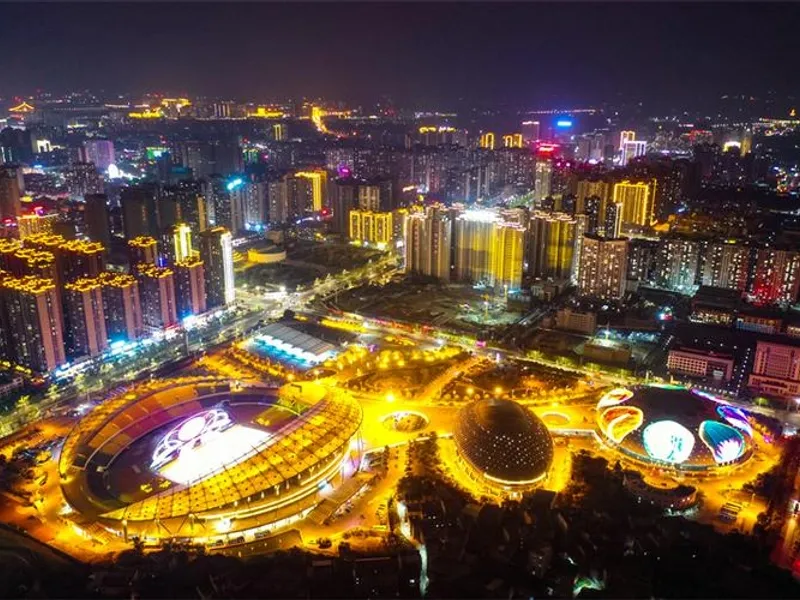
Guigang, in southeastern Guangxi, is interlaced with rivers and canals, earning the nickname “Water City.” The Nanliu River and Zhenjiang converge here, creating a picturesque water town landscape. Historically a commercial hub, Guigang has rich cultural heritage, blending Zhuang and Han customs with abundant traditional festivals. Modern Guigang thrives with metallurgy, machinery, and food processing industries, alongside logistics and services. The city’s harmony of industry, water landscapes, and humanistic charm showcases the unique “water city” character of central Guangxi.
Yulin: Lingnan Trade Hub, Cultural Fertile Ground
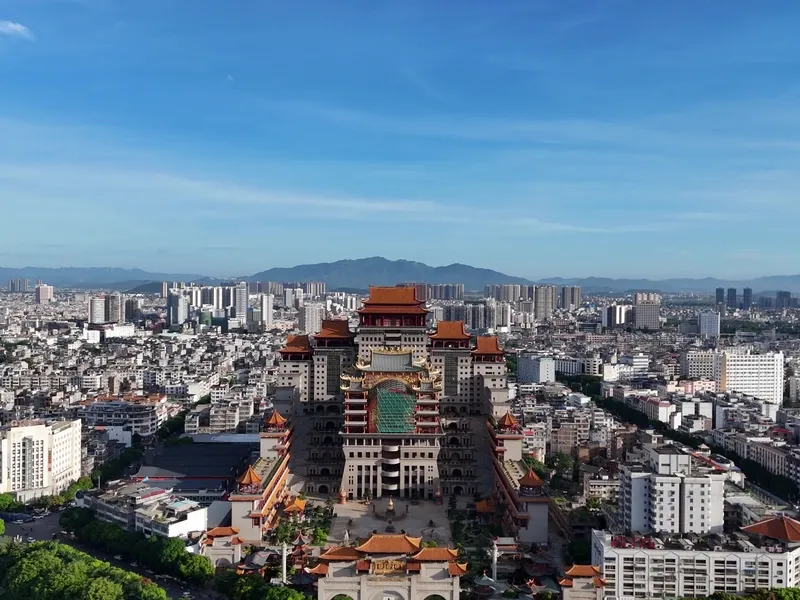
Yulin, in southeastern Guangxi, has a long history as an important birthplace of Lingnan culture. Its bustling urban center preserves ancient towns, ancestral halls, and Lingnan-style residences, reflecting rich Cantonese heritage. Yulin enjoys favorable natural conditions near the Gulf of Tonkin, with hills, rivers, and plains intertwined. The economy focuses on light industry, food production, and agriculture, alongside modern logistics and tourism. As a cultural and educational center, Yulin showcases Zhuang, Han, and other ethnic cultures through festivals, music, dance, and handicrafts. Serving as the southeastern gateway of Guangxi, Yulin blends commercial vitality with cultural depth, exemplifying the fusion of Lingnan charm and modern urban life.
Ethnic Cultures of Guangxi
Guangxi, a land of enchanting mountains and rivers, is home to a rich tapestry of ethnic cultures. The Zhuang, Yao, Dong, Miao, Mulao, Maonan, Shui, and other ethnic groups have lived here for generations, collectively painting a vibrant portrait of cultural diversity. Mountain songs echo through the layered peaks, festival drums resound over flowing streams, and every corner of daily life is infused with the soul and wisdom of these peoples.
Zhuang Culture: The Soul in Mountain Songs
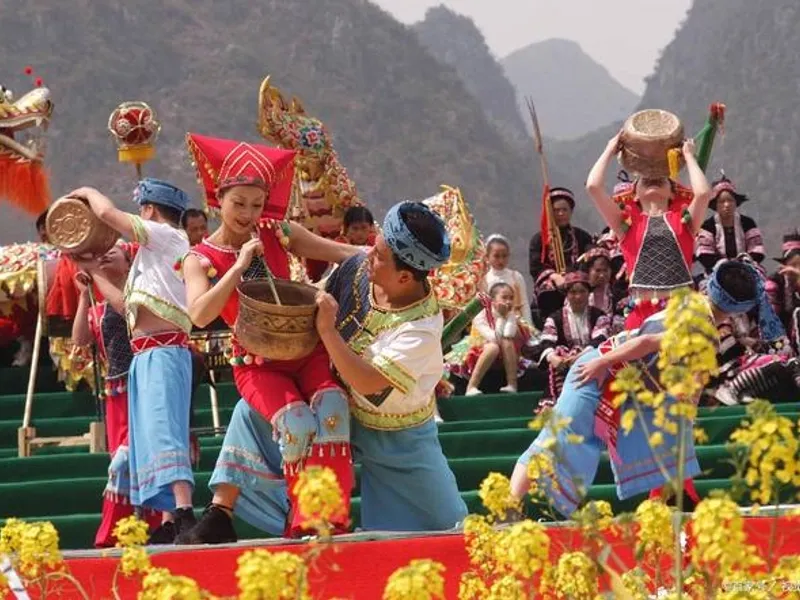
The Zhuang are the largest ethnic group in Guangxi and form the cultural mainstay of the region. They “speak” through song, using melodies to express love, faith, and life’s joys. The “March 3rd Festival” is their grandest celebration, where colorful ribbons flutter in the mountains and young men and women meet, court, and fall in love through song—creating one of the most enchanting scenes in Zhuang villages. The famous folk tale of “Liu Sanjie” embodies the spirit of Zhuang mountain songs.
Zhuang life is intimately connected with nature. Stilted wooden houses built along hillsides provide ventilation and protection from humidity, blending functionality with aesthetic beauty. Through song, architecture, and rituals, the Zhuang convey their love for life and deep attachment to the land.
Yao Culture: Faith Shining in Silver
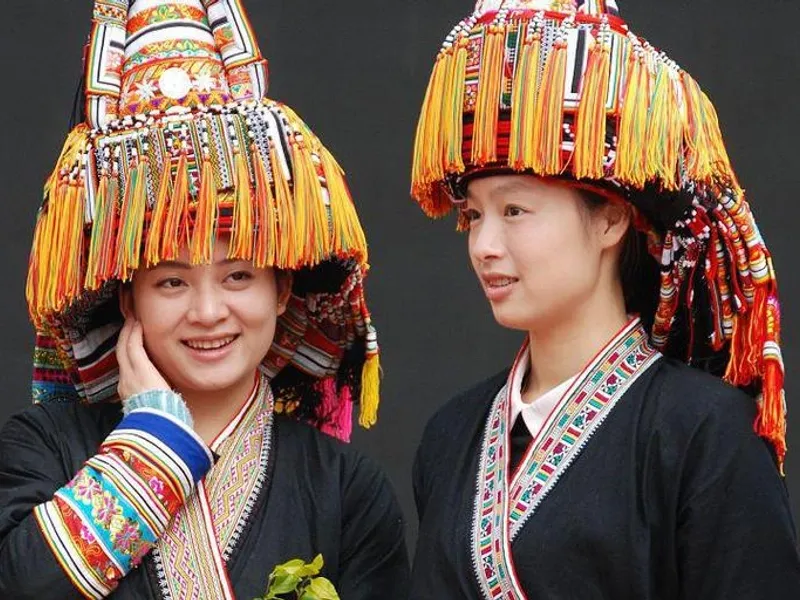
Known as “children of the mountains,” the Yao are celebrated for their exquisite embroidery and silver ornaments. Their brightly colored clothing, adorned with intricate patterns, seems to weave the essence of the mountains into each stitch. During the Panwang Festival, villagers gather in the square to sing and dance, honoring their ancestor Pan Wang. The beating of long drums and the glint of silver in firelight convey the Yao’s reverence and gratitude toward their forebears. Their culture is a fusion of faith and beauty, a tribute to nature, and a celebration of life itself.
Dong Culture: Harmony Beneath the Drum Towers
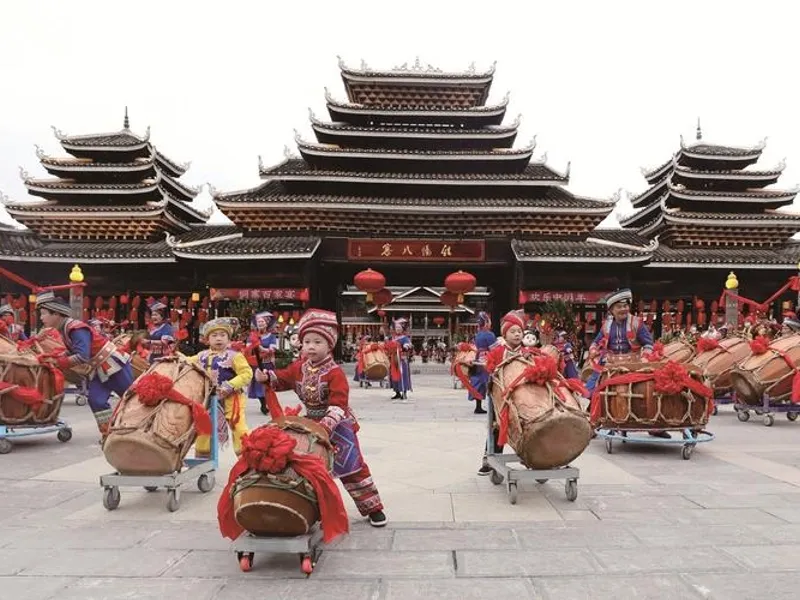
Dong villages resemble serene poetry. Each village centers around a drum tower with tiered eaves that sway in the wind, serving as a spiritual gathering place for meetings, festivals, and songs. Covered bridges span streams, connecting not only the two banks but also hearts and communities.
The Dong people are most proud of their grand songs—choral performances without conductors or instruments, harmonizing dozens of voices as naturally as the wind. This innate musicality resonates with nature and is celebrated as a “heavenly chorus.”
Miao Culture: The Radiance of Life
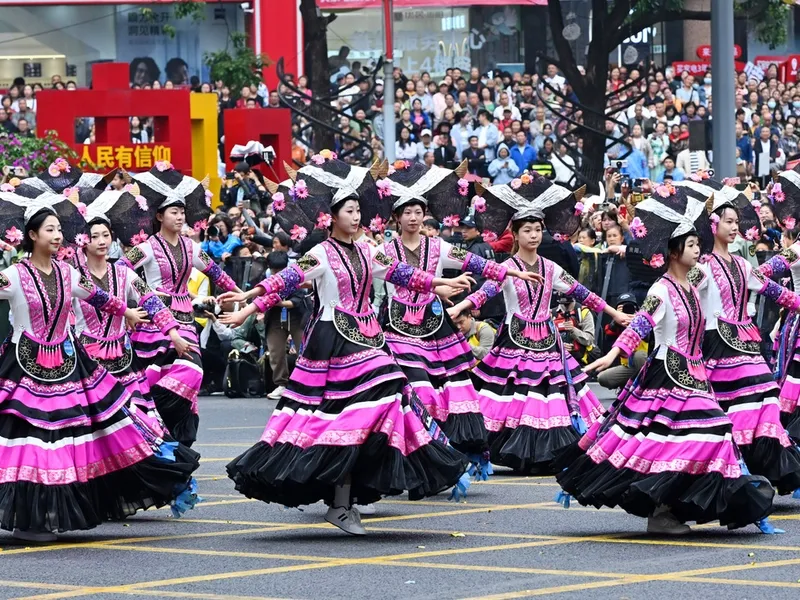
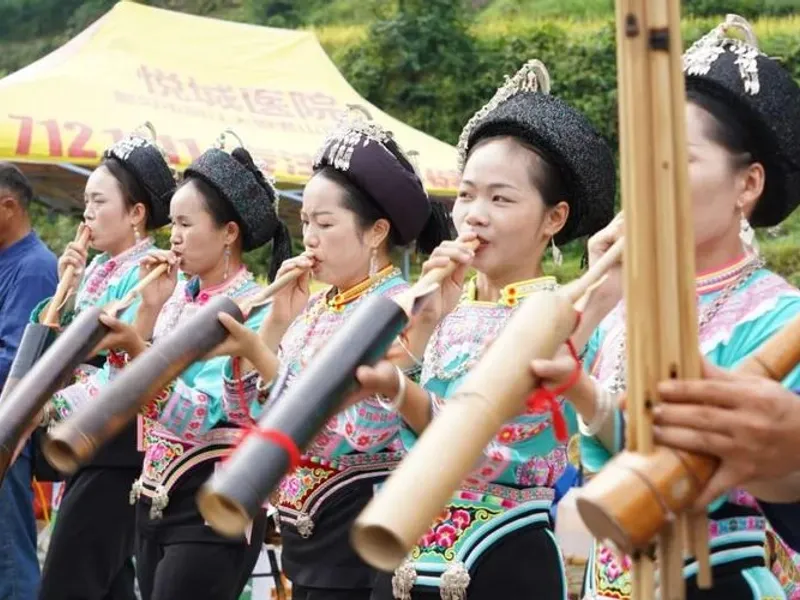
The Miao express life’s vitality through color and rhythm. Women in full ceremonial dress wear ornate silver headpieces, with costumes embroidered with birds, fish, and flowers, like living works of art. During the Huashan Festival, the entire community gathers in the mountains to celebrate life and love through song and dance. The melodies of the lusheng (reed pipe) accompany laughter and movement, infusing the mountain air with festive joy. Miao culture embodies exuberant vitality, an enduring song that resonates through the forests.
Mulao Culture: Wishes in Song
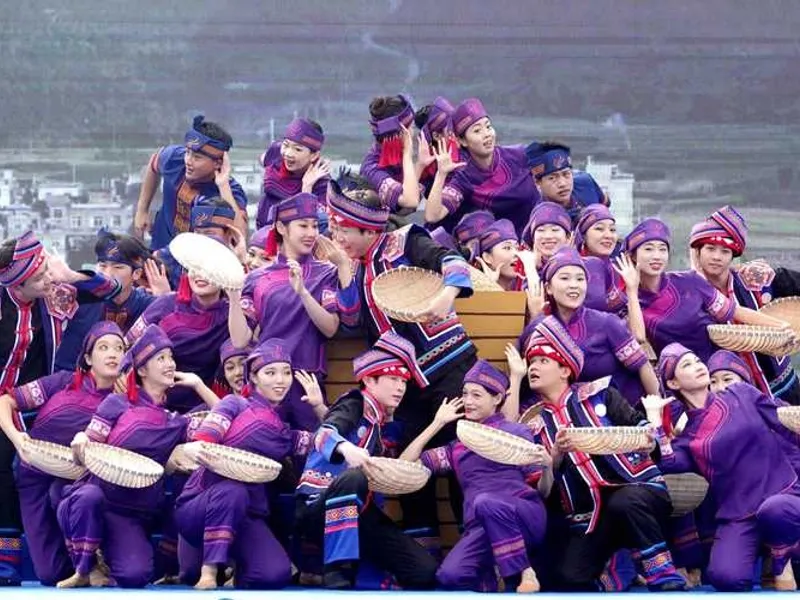
The Mulao, living in valleys surrounded by mountains, practice a simple yet heartfelt culture. The Yifan Festival is their most important celebration, during which villagers offer new rice to ancestral altars, giving thanks for harvests and praying for peace. Songs echo through the valleys, carrying memories of the past and hopes for the future. They believe that song connects heaven and earth, bringing peace to the human heart.
Maonan Culture: Homes on Stone
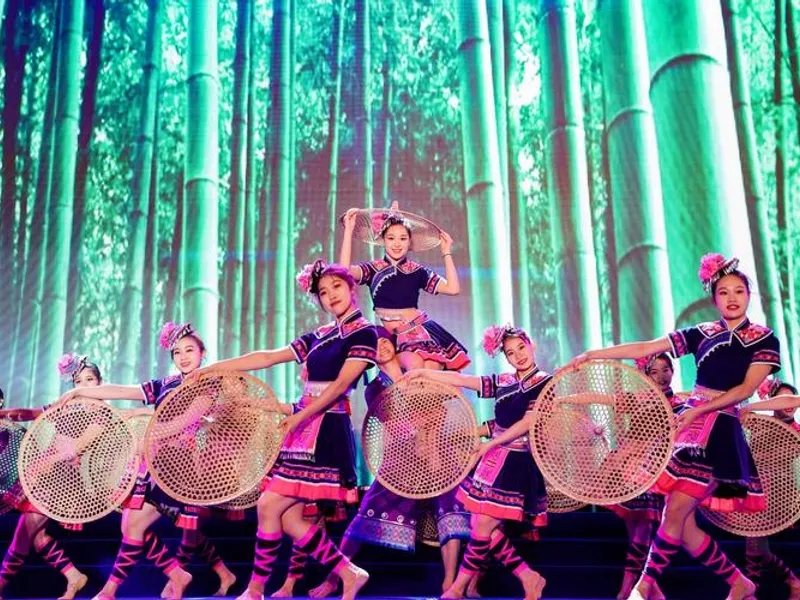
The Maonan, known as the “people of the stones,” build homes and paths from stone, imbuing their surroundings with warmth and spirit. The Fenlong Festival, symbolizing the blessing of land division, is celebrated with resounding gongs, drums, laughter, and song. Maonan mountain songs are loud and far-reaching, conveying the courage and warmth of the people and reflecting the strength drawn from their land.
Shui Culture: Memories in the Flowing Water
The Shui culture is tranquil and mysterious. Shui writing, a unique pictographic script, is used in rituals and divination and is hailed as a “living fossil of writing.” During the Duan Festival, families gather to celebrate abundance and reunion. The Shui are skilled in batik, producing indigo textiles with white patterns inspired by water ripples and fish, symbolizing the continuity and flow of life. True to their name—Shui, or “water people”—their culture is resilient, profound, and nourishing to the land.
Guangxi’s ethnic cultures are like a vibrant tapestry woven from songs, colors, and beliefs. Mountain songs express emotions, festivals mark the passage of time, clothing tells stories of identity, and architecture reflects everyday artistry. The coexistence and interaction of multiple ethnic groups have made Guangxi an open and inclusive cultural garden.
Whether in the Zhuang Song Fairs, the Yao long drum dances, or beneath Dong drum towers, Guangxi continues to showcase to the world its unique beauty of cultural diversity and enduring spirit.
Nature’s Masterpiece: Spectacular Mountains and Rivers of Guangxi
Guilin Scenery: A Living Chinese Ink Painting
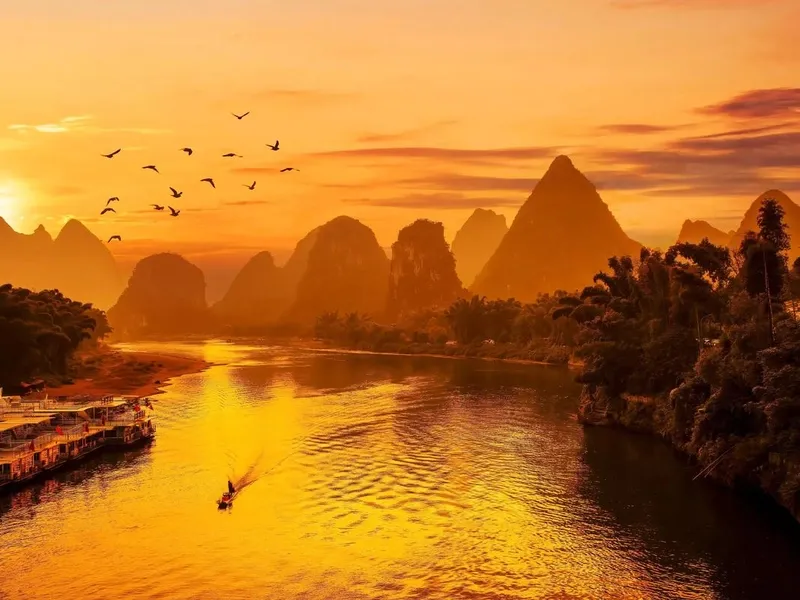
On both banks of the Li River, peaks rise in stunning variety—some sharp as if carved with knives, others soft and delicate like ink-wash brushstrokes. The 83-kilometer stretch from Yangdi to Xingping presents mirrored waters reflecting layered mountains, where boats glide through a living scroll of scenery. The peaks of Nine Horses Painting Mountain shift and transform, evoking galloping horses in ancient art; the mirrored mountains of Huangbu present clear, elegant vistas that captivate the senses. Guilin is not only a natural wonder but also a city steeped in culture: the Two Rivers and Four Lakes interlace with historic architecture, while tea houses, ancient streets, and covered bridges recount over 2,000 years of Lingnan history. Drifting down the river on a bamboo raft while listening to fishermen’s songs at dusk, visitors experience the perfect harmony of nature and culture, embodying the essence of Guilin’s famed “scenery that surpasses all under heaven.”
Detian Waterfall: Asia’s Largest Transnational Waterfall
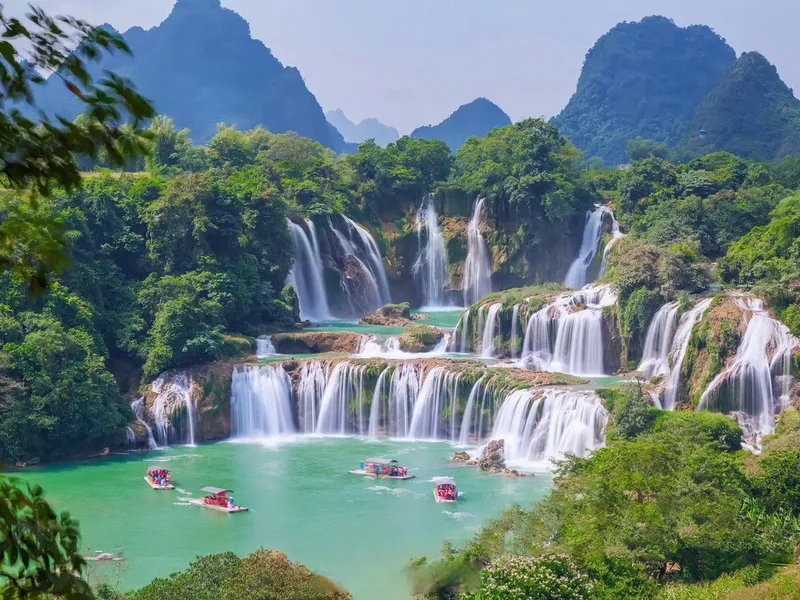
Located on the China-Vietnam border, Detian Waterfall is the largest cross-border waterfall in Asia. Spanning over 200 meters wide with a drop exceeding 70 meters, it connects with Vietnam’s Ban Gioc Waterfall to form a magnificent cascade. Mist rises from the falling water and the roar of the falls is thunderous. From the viewing platform, visitors can feel the grandeur and power of nature. Bamboo rafts allow travelers to pass beneath the falls, where splashing droplets bring refreshing coolness and a sense of vitality. Lush vegetation, jagged rocks, and flowing streams surround the area, creating an ecological canvas of pristine beauty. Detian Waterfall is not only a natural wonder but also a symbol of cross-border cultural exchange, blending borderland customs with scenic splendor.
Beihai Silver Beach: Clear Waters, Silvery Sands
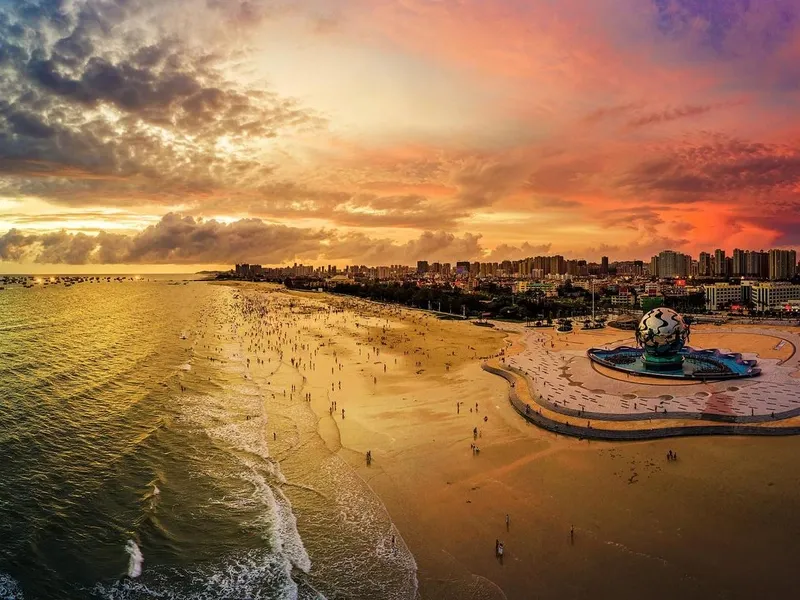
Beihai Silver Beach is famous for its fine, silvery sand, earning the title of “China’s Most Beautiful Beach.” Clear waters lap the shore rhythmically, creating a unique soundscape and visual delight. Visitors can stroll along the beach, play, or enjoy water activities like yachting and jet skiing. Beihai also offers rich cultural experiences: the historic volcanic landscapes and coastal erosion scenery of Weizhou Island are ideal for photography and adventure. Traditional fishing villages preserve maritime customs, from festivals to fishing techniques and local cuisine, making Silver Beach a coastal treasure where nature and culture coexist harmoniously.
Daming Mountain: Misty Ecological Paradise
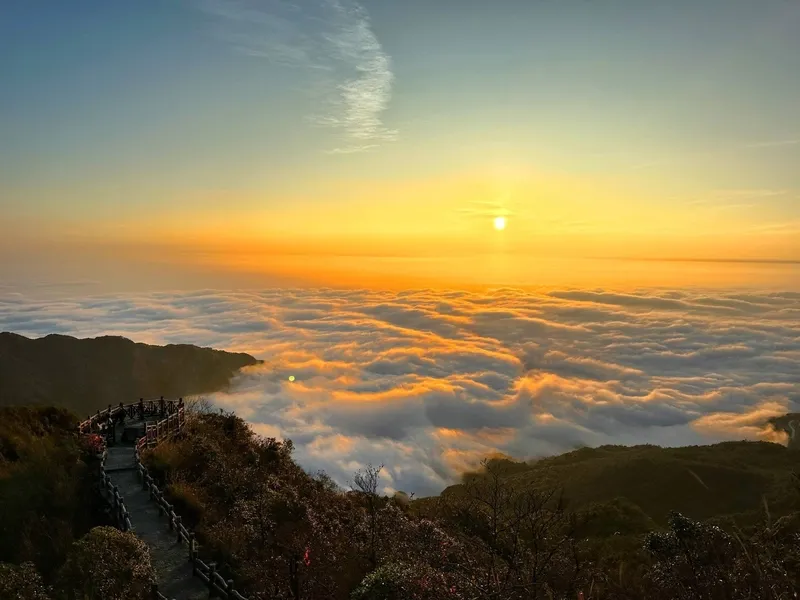
Located in northeastern Guangxi, Daming Mountain lies within a subtropical highland ecological zone. Verdant forests shrouded in mist, rolling peaks, flowing streams, and scattered waterfalls create a picturesque landscape reminiscent of a fairy-tale painting. The area is rich in rare flora and fauna, ideal for eco-tourism and outdoor adventure. Winding mountain trails invite hikers to breathe fresh air and enjoy the harmonious sounds of birds and streams. Daming Mountain also preserves Yao culture, with traditional festivals, folk songs, and mountain worship rituals adding cultural depth to the natural scenery.
Jingxi Karst: Peaks, Valleys, and Pastoral Beauty
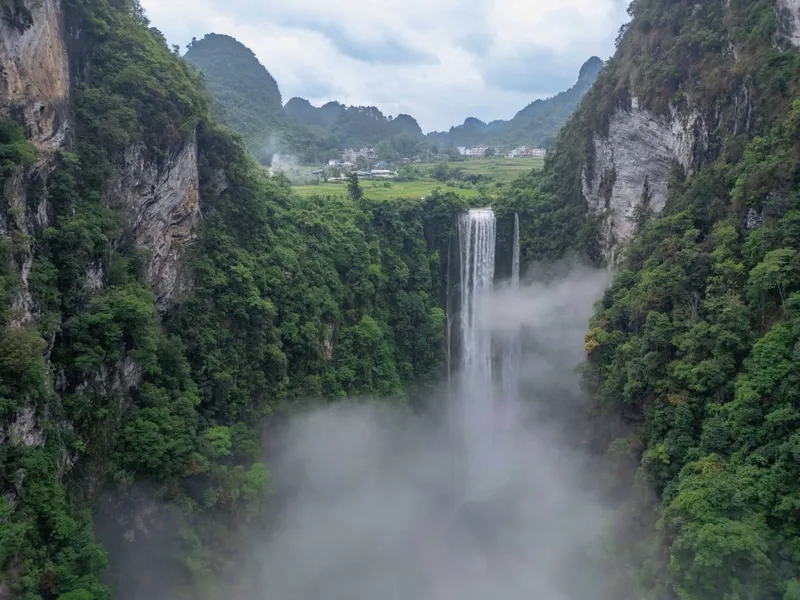
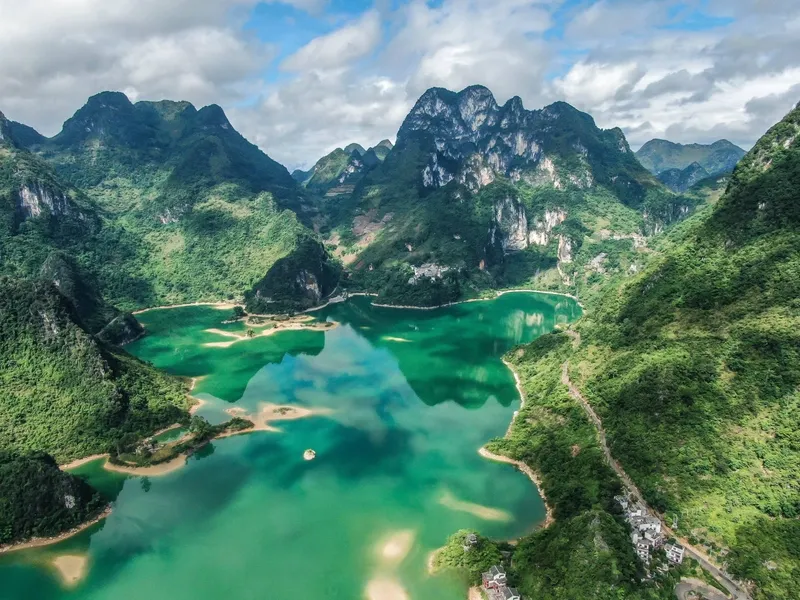
Jingxi, in western Guangxi, is renowned for its karst peak forests and valleys, blending rural charm with natural grandeur. The Mingshi Pastoral Area offers picturesque fields interwoven with striking peaks, winding streams, and tiered farmland. Tongling Grand Canyon, with its deep gorges, waterfalls, and emerald waters, attracts adventurers and hikers, with bizarre rock formations that appear sculpted by hand. Jingxi’s karst landscapes also merge with ethnic cultures: Zhuang and Yao customs, festivals, and mountain songs infuse the region with vibrant humanistic energy. Visitors experience both the majesty of nature and the rich vitality of local culture, making Jingxi an essential ecological and cultural destination in western Guangxi.
Debao Karst Caves: Underground Wonders
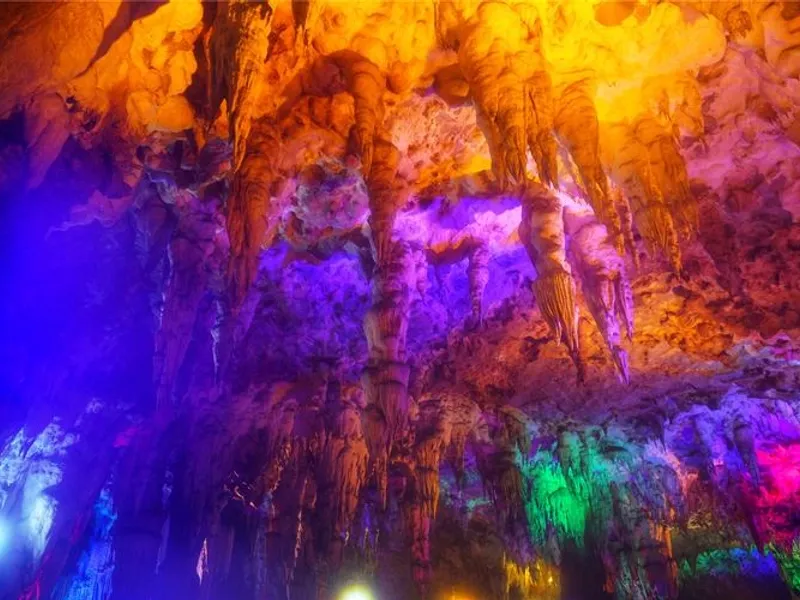
The karst caves of Debao County are another gem of western Guangxi. Inside, stalactites, stalagmites, stone pillars, and draperies vary in shape and color, creating an underground art palace. Streams and subterranean rivers weave through the caves, their murmurs accompanied by shifting light and shadow, evoking mystery and depth. Debao’s caves showcase geological marvels and serve as ideal sites for adventure and eco-tourism. Visitors can explore by foot, appreciating each natural formation while learning the geological history. Surrounding mountains and ethnic villages blend nature and culture, making Debao Caves a mysterious haven of scenic and cultural wonder.
Jintang Saint Lake: Mountains and Water in Harmony
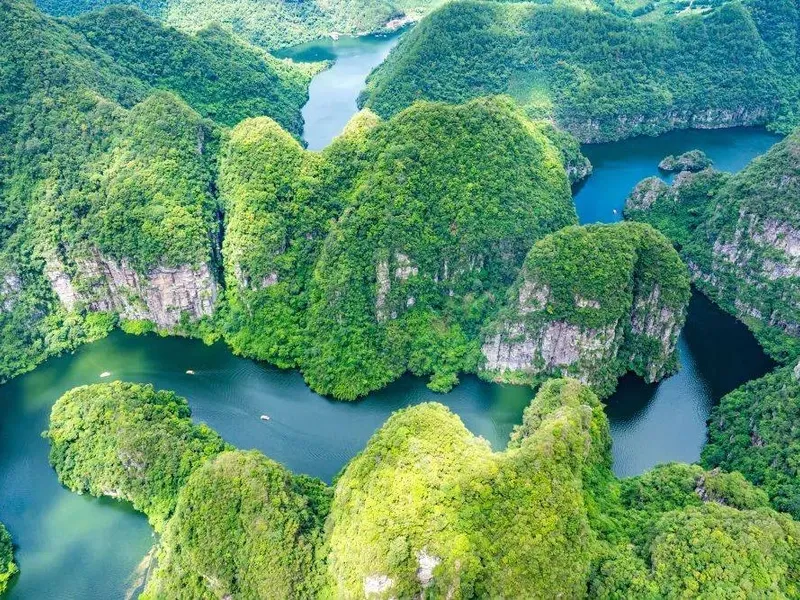
Located in Jinxiu Yao Autonomous County, Saint Lake is a central jewel of central Guangxi. The clear waters are embraced by mountains, and in the morning mist, the lake reflects the sky and surrounding peaks like a giant mirror. Dense vegetation and flocks of waterfowl enhance the sense of a paradisiacal setting. Visitors may cruise the lake or stroll along boardwalks, enjoying tranquility and harmony. Yao cultural practices, including folk dances and traditional crafts, enrich the experience. Saint Lake offers a perfect combination of natural beauty and ethnic cultural heritage, embodying Laibin’s “mountains and rivers embraced, ecologically livable” identity.
Weizhou Island: Volcanic Landscapes and Ocean Views
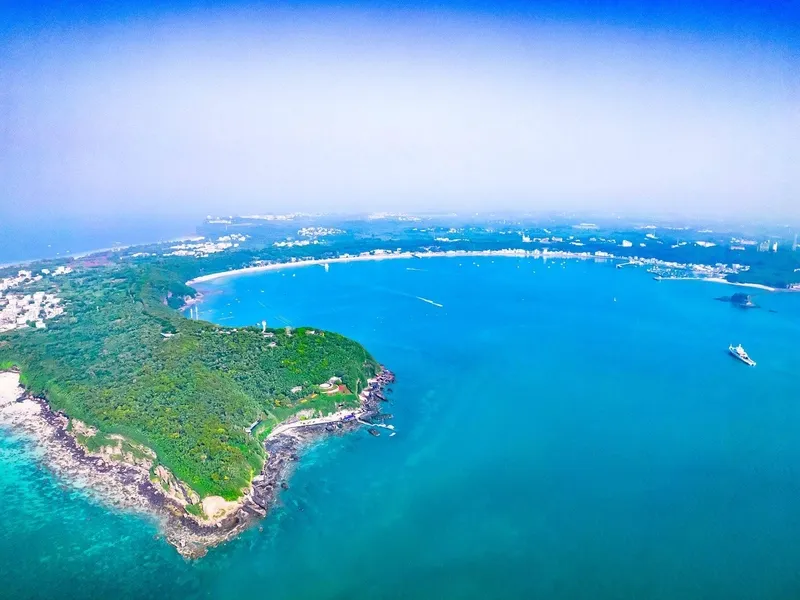
Weizhou Island, in the Beibu Gulf, is China’s largest volcanic island and a showcase of southern island scenery. Its unique terrain features volcanic lava coasts juxtaposed with azure waters, forming striking black rock beaches. At sunrise or sunset, the sea shimmers as sky and ocean merge like a painting. The island hosts rich vegetation, including mangroves, tropical flowers, and coastal plants, supporting diverse ecosystems. Visitors can hike around the island, take boat trips to view volcanic reefs, dolphins, and coral, or enjoy diving, snorkeling, and fishing. Traditional fishing villages, historic Catholic churches, local festivals, and seafood cuisine add humanistic charm. Weizhou Island is a top destination for relaxation, photography, and exploration, offering a unique experience of volcanic landscapes, island culture, and natural beauty in the Beibu Gulf.
Craftsmanship and Cultural Diversity of Guangxi
Zhuang Singing Festivals: Expressing Emotions and Building Friendships Through Song
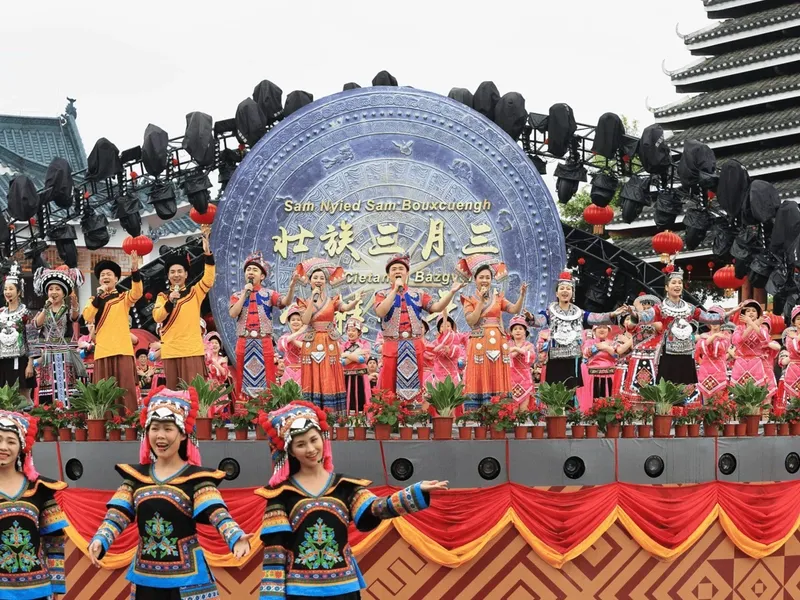
The Zhuang singing festival is one of Guangxi’s most representative folk cultural events, embodying the wisdom and emotions of the ethnic group. Every year on the third day of the third lunar month, Zhuang youths gather along riversides, fields, and in front of drum towers to engage in antiphonal singing and mountain songs, conveying messages of love, friendship, and community. Along the Xiajian River in Yizhou, the melodies of the famous “Liu Sanjie” continue to resonate, clear and melodious, carrying the charm of the landscape and the spirit of the Zhuang people. Today, the Nanning International Folk Song Festival brings Zhuang songs to the global stage, attracting tourists and music enthusiasts worldwide. Beyond entertainment, the singing festival serves as a form of social interaction and folk education, showcasing the unique wisdom of the Zhuang in using music to connect, express, and preserve cultural heritage.
Dong Minority Grand Songs: Celestial Harmony
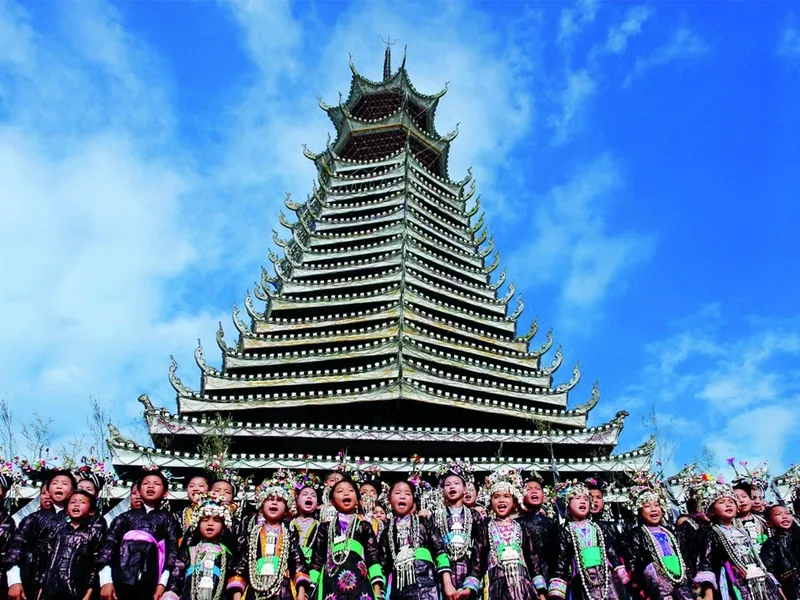
Dong grand songs originate from religious rituals and daily life and are characterized by multi-part choral singing without a conductor or accompaniment. These songs include “sound songs,” “ethics songs,” and “narrative songs,” imitating natural phenomena, transmitting moral values, and recording historical events. The melodies are rich and layered, with interweaving voices like flowing streams, producing clear, ethereal tones often described as “music sparkling like a spring.” Through these grand songs, the Dong people educate younger generations, strengthen ethnic identity, and pass on cultural memory. Today, Dong grand songs are listed as UNESCO Intangible Cultural Heritage, with their aesthetic value and social functions making Guangxi a standout region in ethnic music.
Zhuang Brocade: Colorful and Exquisite
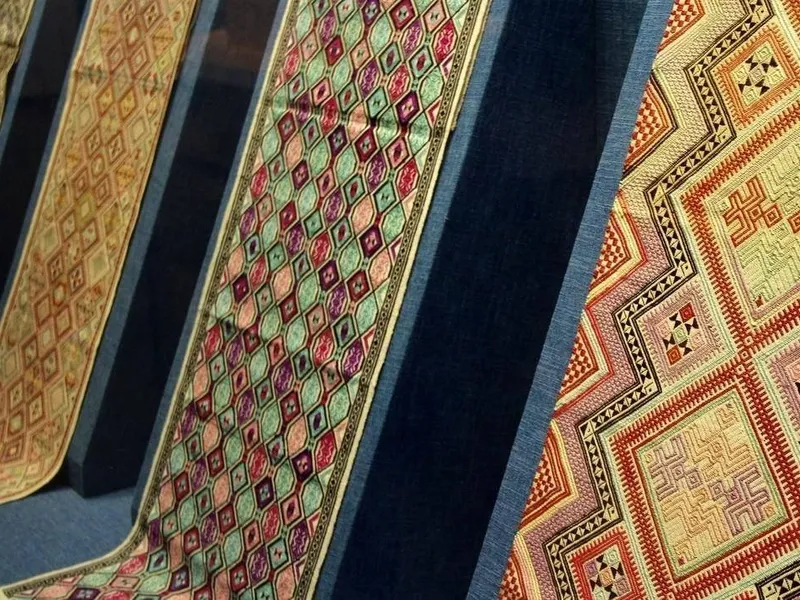
Zhuang brocade represents Guangxi’s traditional textile craftsmanship, celebrated for its vivid colors and intricate patterns. Motifs such as phoenixes, suns, and bronze drums not only embellish daily life but also express wishes for happiness, harvest, and good fortune. Traditionally woven on handlooms, Zhuang brocade requires delicate threads and complex designs, each piece reflecting the patience and skill of the artisan. Today, brocade is used in clothing, home decor, museum exhibitions, and even modern fashion, blending tradition with contemporary design. Zhuang brocade is more than craftsmanship; it is a visual language of ethnic culture, showcasing the Zhuang people’s aesthetic sensibilities and dedication to artistry.
Yao Silver Ornaments: Shimmering Cultural Symbols
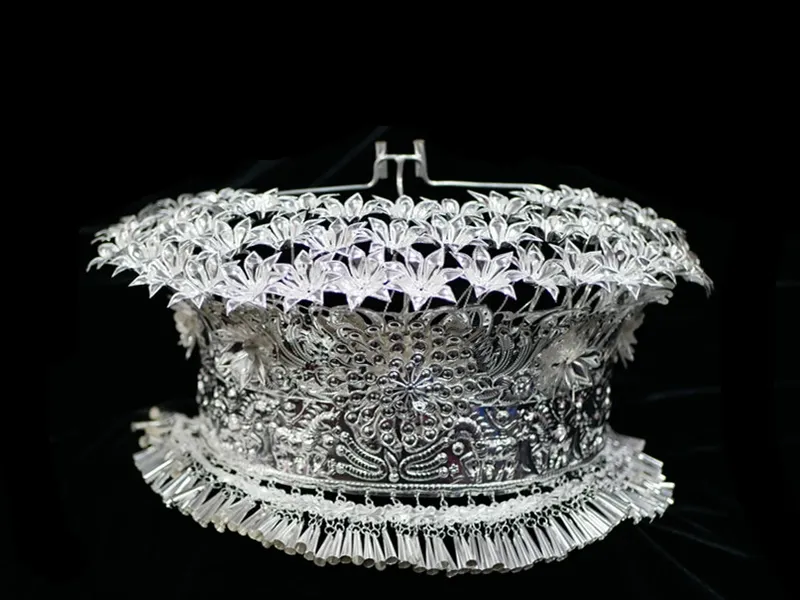
Yao silverwork is renowned for its meticulous hand-carving and intricate openwork, commonly used in clothing, headdresses, and wedding rituals. Silver ornaments serve not only as decoration but also as symbols of social status, ethnic identity, and folk belief. Each piece undergoes multiple processes—hammering, welding, carving—with elaborate patterns that shimmer in the light, exuding artistic charm. During festivals or weddings, Yao women wear silver ornaments that gleam against traditional attire, forming striking ethnic scenes. As an intangible cultural heritage, Yao silver craftsmanship preserves tradition while serving as a key symbol of Guangxi’s ethnic art.
Zhuang Bronze Drums: Resounding History and Power
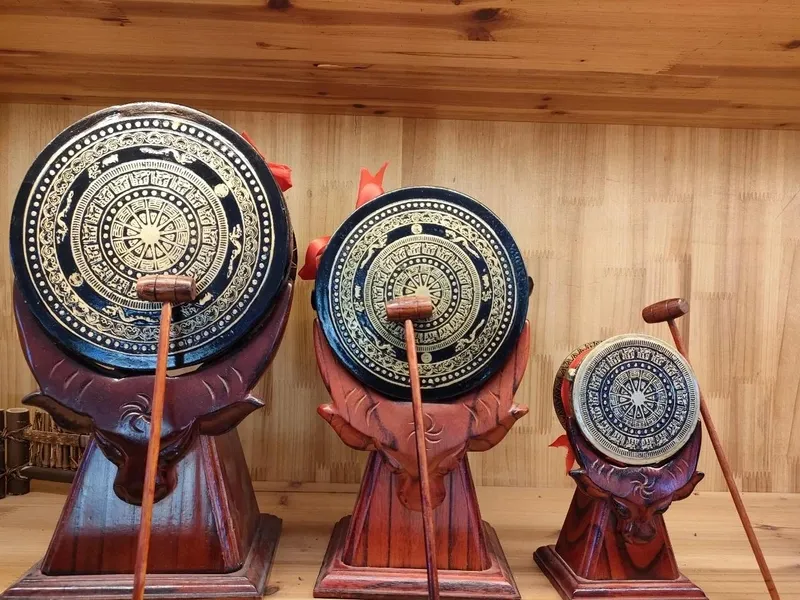
Bronze drums are important ritual and musical instruments for the Zhuang, Yao, and neighboring ethnic groups, with origins tracing back to ancient Southeast Asian civilizations. Drum bodies feature detailed carvings, including suns, animals, and geometric patterns, symbolizing harvest, courage, and blessings. When struck, the drums produce powerful, resonant sounds used in festive dances, religious ceremonies, and even wartime mobilization. Beyond music, bronze drums are historical records, documenting the lifestyles, beliefs, and social structures of Guangxi’s ethnic groups. Today, bronze drum craftsmanship is listed as a national intangible cultural heritage, serving as an important medium for cultural education and ethnic heritage display.
Flavors of Guangxi: A Culinary Journey Across the Eight Gui Regions
Guilin Rice Noodles: Rich Broth, Silky Texture
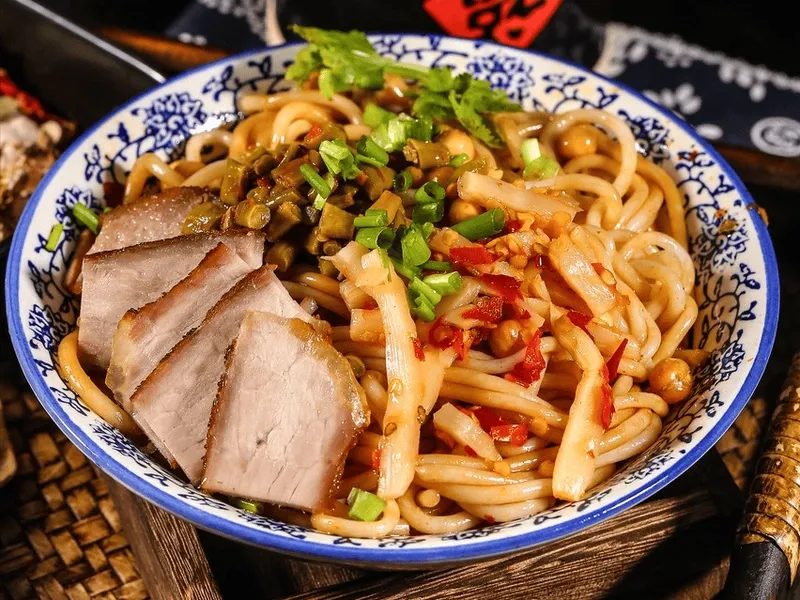
Guilin rice noodles are a representative snack of Guangxi, celebrated for their delicate texture and flavorful broth. Traditionally made from high-quality rice that is soaked, ground, and steamed, the noodles are tender yet springy. Served with pork bone broth, pickled bamboo shoots, peanuts, and scallions, the dish is aromatic without being greasy, leaving a fresh, lingering taste. Guilin rice noodles are not only a breakfast favorite but also a symbol of local culture, carrying the memories and emotions of the city’s people with every bowl.
Liuzhou Luosifen: Sour, Spicy, and Refreshing
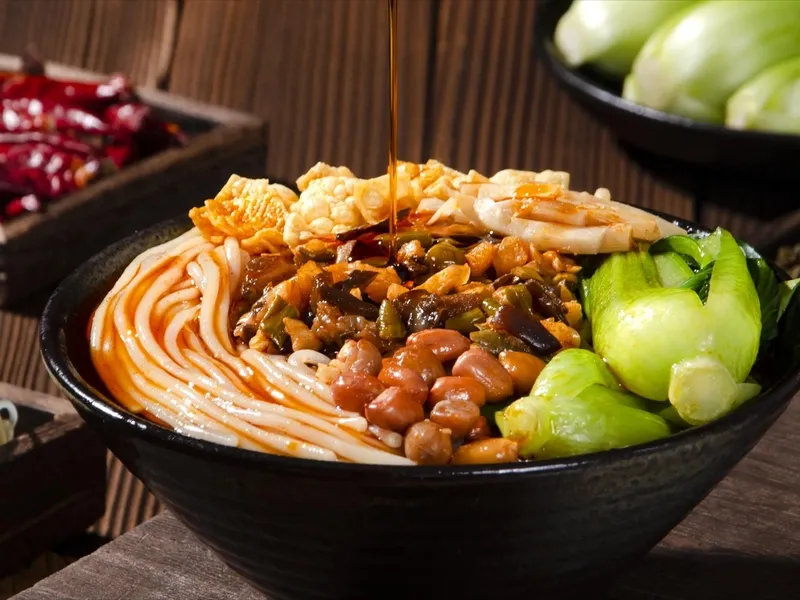
Liuzhou’s famous river snail rice noodles are renowned for their distinctive sour and spicy flavor. The broth is simmered with river snails and complemented with pickled bamboo shoots, peanuts, green beans, and tofu skin, producing a rich and appetizing taste. Tangy, spicy, and flavorful, the dish leaves a lasting impression on all who try it. Luosifen is not only a daily staple for locals but also a must-try delicacy for visitors seeking an authentic taste of Guangxi, showcasing the region’s ingenious use of ingredients and flavors.
Nanning Laoyou Rice Noodles: Tangy and Flavorful Local Specialty
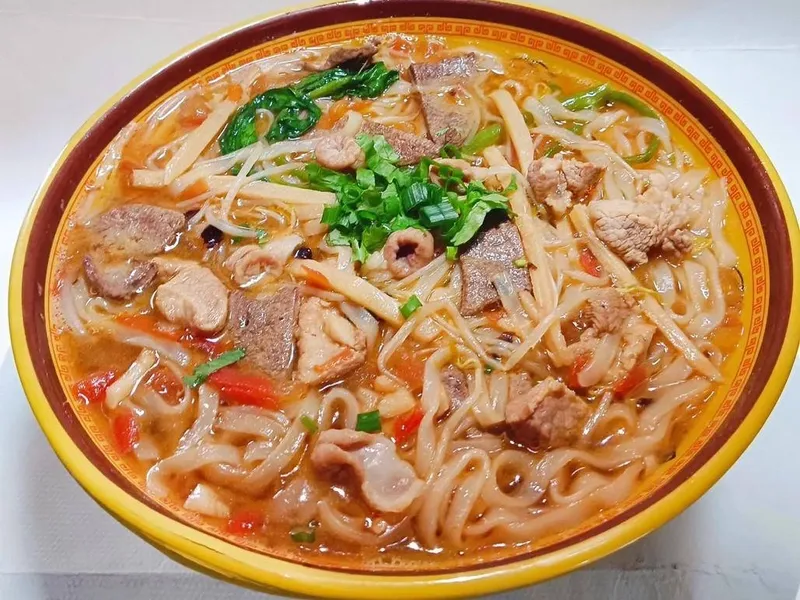
Nanning’s Laoyou rice noodles feature a soft, silky texture and a slightly sour, savory broth, paired with pickled vegetables, crushed peanuts, and scallions. The name “Laoyou,” derived from the Zhuang language, symbolizes friendship and warmth. This classic street food not only represents local culinary traditions but also reflects the hospitality and convivial spirit of Nanning residents.
Lemon Duck: Sweet, Sour, and Aromatic
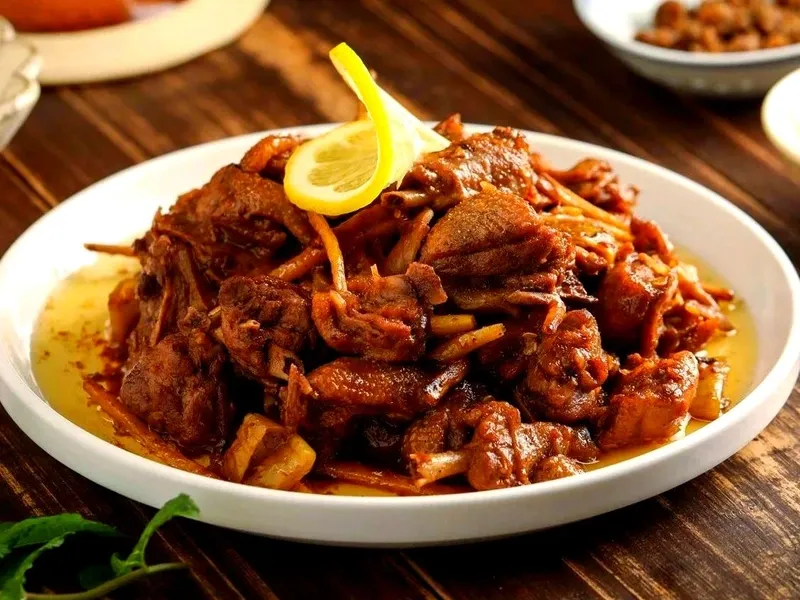
Lemon duck is a specialty of southern Guangxi, prepared by simmering tender duck with lemon slices, spices, and chili. The dish features golden skin, succulent meat, and a refreshing lemon aroma with a subtle tangy-spicy kick. It showcases the culinary wisdom of Guangxi people in using local ingredients to achieve balanced flavors and is a staple in festive banquets and family gatherings.
Five-Color Glutinous Rice: Colorful and Auspicious
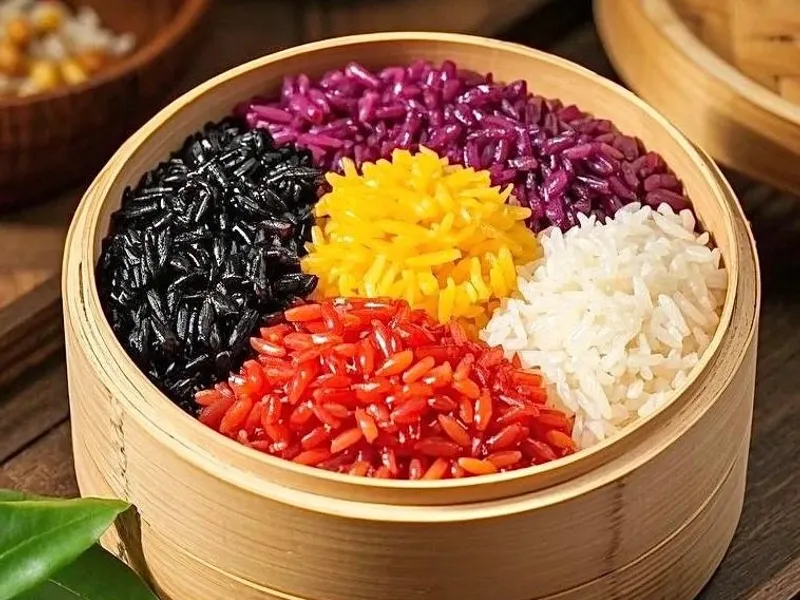
Five-color glutinous rice is a traditional festive dish of the Zhuang, Yao, and other ethnic groups. The glutinous rice is dyed naturally with plant-based colors—red, yellow, purple, white, and green—symbolizing the “Five Blessings.” Steamed to fragrant perfection, the rice is soft, layered, and flavorful. Consumed during festivals, it represents good fortune and family reunion, reflecting the aesthetic sensibilities and culinary wisdom of Guangxi’s ethnic communities.
Yao Oil Tea: A Bittersweet Hospitality Tradition
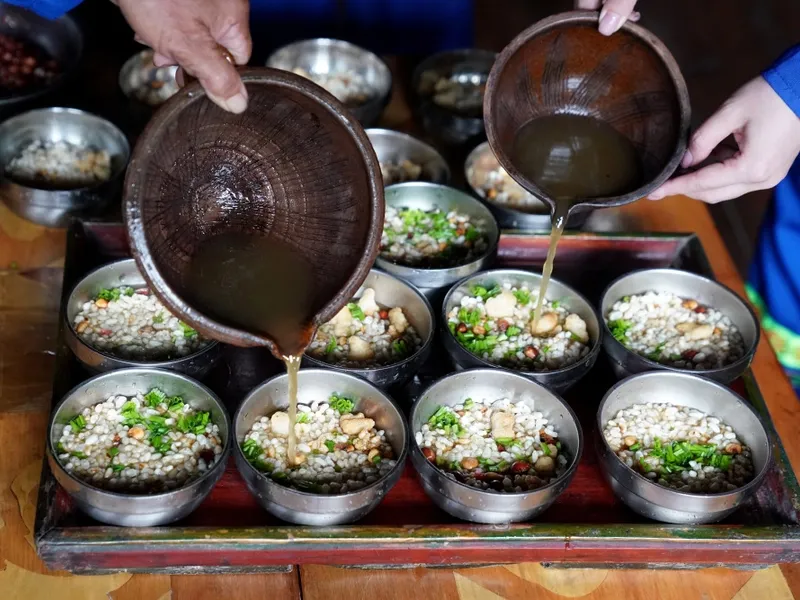
Yao oil tea is prepared by roasting tea leaves and mixing them with rice, sesame, and peanuts, resulting in a unique flavor that is both bitter and sweet. Traditionally, it serves as a gesture of hospitality in Yao communities, offered during festivals, welcoming guests, or daily consumption. Its careful preparation, including precise control of heat and seasoning, highlights the Yao people’s ingenuity in using natural ingredients and integrating culinary practices with social rituals.
Sour Fish and Meat: Traditional Dong Delicacy
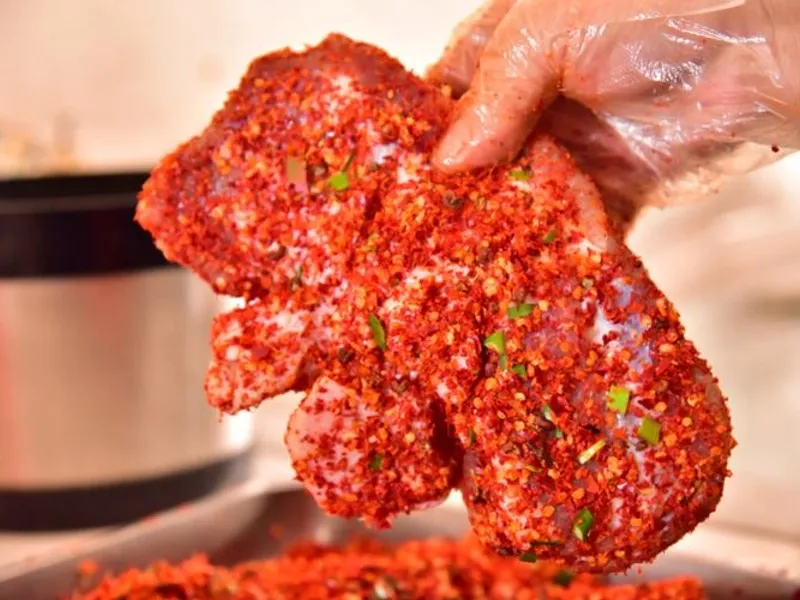
Sour fish and meat is a classic dish of the Dong ethnic group, prepared using fermentation and sour seasonings to achieve tender, flavorful fish and pork with a pleasantly tangy taste. The method preserves the food while enhancing its flavor, reflecting the Dong people’s knowledge of natural fermentation and ecological cooking practices. Served during festivals or family gatherings, the dish not only delights the palate but also plays an important role in cultural exchange and heritage preservation.
Fragrant Fruits of Guangxi
Located in a subtropical monsoon climate, Guangxi boasts mountains and rivers in harmony, distinct seasons, and abundant sunshine, earning it the title of China’s “Natural Orchard.” Fertile red soils nurture countless fragrant fruits, and from mountain orchards to riverside fields, from morning dew to afternoon breezes, every breath carries the scent of fruit and the sweetness of life.
Lychee
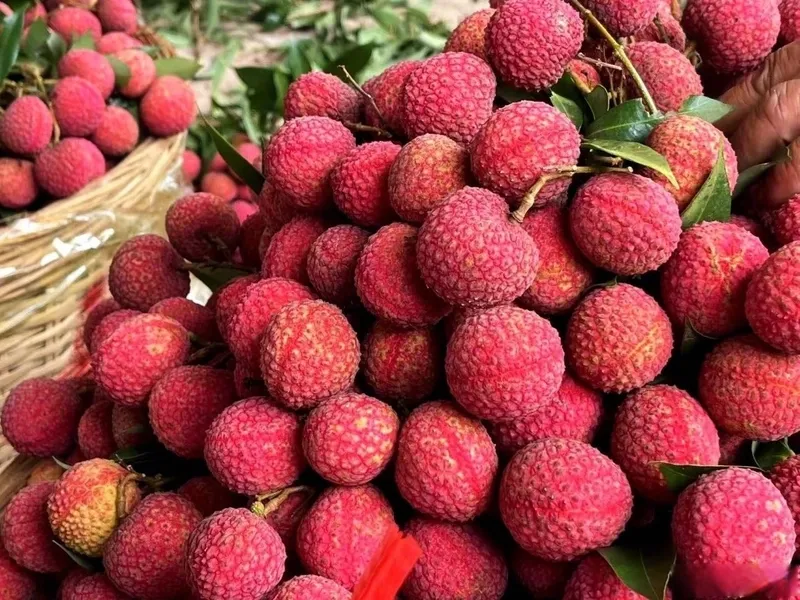
Peeling away the bright red shell reveals translucent, jade-like flesh that glistens. One bite releases sweet juice that spreads across the tongue, with a floral, honeyed aroma. Lychee is the herald of summer in Guangxi—appearing in market baskets and festive gift boxes alike. Its sweetness transcends daily life and time, becoming a symbol of this land. As ancient saying goes: “Eating three hundred lychees a day, one would never leave Lingnan.” Beyond praising the fruit’s taste, it celebrates Guangxi’s abundance and warmth.
Longan
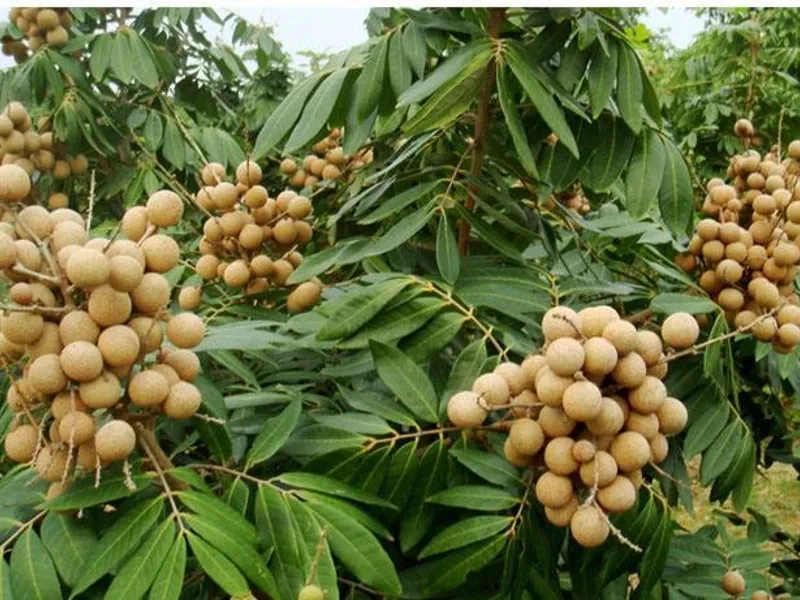
Clusters of round, translucent fruits glisten in the sunlight. Peeling the thin skin reveals sweet, juicy flesh that fills the mouth instantly. Also known as “Guiyuan,” longan exudes a gentle, warm fragrance like a soft southern breeze. Dried into longan fruits, its sweetness intensifies, making it a prized tonic for health and heart nourishment. In Guangxi, longan symbolizes reunion and happiness, often featured in sweet soups with red dates during festivals—a comforting taste of home.
Mango
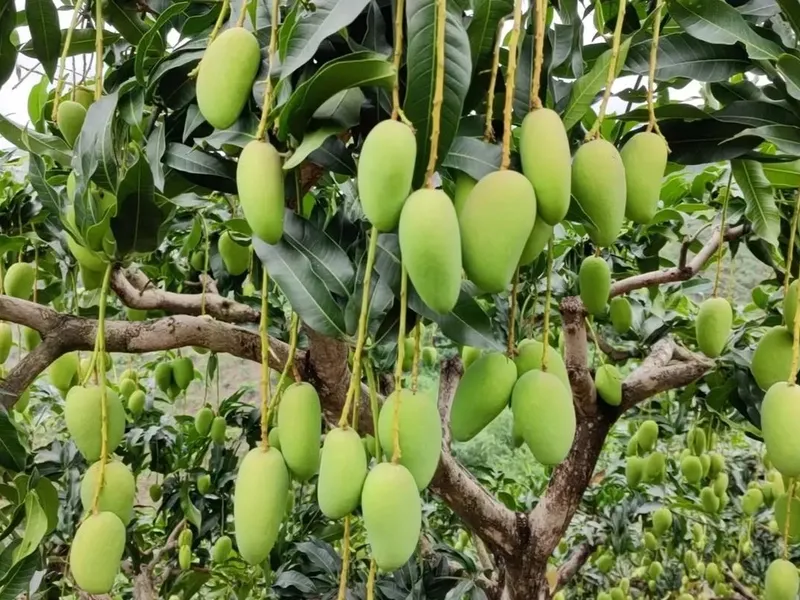
Golden skin radiates the warmth of the sun, and when sliced, the thick, smooth flesh releases tropical floral sweetness. Mango reigns as the king of summer fruits in Guangxi, appearing in orchards, street markets, and icy drinks alike. Dried mango offers concentrated sweetness, while fresh juice refreshes and delights. Each bite feels like the sunshine of the Eight Gui regions—bright, intense, and full of energy.
Passion Fruit
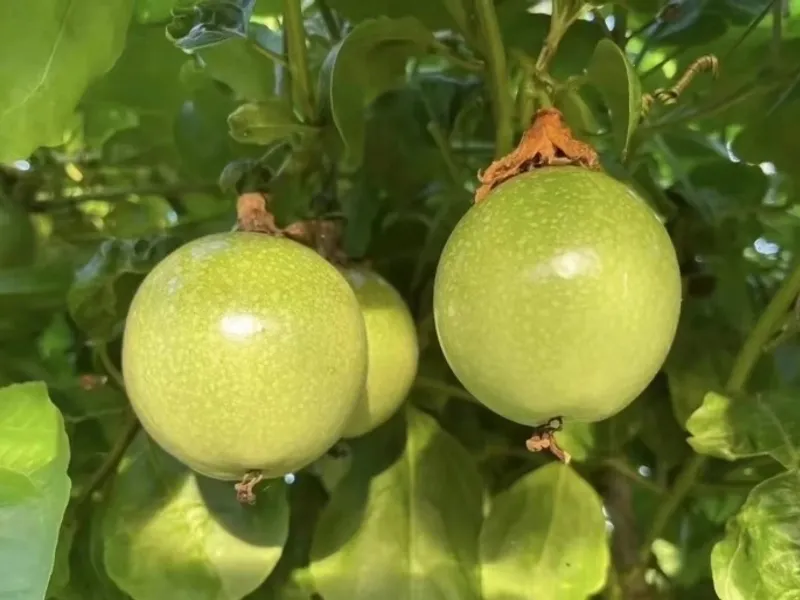
With a firm exterior, cutting into a passion fruit reveals golden, aromatic pulp, tart yet sweet, evoking the freshness of a tropical morning. Known locally as the “fruit of vitality,” passion fruit’s intense aroma and layered flavors make it perfect for teas, desserts, and iced drinks. Its taste is bold yet gentle, reflecting the enthusiasm and innovation of Guangxi’s younger generations.
Ougan (Citrus)
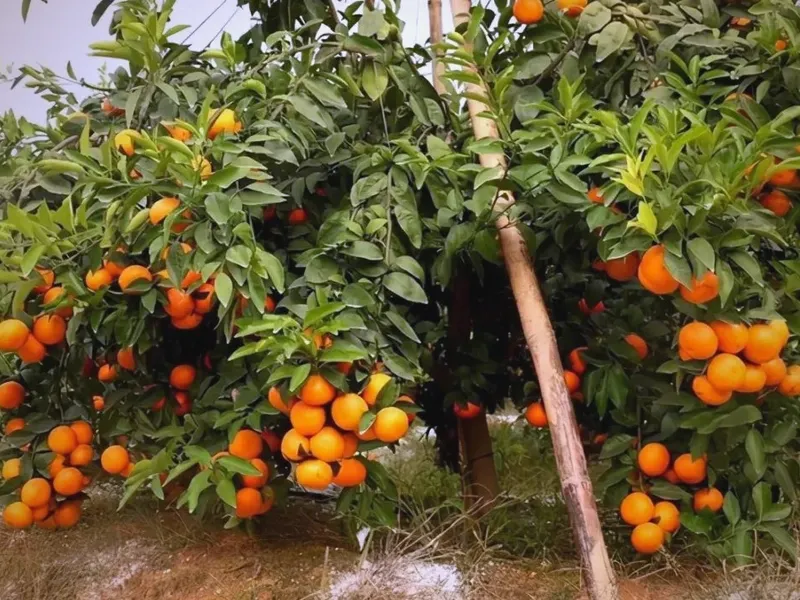
Shiny, orange-red peel, easy to peel, and a subtle citrus fragrance fills the air. The flesh is tender and juicy, with a perfect balance of sweet and sour. With sugar content sometimes exceeding 15 degrees, each bite delivers the warmth of winter sunlight. Ougan combines the freshness of oranges with the gentle sweetness of mandarins and represents a modern achievement of Guangxi’s fruit industry. During the Lunar New Year, Ougan is often included in gift baskets, symbolizing good fortune and sweetness.
Dragon Fruit
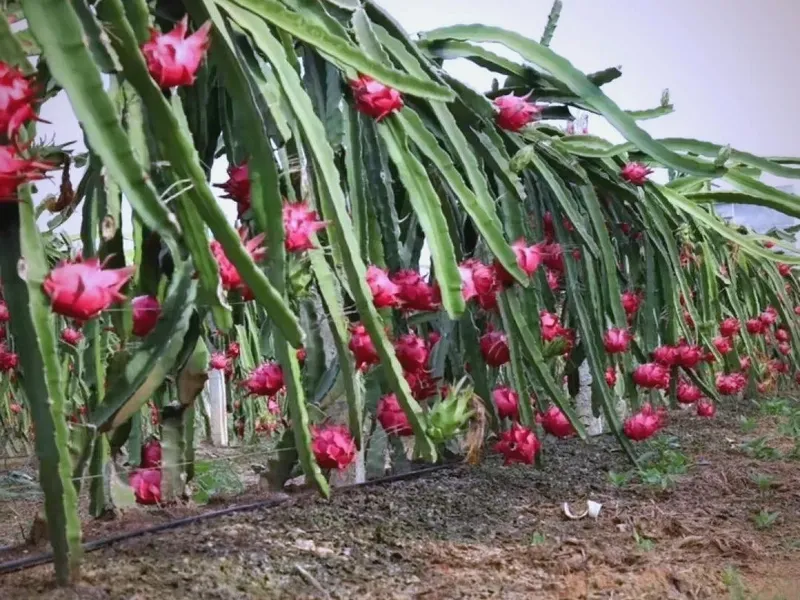
With vibrant, fiery skin, dragon fruit symbolizes passion and vitality. Inside, its red or white flesh is dotted with tiny black seeds, smooth and mildly sweet. Rich in vitamins and fiber, it’s a popular choice for health-conscious locals. Served as juice, smoothies, or desserts, it embodies the lively rhythms of tropical life.
Banana
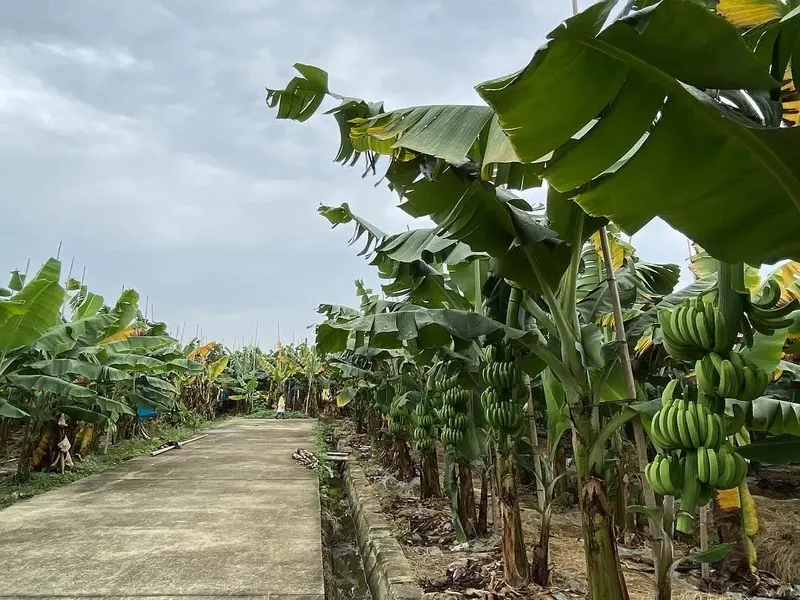
Swaying banana leaves and hanging fruit clusters fill the air with gentle sweetness. Ripe bananas are golden with soft, delicate flesh that melts in the mouth. A staple in daily life, bananas accompany breakfast, snacks, and travel, representing the leisure and tranquility of the south—a simple, enduring happiness.
Yangmei (Chinese Bayberry)
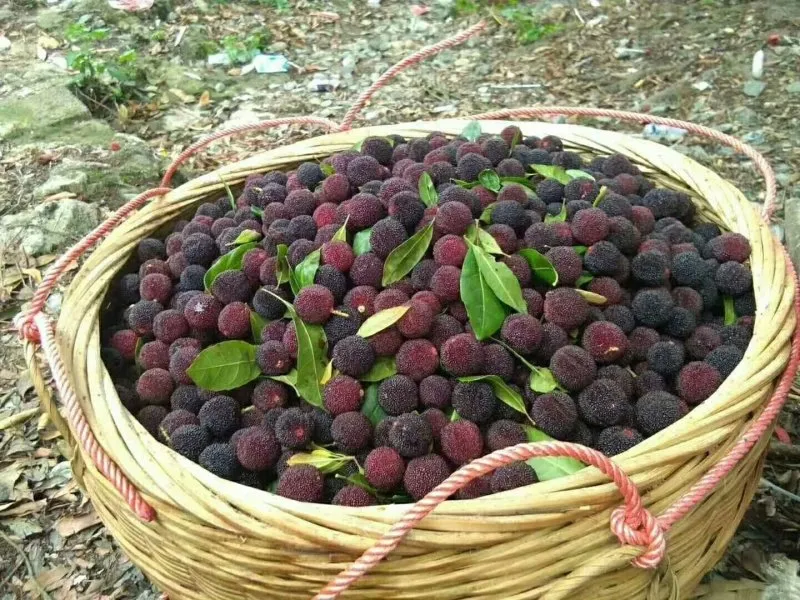
Plump, crimson, and glistening like ruby on the branch, a bite of yangmei blends sweet and tart, carrying the cool scent of mountain forests. Fresh yangmei quenches thirst, while jams and dried fruits intensify its flavor. A bowl of chilled yangmei on a summer afternoon softens even the hottest air.
Huangpi (Wampee)
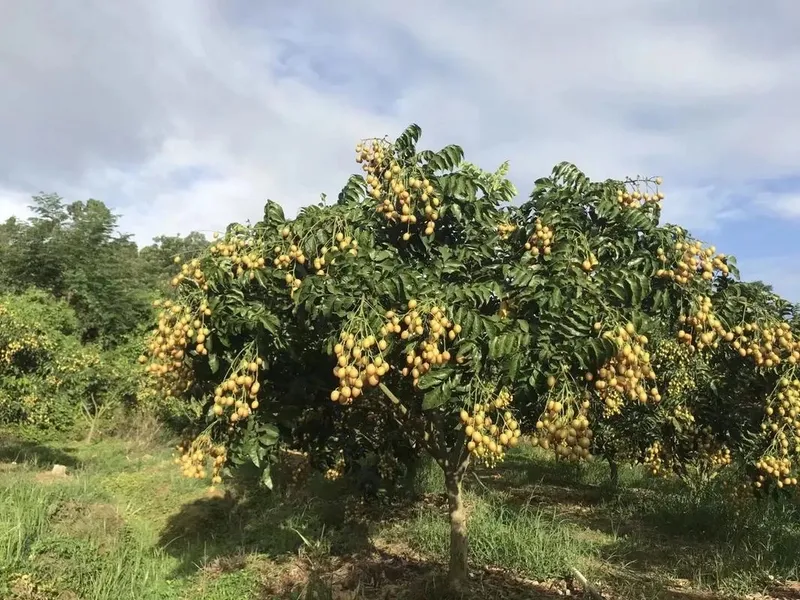
Small, fragrant fruits with thin skins, sweet and tangy, bursting with aroma when bitten. Huangpi can be eaten fresh or processed into jams, preserved fruits, or medicinal dishes. Its subtle citrus fragrance captures the most distinctive taste of summer in Guangxi, evoking a tangy-sweet memory.
Suan Ye of Guangxi: A Unique Sweet-and-Sour Flavor
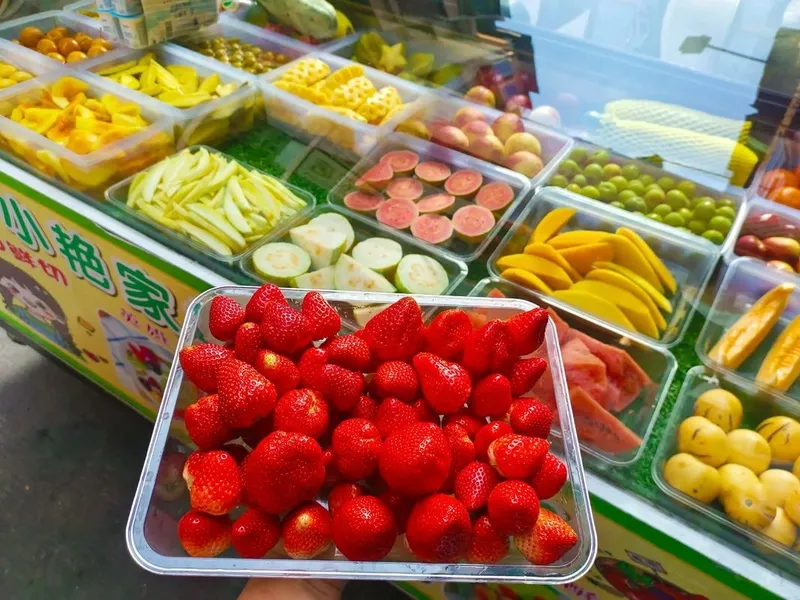
Guangxi, rich in abundant fruits, has also nurtured a distinctive “Suan Ye” (sour fruit) culture. By combining fresh fruits with sour seasonings or mild fermentation, the natural sweetness of the fruit is preserved while adding a tangy, appetite-stimulating twist—creating a flavor unique to the land of the Eight Gui regions. Suan Ye can be made from fruits such as lemon, mango, lychee, or pomelo. Its characteristic balance of sour and sweet, coupled with intense fruity aroma, makes it suitable both as a snack and as a complement to rice noodles, porridge, or cold dishes.
The variety of sour fruit snacks, such as citrus fruit mixes or plum and fruit platters, leaves a lasting impression. Each tangy bite not only awakens the palate but also reflects Guangxi’s natural bounty and the ingenuity of local folk traditions.
Treasures of Guangxi: Souvenirs and Local Delights
Guangxi not only boasts magnificent landscapes and rich cultural heritage but also nurtures a wealth of local specialties and handicrafts, each embodying the wisdom and craftsmanship of the Eight Gui regions. These make perfect keepsakes and gifts for travelers.
Zhuang Brocade Textiles
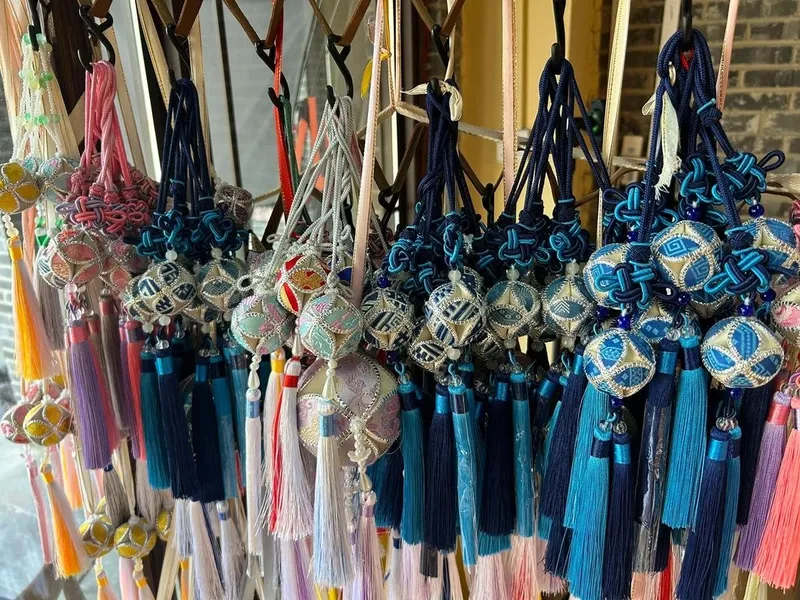
Traditional Zhuang brocade is renowned for its vivid colors and intricate patterns. Phoenixes, suns, and bronze drums adorn scarves, cushions, table runners, and wall hangings, symbolizing good fortune. Modern designs fuse traditional techniques with contemporary aesthetics, making brocade both decorative and functional. As gifts, they convey the refinement and warmth of Guangxi’s ethnic culture.
Yao Silver Jewelry
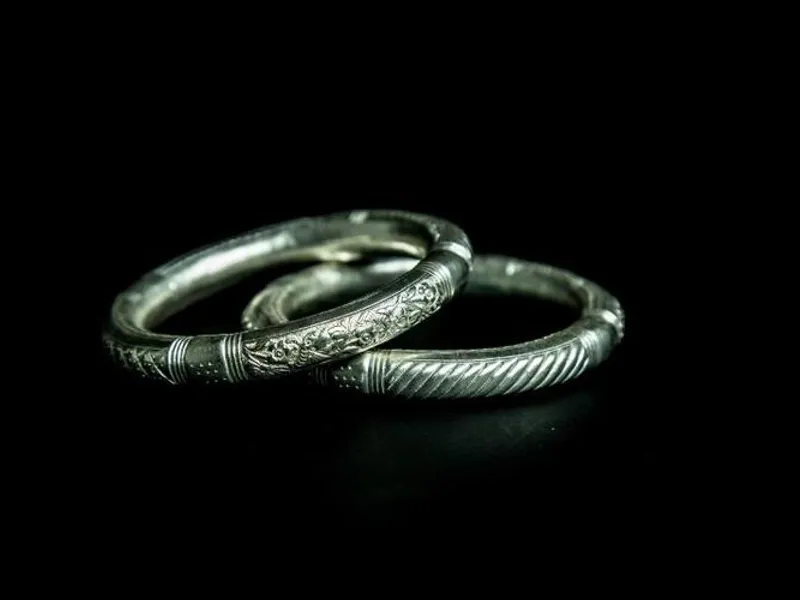
Exquisitely hand-carved silver jewelry, including necklaces, bracelets, hairpieces, and hats, serves not only as adornment but also as symbols of identity and ritual. Worn during festivals, weddings, or important ceremonies, they signify peace, wealth, and auspiciousness. Contemporary silverwork blends tradition with fashion, creating distinctive souvenirs that merge cultural heritage with modern design.
Miniature Bronze Drums
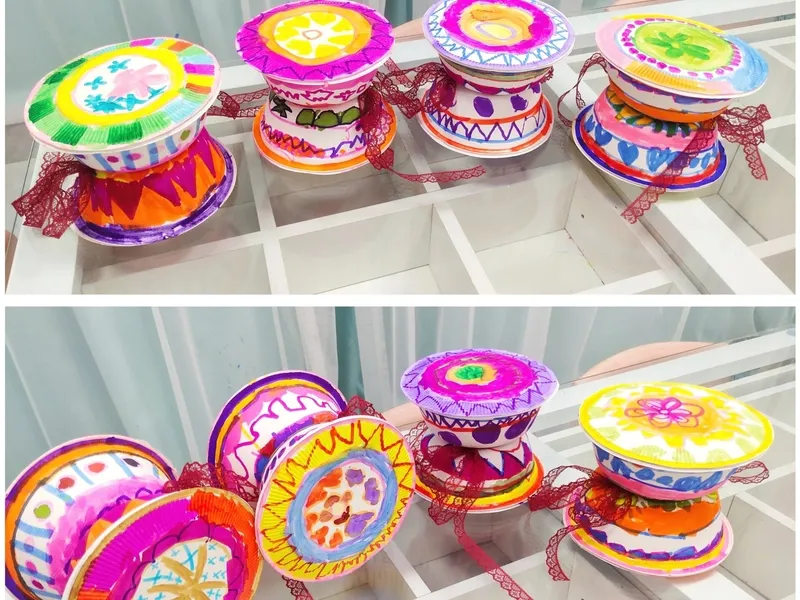
These small bronze drums are more than decorative items; they symbolize the cultural legacy of Guangxi’s ethnic groups. Engraved with elaborate motifs representing harvest and strength, they add ethnic charm to homes, offices, or collections, reflecting cultural taste and history.
Candied Fruits and Dried Fruits
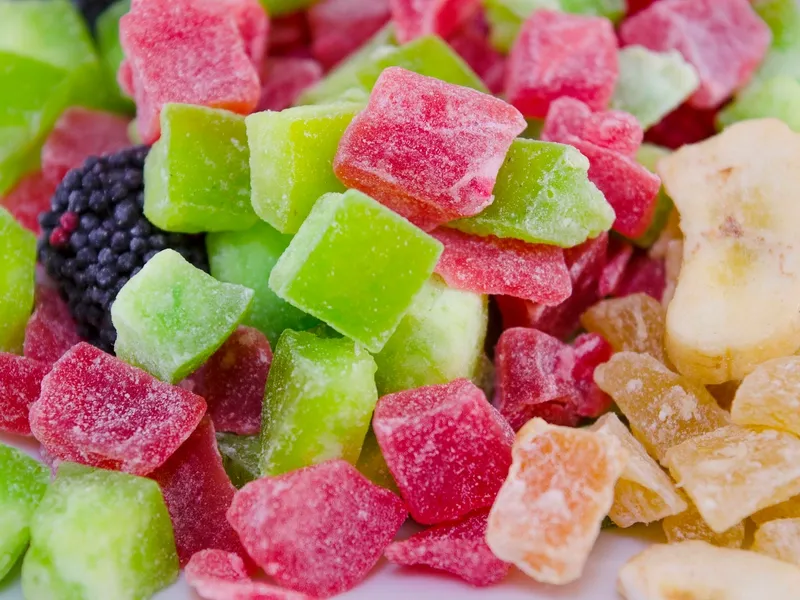
Made from locally sourced fruits, these preserves are colorful, tangy-sweet, and aromatic. They serve as delightful snacks, travel souvenirs, or tea-time treats, capturing the distinctive flavors of the region.
Beihai Dried Seafood
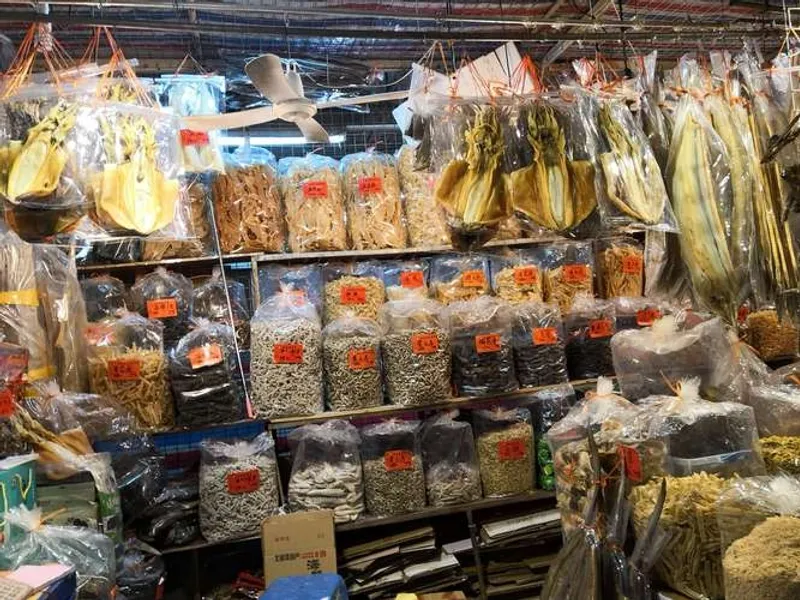
Dried squid, shrimp, conch, and other seafood from the Beibu Gulf are flavorful and nutritious. They can be used in cooking or enjoyed as snacks, showcasing Guangxi’s unique coastal culture.
Guilin Sanhua Liquor
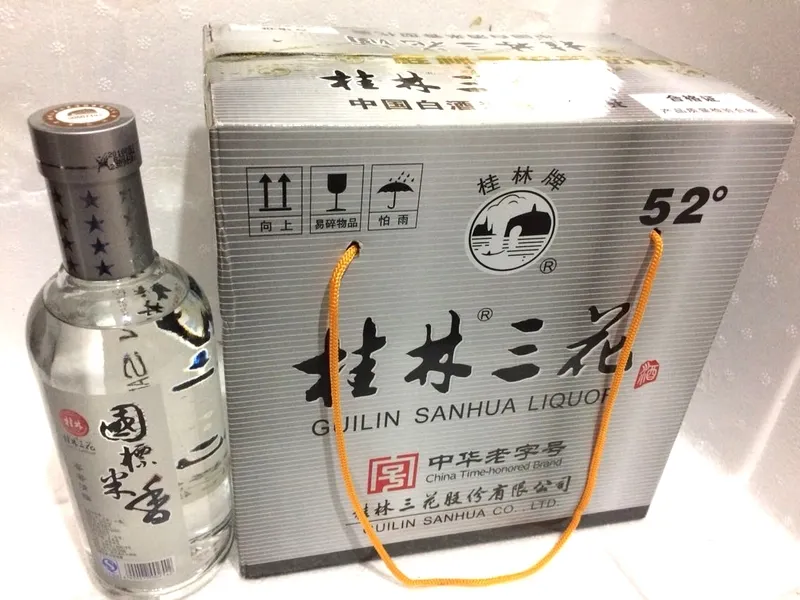
A representative rice-flavored liquor, Sanhua has a clear body, rich aroma, and smooth taste. This local specialty is ideal for festive occasions and as a gift, reflecting the hospitality and warmth of Guilin’s people.
Wuzhou Liubao Tea
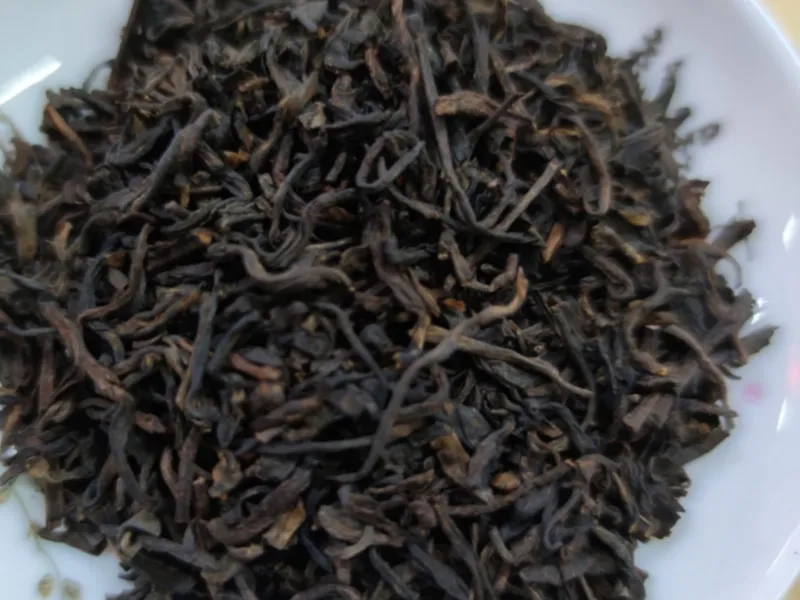
Dark, rich, and mellow, this historic tea was once famous in overseas markets. Beautifully packaged, it is suitable for collection or gifting, reflecting Guangxi’s deep tea culture.
Hepu South Sea Pearls
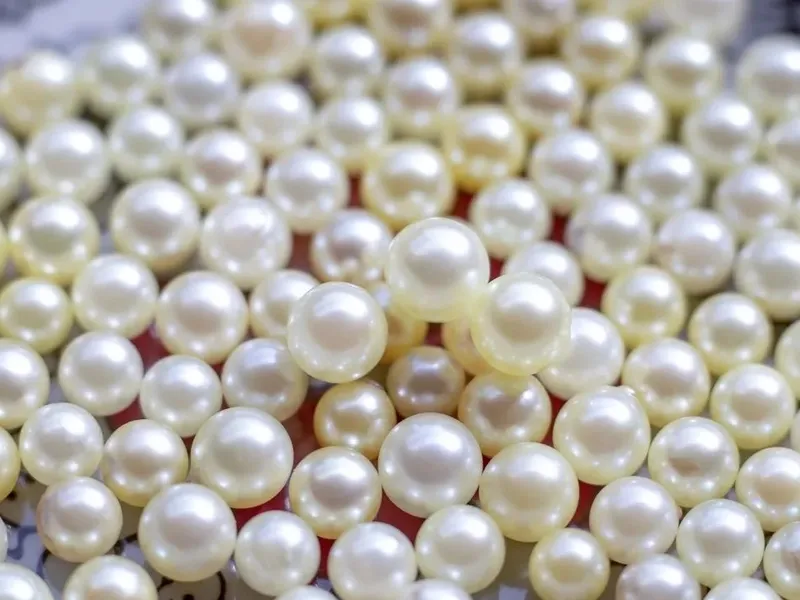
Precious pearls from Hepu are glossy, fine-textured, and long-lasting. Beyond jewelry, they symbolize good fortune and prosperity, making them high-end, collectible gifts.
Magnificent Landscapes, Glorious Guangxi
Guangxi, a land of vivid diversity, has mountains as its backbone and culture as its soul. Towering peaks and emerald rivers harmonize, echoing the mountain songs of Guilin and the cascades of Detian. The drumbeats of Zhuang villages, the folk songs of Dong communities, and the silver adornments of the Yao people shine through time, narrating the story of multi-ethnic coexistence and prosperity. Its intangible cultural heritage is crafted with exquisite skill, its cuisine rich with flavor, and its fruits fragrant and lush—from Sanhua liquor to Liubao tea, from Luosifen noodles to sweet Wogan oranges, every taste lingers memorably.
This is a land that captivates the heart—where nature is alive, local customs are heartfelt, and life radiates warmth and human spirit. Enter Guangxi, and it is like stepping into a living painting: mountains sing, rivers smile, and the colors of ethnic culture weave seamlessly with the breath of nature into a magnificent symphony. Wherever you come from, Guangxi will welcome you with genuine warmth and leave in your memory the unique fragrance and charm of the Eight Gui regions.
Related Vocabulary
| Chinese | Pinyin | English |
|---|---|---|
| 荔枝 | Lìzhī | Lychee |
| 龙眼 | Lóngyǎn | Longan |
| 芒果 | Mángguǒ | Mango |
| 百香果 | Bǎixiāngguǒ | Passion fruit |
| 沃柑 | Wògān | Wogan orange |
| 火龙果 | Huǒlóngguǒ | Dragon fruit |
| 香蕉 | Xiāngjiāo | Banana |
| 杨梅 | Yángméi | Waxberry / Chinese bayberry |
| 黄皮果 | Huángpí guǒ | Aegle fruit / Chinese yellow fruit |
| 桂林米粉 | Guìlín mǐfěn | Guilin rice noodles |
| 螺蛳粉 | Luósī fěn | Luosifen (snail rice noodles) |
| 油茶 | Yóuchá | Yao oil tea |
| 壮锦 | Zhuàng jǐn | Zhuang brocade |
| 铜鼓 | Tónggǔ | Bronze drum |
| 桂林山水 | Guìlín shānshuǐ | Guilin landscape |
| 北海银滩 | Běihǎi yíntān | Beihai Silver Beach |
| 涠洲岛 | Wéizhōu dǎo | Weizhou Island |
| 合浦南珠 | Hépǔ nánzhū | Hepu South Sea pearl |
| 蜜饯 | Mìjiàn | Preserved fruit / candied fruit |
| 水果干 | Shuǐguǒ gān | Dried fruit |
Guangxi FAQ
Q1: Why is Guilin’s scenery so special?
A1: Guilin’s landscape is renowned as “the finest under heaven,” with stunning karst peaks, clear rivers, and picturesque countryside, resembling a living Chinese ink painting. From Yangdi to Xingping, the limestone peaks reflect in the calm waters of the Li River, creating a magical scenery. Each site, like Nine-Horse Fresco Hill or Yellow Cloth Fold, has a unique shape, offering new surprises around every corner. Guilin’s scenery combines natural beauty with Lingnan culture, giving visitors a harmonious experience of nature and heritage.
Q2: How can you enjoy the Li River in Guilin?
A2: Visitors can take a bamboo raft for a slow cruise, experiencing the mirror-like water and lush peaks. Walking or cycling along the riverbanks allows exploration of ancient bridges, villages, and teahouses. The sunrise, sunset, and evening fisherman songs are not to be missed. Along the way, you can see historical inscriptions and cultural relics, fully appreciating the essence of “mountains and rivers as the best scenery in the world.”
Q3: Why must you try Liuzhou Luosifen?
A3: Luosifen (snail rice noodles) is famous for its bold and unique sour, spicy, and fragrant flavors. The broth is made from simmered river snails and combined with pickled bamboo shoots, peanuts, and dried tofu sticks. Steaming hot and aromatic, it’s a taste adventure not to be missed. Whether at a street stall or trendy restaurant, Luosifen lets you experience authentic Guangxi flavor.
Q4: What’s the difference between Guilin rice noodles and Luosifen?
A4: Guilin rice noodles are soft and chewy, served with pork bone broth, pickled bamboo shoots, and scallions, with a light and savory taste. Luosifen from Liuzhou is intensely sour and spicy, with a broth infused with snail flavor. Guilin rice noodles evoke homey comfort and culture, while Luosifen challenges your taste buds, showing Guangxi’s diverse culinary culture.
Q5: What is “March 3rd Festival” and why do locals love it?
A5: The “March 3rd Festival” is the grandest festival of the Zhuang ethnic group, held on the third day of the third lunar month. During the festival, Zhuang youth gather by rivers, villages, and drum towers, singing, dancing, and exchanging love songs. The rivers echo with the songs of Liu Sanjie, clear and melodious, carrying the charm of mountains and local traditions. The festival is both a lively celebration and a way to teach customs, reflecting the Zhuang people’s warmth and wisdom.
Q6: Why are Guangxi’s fruits so famous?
A6: Guangxi’s subtropical monsoon climate provides abundant sunshine, moderate rainfall, and fertile soil, making it China’s “natural orchard.” Litchis, longans, mangoes, dragon fruits, passion fruits, Wokan oranges, and bayberries are juicy, fragrant, and full of flavor. Locals also process fruits into dried fruits, juices, or “suan-ye” (sour snacks), preserving their sweetness while adding unique tastes, making Guangxi fruits famous both domestically and internationally.
Q7: What is “Suan-Ye”?
A7: “Suan-Ye” is a unique Guangxi sour fruit snack. Fresh fruits are combined with sour seasonings or lightly fermented, creating a taste that is sweet and tangy. Common ingredients include lemons, mangoes, lychees, and passion fruit. Suan-Ye can be eaten as a snack or paired with rice noodles, cold dishes, or porridge. Its refreshing and appetizing flavor embodies local folk wisdom and is unforgettable on the first bite.
Q8: What fruits must you try in Guangxi?
A8: Don’t miss litchis, longans, mangoes, dragon fruits, passion fruits, Wokan oranges, and bayberries. Each has a distinctive flavor: litchis are juicy and aromatic, longans are sweet and soft, mangoes are fragrant and smooth, dragon fruits are visually stunning and refreshing, passion fruits are tangy and lively, Wokan oranges are balanced in sweetness, and bayberries are bright and juicy. Combined with local snacks like dried fruits and Suan-Ye, you get the full experience of Guangxi’s fruit culture.
Q9: Why is Detian Waterfall worth visiting?
A9: Detian Waterfall spans the China-Vietnam border and is Asia’s largest transnational waterfall, 200 meters wide with a drop over 70 meters. The mist, roar, and vast scenery are breathtaking. Visitors can even take bamboo rafts close to the base, feeling the cool spray. Detian is not only a spectacular natural wonder but also a symbol of cross-border culture and harmony.
Q10: Besides Guilin, what other natural attractions are worth visiting in Guangxi?
A10: Beihai Silver Beach offers fine silver sand and blue waters for walking and water sports. Weizhou Island features volcanic coasts, red mangroves, and coral reefs, perfect for diving and photography. Jingxi boasts karst peaks, valleys, and rural scenery, ideal for hiking and adventure. Debao Caves have stalactites and underground rivers, offering mysterious natural wonders. Each location combines natural beauty with local culture, enriching your Guangxi travel experience.