Fujian — Chronicle of the Splendor of Eight Min Regions
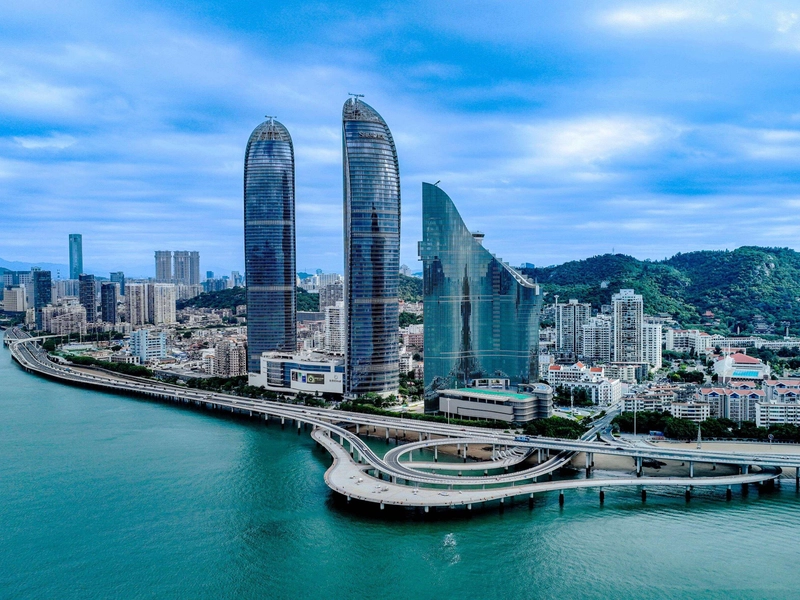
On the shores of the East China Sea, along the banks of the Min River, Fujian composes a millennia-spanning epic of maritime civilization through its unique symphony of mountains and seas. This land is not only the starting point of the Maritime Silk Road but also a frontier where Chinese and Western cultures converge. From the tea-scented peaks of the Daiyun Mountains to the rhythmic tides of Xiamen Bay, every inch of the land tells the story of the Min people's spirit: "Success comes to those who strive."
The Spirit of Fujian: Mountains Embracing the Sea, Nature's Marvels
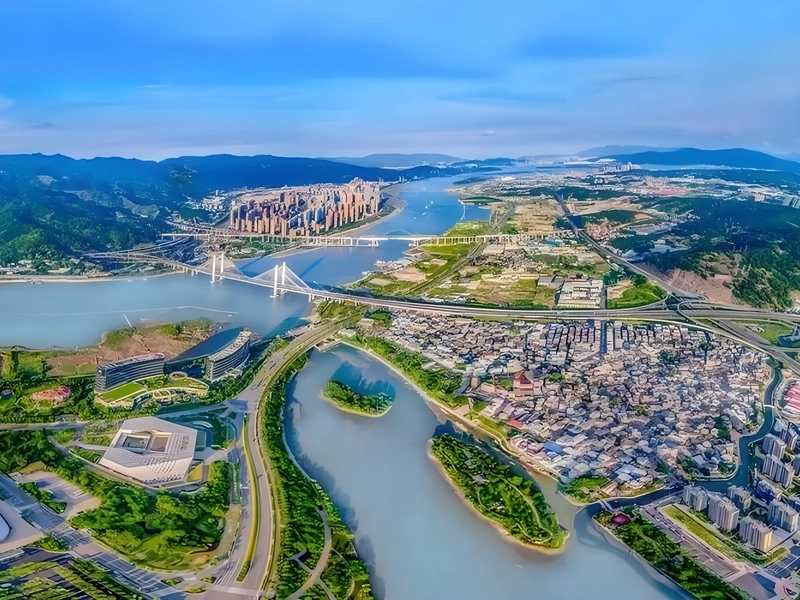
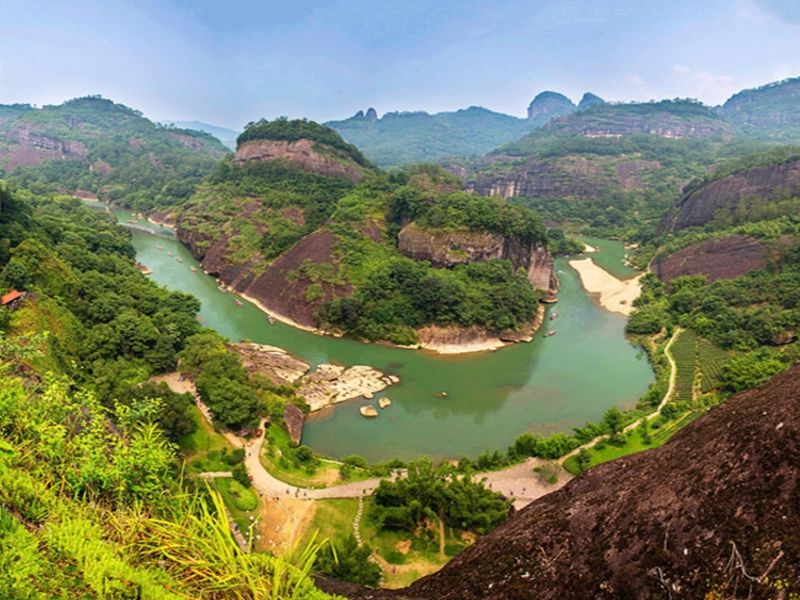
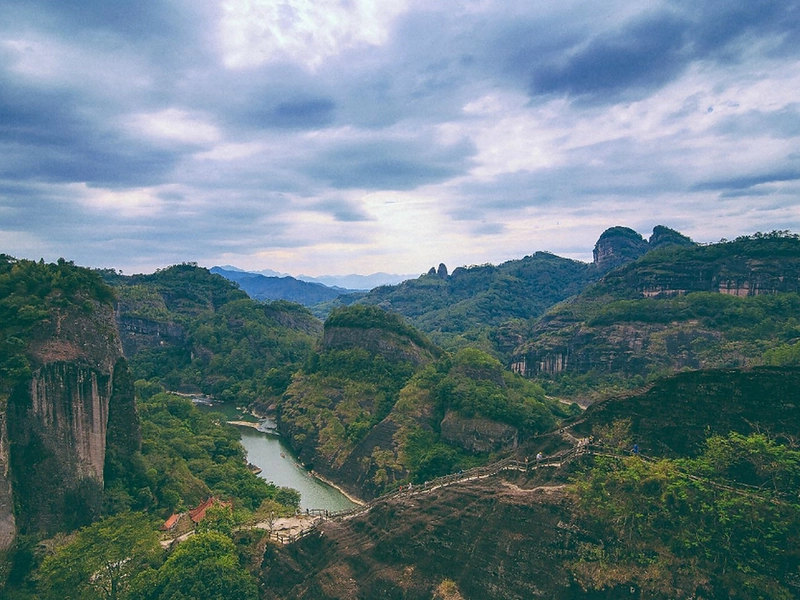
Fujian's uniqueness begins with its geographical pattern of "eight mountains, one water, and one part of cultivated land." The grandeur of its mountains intertwines with the vastness of the sea, nurturing a resilient and vibrant land. The Wuyi Mountains, like a coiled azure dragon in the northwest, rise steep and majestic, shrouded in mist; the waves of the East China Sea stretch southeast like a vast jade expanse, witnessing a millennium of navigation and migration. Between mountains and sea, Fujianese cultivate fields with steadfast determination and embrace the world with open hearts.
A Natural Symphony of Mountains and Seas
The Min River, Jiulong River, and Jin River flow like the lifeblood of the land, nurturing all life in Fujian. The Fuzhou Basin smells of blooming rice flowers, the plains of Zhangzhou are lined with endless banana groves, the tides of Quanzhou Bay never cease, and the coastal lights of Putian twinkle in the night — together, these form a natural painting where "mountains carry the spirit of the sea, and the sea echoes the soul of the mountains."
Fujian boasts a coastline stretching 3,752 kilometers, dotted with over 1,400 islands. From the Mazu faith of Meizhou Island to the Blue Tears phenomenon of Pingtan Island, from fishing villages on Dongshan Island to sail silhouettes on Nanri Island, the wisdom of "using the sea as farmland" is everywhere apparent. Here, mountains and seas are not opposed but mutually fulfilling: the mountains give roots to the sea, and the sea grants vastness to the mountains.
A Tapestry of Diverse Climates
Spanning the mid-subtropical and south-subtropical zones, Fujian's oceanic monsoon climate gives each season its own poetic charm:
Spring (March–May):
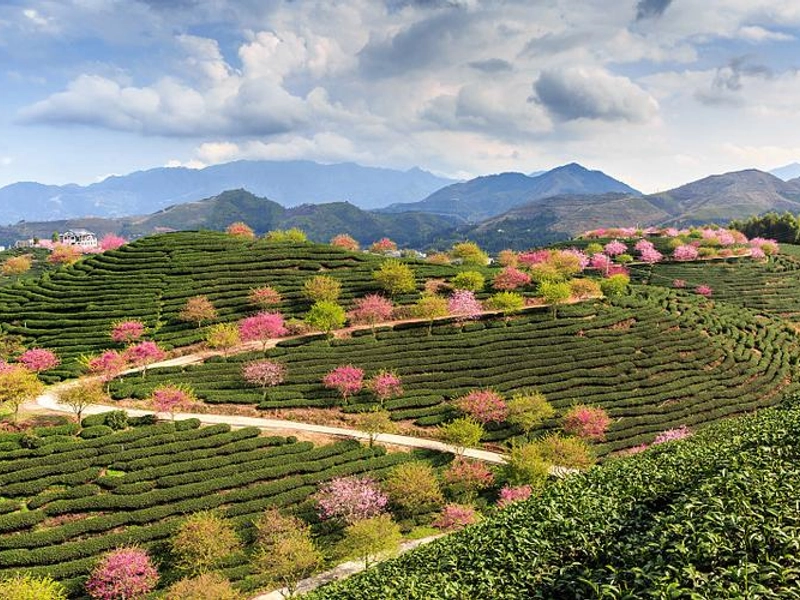
New tea buds emerge in the Wuyi Mountains; in eastern Fujian, rapeseed flowers roll like golden waves, and the air is fragrant with tea and blossoms.
Summer (June–August):
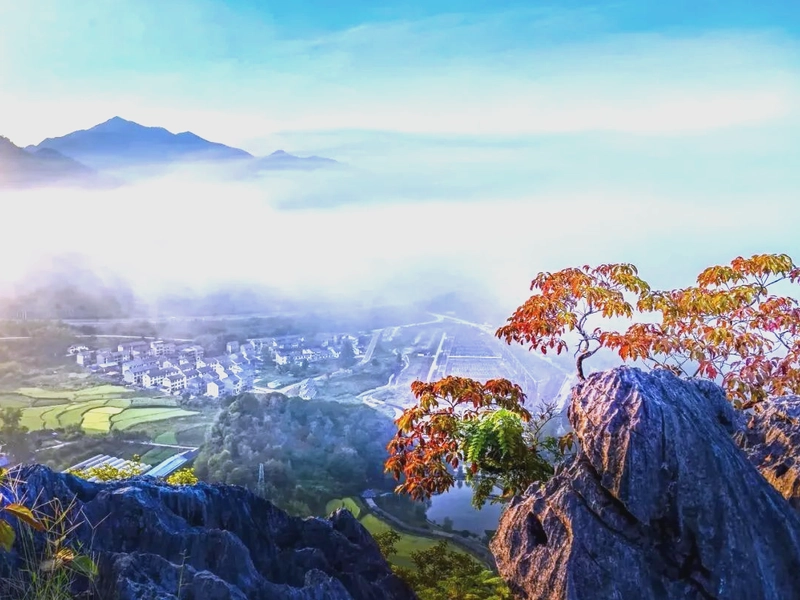
The music of Gulangyu Island blends with the sound of waves; in northern Fujian, the bamboo forests offer refreshing coolness; coastal fishing markets and evening breezes brim with vibrant life.
Autumn (September–November):
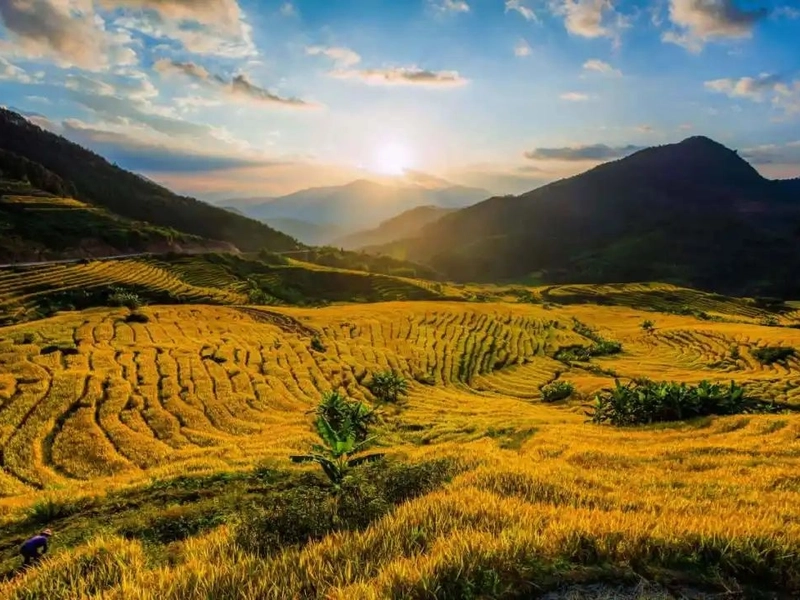
Osmanthus scents float through Quanzhou's ancient alleys; rice fields near the tulou turn golden; ascending the Danxia landforms of Taining, valleys gleam like a painting come to life.
Winter (December–February):
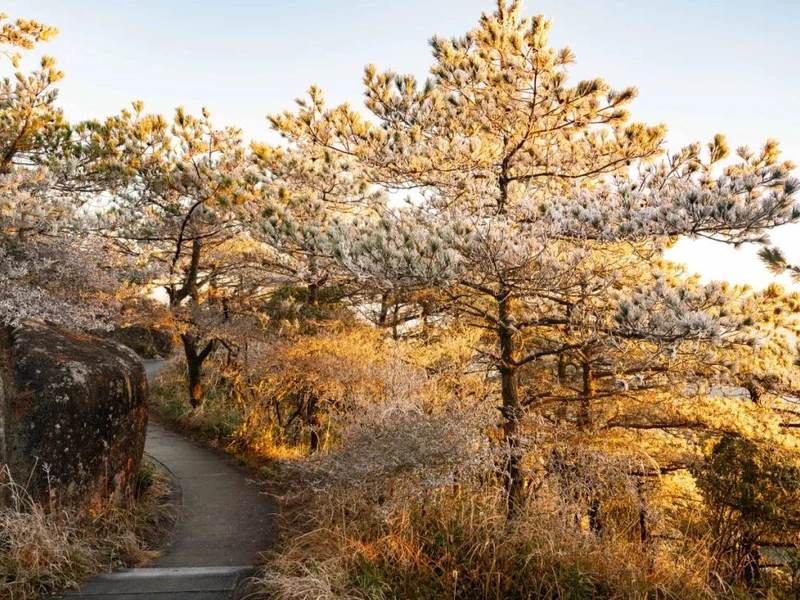
Xiamen remains warm like spring, ideal for seaside strolls; the cloud seas of Wuyi Mountains surge like a fairyland, serene yet majestic.
The bones of the mountains, the soul of the sea, the rhythm of the wind, and the gentleness of the rain together form Fujian's essence. Here lies both the clarity of landscapes and the depth of human culture; one can converse with mountains through tea or connect with the world through sails. This is the spirit of Fujian — resilient, inclusive, vast, yet tender.
The Soul of Fujian: Children of the Sea, Bold and Tenacious
Fujian is one of China’s earliest provinces shaped by the sea. Nestled between towering mountains and vast oceans, it has nurtured a unique spirit — resilient, courageous, inclusive, and adventurous. Every temple venerates deities protecting seafarers; every ancient street carries tales of journeys “to the South Seas.” The history of Fujianese people is a magnificent dialogue between terrestrial and maritime civilizations, and an early herald of China’s engagement with the wider world.
Maritime Pioneers, Legends of Exploration
Mazu: The Goddess of Peace at Sea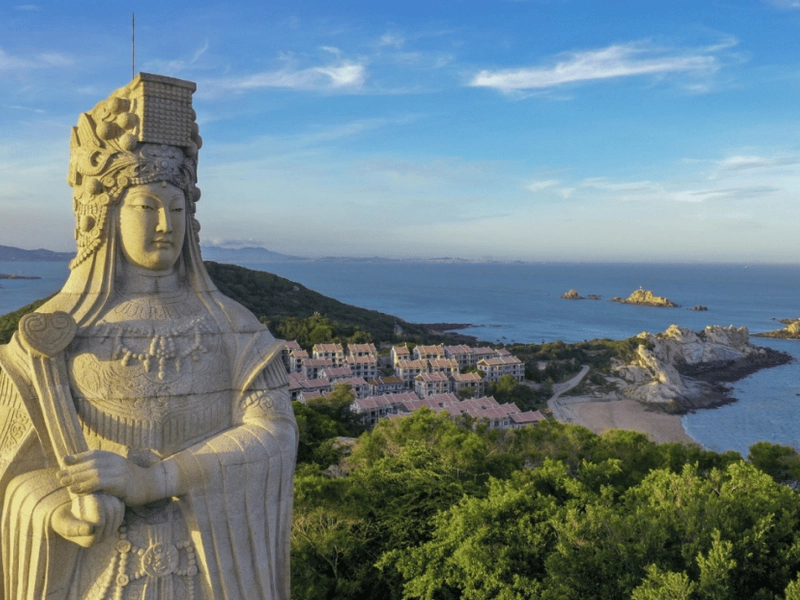
At the ancestral Mazu Temple on Meizhou Island in Putian, incense has burned uninterrupted for a thousand years. Mazu, originally named Lin Mo-niang, was compassionate and aided those at sea in her lifetime, and after her passing, she was revered as the “Heavenly Empress.” From Song and Yuan dynasty merchant ships to modern Chinese communities, her worship has crossed oceans, spreading to Southeast Asia, Taiwan, Japan, and even the Americas. Mazu is not only a symbol of maritime safety but also a transnational cultural force — her gentle faith binds the spiritual community of overseas Chinese worldwide.
Zheng Chenggong: The Patriotic Hero of Taiwan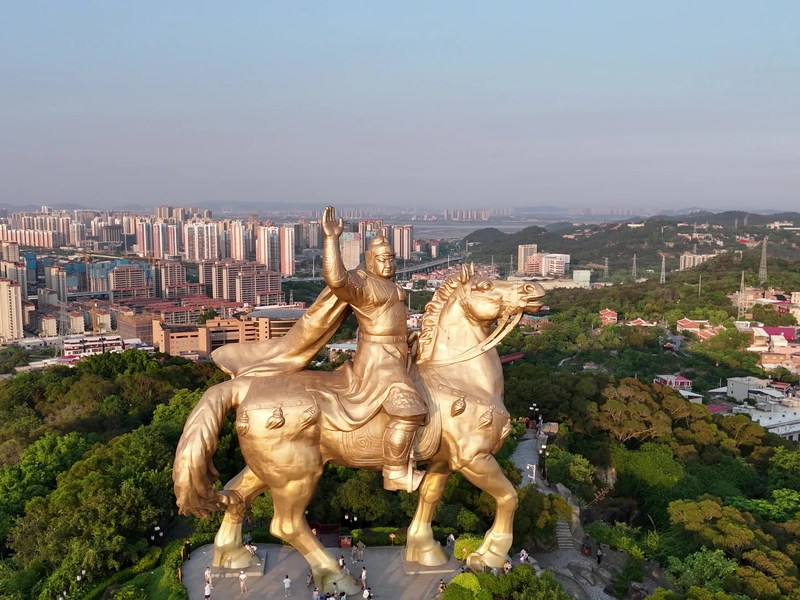
At the Zheng Chenggong Memorial on Gulangyu Island in Xiamen, the echoes of history’s tides can still be felt. As a Confucian general, Zheng recovered Taiwan and expelled foreign invaders, earning the title “Holy King Who Opened Taiwan.” His life embodies the Min people’s spirit of “better to break than to bend” and symbolizes the pioneering courage of Fujianese — fearless of storms and bold in venturing into the unknown. Like the sea winds of Xiamen, constantly crashing against rocks, this spirit generates enduring vitality.
Cultural Ambassadors, Bridging East and West
Zhu Xi: Founding Father of Minxue Neo-Confucianism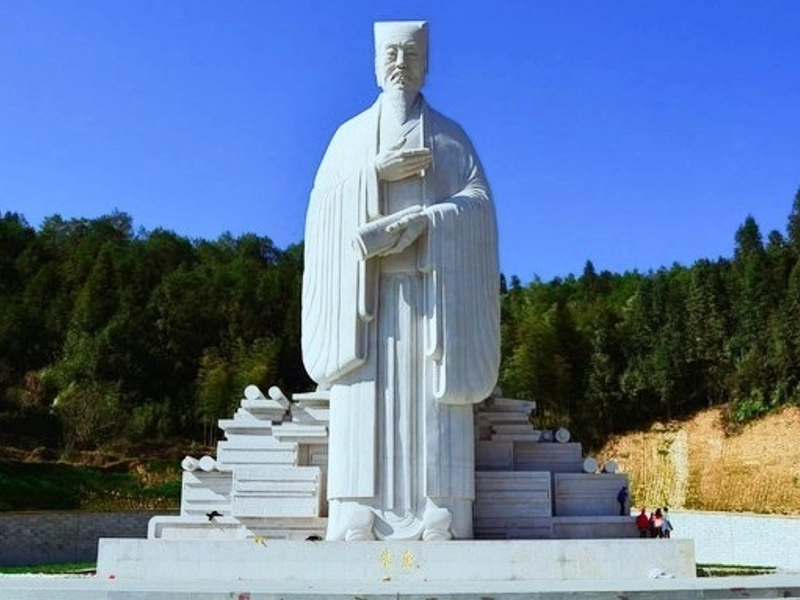
Fujian, rich in mountains and rivers, has never been isolated. At Kaoting Academy in Jianyang, Zhu Xi drew lessons from nature, synthesized Neo-Confucian thought, and proposed the principle of “investigating things to extend knowledge.” He elevated Confucianism into a study of moral self-cultivation, turning Fujian into a “coastal Zhou and Lu.” His teachings deeply influenced Chinese intellectual history and spread to Japan, Korea, and Vietnam, becoming a cornerstone of East Asian thought.
Lin Zexu: The Visionary Who Looked to the World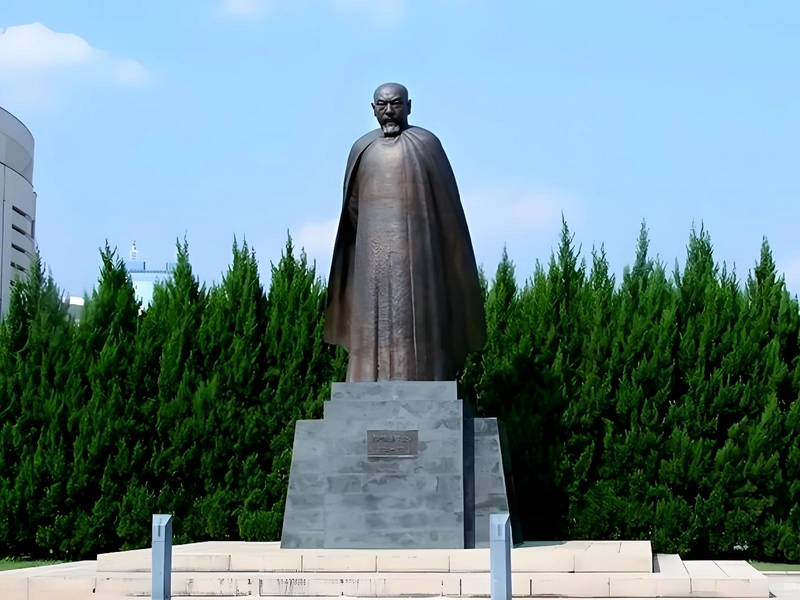
Emerging from the Three Lanes and Seven Alleys of Fuzhou, Lin Zexu took the world as his responsibility. His heroic act of destroying opium at Humen symbolizes national integrity, while his supervision and translation of Si Zhou Zhi initiated systematic Chinese engagement with global knowledge. With a mindset of “all rivers run into the sea,” he advocated rationality and openness, injecting courage and wisdom into China during times of crisis.
The Soul of Mountains and Seas, Everlasting
The soul of Fujian is forged by these children of the sea — born by the ocean yet holding the world in their hearts; bold in struggle yet embracing inclusivity; voyaging across oceans while never forgetting their roots in the Min Mountains. From Mazu’s compassion to Zheng Chenggong’s heroism, from Zhu Xi’s philosophical insight to Lin Zexu’s global vision, this land between mountains and seas has etched the belief of “dare to strive, dare to win” into its very veins. Thus, Fujian is not only China’s maritime gateway but also a symbol of spirit — a bridge connecting tradition and modernity, China and the world.
Cities of Splendor: Diverse Charms Across the Eight Min Regions
The Eight Min regions, where mountains and seas intertwine and culture flows through generations, each city reflects a unique facet of Fujian’s heritage. From the scholarly alleys of Fuzhou, the Min capital, to the romantic sea breezes of Xiamen, the “Garden on the Sea”; from Quanzhou, the starting point of the Maritime Silk Road, where diversity thrives, to Longyan, the ancestral land of the Hakka with its red revolutionary spirit — every city mirrors Fujian’s culture, collectively composing a magnificent poem of mountains and seas.
Fuzhou: The Blessed City, Nurtured by Culture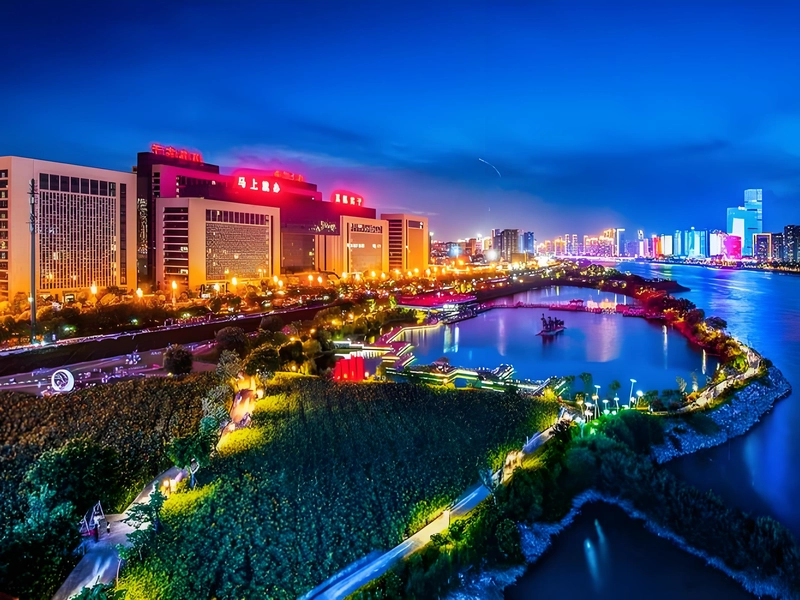
“Seven Fujian mountains are spirited and beautiful,” and Fuzhou has long been celebrated as “the sunny side of Min Mountains, a meeting place of waters.” The city is dotted with hot springs and shaded streets lined with banyan trees, earning it the nickname “Banyan City.” In the historic Three Lanes and Seven Alleys, centuries of culture endure. From Lin Zexu to Yan Fu, from Bing Xin to Lin Juemin, many modern Chinese pioneers of enlightenment hail from here. The clarion call of the Naval Academy once heralded the dawn of China’s modern industry and navy. Today, Fuzhou continues its modern legend as the “Blessed City,” powered by digital economy and maritime industries.
Xiamen: The Garden on the Sea, Charm of the Special Zone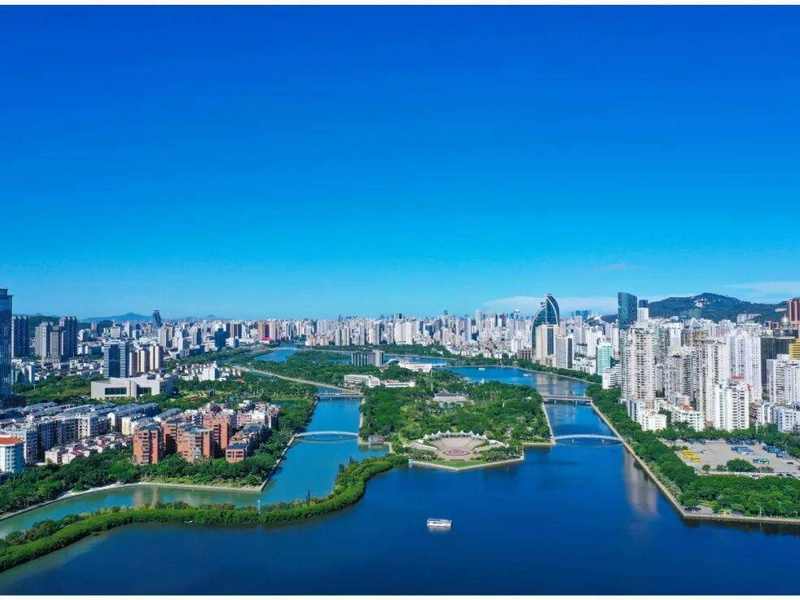
Xiamen evokes romance at every turn. From a small fishing village to a frontier of China’s reform and opening, it embodies clarity, openness, and inclusivity, serving as a key gateway connecting both sides of the Taiwan Strait and the world. The music of Gulangyu Island blends with the waves, colonial mansions reflect memories of East-West fusion, and the bustling Zhongshan Road meets the seaside breezes of Island Ring Road to outline the city’s graceful modern profile. Today, Xiamen is not only an economic special zone but also a livable, touristic seaside garden city.
Quanzhou: City of Light, Origin of the Maritime Silk Road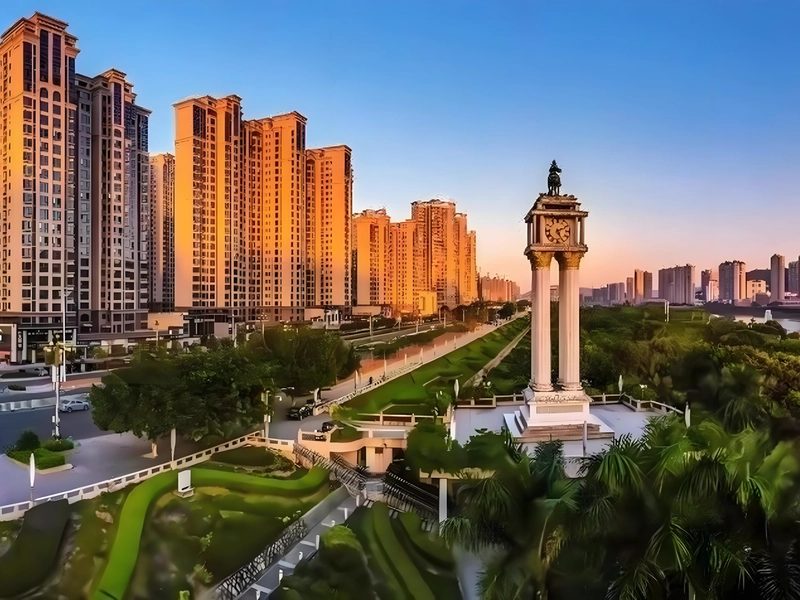
“Amidst the rising tides, merchants from all nations arrive.” In the Song and Yuan dynasties, Quanzhou was the largest port in the East and the starting point of the Maritime Silk Road. It became a meeting place of faiths and civilizations — Islam, Christianity, Buddhism, Taoism, and Confucianism coexisted and intertwined here. The call to prayer from Qingjing Mosque mingles with incense from Guandi Temple, colonial buildings stand alongside ceremonial archways, and the ancient port thrives alongside modern urban growth. UNESCO recognizes it as a model of cultural pluralism, and the Quanzhou people continue to breathe new life into the spirit of the ancient Maritime Silk Road through their inclusiveness and diligence.
Other Cities: Fujian’s Diverse Splendor
Putian: Home of Mazu, Capital of Craftsmanship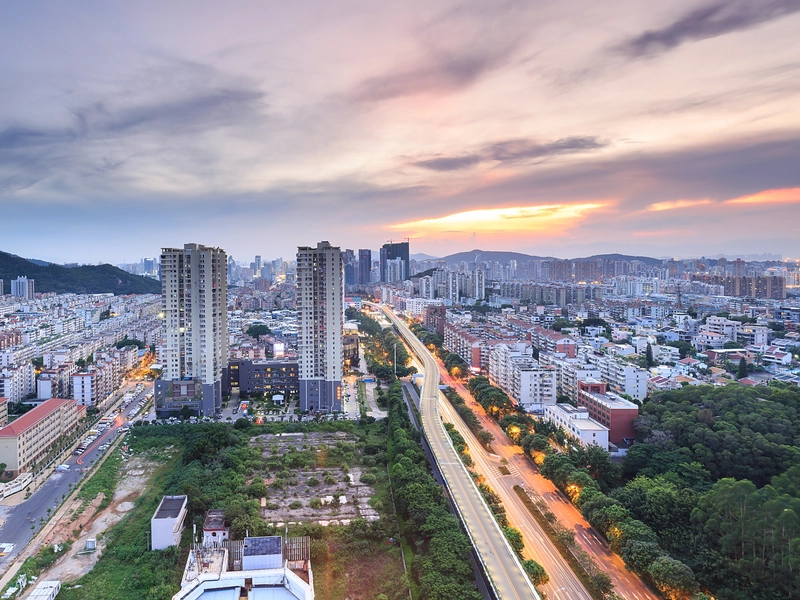
Gentle sea breezes caress Meizhou Island, and incense burns eternally at the Mazu Temple, with devotees around the globe. Putian is also famed for exquisite wood carving, lacquerware, and silver craft, earning it the title “City of Eastern Artisans.” Modern Putian combines port economy with creative industries, a perfect blend of tradition and modernity.
Zhangzhou: City of Narcissus, Important Ancestral Home for Taiwanese Families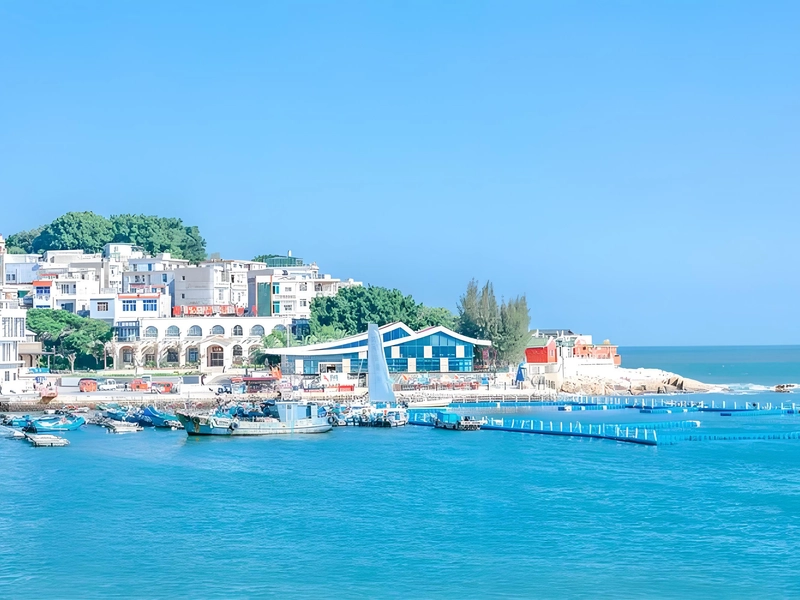
Zhangzhou’s pastoral landscapes blend with a Southeast Asian atmosphere; ancient red-brick houses bask in sunlight, and the fragrance of narcissus fills the air. As the ancestral home of many Taiwanese families, it embodies deep cross-strait cultural connections. Its economy integrates agriculture, light industry, and marine resource development, reflecting vitality and inclusiveness.
Longyan: Hakka Homeland, Red Revolutionary City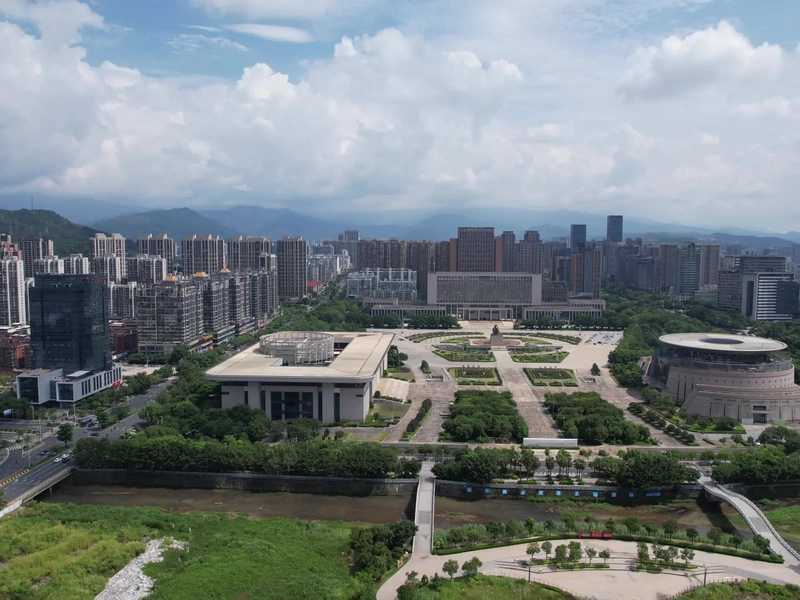
The Yongding Tulou clusters stand like fortresses, testament to Hakka diligence, wisdom, and solidarity. The revolutionary sites in Changting and Shanghang honor the history of the Central Soviet Area. Longyan combines eco-tourism with modern industry, an important intersection of red culture and Hakka heritage.
Sanming: Green Capital, Birthplace of Neo-Confucian Thought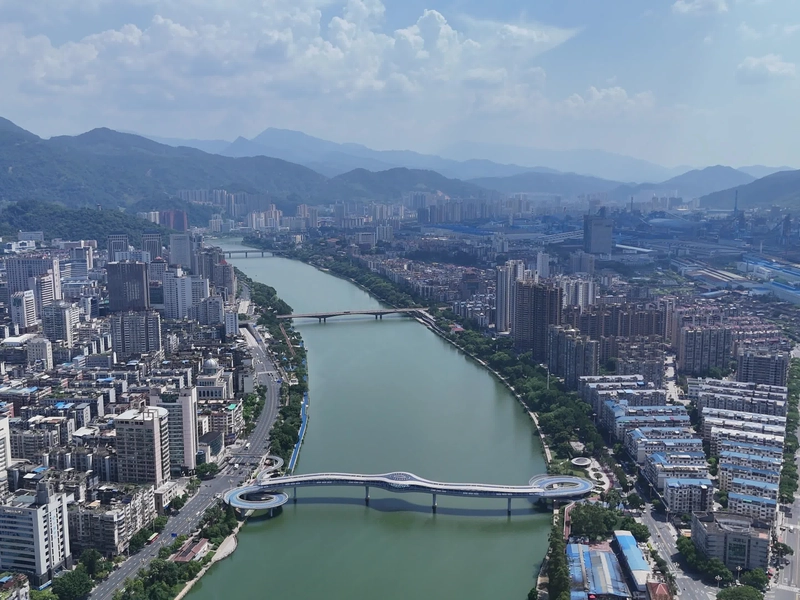
Sanming is covered by vast forests and scenic rivers, earning it the title of Fujian’s ecological “green lung.” Yuxi, the hometown of Zhu Xi, preserves Neo-Confucian culture and deep educational roots. Sanming balances green industry, cultural tourism, and ecological protection, showcasing a unique harmony of culture and nature.
Nanping: Twin World Heritage Sites, Hometown of Oolong Tea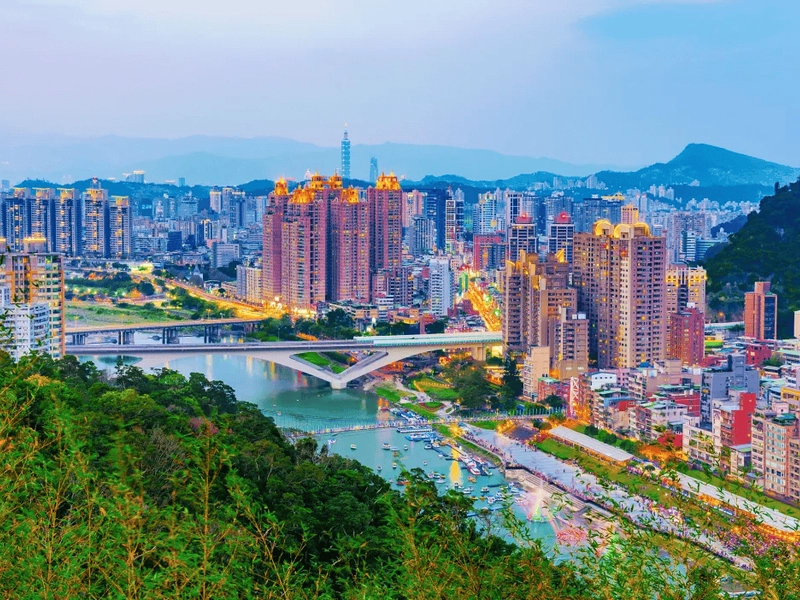
Nanping hosts two UNESCO World Heritage Sites, Wuyi Mountains and Taining, with picturesque landscapes and the winding Jiuqu Stream. Wuyi rock tea is famous worldwide, particularly the Da Hong Pao. Here, Zen and tea culture merge, and cultural tourism thrives, bringing new life to this ancient tea land.
Ningde: Spectacular Mountains and Seas, Home of the She People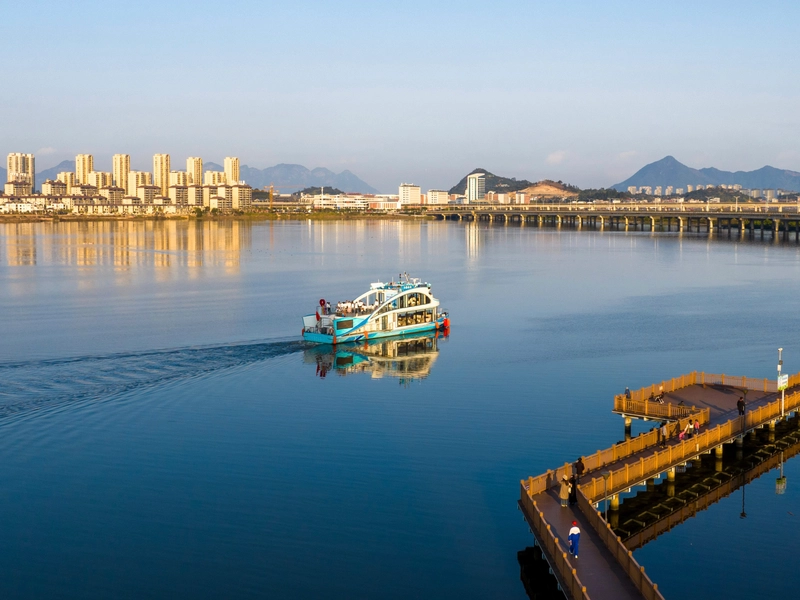
From the misty peaks of Mount Taimu to the tidal flats of Xiapu, Ningde offers breathtaking scenery, a paradise for photographers. It is also a center of She ethnic culture, with traditional songs, dances, and silver craft. Ningde combines marine economy and eco-tourism, perfectly embodying Fujian’s mountain-and-sea civilization.
Mountains and Seas of the Eight Min, A Province of Infinite CharmEvery city in Fujian embodies the spirit of mountains and the breadth of the sea. Some stand by cultural heritage, some prosper through openness, some preserve craftsmanship, and some are renowned for natural beauty. Across the Eight Min regions, these diverse cities together convey the timeless splendor of “Mountain-and-Sea Fujian.”
Prestigious Universities: Culture and Youth Within Fujian's Campuses
Fujian's universities are not only centers of knowledge but also bastions of culture and cradles of youth. Surrounded by mountains and adjacent to the sea, these campuses allow students to experience Fujian's unique geographical and cultural charm alongside their academic pursuits. Here, the scholarly atmosphere blends seamlessly with innovation and vitality, forming an essential part of Fujian's cultural landscape.
Xiamen University: Coastal Academy, Where Scholarship Meets Romance
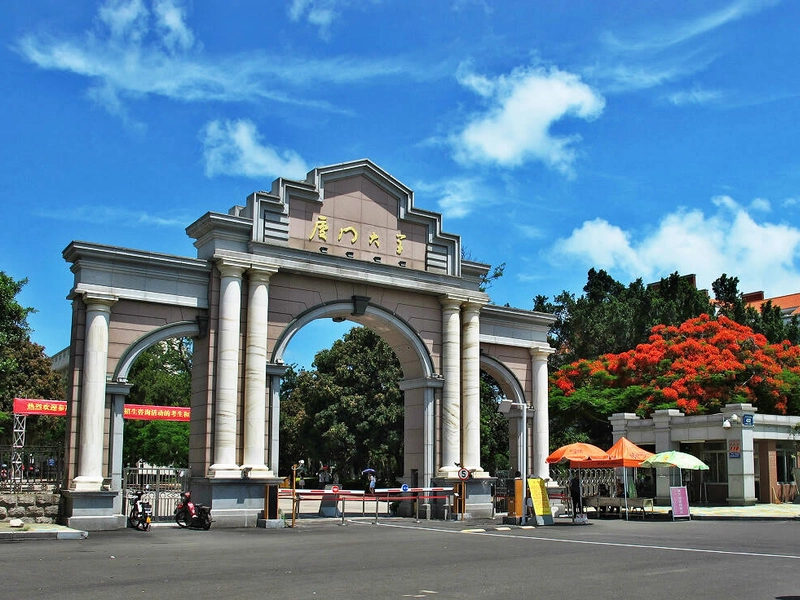
Located by the sea, Xiamen University is celebrated as one of "China's most beautiful campuses." Nestled against Wulao Peak and facing the turquoise ocean, Furong Lake ripples gently, reflecting the harmony of mountains and water. Coconut-lined lecture halls, the red-brick-and-white-tile Jiannan Auditorium, and the beachfront create a campus that feels like a living painting of nature and culture intertwined.
Founded in 1921, Xiamen University is one of China's earliest national universities and among the first to join the "985" and "211" projects. In 2022, it was included in the "Double First-Class" initiative. It ranks among the top universities nationally, with disciplines such as Economics, Chemistry, Management, and Law recognized across China. The university also maintains extensive collaborations with leading overseas institutions, forming an open platform for international exchange.
Campus life is vibrant and diverse. During cherry blossom season, the fragrance of flowers mingles with the sound of students reading by the lakeside, creating a fusion of scholarship and romance. Arts clubs, innovation labs, and academic lectures offer practical learning experiences. Xiamen University is not only an academic hub but also a vital center for talent development, scientific research, and cultural exchange, embodying a unique coastal charm where knowledge, culture, and nature converge.
Fuzhou University: A City of Innovation, Advancing Science and Culture
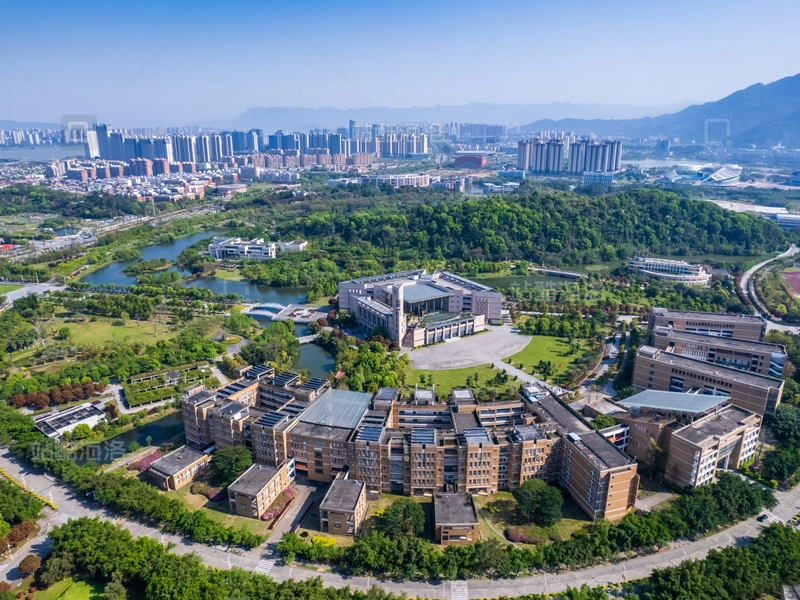
Fuzhou University combines the region's historical and cultural heritage with modern technological prowess. Ancient banyan trees shade the campus, where traditional academy-style buildings coexist with modern laboratories. With strong programs in science, engineering, information technology, and materials science, the university promotes local innovation through industry-academia collaboration. Annual events like the Campus Culture Festival and Straits Youth Forum integrate academic rigor with vibrant cultural life.
Jimei University: Inheriting Tan Kah Kee's Spirit
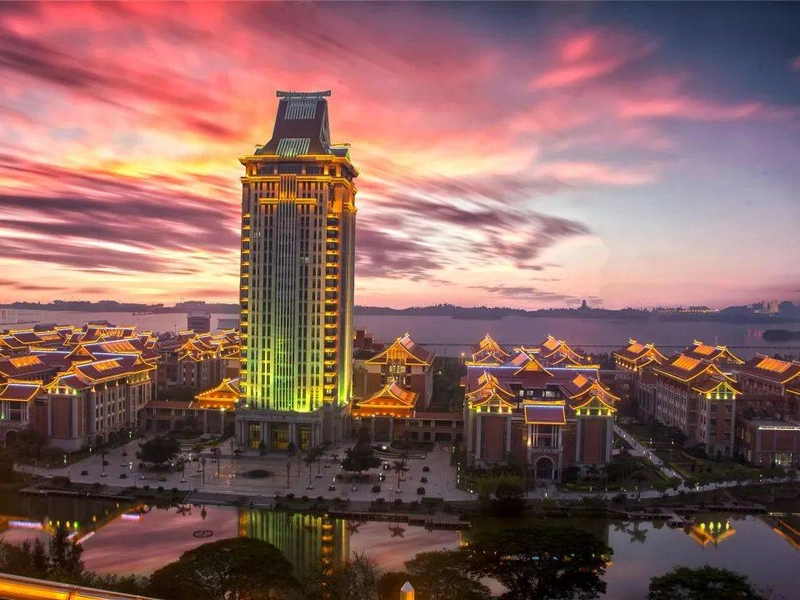
Founded by patriotic overseas Chinese Tan Kah Kee, Jimei University features a blend of Western-style and Minnan traditional architecture, reflecting both academic and cultural vibrancy. The university excels in engineering, management, and art design, while advocating international education, attracting many overseas students. Campus life is rich and engaging, from seaside morning runs to music and calligraphy club activities, illustrating students' harmonious interaction with culture.
Fujian Normal University and Other Institutions: Preserving Culture and Driving Innovation
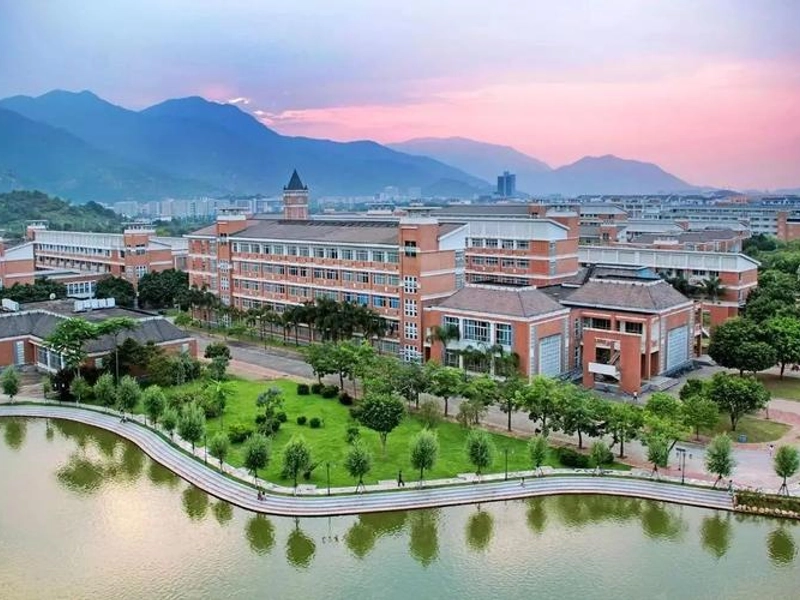
Fujian Normal University in Fuzhou is renowned for education, literature, and history, serving as a key base for teacher training and cultural preservation. Other institutions, such as Xiamen University of Technology, Zhangzhou Normal University, and Minnan Normal University, make unique contributions in engineering, applied sciences, and regional cultural studies.
Together, Fujian's universities form an academic network centered around Xiamen University and Fuzhou University, radiating influence across the province. They balance traditional cultural heritage with modern innovation, nurturing students' intellectual and humanistic qualities. Whether listening to ocean waves by the shore, studying classical texts in academies, participating in clubs, or engaging in technology competitions, students experience Fujian's spirit of openness, inclusiveness, innovation, and perseverance. These universities are not just centers of learning — they are vibrant hubs where culture, history, and youth converge.
Famous Scenic Wonders: A Dialogue Between Nature and Culture
Wuyi Mountains: Spectacular Danxia, Fragrant Tea Valleys
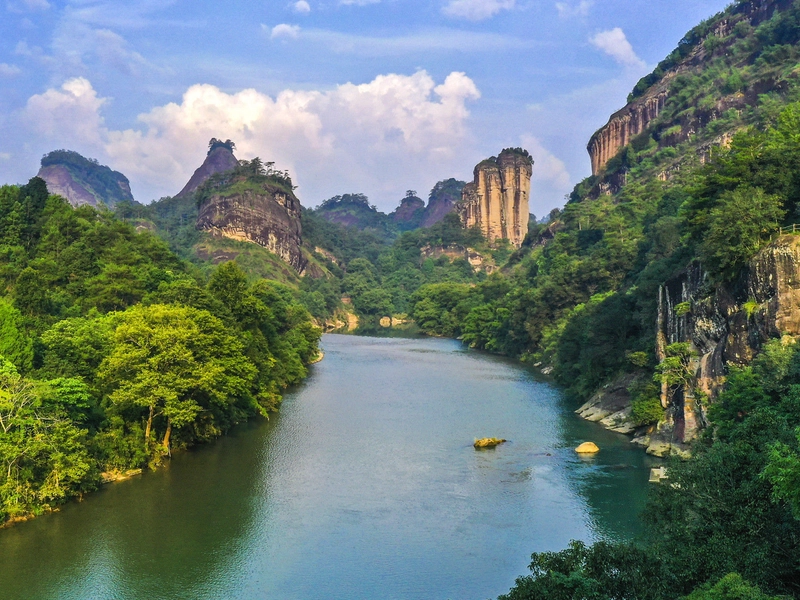
Stepping into the Wuyi Mountains is like entering a living landscape painting. Bamboo rafts drift gently along the winding Jiuqu Stream, flanked by peaks rising like screens, shrouded in mist, creating a dreamlike scene. The area represents China's iconic Danxia landforms and is also the Neo-Confucian center where Zhu Xi once taught, carrying millennia of cultural heritage and philosophical reflection.
The fragrance of Wuyi rock tea and Lapsang Souchong red tea fills the valleys and drifts across the world. Every sip embodies the fusion of nature and culture, a poetic expression of the Fujianese way of life.
Fujian Tulou: Eastern Castles, Hakka Wisdom
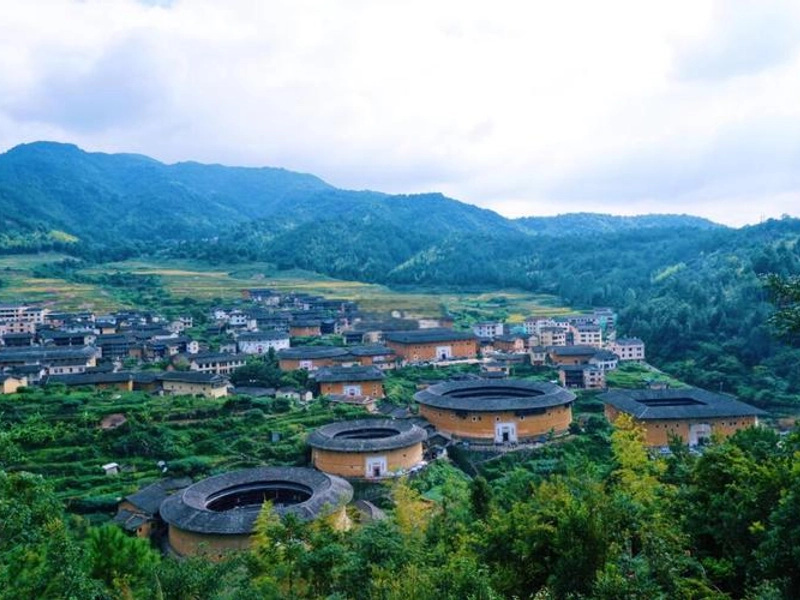
Nestled among the mountains of western Fujian are thousands of Tulou — silent castles of rammed earth. Circular in design and fortified to withstand wind, rain, and invaders, they symbolize family unity and resilience.
Entering Yongding's Zhencheng Lou, one experiences winding corridors and grand halls, earning it the nickname "Prince of Tulou." In Nanjing, Chengqi Lou's concentric four-ring layout is hailed as the "King of Tulou" for its architectural ingenuity. Fujian Tulou are not only residential spaces but also enduring symbols of nostalgia and Hakka spirit, recognized as UNESCO World Cultural Heritage sites.
Gulangyu Island: Island of Music, Architecture from Across the World
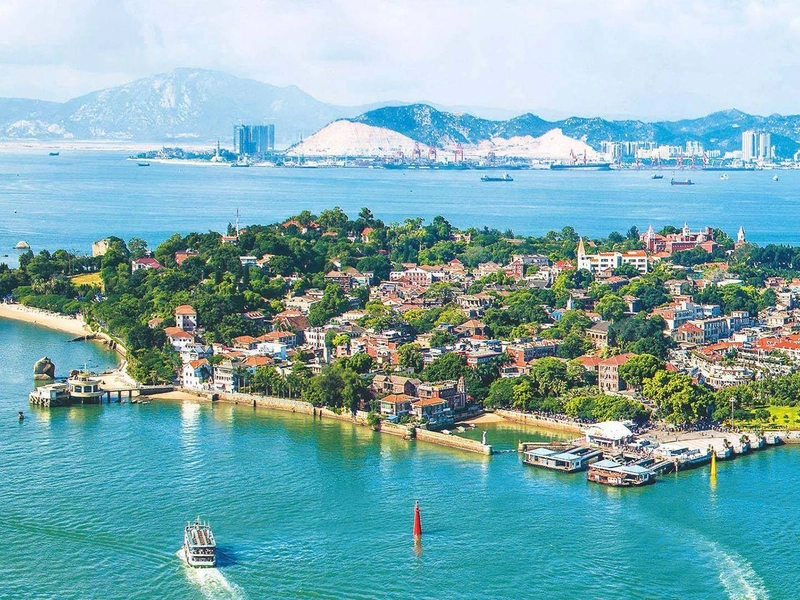
Strolling through the streets of Gulangyu Island, one encounters red-tiled roofs, white walls, and winding stone steps, while the air carries the gentle strains of piano music. Despite covering just two square kilometers, the island hosts over a thousand modern buildings in diverse styles — Gothic, Baroque, Victorian — forming a "World Architecture Exhibition."
Gulangyu is a cradle of music, producing renowned musicians such as Zheng Xiaoying and Yin Chengzong, and stands as a jewel of world cultural heritage. When the phoenix flowers bloom and the sea breeze blows, piano and wave sounds intertwine, creating one of Fujian's most enchanting melodies.
Intangible Cultural Heritage: Mastery, Tradition, and Everlasting Legacy
Nanyin: Millennia-Old Music, the Authentic Voice of China
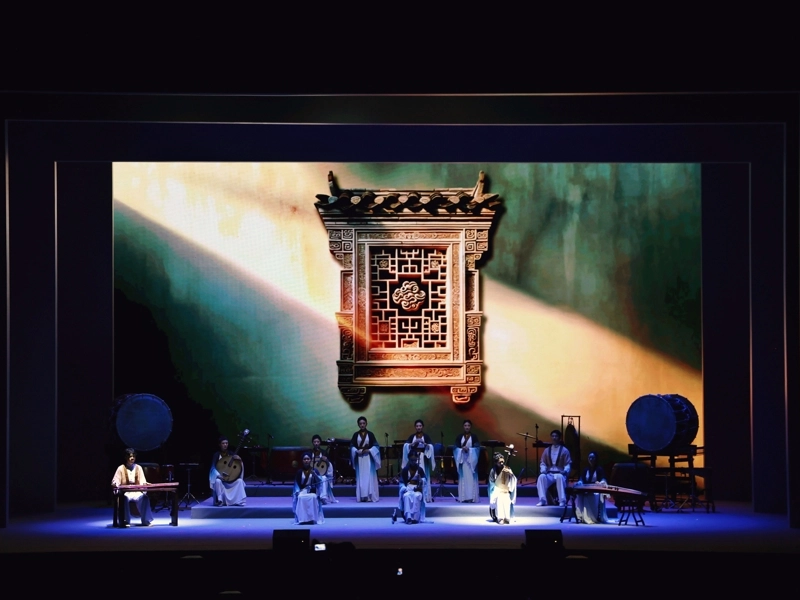
In the alleys of Quanzhou's ancient city, one can often hear the delicate sounds of strings and bamboo — this is Nanyin. Originating from the refined music of the Central Plains during the Tang and Five Dynasties, it was preserved in Fujian at the terminus of the Maritime Silk Road.
With gentle flutes and rhythmic clappers, Nanyin's intricate melodies convey centuries of nostalgia and elegance. Known as a "living fossil" of Chinese music history, its tunes once accompanied Quanzhou merchant ships across the South Seas and remain an enduring symbol of home for overseas Fujianese. Today, Nanyin is not only a revival of ancient music but also an emblem of Fujian's spirit of openness, inclusiveness, and innovative preservation.
Puppet Theater: Art at the Fingertips, a Universe in the Palm

With a single thread and a puppet, performers bring human drama to life. Quanzhou string puppetry is renowned for its complex manipulation — one puppeteer may control over thirty strings, making the puppet move freely and expressively. In Zhangzhou, glove puppetry dazzles with nimble gestures and improvisation, creating a miniature universe in the palm of the hand.
From court legends to folk tales, from Minnan dialect singing to modern stage lighting, Fujian puppetry transcends time, captivating audiences worldwide. It is not merely a performing art but a crystallization of Fujian craftsmanship and folk wisdom.
Fuzhou Tuo-Tai Lacquerware: Light as Clouds, Radiant as Stars
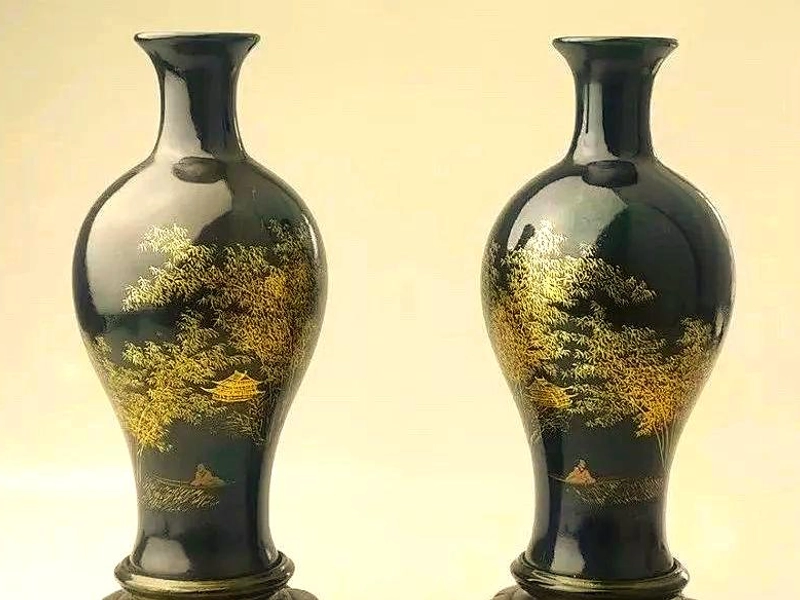
Tuo-Tai lacquerware is Fuzhou's pride and a treasure of China's intangible cultural heritage. Artisans craft each piece from silk and clay substitutes, applying over a hundred layers of lacquer through dozens of intricate processes. The finished product is "light as paper, strong as iron," with a mirror-like luster and rich color depth — a true "poetic art at the fingertips."
Together with Beijing Cloisonné and Jingdezhen porcelain, Tuo-Tai lacquerware is celebrated as one of the "Three Treasures of China," embodying the fusion of ancient techniques and contemporary aesthetics. Today, young lacquer artists are revitalizing this traditional art with modern design, letting it shine brightly on the international stage.
Culinary Delights: The Flavors of Fujian
The taste of Fujian is a symphony of the mountains' richness and the sea's freshness, a unique flavor born from the intertwining of culture and geography. From imperial delicacies to street snacks, from deep tea mountains to coastal fishing ports, every bite carries the imprint of life in this land of mountains and seas.
Essence of Min Cuisine: The Flavors of Mountains and Seas
Buddha Jumps Over the Wall:
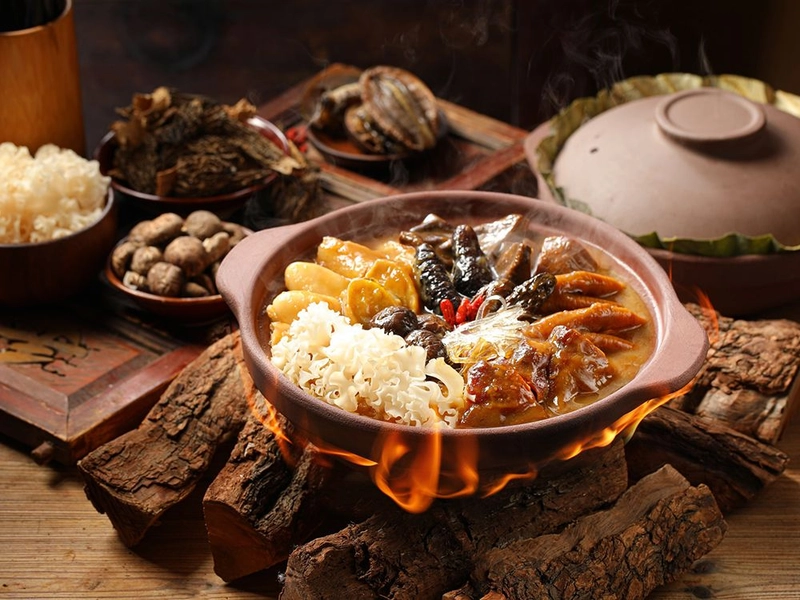
As the pinnacle of Min cuisine, this dish combines eighteen precious ingredients — sea cucumber, abalone, shark fin, flower mushrooms, pigeon eggs, and more — slowly simmered for hours. With its clear broth and enticing aroma, it is said that even Buddha would leap over the wall to taste it. More than a dish, it symbolizes the Fujianese dedication to selecting ingredients meticulously and perfecting culinary craftsmanship.
Fuzhou Fish Balls:
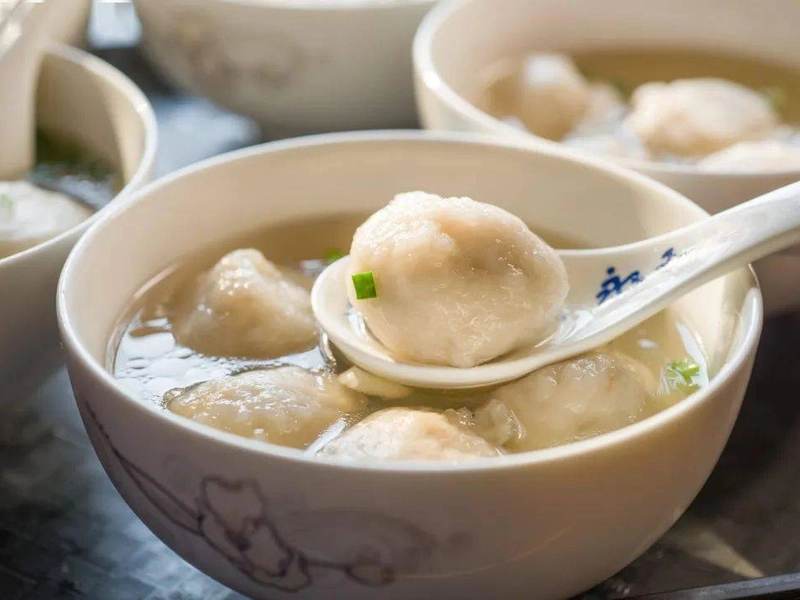
Made with eel or shark meat skins, repeatedly pounded until delicate and elastic, then filled with pork or fresh shrimp, these fish balls are springy and flavorful. A classic of both banquet tables and street food, they reflect the Fujianese philosophy of precision and careful preparation in cooking.
Xiamen Shacha Noodles:
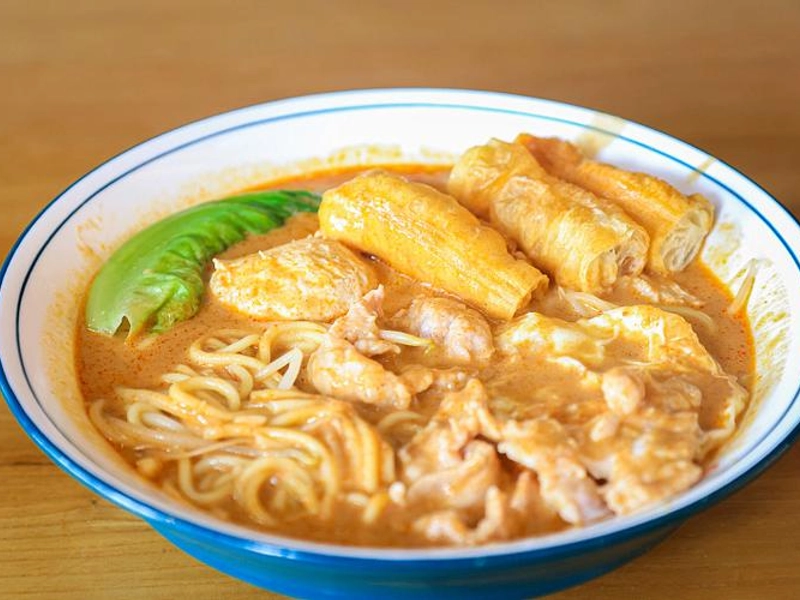
Blending Southeast Asian flavors with Minnan characteristics, Shacha sauce is rich but not greasy, paired with noodles, peanuts, tofu, and seafood. It delights the palate while embodying the coastal, open spirit of Xiamen. More than just a bowl of noodles, it is a taste of the city's maritime culture.
Zhangzhou Lu Mian:
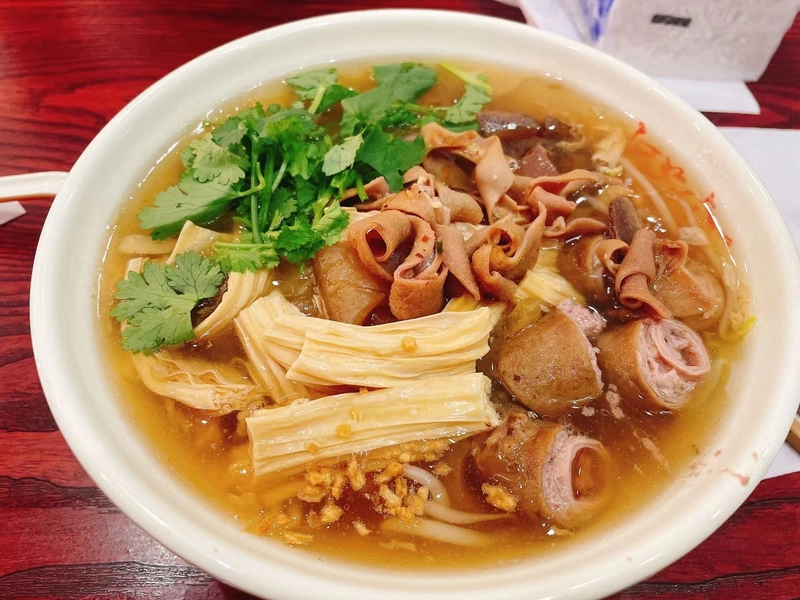
Prepared with over thirty ingredients including chicken, pork, seafood, and mushrooms, simmered into a savory broth, with chewy noodles and bright red sauce. Each bite reflects the Zhangzhou people's dedication to local ingredients and flavors, as well as cherished memories of family and festive meals.
Fragrant Teas: The Aroma of Fujian
Fujian is a kingdom of tea, where tea is more than a beverage — it is a lifestyle and a spiritual symbol.
Wuyi Rock Tea:
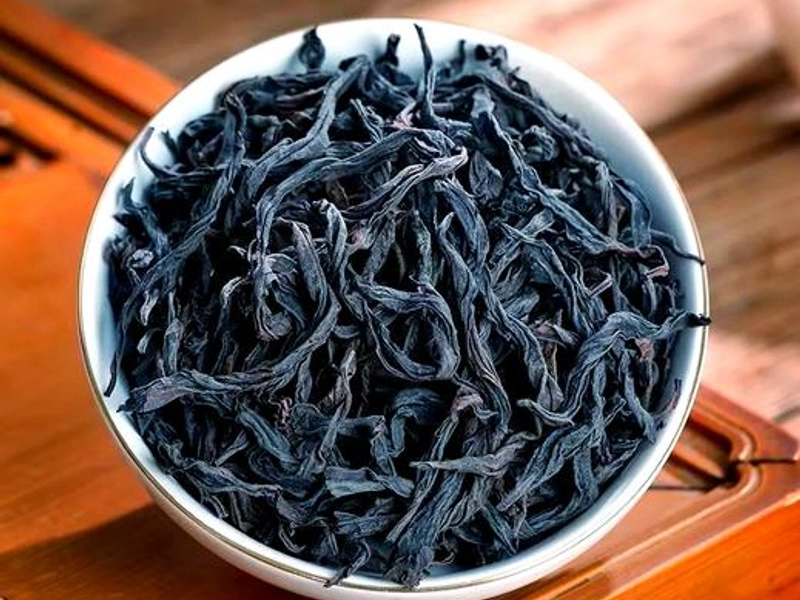
Grown in mountain crevices, the leaves are robust, producing a thick, aromatic brew. Its floral fragrance and "rock essence" mirror the peaks, streams, and centuries of cultural accumulation in the Wuyi Mountains.
Anxi Tieguanyin:
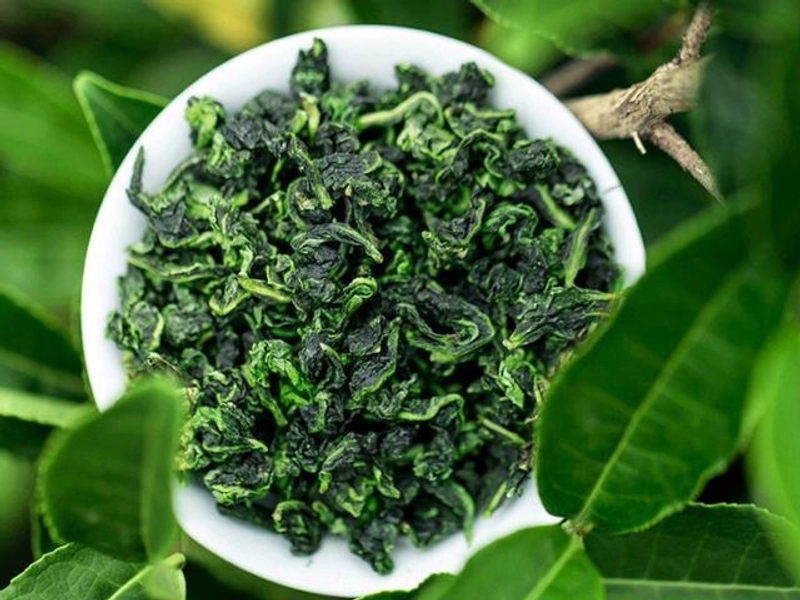
Famous for the lingering aroma that lasts through "seven brews," with a clear, mellow tea soup and an enduring orchid fragrance. The meticulous plucking and roasting reflect the Fujianese pursuit of harmony between nature and craftsmanship.
Fuzhou Jasmine Tea:
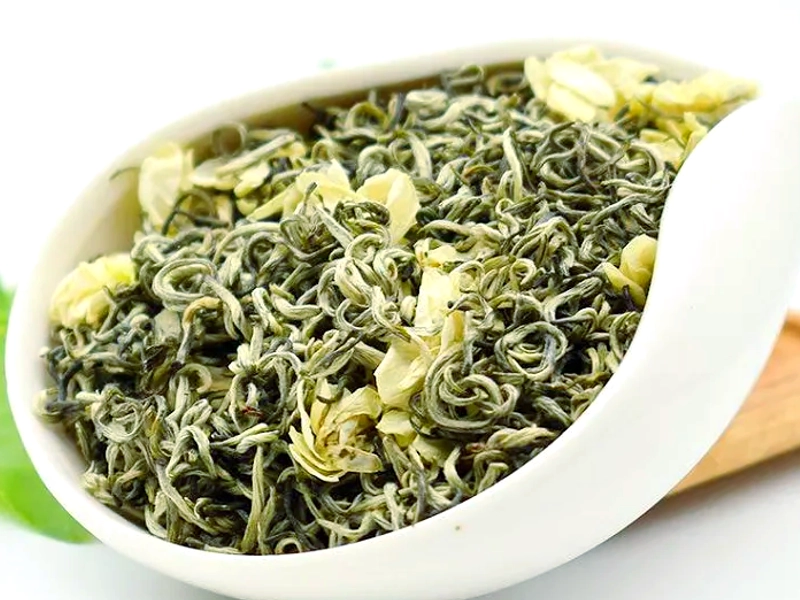
Tea leaves repeatedly blended with jasmine blossoms, producing a sweet, refreshing aroma that embodies elegance and refinement. Whether enjoyed daily or served to guests, it reflects the subtlety and sophistication of Fuzhou culture.
Fuding White Tea:
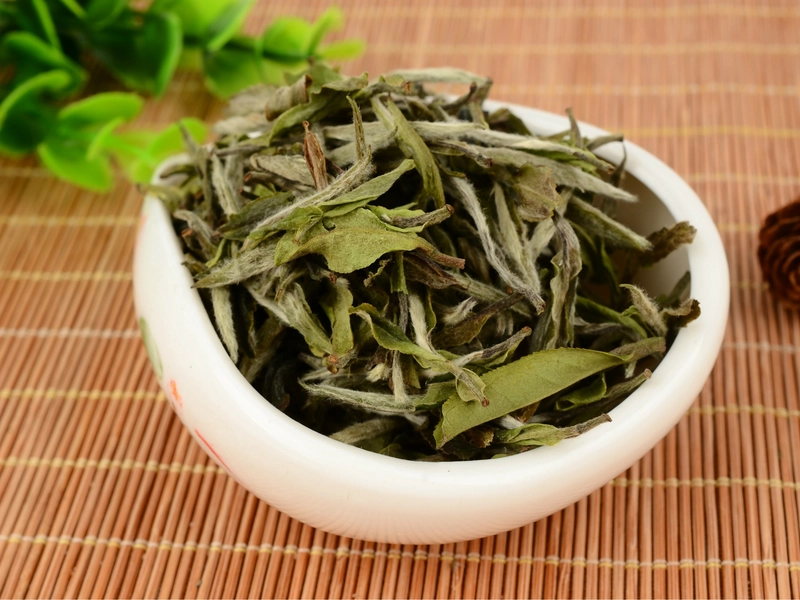
Praised as "one year tea, three years medicine, seven years treasure," the leaves open naturally, yielding a pale, sweet brew suitable for everyday drinking or health preservation, reflecting the deep attachment of Fuding people to tea culture.
Harmony of Mountains and Seas: Contemporary Elegance of Fujian
Fujian's charm lies not only in its mountains embracing the sky and seas stretching to the horizon, but also in the fusion of millennia-old cultural heritage, maritime spirit, and artisanal mastery. Here, ancient temples, Tulou villages, and music-filled islands each bear the imprint of culture; Min cuisine, fragrant teas, and intangible heritage crafts offer every visitor an immersive experience of life's aesthetics.
Walking through Fujian, whether climbing the Wuyi Mountains to admire winding peaks and streams or strolling Gulangyu Island listening to piano melodies; whether savoring the rich aroma of Buddha Jumps Over the Wall or sipping the lingering sweetness of Tieguanyin tea, one can feel the soul of Fujian where mountains and seas meet, and the past and present converge.
This land of mountains and waters nurtures a spirit of openness, inclusiveness, and determination to strive and succeed. It offers every visitor the opportunity to immerse in nature and culture while appreciating the essence of life. In Fujian, you witness millennia of splendor alongside contemporary vitality, taste exquisite culinary delights, and experience the wisdom, warmth, and passion that define this remarkable land.
Related Vocabulary
| Chinese | Pinyin | English |
|---|---|---|
| 山海 | shānhǎi | mountains and sea |
| 武夷山 | Wǔyíshān | Wuyi Mountains |
| 鼓浪屿 | Gǔlàngyǔ | Gulangyu Island |
| 古城 | gǔchéng | ancient city |
| 古村 | gǔcūn | ancient village |
| 闽菜 | Mǐn cài | Min cuisine |
| 鱼丸 | yúwán | fish balls |
| 沙茶面 | shāchá miàn | Shacha noodles |
| 铁观音 | Tiěguānyīn | Tieguanyin tea |
| 南音 | Nányīn | Nanyin music |
| 木偶 | mùǒu | puppet |
| 美景 | měijǐng | beautiful scenery |
| 大学 | dàxué | university |
| 学生 | xuéshēng | student |
| 非遗 | fēiyí | intangible cultural heritage |
| 海鲜 | hǎixiān | seafood |
FAQ
Q1: What are the must-visit scenic spots in Fujian?
A1: Fujian features breathtaking landscapes including Wuyi Mountains, Gulangyu Island, and ancient Tulou villages. These sites showcase mountains, rivers, and traditional architecture unique to the province.
Q2: What traditional Fujian cuisine should I try?
A2: Fujian cuisine (Min cuisine) highlights fresh seafood and delicate flavors. Signature dishes include Buddha Jumps Over the Wall, Fuzhou fish balls, and Xiamen Shacha noodles.
Q3: Which teas are famous in Fujian?
A3: Fujian is a renowned tea region, with specialties like Tieguanyin tea, Wuyi rock tea, Fuzhou jasmine tea, and Fuding white tea. Tea culture reflects the local lifestyle and heritage.
Q4: What cultural experiences can visitors enjoy in Fujian?
A4: Fujian offers Nanyin music, puppet shows, and Fuzhou lacquerware. Exploring Quanzhou ancient city or attending local festivals lets visitors experience the province's rich cultural heritage.
Q5: What is the significance of Fujian in Chinese maritime history?
A5: Fujian is a key starting point of the Maritime Silk Road. Cities like Quanzhou played an important role in trade, cultural exchange, and global Chinese diaspora history.
Q6: Which universities in Fujian are notable?
A6: Important universities include Xiamen University, Fuzhou University, and Jimei University. They are cultural and academic hubs, contributing to innovation and international exchange.
Q7: What makes Fujian a unique travel destination?
A7: Fujian blends mountains, sea, historic architecture, cuisine, tea, and traditional arts, offering visitors a rich combination of natural beauty, cultural experiences, and local flavors.