
Exploring the Languages of China: Diversity, History, and Culture
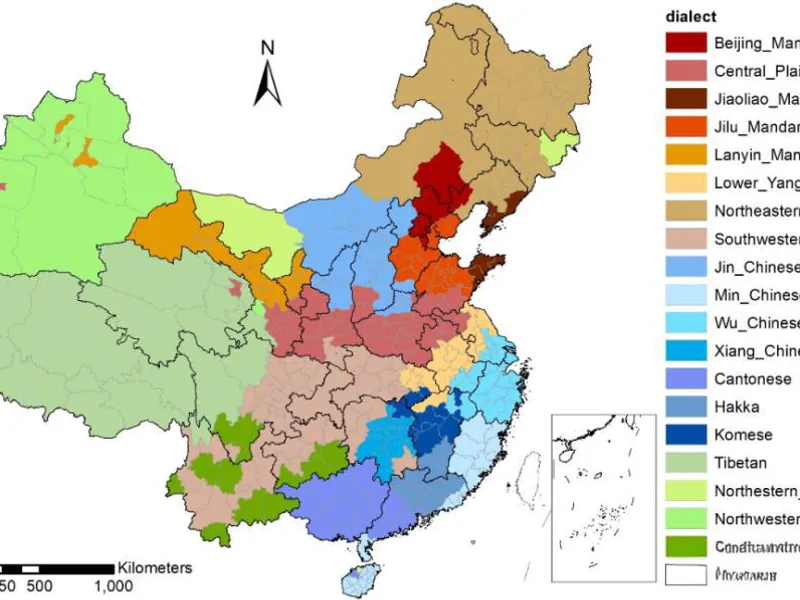
China is a vast country with an extraordinary linguistic landscape. While Mandarin (普通话, Pǔtōnghuà) is widely known and serves as the official language, China is home to dozens of distinct languages and hundreds of dialects, reflecting centuries of history, migration, and regional culture. Understanding these languages provides a window into Chinese civilization, regional identity, and communication patterns.
The Foundations of Chinese Linguistic Diversity
China’s linguistic complexity is largely a product of its geographic size, historical development, and cultural diversity. Officially, China recognizes 56 ethnic groups, each with unique languages, dialects, and scripts. In addition to Mandarin Chinese, these ethnic groups speak minority languages such as Tibetan (藏语, Zàngyǔ), Uyghur (维吾尔语, Wéiwú’ěryǔ), Zhuang (壮语, Zhuàngyǔ), Mongolian (蒙古语, Měnggǔyǔ), and many more.
Sinitic Languages vs. Non-Sinitic LanguagesThe majority of China’s population speaks Sinitic languages, which include Mandarin, Cantonese (广东话, Guǎngdōnghuà), Hakka (客家话, Kèjiāhuà), Wu (吴语, Wúyǔ), Min (闽语, Mǐnyǔ), Xiang (湘语, Xiāngyǔ), and Gan (赣语, Gànyǔ). These languages are distinct in phonology, vocabulary, and grammar, though they share historical roots in Classical Chinese.
Meanwhile, non-Sinitic languages are primarily spoken by ethnic minorities. These include Tibeto-Burman languages in Tibet and Yunnan, Turkic languages like Uyghur in Xinjiang, Mongolic languages in Inner Mongolia, and Tai-Kadai languages such as Zhuang in Guangxi. Each non-Sinitic language has unique scripts, oral traditions, and cultural significance.
Dialects and Mutual IntelligibilityA key factor in China’s linguistic landscape is the concept of dialects (方言, fāngyán). Even within a single Sinitic language, regional dialects may be so different that speakers cannot understand each other. For example, Mandarin spoken in Beijing differs substantially from Northeastern Mandarin or Sichuanese Mandarin in tone, pronunciation, and vocabulary. Similarly, Cantonese speakers may struggle to understand Shanghainese, despite both being Sinitic languages.
Historical rootsMany modern Chinese languages evolved from Old Chinese and Middle Chinese. Over centuries, migration, imperial policies, and regional isolation led to the formation of diverse dialects and languages. The development of standardized Mandarin in the 20th century underpinned national communication but did not erase regional linguistic identities.
Mandarin: China’s Standard Language
Mandarin (普通话, Pǔtōnghuà) is the most widely spoken language in China, with over 900 million native speakers. It serves as the official language of the People’s Republic of China, the Republic of China (Taiwan), and is one of the six official languages of the United Nations.
Origins and standardizationMandarin evolved from northern Chinese dialects, particularly the Beijing dialect (北京话, Běijīnghuà). The 20th century saw efforts to standardize the language to facilitate communication across China’s vast territory. The promotion of Putonghua (literally “common speech”) included education reforms, media regulation, and government initiatives.
Phonology and grammarMandarin uses four main tones, which affect meaning, and a subject-verb-object word order. Its vocabulary continues to evolve, blending classical elements, regional expressions, and modern loanwords.
Role in societyMandarin is taught in schools nationwide, used in official documents, and dominates national media. While it serves as a lingua franca, local dialects remain vital in family, community, and cultural contexts.
Challenges of linguistic unityDespite Mandarin’s prevalence, linguistic diversity poses challenges. In areas like Guangdong, Fujian, and Hunan, local dialects are preferred in informal settings. The government promotes bilingual education and dialect preservation projects to balance national unity with cultural diversity.
Cantonese, Wu, Min, and Other Major Chinese Languages
While Mandarin dominates, other Sinitic languages hold cultural and historical significance.
Cantonese (广东话, Guǎngdōnghuà)
Spoken mainly in Guangdong, Hong Kong, and Macau, Cantonese has a rich phonetic system with six to nine tones depending on analysis. Cantonese is also central to local opera, cinema, and music. Many overseas Chinese communities, especially in Southeast Asia and North America, speak Cantonese as a heritage language.
Wu (吴语, Wúyǔ)
Wu includes dialects spoken in Shanghai, Zhejiang, and southern Jiangsu. Shanghainese, a Wu dialect, is known for its soft vowels and tonal complexity. Wu dialects preserve archaic features of Middle Chinese not found in Mandarin.
Min (闽语, Mǐnyǔ)
Min is spoken in Fujian, Taiwan, and parts of Southeast Asia. Its sub-dialects, including Hokkien (福建话, Fújiànhuà) and Teochew (潮州话, Cháozhōuhuà), are mutually unintelligible, reflecting centuries of geographic isolation. Min-speaking communities have strong cultural ties overseas.
Other Sinitic languages
Gan (赣语, Gànyǔ) in Jiangxi, Hakka (客家话, Kèjiāhuà) across southern China, and Xiang (湘语, Xiāngyǔ) in Hunan each have distinctive phonetic and lexical characteristics. These languages are vital to preserving local literature, folk songs, and oral traditions.
Minority Languages and the Broader Linguistic Map of China
China officially recognizes 56 ethnic groups, many with their own languages. Understanding these languages offers insight into China’s cultural richness.
Tibetan (藏语, Zàngyǔ)
Spoken primarily in Tibet and neighboring regions, Tibetan has several dialects. Classical Tibetan is used for religious texts, while modern varieties are used in everyday life. Tibetan scripts remain central to Buddhist culture.
Uyghur (维吾尔语, Wéiwú’ěryǔ)
A Turkic language written in Arabic script, Uyghur is spoken in Xinjiang. Its vocabulary includes Persian and Arabic influences, reflecting trade and Islamic culture.
Mongolian (蒙古语, Měnggǔyǔ)
In Inner Mongolia, Mongolian is written in traditional script or Cyrillic in some regions. It reflects historical ties with the Mongol Empire and pastoral culture.
Zhuang (壮语, Zhuàngyǔ)
As China’s largest minority language, Zhuang is spoken in Guangxi and has an official script. It belongs to the Tai-Kadai language family and preserves regional folk songs and poetry.
Preservation and policy
The Chinese government supports minority language education, bilingual instruction, and cultural preservation programs. Efforts aim to prevent language extinction while promoting social cohesion.
In total, China has over 200 languages and hundreds of dialects. The linguistic map reflects historical migration, empire-building, and cultural exchange. From Mandarin as a national language to local dialects and minority tongues, China’s linguistic diversity embodies its rich heritage.
Conclusion
China’s linguistic landscape is one of the most complex in the world. Understanding the interplay of Mandarin, regional Sinitic languages, and minority languages helps explain the country’s history, culture, and social fabric. While Mandarin provides national unity, local languages preserve identity, heritage, and oral traditions. Travelers, students, and language enthusiasts exploring China encounter this diversity not just in conversation, but in music, literature, signage, and everyday life — a living map of the nation’s culture and history.