Exploring Huangshan: The Majestic Yellow Mountains of China
The Natural Wonders of Huangshan
Huangshan, or the Yellow Mountains (黄山, Huángshān), stands as one of China’s most iconic natural wonders. With its jagged granite peaks, mystical clouds, and rich cultural heritage, Huangshan has inspired poets, painters, and travelers for centuries. Visiting Huangshan is not just a journey through stunning landscapes—it is a journey through Chinese history, art, and philosophy.
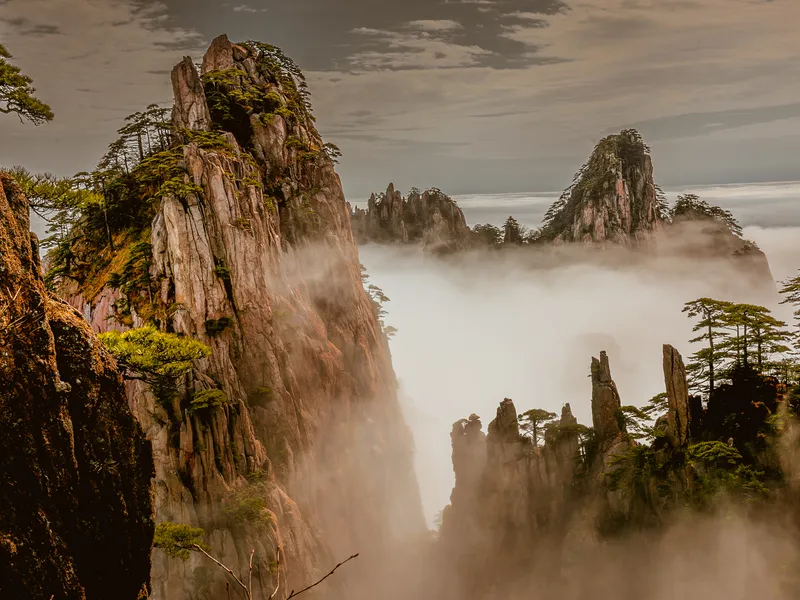
Huangshan is located in southern Anhui Province and stretches over 1,200 square kilometers. It is famous for its “Four Wonders”: uniquely-shaped granite peaks, hot springs, pine trees, and the mystical sea of clouds. The mountains rise sharply from the surrounding terrain, with some peaks exceeding 1,800 meters. The granite formations appear almost sculptural, shaped over millions of years by erosion and geological activity, giving each peak its distinctive shape and name.
Among the most famous peaks are Lotus Peak (Lianhua Feng, 莲花峰), Bright Summit (Guangming Ding, 光明顶), and Celestial Capital Peak (Tiandu Feng, 天都峰). Visitors often hike along narrow paths, climb stone steps, and traverse ridges that seem to float above the clouds. The “sea of clouds” is a particularly magical phenomenon: mornings bring mist that blankets the valleys, making the peaks appear like islands in a vast, ethereal ocean.
The natural geography of Huangshan has captivated visitors for centuries, inspiring painters of the Ming and Qing dynasties and modern travelers alike. The scenery evokes awe, reflection, and a profound connection to nature.
Huangshan in Chinese Culture and Art
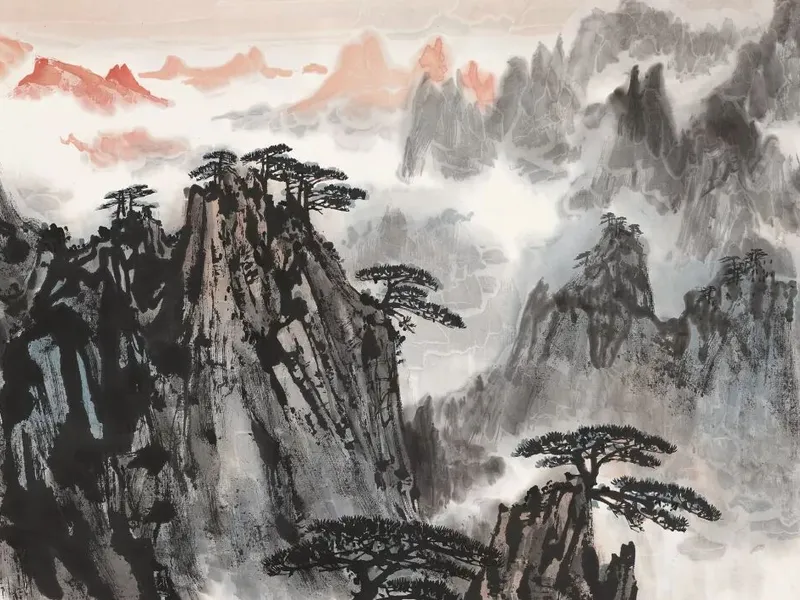
Huangshan has long been a cultural icon in China. Its landscapes deeply influenced Chinese landscape painting (山水画, shānshuǐ huà) and classical poetry. The rugged peaks and ethereal clouds embody Daoist ideals of harmony, naturalness, and transcendence. Famous poets, including Li Bai (李白) and Huang Tingjian (黄庭坚), wrote poems praising the mountains’ majesty.
During the Ming and Qing dynasties, Huangshan became a spiritual retreat for artists and scholars seeking reflection and inspiration. The mountain’s dramatic granite formations, ancient pine trees, and misty valleys became classic motifs in ink art, symbolizing resilience, purity, and philosophical depth.
Huangshan’s cultural impact extends into philosophy as well. Daoist concepts of natural harmony and impermanence are reflected in the mountain’s ever-changing clouds and landscapes. Confucian scholars also admired Huangshan for its metaphorical lessons about endurance, clarity, and moral character.
Even in modern times, Huangshan continues to appear in literature, photography, film, and even postage stamps, showcasing its lasting cultural importance.
Experiencing Huangshan Today – Tourism and Adventure
Today, Huangshan is a world-class tourist destination, attracting millions of visitors each year. Modern amenities—including cable cars, well-preserved hiking paths, and scenic viewing platforms—make the mountains accessible to travelers of all experience levels.
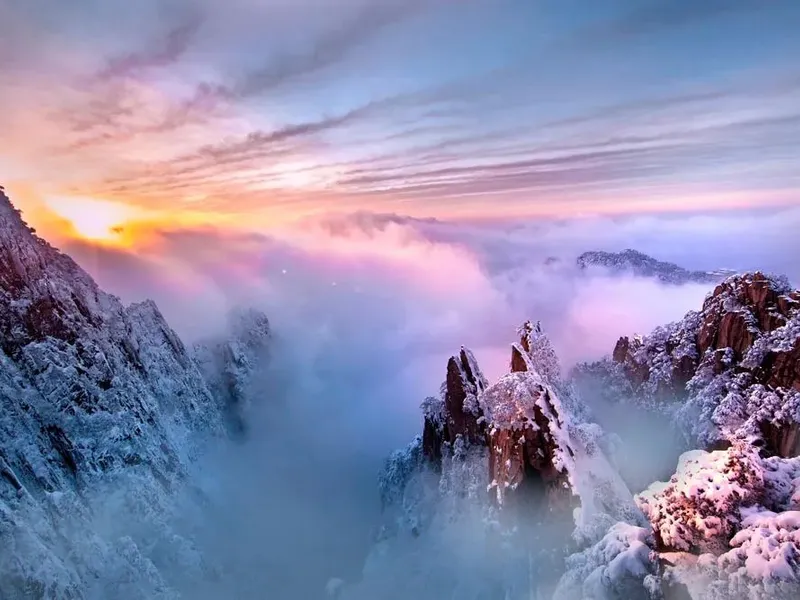
Hiking remains one of the most rewarding ways to explore Huangshan. Sunrise hikes are especially popular, offering spectacular views as sunlight pours over the sea of clouds. Winter brings snow-covered peaks, transforming Huangshan into a breathtaking white landscape.
Huangshan Park (黄山风景区, Huángshān Fēngjǐng Qū) is also known for its historic hot springs, believed since ancient times to have rejuvenating effects. Visitors often combine hiking with relaxation at the springs.
Environmental conservation plays an important role in Huangshan’s modern tourism. Strict protections help preserve the mountain’s fragile ecosystem, ensuring that future generations can continue to admire its unique beauty.
Huangshan’s Legacy – History, Art, and Global Recognition
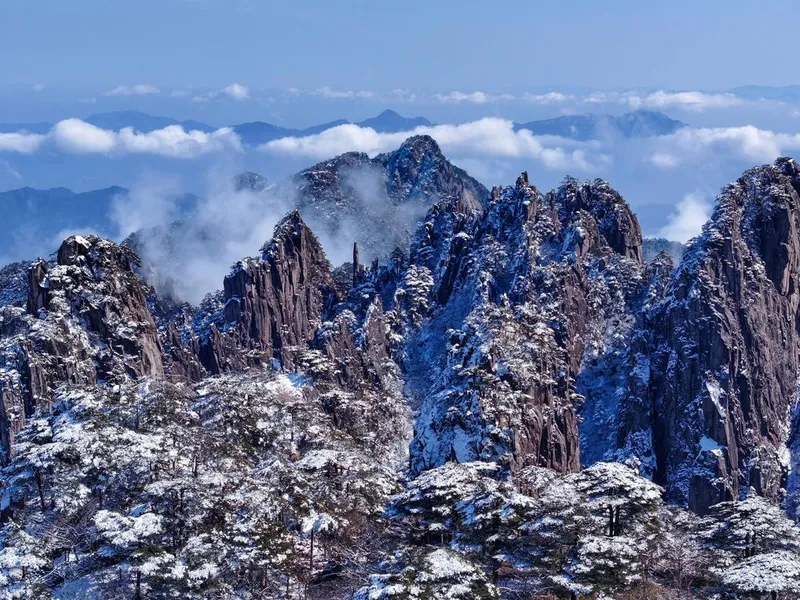
Huangshan has earned its place as a UNESCO World Heritage Site for good reason. Its influence on Chinese aesthetics, philosophy, and literature is unmatched. The mountain’s iconic imagery—twisted pines, jagged peaks, drifting clouds—has shaped global perceptions of Chinese art and nature.
Travelers from around the world visit Huangshan not only for its scenery but also for the stories and legends that surround it. Tales of wandering immortals, meditating scholars, and inspired poets enhance the mountains’ mystical aura.
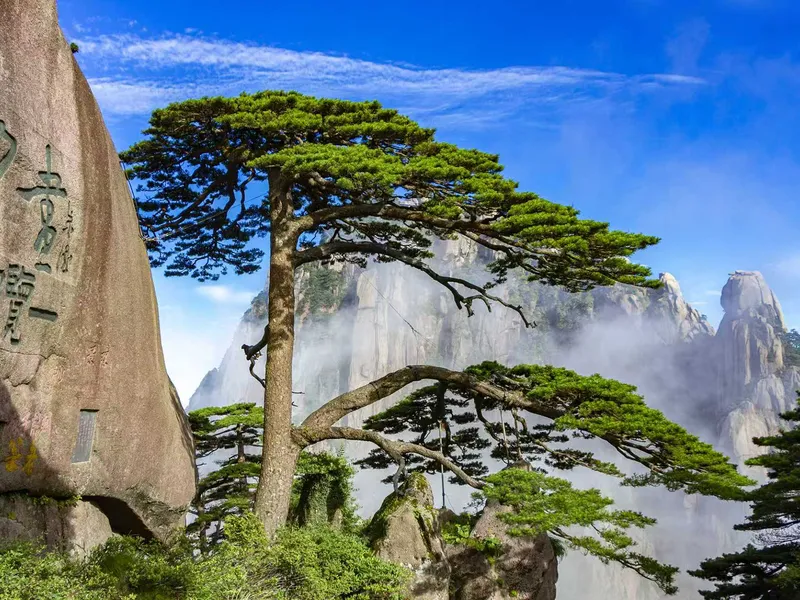
Huangshan’s enduring legacy lives on through its impact on global culture, modern media, and artistic traditions. Visitors who witness the Guest-Greeting Pine, climb its granite steps, or watch the clouds roll across the valleys experience a powerful connection to centuries of Chinese creativity and imagination.
Embarking on a New Journey
Huangshan stands as a living testament to the harmony between nature, art, and human spirit. Exploring the Yellow Mountains is not simply sightseeing—it is stepping into a world where history, philosophy, and natural wonder converge in timeless beauty.