
Heilongjiang — An Epic of the Northern Frontier

Nestled in China's northeastern extremity, Heilongjiang is far more than a frozen domain; it is an epic of the North, written upon paper of ice and snow, with rivers for ink. From the grandeur of the Greater Khingan Range to the vastness of the Sanjiang Plain, from the snow-clad forests to the banks of boundary rivers, every inch of this land sings a hymn to the harsh winter and the profound generosity of its black soil. Journeying here, you are not a mere passerby but a seeker of light along the 45th parallel north, feeling the resilience and splendor of life in a world where ice and fire intertwine.
The Spirit of Heilongjiang: Ice and Snow as Its Soul, Rivers as Its Veins
To understand Heilongjiang's boldness and tenderness, one must first immerse the soul in the pulse of this land—where ice and snow intertwine with fertile soil to form a majestic panorama, and the changing seasons resemble a grand movement performed by heaven and earth. True to the meaning of its name, "The Black Dragon River," this is a northern sanctuary whose character is forged by bitter winters and whose soul is imbued by brief, vibrant summers.
Topography: A Grand Symphony of 'Three Mountains, One Plain, One Range'Heilongjiang's grandeur is a natural symphony composed of towering mountains, endless plains, and rushing rivers. The vastness of the Greater Khingan, the lushness of the Lesser Khingan, and the fertility of the Sanjiang Plain together sketch the unique contours of this land.
The Greater Khingan Range: The Green Great Wall of the Northern Forests
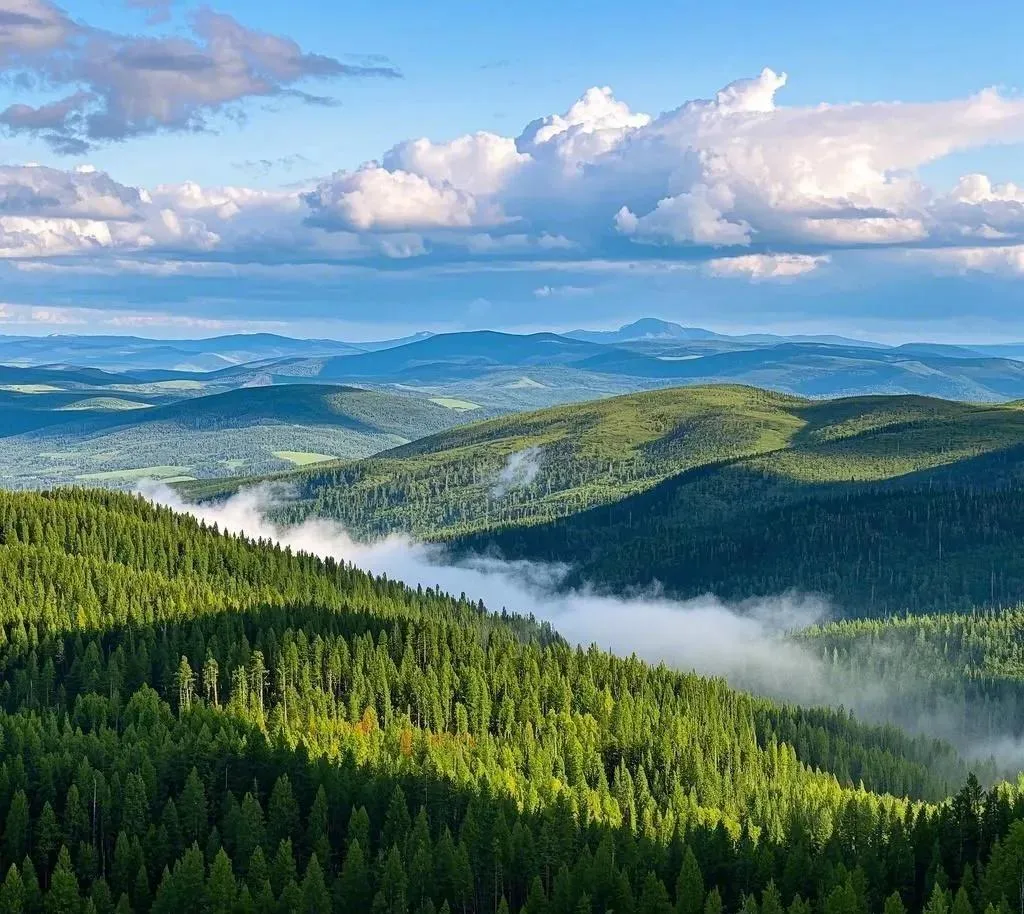
As China's largest pristine forest area, this sea of trees stretches across the horizon like a great green dragon. In winter, jade-like trees and icy branches create a fairy-tale wonderland; in summer, rolling waves of green form a natural oxygen bar. This is the home guarded for generations by the Oroqen hunters, where reindeer bells echo through dense woods and birchbark canoes still glide along the rivers—a veritable "living museum" of northern fishing and hunting culture.
The Lesser Khingan Range: An Ecological Treasure Trove, Home of the Korean Pine
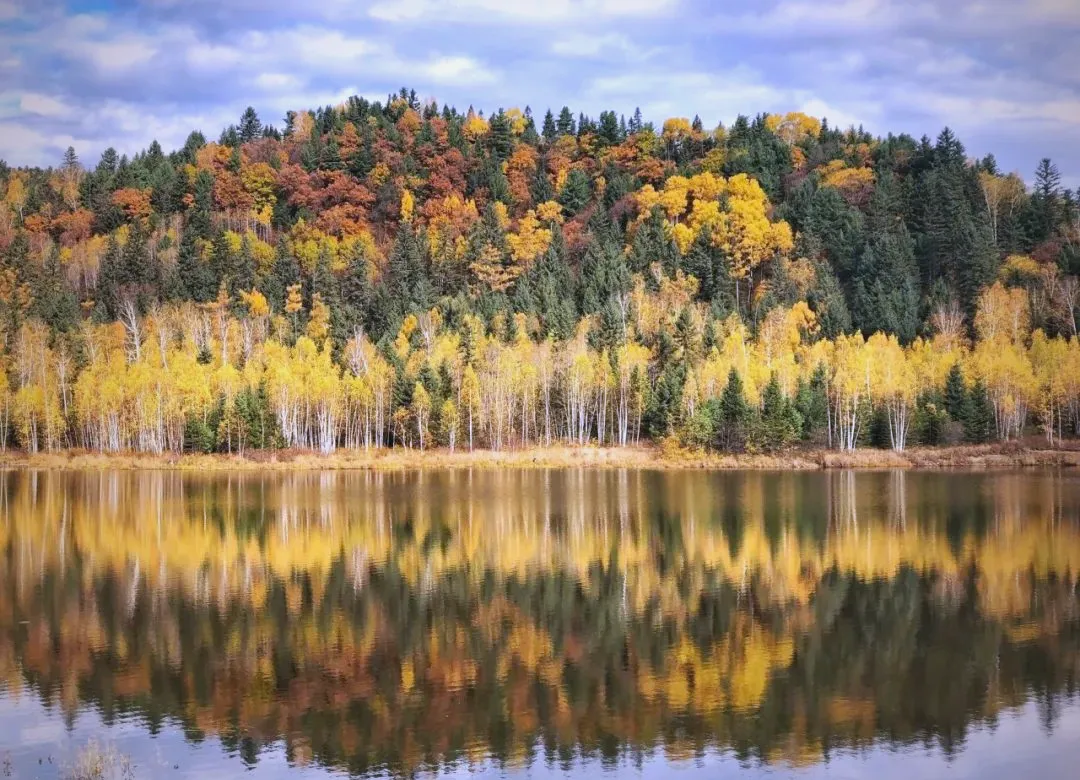
The million-hectare forest of Korean pines in Yichun holds up the green canopy of the "Forest Capital of China." Deep within this woodland, the volcanic cluster of the Wudalianchi Scenic Area stands like medals upon the earth—the crater of Mount Laohei still emits geothermal steam, and the spectacular sight of the vast "Stone Sea" captures the moment of an eruption 280 years ago. This area is both a witness to geological transformation and a model zone for ecological civilization.
The Sanjiang Plain: The Black Fertile Lands of the 'Great Northern Granary'
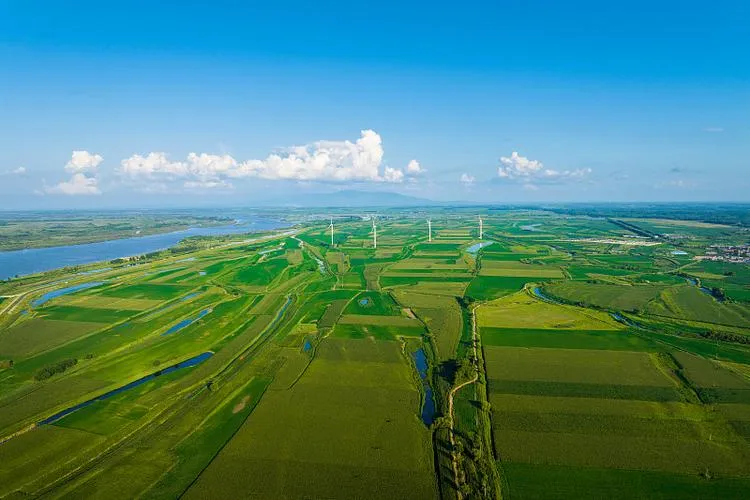
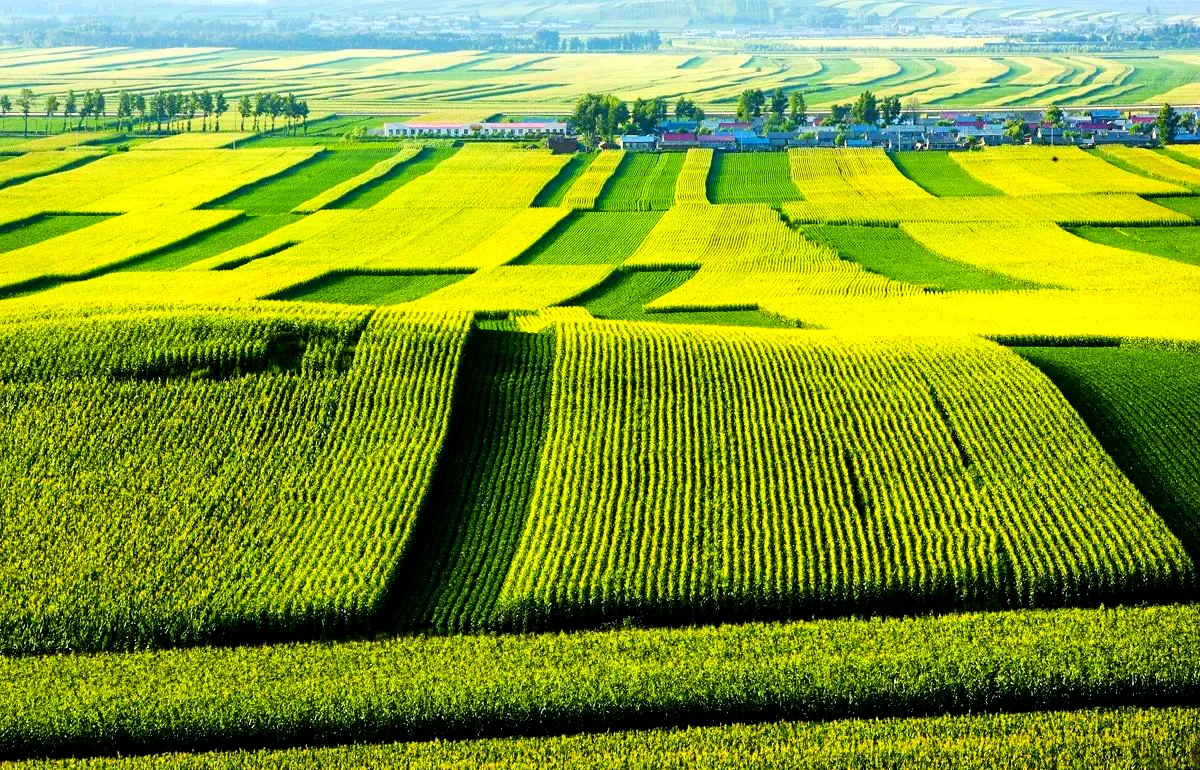
This vast plain, formed by the alluvial deposits of the Heilong, Songhua, and Ussuri Rivers, has undergone a century-long transformation from the "Great Northern Wilderness" to the "Great Northern Granary." Its black soil layer, up to one meter thick, is so rich it feels oily to the touch. During the golden autumn, waves of rice fields ripple under the sun, and large harvesters paint scenes of abundance across the landscape. This is not only a crucial safeguard for "China's rice bowl" but also a showcase for modern agricultural technology.
Climate: A Seasonal Variations of Ice and Fire
Heilongjiang's cold-temperate continental monsoon climate stages nature's drama through striking seasonal contrasts:
Spring (April-May): The Prelude of Life Breaking the Ice
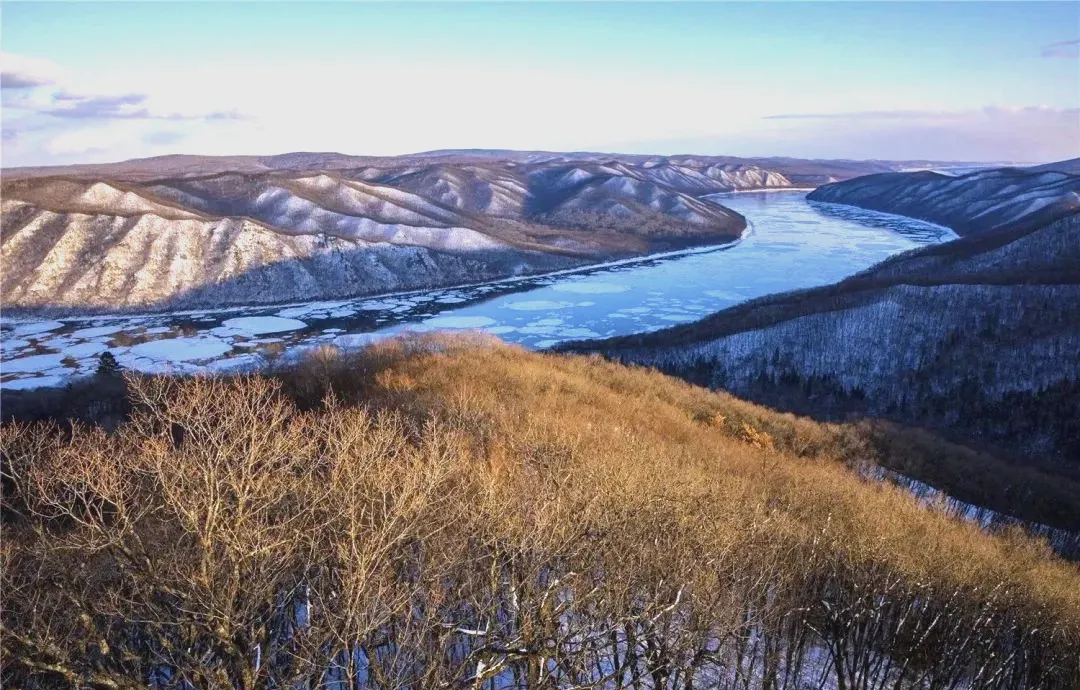
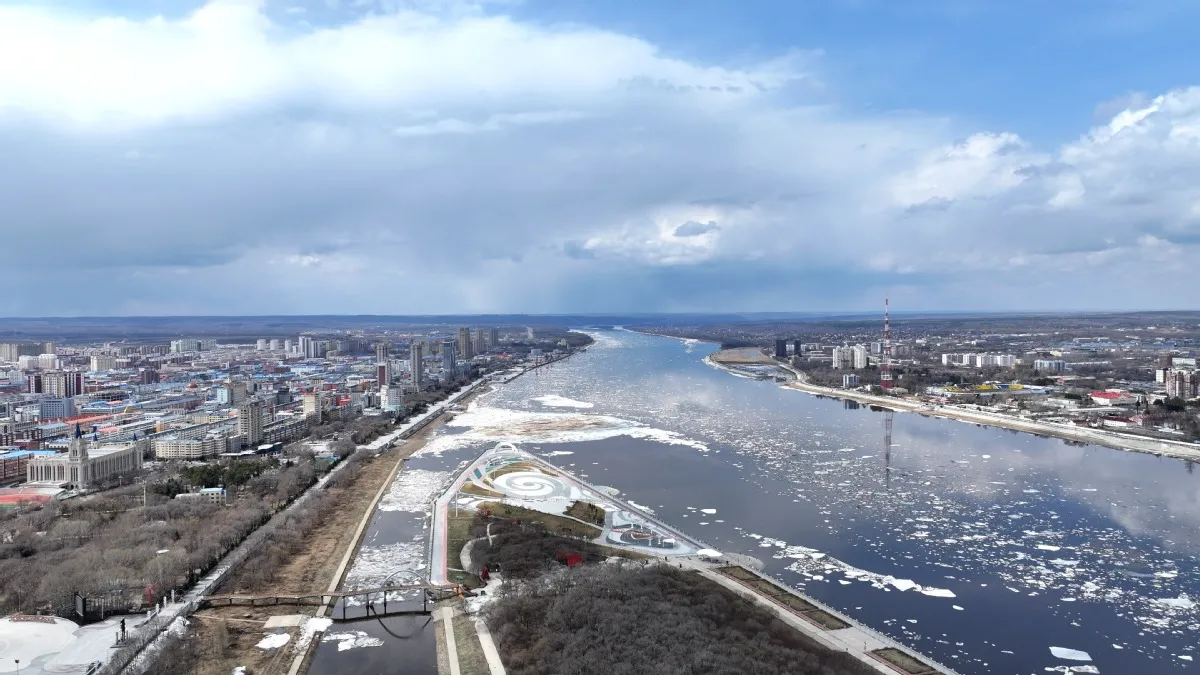
As the last ice floes crash along the thawing rivers, the Xing'an azaleas already bloom defiantly through the snow. The thunderous sound of ice running in the rivers resonates like spring thunder, awakening the dormant black earth. Flocks of migratory birds return north, performing courtship dances in the Zhalong Wetlands, as all life quietly revives to the soundtrack of melting snow.
Summer (June-August): The Carnival of a Cool World
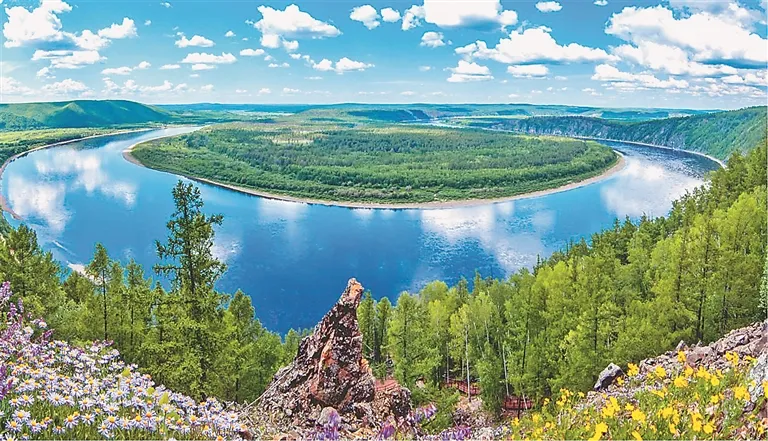
With average summer temperatures of 20°C (68°F), the region becomes a coveted summer retreat. The birch forests of the Greater Khingan Range filter the air to purity, and the waterfalls of Jingpo Lake shimmer with rainbows at sunset. Under the prolonged daylight of the summer solstice, starry concerts in Mohe's Arctic Village carry on through the night, and vows are made beneath the aurora borealis.
Autumn (September-October): The Climax of a Color Symphony
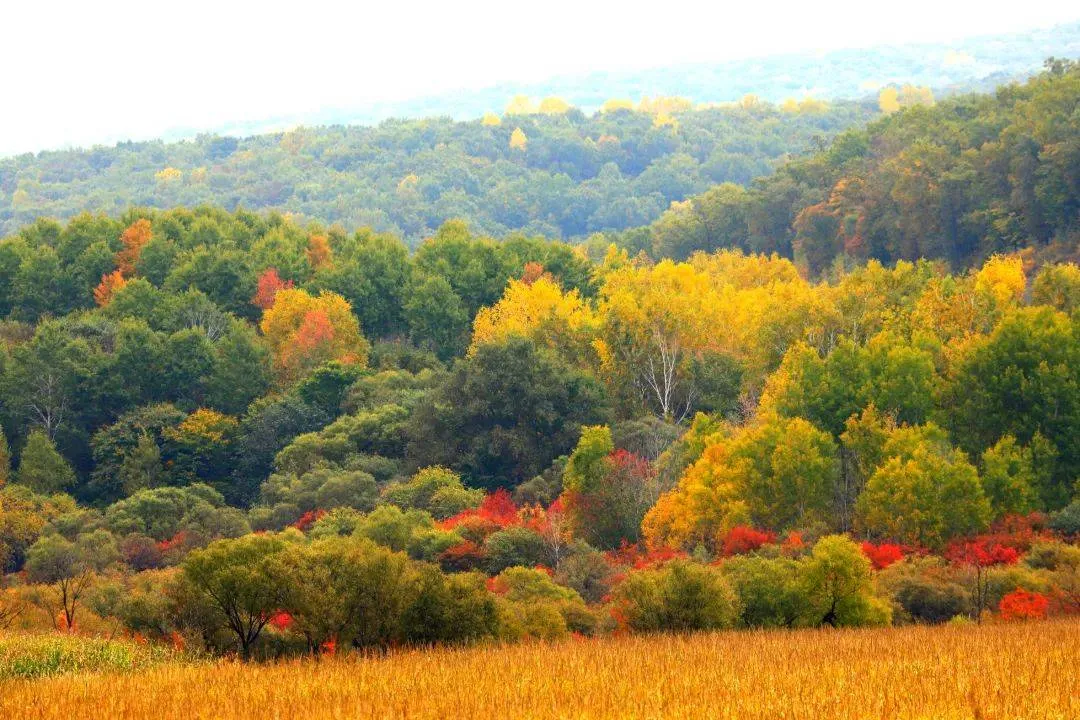
The "Multi-Colored Mountains" of the Lesser Khingan Range are set ablaze with autumn hues—the gold of Korean pines, the red of maples, and the gold of birch trees weave a brocade of color. The seas of rice on the Sanjiang Plain reflect the azure sky, while the hum of harvesters plays a symphony of abundance. This is the golden season for photographers chasing light and shadow—every frame a masterpiece of nature.
Winter (November-March): The Pinnacle of an Ice and Snow Fairy Tale
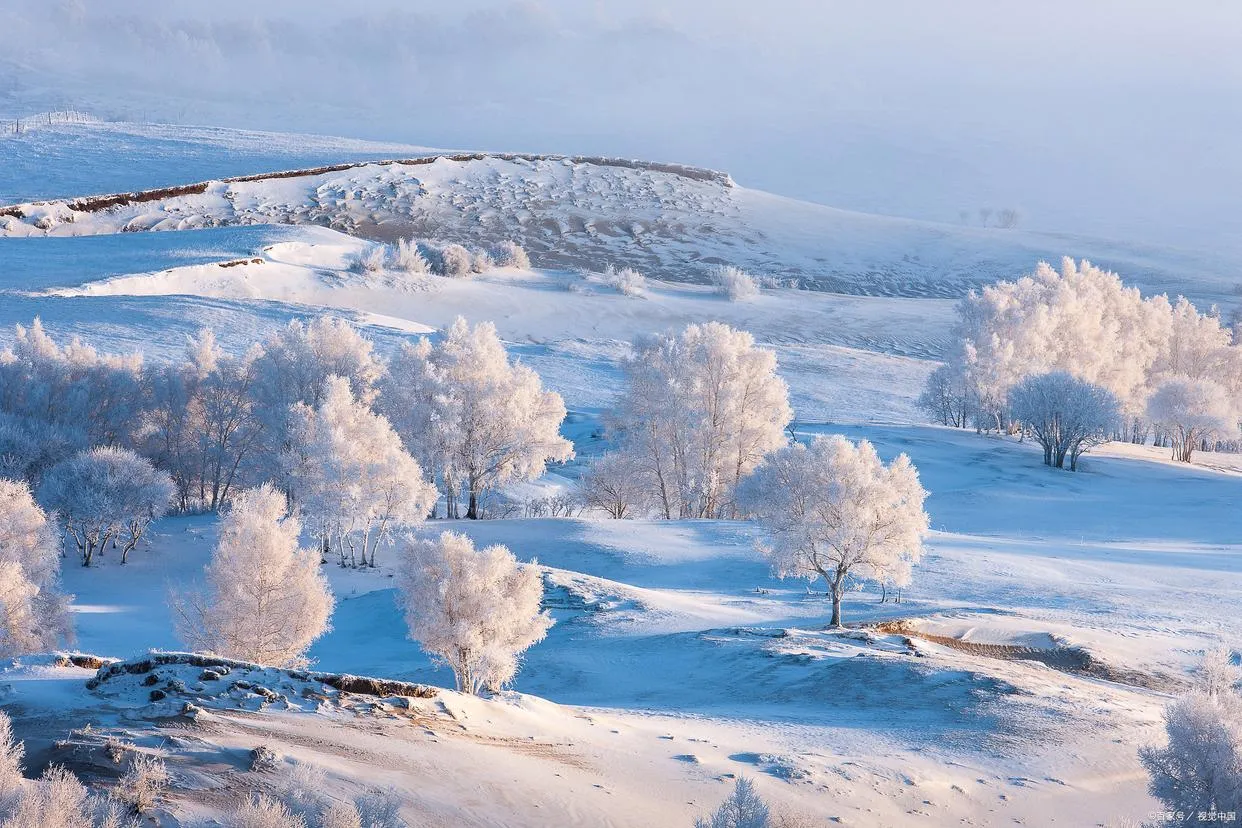
Temperatures plunging to -30°C (-22°F) sculpt miracles of a world wrapped in white. Harbin's ice castles illuminate the night, and wooden houses in Snow Village don their "snow mushroom" caps. Winter swimmers brave the icy waters of the Songhua River, while skiers soar down the slopes of Yabuli. The people of this land, with their warmth and passion, transform the deep cold into the most fervent season of all.
The Soul of Heilongjiang: Heroes of the Black Soil, Loyal Spirits of the North
In Heilongjiang, every patch of black soil may be steeped in the sweat of pioneers, every city may echo with the footsteps of history. Here, history is both the tumult of clashing arms and a hymn to arduous endeavor.
Pioneers of the Northern Frontier, Legends of Exploration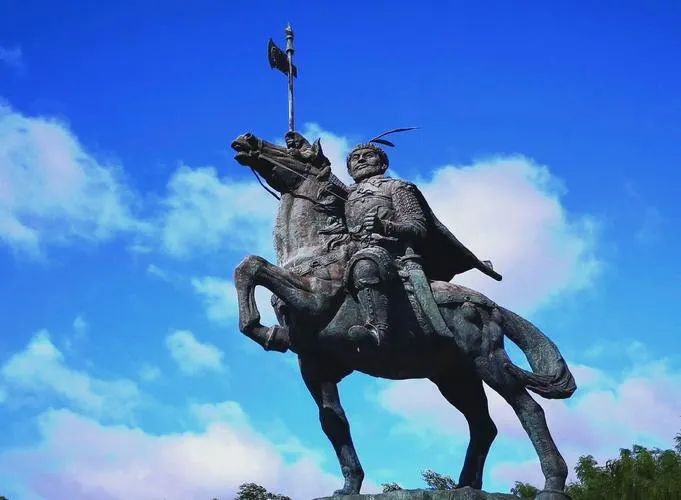
Wanyan Aguda: Founder of an Empire from the White Mountains and Black Waters
At the Museum of the Jin Dynasty Upper Capital, you touch not only the path of the Jurchen people's rise but also the ambition of a dynasty that marched from the black soil to the Central Plains. He unified the Jurchen tribes, established the Great Jin Dynasty, set his capital in Acheng (present-day Acheng District, Harbin), and heralded the era of northern peoples entering the heartland of China.
Xiao Hong: The Literary Goddess of the Hulan River
By the banks of the Hulan River, you can almost still glimpse the figure of that young girl yearning for freedom. In her masterpiece The Field of Life and Death and Tales of Hulan River, she eternally captured the cycle of life and death, the ignorance and kindness found on the black soil, bringing the customs and spirit of Northern China vividly to the page—Heilongjiang's most poignant and beautiful gift to modern Chinese literature.
Wang Jinxi: The Eternal Symbol of the "Iron Man Spirit"
His vow—"I'd rather sacrifice twenty years of my life, but we must desperately wrest this big oilfield from the earth"—still echoes over the Daqing Oil Field. Arriving from Yumen, the moment he used his own body to stir the drilling mud became the most poignant silhouette in China's industrial history, casting the immortal monument of the "Iron Man Spirit."
Yang Jingyu: National Hero of the Snowy Forests and Plains
Amidst the boundless forests, he led the Northeast Anti-Japanese United Army against the Japanese invaders. His heroic act of sustaining himself on roots and cotton wadding showcased the unbreakable, awe-inspiring fortitude of the Chinese soldier. Between the white mountains and black waters, his name has become synonymous with an indomitable spirit.
The Splendor of Northern Academies: Fertile Land, Nurturing Forests of Talent
Upon the snow and black soil of Heilongjiang, not only are natural treasures nurtured, but beacons of knowledge also rise. Here, the universities shine like scattered pearls across the northern frontier, illuminating the paths of countless students with resilience and a spirit of truth-seeking, infusing this land with inexhaustible intellectual vitality.
Harbin Institute of Technology: A Pillar of the Nation, Temple of Engineering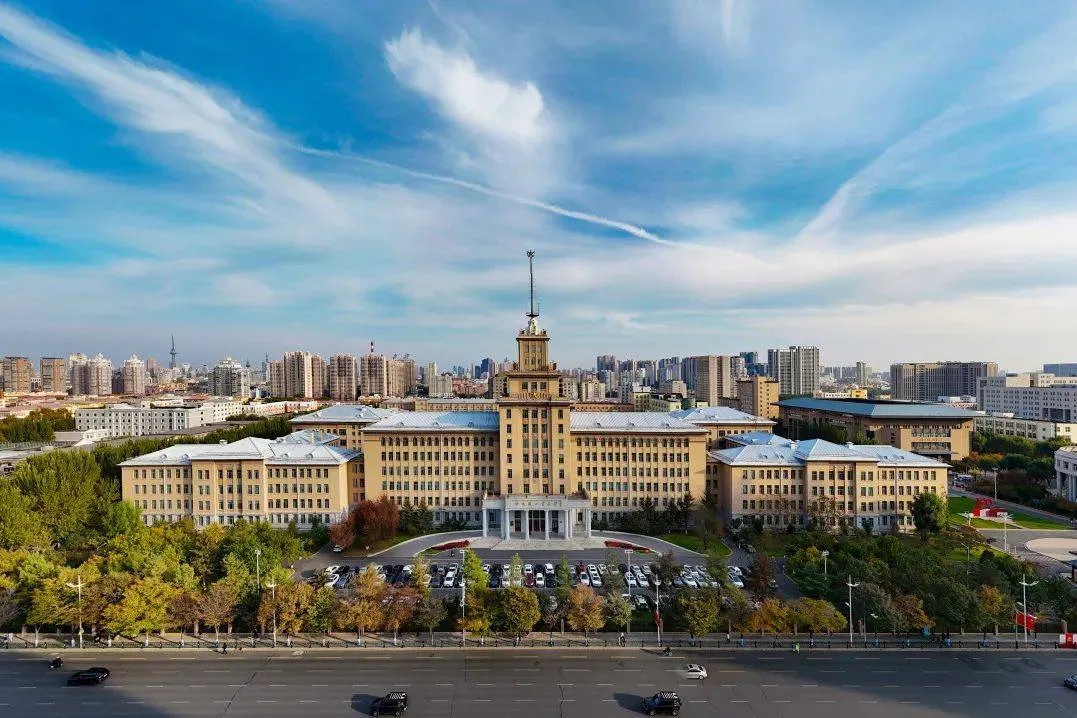
Located in the heart of Harbin, HIT stands as a rigorous temple of science and engineering, guiding every student with the motto “Strict Standards, Thorough Practice.” Its laboratories produced China’s first university-built analog computer and arc-welding robot. From being the cradle of engineers to contributing to major national space projects such as Shenzhou and Tiangong, HIT has consistently safeguarded the industrial backbone of the Republic with its technological prowess. Walking through the campus, Gothic-style old buildings tell stories of a century past, while the real rockets in the Aerospace Museum proclaim an unceasing dream of flight.
Harbin Engineering University: Maritime Excellence, Three Seas and One Core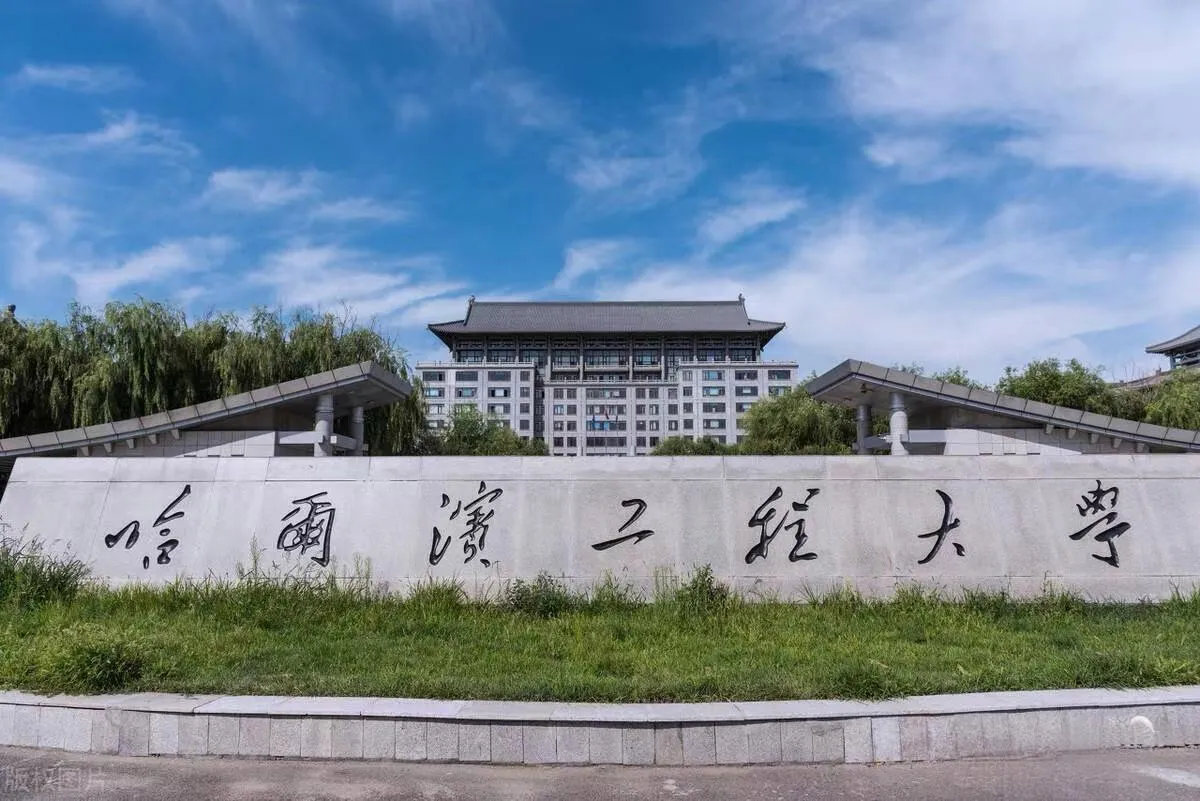
Inheriting the red legacy of “Harbin Military Industry,” HEU instills loyalty and dedication at its core. The campus’ Harbin Military Industry Memorial Hall and the Gongxue Building—inscribed by Mao Zedong—serve as silent textbooks of history. Specializing in shipbuilding, naval equipment, and nuclear applications, the university has nurtured countless leaders in China’s Three Seas and One Core fields (marine development, naval equipment, shipbuilding, nuclear applications), rightfully earning the title of the “Cradle of Republic’s Ship Engineers.”
Northeast Forestry University: Essence of the Forest, Pioneer of Ecology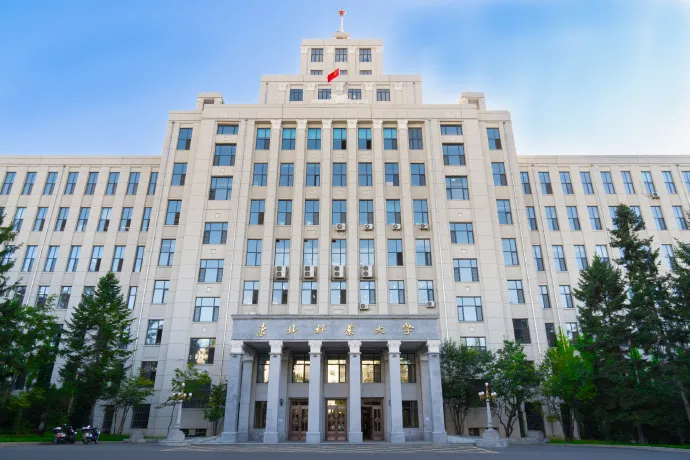
Situated in the northeast, NEFU is a northern stronghold of forestry education. Its sprawling Mao’er Mountain Experimental Forest serves as a natural classroom for students studying forestry, wildlife, and plant protection. Here, research goes beyond tree growth—it safeguards the vast green walls of the Greater and Lesser Khingan ranges, writing scientific papers across the snowy forest seas.
Northeast Agricultural University: Black Soil Cultivation, Technology Empowering Agriculture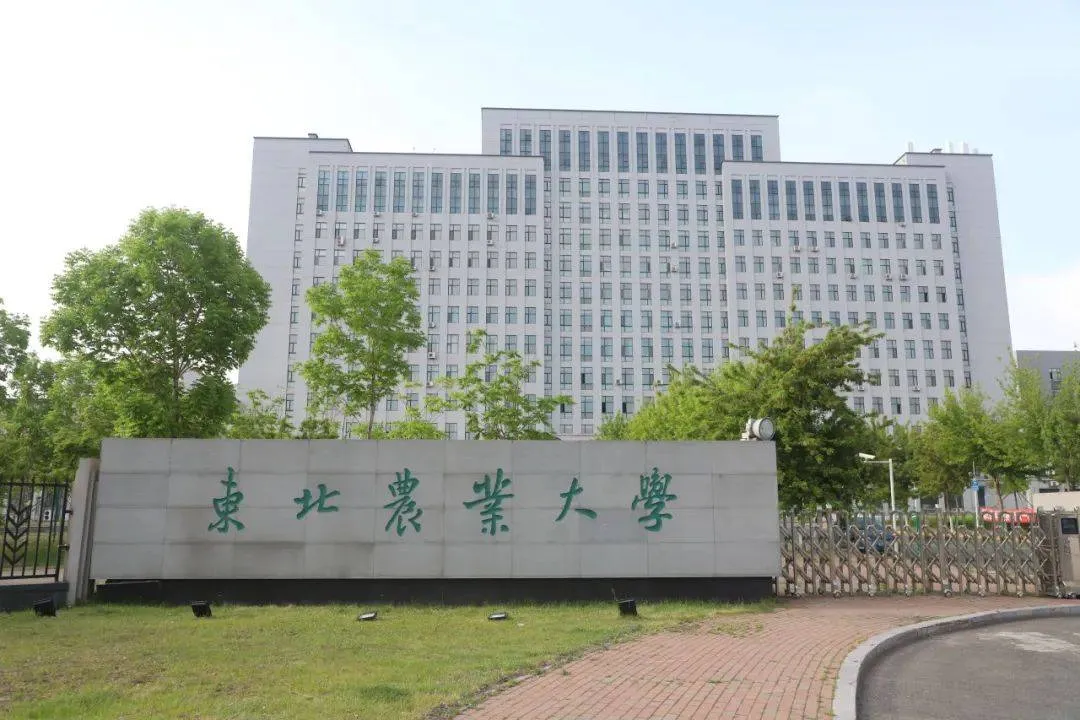
As one of the earliest agricultural universities in New China, NEAU thrives on the fertile black soil of the Sanjiang Plain. From tackling consecutive soybean cultivation to breeding cold-region rice, its research revolves around China’s “rice bowl” and the protection of black soil. By sowing seeds of science, it ensures both the harvest and the future of this northern granary.
Other Notable Universities: Stars in the Northern Sky, Each with Its Own Strengths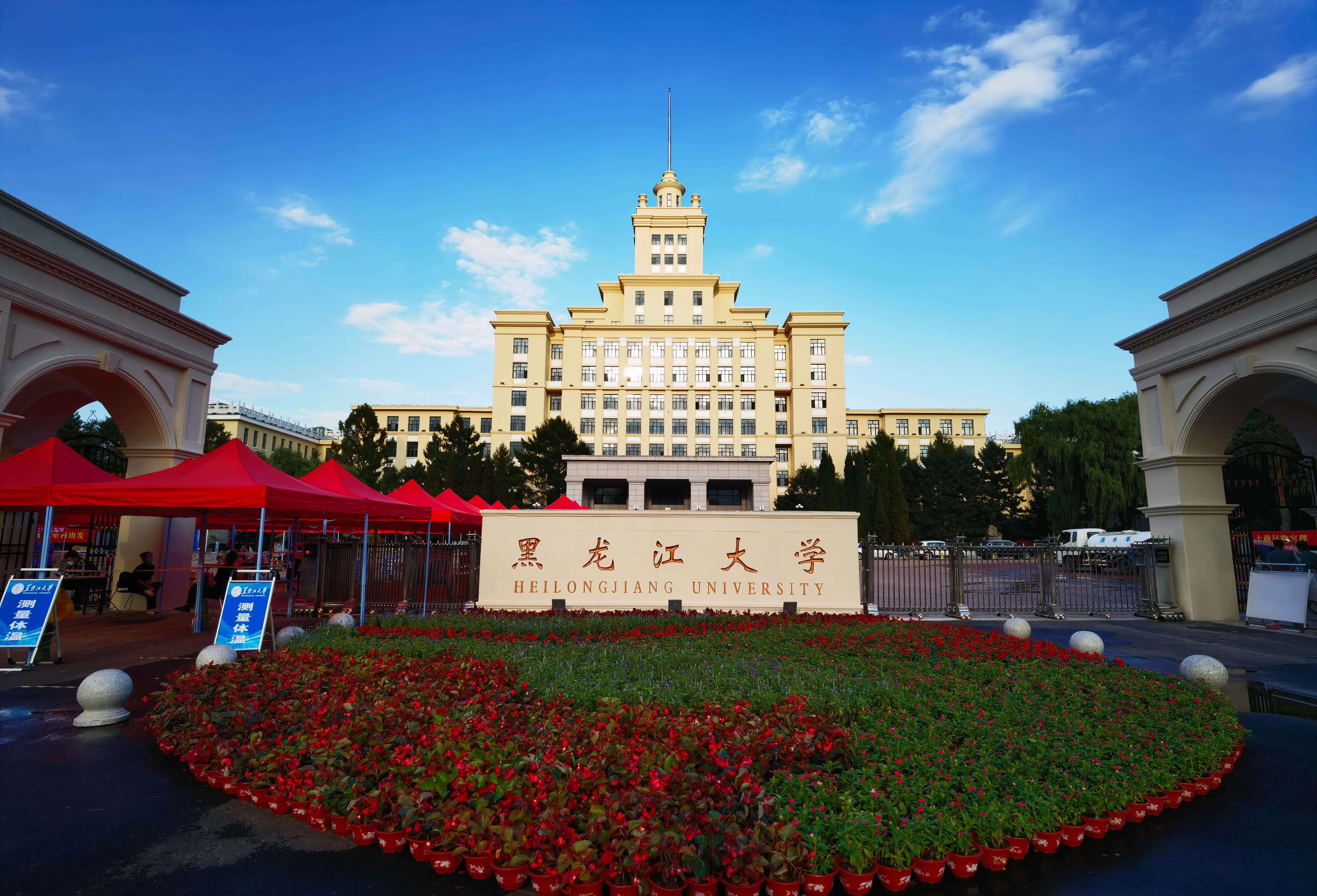
The Elegance of Cities: Each City a Rhythm, Each Place a Chapter
The magnificent tapestry of Heilongjiang is woven together by its thirteen prefectures and cities. From the European charm of the "Ice City Summer Capital" to the industrial legend of the "Oil and Chemical Capital," from the first rays of sunrise at the Eastern Pole to the historic memories of the snow-clad forests, each city forms an indispensable and vivid stroke on this northern canvas.
Harbin: Ice City Summer Capital, Moscow of the East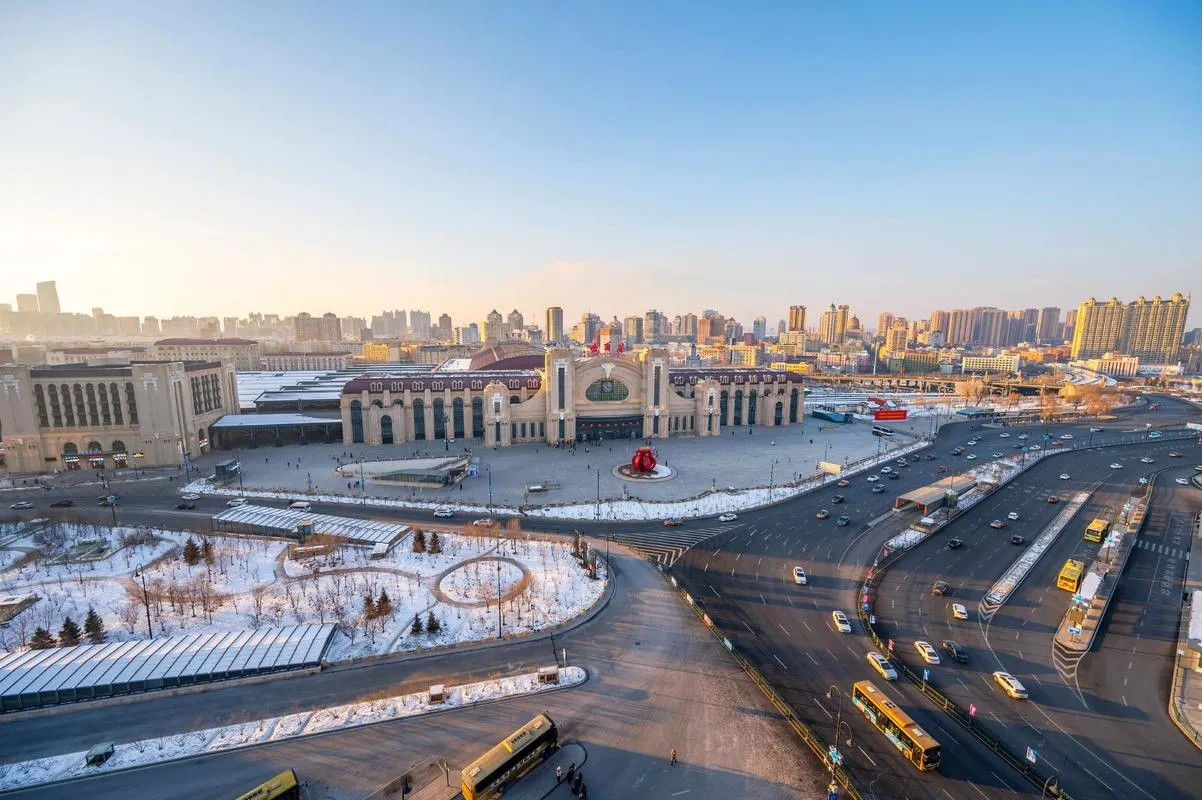
The "Pearl Beneath the Swan's Neck" sparkles along the Songhua River, while the distinctive flair of the "Moscow of the East" is etched into the city's very fabric. The cobblestones of Central Avenue pave a century of prosperity, lined with European-style buildings standing like frozen symphonies. Beneath the dome of St. Sophia Cathedral, flocks of pigeons take flight alongside the chimes, sketching a unique urban skyline. In winter, the Ice and Snow World builds a crystalline fairyland from countless tons of ice; in summer, music festivals fill the riverside evenings with vibrant melodies. To experience Harbin is to witness the seamless fusion of Eastern and Western cultures, the ultimate romance where ice and fire intertwine.
Daqing: Oil and Chemical Capital, City of a Hundred Lakes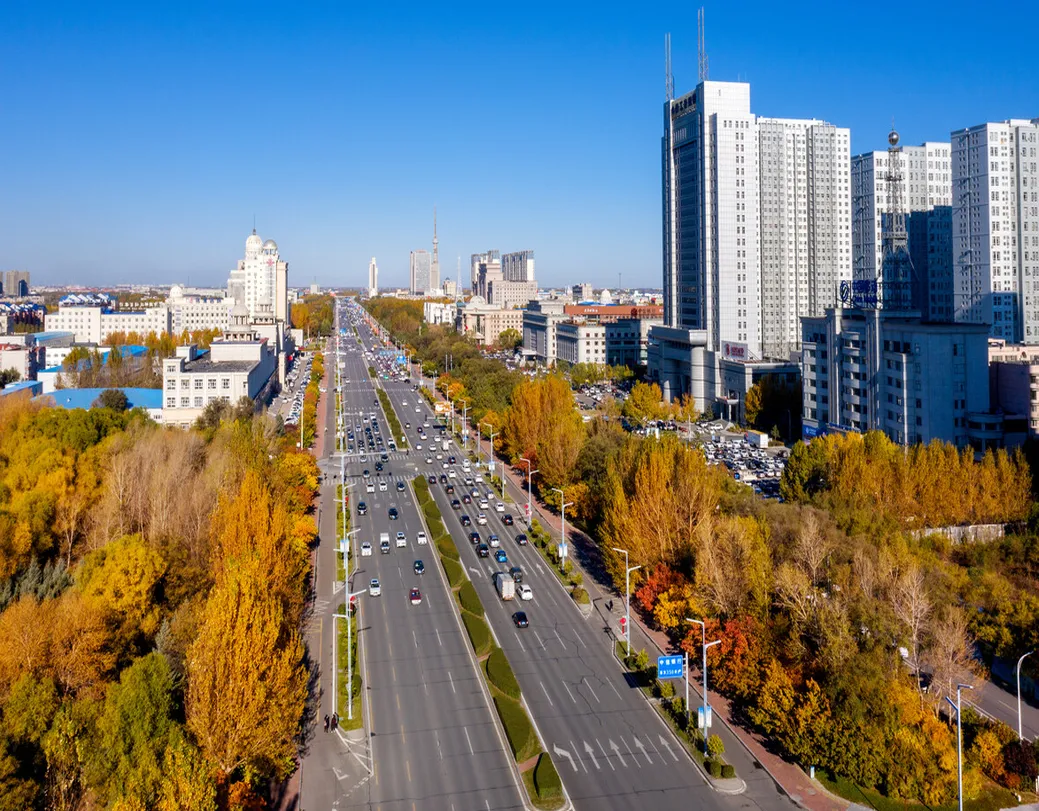
This city was born from oil, yet its story extends far beyond it. The statue of Iron Man Wang Jinxi still watches over the city's transformation—from "a single drop of oil" to "a world of tourism," from an industrial pillar to an ecological exemplar. Dozens of lakes scatter like pearls across the urban landscape; amidst the reeds of the Longfeng Wetland, red-crowned cranes move with graceful ease. In public squares, the rhythmic motion of pumpjacks creates an unexpected harmony with the dance steps of citizens, writing a new chapter for the post-oil era.
Qiqihar: Dancing Cranes of Zhalong, Key Industrial Base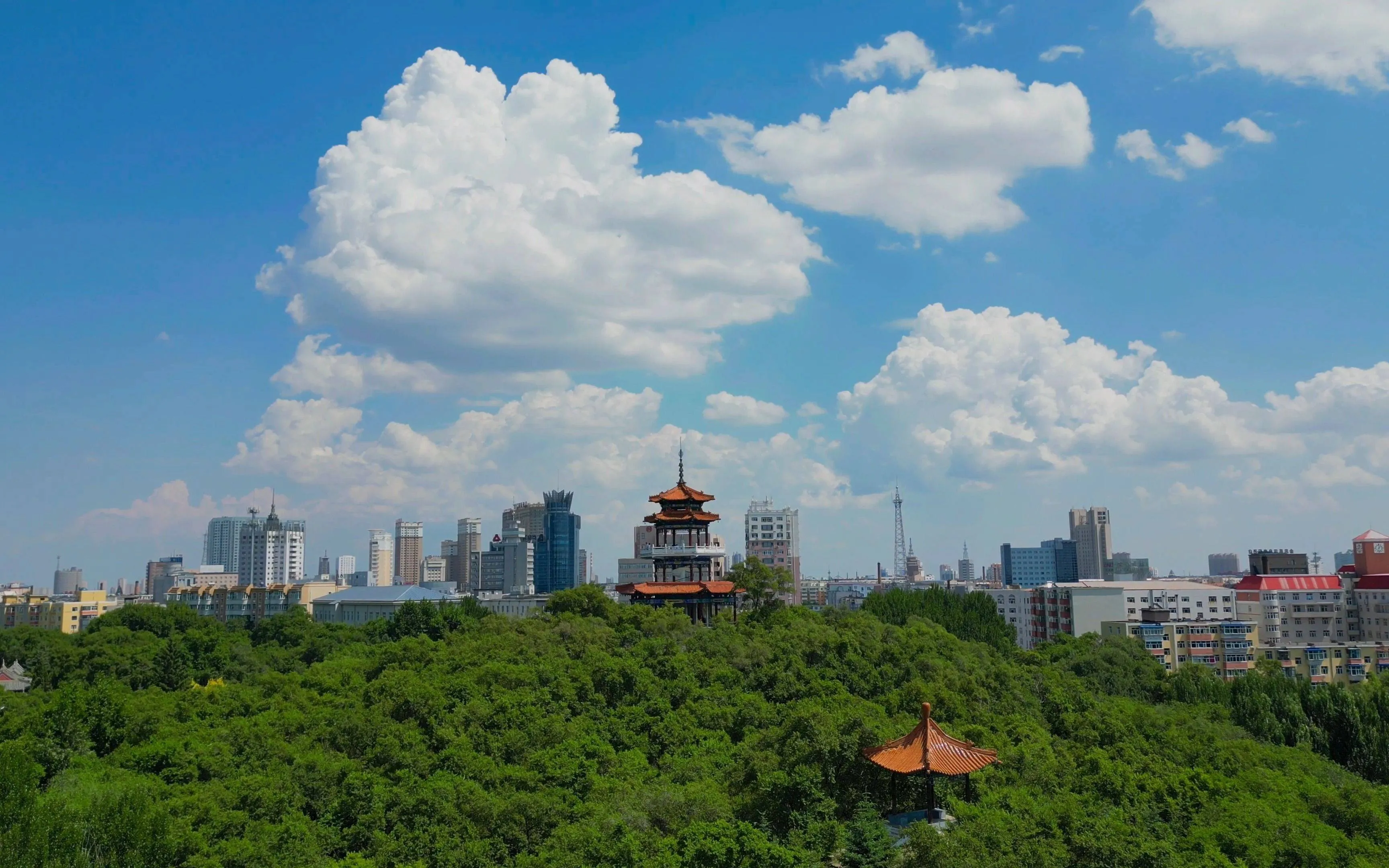
The name "Crane City" derives from the elegant dance of red-crowned cranes in the Zhalong Wetlands. When their calls pierce the sky, nature's purest melody resonates between heaven and earth. Simultaneously, the legacy of the "Eldest Son of the Republic" lives on within the massive workshops of its heavy industry plants, where the spirit of industrial civilization persists amid the hum of machinery. Here, the robust framework of heavy industry achieves a remarkable balance with the delicate ecology of the wetlands.
Other Cities: Cultural Codes of the Colorful Northern Frontier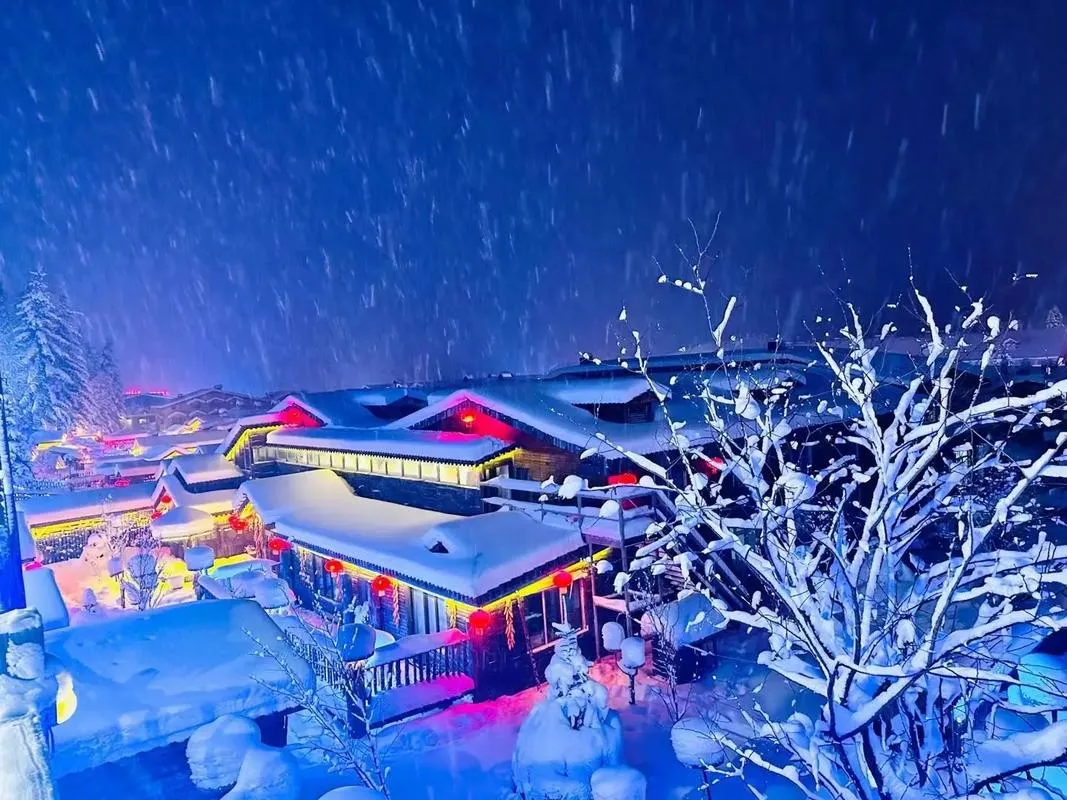
Wonders of Heilongjiang: Northern Wonderland, Nature’s Masterpiece
Heilongjiang’s wonders are masterpieces sculpted jointly by nature and human endeavor. Here, ice and snow are imbued with life, volcanoes still breathe, and every hidden corner tells the legends of this land.
Ice and Snow Marvels: A Wonderland on EarthHarbin Ice and Snow World: The Pinnacle of Ice Art
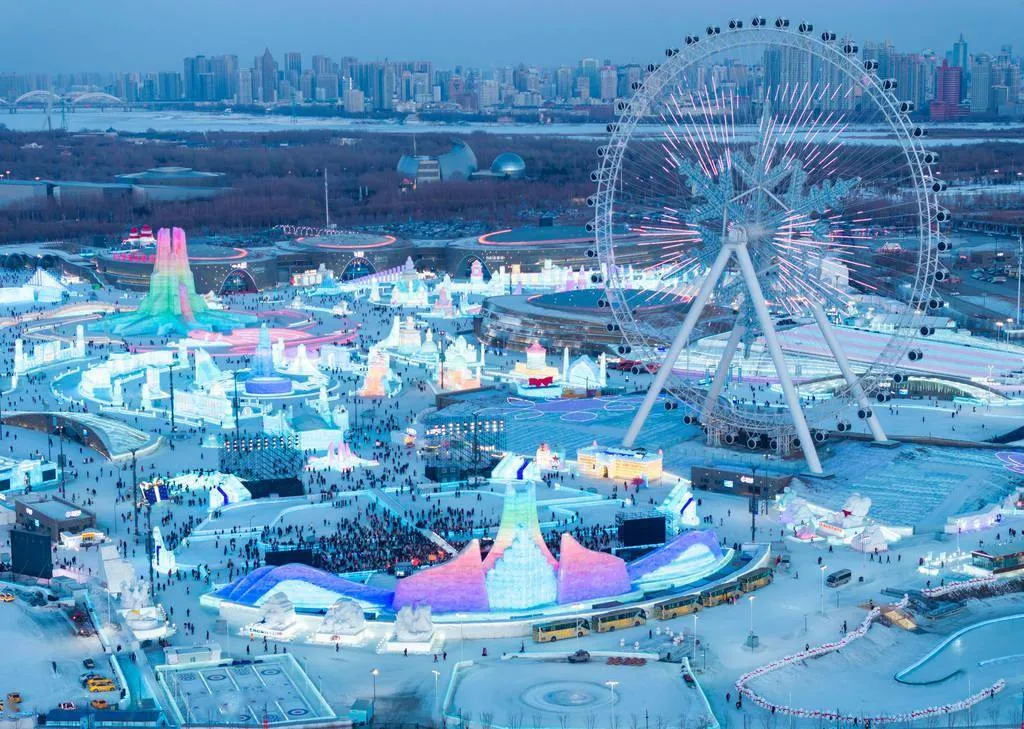
As Harbin’s iconic winter attraction, this festival consumes 200,000 cubic meters of ice and snow each year to construct a fleeting city of dreams. Forty-meter-tall ice castles shimmer under LED lights, laughter echoes down ice slides, and master sculptors carve intricate works in temperatures as low as –30°C. This is not just a celebration of winter, but a testament to human ingenuity and courage against the cold—every ice sculpture embodies the ultimate romance of the northern winter.
Xuexiang (Snow Town): A Fairy Tale in Snow
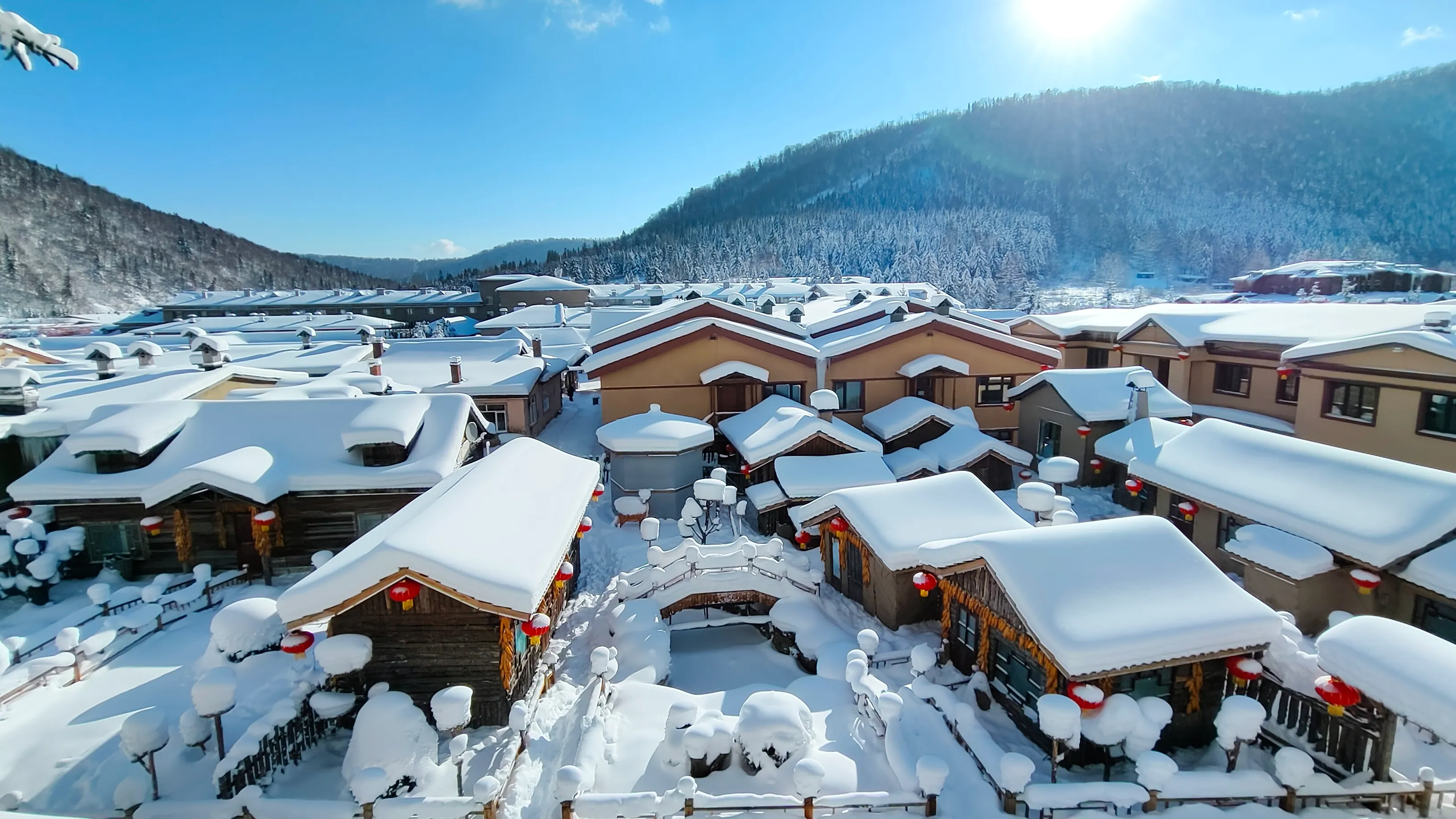
Nestled in Shuangfeng Forest, Snow Town is famous for its average annual snow depth of 2 meters. Wooden houses wear thick “snow mushrooms,” and red lanterns glow warmly against the white landscape. At dawn, rising smoke intertwines with frost; at night, stars sprinkle the snow, harmonizing with lantern light. It is a paradise for photographers and travelers seeking a childhood snow kingdom, while local traditions like heated brick beds and preserved winter pears preserve the simple charm of northeastern life.
Natural Wonders: Sculpted by Time and FireWudalianchi: A Natural Museum of Volcanic Landforms
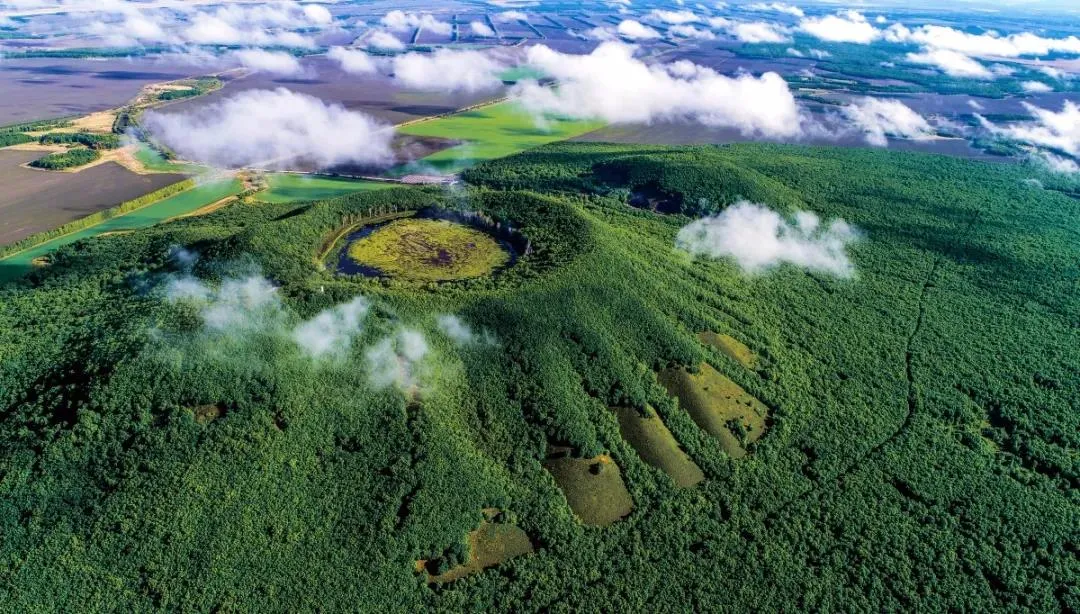
Fourteen volcanic cones, both old and new, are scattered across 800 square kilometers of lava plains, frozen in the moments of eruptions 280 years ago. Its unique waters—such as the carbonated mineral springs of Yaquan Mountain, called “holy water,” and the sweet, clear Erlongyan Spring—nourish visitors. In winter, warm mist rises from the lakes, which never freeze, creating a surreal “volcano-ice” landscape, seamlessly blending geological marvels with wellness culture.
Jingpo Lake: A Seasonal Gallery of the World’s Dammed Lake
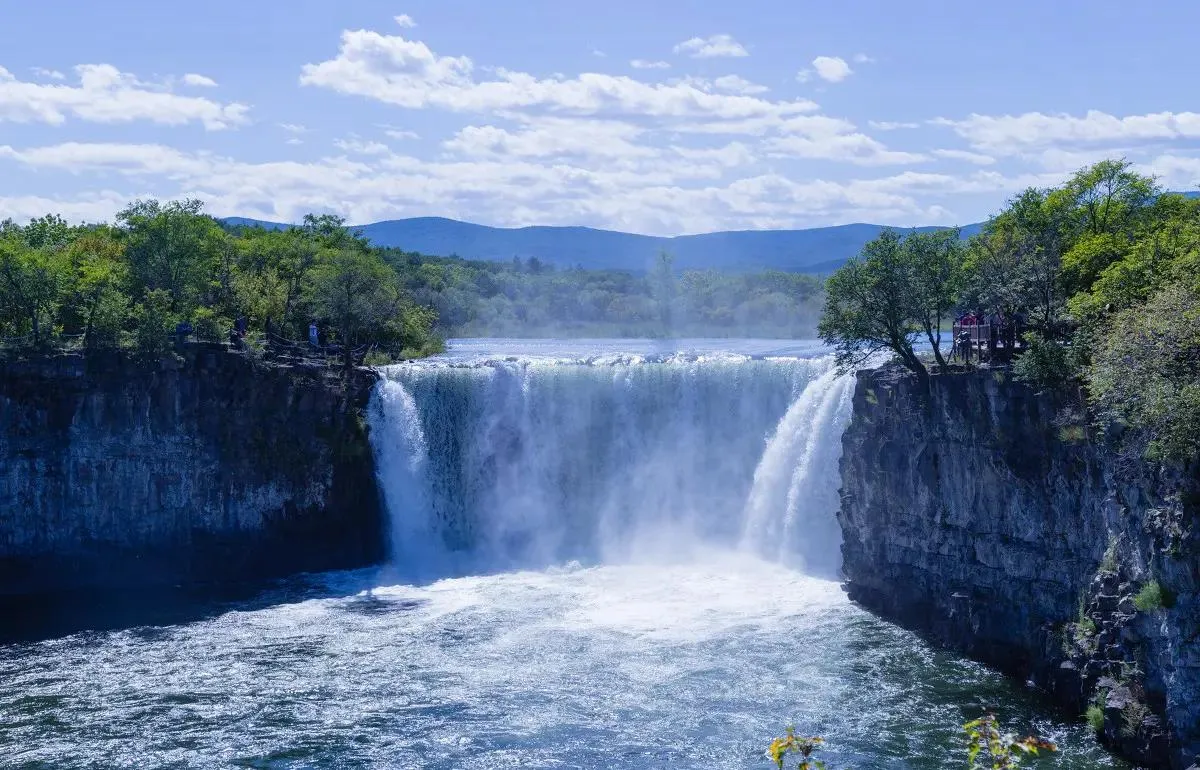
As the largest basalt-dammed lake in the world, Jingpo Lake reflects summer skies like a mirror. Diaoshuilou Waterfall plunges dramatically, and diver Di Huanran set consecutive years of waterfall diving records here. In winter, the waterfall freezes into a spectacular ice curtain, while the core water continues to flow, creating a stunning contrast of motion and stillness. In the volcanic crater forests around the lake, towering red pines and spruces form a complete ecological tableau.
Cultural and Spiritual Landmarks: A Sanctuary of the SoulMohe Beiji Village: China’s Arctic Extreme
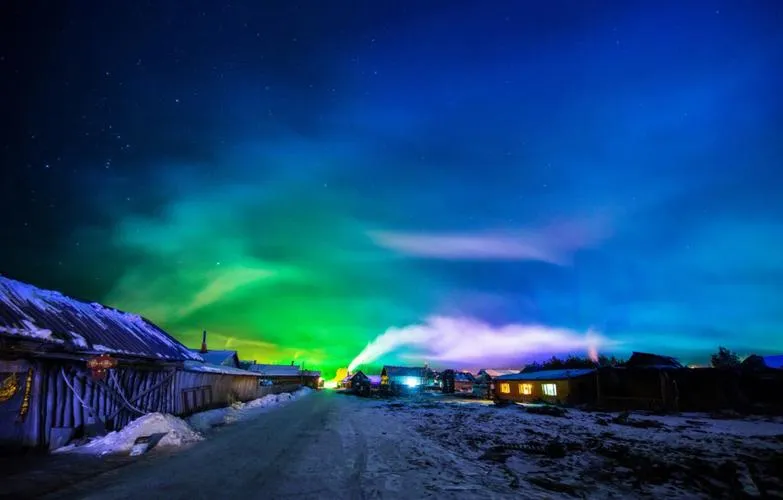
Located at 53°33′N, Beiji Village is the only place in China where the northern lights can be observed. During the summer solstice, midnight remains bright as day; locals light bonfires along the Heilongjiang River to celebrate the longest day of the year. In winter, temperatures plunge to –45°C, ice fog shrouds the village, and every direction on the “North” Square points south. Postcards from the northernmost post office and flags flying at the northernmost outpost become unforgettable memories for visitors.
Intangible Cultural Heritage: Craftsmanship and Northern Charm
On the fertile lands of Heilongjiang, long-standing civilization is not only recorded in vast historical chronicles but also brought to life through the dexterous hands and heartfelt voices of its people. These generations-old intangible cultural heritage (ICH) practices are the most vivid cultural memory of the northern frontier.
Ewenki Roe Deer Skin Craftsmanship: A Forest Wisdom Masterpiece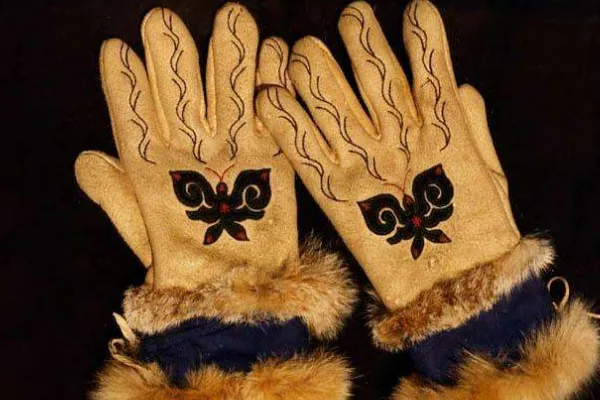
As China's last hunting tribe, the Ewenki people transform entire roe deer hides into natural canvases. Through tanning, cutting, and sewing, they create lightweight, warm clothing, hats, and gloves. Particularly unique are the deer-skin hats with preserved ears and antlers, designed to mislead prey during hunting. Each stitch by the elder artisans embodies not just clothing, but profound respect and understanding of the forest. Today, this craft is revitalized through ICH workshops, where traditional patterns meet modern design, sparking new creative energy.
Hezhe Yimakan: A Living Epic of Fishing and Hunting Civilization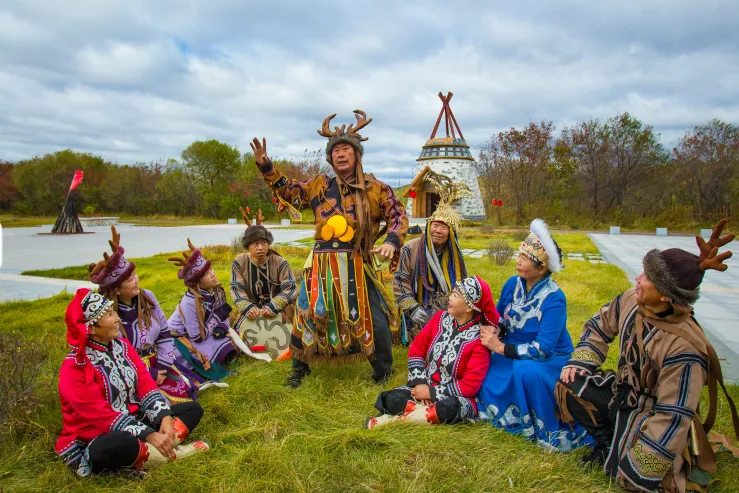
Recognized as a "living fossil of northern Asian oral art," Yimakan is a narrative singing and storytelling art form. Without musical accompaniment, elder performers use only vocal intonation to narrate tribal wars and heroic legends. Its distinctive "rolling-rhythm" resembles the waves of the Ussuri River, preserving ancient vocabulary and mythological imagery. Since being inscribed on the UNESCO ICH list in 2011, Yimakan classes have cultivated a new generation of inheritors, allowing this "great river epic" to continue resonating.
Beidahuang Woodblock Prints: A Pioneer's Aesthetic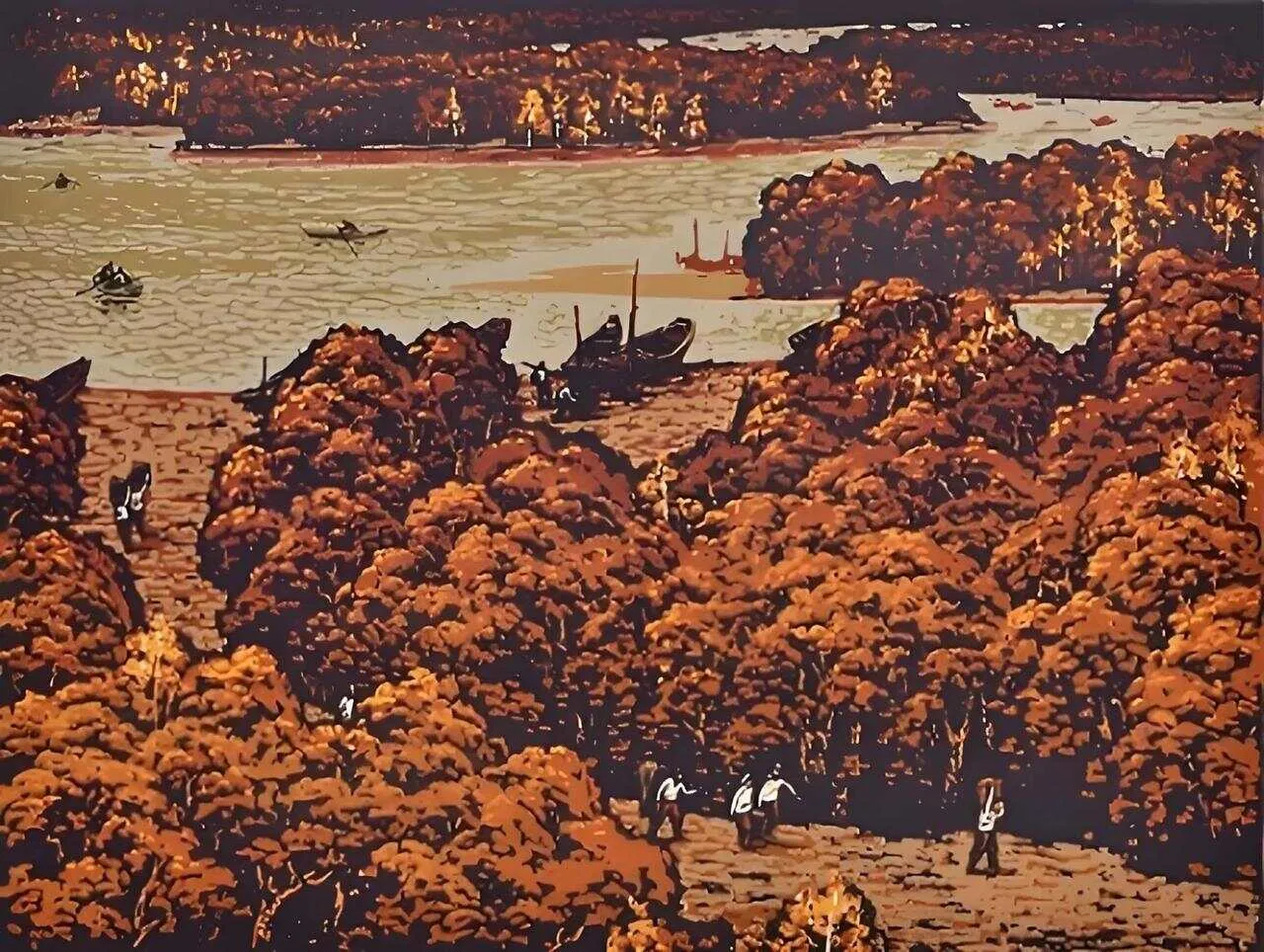
Originating in the 1950s during the reclamation era, this unique art form was pioneered by urban youth and demobilized soldiers. They engraved their pioneering spirit onto woodblocks—bold black-and-white contrasts convey the weight of the land, and coarse carving lines depict the determination of the settlers. Iconic works like Spring Night on the Wasteland juxtapose flickering campfires with endless plains, creating a stunning visual impact. Today, the Beidahuang Woodblock Print Institute fosters artistic innovation, exhibiting works internationally and providing a key cultural window into Heilongjiang for the world.
Northeastern Errenzhuan: The Lively Code of the Black SoilThis folk art, built on "Yangge foundations with Lianhua (Lotus) embellishments," has pulsed through the black soil for over 300 years. With one comic, one heroine, a handkerchief twirl, or a fan toss, performers convey the full spectrum of human emotion. Its five-skill system—speaking, singing, acting, dancing, and acrobatics—offers distinct charm. Stories like Justice Bao Seeks Forgiveness and West Chamber's Flower Viewing display the humor and optimism of Northeasterners. Today, through television and online media, Errenzhuan has become one of the most influential forms of local opera.
Flavors of the North: Bold and Heartwarming
Guo Bao Rou (Sweet and Sour Pork): A Perfect Sino-Russian Fusion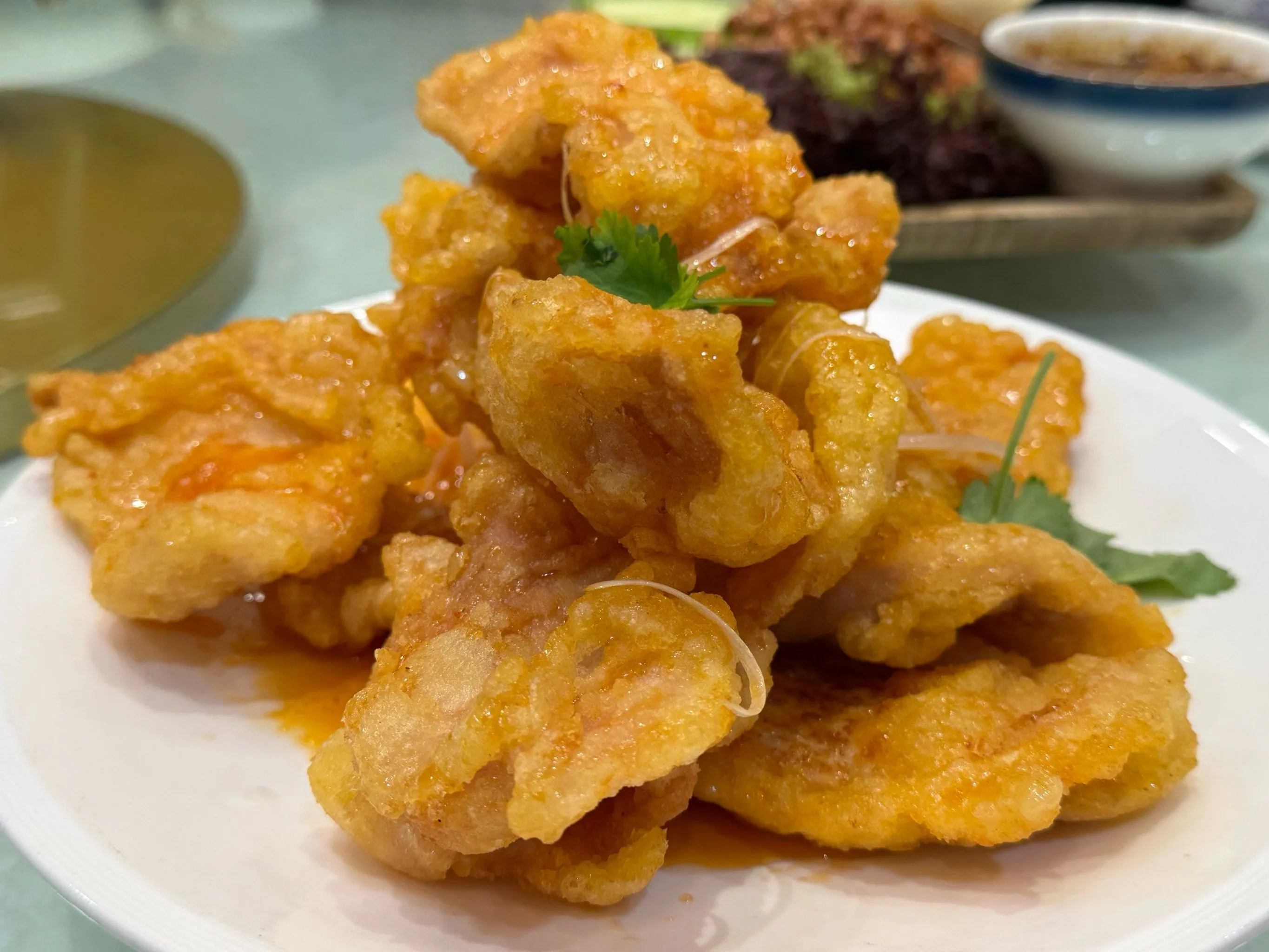
In 1907, chef Zheng Xingwen of the Harbin Daotai Mansion adapted the traditional "pan-fried pork slices" to suit foreign tastes, creating the sweet-and-sour Guo Bao Rou. Selected pork tenderloin slices are marinated, coated in glutinous rice flour, fried to golden perfection, then stir-fried in a hot wok with sugar-vinegar sauce. The golden color and crispy texture reflect the deep culinary integration of Chinese and Russian influences during the construction of the Chinese Eastern Railway, making it an iconic dish of Northeastern cuisine today.
Sha Zhu Cai (Pig-Slaughter Feast): A Winter Memory of the Black Soil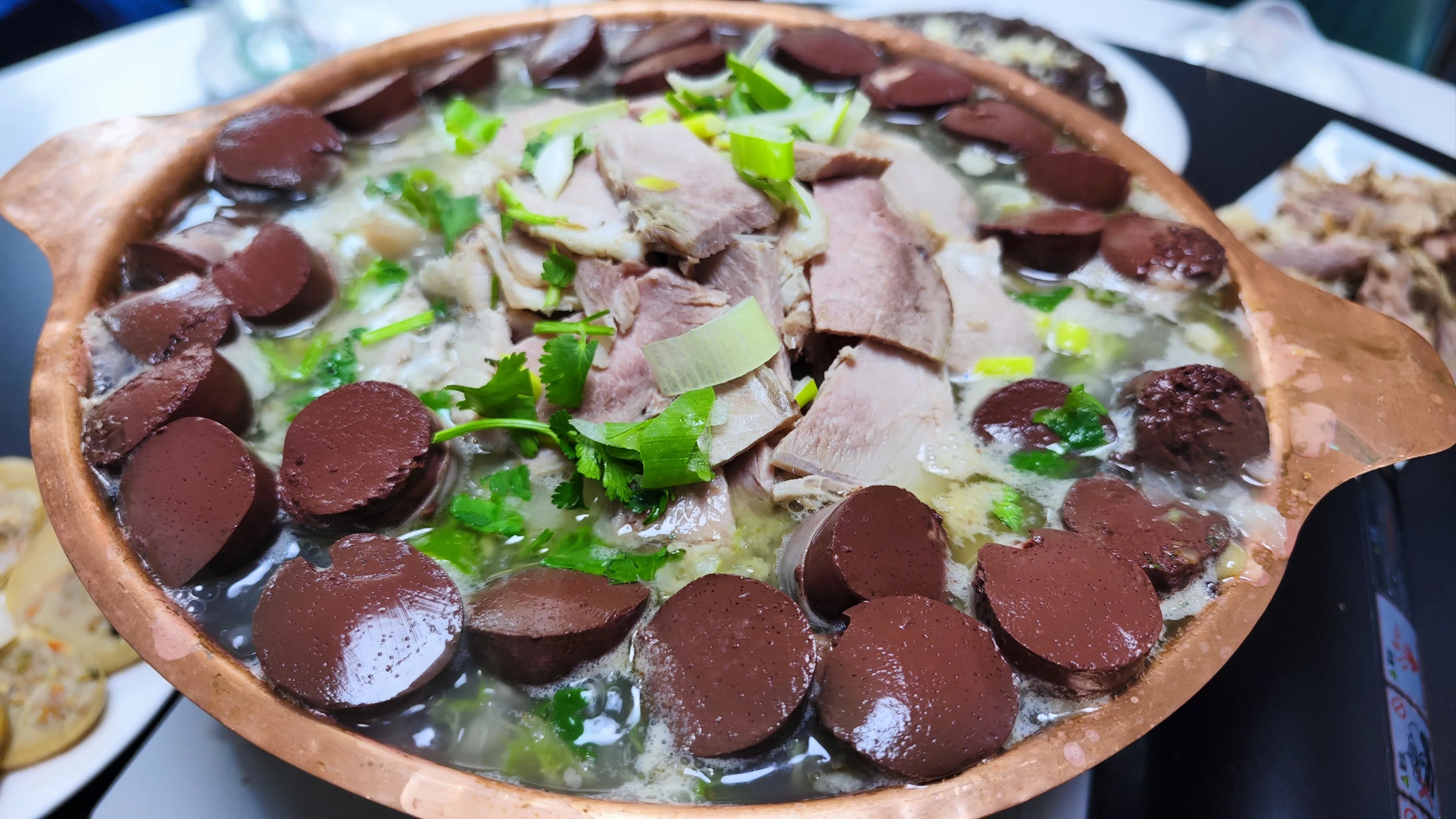
Originating from Manchu tradition, this winter banquet encapsulates collective memory of rural Northeast China. Homemade pickled cabbage forms the base, fresh blood sausages are sliced, and layers of pork belly are boiled until tender in a massive iron pot. Eaten with a touch of garlic paste, the cabbage balances the richness of the meat. The most authentic way to enjoy it is with a sip of sorghum liquor, creating a steaming feast in sub-zero winter temperatures.
Demoli Braised Fish: Fishermen's Wisdom by the Songhua River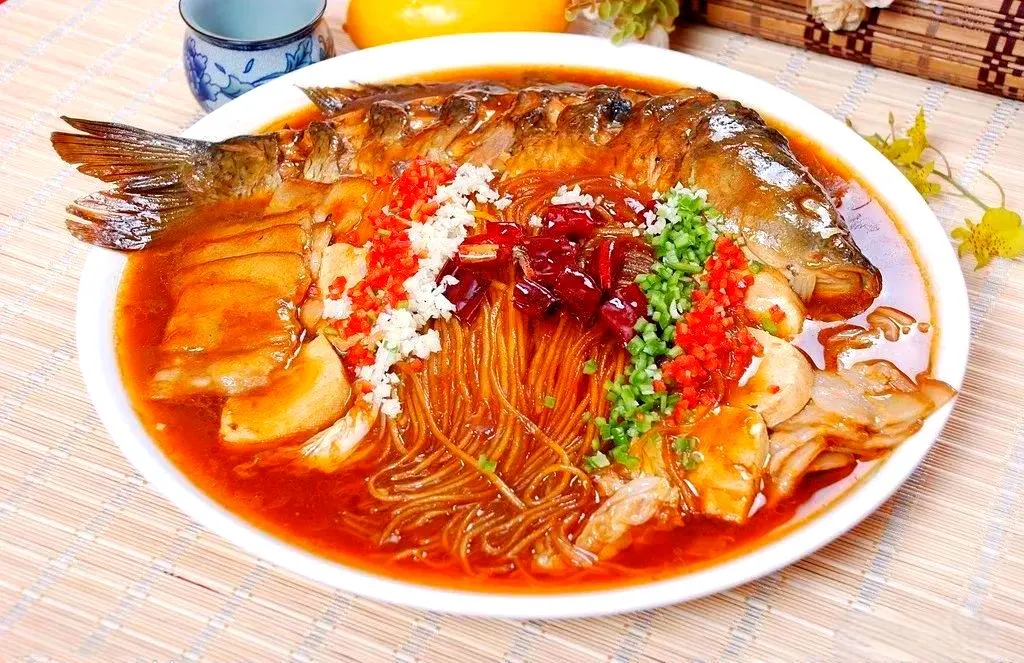
Hailing from Demoli village along the Songhua River, this rustic dish was originally a convenient meal for passing travelers. Carp weighing 3–5 kilograms are simmered with braised tofu and potato noodles in a cast-iron pot, flavored with locally produced soybean paste and dried chili. The fish is tender, the tofu absorbs the rich broth, and the noodles are chewy and flavorful—a warm reflection of northern hospitality. Even today, dozens of traditional eateries along the Harbin–Tongjiang Highway continue to serve this authentic taste.
Mountain and Forest Delicacies: Gifts of Nature Xiao Ji Dun Mo Gu (Braised Chicken with Mushrooms): A Dialogue Between Forest and Farmhouse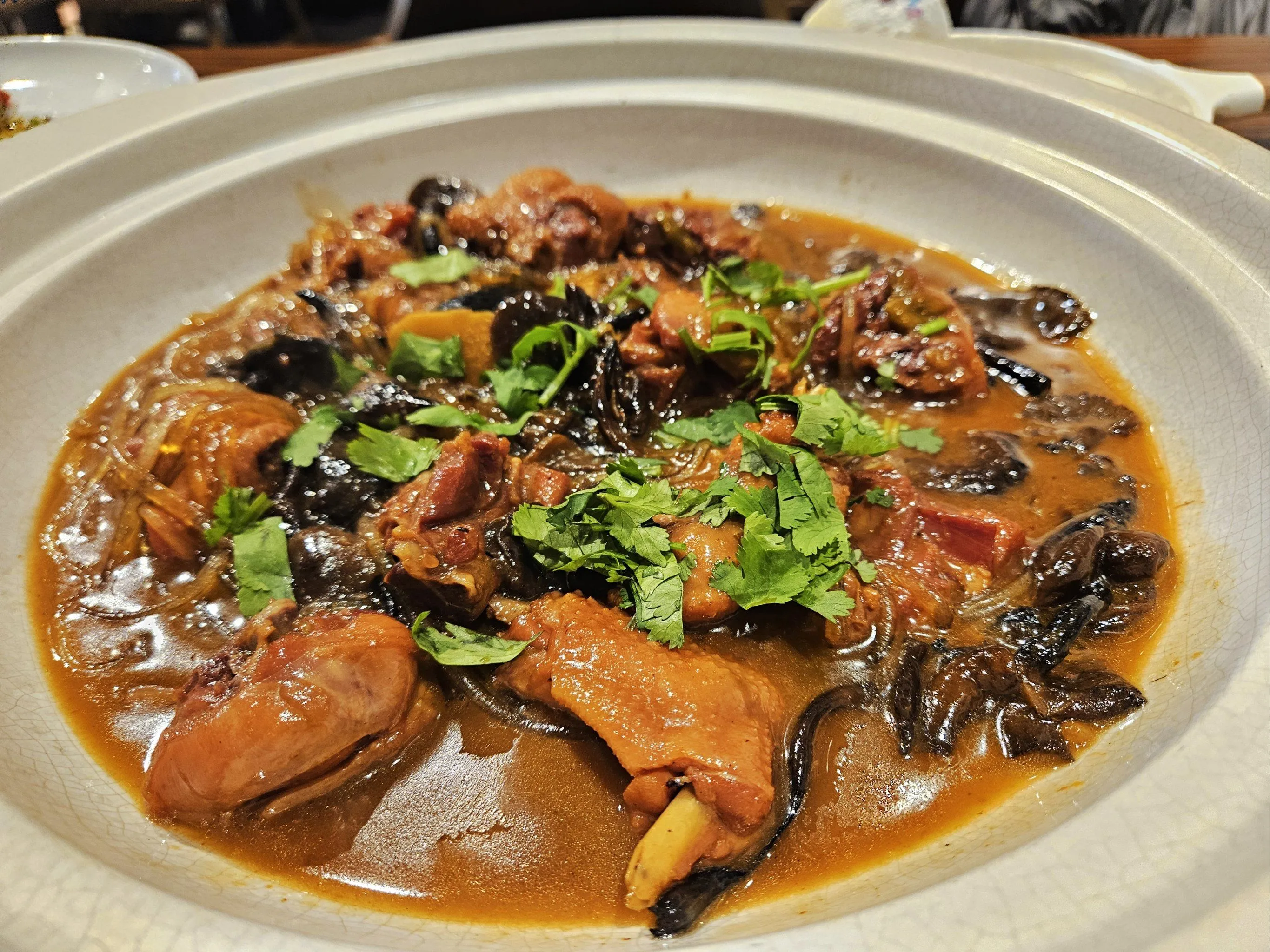
Free-range local chicken, firm in texture, pairs beautifully with the prized hazel mushrooms of the Greater Khingan Range. The mushrooms' rich aroma seeps into the chicken, while the chicken's fat enriches the mushrooms. Potato noodles are added and simmered until the broth thickens. This seemingly simple farm dish embodies the Northeastern hospitality tradition of "no meal without mushrooms" and is indispensable on New Year's Eve tables.
Blueberry Products: The Purple Treasure of the Snowy Forest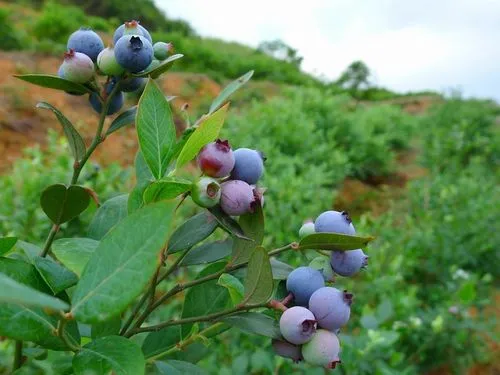
Wild blueberries from the Greater Khingan Range accumulate abundant anthocyanins in the harsh cold. Locals turn them into jams, juices, and dried berries. In places like Mohe and Jiagedaqi, visitors can enjoy fresh blueberries and participate in picking, tasting the forest's crisp and sweet freshness right at the source.
Northern Treasures: Cultural and Culinary Gems Wuchang Rice: The Legend of Golden Grains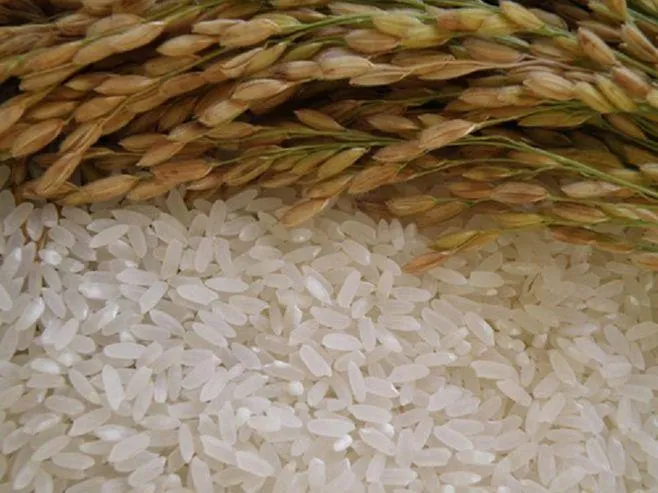
Thanks to the golden latitude of 45°N, fertile black soil, and the nourishing waters of Mopanshan Springs, Wuchang rice grains are plump, shiny when cooked, and fragrant. Authentic Wuchang rice remains elastic even when cooled, perfectly embodying the Northeastern philosophy of "a bowl of rice, a table of dishes."
Harbin Red Sausage: A Century of Exotic Flavor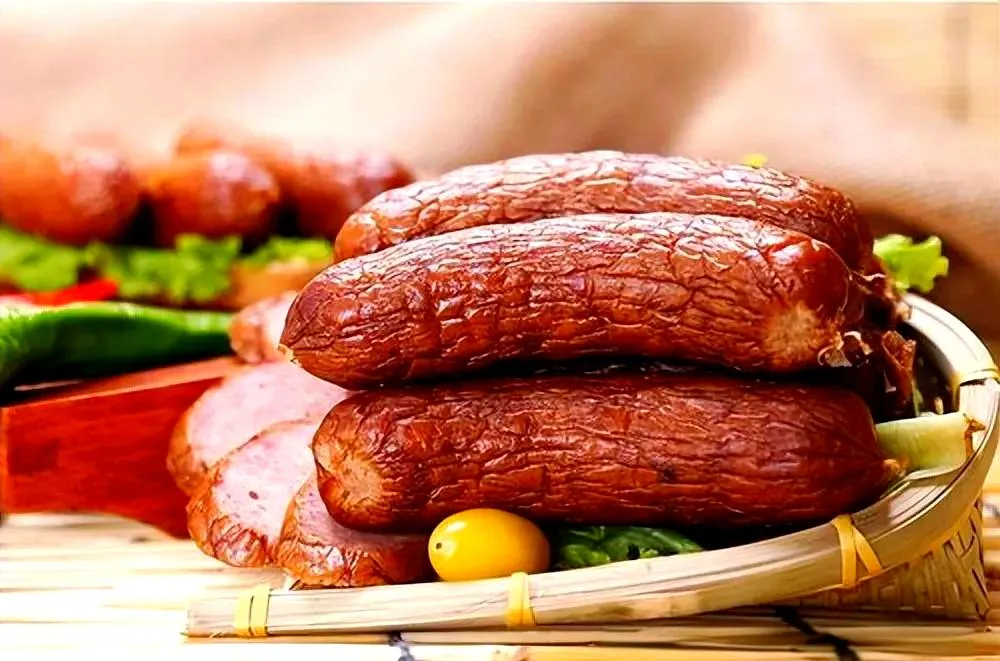
Made following traditional Lithuanian techniques and smoked with fruitwood, this sausage balances fat and lean meat with garlic and wood aromas. Long-standing brands such as Qiulin and Roulian continue to produce it using traditional methods. Crispy on the outside and tender inside, the most authentic way to enjoy it is sliced directly with meals, making it Harbin's most beloved souvenir.
Agate Carvings: Stone Blossoms into Art
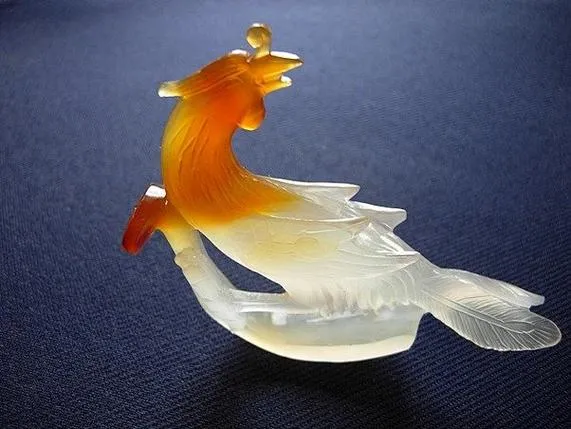
Agate from the Uger River in Qiqihar is fine-grained and richly colored. Local artisans skillfully follow natural patterns to craft masterpieces like Dragon Soaring in the Longjiang and Snowy Village Night. From selection and design to carving and polishing, each piece represents months of dedicated labor, transforming cold stone into vibrant life.
Chill Winds Outside, Warmth Within
As the northbound train sets in motion, what Heilongjiang offers is far more than a few snowy landscapes or local specialties. The morning mist on the Songhua River, the whispering forests of the Greater Khingan Range, the tolling bells of Harbin, the silhouette of oil rigs in Daqing—all quietly settle into your heart as enduring memories of this land.
Heilongjiang, a territory defined by its ice and snow, grounded in fertile black soil, fears no cold. It continues to cultivate, create, and innovate, inviting you to experience its spirit—feel the fiery energy behind the glowing ice sculptures, sense the deep devotion embedded in the black soil, and carry with you the resilience and romance of the North as you stride confidently into life's wider horizons.
Here, you will understand: the coldest land can give birth to the warmest hearts.
Related Vocabulary
| Chinese | Pinyin | English |
|---|---|---|
| 黑龙江 | Hēilóngjiāng | Heilongjiang (Province); Amur River |
| 平原 | píngyuán | plain |
| 森林 | sēnlín | forest |
| 河流 | héliú | river |
| 湿地 | shīdì | wetland |
| 冰 | bīng | ice |
| 雪 | xuě | snow |
| 火山 | huǒshān | volcano |
| 湖泊 | húpō | lake |
| 雪乡 | Xuěxiāng | Snow Town / Snow Village |
| 蓝莓 | lánméi | blueberry |
| 冰雕 | bīngdiāo | ice sculpture |
| 极光 | jíguāng | aurora / northern lights |
| 品尝 | pǐncháng | to taste, to sample |
| 参观 | cānguān | to visit (a place) |
| 旅行 | lǚxíng | to travel |
| 肥沃的 | féiwò de | fertile |
| 寒冷的 | hánlěng de | cold, freezing |
| 美丽的 | měilì de | beautiful |
| 壮观的 | zhuàngguān de | magnificent, spectacular |
Heilongjiang Travel FAQ
Q1: When is the best time to visit Heilongjiang?
A: Heilongjiang is a year-round destination, offering distinct seasonal experiences:
- Ice & Snow Travel (Dec - Feb): The perfect time to experience the Harbin Ice and Snow World, China Snow Town (Shuangfeng Forest Farm), and the extreme cold of Mohe, along with various winter sports.
- Summer Escape (Jun - Aug): With average temperatures around 20°C, it's ideal for exploring the forests of the Greater and Lesser Khingan Ranges and Jingpo Lake.
- Autumn Colors (Sep - Oct): The "Colorful Mountains" of the Lesser Khingan Range are ablaze with fall foliage, making it a golden season for photography.
Q2: What are the must-visit attractions in Heilongjiang?
A: Heilongjiang boasts a wide array of unique must-see attractions:
- Ice & Snow Wonders: Harbin Ice and Snow World, China Snow Town, Mohe Arctic Village.
- Natural Landscapes: Wudalianchi Global Geopark, Jingpo Lake, Greater Khingan Range, Zhalong Wetland (famous for Red-crowned Cranes).
- Urban Culture & History: Harbin Central Avenue, St. Sophia Cathedral, Daqing Iron Man Wang Jinxi Memorial Museum.
Q3: What clothes should I pack for winter in Heilongjiang?
A: Heilongjiang winters are extremely cold, so thorough preparation is essential:
- Layering Principle: Base layer (moisture-wicking), mid-layer (insulating), outer layer (windproof/waterproof).
- Essential Items: Heavy down jacket, thermal underwear, fleece, waterproof snow boots, wool socks, warm hat, scarf, gloves, heat packs. Note: Electronics need protection from the extreme cold.
Q4: Can you see the Northern Lights (Aurora Borealis) in Heilongjiang?
A: There is a chance to see the aurora in Mohe's Arctic Village, but it is a low-probability "luck-based" event and not a regular occurrence. The best times for potential viewing are around the Summer Solstice (June-July) and on clear winter nights. Even without the aurora, experiencing the Polar Night/Midnight Sun phenomena and visiting the "Northernmost Point of China" are unique experiences.
Q5: Why is the province called "Heilongjiang"?
A: The province is named after the Heilong River (Amur River) which forms its northern border with Russia. The river water, rich in humus, appears dark black, and its winding course resembles a dragon, hence the name "Heilongjiang" (Black Dragon River). The character of this land is also shaped by its frigid winters and flowing rivers, much like its name suggests.
Q6: How did the "Great Northern Wilderness" become the "Great Northern Granary"?
A: The "Great Northern Wilderness" (Beidahuang) refers to the Sanjiang and Songnen Plains in Heilongjiang. In the 1950s, hundreds of thousands of demobilized soldiers and educated youth heeded the national call for large-scale land reclamation. They drained marshes, cultivated wasteland, and utilized the incredibly fertile black soil, ultimately transforming this "vast wilderness" into one of China's most crucial grain production bases, earning it the name "Great Northern Granary" (Beidacang).
Q7: What are the local specialty foods in Heilongjiang?
A: Heilongjiang cuisine is hearty and robust:
- Classic Dishes: Guo Bao Rou (Sweet and Sour Pork - a Harbin signature), Sha Zhu Cai (Pork Feast - a NE winter specialty), Demoli Braised Fish (Songhua River flavor), Xiao Ji Dun Mo Gu (Braised Chicken with Mushrooms - forest delicacy).
- Local Snacks: Harbin Red Sausage, Modern Dairy Ice Cream, Northeastern Fried Cold Noodles.
Q8: What are some good souvenirs or local products from Heilongjiang?
A: Heilongjiang is rich in unique local products:
- Food Items: Wuchang Rice, Greater Khingan Range Blueberry products, Black Fungus, wild mushrooms.
- Handicrafts: Heilongjiang Agate carvings, Oroqen Birch Bark handicrafts, Beidahuang Woodblock Prints.
Q9: What unique ethnic minority cultures can be experienced in Heilongjiang?
A: Yes! Heilongjiang is a multi-ethnic province, renowned for its northern fishing and hunting cultures.
- Oroqen People: In the Greater Khingan Range area, you can learn about their traditional hunting culture and unique roe deer skin handicrafts.
- Hezhen People: In places like Tongjiang (Jiamusi), you can experience "Yimakan" storytelling art, their long-standing fishing culture, and traditional fish skin crafting techniques.
Q10: What are the famous universities in Heilongjiang?
A: Heilongjiang has a strong higher education system with several top-tier institutions:
- Harbin Institute of Technology (HIT): A premier university, famous for aerospace and engineering, known as the "Cradle of Engineers."
- Harbin Engineering University (HEU): Inheriting the legacy of "Harbin Military Engineering," it specializes in "Three Seas and One Core" (shipbuilding, naval equipment, ocean development, nuclear technology).
- Other renowned universities include Northeast Forestry University, Northeast Agricultural University, and Harbin Medical University.