
Hebei — An Epic of Yan-Zhao's Elegance

In the evolution of Chinese civilization, Hebei has never been merely a land surrounding the capital, but a cornerstone of the nation forged with mountains and rivers as its backbone and the echoes of history as its soul. From the towering Taihang Mountains to the shores of the Bohai Sea, from the Bashang grasslands to the central plains, every inch of this land is inscribed with the birth and fusion of Chinese civilization. Traveling here, you are not a passerby but a seeker tracing the origins in the long river of history, touching the roots of Chinese civilization amidst ancient post roads and the pulse of modernity.
The Spirit of Hebei: Landscapes of Grandeur, Shield of the Capital
To understand Hebei's profundity and resilience, one must first traverse the contours of its mountains and rivers. Here, majestic mountains and vast plains converge, where millennia of civilization blend with natural creation, shaping this unique "Metropolitan Land." Hebei, as its ancient name "Yan-Zhao" suggests—symbolizing generosity and tenacity—is a fertile land embraced by majestic landscapes and deeply steeped in history.
Topography: A Symphony of Three Majestic Landforms
Hebei's geographical composition is a three-dimensional masterpiece painted with rugged mountains, fertile plains, and expansive highlands. From west to east, north to south, three distinct landforms create layers of natural grandeur, performing a magnificent movement of nature.
Northern Hebei Mountains: The Backbone and Shield of Chinese Civilization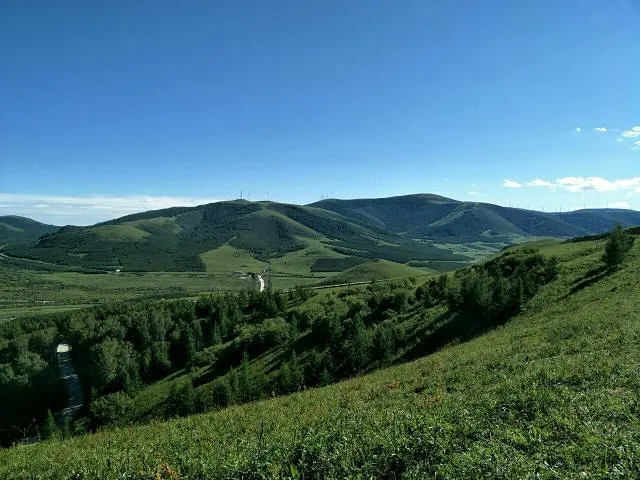
The Taihang Mountains in the west surge like a soaring dragon, their formidable range forming a natural barrier for the North China Plain. The eastern foothills feature the "Eight Passes of Taihang," vital corridors since antiquity linking the Central Plains with the northern frontiers. To the north, the Yan Mountains rise in layered peaks, where strategic passes like Shanhaiguan and Juyongguan have witnessed countless historical upheavals. These highlands are not only the geographical embodiment of the saying "Yan and Zhao produce heroic souls," but also cradle wonders such as the karst formations of Laiyuan's Baishi Mountain and the Danxia landscapes of Zanhuang's Zhangshi Rock, representing the essence of North China's geological museum.
Central Hebei Plain: The Fertile Heartland, Granary of the Nation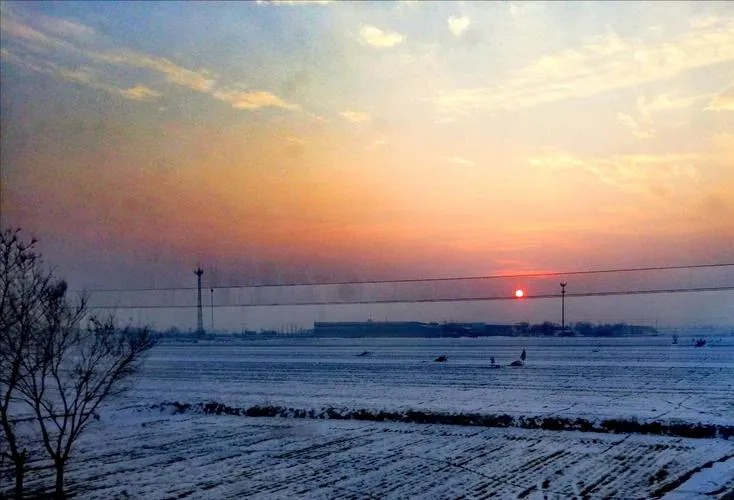
The vast Hebei Plain forms the core of the North China Plain. Nourished by river systems like the Hutuo, Yongding, and Daqing, it gave rise to one of the earliest intensive farming civilizations. This expansive, fertile land, with its golden waves of wheat, is not only a "granary of the nation" ensuring food security but also a crucial transportation hub connecting Beijing, Tianjin, and the rest of the country. From the modern agricultural zones of Shijiazhuang to the wetland ecosystem of Baiyangdian, this plain maintains an unceasing vitality.
Bashang Plateau: A Transition Zone of Cultural Convergence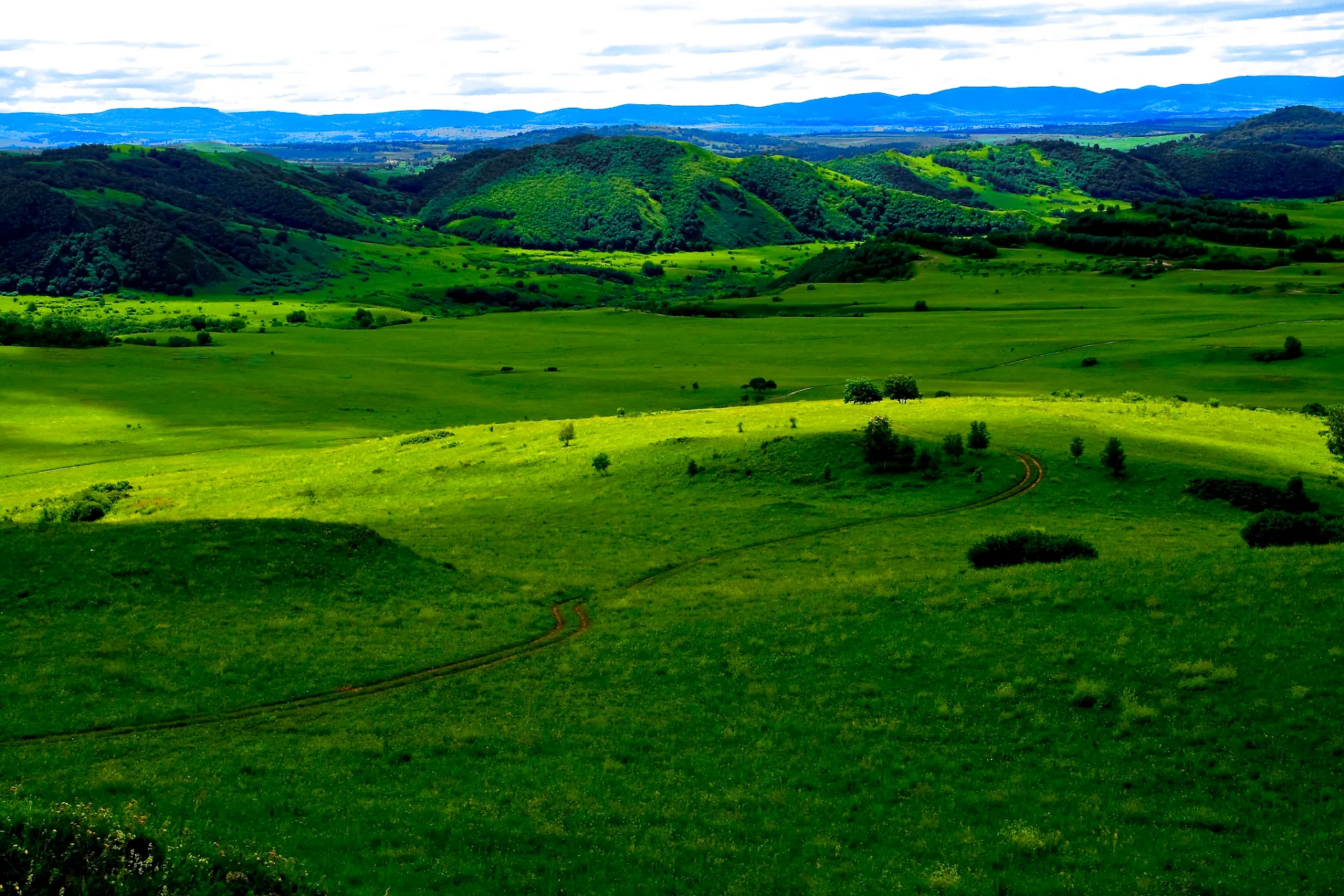
The Bashang region in the north borders the Inner Mongolian Plateau, where vast skies meet endless grasslands. The winding Shandian River and the herds dotting the Ulan Butong grasslands portray both the nomadic ballad of "boundless skies and wild expanses" and the poetic imagery of "grass bowing low, revealing cattle and sheep." As a transitional zone where agrarian and nomadic civilizations meet, the Bashang Plateau showcases Hebei's diverse and inclusive cultural character through its unique geographical position.
Climate: The Rhythms of North China's Four Seasons
Hebei experiences a temperate continental monsoon climate, where each season paints with a distinct brush, creating meticulously crafted scenes that fully express the myriad charms of the North.
Spring (March-May): An Overture of Renewal Amidst the Winds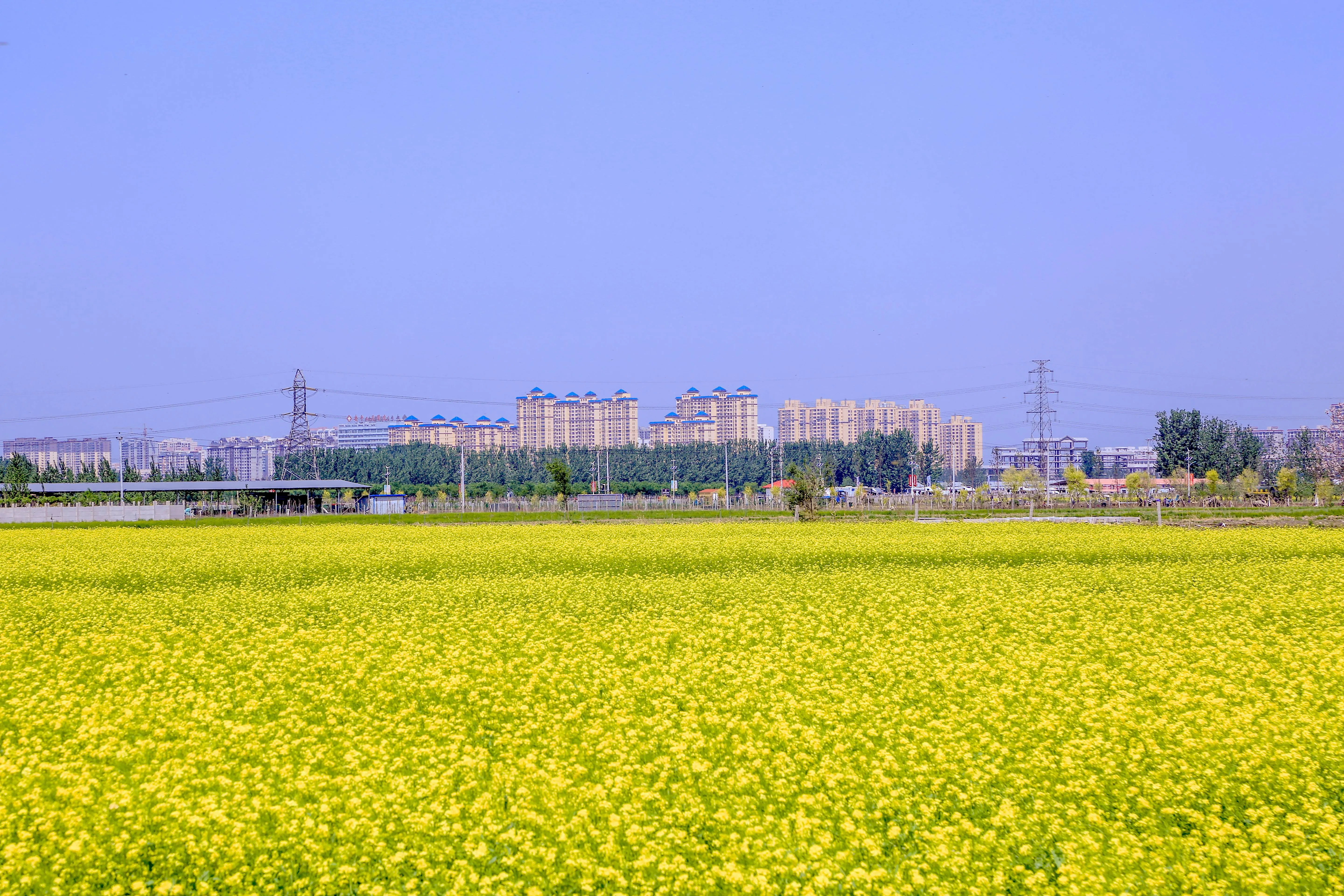
As the last chill melts away with the southeastern monsoons, the land of Hebei awakens amidst alternating winds and warm sunshine. Wheat shoots break through the soil in the southern plains, carpeting the land in fresh green, while pear blossoms near Zhaozhou Bridge bloom on schedule, cloud-like and pure. Along the Taihang foothills, peach and apricot blossoms bloom in succession, set against the lingering snow in a unique spectacle. Though dust storms may occasionally sweep through, the air is already filled with the fresh scent of earth and blooming plants. Farmers begin a new year's labor in the fields, and the entire plain brims with burgeoning life.
Summer (June-August): A Movement of Vitality with Heat and Rain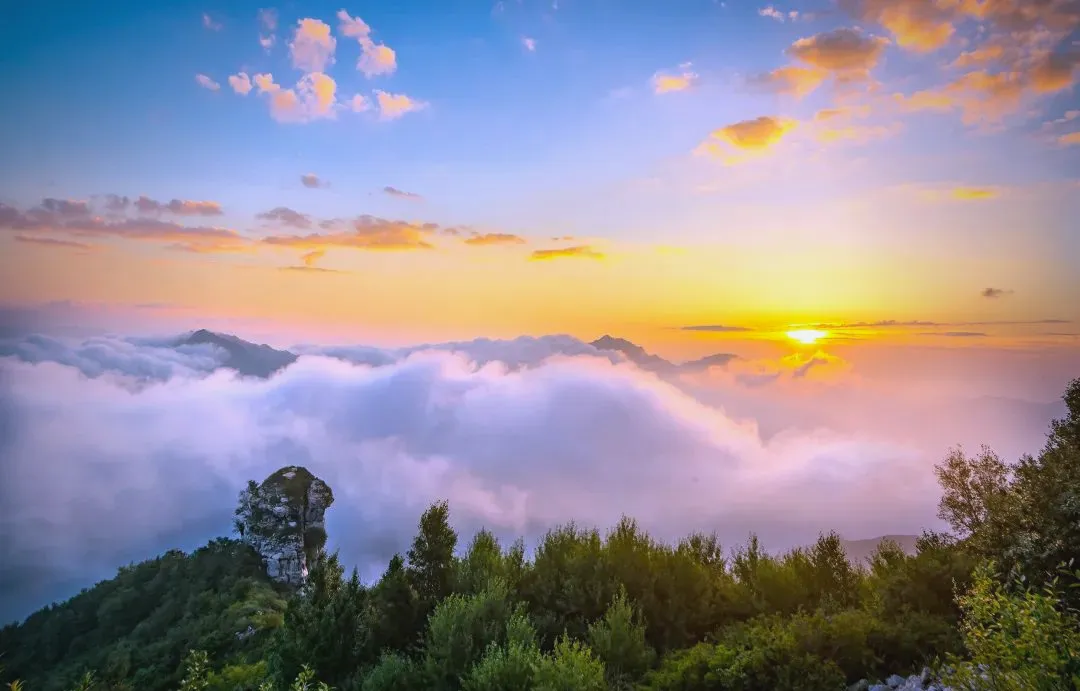
Warm, moist air from the ocean brings abundant rainfall, pushing this land into its most fervent season. The reed marshes of Baiyangdian stretch into an endless green curtain, while lotuses bloom in competition across the lakes, with the figures of boat-gathering fisherwomen glimpsed amongst them. The beaches of Beidaihe enter their prime season, where sea breezes gently caress the red-tiled roofs of classic villas, and the sunrise at Dove's Nest Park illuminates the figures of beachcombers. Deep within the Taihang Mountains, the roaring waterfalls of Yesanpo become the top choice for visitors from Beijing-Tianjin-Hebei seeking coolness and seclusion.
Autumn (September-November): A Symphony of Harvest in Golden Days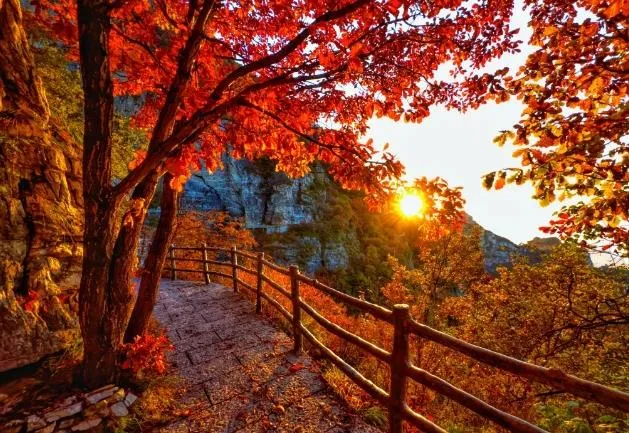
This is Hebei's most brilliant season—cool autumn winds brush the Bashang grasslands with gold, as birch and maple forests weave a colorful tapestry. Rice fields in the central plains ripple in golden waves, while Zhao County snow pears and Cangzhou golden thread dates ripen in succession, filling the air with a sweet fragrance. The ancient Great Wall appears even more majestic amidst the autumn colors, with the battlements of the Jinshanling section complementing the surrounding crimson leaves. The skies are exceptionally clear and bright, perfect for the "fine autumn weather when horses grow stout." The grassland Nadam Festival and farmers' harvest festivals take place one after another, celebrating the land's generous bounty.
Winter (December-February): A Serene Poem of an Icy World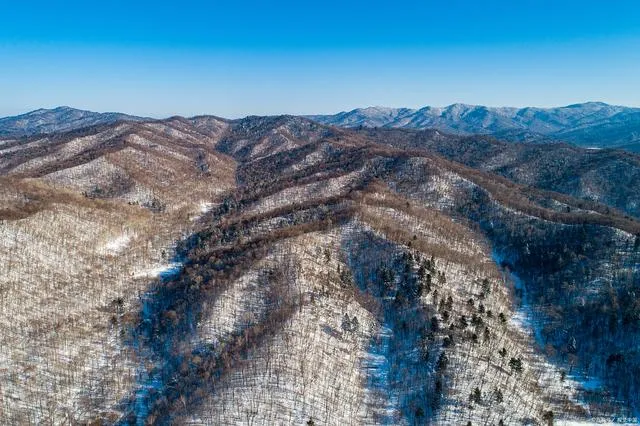
Cold currents from Siberia cloak Hebei in silver, sending this land into a tranquil hibernation. The snowy scenes of the Taihang Mountains are breathtaking—the frozen waterfalls of Zhangshi Rock hang like solidified galaxies, and the frost crystals on Baishi Mountain sparkle with clarity. Ski resorts in Chongli welcome their peak season, with the Olympic legacy continuing to shine, while the Chengde Mountain Resort takes on a unique charm in the snow, the steam still rising from the Rehe Spring. As the year draws to a close, the lantern festival in the ancient town of Zhengding is held as scheduled, and the aroma of stewed meat wafts from every household, guarding the warmest human comforts against the biting cold.
The Soul of Hebei: The Spirit of Yan and Zhao, The Backbone of China
In Hebei, every brick in the city walls is engraved with the rise and fall of dynasties, every mountain pass resonates with echoes of history. The legacy here encompasses both the solemn valor of ancient battlefields and the wisdom born from the fusion of civilizations, forging a character of inherent resilience and responsibility in the people of this land.
The Noble Spirit of Sacrifice: Heroes of Yan and Zhao
Jing Ke: The Eternal Knight of the Yi River's Lament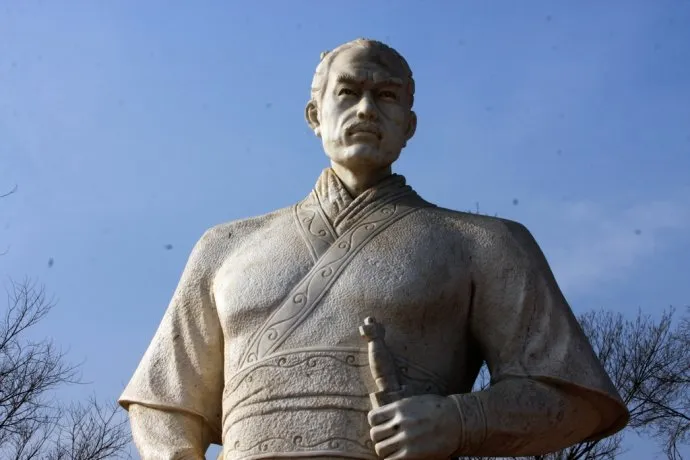
Upon Jing Ke Mountain in Yi County, an ancient octagonal pagoda stands solemnly. Ascending this site, one can almost still hear the mournful refrain—"The wind sighs cold o'er the Yi River's flow"—echoing through the valley. This knight, originally from the state of Wei, accepted the grave commission of Crown Prince Dan of Yan, carrying the head of Fan Wuji and a map of the Dukang region into the powerful western state of Qin. Though his ultimate attempt, revealed when "the map was unrolled and the dagger appeared," did not succeed, his commitment to honor at the cost of his own life has become the ultimate embodiment of the saying, "The lands of Yan and Zhao produce noble souls who sing of sorrow and sacrifice." To this day, the people of Hebei hold "keeping faith and fearing no tyranny" as a core virtue, a trait deeply rooted in the exemplary character of predecessors like Jing Ke.
King Wuling of Zhao: A Pioneer of Reform with 'Hu Clothing and Cavalry Archery'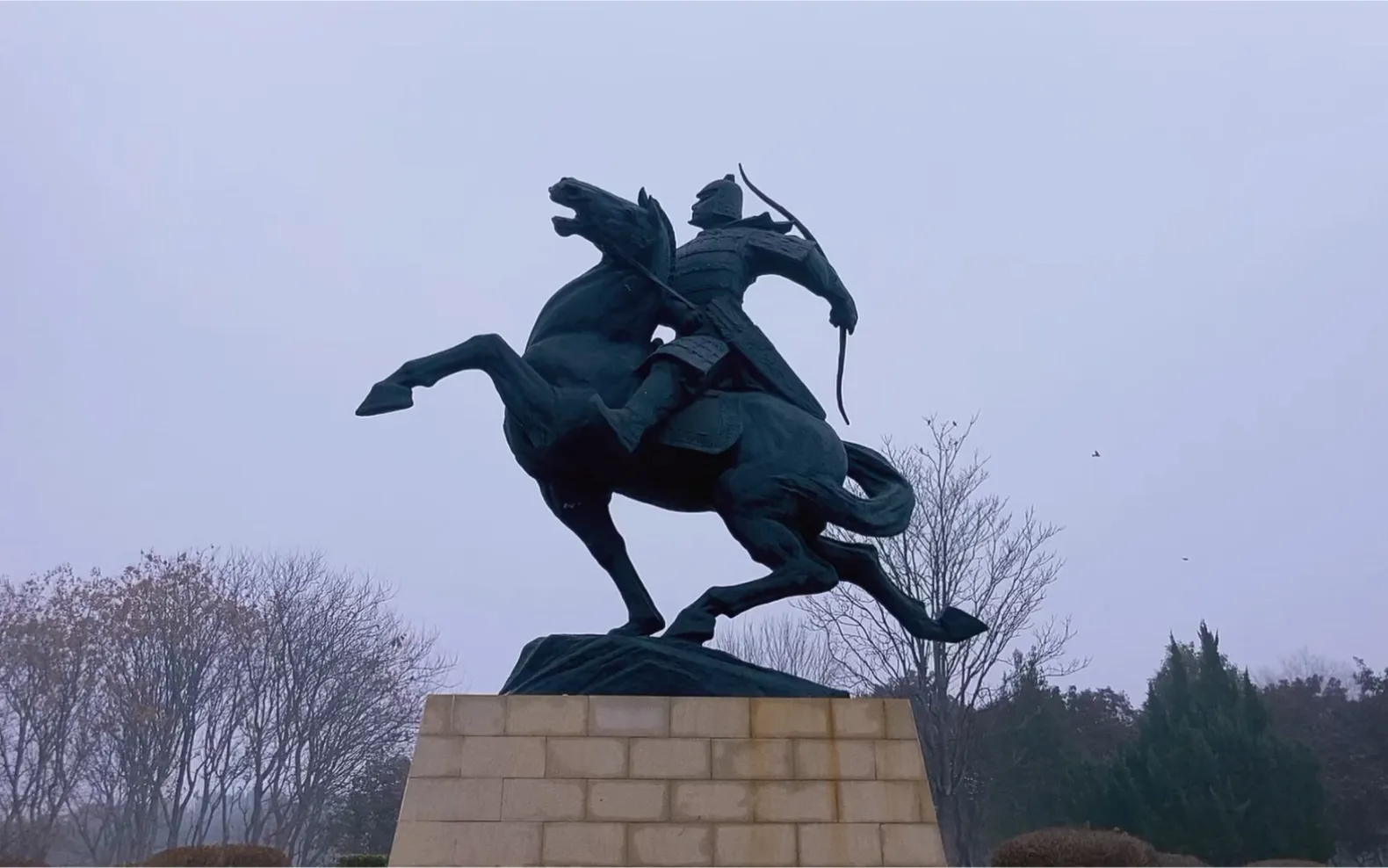
Amidst the ruins of the Zhao Royal City in Handan, one can still envision the bold vision of this formidable ruler. Facing threats from the state of Zhongshan and incursions by nomadic tribes, he overcame significant opposition to implement the policy of 'Hu Clothing and Cavalry Archery'—adopting the close-fitting attire of northern peoples instead of traditional robes, and replacing chariots with mobile cavalry, thereby pioneering military reform in ancient China. This transformation not only secured Zhao's place among the seven powerful warring states but, more importantly, set a precedent for the Central Plains civilizations to learn from neighboring peoples. The pragmatic and innovative spirit of King Wuling of Zhao remains a vital source of the openness and adaptability in Hebei's culture today.
Masters of Civil and Military Arts: Pillars of the Nation
Liu Bei and Zhao Yun: Embodiments of Loyalty, Righteousness, and Courage
Within the Sanyi Palace in Zhuozhou, ancient cypress trees tower skyward, and the statues of Liu, Guan, and Zhang in the main hall command deep reverence—this site commemorates the most famous oath of brotherhood in Chinese history. In the Zhao Yun Temple in Zhengding, the white robe and silver spear of Zhao Zilong of Changshan seem to gleam still; this general, celebrated as "a man whose every fiber was courage," earned lasting admiration for his loyal and brave rescue of his lord at the Battle of Changban Slope. The spirit of "Loyalty, Righteousness, Benevolence, and Courage" embodied by these figures, popularized through the Romance of the Three Kingdoms, has become deeply embedded in the collective consciousness, forming the most significant moral compass in the character of Hebei's people.
Li Dazhao: A Pioneer Shouldering Righteousness with an Iron Resolve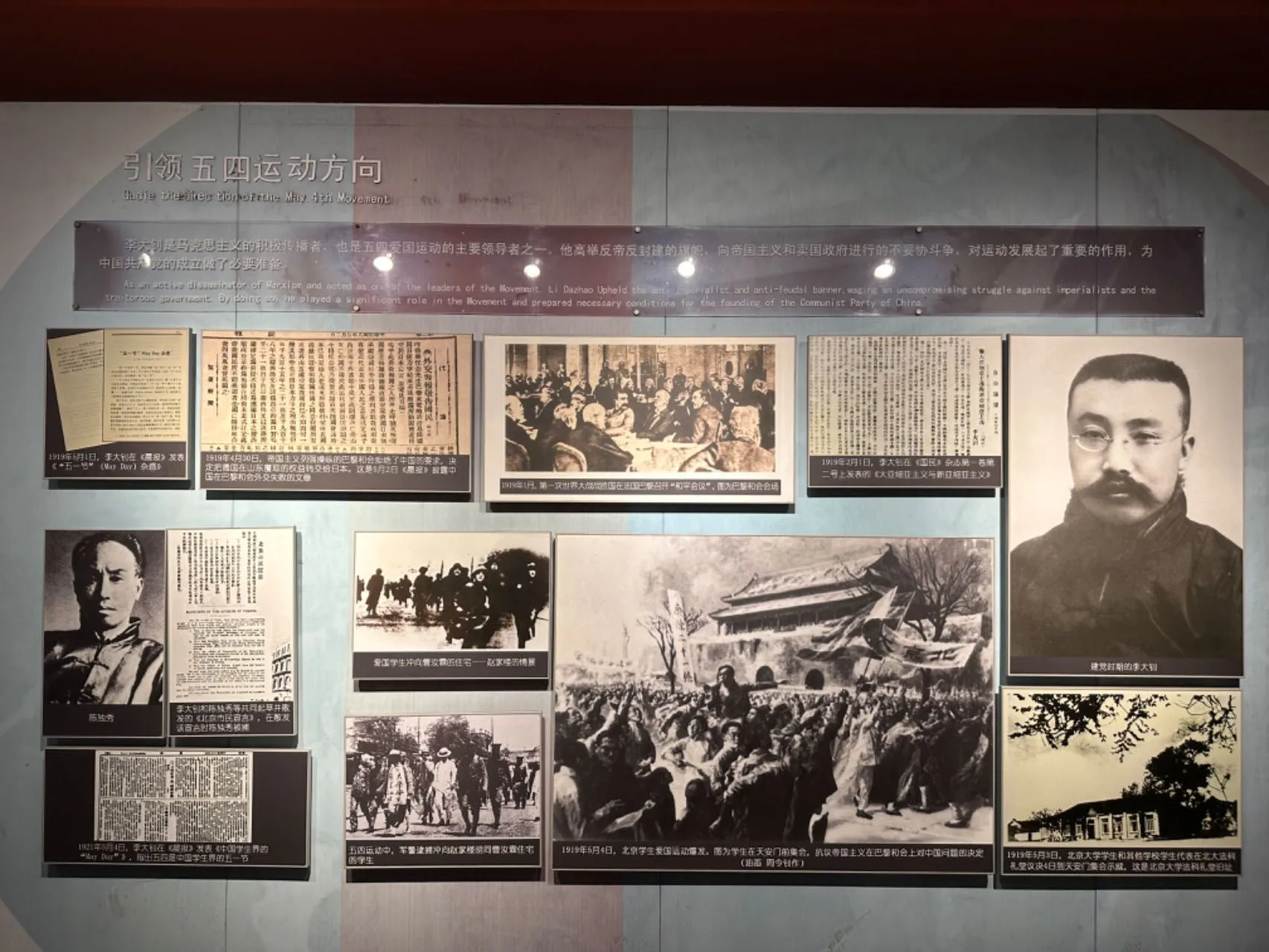
Li Dazhao's former residence in Daheituo Village, Laoting County—a grey-brick courtyard with grey-tiled roofs—bears witness to the upbringing of a great man. From here emerged Mr. Shouchang (Li Dazhao), who was among the first to disseminate Marxist thought in China, played a key role in founding the Communist Party of China, and ultimately gave his life for his ideals. His essay "My Marxist Views," published in New Youth, and the Marxist Research Society he led at the Red Building of Peking University, exemplify his spirit of "shouldering righteousness with an iron resolve." The revolutionary fervor of this pioneer of China's communist movement continues to inspire the people of Yan and Zhao to march courageously forward.
These historical figures stand as luminous beacons of their times; their character and spirit have long since melded with the very landscape of Hebei, becoming the profoundest cultural heritage of this land. From the ancient spirit of chivalry to the modern revolutionary will, from the audacity to enact change to the virtues of loyalty and courage—these qualities collectively constitute the unique regional character of the people of Hebei. They have also ensured that the "Unyielding Character of Yan and Zhao" forms an indispensable and vital chapter in the epic of Chinese civilization.
The Elegance of Cities: Each Place a History, Each City a Soul
The magnificent epic of Hebei is collectively authored by its eleven prefectural cities. From the ancient capital at the foot of the Yan Mountains to the modern port city on the Bohai Bay, from the dawn of civilization in the Taihang Mountains to the northern frontier charm of the Bashang grasslands, each city is an indispensable and brilliant chapter in the long scroll of Chinese civilization.
Shijiazhuang: A New City's Depth, A Century's Transformation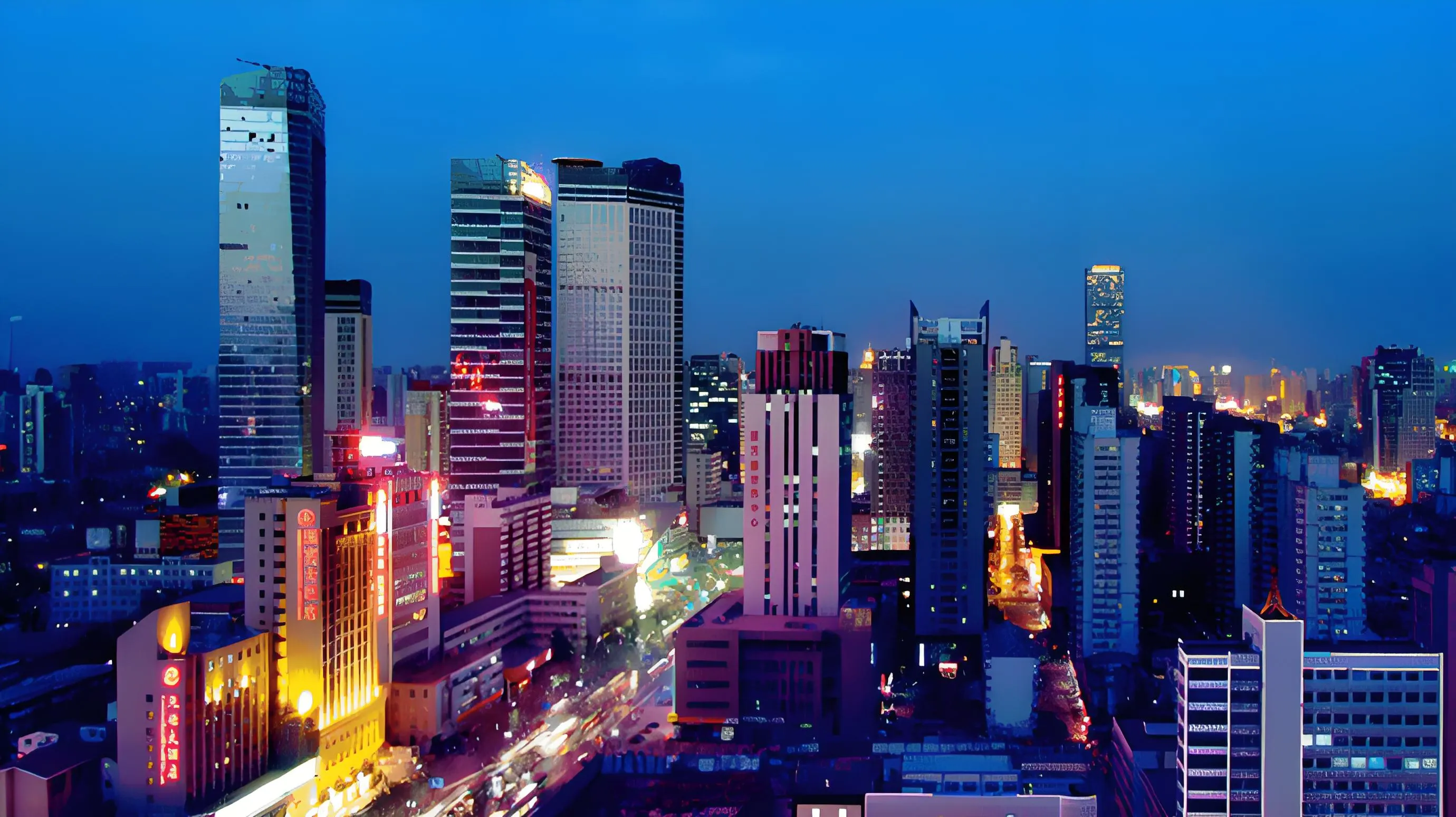
This "city born from the railway" is a vivid microcosm of modern Hebei's development. The Ming Dynasty murals in the Pilu Temple uniquely blend Confucianism, Buddhism, and Taoism on a single wall, representing the pinnacle of Eastern mural art. The "Four Pagodas and One Temple" of the Zhengding Ancient Town carry a millennia-old cultural lineage dating back to the Tang Dynasty, and within the Rongguo Mansion, the echoes of Dream of the Red Chamber seem to linger. From a small village to a provincial capital, from a textile base to a new highland for the biomedical industry, its rise is itself an epic of China's modernization.
Baoding: Gateway to the Capital, Legacy of the Directly-Administered Province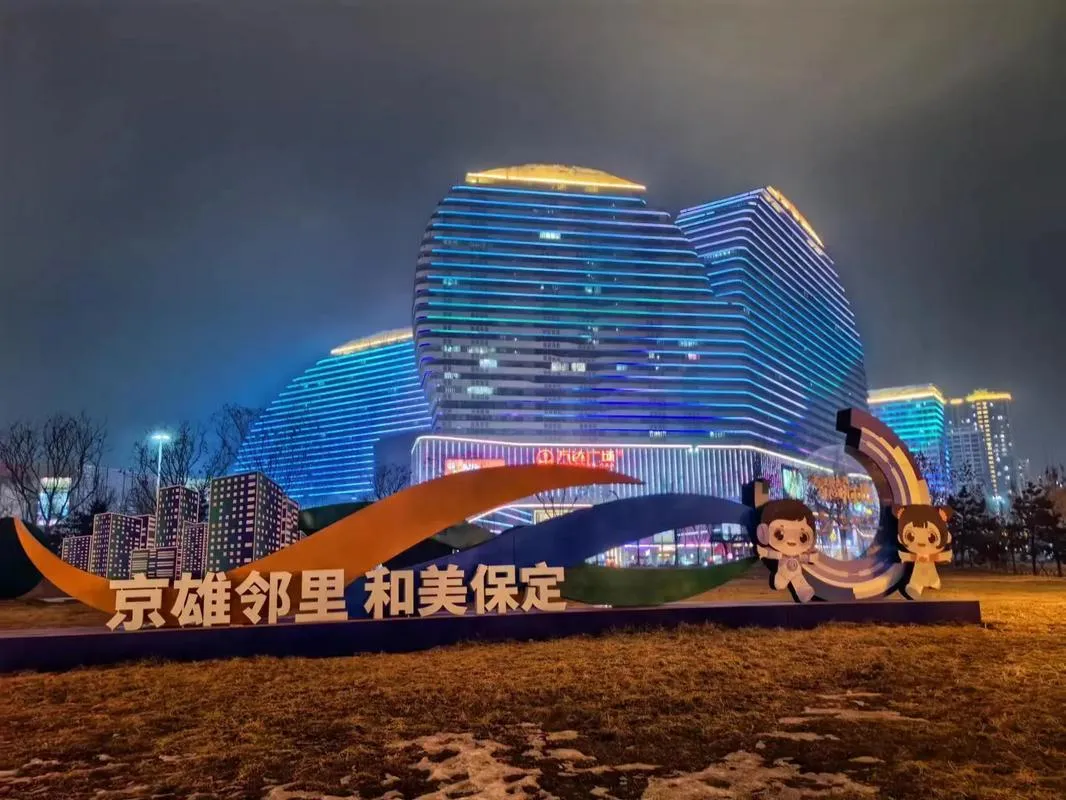
Baoding, strategically positioned "controlling the northern passes and reaching the southern provinces," was once the seat of the Zhili Viceroy, bearing the mission of guarding the capital. The resonant recitations from the Ancient Lotus Flower Academy have traversed three hundred years, nurturing countless talents who served the world. Amidst the hundred-mile fragrance of lotus blossoms in Baiyangdian, the legends of the Wild Goose Force Squadron are still recounted among the reed marshes. This crucial metropolitan guardian has shaped a unique character, adept in both civil and military arts.
Chengde: Pearl Beyond the Great Wall, Model of Integration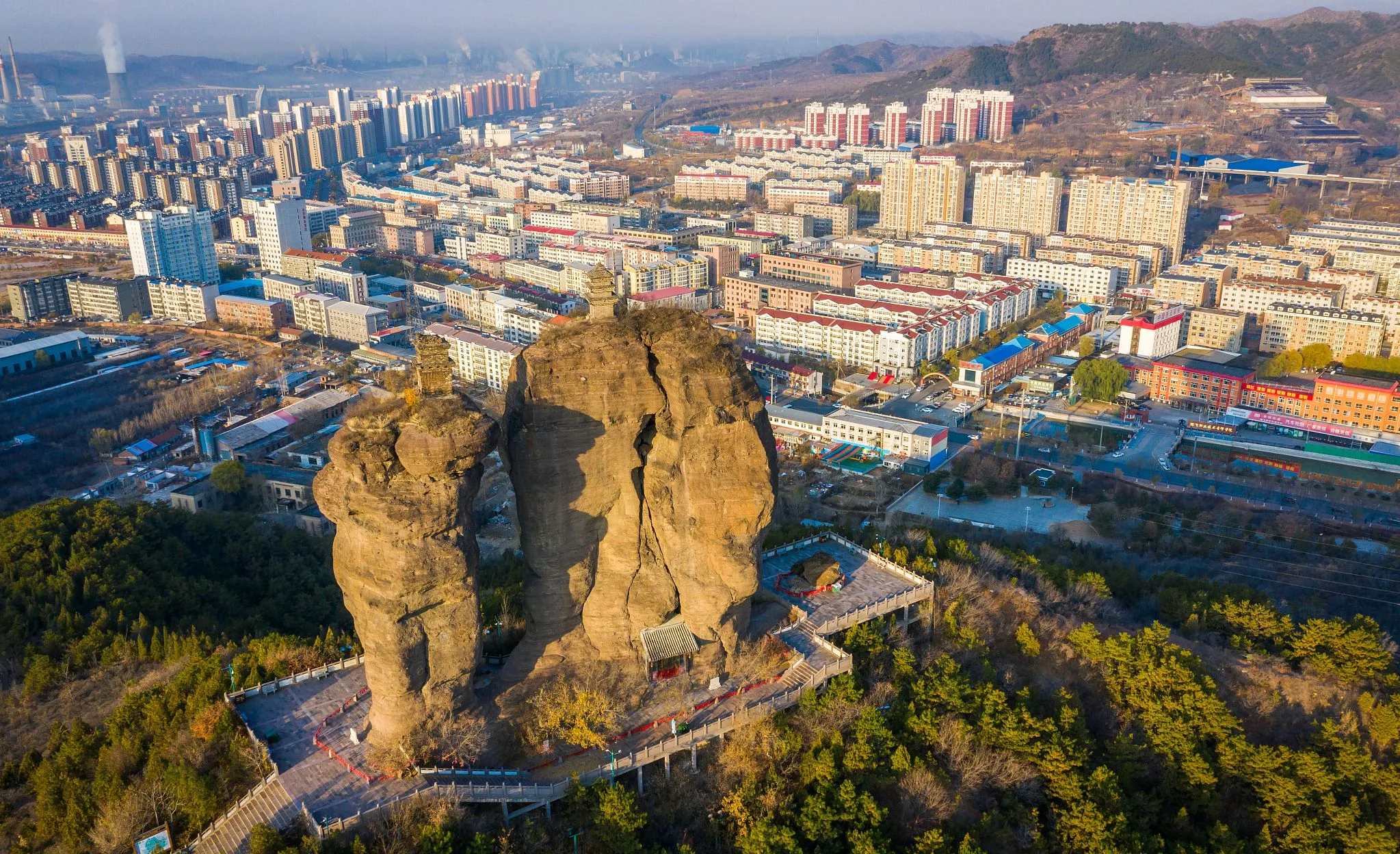
The Chengde Mountain Resort is not only the ultimate masterpiece of Qing Dynasty imperial garden art but also a symbol of ethnic integration and national unity. The diverse architectural styles of the Eight Outer Temples, from the Chinese-style Puning Temple to the Tibetan-style Putuo Zongcheng Temple, bear witness to the governance wisdom of "uniting hearts within and without, achieving the cause of consolidation" in Chinese civilization. Every stone inscription, every pavilion here narrates the formative process of the unified multi-ethnic state.
Handan: An Ancient City of Three Millennia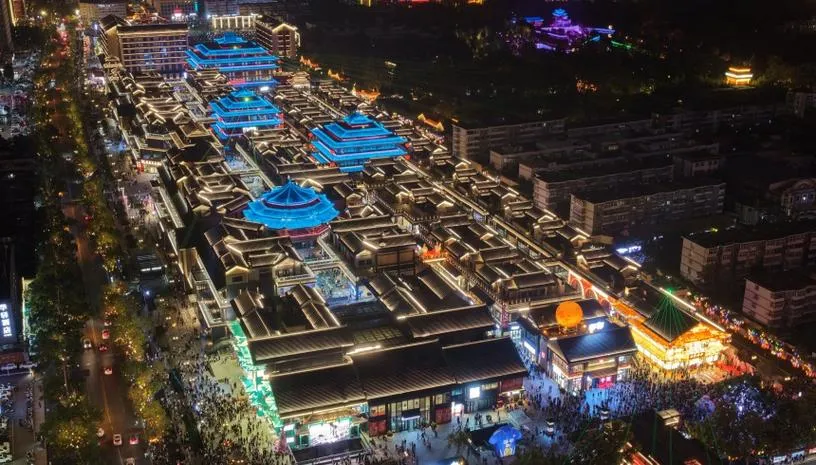
As the only historically and culturally renowned city in China that has never changed its name in three thousand years, Handan carries the profound genes of Chinese civilization. It is the "Capital of Chinese Idioms." The stone bridge of "Learning the Handan Walk," the Lǚ Xian Shrine of the "Golden Millet Dream"—these sites witness the birth of over 1,500 idioms, making it a living dictionary of idioms. The majestic Dragon Platform at the Zhao Royal City ruins speaks of King Wuling of Zhao's reformist courage in "adopting the Hu attire and cavalry archery." The remnants of the Bronze Sparrow Platform at the Ye City ruins sing the heroic and sorrowful songs of the Jian'an literary style. The Northern Qi sculptures in the Xiangtangshan Caves pushed Buddhist art to new heights. Today's Handan, while modernizing, still guards these cultural genes, allowing the ancient civilization to be revitalized within a steel metropolis.
Tangshan: The Phoenix City Reborn from the Ashes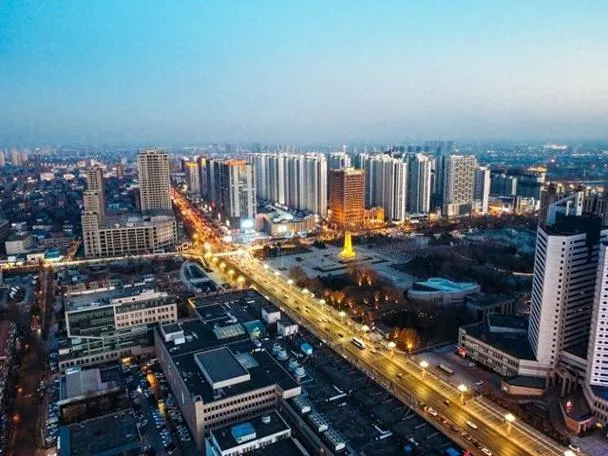
The cradle of China's modern industry, the underground tunnels of the Kailuan Mine and the steam whistle of the "Dragon" locomotive witnessed the dawn of industrial civilization. The 1976 earthquake leveled the city, but the resilient people of Tangshan, with the earthquake relief spirit of "selfless dedication and sharing hardships," rebuilt their homes from the ruins. Today's Tangshan sees ten-thousand-ton ships shuttling busily at the Caofeidian Port, making it a vital hub of the "Belt and Road." The Nanhu Ecological City has transformed a coal mining subsidence area into an "urban green lung," successfully hosting the International Horticultural Exposition. Having undergone nirvana, this city is soaring on the wings of high-end equipment manufacturing and green development along the Bohai Bay.
Qinhuangdao: A Millennial Dialogue Between Mountain and Sea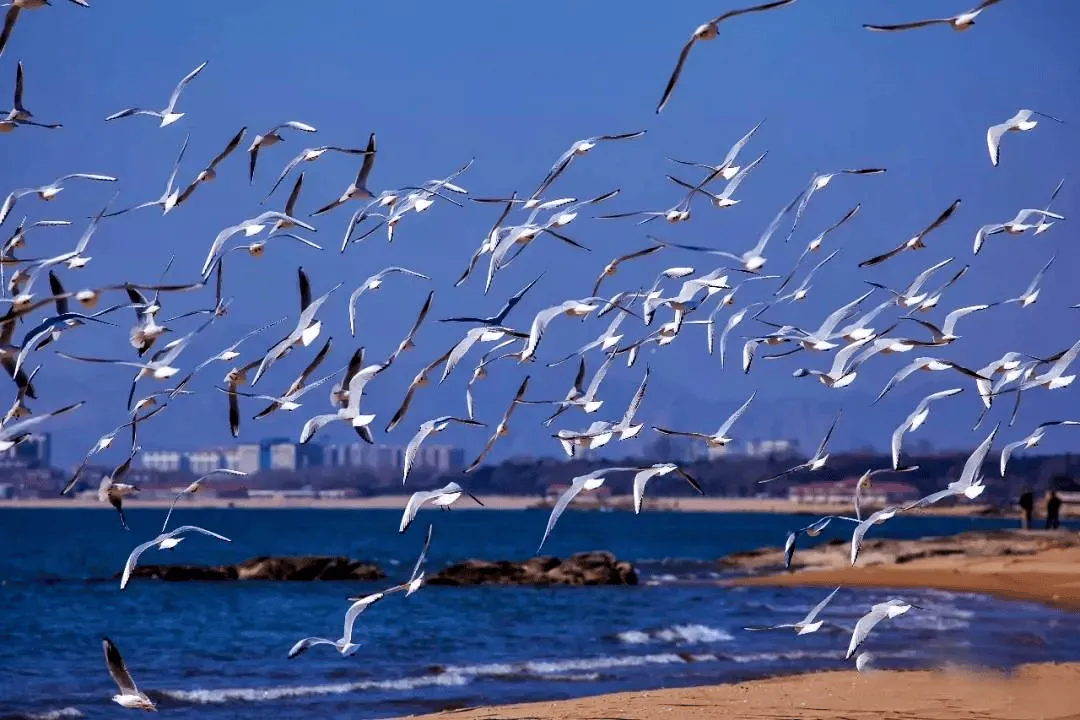
Here, the Great Wall raises its head and enters the sea. Laolongtou (Old Dragon's Head), steeped in six centuries of tides, tells the maritime ambitions of the Chinese nation with every weathered brick. Traces of Qin Shi Huang's eastern tour seeking immortality remain; the Jieshi Mountain still echoes with the eternal verses of Emperor Wu of Wei: "I come east to Jieshi to gaze on the boundless sea." The cosmopolitan architecture and golden beaches of Beidaihe complement each other, witnessing its elegant transformation from a century-old summer resort to an international tourism port. This is both the endpoint where emperors sought the immortals and the sea and the starting point of modern maritime civilization—the historical memories preserved in the Shanhaiguan Great Wall Museum and the industrial heritage of the West Port Garden compose a symphony across time and space, of mountain and sea.
Other Cities: Cultural Codes of the Land of Yan and Zhao
Zhangjiakou: Modern Legend of the Grassland Silk Road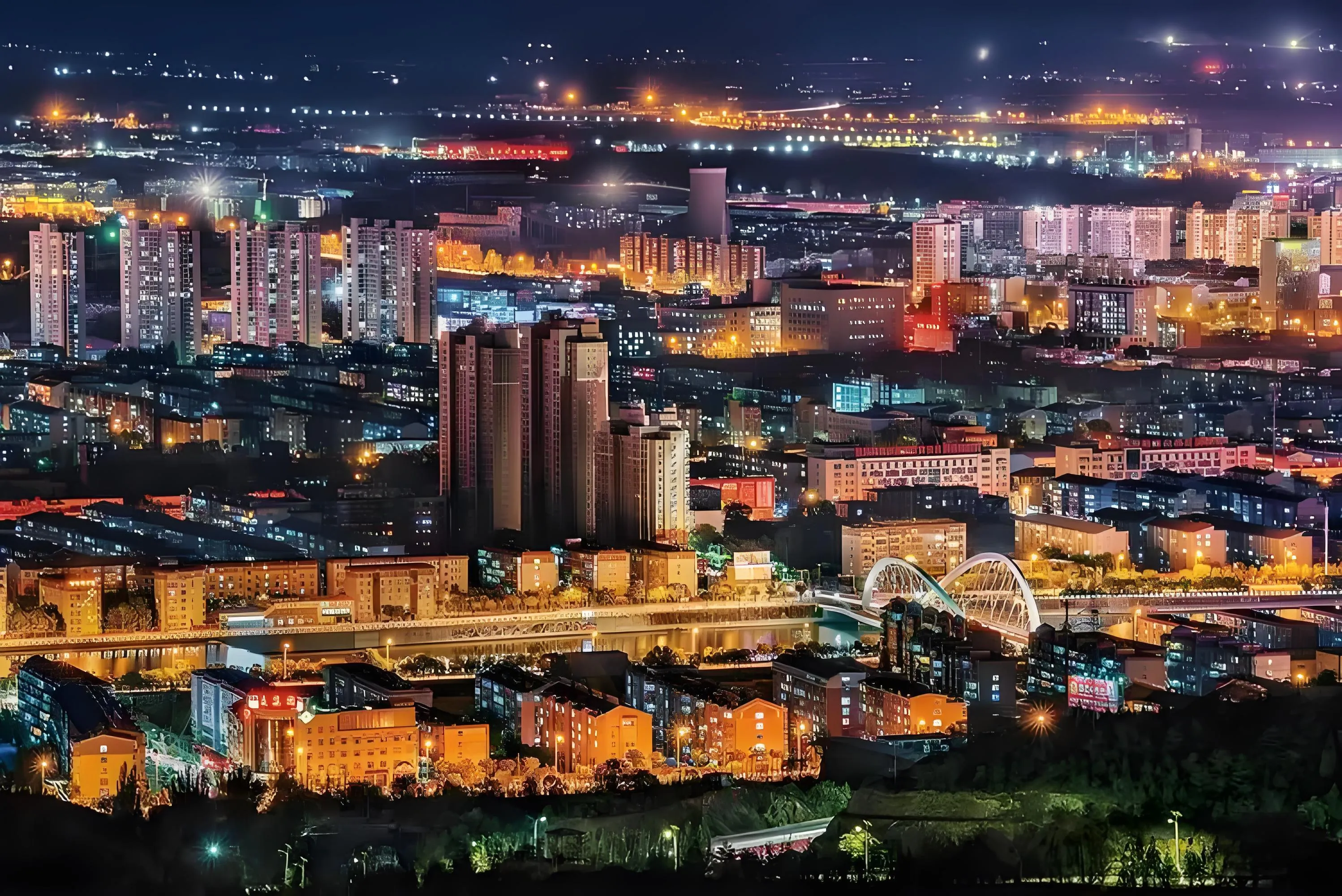
The camel bells of the Zhangku Ancient Road seem to echo through time, while the plaque bearing "Magnificent Rivers and Mountains" atop Dajing Gate testifies to this frontier pass's enduring majesty. Today, the exhilaration of the Winter Olympics still permeates the ski slopes of Chongli. Evolving from a historic trading post to a celebrated winter sports destination, this renowned city beyond the Great Wall is now crafting a new legend for the modern era.
Cangzhou: The Way of Civil and Military Arts in the Hometown of Martial Arts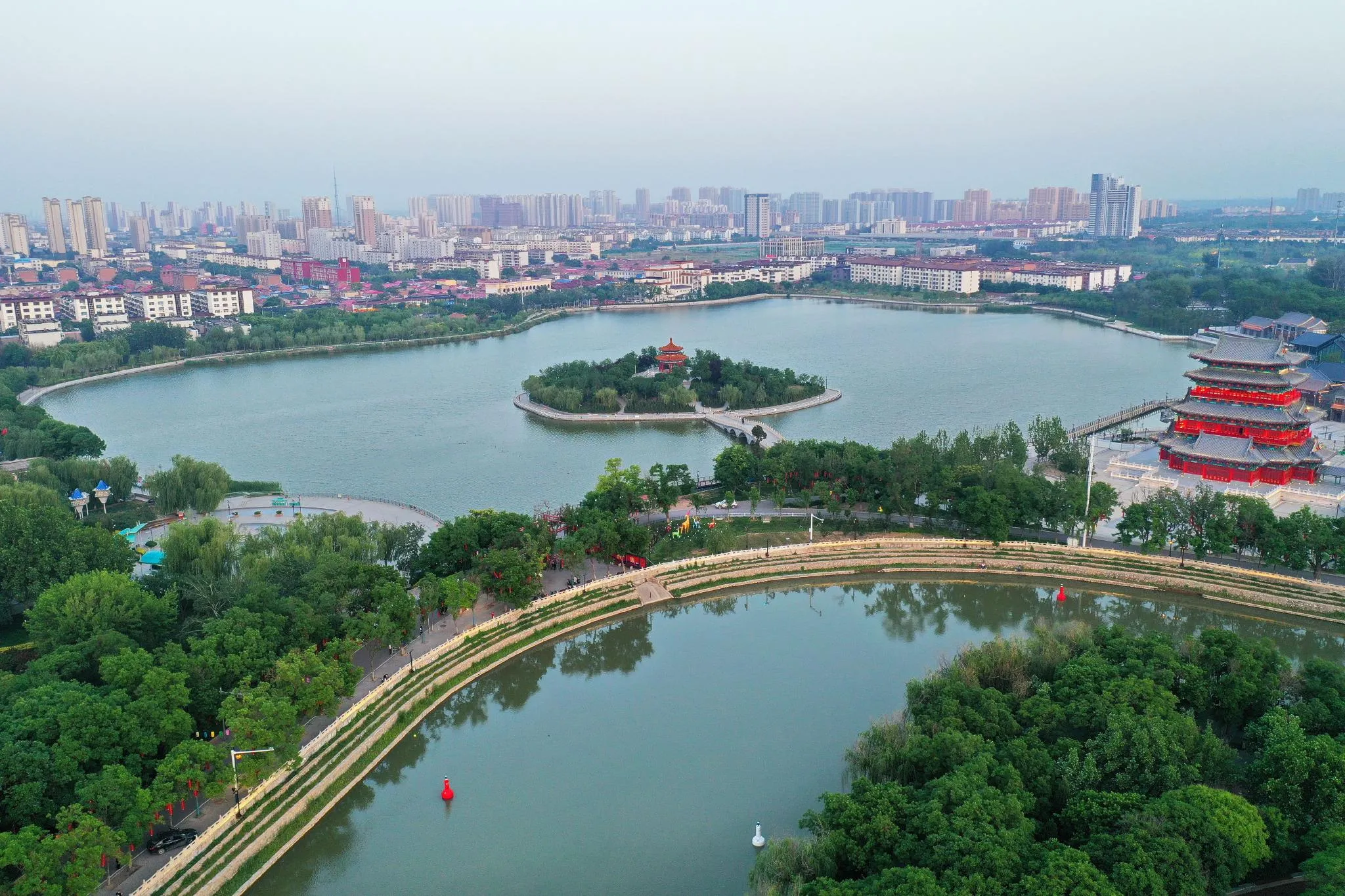
The rule "No escort dared announce their presence in Cangzhou" speaks to the formidable reputation of this martial arts city. Styles like Baji Quan and Liuhe Quan were developed and perfected here. By the Grand Canal, the Xiejia Dam in Lianzhen Town testifies to ancient hydraulic engineering wisdom. The Iron Lion has stood guard for a thousand years, protecting the city's essential spirit.
Xingtai: Traces of Time in an Ancient Capital of Three DynastiesIts ancient name "Jingfang" records the history of King Zu Yi of Shang establishing his capital here; the bell of the Kaiyuan Temple, a thousand-year-old ancient monastery, chimes melodiously. The Bian Que Temple honors the sacred doctor of Chinese medicine; the Guo Shoujing Memorial Hall commemorates the wisdom of this astronomical giant. From ancient metallurgy to modern equipment manufacturing, this ancient city has always advanced through innovation.
Hengshui: A City of Education with Rich Confucian Charm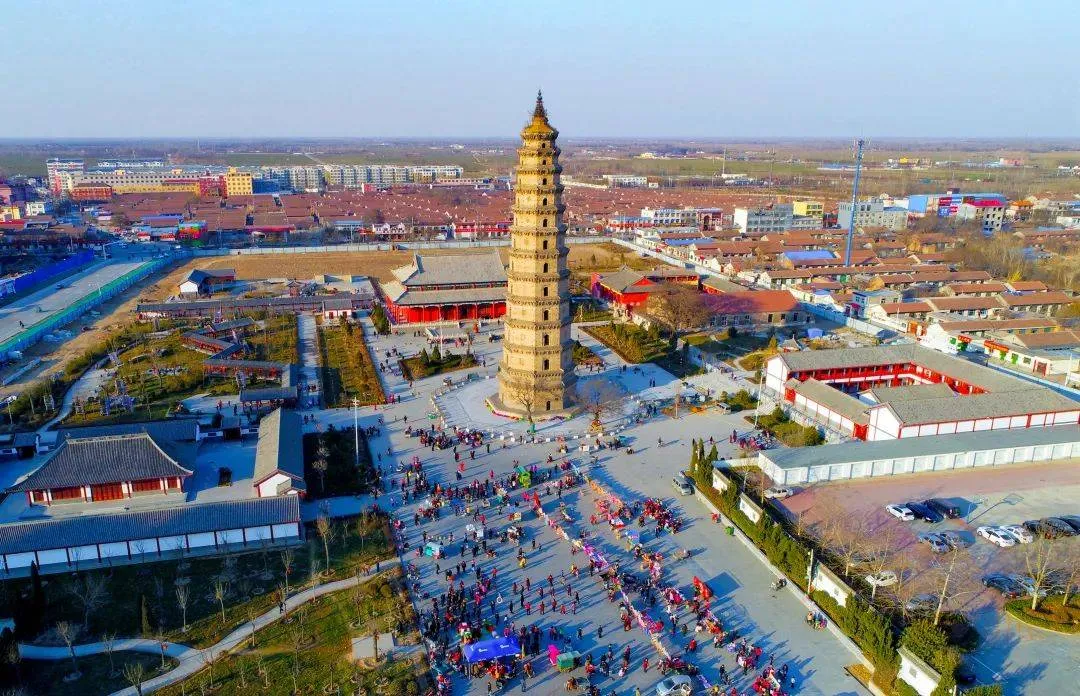
The memorial hall of Dong Zhongshu by Hengshui Lake remembers the great Confucian scholar of the Han Dynasty who advocated "dismissing the hundred schools of thought and respecting only Confucianism." Its educational legend is renowned nationwide, while the mellow aroma of Hengshui Laobaigan liquor and the exquisite artistry of inside-painted snuff bottles equally showcase the city's cultural depth.
Langfang: A Green Pearl on the Beijing-Tianjin CorridorAs the "Pearl on the Beijing-Tianjin Corridor," Langfang has carved out its unique niche nestled between these two major metropolises. The majestic walls of the CITIC Guoan First City meticulously recreate the grandeur of old Beijing, while the Dachang Film Studio Town attracts a growing cluster of cultural and creative enterprises. Evolving from its roots as a primarily agricultural region into a burgeoning hub of technology, this young and dynamic city radiates vibrant energy and potential.
A Legacy of Learning: Passing the Torch, Cultivating Character
On the fertile soil of Hebei, institutions of higher learning are scattered like pearls, passing down the flame of civilization and nurturing pillars for our times.
Hebei University of Technology: An Engineering Legacy, Guided by Diligence, Prudence, Devotion, and Loyalty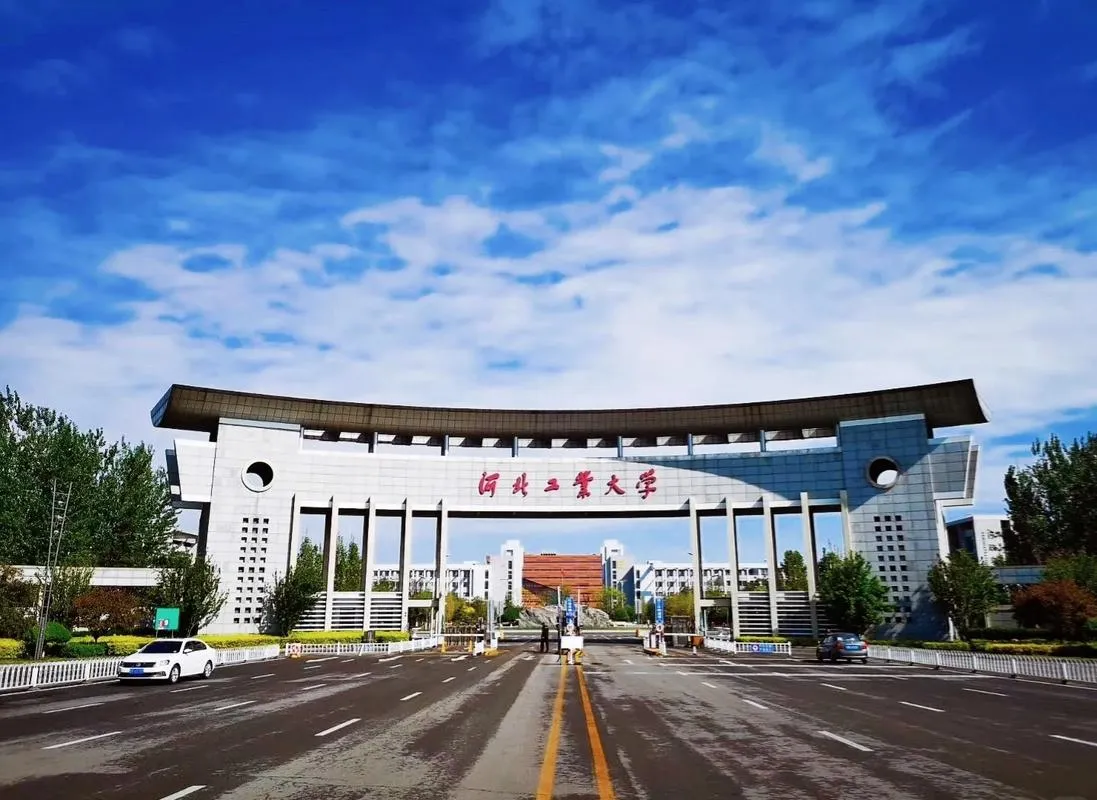
Though located in Tianjin, its roots lie firmly in Hebei. As one of China's earliest engineering colleges, its motto of "Diligence, Prudence, Devotion, and Loyalty" has nurtured generations of students. Its renowned programs in Electrical Engineering and Materials Science continue to supply talent for the industrial development of Hebei and the nation.
Yanshan University: Nurturing Mechanical Engineering Talent, A Foundation for Major National Projects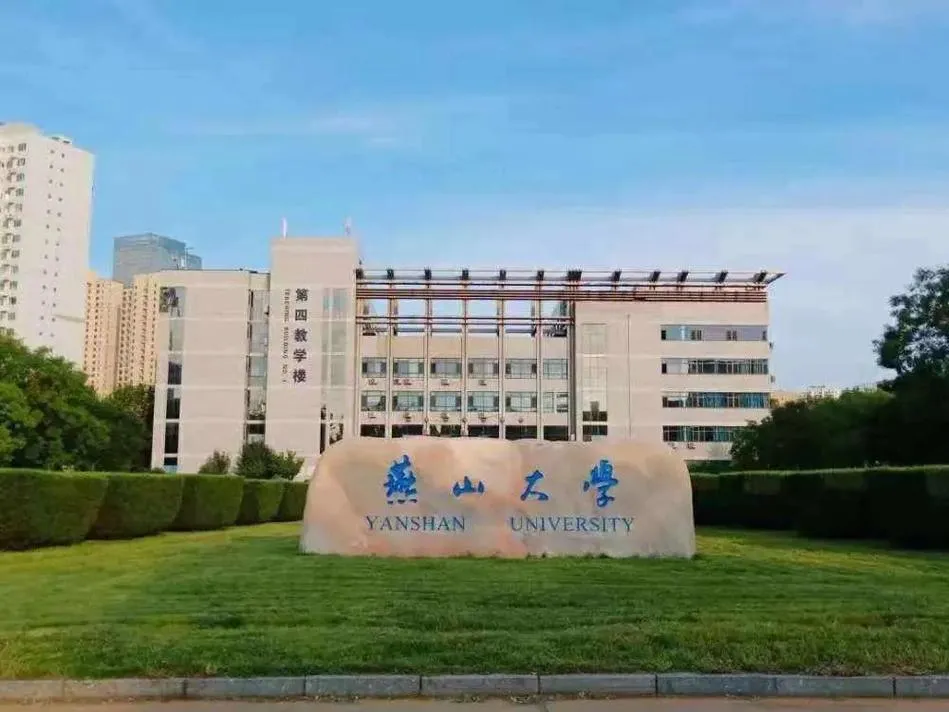
Originating from Harbin Institute of Technology and now firmly rooted in Qinhuangdao, Yanshan University enjoys a prestigious reputation in mechanical engineering, often called the "Cradle of China's Mechanical Engineers." It has made significant contributions to the development of the national heavy machinery and equipment manufacturing industries.
Hebei University: A Continuous Cultural Vein, Seeking Truth from Facts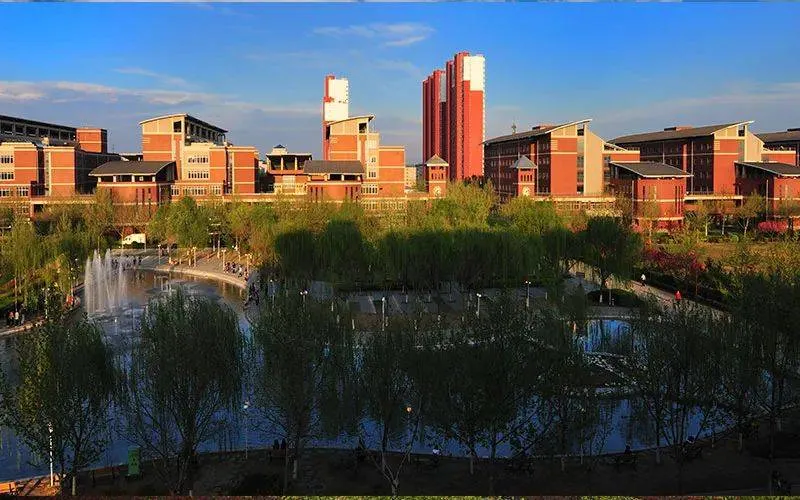
This century-old institution in Baoding embodies the pragmatic spirit of the Hebei people through its motto, "Seeking Truth from Facts." It possesses considerable strength in the humanities and social sciences, with distinctive research in areas like Song Dynasty history and Chinese classical philology.
Other Institutions: A Hundred Flowers Bloom, Each with Unique Strengths
- North China Electric Power University: A leading institution in the energy and power sector, its moniker "Whampoa of the Electric Power Industry" speaks to its esteemed reputation.
- Hebei Normal University: For a century, this teachers' college has cultivated countless educational professionals for the land of Yan and Zhao.
- Hebei Medical University: A vital base for training medical and health talents, safeguarding the well-being of the people.
Scenic Wonders and Historic Sites: A Microcosm of China, Blending Ancient and Modern
The scenic wonders and historic sites of Hebei are both precious imprints left by the long river of history and exquisite creations of nature's divine craftsmanship. Every mountain, every river, every garden, and every pass here carries profound historical and cultural significance, showcasing unique natural charm.
Historical Imprints, Testaments of Civilization
The Chengde Mountain Resort and its Outlying Temples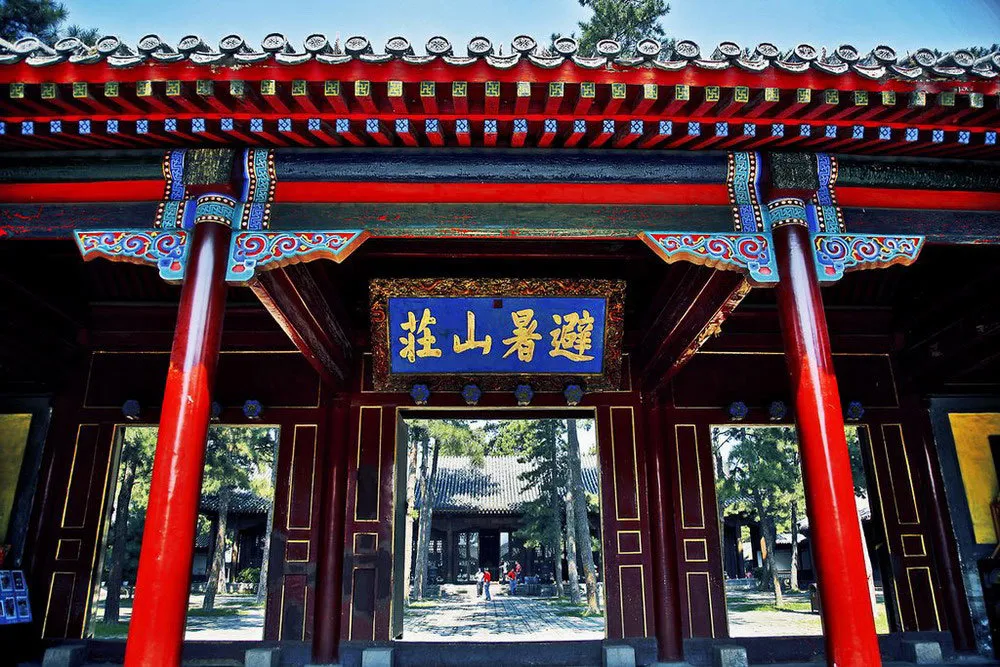
This largest surviving Qing Dynasty imperial garden is hailed as the "pinnacle of Chinese classical garden art." The scent of nanmu wood still lingers in the Danbo Jingcheng Hall, while the Misty Rain Tower recreates the scenery of Jiangnan north of the Great Wall. Encircling the resort like stars surrounding the moon, the twelve outlying temples—including the Han-style Puning Temple, the Tibetan-style Putuo Zongcheng Temple, and the Sino-Tibetan hybrid Pule Temple—form a magnificent picture of diverse religious and cultural integration. They bear witness to the Qing Dynasty's governance wisdom of "uniting hearts within and beyond, consolidating the foundation of the empire."
Shanhai Pass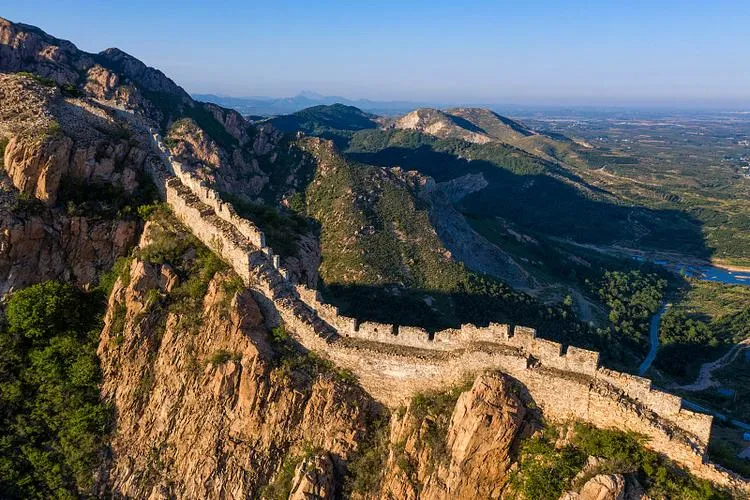
Renowned as the "Peerless Lock of the Two Capitals, the First Pass under Heaven," the five powerful characters on its gate tower have endured for six hundred years. Laolongtou (Old Dragon's Head) extends into the Bohai Sea like a dragon drinking water, while the Jiaoshan Great Wall winds up the mountainside like a swimming dragon ascending. This site represents not only the essence of the Ming Dynasty's Great Wall defense system but also a symbol of the Chinese nation's tireless and self-reliant spirit. Standing atop the pass, reflecting on past and present, one can almost still hear the historical echoes of Qi Jiguang overseeing defenses and Wu Sangui opening the gates.
The Western Qing Tombs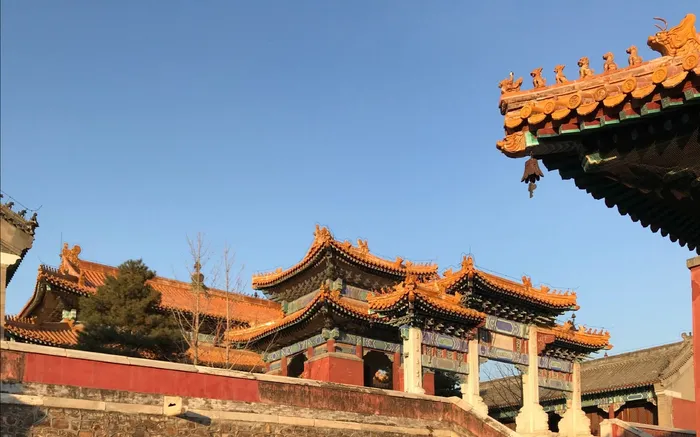
Nestled at the foot of Yongning Mountain, this complex of Qing imperial mausoleums is one of the most complete surviving ancient tomb architectural groups in China. The stone statues along the Spirit Way of the Tailing Mausoleum are solemn and majestic; the Golden Nanmu Hall of the Muling Mausoleum exudes a subtle fragrance; the Echo Wall of the Changxiling Mausoleum rivals that of the Temple of Heaven. Serving as the final resting place for the Yongzheng, Jiaqing, Daoguang, and Guangxu Emperors, and embodying the "harmony between heaven and man" in its architectural philosophy, this site stands as a living museum for studying Qing Dynasty politics, culture, and art.
Natural Marvels, Divine Craftsmanship
Baishi Mountain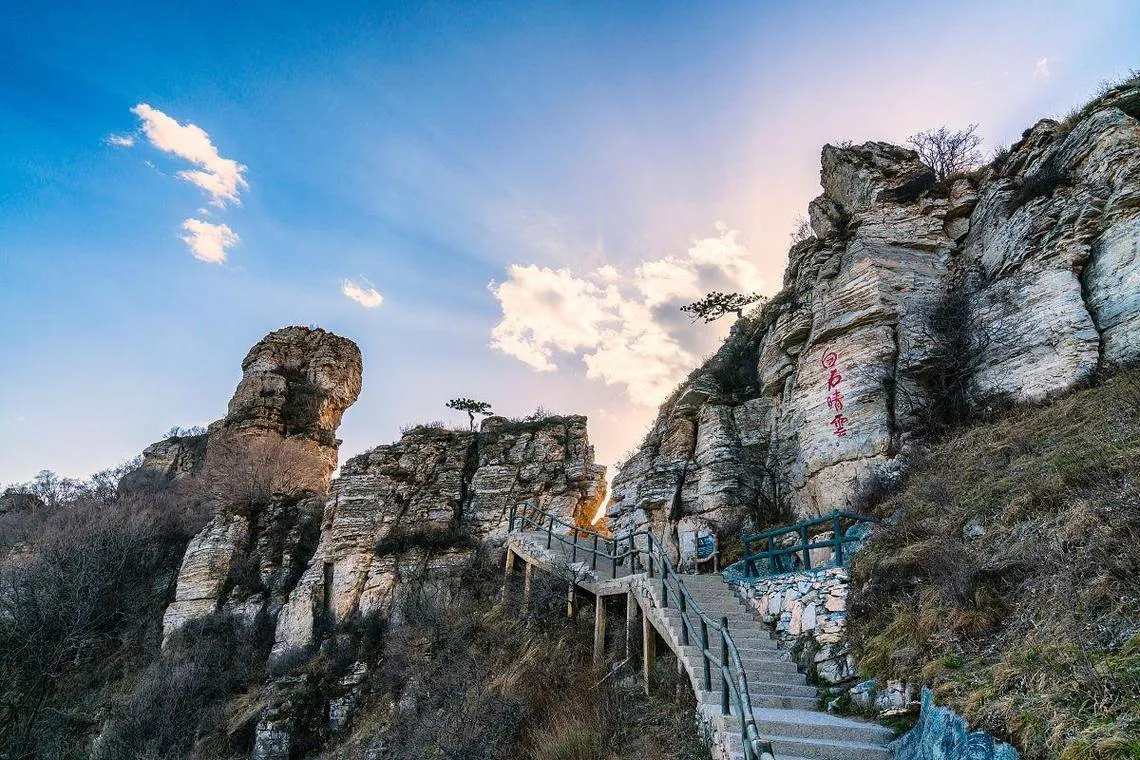
Hailed as the "Peerless Peak of the Taihang Mountains," Baishi Mountain is renowned worldwide for its unique landform of marble forest peaks. When sea of clouds churns, the multitude of peaks resemble islands, and the Buddha's Halo may appear fleetingly; under a crystal-clear sapphire sky, the red birch forests contrast beautifully with the azure, and the glass walkway offers a thrilling experience. Here, the "First Screen of the Taihang" stands like a natural painted wall, and the "Immortal Drying Boots" rock is strikingly lifelike. With its distinct beauty in each of the four seasons, it is truly considered the essence of northern mountain landscapes.
Beidaihe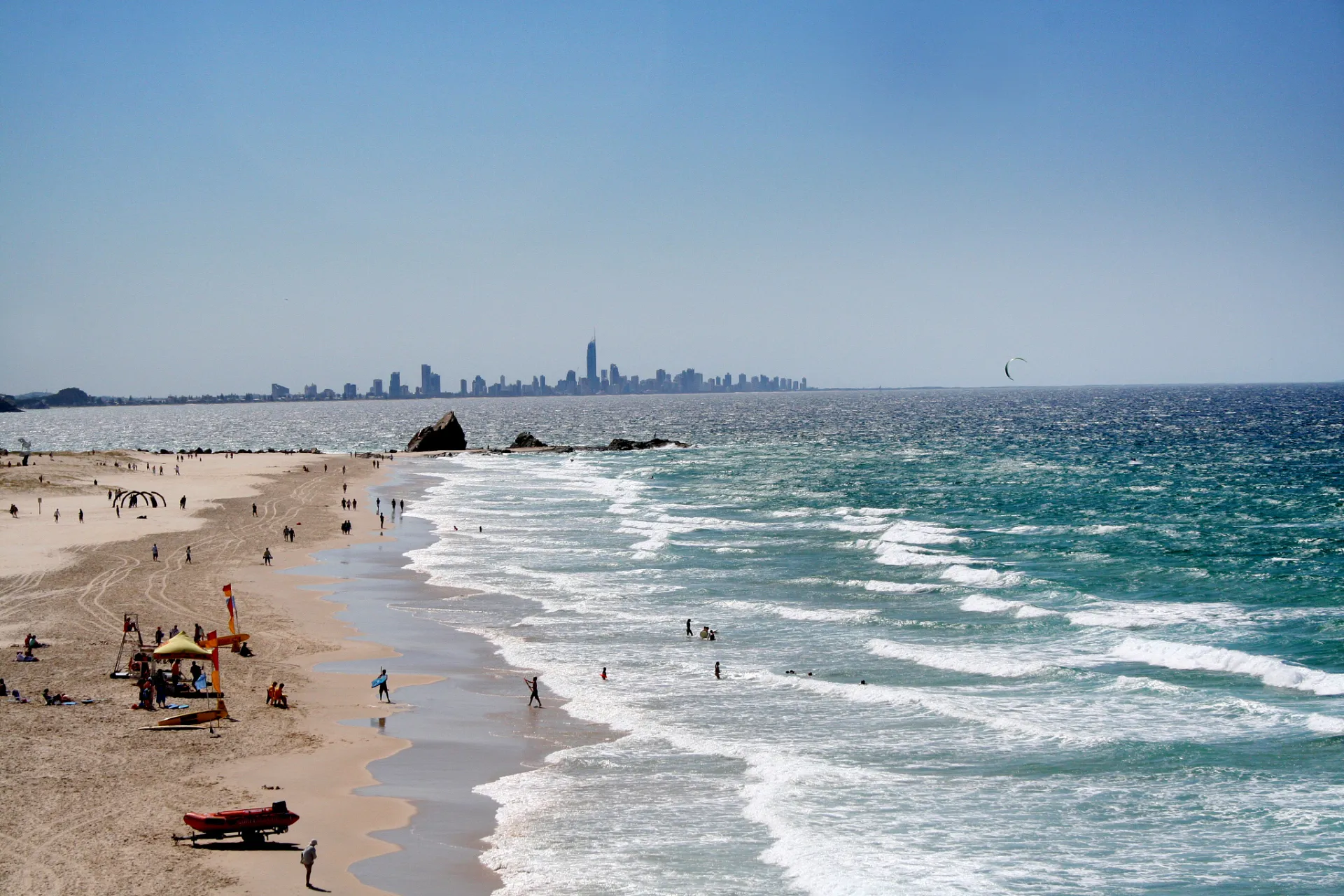
This “East Asian summer resort” on the Bohai Sea coast has been designated as a summer retreat for both Chinese and foreign visitors since 1898. It is renowned for its soft, flat sands and pleasant climate. The evergreen pines and cypresses of Lianfeng Mountain, along with the Dove’s Nest and Eagle’s Horn Pavilion, provide excellent spots for watching sunrise over the sea. Here one can feel the heroic poetic spirit of Mao Zedong’s line “Heavy rain falls over Youyan, white waves surge to the heavens,” as well as the romantic sentiment of Xu Zhimo’s “The sea of Beidaihe is the home of my soul.” Classical villas and modern facilities complement each other beautifully.
Zhangshi Rock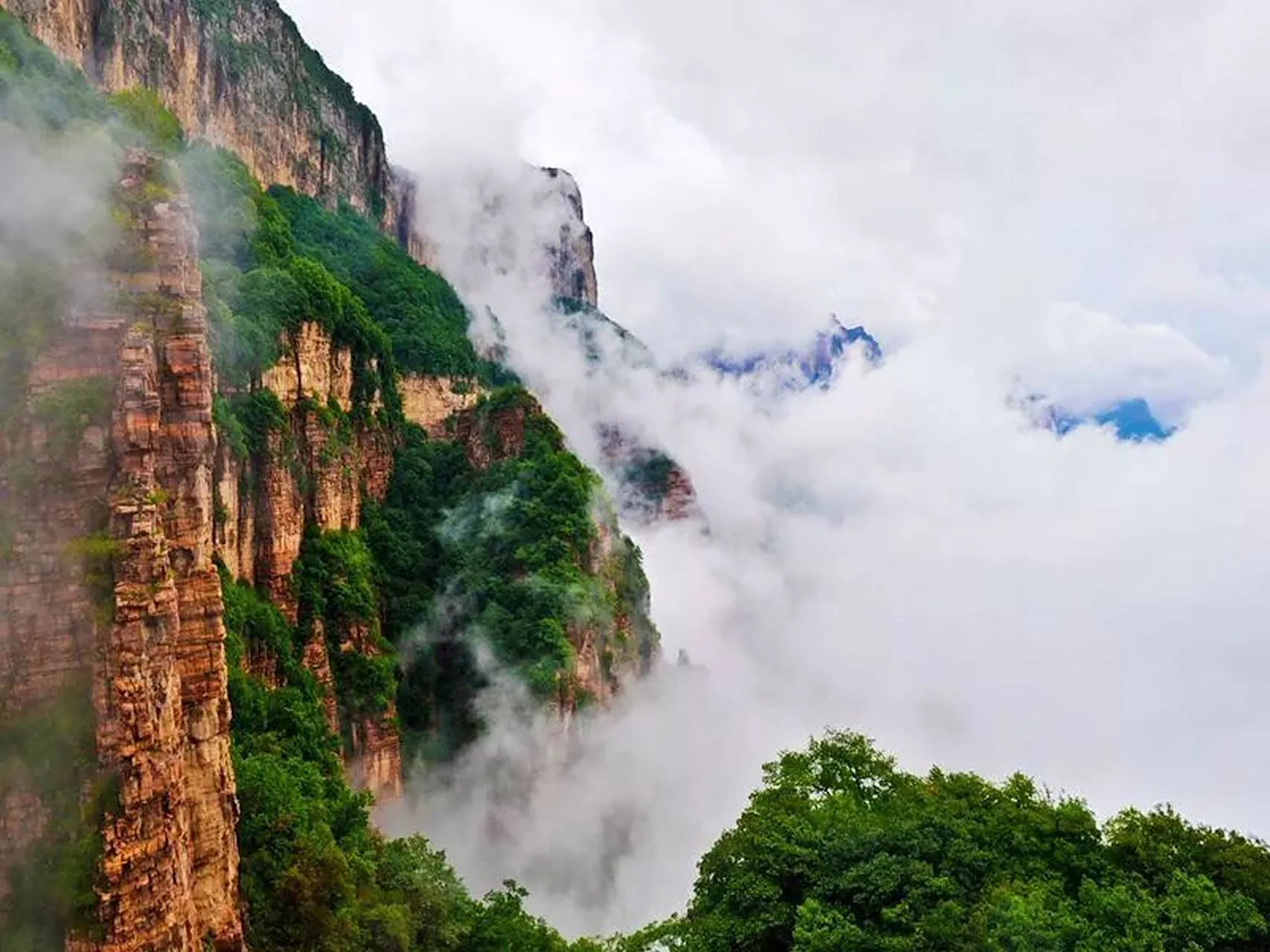
As the namesake of the world-renowned Zhangshiyan landform, it is celebrated for its "red cliffs, emerald ridges, bizarre peaks, and secluded valleys." The Echo Wall, standing a hundred meters high, is exceptionally rare in the world, while the uniquely spectacular "Ω"-shaped tiered canyon is a breathtaking sight. Most miraculous is the phenomenon often witnessed in the Clear Spring Gully after rain, as the skies begin to clear—the "Rainbow over Danxia" spectacle, where a rainbow and the crimson cliffs reflect and enhance each other's beauty, like a celestial ribbon descending to the mortal world, inspiring utter awe.
These scenic wonders and historic sites are like pearls inlaid upon the land of Yan and Zhao, bearing the memories of history while showcasing the marvels of nature. They are not only precious treasures of Hebei but also vital vessels of Chinese civilization, awaiting every visitor to discover, appreciate, and carry forward their legacy.
Intangible Cultural Heritage: Inheriting Craftsmanship, the Flavor of Yan and Zhao
On this ancient land of Hebei, millennia of civilization are inscribed not only in historical records but also live vibrantly through the fingertips and voices of countless folk artists. These precious intangible cultural heritage items carry the cultural DNA of the land of Yan and Zhao, narrating the wisdom and emotions of its people.
Hebei Bangzi: The Stirring Sound of Yan and Zhao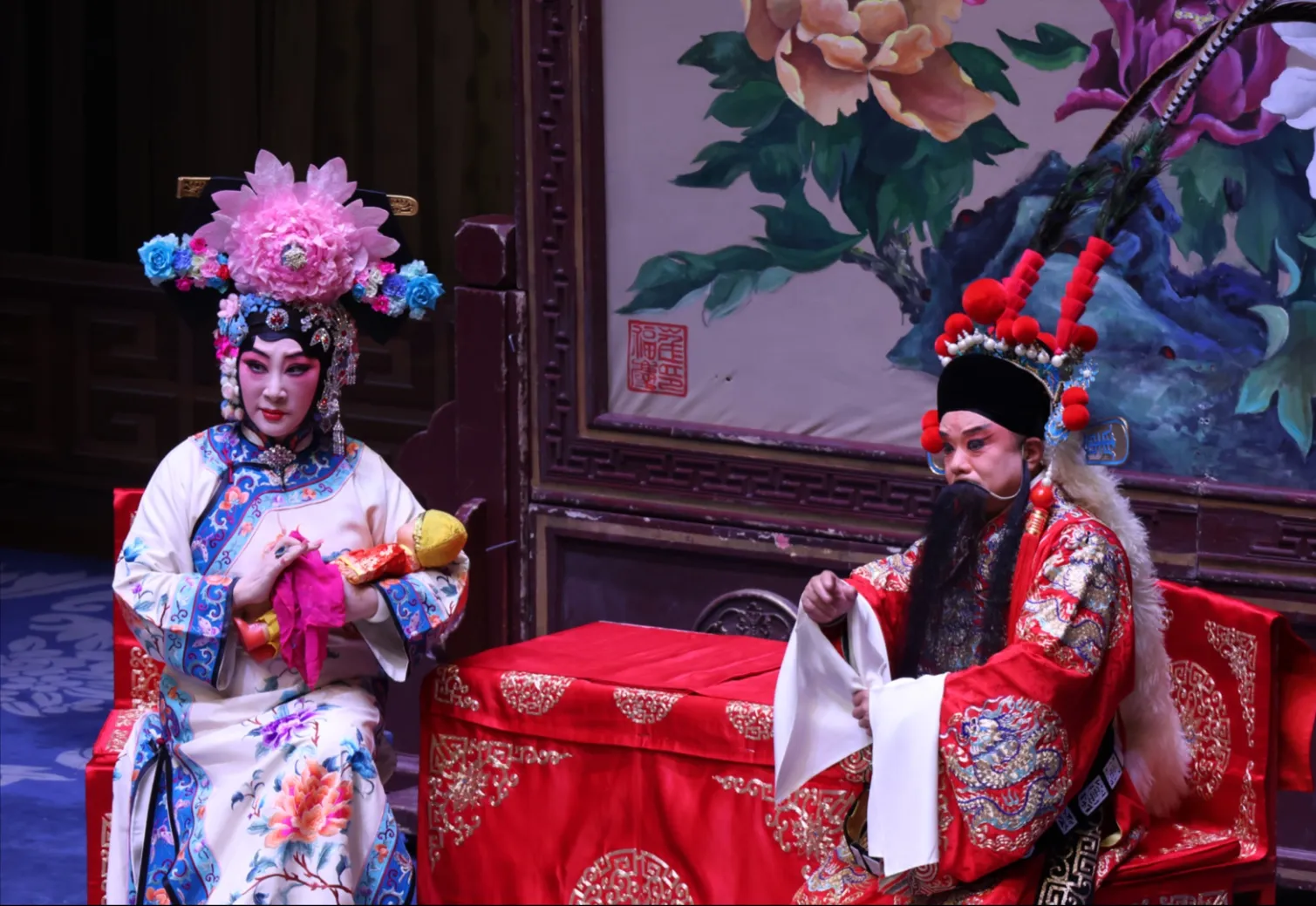
Originating from Shan-Shan Bangzi, Hebei Bangzi has evolved over three centuries of localization to become the most representative opera form in Hebei. Its singing style is sonorous and vigorous, particularly the moving "resounding 'roaring' vocals" in its slow and flowing beats. A single drawn-out note from an aria like "Ascending the Imperial Palace" can linger in the hall for days. The loyalty and righteousness of Tian Yuquan in the traditional play The Butterfly Cup and the injustice suffered by Dou E in The Injustice to Dou E are made especially poignant through the expressive power of the Bangzi vocal style. The renowned performing artist Pei Yanling, with her cross-gender performance in Zhong Kui, has elevated this ancient art to new heights.
Wuqiao Acrobatics: A Living Heritage of Millennia-Old Skills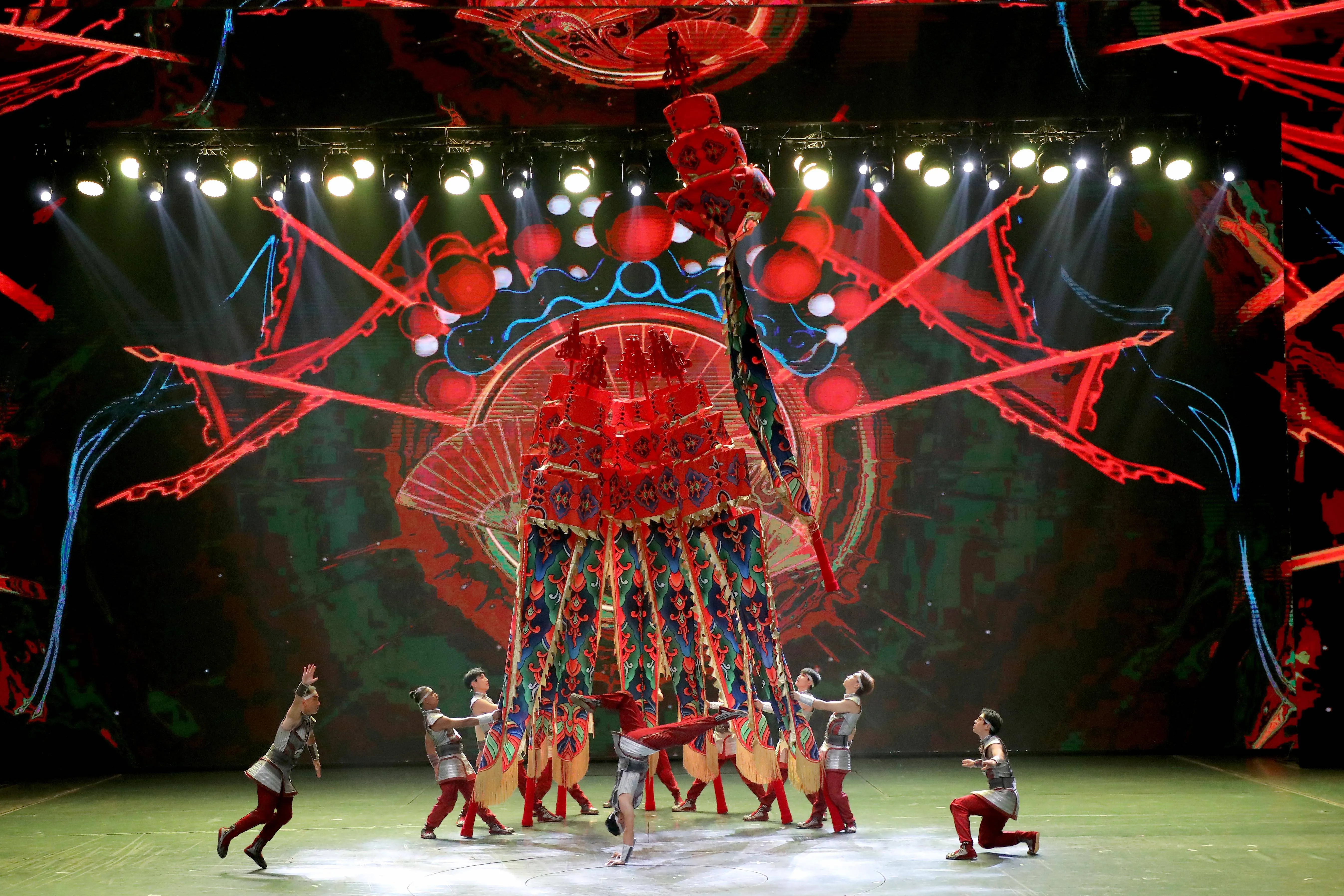
A local saying perfectly captures the spirit of this "Home of Acrobatics": "From those of ninety-nine to toddlers just able to walk, in Wuqiao, everyone has an acrobatic skill to show." The tradition of Wuqiao Acrobatics can be traced back to the Qin and Han dynasties, flourishing most brilliantly during the Ming and Qing eras. Audiences remain captivated by breathtaking acts such as the suspenseful "Wire Walking," the enigmatic "Sword Swallowing," and the remarkably steady "Juggling Large Vats with Feet." In the present day, the Wuqiao Acrobatics School continues this legacy by training thousands of new students each year. Productions like Embracing the Moon and Holding Up the Sky exemplify the perfect fusion of time-honored techniques with contemporary stagecraft, ensuring this ancient art form continues to thrive and evolve.
Hengshui Inside-Bottle Painting: A Universe Within a Tiny Space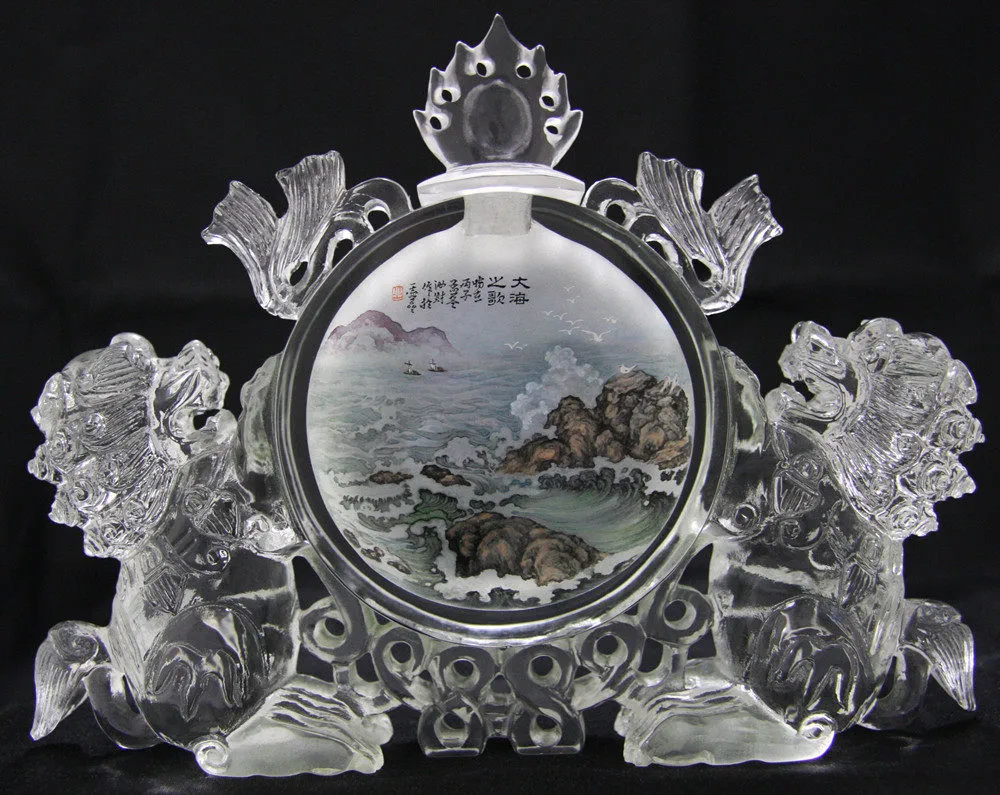
This unique craft, originating in the Qing Dynasty, requires artists to paint in reverse on the inner surface of a snuff bottle. Using a specially crafted curved brush and pigments, they depict landscapes, figures, and flora and fauna within a minute space. Master Wang Xisan, a leading figure of the Ji School, founded an inside-bottle painting school and pioneered the "oil-painting inside-bottle technique," making the artwork more vibrant and durable. His masterpiece series, Portraits of the Qing Emperors, vividly captures the majesty of twelve emperors within these tiny confines, representing the pinnacle of inside-bottle painting art.
Yuxian Paper-Cutting: The Vibrant Bloom of Dot-Colored Craft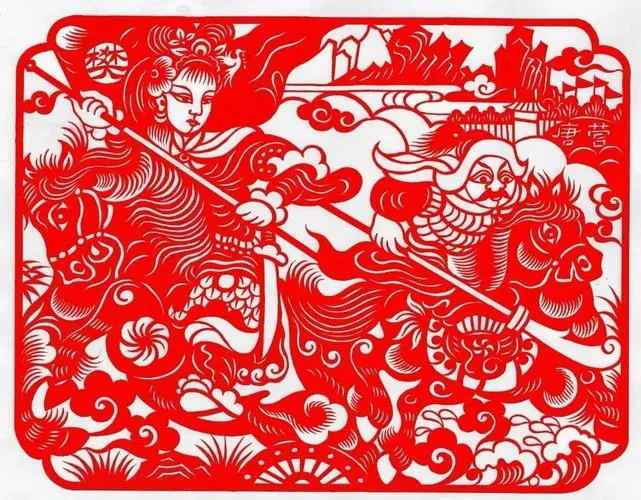
Distinct from the single-color paper-cuts found elsewhere, Yuxian Paper-Cutting is uniquely defined by its "dot coloring" technique. Artists first carve intricate designs using a specialized knife, then carefully apply pigments with a brush, creating a distinctive style celebrated for its brilliant hues and richly detailed compositions. Traditional themes often feature characters from Chinese opera and a variety of auspicious symbols. Masterpieces such as the "Hundred Children" tableau depict a multitude of youngsters, each with a unique expression, while works like "Dragon and Phoenix Bringing Prosperity" radiate imperial magnificence. In modern times, Yuxian paper-cuts have transformed from simple window decorations into prized art collectibles. Contemporary series, such as those inspired by the Winter Olympics, have successfully introduced this centuries-old craft to a global audience.
These precious intangible cultural arts, sustained through the dedicated craftsmanship of generations of inheritors, are glowing with even more splendid brilliance in the new era. They are not only cultural name cards for Hebei but also vital components of China's outstanding traditional culture, destined to be passed down ceaselessly across this ancient land.
Culinary Delights and Local Treasures: The Taste of Yan and Zhao
On the ancient land of Hebei, local cuisine and specialties carry a profound historical and cultural heritage. Every delicacy and unique product serves as a vivid footnote to the local character of Yan and Zhao, telling the story of this land's gustatory memories and everyday wisdom.
The Essence of the Plains: Simple yet Substantial
Donkey Burger (Lurou Huoshao): A Baoding Delicacy, Nostalgia on the Tongue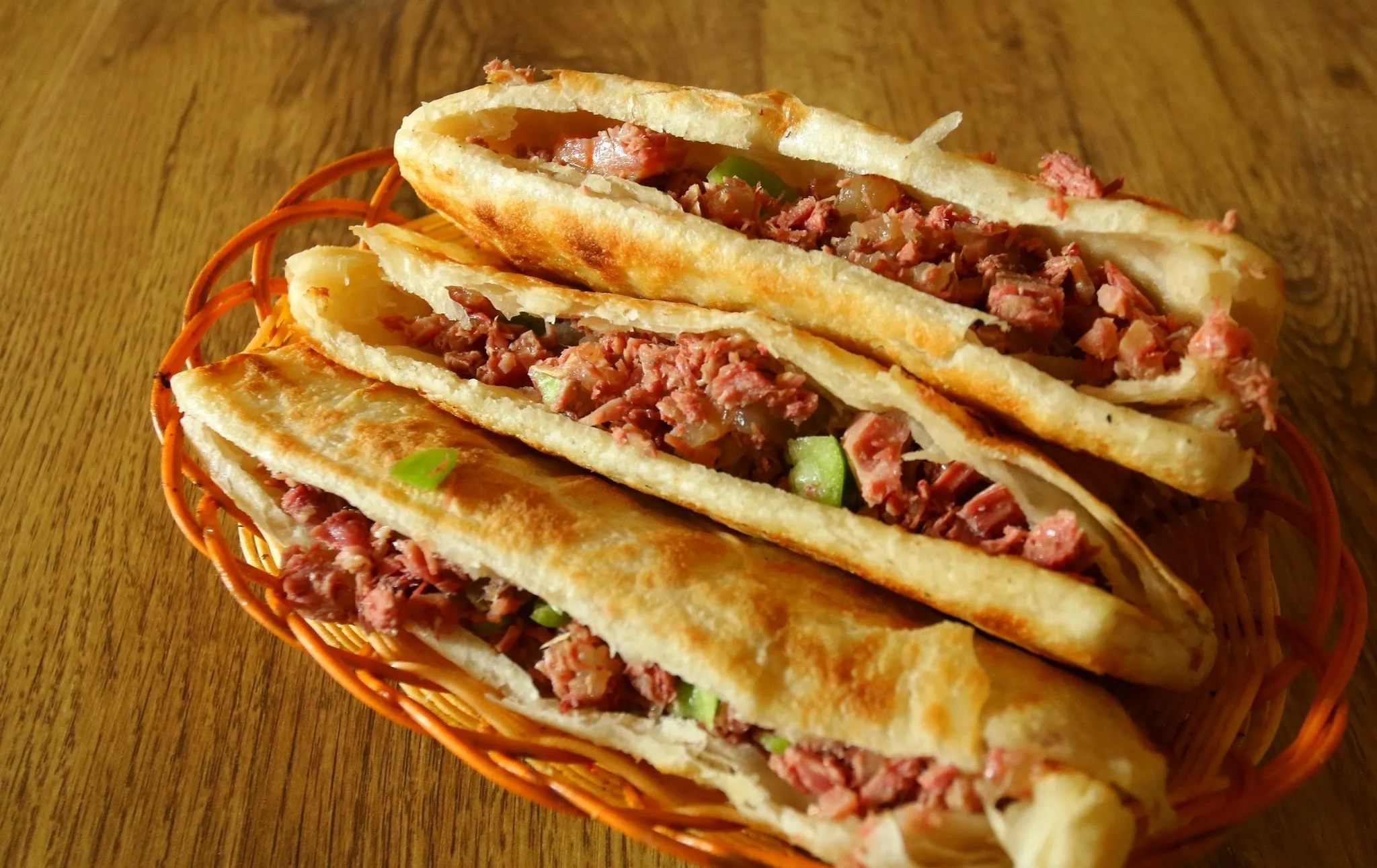
A freshly baked, crispy, multi-layered flatbread is stuffed with donkey meat braised with over twenty spices. The aroma of the meat and the bread blend perfectly in the mouth. On the streets and alleys of Baoding, one can commonly see masters preparing this dish on the spot—slicing the donkey meat with precise cuts, stuffing it hot into the flatbread, and finishing it with a ladle of rich, aged broth. This is the deepest taste of nostalgia for those far from home.
Golden Phoenix Braised Chicken (Jinfeng Paji): A Century-Old Legacy, Fall-off-the-Bone Tender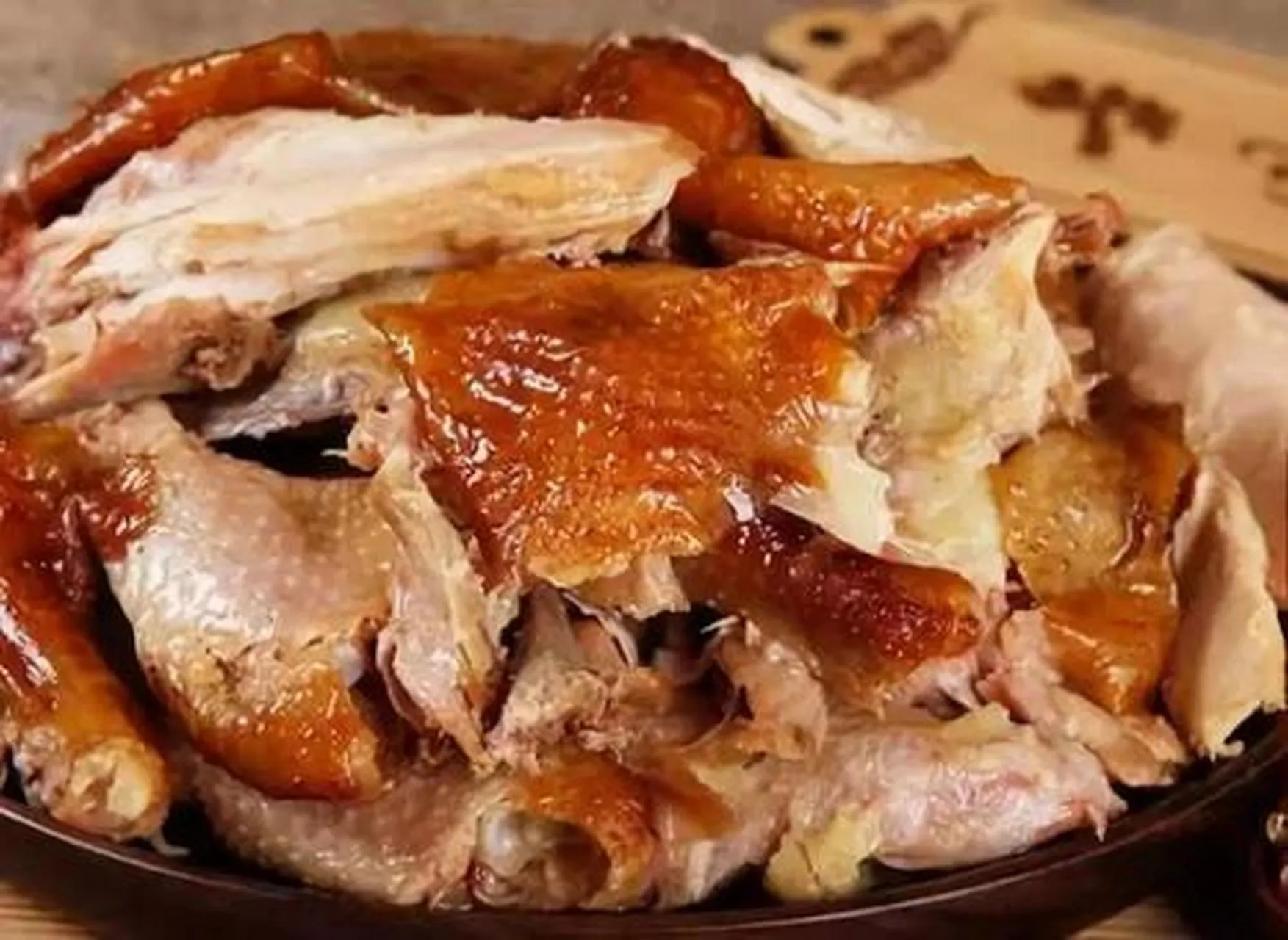
Founded in 1908, Golden Phoenix Braised Chicken uses healthy young chickens, processed through slaughtering, shaping, coloring with honey, deep-frying, and finally simmering for over ten hours in a master stock with more than ten valuable Chinese herbs. The finished product is golden and translucent, the meat so tender it falls from the bone, with a fragrance that penetrates to the marrow. It is both a signature dish of Shijiazhuang and a favorite choice for Hebei people hosting banquets or giving gifts.
Zhengding Eight Great Bowls (Zhengding Bada Wan): The Essence of Traditional Feasts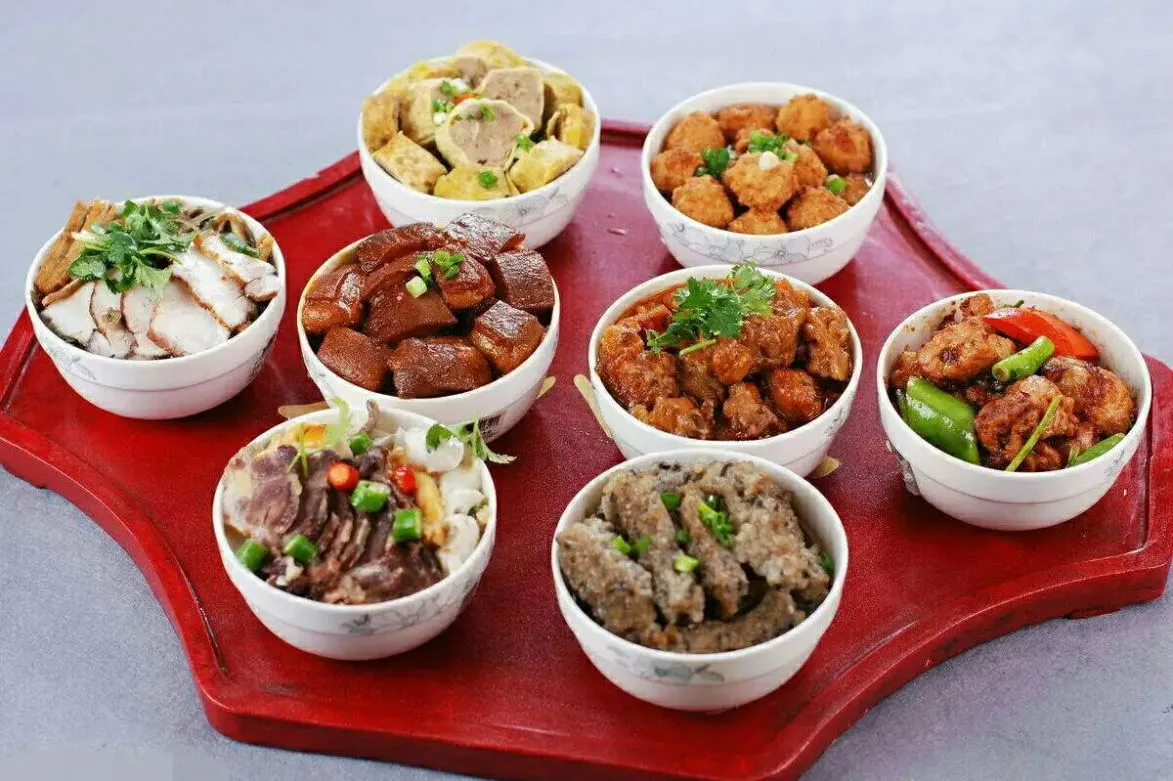
This traditional banquet dish from Zhengding consists of four meat and four vegetable components: braised pork, crispy meat, stewed pork elbow, meatballs, kelp, vermicelli, tofu, and radie. Prepared using steaming methods, it preserves the original flavors of the ingredients to the greatest extent. The Eight Great Bowls not only emphasize a balance of meat and vegetables but also carry the auspicious symbolism of the "Eight Immortals Crossing the Sea," representing the essence of Hebei's folk banquet culture.
Regional Flavors, Each with Unique Characteristics
Tangshan Gezhe: A Versatile Mung Bean Delicacy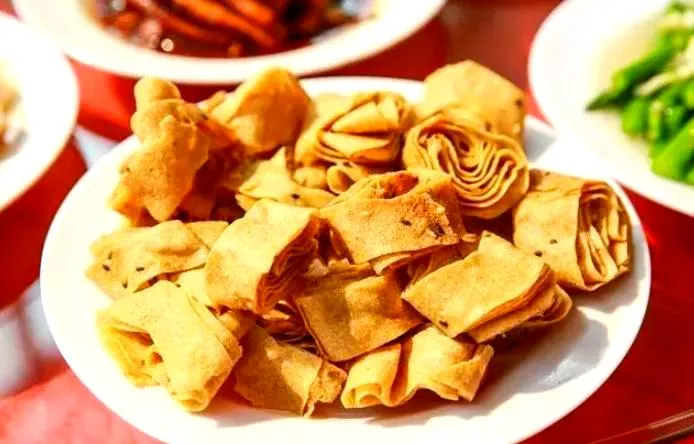
Made primarily from mung bean batter spread thin, Gezhe can be stir-fried, stewed, deep-fried, or braised. "Vinegar-Sautéed Gezhe" is tangy and appetizing; "Stewed Gezhe" has a rich broth; "Fried Gezhe Box" is crispy outside and tender inside. Originating in Tangshan, this famous dish now has hundreds of variations, showcasing the culinary ingenuity of the Hebei people.
Handan Doumo: A 3,000-Year Inheritance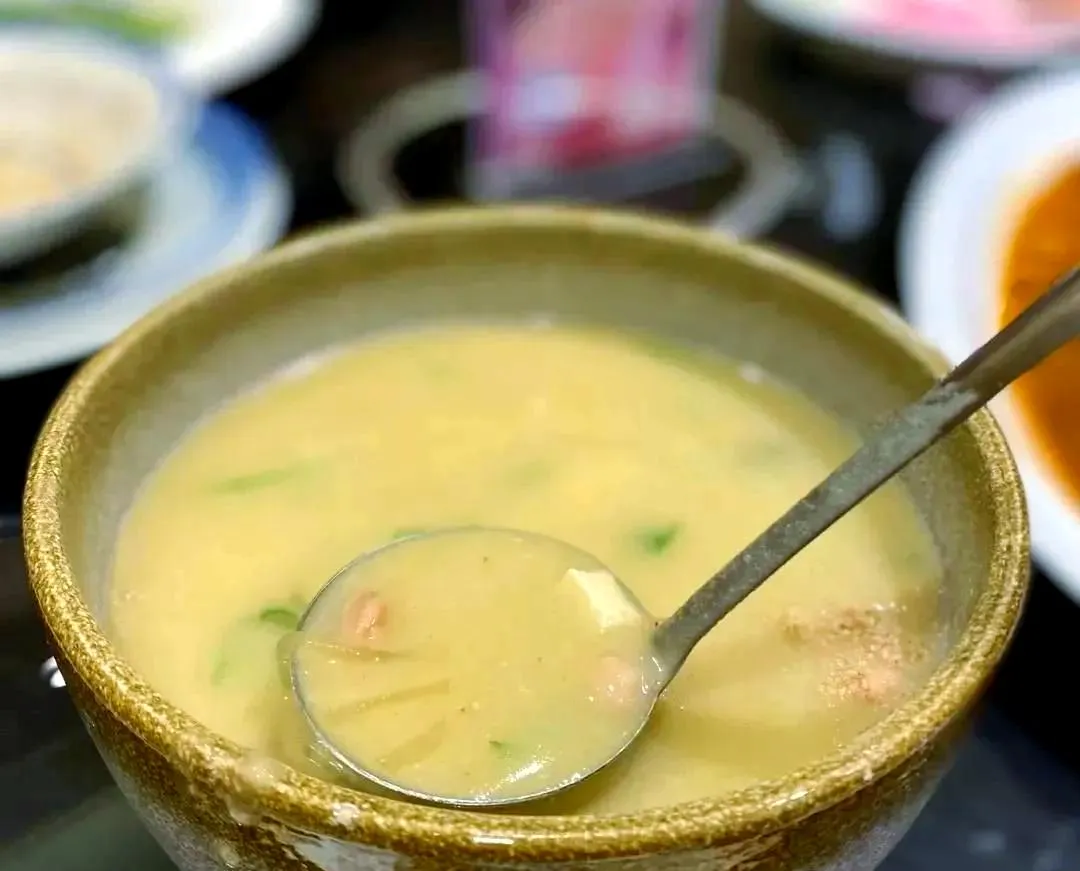
Made mainly from millet flour and simmered with over ten ingredients including peanuts, soybeans, sesame seeds, and shredded tofu, its history can be traced back to the Shang and Zhou dynasties. Fragrant and thick in texture, it is a staple on the breakfast tables of Handan locals. A steaming bowl of Doumo, paired with a fried dough stick, is the most authentic taste of Handan.
Cangzhou Hot Pot Chicken: A Spicy and Aromatic 'Jianghu' Experience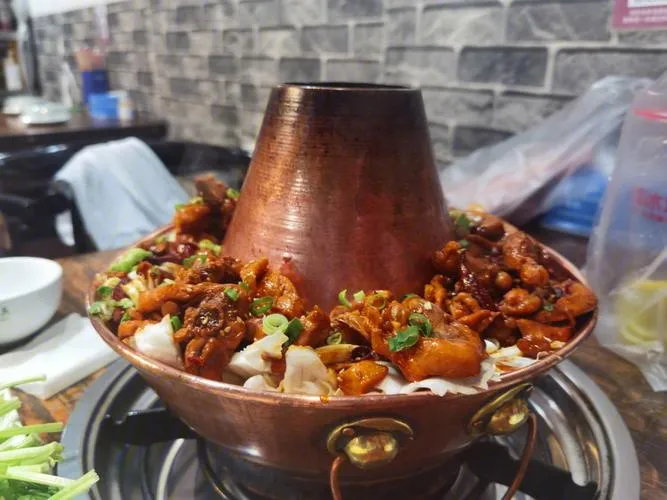
This dish uses locally free-range young chickens, stir-fried with dozens of seasonings including Pixian bean paste, Sichuan peppercorns, and chili peppers, then cooked hot-pot style. The chicken is tender and flavorful, the broth spicy, numbing, and aromatic, reflecting the bold spirit of Cangzhou, known as the homeland of martial arts. It is a perfect fusion of rugged character and culinary wisdom.
An Array of Local Treasures, Ideal Souvenirs
Hengshui Laobaigan Liquor: A Mellow and Elegant Millennia-Old Brew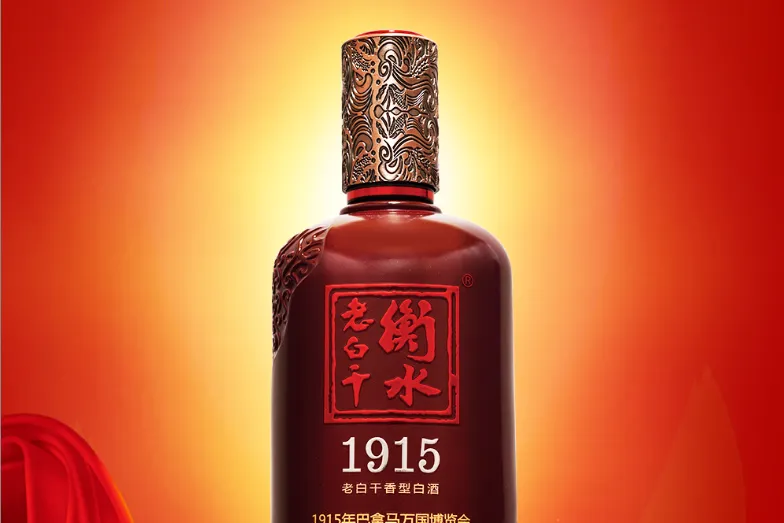
Laobaigan, known for its "fragrant aroma upon smelling, sweet taste upon sipping, and lasting finish after drinking," is famous for its unique brewing process. It is fermented in underground jars, effectively isolating impurities and ensuring a pure liquor body. Its characteristic of "not causing heaviness in the head" stems from expert blending techniques, making it the top choice for Hebei people when hosting guests or visiting friends.
Tangshan Bone China: Porcelain of Exquisite Quality, White as Jade, Resonant as a Chime>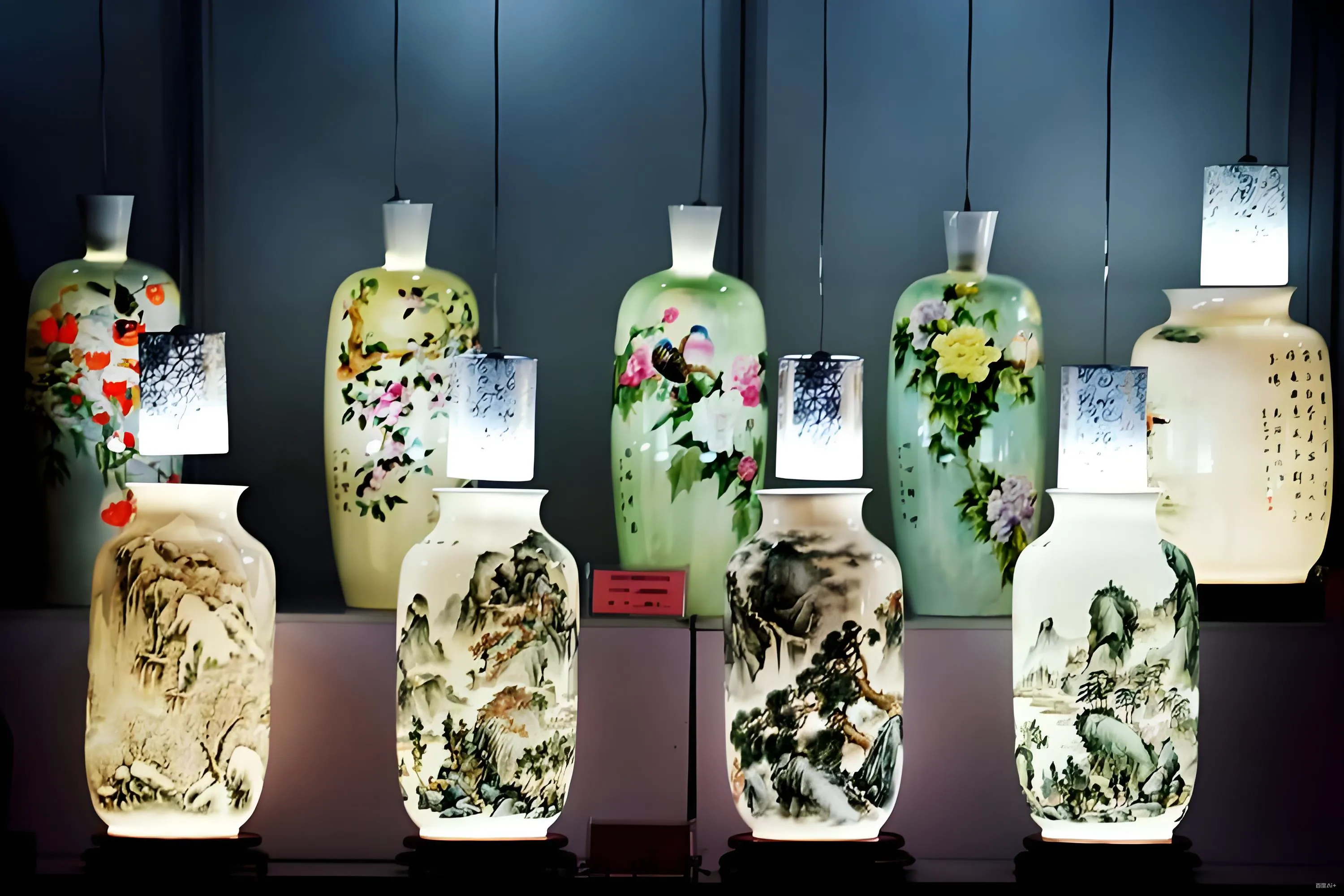
Bone china, made primarily from animal bone ash, has a fine texture and a glossy glaze. Its qualities—"thin as paper, white as jade, bright as a mirror, resonant as a chime"—make it the preferred choice for state banquet porcelain. Since its successful development in 1973, Tangshan bone china has gone global, becoming a pride of Chinese ceramics.
Baoding Iron Balls: Wellness Wisdom at Your Fingertips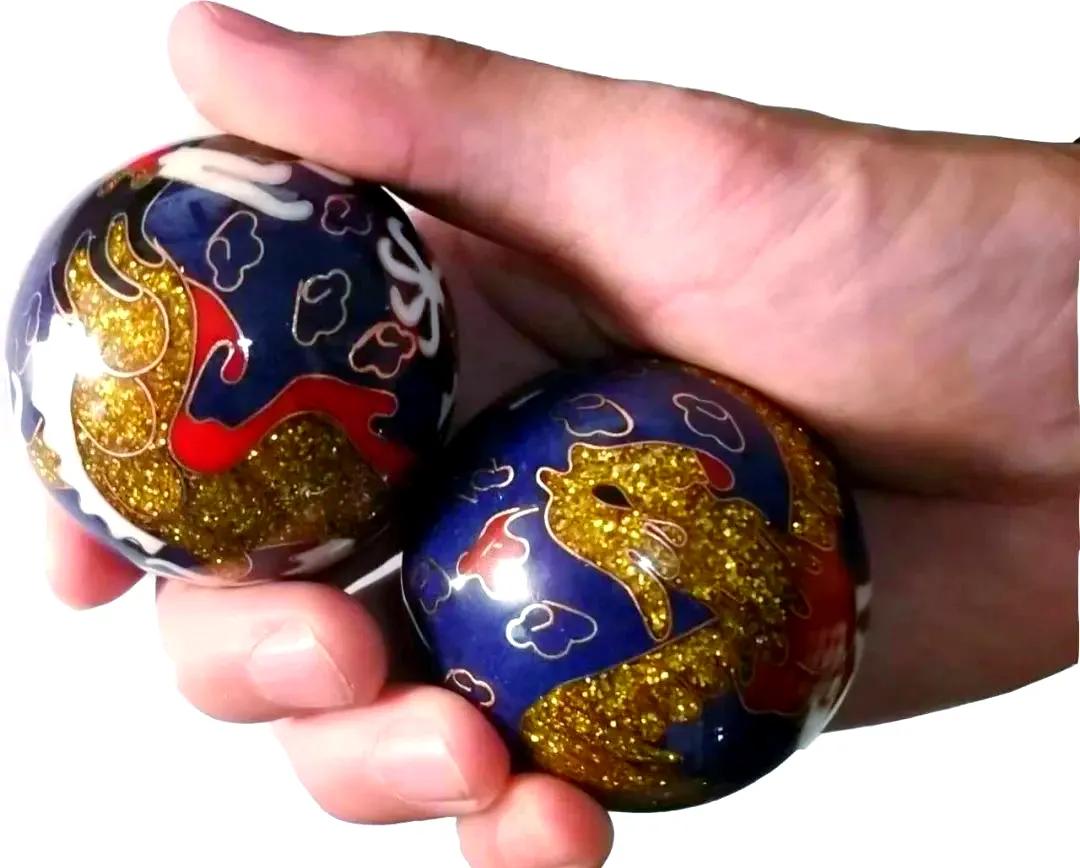
As the saying goes, "The three treasures of Baoding Prefecture: iron balls, fermented sauce, and spring evergreen," with iron balls ranking first. Rotating these solid iron balls in the hands massages acupoints in the palms, promoting circulation and relaxing tendons and muscles. Sound-producing devices inside the balls create high and low tones when rotated, resembling the calls of dragons and phoenixes. They are both fitness tools and works of art.
These culinary delights and local treasures are not only part of the daily life of Hebei people but also vibrant carriers of Yan and Zhao culture. With their unique local characteristics and cultural connotations, they showcase the profound heritage and contemporary vitality of this land, awaiting every visitor to savor and discover them.
Welcome to Hebei!
When the chimes of the capital fade into the distance, what Hebei leaves you with is far more than a few handicrafts or local snacks. The majesty of the Taihang Mountains, the vastness of the Bohai Sea, the grandeur of the Great Wall, and the patina of ancient towns—these quietly merge into your very spirit. Hebei, this land founded on mountains and rivers and animated by civilization, never boasts but always bears its responsibilities. It is forever guarding, integrating, and innovating, awaiting your arrival—to feel the weight of history while walking the Great Wall, to gaze upon the breadth of the future while overlooking the Bohai Sea, and then, carrying the steadfastness and inclusivity of this metropolitan region, to stride more resolutely on your own life's journey. Here, you will come to understand: the profoundest civilizations often take root in the most unassuming lands.
Hebei Vocabulary List
| Chinese | Pinyin | English |
|---|---|---|
| 河北 | Héběi | Hebei (Province) |
| 平原 | píngyuán | plain |
| 高原 | gāoyuán | plateau |
| 山脉 | shānmài | mountain range |
| 河流 | héliú | river |
| 湿地 | shīdì | wetland |
| 长城 | Chángchéng | The Great Wall |
| 成语 | chéngyǔ | idiom |
| 胡同 | hútòng | alleyway |
| 肥沃的 | féiwò de | fertile |
| 壮观的 | zhuàngguān de | magnificent, spectacular |
| 古老的 | gǔlǎo de | ancient |
| 参观 | cānguān | to visit (a place) |
| 品尝 | pǐncháng | to taste, to sample |
| 探索 | tànsuǒ | to explore |
| 学习 | xuéxí | to learn |
Hebei Province FAQ
Q1: Where is Hebei located and why is it called the "Gateway to the Capital"?
A: Hebei Province is uniquely situated in the North China Plain, completely surrounding two major municipalities: Beijing and Tianjin. Due to this strategic geography, it serves as the primary land and transportation corridor to Beijing, China's capital, earning it the nickname "Gateway to the Capital" (京畿之地). This location makes it easily accessible for travelers visiting Beijing.
Q2: What are the top must-see attractions in Hebei?
A: Hebei boasts a rich tapestry of cultural and natural wonders:
- The Great Wall: Experience less-crowded, authentic sections like Shanhaiguan ("First Pass Under Heaven") where the wall meets the sea, and Jinshanling, renowned for its stunning, well-preserved architecture and hiking routes.
- Chengde Mountain Resort: A UNESCO World Heritage Site, this vast imperial garden and temple complex was a summer retreat for Qing dynasty emperors.
- Bashang Grassland: A popular escape from city life, offering horseback riding, hiking, and beautiful prairie scenery near Beijing.
- Zhaozhou Bridge: The world's oldest open-spandrel stone segmental arch bridge, a marvel of ancient engineering.
- Baiyangdian Lake: The largest freshwater lake in North China, known for its labyrinth of reed beds and waterways.
Q3: What is the best time to visit Hebei?
A:
- Spring (April-May) & Autumn (September-October): These are the ideal seasons, with mild temperatures, comfortable weather, and clear skies, perfect for sightseeing and hiking, especially on the Great Wall.
- Summer (June-August): Can be hot and humid. However, it's the best time to visit the Bashang Grassland when it's lush and green, and the Chengde Mountain Resort provides a cool retreat.
- Winter (November-March): Cold and dry, but with fewer crowds. A good time for cultural sightseeing if you don't mind the cold.
Q4: I love the Great Wall. Which sections in Hebei are best to visit?
A: Hebei is home to some of the most spectacular and varied Great Wall sections:
- For History Buffs & Hikers: Jinshanling and Simatai offer rugged, partially restored walls with incredible views and fewer tourists. The hiking between these two sections is world-class.
- For Iconic Views: Shanhaiguan is historically significant as the eastern terminus and features the "Old Dragon's Head" where the wall plunges into the Bohai Sea.
- For a Quick & Restored Visit: Mutianyu (though often associated with Beijing, it's accessible from Hebei) is well-restored and less crowded than Badaling, with beautiful scenery.
Q5: What are the local culinary specialties I must try in Hebei?
A: Hebei cuisine is hearty and flavorful, heavily influenced by its proximity to Beijing:
- Hebei Mutton Casserole (河北羊肉煲): A warming and delicious stew, perfect for colder weather.
- Donkey Burger (驴肉火烧): A famous local snack from Baoding, featuring savory donkey meat stuffed inside a crispy, baked bun.
- Stewed Meat with Pancakes (炖肉配饼): A classic, comforting dish.
- Food from the Chengde Imperial Kitchen: Sample dishes that were once served to the Qing emperors at the Mountain Resort.
Q6: What unique cultural experiences can I find in Hebei?
A:
- Shadow Puppetry (皮影戏): Hebei is one of the birthplaces of this ancient art form. Watch a performance in a local village.
- Kung Fu and Acrobatics: Hebei has a strong martial arts tradition. The Cangzhou area is famously known as the "Land of Martial Arts."
- Explore Ancient Villages: Discover well-preserved villages like Fuyuan and Yujia, which offer a glimpse into traditional rural life and architecture.
- Local Opera (Hebei Bangzi): Experience the passionate and lively performance of this traditional local opera.
Q7: What are some good souvenirs to buy in Hebei?
A:
- Chengde Lacquerware: Intricately decorated art pieces with a long history.
- Xuanhua Grapes and Wine: The region is famous for its milk grapes and local wines.
- Handicrafts: Look for traditional kites, paper-cuttings, and shadow puppetry figures.
- Painting and Calligraphy: Reproductions of classic Chinese art, especially from cultural centers like Chengde.