10 Things That Shock Foreigners in Chinese Wet Markets
Table of Contents
- Part I: Introduction: When "Grocery Shopping" Becomes a Cultural Expedition
- Part II: The Text: 10 "Shocking" Moments in the Wet Market
- 2.1 The Ingredients Are "Alive"
- 2.2 The Freedom of "One Scallion"
- 2.3 The Vendor's "Magic Hands"
- 2.4 Everything is Edible: The Offal Feast
- 2.5 North vs. South: Stockpiling vs. Fine-Tuned Freshness
- 2.6 Fruit Sold by the "Pile," at Surprisingly Low Prices
- 2.7 The Unseen QR Code
- 2.8 The "Try Before You Buy" Rule of Trust
- 2.9 The "Battle Mode" of the Morning Market
- 2.10 The Wet Market as a "Social Hub"
- Part III: Understanding China, Starting with a Trip to the Wet Market
- FAQ
Part I: Introduction: When "Grocery Shopping" Becomes a Cultural Expedition
For a foreign visitor, stepping into a Chinese wet market for the first time, a classic Chinese grocery shopping experience, is like walking onto a vivid, three-dimensional stage of daily life. The first thing that hits you is the symphony of sounds: the rhythmic calls of vendors hawking their wares, "Fresh cucumbers, two yuan a jin!" "Freshly slaughtered free-range chicken, come and get it!" These cries weave together, creating a bustling, energetic soundtrack. Visually, it’s a feast. Mountains of vibrant produce are piled high, a color palette that seems to explode with life. Ruby-red tomatoes look like tiny lanterns, golden bananas curve in gentle arcs, and emerald-green vegetables glisten with morning dew. Venture into the seafood section, and the sight of lively fish, shrimp, and crabs is startlingly real, fish thrashing in tanks, shrimp scuttling in basins. The air carries a unique, earthy scent, a mix of soil, fresh produce, and the sea, an authentic aroma of life that permeates the entire market, capturing the essence of everyday life in China. This scene, brimming with the lively bustle of everyday life, stands in stark contrast to the quiet, sterile supermarkets many foreigners are accustomed to. It feels like entering a world with a faster rhythm, more direct interaction, and a more intense atmosphere, a defining feature of Chinese market culture, evoking a sense of both awe and novelty. A Chinese wet market is far more than a place to buy groceries; it is a cornerstone of traditional Chinese market life. Here, ingredients are so fresh they seem to have just been picked from the field. Vendors offer their services with warmth and flexibility, and transactions proceed in an orderly fashion amidst the clamor. It connects the livelihoods of small-scale producers at the top with the daily needs of urban families and small eateries at the bottom, forming a vast network of ordinary life. Within this unique space, the freshness of the food, the flexibility of shopping, the warmth of human interaction, and the fusion of technology with tradition all combine to create a series of unforgettable cultural experiences.
Part II: The Text: 10 "Shocking" Moments in the Wet Market
2.1 The Ingredients Are "Alive"
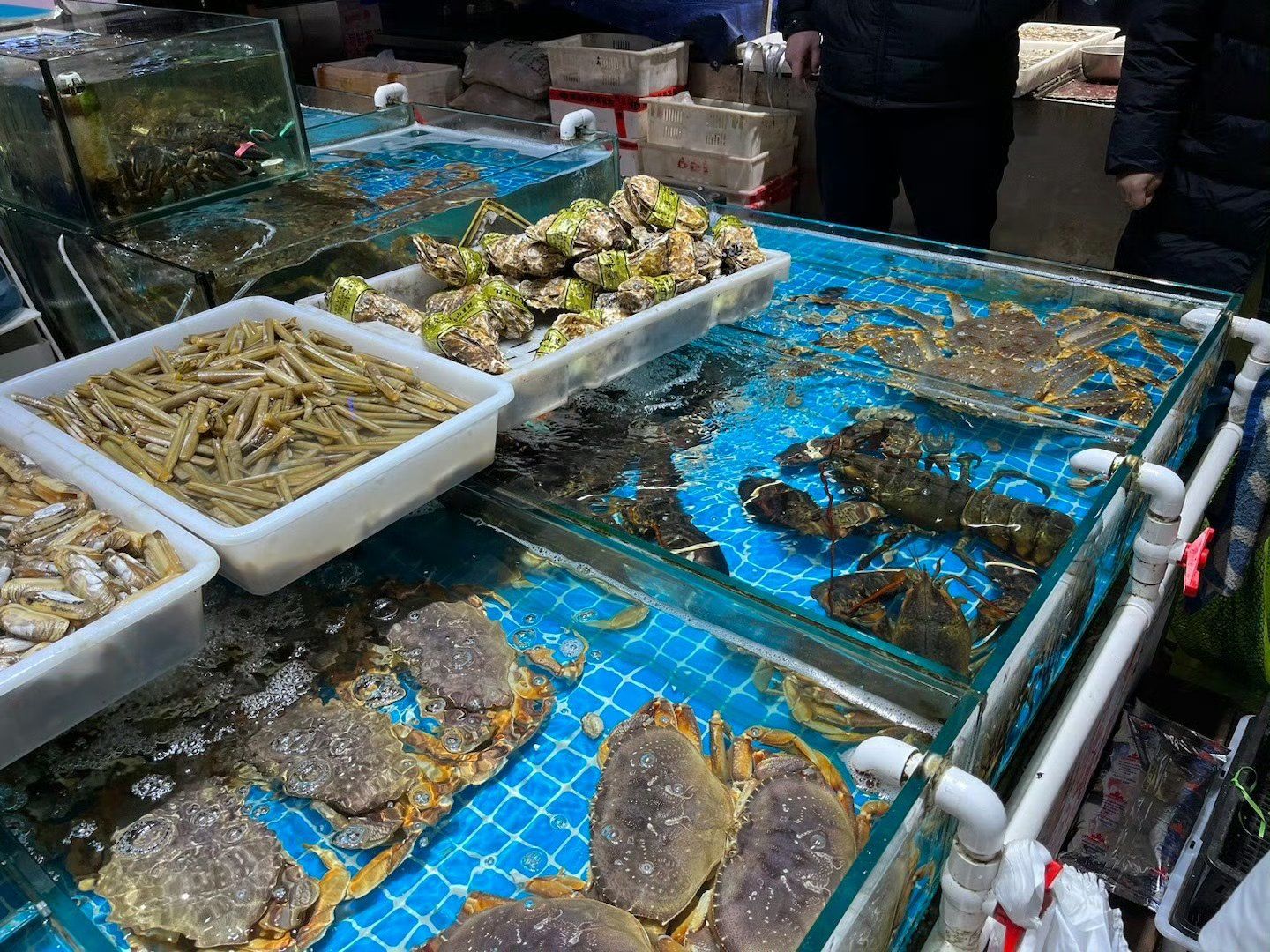
Stepping into the seafood section of a Chinese wet market, filled with lively fish, shrimp, crabs, and shellfish, is like watching a vibrant theater of life. A customer picks a live fish, and the vendor, in one swift motion, slaughters, scales, and guts it on the spot. The entire process is seamless, and in the blink of an eye, the fish is cleaned and ready to go. The water splashing from the fish's struggle in the tank and the faint, briny scent in the air are testaments to the ultimate freshness of the ingredients. This is a world away from Western supermarkets, where meat is neatly arranged in cold cases, beautifully packaged but devoid of life, each piece a standardized product of industrial production. When foreigners witness this scene, they are often both shocked and fascinated. They can hardly imagine that ingredients can be so fresh, seemingly still warm from the field, going from water to wok in moments. This pursuit of ultimate freshness gives them a new understanding of Chinese food culture and the Chinese fresh food market.
2.2 The Freedom of "One Scallion"
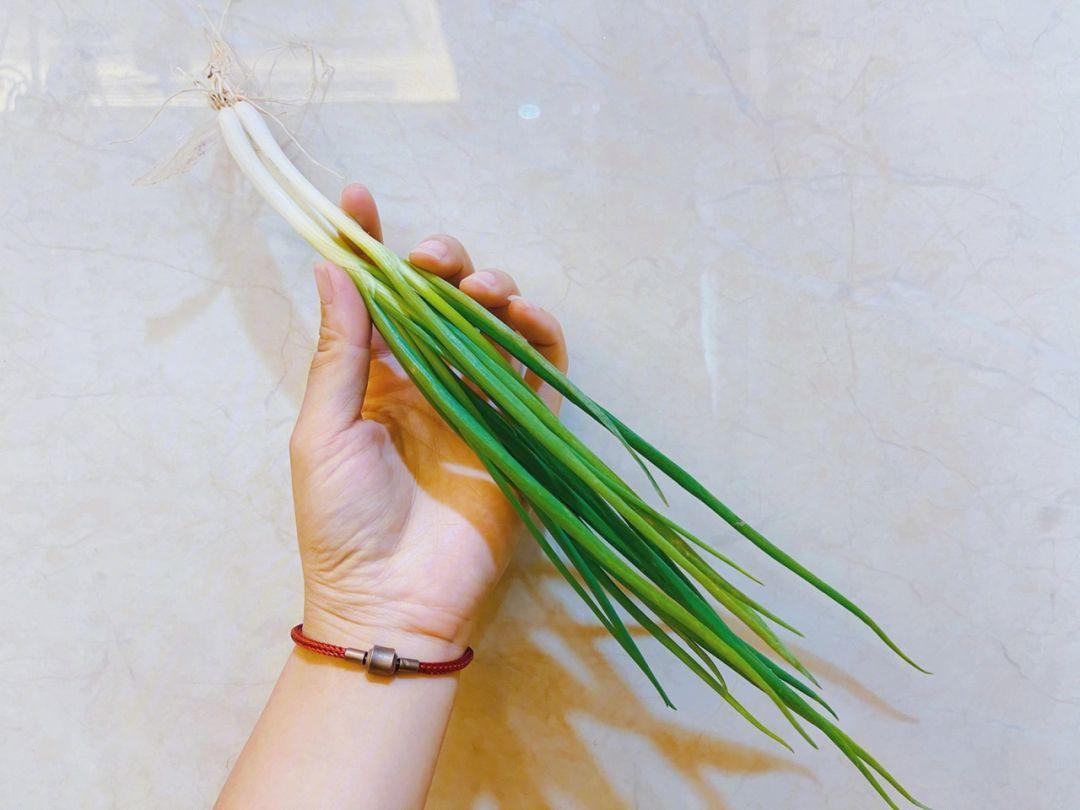
Shopping in a Chinese wet market offers unparalleled flexibility, a unique feature of shopping in China. You can buy just one scallion, a single potato, or even half a watermelon. Vendors are so used to this that they show not a hint of impatience. They will warmly take your few jiao and even thoughtfully cut a winter melon into small pieces or peel a pineapple for you. This "buy-as-you-need" model is almost unimaginable in Europe and America. There, supermarkets generally operate on a bulk-purchase model, like Costco, with shelves stacked high with large packages of snacks and daily necessities. A single shopping trip often costs a pretty penny and results in a huge haul of goods. For foreigners accustomed to a weekly grocery run, the Chinese wet market feels like a door to a new world has been opened. Here, they can purchase ingredients precisely according to their needs for each meal, avoiding waste and ensuring they always have the freshest produce. This convenience completely upends their previous shopping habits, giving them a sense of unprecedented ease and freedom.
2.3 The Vendor's "Magic Hands"

In Chinese wet markets, vendors seem to possess a pair of "magic hands." A fishmonger can fillet a fish into paper-thin slices in 30 seconds, the flesh crystal clear and arranged neatly. A butcher can precisely cut meat to the exact fat-to-lean ratio a customer desires, every cut just right. These free, highly skilled "pre-processing services" have long been standard in wet markets. The vendors work with practiced ease and focused eyes, as if engaged in an artistic creation. In countries with high labor costs, such services are a luxury. Customers in supermarkets who want their meat further processed often have to do it themselves or pay a high fee. The efficiency and warmth of Chinese wet market vendors embody the service industry's humanity. They tirelessly serve every customer, treating even a small piece of meat with care, making customers feel respected and valued. This unique experience opens foreigners' eyes and makes them deeply appreciate the charm of Chinese wet markets.
2.4 Everything is Edible: The Offal Feast
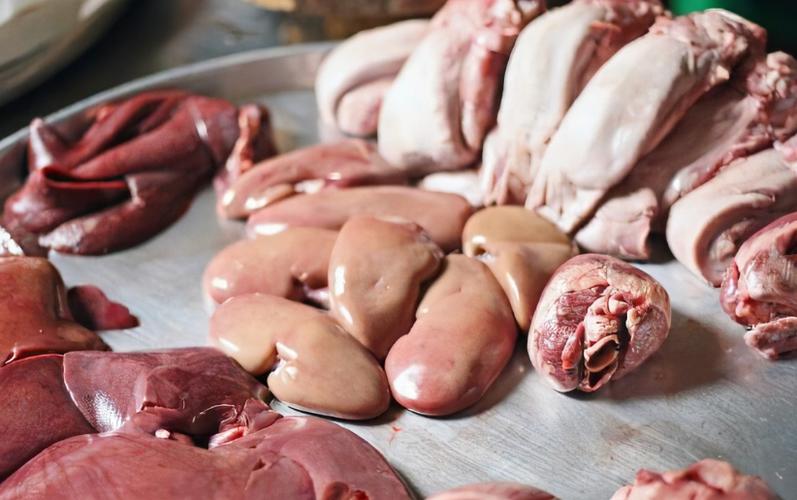
Offal holds a prominent place in Chinese wet markets. Pig intestines, chicken feet, duck necks, pig blood, and kidneys are all on full display. These seemingly humble parts are transformed by the skillful hands of Chinese chefs into a variety of mouth-watering delicacies. In night markets or restaurants, dishes like stir-fried kidneys and spicy duck necks are always in high demand, with diners devouring them with relish. For many foreigners, however, this is initially a profound cultural shock. Looking at these oddly shaped, slightly gamey parts, they often feel uncomfortable or even repulsed. But when they learn about the cooking methods and taste the unique flavors, many shift from "dare not look" to "want to try." Some brave foreigners, after tasting, are conquered by the unique flavor and fall in love with these offal delicacies that once made them hesitate. The Chinese utilization of the whole animal and their exquisite culinary skills give them a deeper respect for Chinese food culture.
2.5 North vs. South: Stockpiling vs. Fine-Tuned Freshness
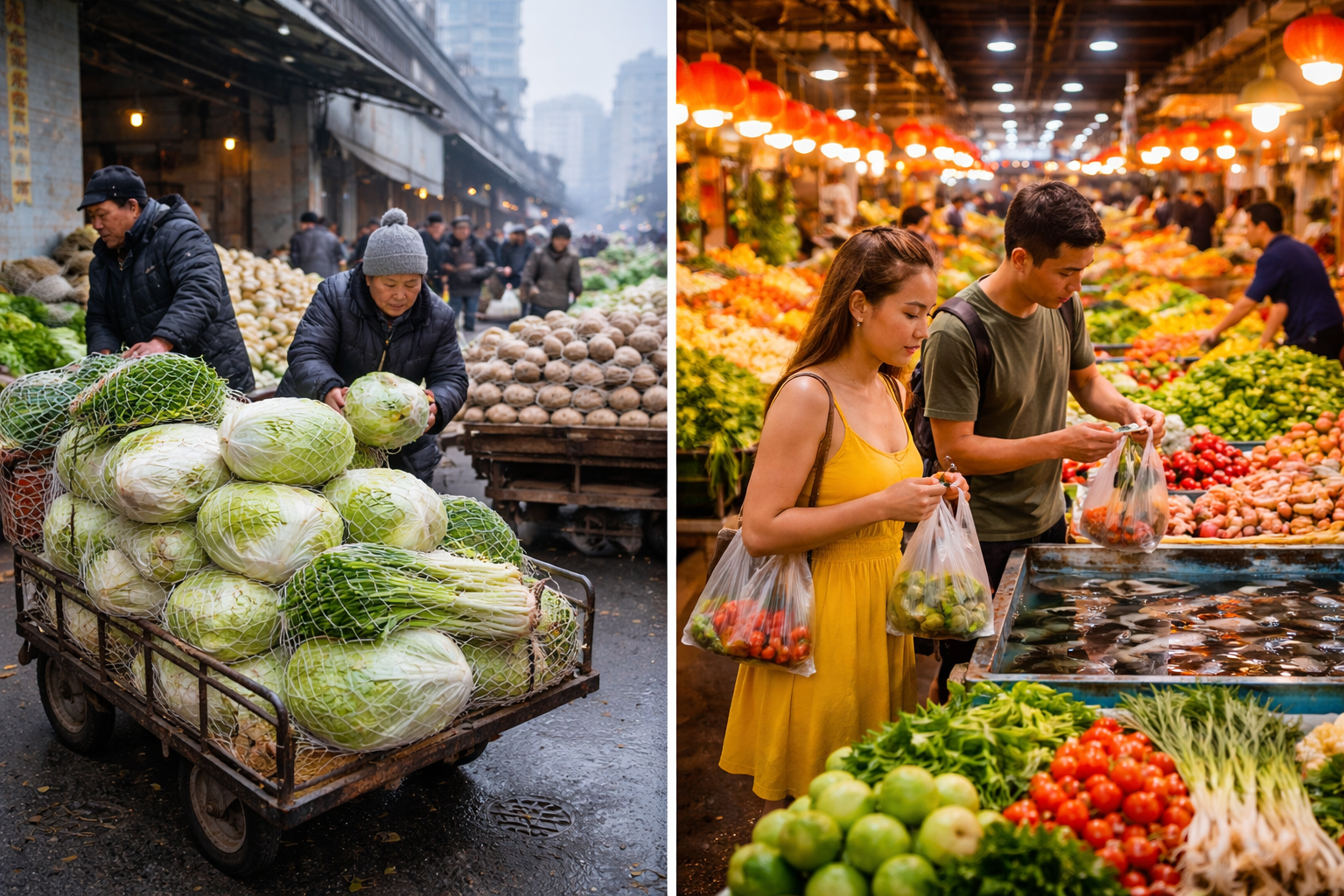
The difference between buying groceries in northern and southern China reflects diverse Chinese shopping habits. In the north, grocery shopping is a "stockpiling" operation. Chinese cabbage and scallions are sold by the "bundle" or "bag," with people buying dozens or even hundreds of jin at a time, as if conducting a large-scale procurement. Northern vendors have a bold style; if you buy half a rack of ribs, they might just throw in a handful of scallions for free, the transaction filled with warmth and easygoing generosity. In the south, however, shopping is a "freshness" model. You can buy just one scallion or a single potato. Southern vendors are meticulously detailed; if you buy a fish, they'll not only clean it for you but also slice it into fillets as requested. Their stalls are tidy, the produce is arranged beautifully, and they enthusiastically beckon customers. Behind this difference lies the clever arrangement of climate, the "chief director." The long, cold winters in the north, before greenhouses became common, meant people had to stockpile hundreds of jin of Chinese cabbage in autumn, piling it in corners or burying it in cellars to last the long winter. This passive "reliance on the weather" inadvertently shaped the northern character of being prepared and bold. In contrast, the warm, humid climate of the south means fresh produce and river fish are available year-round. So, southerners are accustomed to going to the market every morning with a basket to buy the freshest bunch of greens or a live fish. This "day-to-day freshness" lifestyle is underpinned by closer interpersonal connections and a more refined attitude toward life. For foreigners, this sharp contrast within a single country feels like exploring two different worlds, allowing them to appreciate the richness of Chinese food culture while gaining a deeper understanding of the country's diversity.
2.6 Fruit Sold by the "Pile," at Surprisingly Low Prices
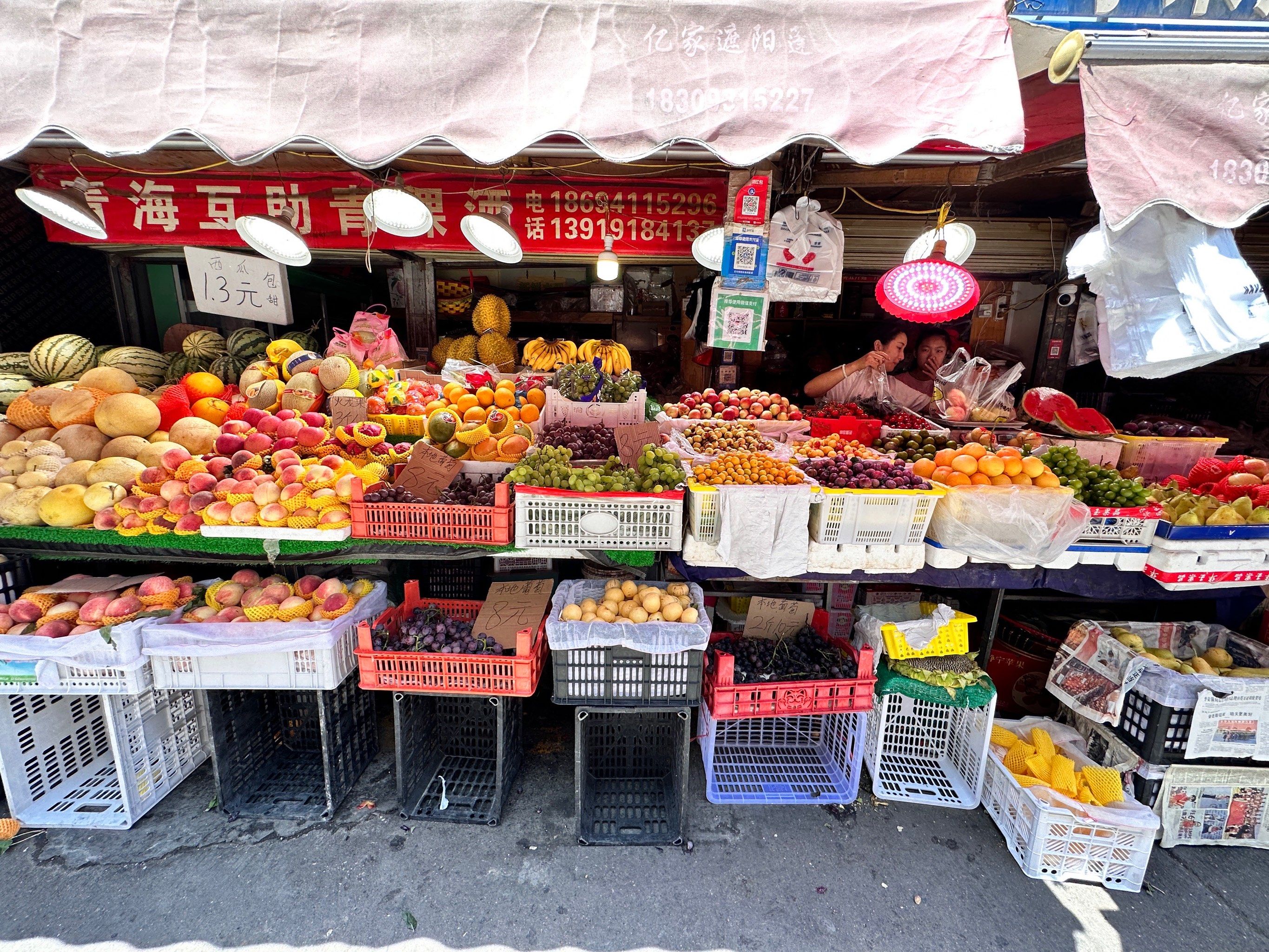
Entering the fruit section of a Chinese wet market, the mountains of fruit are dazzling. In summer, huge, round watermelons are piled into small hills; in autumn, golden tangerines create a sea of yellow. Moreover, the prices are incredibly friendly. A few yuan can buy a big bag, allowing customers to enjoy "fruit freedom." For people from countries where fruit is expensive, seeing this is hard to believe. In countries like South Korea, Japan, and those in Northern Europe, fruit prices are often high. Premium fruits like Shine Muscat grapes or blueberries can cost dozens or even over a hundred yuan per jin, making ordinary people think twice before indulging. In China, abundant land resources and mature cultivation techniques have led to a surge in fruit production, making prices naturally affordable. This phenomenon of fruit sold by the "pile" at surprisingly low prices creates a huge sense of psychological disparity for foreign tourists, giving them a more intuitive understanding of China's agricultural abundance and making them exclaim how wonderful it is to enjoy fruit in China.
2.7 The Unseen QR Code
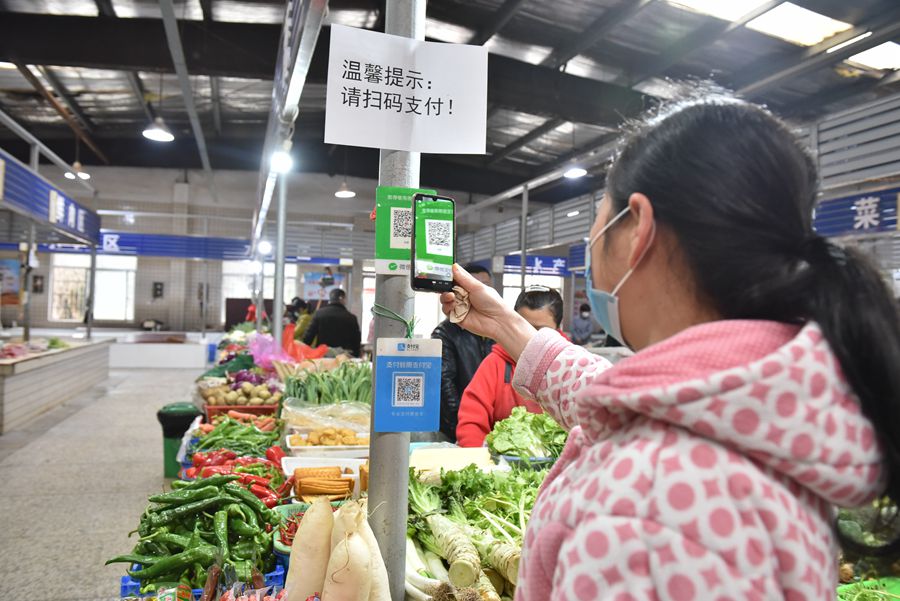
In Chinese wet markets, even the most humble vegetable stall will have a WeChat or Alipay QR code hanging prominently. After selecting their ingredients, a customer simply scans the code, and with a "beep," the transaction is complete. Mobile payment has thoroughly permeated this most traditional of transaction scenes, highlighting the rise of Chinese mobile payment in local markets. This convenient payment method shocks foreigners. In their home countries, while mobile payment exists, cash and cards are still the most common methods for small transactions like those in a wet market. While they are still fumbling for change or entering a PIN on a POS machine, the Chinese customer next to them has already completed the transaction via mobile payment and moved on to the next stall. This deep penetration of digital life is a unique feature of Chinese wet markets, making transactions more efficient and convenient and giving foreigners a taste of China's rapid technological development and intelligent lifestyle.
2.8 The "Try Before You Buy" Rule of Trust
In Chinese wet markets, there is a unique rule of trust: "try before you buy." When buying fruit, you can directly ask the vendor, "Is it sweet?" The vendor will often readily reply, "Why don't you try one and see for yourself!" before deftly cutting off a small piece for you. This isn't a formal "tasting event" but a tacit understanding based on trust. If the customer tries it and is satisfied, they'll buy it. If not, there's no awkwardness, and the vendor won't be upset. This model, so different from the "Please Do Not Touch" rules of Western supermarkets, breaks down the barrier between buyer and seller, establishing a transactional relationship based on integrity and human warmth, making the shopping experience full of warmth. When foreigners experience this for the first time, they are often surprised and delighted. They never expected such pure trust to exist between buyers and sellers in a Chinese wet market. This trust makes them feel the human warmth of China and gives them a deeper appreciation for its commercial culture.
2.9 The "Battle Mode" of the Morning Market
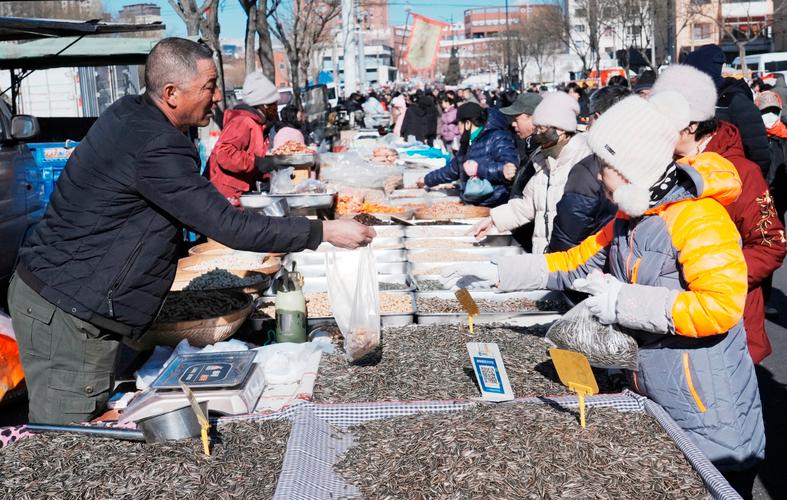
At five or six in the morning, when most of the city is still asleep, Chinese wet markets have already entered "battle mode," especially in a typical Chinese morning market. Uncles and aunties dart between stalls with astonishing speed and a keen eye, selecting produce and haggling, their movements seamless. They skillfully pinch vegetables to test their firmness, lean in to smell the fragrance of fruit, and their eyes quickly scan price tags, all to snatch up the freshest ingredients and freshly cooked breakfast. The market is a cacophony of sounds, vendors' calls, the back-and-forth of haggling, the clatter of pots and pans, weaving together into a vivid symphony of city life. In front of steaming breakfast stalls, the tempting aroma of soy milk, youtiao (fried dough sticks), and buns attracts people to come and taste. This vibrant rhythm of collective life, along with the hot breakfast culture, is something many people from countries accustomed to cold food or sleeping in have never experienced. It showcases the vitality of a Chinese city at dawn, letting foreigners feel the Chinese people's love for life and dedication to food, and showing them a China full of the lively bustle of daily life, different from the city's nighttime rhythm.
2.10 The Wet Market as a "Social Hub"
In China, the wet market is more than just a place for transactions; it's a social hub and a key part of Chinese community culture. Vendors and regular customers share deep bonds; they've known each other for years, know what vegetables a family's children like, and greet each other warmly every time they meet, often tossing in a fresh scallion or a handful of cilantro as a gift. Neighbors who run into each other at the market will stop to chat about the weather, their children's studies, or the latest news. The wet market is like a community's "information exchange center," where all sorts of news spreads. It's also the community's "social living room," where people meet, get to know each other, and build close neighborhood relationships. This sense of neighborhood and community belonging is especially precious in an atomized modern society. It allows the wet market to transcend its purely commercial function, becoming a warm living space where people find belonging and comfort in their busy lives. It also lets foreigners experience China's unique human-centered society and community culture.
From fresh ingredients to mobile payments, from haggling to neighborhood chats, the Chinese wet market presents a unique and vivid picture of life.
Part III: Understanding China, Starting with a Trip to the Wet Market
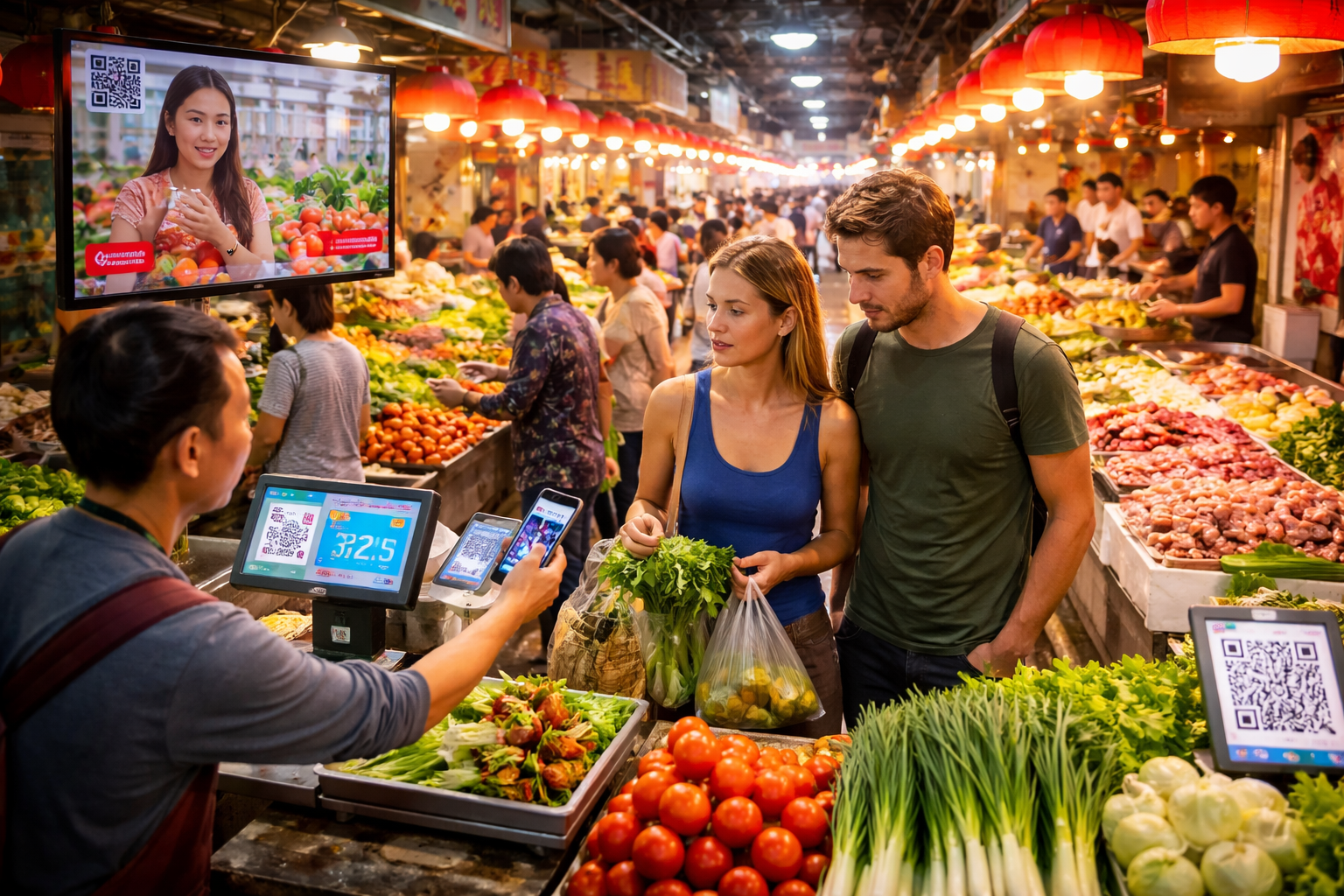
The Chinese wet market is a wonderful space where tradition and modernity intertwine. It retains the most traditional lively bustle of city life while seamlessly connecting with the cutting edge of digital living. Here, the passionate calls of vendors and the haggling of customers showcase traditional human warmth and vitality, while the integration of digital elements like smart electronic scales and mobile payments makes transactions efficient and convenient. In the digital transformation of wet markets across the country, new elements like live-streamed vegetable sales and smart management systems are being introduced, creating cultural experience zones and hosting various themed events, turning them into complex spaces that blend digital transactions, cultural experiences, and community services. This unique ecosystem allows wet markets to innovate while inheriting tradition, allowing them to glow with new vitality as they develop. For foreigners, visiting a Chinese wet market is a key to understanding life in China and experiencing authentic China local market culture. Here, they can intuitively feel Chinese food culture, living habits, and community atmosphere. From the diverse range of ingredients to unique cooking methods, from flexible shopping models to warm neighborhood exchanges, every detail showcases the unique charm of Chinese life. By visiting wet markets, foreigners can not only gain a deep understanding of China's tradition and modernity but also truly experience the wisdom and passion of the Chinese people for life, leading to a deeper understanding and appreciation of this ancient yet vibrant land.
FAQ
What is a Chinese wet market?
A Chinese wet market is a traditional fresh food market where vendors sell vegetables, fruit, meat, seafood, and daily essentials. Unlike supermarkets, Chinese wet markets emphasize freshness, local produce, and direct interaction between customers and sellers. These markets are an important part of Chinese market culture and daily life.
Why are Chinese wet markets so loud?
Chinese wet markets are often lively and noisy because vendors actively call out to attract customers. This style of selling reflects traditional Chinese market culture, where communication, negotiation, and social interaction are part of the shopping experience. For many foreigners visiting a Chinese wet market, this vibrant atmosphere is both surprising and memorable.
Are Chinese wet markets safe to visit?
Yes, most Chinese wet markets are safe to visit. Food is typically very fresh, and turnover is high, meaning products are sold quickly. Many markets also follow hygiene regulations. Travelers visiting a Chinese wet market should simply follow normal precautions, such as choosing busy stalls and observing cleanliness.
Can foreigners bargain in Chinese wet markets?
Bargaining in Chinese wet markets depends on the product and region. Prices for vegetables and daily items are often fixed, but friendly negotiation may be possible when buying in larger quantities. Understanding bargaining in China can help foreigners enjoy a more authentic Chinese market experience.
What makes Chinese wet markets different from supermarkets?
Chinese wet markets focus on freshness, flexibility, and human interaction, while supermarkets emphasize convenience and standardized pricing. In Chinese wet markets, shoppers can buy small quantities, request custom cuts of meat, and interact directly with vendors. This personalized service is a key feature that surprises foreigners when visiting a Chinese wet market.