The Warmth We Carry: How Insulated Cups Work and Why China Loves Them
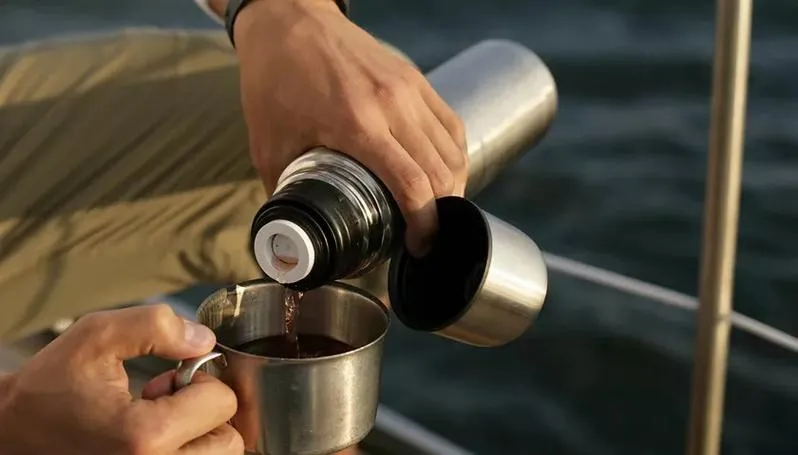
Insulated cups and insulated water bottles are simple on the outside, but inside them lies a surprising world of physics, culture, daily rituals, and even jokes that have shaped modern Chinese life. Before we dive into the depth of Chinese thermos culture, it helps to understand what insulated cups actually are, how they work, and why they became such a steady companion in the hands of millions.
Below, you’ll find four long chapters exploring how insulated bottles function, how they became beloved in China, and the stories, humor, and emotional warmth that swirl around them.
The Science Behind Insulated Cups
Insulated cups, insulated bottles, and insulated water bottles all rely on one core scientific principle: preventing heat transfer. When a person asks how do insulated cups work, the answer sounds simple on the surface but hides elegant engineering inside every vacuum bottle.
Most insulated cups use double-wall vacuum insulation. Imagine two cups, one tucked inside the other, with a small space between them. That space is then turned into a vacuum by removing air. Because heat travels mainly through conduction and convection, and both require air or material to pass through, the vacuum becomes an almost perfect barrier. That’s why a hot drink stays hot for hours, and a cold drink stays cold even longer.
But insulation isn’t just about the vacuum. Some insulated bottles also line the inner wall with reflective metal to reduce radiation, the third way heat travels. In simple terms: the bottle blocks heat like a silent bodyguard — no conduction, no convection, no escape.
The lid also plays a big role. Even the best insulated water bottle loses heat through the top if the lid isn’t well-designed. That’s why modern insulated cups use silicone seals and tight screw-on tops, stopping warm vapor from sneaking out.
This brilliant system creates the magical feeling familiar to many: you open a bottle at 5 p.m., and the tea inside still steams like it just left the kettle. For cold drinks, the effect is even stronger; ice cubes inside some bottles survive the entire day.
Asking what is the best insulated water bottle depends on needs. Some people want stainless steel interiors for durability. Others love wide-mouth designs for ice. Hikers might prefer lighter bottles, office workers heavier ones that feel like reliable, steel-bodied companions.
But while the science explains the “how,” it’s culture that explains the “why.” And in China, insulated cups have traveled far beyond engineering. They have become symbols, habits, jokes, and even emotional anchors anchoring daily life.
The Rise of China’s Thermos Lifestyle
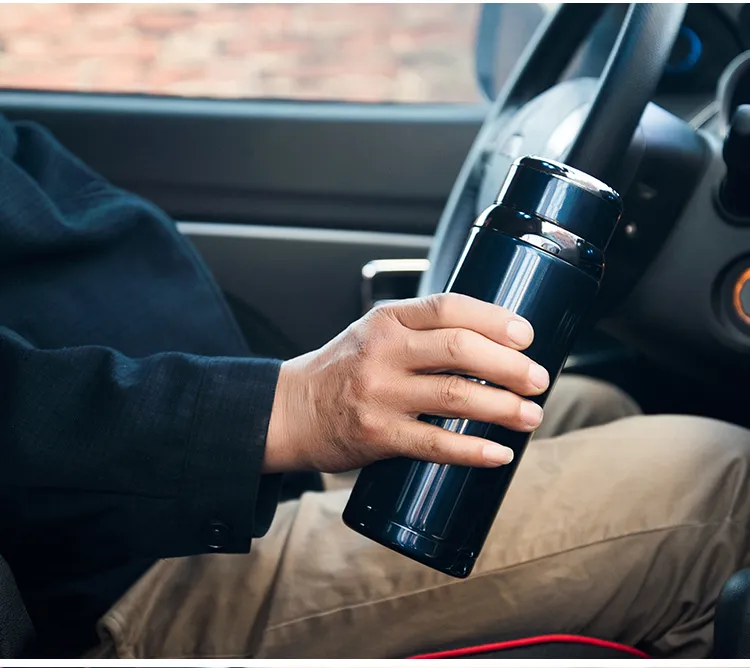
In China, insulated bottles are not merely tools. They are characters in everyday life, showing up beside laptops, riding in backpacks, and even appearing in memes. Understanding 中国保温杯文化(Zhōngguó bǎowēnbēi wénhuà, Chinese insulated-cup culture) requires traveling through history, lifestyle trends, and a shared national sense of humor.
China’s relationship with hot water goes back thousands of years. For a long time, drinking boiled water was one of the simplest ways to stay healthy, reduce disease, and warm the body in winter. Then came the era of the classic glass-bodied household thermos, often decorated with bright flowers or big red characters wishing happiness and prosperity. Every home had one. Visiting relatives would hear the iconic crackling sound of hot water being poured from a thermos into enamel mugs.
When stainless steel insulated cups entered the scene, they didn’t replace culture — they extended it. Suddenly, warmth could travel with you. Office workers filled their insulated cups with chrysanthemum tea, wolfberries, and rock sugar. Students carried bottles full of steaming water while preparing for exams. Elderly people sipped hot water during morning walks in the park.
保温杯(bǎowēnbēi, insulated cup) quickly became a symbol of care. Parents handed bottles to children at school gates. Friends gifted them when someone fell sick. A boyfriend carrying a thermos for his girlfriend became the internet’s version of a “warm-hearted partner.”
Then social media took this affection and spun it into humor. Young people joked that the moment someone starts drinking wolfberry tea from an insulated cup, their “youth is officially over.” Memes filled with lines like “When you reach 25, you automatically receive a 保温杯任务(bǎowēnbēi rènwu, thermos mission) from life.” Even celebrities were spotted holding insulated bottles backstage, sparking online jokes about “health becoming fashionable.”
But the truth behind the humor is simple: the insulated bottle reflects a practical, caring lifestyle. It keeps warmth close. It offers comfort during stressful days. It reminds people of home, family, and traditions that travel in small, portable shapes. For foreigners visiting China, seeing people carry insulated bottles everywhere is less a trend and more a glimpse into a culture that values warmth literally and emotionally.
What People Put Inside — And the Stories They Tell
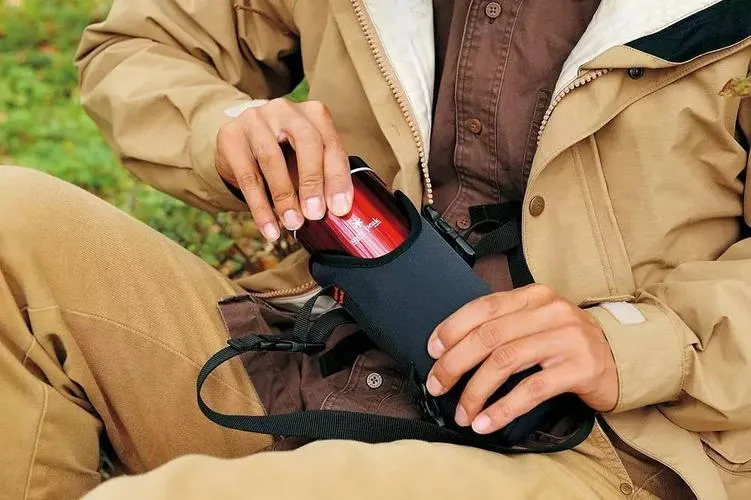
If you open ten insulated cups in China, you will likely find ten different drinks. Chinese 保温杯文化(Zhōngguó bǎowēnbēi wénhuà, insulated-cup culture) isn’t just about carrying hot water; it’s about what’s inside and the stories those ingredients tell.
The classic choice is, of course, plain hot water. Many Chinese families believe that warm water soothes the stomach, improves circulation, and calms the body. Even though foreigners sometimes joke about China’s obsession with hot water, for many Chinese people, it’s a source of comfort shaped through generations.
Next comes herbal infusions. Wolfberries are probably the most famous addition. Drop a handful into a bottle, and they plump up throughout the day, giving the water a mildly sweet taste. Chrysanthemum flowers are favorites for people who work long hours staring at screens; they’re believed to “cool” the eyes.
Then there are the fun modern blends: dried fruit teas, flower teas, red dates, ginger slices, or even barley. Coworkers often peek at each other’s bottles to guess what “secret recipe” someone is trying that week.
These drinks create small daily rituals. In the morning, someone might take a moment to wash their bottle, prepare ingredients, and add boiling water. During stressful meetings, they might twist open the lid, breathe in the warm scent, and feel a tiny wave of calm wash over them. Travelers on long trains sip from insulated cups to fight the cold wind. Students drink hot water during late-night study sessions as if fueling courage for the next page.
All these habits give the insulated bottle a social meaning. People tease each other: “You’re still young; why are you carrying a 保温杯(bǎowēnbēi, insulated cup) already?” Parents nag young adults: “Drink more hot water.” Couples send photos of their bottles to say “take care” without words. In these small exchanges, warmth spreads far beyond temperature.
Foreigners visiting China sometimes find this amusing at first, but many end up adopting the habit. There’s something universal about holding warmth in your hands. The insulated bottle becomes not just a tool, but a quiet companion in life’s busy rhythm.
Insulated Bottles in Modern China — Design, Identity, Humor
Today's insulated water bottles in China are no longer simple metal containers. They have become part of personal identity, design trends, and cultural storytelling.
First, modern insulated cups come in countless styles. Minimalist matte colors for office workers. Cute cartoon designs for students. Traditional ink-brush art for older generations. Sleek, futuristic bottles that look almost like spacecraft for tech enthusiasts.
Some Chinese brands have turned insulated bottles into fashion items. Limited editions sell out quickly. Certain models become status symbols on university campuses. Others become beloved “daily partners” worn smooth from constant use.
But design is only half the story; humor is the other half. 保温杯(bǎowēnbēi, insulated cup) memes fill the Chinese internet:
- • “Growing up means switching from cold soda to hot wolfberry tea.”
- • “If you’re stressed, drink hot water. If you’re sad, drink hot water. If you fail a test, drink more hot water.”
- • “A thermos in hand, adulthood officially begins.”
These jokes create a sense of shared experience. They unite students, office workers, parents, and even grandparents through a simple bottle of warm water.
Insulated bottles also became symbolic in pop culture. Chinese comedians reference them. TV dramas use them to show a character’s personality. Social media influencers teach people what to put inside for better sleep, clearer skin, or more energy.
Meanwhile, the growth of outdoor culture, hiking, camping, and long-distance travel has expanded the use of insulated bottles. They keep tea warm on snowy mountains and preserve cold water on humid summer hikes. Families bring them on train trips to refill at hot water stations. Delivery riders use them during chilly winters to stay warm between orders.
In many ways, the insulated cup mirrors modern China — practical yet emotional, humorous yet deeply rooted, constantly evolving yet carrying old traditions within. It represents not just temperature control but the desire to bring comfort with us, wherever we go.
More Than a Simple Insulated Cup
Insulated cups may look simple, but behind them lies a mix of physics, tradition, everyday stories, health habits, design trends, and the uniquely warm humor of Chinese culture. For foreigners curious about China’s 保温杯文化(bǎowēnbēi wénhuà, insulated-cup culture), the insulated bottle is a perfect window into how practical tools become emotional companions, and how a warm sip can hold centuries of lifestyle wisdom.
FAQ
Q: How do insulated cups work?
A: Insulated cups use a double-wall vacuum layer to slow heat transfer. This keeps hot drinks warm and cold drinks chilled for longer periods.
Q: What is an insulated water bottle?
A: An insulated water bottle is a container with double-wall insulation designed to maintain drink temperature, ideal for hot tea, coffee, and daily hydration.
Q: Why are insulated cups so common in China?
A: In China, insulated cups connect to daily habits like drinking hot water and brewing herbal tea. Over time, they evolved into a cultural symbol of comfort and everyday practicality.
Q: What does “保温杯文化” mean?
A: “保温杯文化” refers to the lifestyle trend where carrying a thermos becomes part of personal identity, from office workers to students. It highlights warmth, wellness, and convenience.
Q: Are insulated bottles effective for both hot and cold drinks?
A: Yes. Quality insulated bottles can keep drinks hot for 6–12 hours and cold for even longer due to vacuum insulation technology.
Q: What is the best insulated water bottle?
A: It depends on your needs. Stanley and Hydro Flask offer long-lasting insulation, while Tiger and Zojirushi focus on lightweight daily use. Choose based on insulation time, weight, and lid design.