
The Story of the Chinese Umbrella Tree
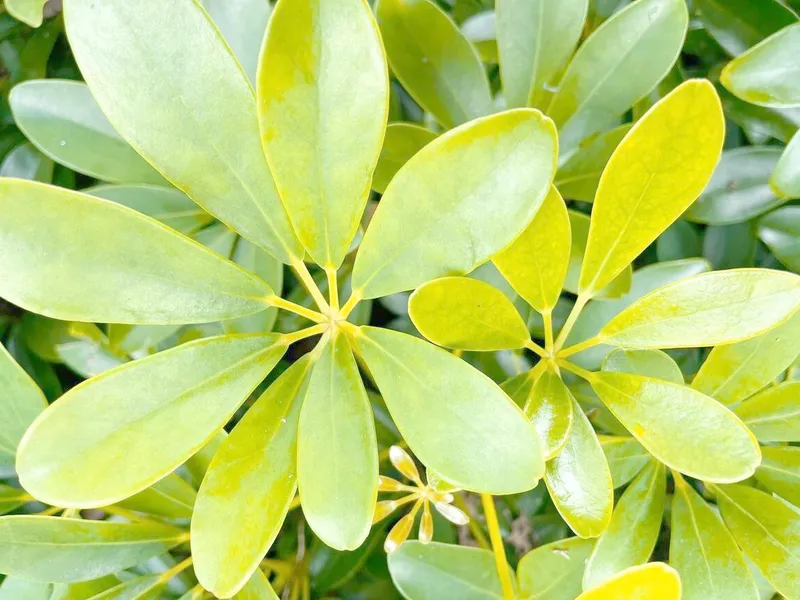
Introduction — The Umbrella Tree: A Symbol of Elegance and Resilience
The Chinese Umbrella Tree, known scientifically as Schefflera octophylla (commonly called "Shānshù" or "Eight-leaf Umbrella Tree"), has a long history in southern China and Southeast Asia. More than just a common plant, it carries rich cultural significance. Its palm-shaped leaves radiate outward like small umbrellas, symbolizing protection, shelter, and harmony. Its tall yet flexible branches teach resilience, adaptability, and humility.
From traditional gardens to modern parks, and from indoor decoration to ecological landscaping, the Umbrella Tree occupies an important place in Chinese life. This article explores its story in four chapters, examining its history, cultural meaning, everyday uses, and modern significance.
1. Origins and Natural FeaturesThe Umbrella Tree is native to southern China, including Guangdong, Guangxi, Fujian, and Taiwan, and is also found in parts of Southeast Asia. It belongs to the family Araliaceae and is valued for its fast growth, evergreen foliage, and adaptability to subtropical climates.
Leaves and AppearanceThe tree’s leaves are palmate compound, with 7 to 9 leaflets radiating from a central point, resembling small umbrellas—hence its common name. During flowering, it produces clusters of small red or orange flowers, attracting birds and insects and contributing to local biodiversity.
Tree CharacteristicsThe Umbrella Tree can grow up to 10 meters tall. Its branches are strong yet flexible, and its dense foliage provides excellent shade. This combination of sturdiness, aesthetic appeal, and ecological benefits makes it ideal for traditional and modern landscapes.
2. Cultural Significance in Chinese TraditionsThe Umbrella Tree carries rich symbolic meanings beyond its physical appearance:
- Protection and Harmony: Its umbrella-shaped leaves symbolize shelter and familial or community harmony.
- Resilience and Adaptability: Branches bend without breaking, representing flexibility in the face of challenges.
- Humility and Elegance: The orderly arrangement of its leaves reflects modesty and refined character.
In classical Chinese poetry and garden culture, the Umbrella Tree often represents a serene refuge or moral integrity. Planting a tree in a courtyard provided both shade and spiritual symbolism.
3. Uses in Daily Life and Garden PracticesThe Umbrella Tree has long been integrated into Chinese gardens and daily life:
- Gardens and Public Green Spaces: It creates shade, microclimates, and visual focal points in courtyards and parks.
- Indoor Decoration: Its adaptability to pots makes it popular in homes and offices, enhancing air quality and creating a calming atmosphere.
- Ecological Functions: In gardens, it provides shade for mosses, ferns, and shrubs, supporting a balanced micro-ecosystem.
Traditional gardens often paired Umbrella Trees with rocks, water, and other plants to create harmonious contrasts of light, shadow, and space, reflecting the Chinese aesthetic of balance. Modern landscape designers continue to use the tree for similar purposes in urban environments.
4. Modern Value and ConservationToday, the Umbrella Tree is appreciated not only for beauty but also for ecological and cultural significance:
- Cultural Heritage: In parks and cultural sites, it is showcased as part of traditional horticulture and garden design.
- Conservation: Urbanization has reduced its natural habitats, making the preservation of mature trees and the cultivation of new ones important.
- Design Inspiration: Its unique leaf structure and cultural symbolism inspire contemporary art, fashion, and interior design.
The Umbrella Tree reminds us that nature and culture can coexist harmoniously, embodying resilience, elegance, and mindfulness.
Conclusion
The Chinese Umbrella Tree (Schefflera octophylla) is more than a plant—it is a living symbol of nature, culture, and philosophy. From subtropical forests to classical gardens and modern urban landscapes, it represents protection, harmony, and aesthetic refinement. Whether in courtyards, parks, or homes, the Umbrella Tree continues to inspire reflection and admiration, connecting people to centuries of Chinese cultural tradition while offering practical and ecological benefits.