
The Soulful Call of the Suona: Tradition, Music, and Culture in China
Introduction: The Sound That Echoes Through History
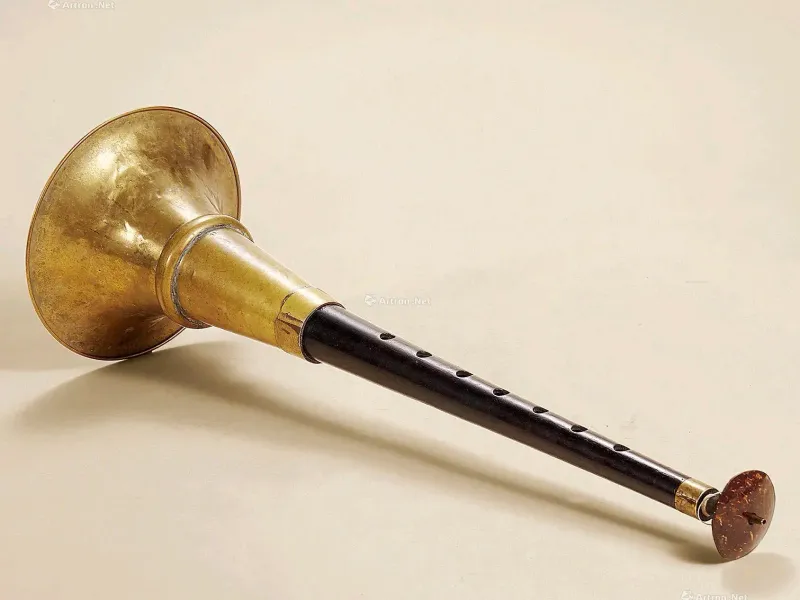
The suona (唢呐, suǒnà) is one of the most distinctive traditional Chinese musical instruments. Its sharp, piercing, and vibrant sound has echoed through villages, temples, and royal courts for centuries. Often described as the "voice of celebration," the suona plays a key role in weddings, funerals, and festivals across China. Unlike more mellow instruments such as the bamboo flute, the suona demands both physical strength and refined technique, producing tones that can evoke joy, sorrow, and solemnity within a single performance. The instrument is more than a tool for music; it embodies cultural memory, human emotion, and the expressive heart of Chinese communities.
Origins and Historical Significance of the Suona
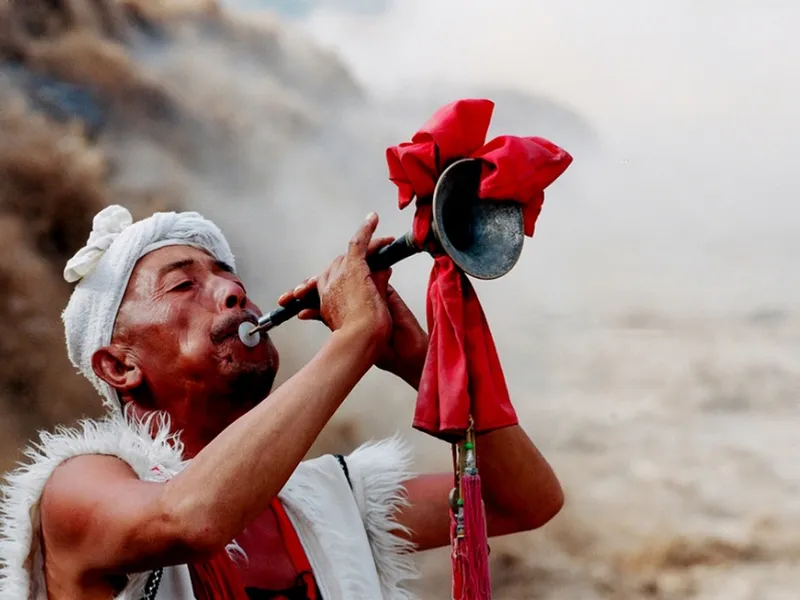
The suona has a long and storied history, believed to have been introduced to China from Central Asia during the Tang Dynasty (618–907 CE). Historical texts describe its adoption in military music, where its penetrating sound could signal commands across vast distances. Over time, the instrument was incorporated into court music and folk traditions, eventually becoming a staple in Chinese orchestras and community celebrations.
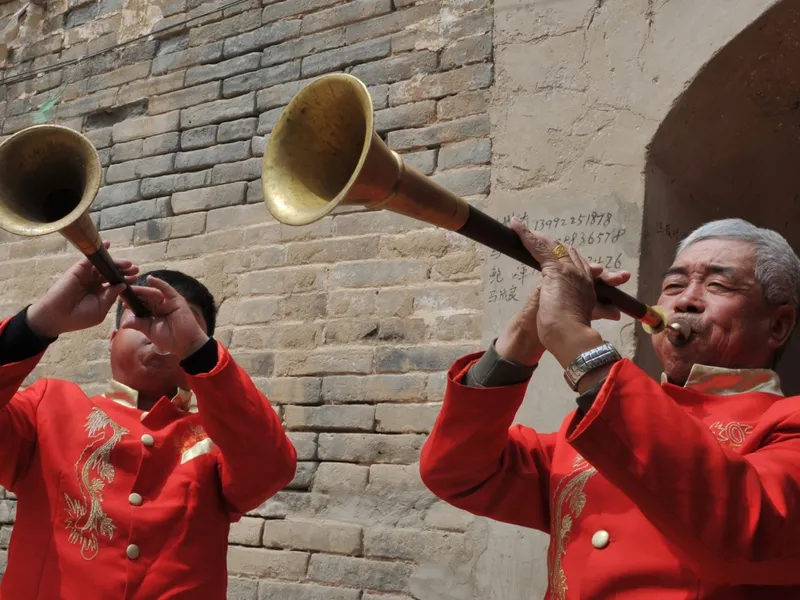
Crafted from wood and fitted with a double reed (簧片, huáng piàn), the suona produces a bold, resonant tone that can be heard over long distances. Its adoption in Chinese culture was more than musical—it reflected social organization, communal rituals, and symbolic meanings. For example, in northern China, the suona often accompanies funeral processions, signaling both respect and guidance for the departed. Conversely, in weddings and harvest festivals, it symbolizes joy and prosperity. Its duality in representing both life’s celebrations and mourning reflects the Chinese philosophy of balance and harmony in human existence.
Crafting the Suona
The construction of a traditional suona requires meticulous craftsmanship. Typically made from hardwoods such as rosewood or ebony, the body of the instrument is carefully shaped to optimize sound resonance. The double reed, often made from bamboo, is fitted to a metal or wooden staple that inserts into the body. The combination of materials and precision in shaping ensures the instrument produces its signature sharp, powerful sound.
Advanced suona-making involves adjusting the bore, reed, and finger holes with millimeter-level precision. Artisans also decorate the instrument with intricate carvings, lacquer, or symbolic motifs, creating not just a functional instrument but also a piece of cultural art. In some regions, families have passed down suona-making techniques for generations, preserving regional styles and unique tonal qualities. Modern adaptations also explore alternative materials for durability while maintaining the traditional sound, reflecting a balance between heritage and innovation.
Playing the Suona: Techniques and Styles
Playing the suona demands skill, breath control, and stamina. Its sharp tone requires the player to maintain steady airflow while using precise fingerings to produce melodies and ornamentation. Traditional techniques include glissando slides, trills, and rapid tonguing, allowing performers to express a wide range of emotions.
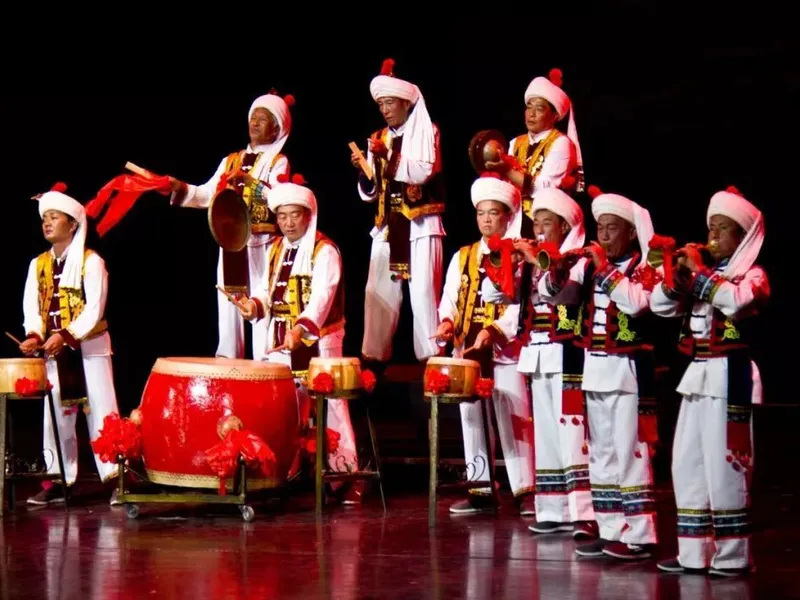
The suona appears in multiple contexts. In northern China, it accompanies folk dances, lion dances, and temple fairs, creating an energetic and communal atmosphere. In southern regions, the instrument is used in ensemble performances with drums, gongs, and stringed instruments to accompany operas and theatrical performances. Renowned compositions such as "Dragon Dance Suona Melody" demonstrate the instrument’s versatility, blending celebratory and martial elements. Learning to play the suona is often both a musical and cultural education, immersing the player in regional styles, ceremonial practices, and performance etiquette.
Cultural Legacy and Modern Influence
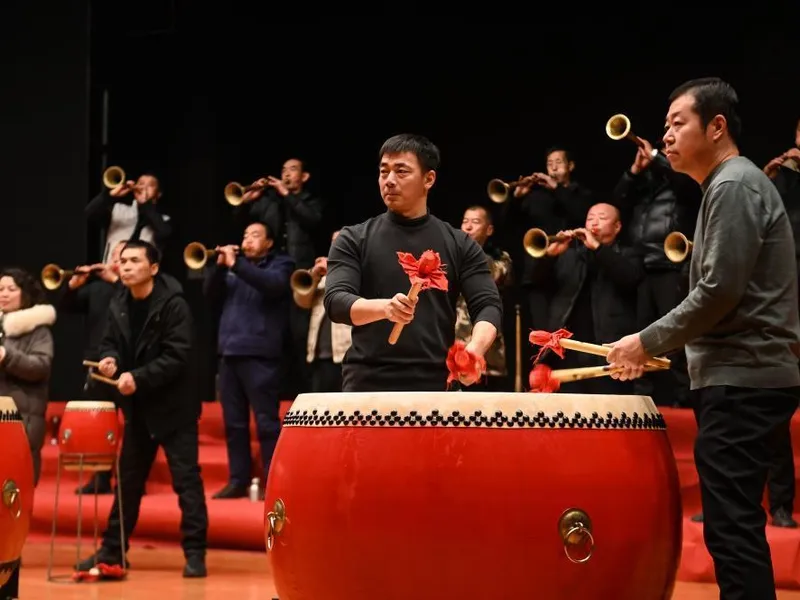
The suona’s significance extends beyond music; it is a cultural symbol that connects communities, generations, and regions. Its presence in weddings, funerals, festivals, and operas underscores its role as a conduit of emotion and tradition. In modern times, the suona has found new life in contemporary music, fusion projects, and international performances. Musicians blend its traditional sounds with Western orchestral instruments or jazz ensembles, creating innovative interpretations while honoring its roots.
Furthermore, the suona serves as an educational tool for cultural preservation. Schools, conservatories, and folk music programs teach young musicians the art of playing and crafting the instrument. This ensures that the distinctive sound of the suona—sharp, soulful, and evocative—continues to resonate, keeping alive a rich musical heritage. The suona embodies resilience, communal identity, and artistic expression, bridging centuries of history with contemporary creativity.
Conclusion: The Enduring Voice of the Suona
The suona is more than a musical instrument; it is the voice of China’s cultural heartbeat. Its bold tones carry stories of celebration and sorrow, rituals and artistry, community and individuality. From ancient battlefields and village streets to modern concert halls, the suona continues to captivate audiences and inspire musicians. Understanding the suona offers a window into Chinese history, social practices, and artistic values, demonstrating how a single instrument can embody a civilization’s spirit. The call of the suona is timeless, echoing through the past, present, and future of Chinese music.