The Past and Present of Chinese Black Tea: From Discovery to Global Influence
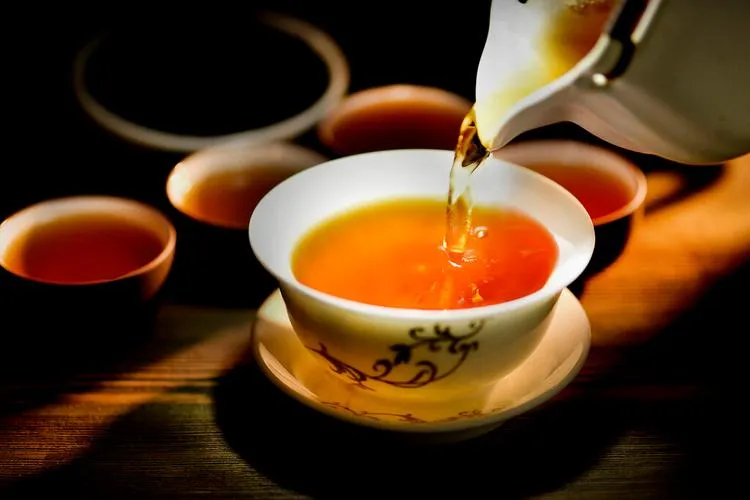
The Discovery and Early Development of Chinese Black Tea (中国红茶的发现与早期发展)

Chinese black tea, known as hongcha (红茶) in Chinese, holds a distinguished place in the history of tea. Its journey—from ancient discovery to daily use, from shaping Chinese civilization to becoming one of the world’s most beloved beverages—reflects the evolution of Chinese culture, trade, craftsmanship, and global taste. Unlike green tea or oolong tea, Chinese black tea carries a deep, warm, and mellow character, mirroring the history of the land where it originated.
Tea as a beverage began in China over 4,000 years ago, traditionally attributed to the legendary Emperor Shennong. For centuries, tea existed primarily in its green or lightly processed form. The discovery of fully fermented black tea was not an intentional invention but an accident shaped by nature, climate, and travel.
During the Ming Dynasty (1368–1644), tea production methods underwent major reform. Loose-leaf tea replaced compressed tea cakes, opening doors for new styles. It was in the Wuyi Mountains of Fujian Province—home to ancient forests and misty peaks—that the earliest true black tea emerged.
Legend says that during the late Ming period, an army passing through a Wuyi tea village interrupted the tea-makers’ schedule. Fresh leaves sat unattended longer than usual, naturally oxidizing. When processed, these darkened leaves produced an unexpectedly rich, sweet, and aromatic brew. The villagers called it Zhengshan Xiaozhong (正山小种)—the world’s first black tea.
Traders sampled the “accidental” tea and found the taste unique: smoky, sweet, and soothing. Thus began the birth of black tea.
Chinese Black Tea in Daily Life and the Formation of Tea Culture (红茶与中国文明)

Black tea became not merely a drink but a symbol of:
● hospitality
● warmth and comfort
● social gatherings
● philosophical reflection
During the Qing Dynasty, black tea rose dramatically in popularity. Scholars drank it while writing and painting, merchants served it to guests, and families enjoyed it during festivals.
Tea embodies core Chinese values such as “peace, respect, thrift, harmony” (和、敬、俭、真). Black tea, with its calm warmth, became associated with:
● balance (its gentle nature calms the stomach)
● maturity (fermentation symbolizes patience)
● hospitality (serving black tea signals sincerity)
Chinese medicine views hongcha as:
● warming the body
● supporting digestion
● aiding circulation
● dispelling cold
Black tea also plays a role in family and social rituals, for example:
● Mothers serve warm black tea to children studying late at night.
● Elderly people drink black tea after meals.
● Coastal families drink black tea in cold seasons to warm the body.
The Craftsmanship and Rise of China’s Most Influential Black Teas (制茶技艺与红茶名品的崛起)

Crafting black tea requires mastery of a multi-step process:
1. Withering – Fresh leaves lose moisture and soften.
2. Rolling – Leaves are shaped and enzymes activated.
3. Fermentation (Oxidation) – The key step that turns leaves reddish-brown.
4. Firing – High heat stops oxidation.
5. Sorting & Refining – Leaves are graded.
Generations of tea makers refined each step, turning tea-making into an art form.
Famous black teas include:
● Zhengshan Xiaozhong (正山小种) – the original black tea with smoky pine flavor.
● Keemun Black Tea (祁门红茶) – known for wine-like aroma and delicate texture.
● Dianhong (滇红) – golden buds, bright amber color, and full-bodied taste.
In the past 20 years, Chinese black tea has seen a renaissance with:
● high-mountain black teas
● sun-dried black teas
● floral-scented black teas
How Chinese Black Tea Conquered the World (红茶如何走向世界)
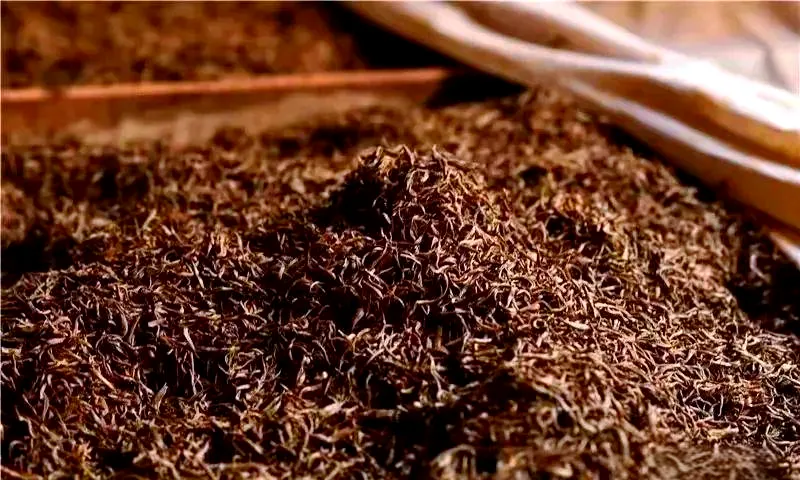
When black tea entered Europe in the 1600s, it quickly replaced green tea as the preferred style because it:
● traveled better
● preserved flavor longer
● resisted moisture on long voyages
Chinese black tea shaped global traditions:
● British Afternoon Tea – using Keemun and Dianhong to create English Breakfast Tea and Earl Grey.
● Russian Caravan Tea – signature smoky taste from Fujian to Moscow.
● Middle Eastern Tea Traditions – strong, aromatic brews in Gulf countries.
Although China temporarily lost dominance due to tea cultivation in India and Sri Lanka, Chinese black tea’s origin, craftsmanship, and cultural value remain unmatched.
Today, Chinese black tea experiences a global renaissance:
● specialty tea shops
● health-focused consumers
● origin-based teas
● Chinese tea culture tourism
● global appreciation of handmade products
The Eternal Charm of Chinese Black Tea
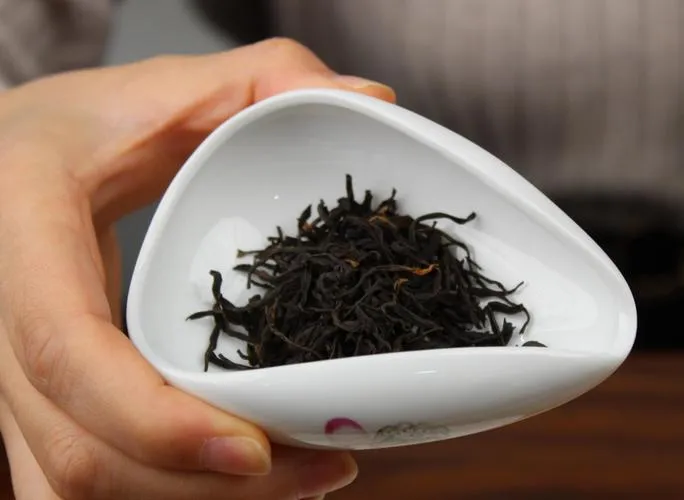
From its accidental discovery in the Wuyi Mountains to its role in shaping Chinese society, Chinese black tea carries thousands of years of history in every cup. It represents:
● human ingenuity
● patience and craftsmanship
● cultural identity
● global exchange
● the warmth of everyday life
Chinese black tea continues to connect people across continents, reminding us that a simple drink can reflect the journey of a civilization. Its story is far from over, remaining a warm, amber bridge between past and present, China and the world.