The Most Popular Beans in China
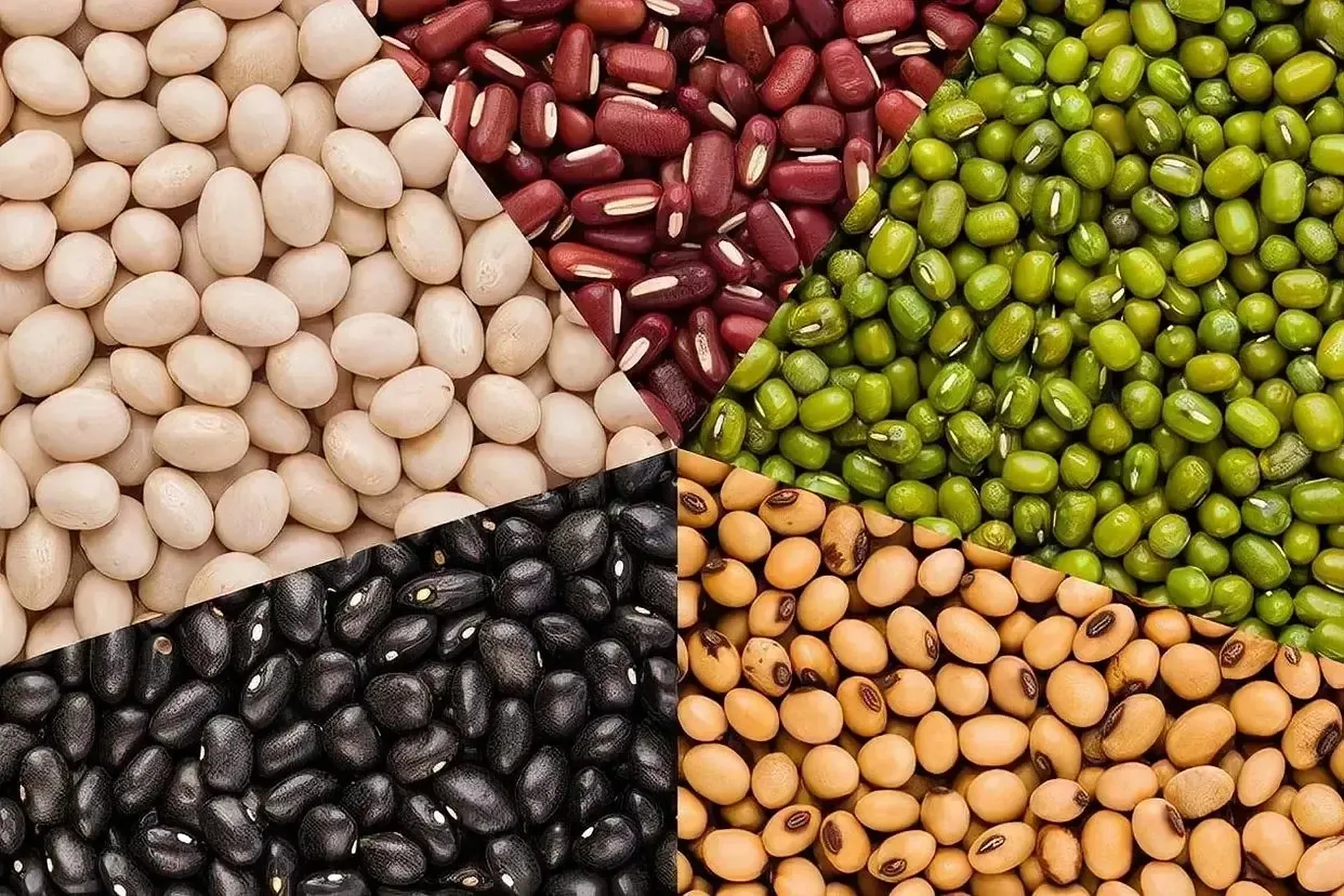
Beans have been an essential part of Chinese cuisine and culture for thousands of years. Rich in protein, fiber, and micronutrients, they provide both nutrition and versatility in cooking. From soybeans (黄豆) used in tofu and soy milk to red beans (红豆) for desserts, each type of bean holds a unique place in Chinese kitchens. This article explores the most popular beans in China, their culinary uses, health benefits, and cultural significance, highlighting why beans remain a staple in Chinese diets.
1. Soybeans — 黄豆
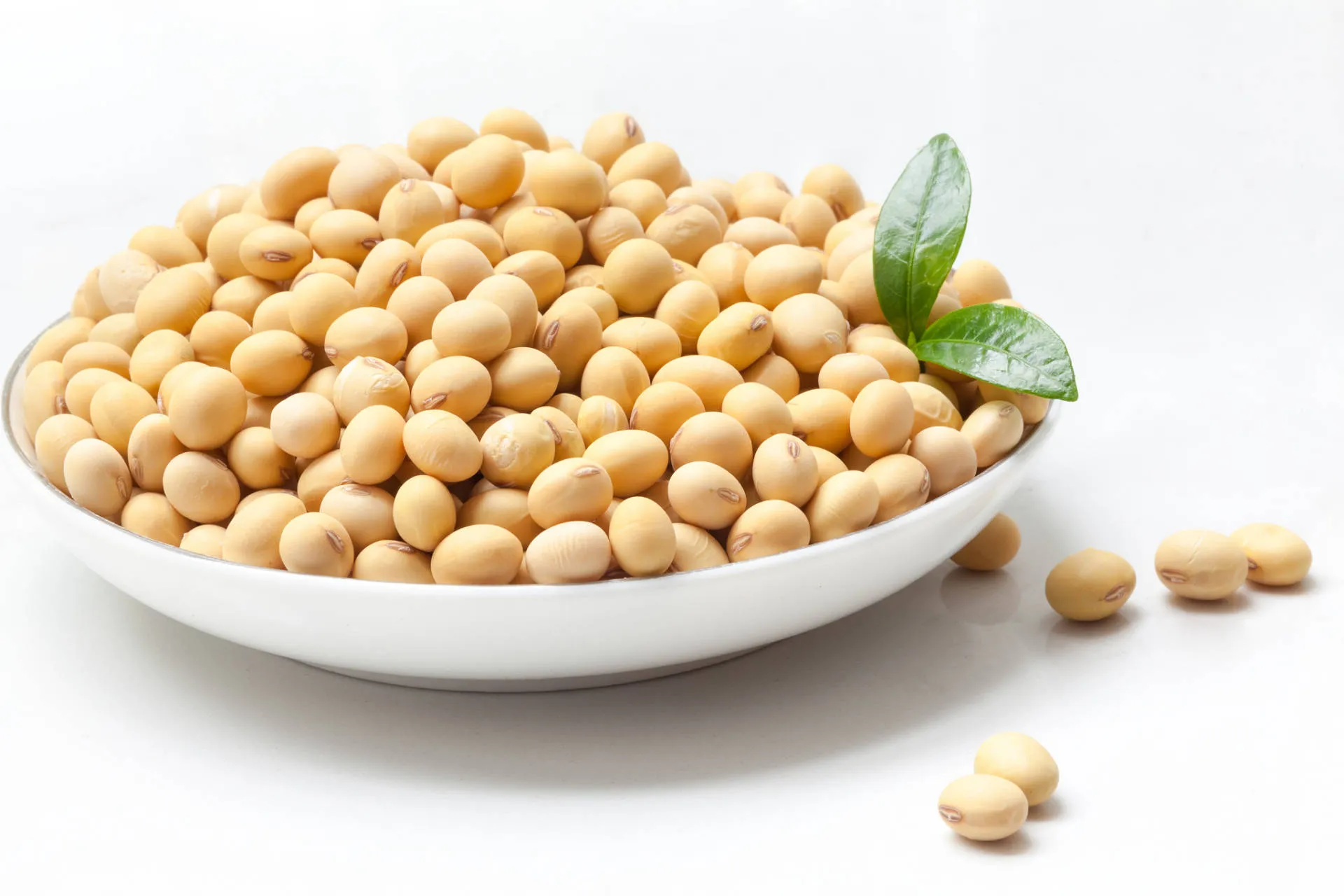
Nutritional Value and Health Benefits: Soybeans are high in protein and contain essential amino acids, making them a crucial protein source in vegetarian diets. They also provide isoflavones, which are associated with cardiovascular health, bone density maintenance, and hormonal balance. Additionally, soy products are low in saturated fat, contributing to a heart-healthy diet.
Culinary Uses in China: Soybeans are highly versatile. In addition to tofu and soy milk, roasted soybeans are used as snacks, and soy paste flavors many traditional sauces. Fermented soybeans, like douchi, are essential for stir-fries and braised dishes, adding deep umami flavor.
Cultural Significance: Soybeans are considered a symbol of nourishment and abundance in Chinese culture. They are commonly featured in family meals and festivals, reflecting their long-standing role in sustaining communities throughout history.
2. Red Beans / Adzuki Beans — 红豆
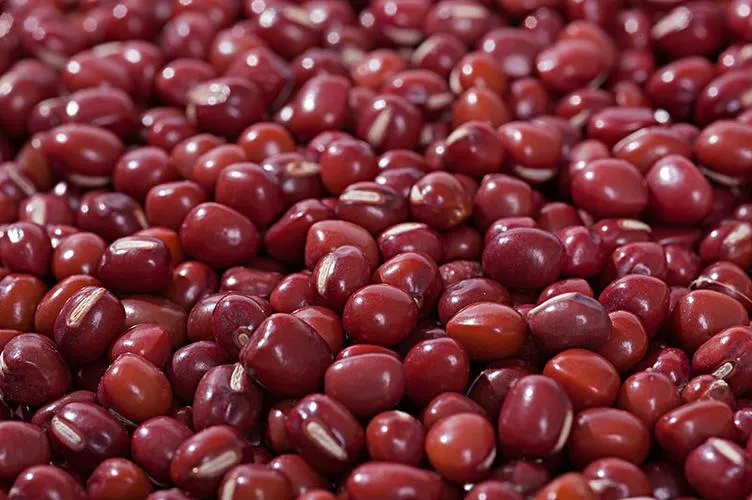
Nutritional Value and Health Benefits: Red beans are rich in protein, fiber, iron, and antioxidants. They are believed to aid digestion, improve circulation, and help regulate blood sugar levels. Their natural sweetness allows them to be used in desserts without excessive sugar.
Culinary Uses in China: Red beans are most commonly used in sweet applications. Popular dishes include red bean paste (hongdou sha), which fills buns, mooncakes, and dumplings. Sweet soups with red beans are common desserts, particularly in southern China. They can also be boiled with rice to make red bean rice for breakfast or festive occasions.
Cultural Significance: In Chinese culture, red beans symbolize love and fidelity. Poems and folk songs often reference red beans as tokens of longing or affection, making them culturally significant beyond the kitchen.
3. Mung Beans — 绿豆
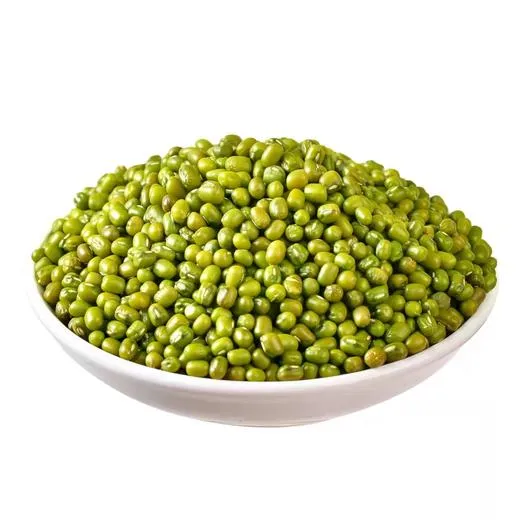
Nutritional Value and Health Benefits: Mung beans are high in protein, fiber, and essential minerals. They are considered to have detoxifying and heat-reducing properties in traditional Chinese medicine, making them popular for summer dishes and remedies.
Culinary Uses in China: Mung beans are versatile in both sweet and savory dishes. Mung bean soup is a refreshing dessert, often served chilled. Ground mung beans can be used to make mung bean cakes or noodles. In savory cooking, sprouted mung beans are commonly stir-fried with vegetables or used in spring rolls.
Cultural Significance: Mung beans have a historical reputation as a “summer bean” for cooling the body. They are often included in seasonal diets to maintain balance in traditional Chinese dietary practices.
4. Black Beans and Other Beans — 黑豆及其他豆类
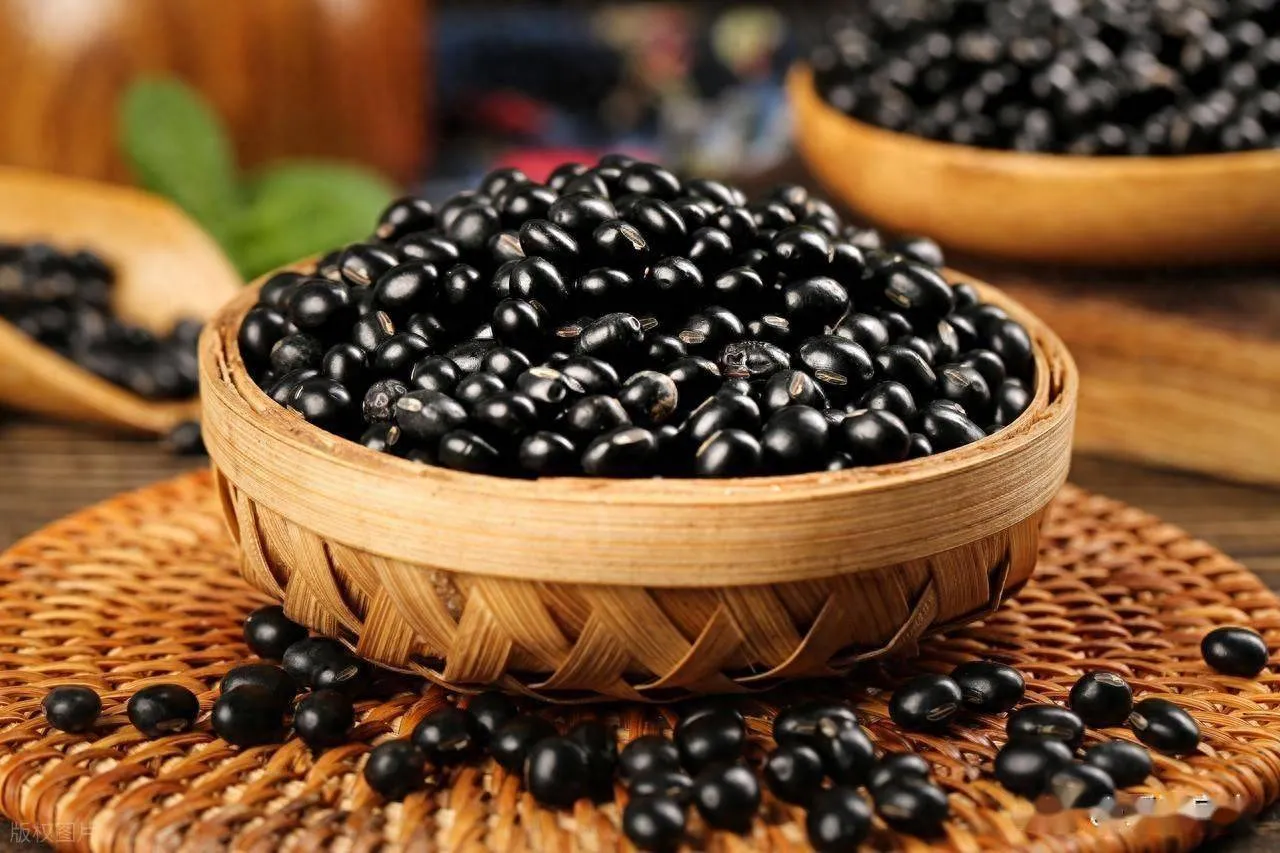
Nutritional Value and Health Benefits: Black beans are packed with protein, fiber, and antioxidants. Kidney beans and lentils provide similar benefits, supporting digestive health, blood sugar control, and heart health. Chickpeas are an excellent source of plant-based protein and healthy fats.
Culinary Uses in China: Black beans are often fermented to produce douchi, which flavors meat and vegetable dishes. Kidney beans are increasingly used in soups or sweet bean desserts. Lentils and chickpeas are less traditional but are appearing in modern Chinese cooking and health-conscious recipes. These beans can be boiled, mashed, or added to stir-fries, soups, and salads.
Cultural Significance: Fermented black beans symbolize umami and depth of flavor in Chinese cuisine. Newer beans like lentils and chickpeas reflect China’s growing interest in international cuisines, blending traditional cooking techniques with global ingredients.
Conclusion
Beans play a crucial role in Chinese cuisine, offering nutrition, flavor, and cultural depth. From soybeans (黄豆) to red beans (红豆), mung beans (绿豆), and black beans (黑豆), each variety has its own story and application in the kitchen. By exploring these beans and experimenting with recipes, you can enjoy a taste of China’s culinary heritage while benefiting from their remarkable health properties.
● Practical Tip: Whether you are preparing a traditional dessert, a hearty stew, or a modern fusion dish, beans remain a versatile and essential ingredient in Chinese cooking.