The Evolution of Ancient Chinese Money: From Barter to Coins and Paper Currency
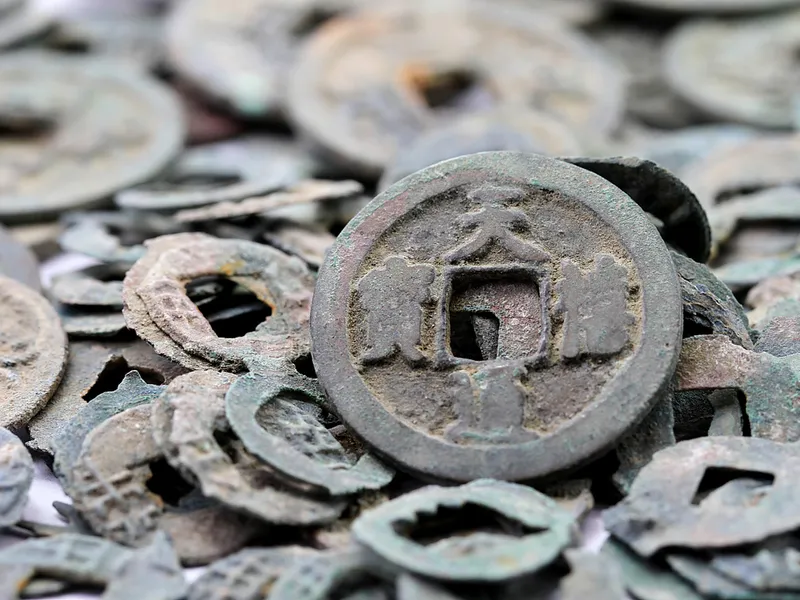
Money is more than a tool for trade—it is a reflection of culture, technology, and human ingenuity. In ancient China, the journey from barter to coins and finally to paper money mirrors the evolution of society itself. Early villagers exchanged grain, silk, and livestock; later, metallic coins standardized value across vast empires; eventually, innovative paper currency transformed trade and commerce, influencing the world beyond China’s borders.
This article explores the fascinating history of ancient Chinese money, tracing its development through three key stages: the barter era, the rise of coins, and the advent of paper currency. Along the way, we uncover stories of ingenuity, symbolism, and economic transformation that shaped Chinese civilization.
From Barter to Early Trade Systems
Early Barter Systems
Long before coins or banknotes existed, the people of ancient China relied on barter. Early civilizations exchanged goods and services directly, often trading items like grain, silk, livestock, or tools. In regions such as the Yellow River valley, agriculture flourished, creating surplus goods that could be exchanged between villages and emerging towns.
Barter systems, though simple, required mutual trust and were limited by the perishability and portability of goods. For example, trading grain over long distances was impractical, whereas metals and shells offered durability and standardization. Over time, communities recognized the need for a common medium of exchange that could facilitate trade, establish value, and store wealth efficiently.
Early Forms of Proto-Money
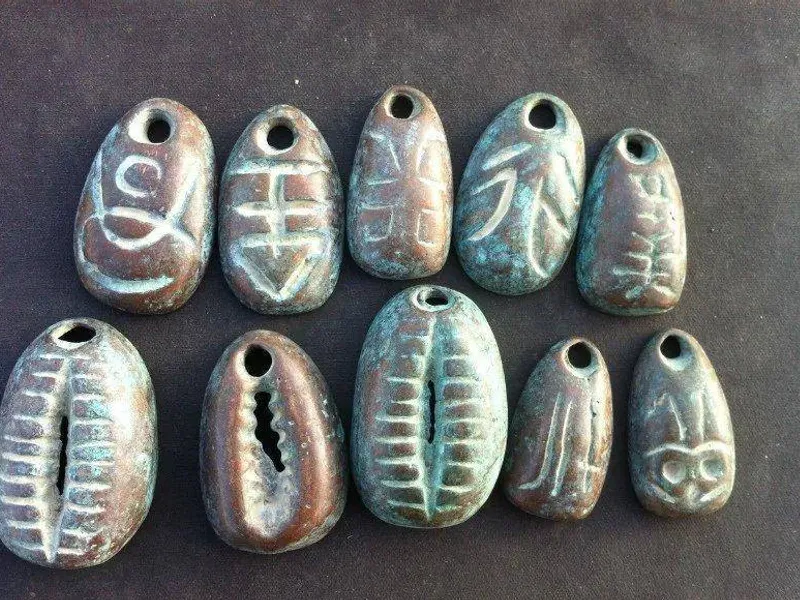
Before formal coins, ancient China experimented with commodity money. Cowrie shells, prized for their rarity and aesthetic appeal, became a widely accepted form of currency during the Shang dynasty (c. 1600–1046 BCE). Shells symbolized value, portability, and uniformity, allowing merchants and villagers to trade over greater distances. Archaeological evidence suggests that cowrie shells were used in standardized bundles, often marked or inscribed, foreshadowing the principles of coinage.
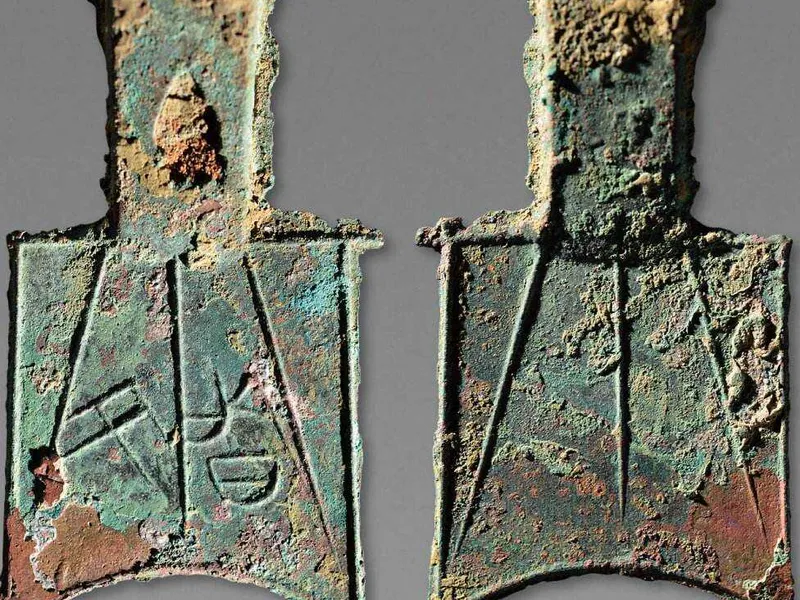
Alongside cowries, early societies used tools, spades, knives, and other utilitarian items as token money. Bronze spade money, shaped like miniature farming implements, represented both practical and symbolic significance. These items were durable, portable, and widely recognized, bridging the gap between simple barter and formalized currency systems.
The Role of Trade and Markets
As population centers grew, trade networks expanded along rivers and ancient roads. Markets became hubs of economic activity, where merchants exchanged local goods like silk, salt, and pottery for items from distant regions. The limitations of barter—weight, perishability, and inconsistent value—led to the early experimentation with metallic currency, which was more durable, divisible, and portable.
The Zhou dynasty (c. 1046–256 BCE) saw significant advances in trade, and local authorities began to regulate early forms of coinage. They standardized weights, shapes, and inscriptions, creating confidence in the currency’s authenticity. These developments paved the way for true coinage in the following centuries.
The Rise of Coins in Ancient China
Early Coinage: The Bronze Era
During the Warring States period (475–221 BCE), various Chinese states minted bronze coins in distinct shapes, including spades, knives, and round discs. Each state had its own inscriptions, weight standards, and symbolic designs. Knife coins, for instance, were shaped like small blades and often inscribed with the issuing authority’s name. These coins could be easily carried, and their metallic content gave them intrinsic value.
Round coins with square holes, a design that would endure for centuries, first appeared around the Qin dynasty (221–206 BCE). The square hole allowed coins to be strung together, facilitating large transactions without cumbersome counting or storage. Coins were not merely economic instruments—they also reflected the issuing state’s authority and technological skill in metallurgy.
Standardization and National Currency
The Qin dynasty unified China politically and economically. Emperor Qin Shi Huang implemented a standardized coinage system using round bronze coins with square holes, known as ban liang. Standardization eliminated confusion from regional variations and strengthened central authority.
The Han dynasty (206 BCE–220 CE) expanded coin circulation, introducing various denominations and further refining inscriptions. Coins often bore official titles or auspicious symbols, blending utility with cultural and political messaging. Markets thrived as merchants and commoners could rely on uniform currency, reducing reliance on barter.
Coins as Cultural Symbols
Coins were more than financial tools—they reflected culture, philosophy, and symbolism. The round shape represented heaven, while the square hole symbolized earth, echoing Chinese cosmology. Coins could convey messages of prosperity, good fortune, and legitimacy. Archaeological discoveries include coins buried in tombs as offerings, highlighting their spiritual as well as economic significance.
International Influence and Trade
Chinese coins also facilitated international trade. Along the Silk Road, Chinese coinage circulated alongside Roman, Persian, and Indian currency, enabling exchanges of silk, spices, and precious metals. Coins’ portability and recognized value made them instrumental in China’s role as an economic and cultural hub in ancient Eurasia.
The Advent of Paper Money
Early Experiments with Paper Currency
Paper money was one of China’s most revolutionary contributions to global finance. While coins dominated for centuries, the limitations of metal—weight, bulk, and production cost—prompted innovation.
During the Tang dynasty (618–907 CE), merchants and regional authorities began issuing promissory notes called jiaozi, essentially receipts for deposited coins or goods. These notes could be exchanged in place of heavy coinage, reducing transportation burdens and facilitating long-distance trade. Initially, their use was local, but confidence in the system grew as governments and banking institutions regulated issuance and redemption.
Song Dynasty: The Birth of Official Paper Money
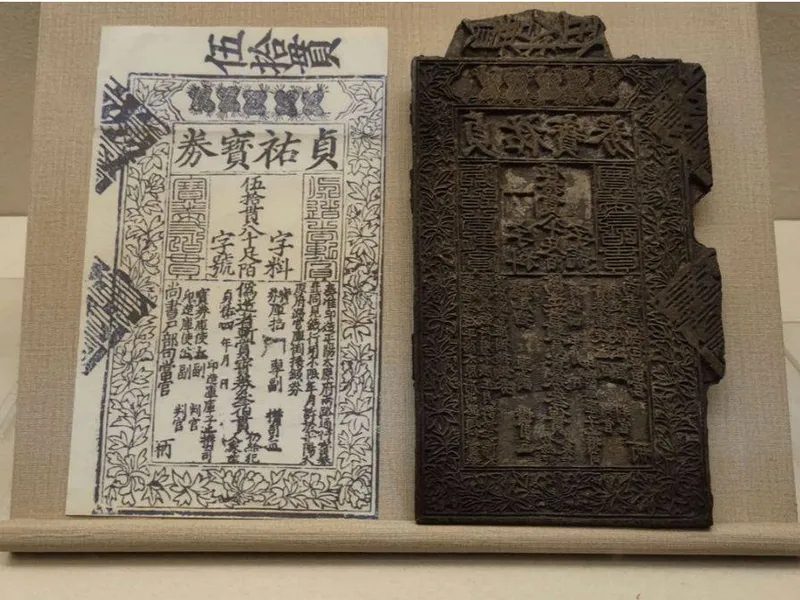
The Song dynasty (960–1279 CE) saw the first official government-backed paper money. Copper coins were insufficient for the booming trade economy, particularly in the rapidly urbanizing southern cities. The government issued jiaochao, notes backed by metal reserves, to standardize and stabilize currency. These notes allowed merchants to conduct larger transactions without the inconvenience of transporting tons of coins.
Paper currency came with strict regulations: counterfeiting was harshly punished, and notes carried seals, inscriptions, and security features. This system demonstrated remarkable sophistication for its time and reflected the Song dynasty’s economic innovation.
Design, Symbolism, and Cultural Significance
Paper money was not only practical—it carried cultural symbolism. Notes often included inscriptions invoking prosperity, peace, and legitimacy. Artistic designs, seals, and calligraphy emphasized authority and trustworthiness. Paper money also influenced art, printing technology, and administrative systems, laying the groundwork for financial innovation in later dynasties.
Legacy and Global Impact
China’s invention of paper money predated similar systems in Europe by centuries. Marco Polo famously wrote about Chinese paper currency during the Yuan dynasty, describing its efficiency and reliability. Paper money transformed trade within China, making large-scale commerce possible, and inspired financial systems in other civilizations.
Conclusion
From cowrie shells and bronze coins to government-issued paper notes, the history of money in China reflects more than economic necessity—it reveals a civilization’s creativity, culture, and adaptability. Coins carried political authority and cultural symbolism, while paper money revolutionized trade and inspired global financial systems. Studying the evolution of ancient Chinese money offers a window into the lives, beliefs, and innovations of a society that influenced the world for millennia.
Today, these artifacts—coins, notes, and historical records—remain tangible links to China’s rich past, reminding us that money is not just currency, but a testament to human ingenuity, societal development, and cultural expression.