The Complete Guide to Mung Beans in China: History, Foods, and Cultural Power of 绿豆
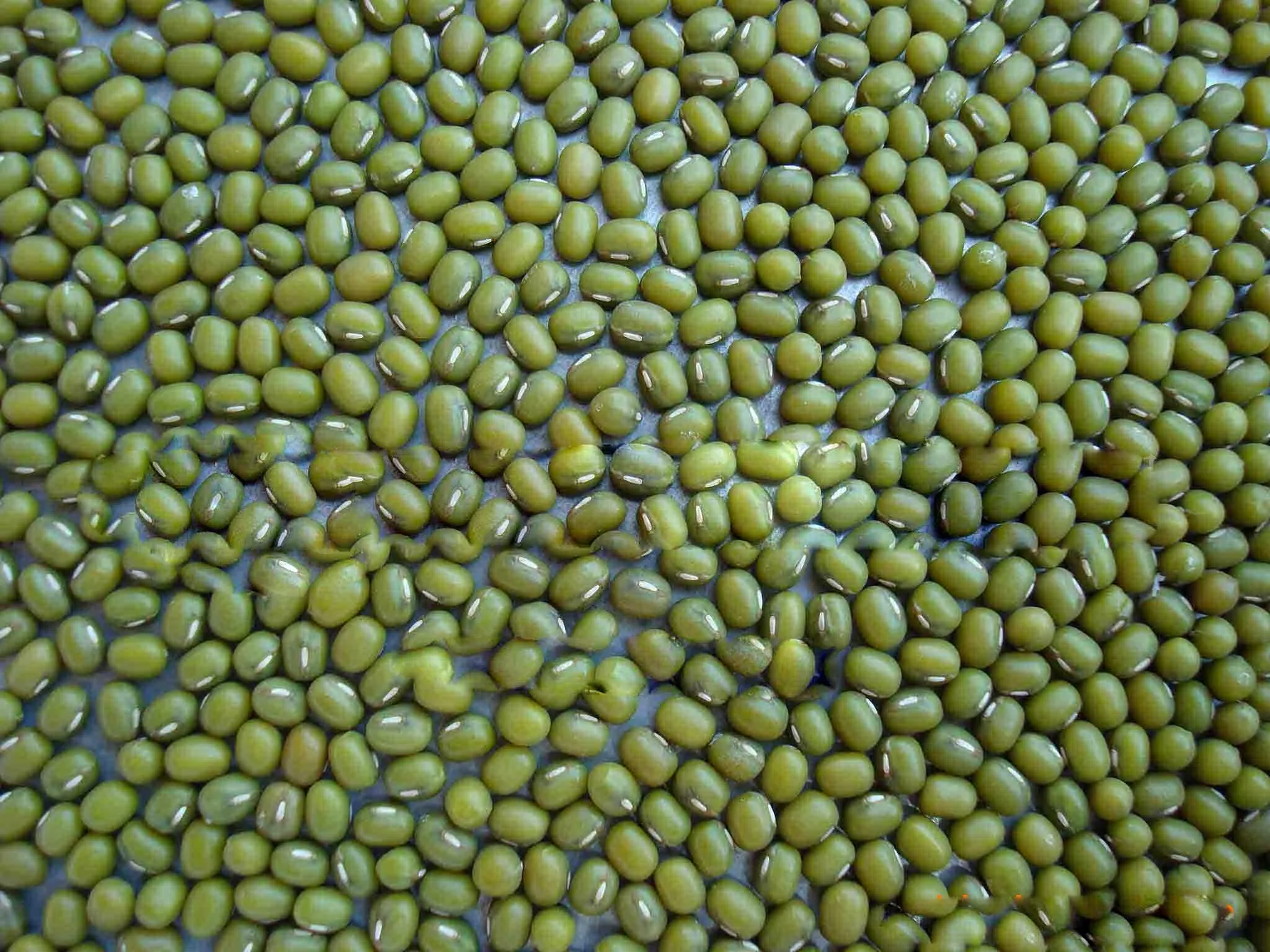
The Story of Mung Beans in China: History, Characteristics, and Cultural Value
Mung beans, known as 绿豆 (lǜdòu) in Chinese, have long held a special place in Chinese food culture, agriculture, and traditional health practices. Far beyond being just a simple legume, mung beans represent a unique blend of nutrition, history, and cultural symbolism that has endured for thousands of years. Their journey—from ancient fields to modern kitchens—reflects China’s deep respect for foods that are both functional and flavorful. In this first part, we explore the origins, characteristics, and cultural significance of mung beans in Chinese society, laying the foundation for understanding why they remain one of the country's most beloved and widely used beans.
Historically, mung beans trace their roots back more than 2,000 years in China, making them one of the earliest domesticated legumes in East Asia. Archaeological evidence suggests that mung beans were cultivated during the Han Dynasty and used primarily as a medicinal ingredient before becoming a mainstream food source. Ancient Chinese physicians recorded mung beans as an important ingredient for cooling the body, detoxifying heat, and balancing internal energy—key concepts in Traditional Chinese Medicine (TCM). In TCM theory, the bean’s “cold” nature makes it ideal for counteracting summer heat and soothing inflammation. For this reason, mung beans have been a seasonal staple for centuries, particularly during the hot months.
Beyond their medicinal value, mung beans also gained popularity as a convenient and reliable agricultural crop. They thrive in China’s warm summer climate, require minimal water, and grow rapidly, making them accessible even in regions with challenging environmental conditions. Farmers throughout northern and southern China rely on mung beans as a dependable summer crop that replenishes nutrients in the soil, especially nitrogen. Because of this dual benefit—feeding communities and nurturing farmland—mung beans have played an important ecological role.
Nutritionally, mung beans are exceptionally dense in protein, fiber, vitamins, and essential minerals, making them a natural energy source for agrarian households throughout history. Before the widespread availability of meat, many Chinese families relied on beans for protein. Mung beans, in particular, offered a digestible, versatile option that could be made into porridge, noodles, cakes, soups, and sprouts. Their mild flavor made them a natural complement to both sweet and savory dishes.
Culturally, mung beans carry multiple symbolic meanings in Chinese society. They are associated with 清凉 (coolness), 健康 (health), and 纯净 (purity). During festivals and family gatherings in summer, serving mung bean soup or mung bean jelly is considered a thoughtful gesture of care and protection. In traditional Chinese households, mothers often prepare chilled mung bean desserts to soothe children after long outdoor activities in the heat. Even today, office workers frequently drink bottled mung bean soup during heatwaves, showing how the cultural association between mung beans and physical comfort remains strong.
Mung beans also reflect the Chinese preference for foods that are simultaneously delicious and functional. The concept of “food as medicine” (药食同源) is deeply rooted in Chinese culinary philosophy. Mung beans fit perfectly into this worldview, as they nourish the body while supporting health. This dual identity explains why mung beans have remained culturally relevant even as China’s economy, technology, and tastes have rapidly modernized.
In addition, the bean’s transformation ability—turning into noodles, starch, sprouts, or desserts—symbolizes adaptability and resilience. These qualities resonate with traditional Chinese values such as flexibility, endurance, and harmony with nature. Many Chinese idioms reference beans and sprouting plants as symbols of growth and renewal, and mung beans embody this life cycle vividly when they transform into crisp sprouts.
Today, mung beans remain an essential ingredient in Chinese households, supermarkets, street food stalls, and restaurants. Whether used in porridge, desserts, noodles, or drinks, its cultural roots remain intact. Its enduring popularity is not due to nostalgia alone—it thrives because it aligns seamlessly with modern lifestyles. It is nutritious, easy to digest, environmentally friendly, and compatible with contemporary wellness trends like plant-based eating and low-fat diets.
In essence, the story of mung beans reflects China’s agricultural wisdom, medicinal heritage, and culinary creativity. Across time, regions, and generations, 绿豆 continues to carry symbolic meaning while fulfilling everyday needs. This deep cultural connection explains why mung beans are not just another ingredient—they are a representation of Chinese life philosophy: balance, practicality, health, and harmony with nature.
Mung Bean Products: Noodles, Sprouts, Starch, Desserts, and Everyday Cooking

If you walk through any Chinese market or supermarket, you’ll quickly notice that mung beans take on many forms beyond the raw green bean itself. The versatility of mung bean products (绿豆制品) is extraordinary—few ingredients in Chinese cuisine transform so easily into so many textures, flavors, and culinary experiences. From silky noodles to crunchy sprouts, from soothing soups to refreshing desserts, mung beans appear in nearly every category of Chinese food. In this section, we explore major mung bean products, how they’re made, and why they’ve become indispensable in daily Chinese cooking.
1. Mung Bean Noodles — 绿豆粉丝One of the most popular mung bean products is mung bean noodles, also known as cellophane noodles, glass noodles, or in Chinese, 粉丝 (fěnsī). These translucent noodles are made from mung bean starch, giving them a soft yet elastic texture. They absorb flavors beautifully, making them ideal for stir-fries, hot pots, soups, and cold salads.
These noodles are prized for their ability to stay chewy and hold shape even after long cooking. They do not break apart easily, a trait highly valued in Chinese cooking where texture is as important as flavor. In Sichuan cuisine, mung bean noodles appear in famous dishes such as Hot and Sour Glass Noodles (酸辣粉). In northern China, they are added to stews with pork or lamb, creating a smooth, comforting bite that absorbs the richness of slow-cooked broths.
2. Mung Bean Sprouts — 绿豆芽Mung bean sprouts are among the freshest and most widely consumed vegetable ingredients in China. Crisp, slightly sweet, and refreshing, they symbolize vitality and growth. Sprouts are used in stir-fries, soups, dumpling fillings, and street food noodles.
Unlike many vegetables that require long cooking, mung bean sprouts cook in just seconds. Their bright, juicy crunch contrasts beautifully with pork, tofu, noodles, and seafood. Because sprouts grow rapidly—often within 2–3 days—they have historically been an emergency food source during winter or times of famine.
Culturally, sprouts symbolize renewal and purity, offering a sense of vitality at the dining table. Their refreshing nature also aligns with the Chinese preference for balancing rich dishes with lighter plant-based ingredients.
3. Mung Bean Soup — 绿豆汤Perhaps the most iconic mung bean dish in China is mung bean soup, a sweet or savory light soup enjoyed especially in summer. It can be served hot or chilled, thickened or thin, eaten at home or purchased pre-made in convenience stores.
Families often simmer mung beans with rock sugar to make a clear, cooling drink. Some regions add dried tangerine peel, lotus seeds, or barley for added health benefits. In southern China, mung bean soup becomes a thicker porridge known as 绿豆沙, which is often blended into a creamy dessert.
Because it removes excess heat from the body, mung bean soup is considered essential for preventing heatstroke during hot summers. Workers, students, and travelers all rely on it as a daily health drink. It remains one of the most culturally iconic mung bean foods in the Chinese diet.
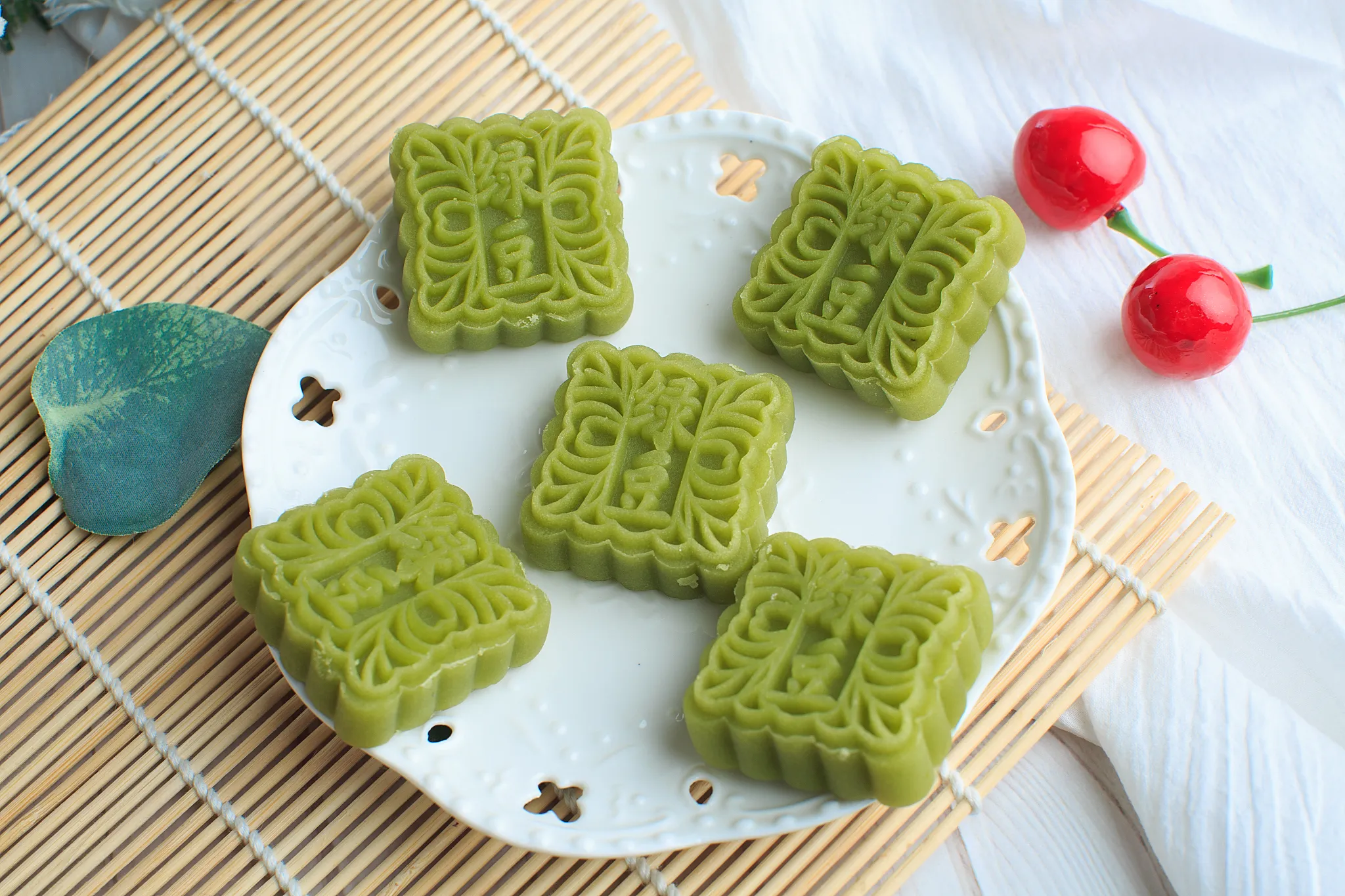
4. Mung Bean Cakes and Pastries — 绿豆糕Mung bean paste is used to make delicate pastries, particularly popular during festivals. Soft, fragrant, and mildly sweet, mung bean cakes are favored for their light texture and digestive ease. They are commonly exchanged as gifts during summer holidays, symbolizing blessings of health and peace.
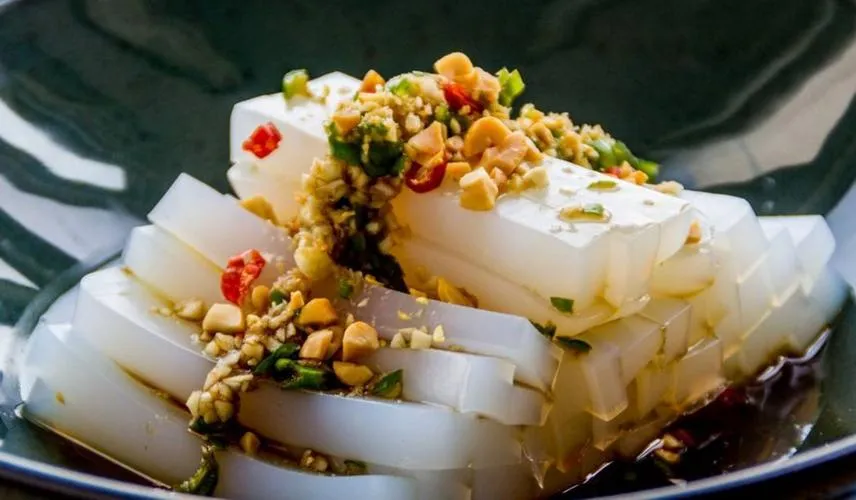
5. Mung Bean Starch and Jelly — 绿豆淀粉 & 凉粉Mung bean starch plays a key role in creating 凉粉 (liángfěn), a refreshing cold jelly widely consumed in western and northern China. Cut into strips and mixed with chili oil, garlic, vinegar, and sesame, it creates a cooling yet spicy dish perfect for summer heat. The slippery, smooth texture is considered both playful and satisfying, showing how Chinese culinary culture appreciates a wide spectrum of mouthfeels.
Through these transformations—sprouts, starch, noodles, cakes, and soups—mung beans demonstrate exceptional adaptability. Their neutrality in flavor and advantageous nutritional profile make them a staple ingredient across regional Chinese cuisines.
Mung Beans in Modern Chinese Life: Recipes, Nutrition, Wellness, and Everyday Eating Habits
In modern China, mung beans continue to play an important role in daily life, bridging tradition with contemporary trends in health, wellness, and culinary creativity. While their historical significance remains strong, mung beans have also adapted to new lifestyles, food innovations, and global influences. In this final section, we explore how mung beans appear in contemporary Chinese culture—from home kitchens to commercial food industries, from wellness trends to diverse cooking applications.
1. Nutritional Power and the Rise of Health-conscious EatingAs Chinese consumers increasingly focus on healthy eating, mung beans have experienced renewed popularity. They are naturally low-fat, high-protein, and rich in antioxidants, making them appealing for people seeking balanced diets. The rise of fitness culture, plant-based eating, and nutritional awareness has made mung beans a valued ingredient in gyms, wellness cafés, and even meal-prep services.
Mung bean soup is now sold in canned, bottled, or powdered forms for quick consumption. Food brands create mung-bean-based protein powders, instant porridges, and low-sugar desserts, aligning traditional ingredients with modern convenience.
2. The Versatility of Mung Bean RecipesModern Chinese households continue to incorporate mung beans into a wide range of recipes:
● Mung bean porridge for breakfast
● Cold mung bean noodles during summer
● Stir-fried mung bean sprouts with garlic
● Mung bean and coconut milk dessert inspired by Southeast Asian cuisine
● Mung bean popsicles sold in convenience stores
● Mung bean mooncakes during Mid-Autumn Festival
● Savory mung bean pancakes popular in northern China
These diverse recipes reflect a fusion of tradition with contemporary tastes.
3. Cultural Value in Modern Daily LifeEven as China modernizes rapidly, mung beans remain connected to emotional and cultural memory. Many Chinese adults recall childhood summers drinking chilled mung bean soup made by parents or grandparents. Workers in large cities still turn to mung bean drinks during hot months, reinforcing cultural patterns that have existed for generations.
Mung beans are also tied to seasonal eating practices. During 伏天, the hottest days of the year, cooling foods like mung bean soup become essential. Traditional Chinese Medicine continues to influence dietary practices, and mung beans remain a highly recommended summer food.
4. Environmental and Agricultural ImpactAs China promotes sustainable agriculture, mung beans have become important due to their nitrogen-fixing properties, which improve soil health. They require relatively little water and grow quickly, making them efficient crops for eco-friendly farming systems.
Their low carbon footprint compared to animal-based proteins also aligns with global sustainability trends, positioning mung beans as a future-forward ingredient.