The Complete Guide to Mung Bean Soup (绿豆汤): China’s Iconic Summer Remedy
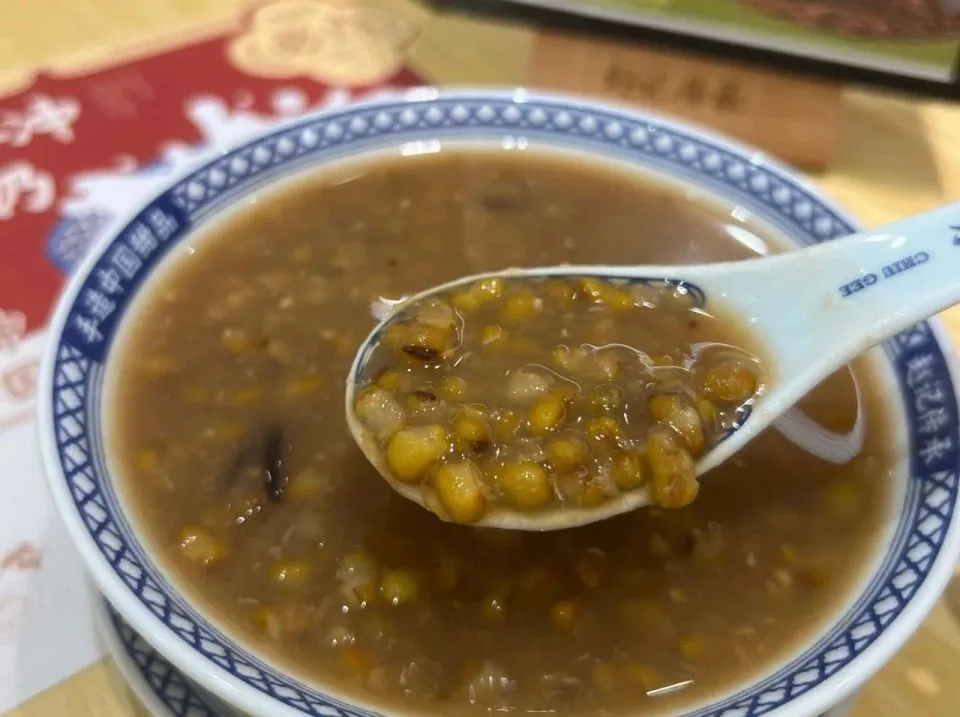
The Cultural, Historical, and Medicinal Roots of Mung Bean Soup in China
Mung bean soup, known in Chinese as 绿豆汤 (lǜdòu tāng), is one of the most iconic and beloved traditional foods in China. Though it may appear simple—just mung beans, water, and occasionally sugar—the cultural depth behind this humble soup is extraordinary. For over two thousand years, mung bean soup has been more than a refreshment; it has been a symbol of seasonal wisdom, a hereditary summer tradition, and a healing recipe passed down through generations. In this section, we explore its origins, significance, and unique place in Chinese life.
Historically, mung beans were cultivated as early as the Han Dynasty and recognized in ancient medical texts for their ability to clear heat, detoxify the body, and balance internal energy. In the foundational text Shennong’s Classic of Materia Medica, mung beans were recorded as a valuable medicinal food that helped regulate body temperature and remove internal dampness. As Chinese medical philosophy emphasizes harmony between the body and the seasons, mung bean soup naturally became a summer essential.
China’s climate plays a crucial role in the soup’s cultural relevance. Large parts of China experience hot, humid summers—known for causing fatigue, heat rash, dehydration, and irritability. Long before electric fans or air conditioning existed, the Chinese turned to natural remedies. Cooling foods became central to seasonal survival, and none were more effective or accessible than mung beans. They were cheap, easy to store, and grew well even in poor soil. This made them the perfect household staple.
Beyond medical theory, mung bean soup also carries emotional symbolism. For many Chinese people, 绿豆汤 represents a memory of childhood summers—of mothers simmering a pot in the afternoon heat, of school canteens handing out chilled servings during exam season, of grandparents gently reminding children to “drink some to remove the heat.” This emotional inheritance is part of why mung bean soup has stayed relevant across generations. It is a comfort food, a cultural tradition, and a form of love expressed through cooking.
The soup also appears across regional food cultures in China, though with unique variations. In the north, mung bean soup is often thicker, resembling porridge, while in the south it tends to be clearer and served chilled. In Cantonese culture, mung bean soup is a regular part of 凉茶 (herbal tea) shops, often paired with barley, seaweed, or dried tangerine peel for enhanced cooling effects. Fujian and Taiwan regions prefer adding sweet potato chunks, making the soup heartier and more colorful.
Even in ancient times, Chinese scholars documented the importance of seasonal eating. The famous Song Dynasty poet Su Shi once wrote about clearing summer heat with simple foods rather than relying on rare delicacies. This philosophy—embracing natural ingredients in harmony with the environment—continues in modern Chinese kitchens today, where a pot of mung bean soup often symbolizes a family’s grounding in tradition.
Culturally, mung bean soup is connected to several important Chinese concepts:
● 清热 (heat-clearing): Removing internal heat that accumulates during summer.
● 解毒 (detoxifying): Believed to cleanse the liver and help the body restore equilibrium.
● 消肿 (reducing swelling): Supporting hydration and internal circulation.
● 祛火 (reducing inflammation): Counteracting the effects of spicy or oily foods.
These ideas highlight why mung bean soup remains indispensable even in modern medicine-influenced Chinese cities. When summer arrives, people instinctively turn to cooling drinks—绿豆汤 being the most classic of all.
In essence, mung bean soup is not only a recipe; it is a bridge between past and present. It reflects the Chinese view that food should nourish the body and mind while respecting nature’s seasonal rhythms. It also represents familial care, everyday wisdom, and the philosophy of living in balance. As we move into the age of wellness, the cultural and scientific relevance of mung bean soup becomes even more meaningful.
The Making of Mung Bean Soup: Ingredients, Cooking Techniques, Regional Styles, and Modern Variations
1. The Basic Foundation: How to Make Traditional Mung Bean SoupA traditional pot of 绿豆汤 includes only a few ingredients:
● Mung beans
● Water
● Rock sugar (optional)
● Dried tangerine peel or lotus seeds (optional)
Despite the simplicity, mastering the texture requires attention. Some cooks prefer to soak the beans in water for several hours, which shortens cooking time and helps the beans open more easily. Others insist on skipping the soaking step so that the beans remain firmer during simmering.
The cooking method varies by region. Northern China often prefers a thicker, porridge-like version where the beans break apart completely. This style is hearty, comforting, and ideal for cooler evenings after a hot day. Southern China, meanwhile, embraces a clearer soup, where the beans maintain their shape while the broth stays light and fragrant.
Rock sugar plays a symbolic and sensory role. It adds a gentle sweetness that complements the bean’s natural flavor without overpowering it. In traditional Chinese dessert philosophy, sweetness should calm the body—not create heaviness—and mung bean soup embodies this principle beautifully.
2. Regional VariationsChina’s vast geography has created countless regional versions of mung bean soup:
● Cantonese Version: Often cooked with seaweed, barley, and dried citrus peel, creating a layered aroma.
● Fujian & Taiwanese Version: Includes chunks of sweet potato or taro, giving the soup a chewy, satisfying texture.
● Shanghai Version: Lightly sweet with a clearer broth and subtle floral notes.
● Sichuan Summer Version: Served ice-cold with optionally a touch of salt to replenish electrolytes in hot weather.
These differences highlight how 绿豆汤 reflects both local tastes and environmental needs.
3. Mung Bean Soup as Modern Wellness FoodIn recent decades, mung bean soup has undergone a fascinating transformation. With the rise of fitness culture, sugar reduction, and holistic health awareness, younger consumers have reinvented 绿豆汤 into:
● Low-sugar or sugar-free versions
● Bottled convenience-store drinks
● Mung bean smoothie bowls
● Herbal-infused versions with goji berries or mint
● Chilled mung bean coconut milk desserts inspired by Southeast Asia
Restaurants and cafés in major Chinese cities—even upscale ones—now feature chilled mung bean soup as a seasonal special. Some brands have developed canned mung bean drinks, allowing busy office workers to enjoy the cooling benefits anytime.
4. Cooking Secrets and Sensory ExperienceSeveral small techniques demonstrate the depth of Chinese cooking culture:
● The “split bean” method: Some cooks simmer until half the beans burst and half remain intact, achieving a perfect balance of clarity and fullness.
● Cold-water shock: After cooking, pouring the soup over ice helps brighten the flavor and firm the texture.
● Clay pot simmering: Traditionalists believe that clay pots extract more fragrance and yield a smoother broth.
● Salt vs. sugar: In some regions, adding a pinch of salt instead of sugar is believed to increase cooling effects.
Together, these practices show how even a simple soup becomes an art form shaped by centuries of culinary intuition.
Mung Bean Soup in Modern Chinese Life: Wellness, Rituals, Emotions, and Cultural Identity
1. A Symbol of Summer SurvivalIf you ask a Chinese person what food represents summer, chances are they will reply: “Mung bean soup.” Every year, during the hottest period known as 三伏天, families, offices, schools, and restaurants prepare 绿豆汤 as a universal remedy against heat exhaustion. Many workplaces offer free chilled mung bean soup to employees; schools provide it to students after PE class; hospitals give it to patients recovering from heatstroke.
This shared seasonal ritual creates a sense of unity, a feeling that everyone is enduring the heat together with the same traditional solution.
2. Emotional Memory and Cultural IdentityFor many, 绿豆汤 carries personal memories: the clinking of bowls in childhood, the quiet afternoon aroma drifting from the kitchen, the gentle reminder from elders to “drink something cooling.” Even as lifestyles change, these memories connect people to their roots. Among young adults living in big cities, making or buying mung bean soup often symbolizes reconnecting with family traditions. Drinking it is not only physical relief—it is emotional grounding.
3. The Role of 绿豆汤 in Traditional Chinese MedicineIn TCM, mung bean soup is categorized as a 清热解毒 food that helps the body adapt to seasonal stress. Even modern doctors acknowledge its benefits for hydration and cooling. This scientific-meets-cultural credibility keeps mung bean soup relevant across generations.
4. Social and Communal MeaningIn many Chinese regions, neighbors share chilled mung bean soup during festivals or heatwaves. It is considered a gesture of kindness and hospitality. Gifting a jar of homemade 绿豆汤 often expresses:
● care
● respect
● friendship
● community support
This social aspect elevates 绿豆汤 beyond a recipe—turning it into a symbol of human connection in Chinese society.
5. The Future of Mung Bean SoupFar from fading, 绿豆汤 is entering a new chapter. With the global rise of plant-based eating, natural wellness trends, and Asian-inspired cooking, mung bean soup is gaining international attention. Chinese chefs are introducing modern interpretations: chilled mung bean soup with citrus foam, mung bean soup granita, mung bean-coconut panna cotta, and even mung bean energy drinks. These innovations prove that while traditions evolve, the essence remains unchanged.