Some Facts About Horses in China
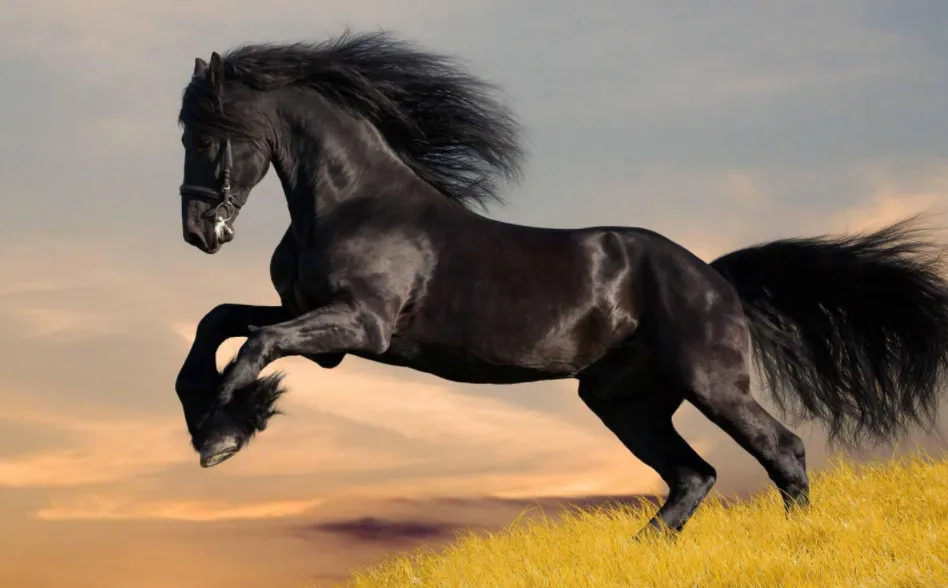
Horses have played a crucial role in Chinese history, not only as indispensable partners in war and transportation but also as symbols of strength, loyalty, and spirit. From imperial stables to the battlefields of ancient dynasties, horses shaped the course of history. Over the centuries, numerous horses have achieved legendary status, remembered for their extraordinary abilities, loyalty, and influence on Chinese culture. This article explores some of the most famous horses in Chinese history, tracing their military, literary, and cultural significance.
Warhorses: Legendary Horses of the Battlefield
The military history of China is inseparable from the role of horses. From the early dynasties to the Tang and Song periods, horses were essential for cavalry, communication, and strategic mobility. Many famous warhorses became historical icons due to their speed, endurance, and loyalty.
1. Red Hare (赤兔马 / Chìtù Mǎ)
Perhaps the most famous horse in Chinese history, Red Hare belonged to the legendary warlord Lü Bu during the late Eastern Han dynasty. Known for its unparalleled speed and strength, Red Hare was capable of running a thousand li (approximately 500 kilometers) in a single day. The horse’s agility and endurance made Lü Bu a formidable warrior, and Red Hare became synonymous with loyalty and heroism.
After Lü Bu’s defeat, Red Hare passed to the famous strategist Guan Yu, who used it to maintain communication and military campaigns during the Three Kingdoms period. In folklore and literature, Red Hare is immortalized in Romance of the Three Kingdoms, symbolizing the bond between a warrior and his steed, as well as the power and glory of the era.
2. Yue Jin’s Black Horse (黑马 / Hēi Mǎ)
Another remarkable warhorse belonged to the general Yue Jin of the Wei kingdom during the Three Kingdoms period. Known for its endurance and courage in battle, this black horse allowed Yue Jin to execute rapid strikes and maintain strategic superiority. Military historians often cite Yue Jin’s black horse as an example of how exceptional cavalry and elite horses could turn the tide in battles.
3. Heavenly Steeds of the Han Dynasty (汗血宝马 / Hànxuè Bǎomǎ)
During the Han dynasty, Chinese emperors sought horses from Central Asia known as “Heavenly Horses” for their strength, speed, and unique bloodlines. These horses were imported from the Ferghana Valley (modern-day Uzbekistan and surrounding regions) and were highly prized for cavalry units. The famous Han Emperor Wu (汉武帝) initiated military campaigns specifically to acquire these horses, demonstrating their critical importance in both military strategy and imperial prestige.
The Heavenly Steeds were said to sweat blood, a phenomenon later explained as a reaction to the extreme exertion combined with capillary rupture near the skin. Regardless of the science, the legend elevated these horses to divine status, blending martial history with mythology.
4. Other Notable Warhorses
Throughout Chinese history, other notable warhorses include the swift mounts of generals like Zhao Yun and Li Yuan. Each of these horses contributed to military campaigns and became symbols of loyalty, bravery, and excellence. In many cases, these horses were honored posthumously with inscriptions, statues, or literary tribute, cementing their legacy in the annals of history.
Literary Horses: Horses as Cultural Symbols
Horses have also played a central role in Chinese literature and art. Poets, painters, and storytellers have used horses as symbols of vigor, freedom, and nobility.
1. Tang Dynasty Horses in Art
During the Tang dynasty, horses were a favorite subject of painters and sculptors. Emperor Xuanzong (唐玄宗) maintained vast imperial stables, and the artistic representation of horses flourished alongside the development of Tang ceramics, sculptures, and murals. Horses depicted in Tang art are celebrated for their muscular elegance, dynamic movement, and expressive energy.
Paintings of the famous Ferghana horses, including works by the legendary painter Han Gan (韩干), capture the spirit and majesty of these animals. Han Gan’s horses are not merely realistic depictions—they are imbued with vitality and personality, showcasing the horse’s central place in Chinese aesthetics.
2. Horses in Poetry
Poets often used horses as metaphors for ambition, loyalty, or the fleeting nature of life. The Tang poet Li Bai described horses in connection with heroism and the thrill of battle, while Du Fu wrote about the burdens carried by horses during wartime, emphasizing endurance and service. Horses in poetry are not only physical creatures but also vehicles for expressing human emotion, political commentary, and philosophical reflection.
3. Horses as Status Symbols
In ancient China, owning prized horses was a mark of wealth, power, and influence. Literature frequently references horses alongside emperors, generals, and noble families. In Confucian and Daoist texts, horses symbolize moral integrity, perseverance, and spiritual energy. This dual role as a practical asset and symbolic icon reinforced their importance in cultural memory.
Legendary Horses in Folklore and Myth
Beyond historical records, horses occupy a prominent place in Chinese mythology and folklore. These legendary horses often possess supernatural abilities and are associated with fortune, protection, and divine favor.
1. The Dragon Horses (龙马 / Lóng Mǎ)
Dragon horses are mythological creatures said to have the body of a horse and the features of a dragon. They often appear in tales of immortals, sages, and heroic quests. Dragon horses symbolize strength, intelligence, and spiritual power, bridging the earthly and celestial realms.
In some legends, dragon horses are messengers of fortune or guides for scholars and warriors, demonstrating the horse’s elevated status in Chinese cosmology.
2. Folk Tales of Magical Horses
Stories abound of horses that could run faster than the wind, communicate with humans, or predict future events. These tales were especially popular in rural communities, where horses were integral to agriculture and transport. Such folklore reinforced cultural respect for horses and highlighted their perceived intelligence, loyalty, and mystical qualities.
3. Horses in Festivals and Rituals
Horses are celebrated in various traditional Chinese festivals, particularly those connected with agriculture, seasonal changes, and martial heritage. The Lantern Festival and local equestrian events often feature horse dances or symbolic representations of famous horses from history. These rituals celebrate the horse’s contributions to human life and preserve collective memory of legendary steeds.
Modern Cultural Significance and Legacy of Famous Horses
Even today, the legacy of historical and legendary horses continues to influence Chinese society, art, and education. Museums display sculptures and paintings of Tang horses, while literature and popular culture recount the stories of Red Hare and Heavenly Horses.
1. Statues and Memorials
Many historical horses are immortalized in statues, such as Red Hare in Shu city or Han dynasty Ferghana horses in museum exhibits. These statues serve not only as historical reminders but also as artistic symbols of courage, loyalty, and vitality.
2. Horses in Modern Media
Movies, television series, and novels often dramatize the lives of famous horses, particularly those involved in historical battles. The stories of Red Hare and other legendary horses continue to captivate audiences, bridging history, mythology, and contemporary storytelling.
3. Horses in Education and Cultural Identity
Famous horses are frequently mentioned in Chinese school curricula, literature, and cultural education. By learning about these horses, students gain insight into the values, history, and artistic traditions of China. The stories convey lessons about perseverance, loyalty, and courage—qualities admired in both humans and horses.
4. Symbolism in Modern Life
In contemporary Chinese culture, horses symbolize energy, freedom, and progress. Business names, logos, and artwork frequently feature horses to convey ambition and determination. Even the Chinese zodiac, which assigns the horse as one of twelve signs, reinforces the enduring cultural significance of this remarkable animal.
Throughout Chinese history, horses have been much more than mere animals. They were companions in war, muses in art, symbols of power and freedom, and subjects of legend and folklore. From the battlefields of the Han dynasty to the Tang dynasty’s exquisite paintings, and from legendary warhorses like Red Hare to mythical dragon horses, these animals have left an indelible mark on Chinese culture.
The stories of famous horses remind us of the values that Chinese society has long admired: loyalty, courage, endurance, and vitality. They continue to inspire art, literature, and modern culture, showing that even in a rapidly changing world, the legacy of these noble animals endures. As both historical figures and cultural symbols, China’s legendary horses exemplify the inseparable bond between humans and animals and the timeless influence of these majestic creatures.