Mastering Egg Drop Soup: A Classic Chinese Comfort
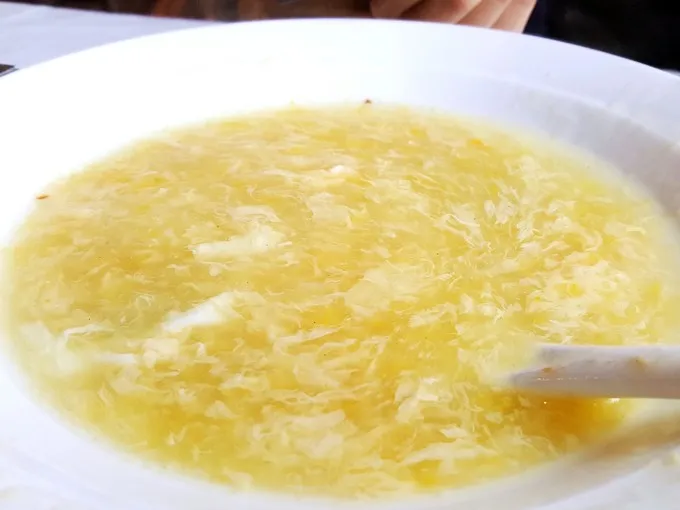
Egg drop soup, also known as egg flower soup, is one of the most iconic and comforting dishes in Chinese cuisine. Its simplicity, delicate texture, and savory flavor make it a favorite for both home cooks and restaurant enthusiasts. Despite its straightforward ingredients, making the perfect egg drop soup requires attention to technique and timing.
For anyone searching for how to make egg drop soup, understanding its history, variations, and proper cooking methods is just as important as following a recipe. This article breaks down egg drop soup into four chapters, helping you learn everything from its origins to practical tips and delicious variations.
Understanding Egg Drop Soup
Egg drop soup (蛋花汤, dàn huā tāng) is a simple Chinese soup made by swirling beaten eggs into hot broth, creating delicate ribbons or “flowers” of egg. Its origins trace back to the Han dynasty, when cooks discovered that adding beaten eggs to hot liquids created a visually appealing texture and an easy way to add protein to meals.
The beauty of egg drop soup lies in its combination of simplicity and elegance. Unlike heavier soups, it relies on minimal seasoning: usually chicken or vegetable stock, a touch of soy sauce, salt, and sometimes a sprinkle of white pepper or sesame oil. Cornstarch is often added to slightly thicken the broth, giving it a silky texture.
One of the most common misconceptions is that egg drop soup is just “hot eggs in water.” In reality, the technique of slowly streaming beaten eggs into simmering broth and stirring gently ensures the signature ribbon-like texture. This attention to detail is why recipes for egg drop soup remain popular in cookbooks and online culinary guides.
Egg flower soup is not only a staple in Chinese households but also an essential offering in Chinese restaurants worldwide. Its mild flavor makes it suitable for children and adults alike, and it often appears alongside fried rice, noodles, or dumplings. Understanding what is egg drop soup lays the foundation for mastering this classic dish.
Ingredients and Preparation
Before learning how to make egg drop soup, it is crucial to gather the right ingredients. A basic egg drop soup recipe requires:
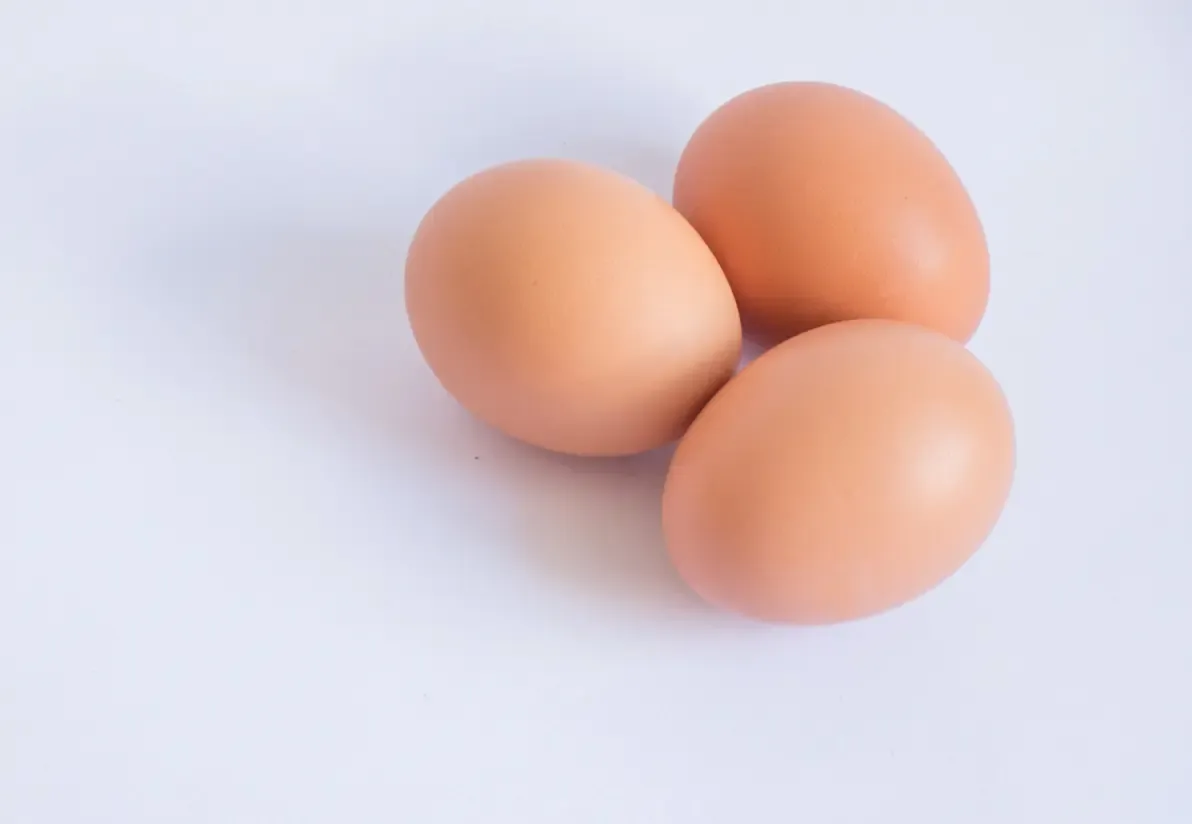
- • Eggs: Typically large, beaten until smooth.
- • Stock or broth: Chicken, vegetable, or even beef stock can be used.
- • Cornstarch: Optional, for thickening the broth.
- • Seasonings: Salt, white pepper, soy sauce, sesame oil.
- • Optional additions: Corn, peas, tofu, scallions, or mushrooms.
Preparing the broth properly is the first step to success. Many cooks recommend simmering the stock with aromatics like ginger or garlic for extra flavor. For a thicker consistency, cornstarch mixed with cold water can be added to the hot broth, creating a gentle, velvety texture.
Eggs must be beaten thoroughly to ensure even ribbons when poured into the broth. Some chefs add a pinch of salt to the eggs before mixing, enhancing their flavor. The technique of adding the eggs varies: some swirl the eggs slowly in one direction to create long, continuous ribbons, while others stir gently to produce fine, feathery threads.
Proper preparation also involves ensuring the broth is at the right temperature. Too hot, and the eggs cook instantly, creating clumps. Too cool, and the eggs won’t form the delicate strands that give egg drop soup its signature look. With practice, the technique becomes intuitive, making the soup both visually appealing and delicious.
Cooking Egg Drop Soup
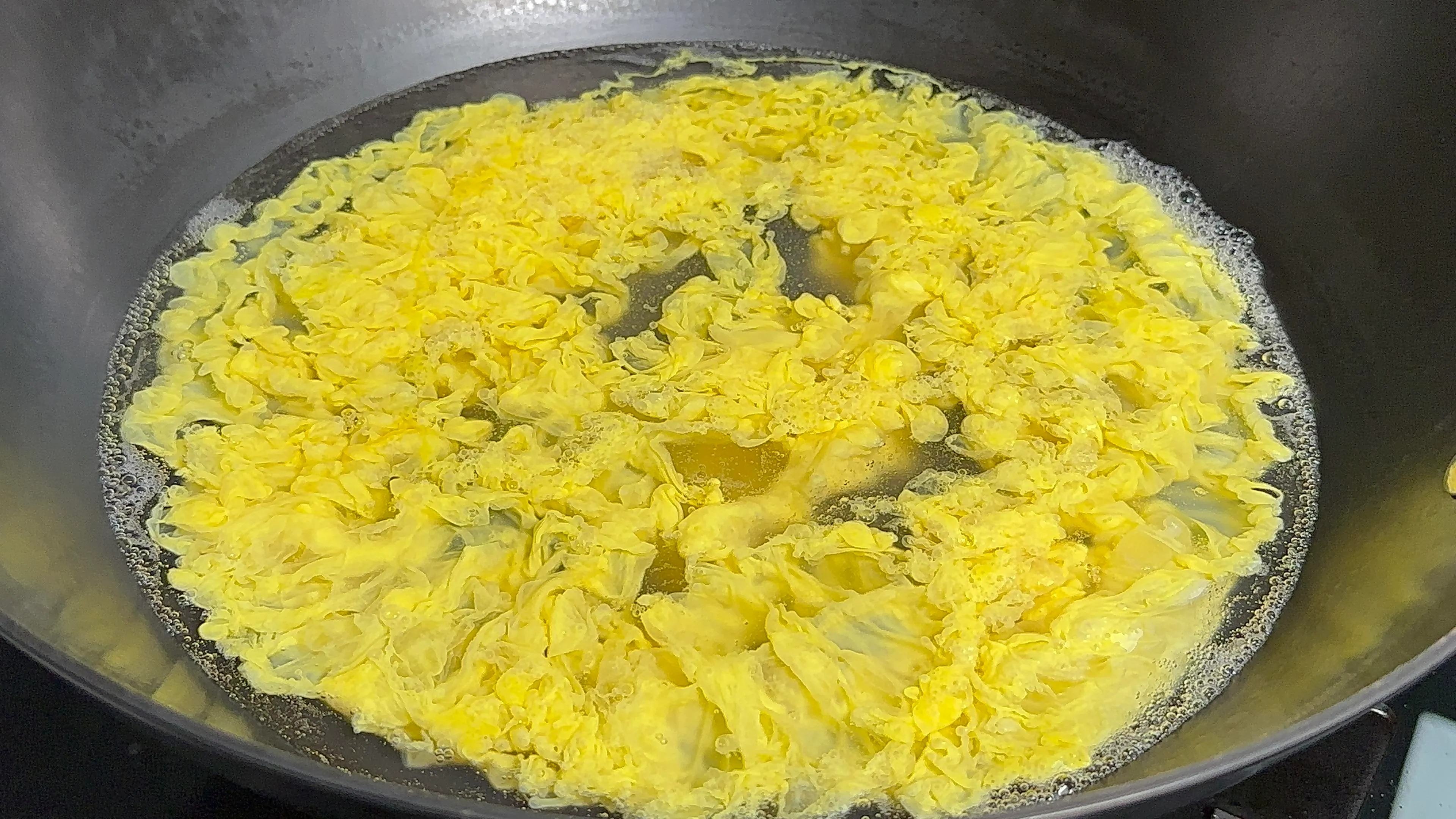
Cooking egg drop soup is all about timing and precision. Begin by bringing your prepared broth to a gentle simmer. If using cornstarch to thicken, stir it into the broth before adding the eggs. Once the broth is ready, slowly pour the beaten eggs in a thin stream while stirring gently with a fork or chopsticks.
The motion of stirring is critical: too vigorous, and the eggs break into tiny pieces; too slow, and they form large, uneven clumps. The goal is silky ribbons floating gracefully in the broth. Many recipes for how to make egg flower soup emphasize adding the eggs off-center, letting them naturally swirl as they cook.
Seasoning adjustments are made at the end, usually with a dash of soy sauce, sesame oil, or white pepper. Some cooks garnish with scallions, cilantro, or a sprinkle of fried garlic for added flavor. Optional ingredients, like sweet corn or diced tofu, can be added before the eggs to create variation and texture.
Cooking egg drop soup is quick: from simmering the broth to serving, the process typically takes less than 15 minutes. Its speed and simplicity make it perfect for weeknight meals, a light starter, or a comforting dish when feeling under the weather. Mastering the technique ensures that each serving achieves the ideal combination of delicate eggs and flavorful broth.
Variations and Serving Ideas
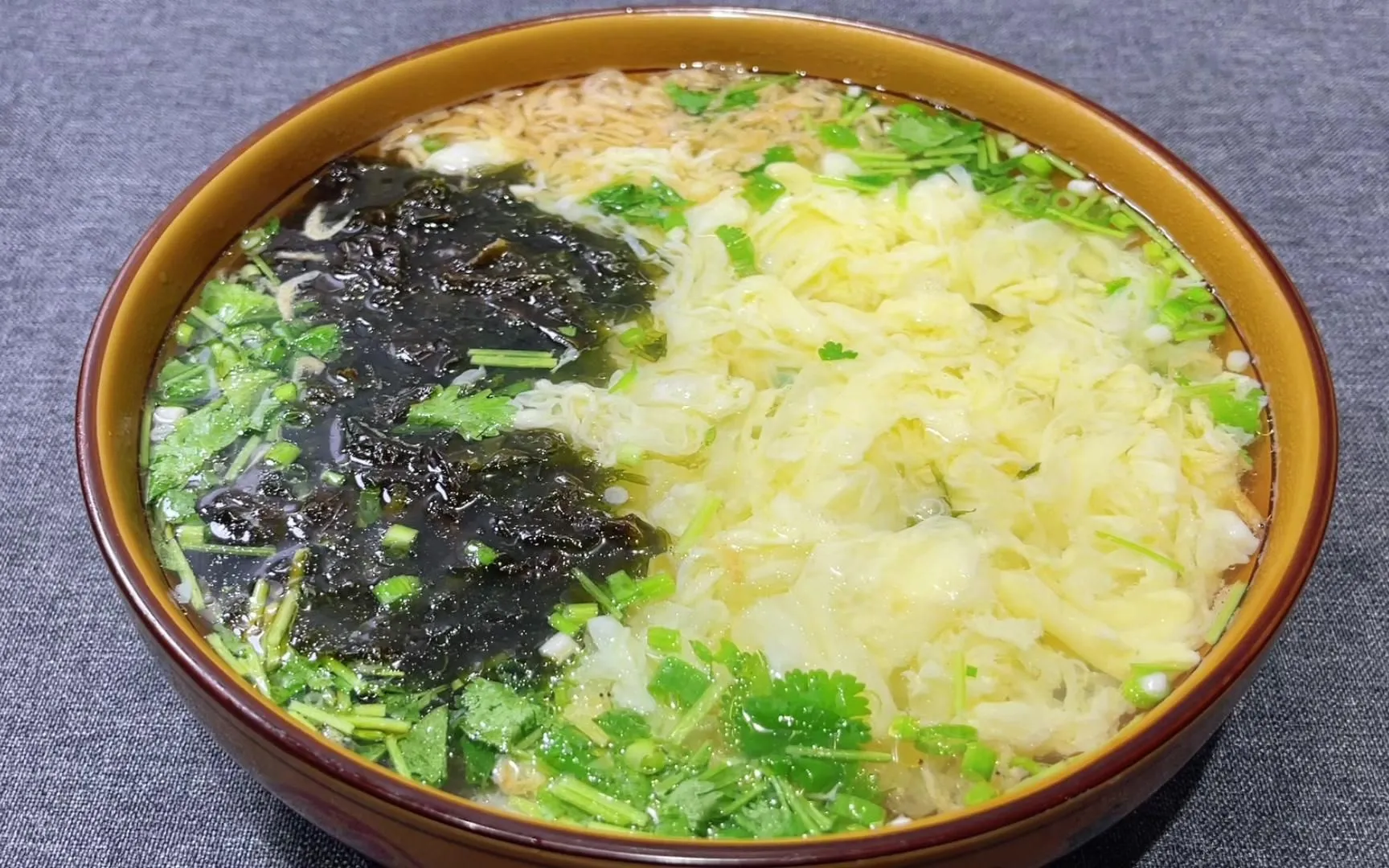
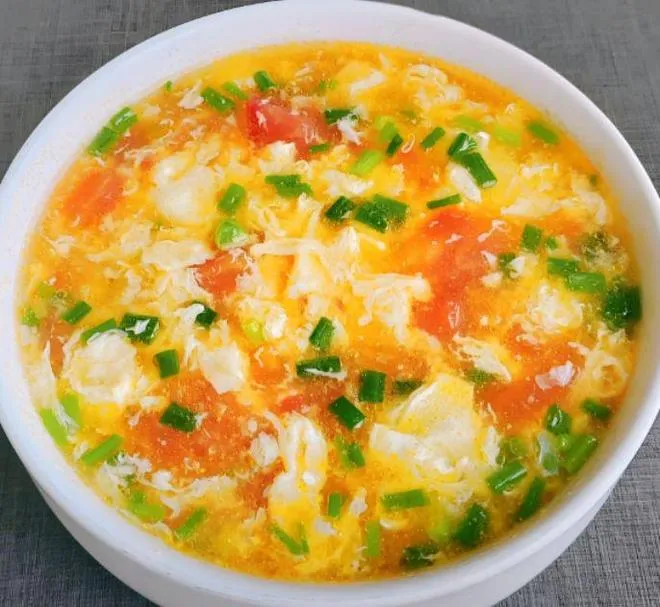
Once you’ve mastered a basic egg drop soup recipe, you can explore countless variations. Some regional versions include tomato egg drop soup, incorporating ripe tomatoes for a slightly tangy flavor, or corn egg drop soup, adding sweet corn kernels to balance the savory broth. Others might include seafood, such as shrimp or crab meat, creating a more luxurious dish.
Serving ideas also vary. Egg drop soup pairs wonderfully with fried rice, lo mein, dumplings, or steamed buns. For a healthier option, use vegetable stock and add mushrooms, peas, or spinach. For extra flavor, drizzle a few drops of sesame oil or soy sauce just before serving.
Egg drop soup is also forgiving for beginners. Unlike complex recipes requiring hours of simmering or precise folding techniques, egg flower soup allows experimentation. Adjust thickness, seasoning, or additional ingredients to suit personal preferences.
Finally, egg drop soup exemplifies the balance and simplicity found in Chinese cooking. Each element—from the light broth to the delicate ribbons of egg—combines to create a harmonious, comforting dish. Whether following a traditional egg drop soup recipe or inventing your own variation, this dish remains a favorite for generations.
Conclusion
Egg drop soup, or egg flower soup, is a timeless Chinese classic celebrated for its delicate texture and comforting flavor. By understanding how to make egg drop soup, mastering the pouring technique, and experimenting with variations, anyone can create this dish at home. From a simple weeknight meal to a restaurant-style starter, egg drop soup showcases the elegance of Chinese cuisine in a humble bowl.
FAQ
Q: What is egg drop soup?
A: Egg drop soup, also known as egg flower soup, is a Chinese soup made by slowly pouring beaten eggs into hot broth, creating delicate ribbons or “flowers” of cooked egg. It is light, savory, and often served as an appetizer.
Q: How do you make egg drop soup?
A: To make egg drop soup, heat chicken or vegetable broth, season with salt, pepper, and optionally soy sauce. Slowly pour beaten eggs into the hot broth while stirring gently to form ribbons. Add green onions or cornstarch for thickening if desired.
Q: What are some easy egg drop soup recipes?
A: Easy recipes often use simple ingredients like chicken broth, eggs, cornstarch for slight thickening, and seasonings like salt, white pepper, and sesame oil. Optional additions include tofu, corn, or peas.
Q: Can egg drop soup be thickened?
A: Yes. Cornstarch mixed with water can be added to the hot broth before pouring in the eggs. This creates a slightly thicker, silky texture, commonly preferred in restaurants.
Q: How do you make egg flower soup?
A: Egg flower soup is another name for egg drop soup. The key technique is to slowly drizzle beaten eggs into boiling broth while stirring gently, which forms soft, flower-like strands of egg.
Q: What are tips for perfect egg drop soup?
A: Use hot but not boiling broth, pour the eggs slowly in a thin stream, stir gently in one direction, and season at the end. Avoid overcooking the eggs to keep them tender and silky.