Jasmine and Jasmine Tea in CHINA
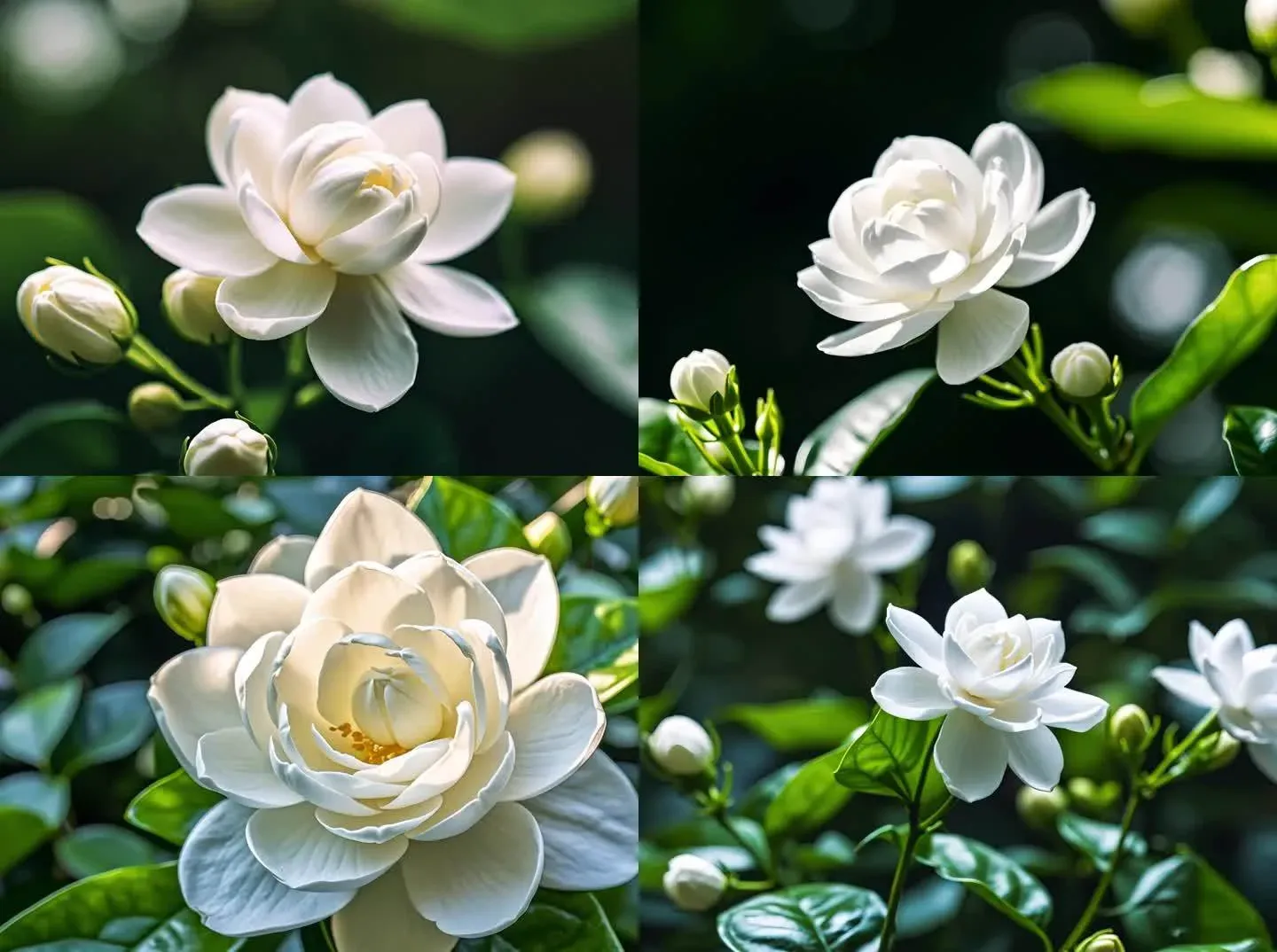
Jasmine, known as 茉莉花 (Mòlìhuā) in Chinese, is one of the most beloved flowers in China, admired not only for its delicate beauty but also for its intoxicating fragrance. Over centuries, jasmine has become deeply intertwined with Chinese culture, art, and culinary traditions. Among its many uses, jasmine tea (茉莉花茶) stands out as a signature beverage, blending the aromatic essence of jasmine with green or white tea leaves, creating a drink cherished both domestically and internationally.
1. Jasmine in China: History and Cultural Significance
Jasmine was introduced to China from South and Southeast Asia as early as the Tang Dynasty (618–907). It quickly became popular due to its elegant fragrance and adaptability to China’s climate, especially in southern provinces like Fujian, Guangxi, Yunnan, and Hunan. By the Ming Dynasty (1368–1644), jasmine cultivation was widespread, and the flower became a symbol of purity, elegance, and love in Chinese culture.
In daily life, jasmine has a special place in Chinese homes and gardens. Its blossoms are often planted near windows or courtyards to fill living spaces with fragrance. Jasmine is also associated with poetry, painting, and classical literature; many poets have used 茉莉花 as a metaphor for gentle beauty, modesty, and resilience. During festivals and traditional ceremonies, jasmine garlands or tea are sometimes used to welcome guests, illustrating the flower’s enduring cultural importance.
Beyond aesthetics, jasmine flowers have been used in traditional Chinese medicine for centuries. They are believed to calm the mind, relieve stress, and aid digestion, making jasmine both a symbol of beauty and a source of wellness.
2. Jasmine Tea: History and Craftsmanship
茉莉花茶, or jasmine tea, is a traditional Chinese tea that combines tea leaves—usually green or white—with jasmine blossoms to create a fragrant and soothing beverage. The origins of jasmine tea date back to the Song Dynasty, though it became widely popular during the Ming and Qing Dynasties. Over time, it developed into one of China’s most famous scented teas, celebrated for its delicate aroma and smooth taste.
The crafting process is meticulous. Fresh jasmine flowers are harvested during the night, when their fragrance is strongest, and layered with tea leaves for several hours. This process may be repeated multiple times to enhance the scent. High-quality jasmine tea relies on freshly picked blossoms, expert blending, and precise timing, ensuring a perfect balance between flavor and aroma.
Jasmine tea is not only a daily refreshment but also a staple in Chinese tea ceremonies, hospitality, and social gatherings. Its gentle fragrance and subtle sweetness make it an ideal companion for both relaxation and conversation.
3. Uses, Benefits, and Global Appeal
Beyond its cultural significance, jasmine tea has practical benefits. It is rich in antioxidants, promotes digestion, and is thought to improve heart health. Drinking jasmine tea can also help reduce stress and elevate mood, making it a preferred beverage for wellness-conscious individuals.
Globally, jasmine tea has gained recognition as a symbol of Chinese tea culture. Its delicate aroma, light color, and smooth taste appeal to tea lovers worldwide. In addition, jasmine flowers themselves are used in culinary creations, such as desserts, syrups, and perfumes, showcasing the versatility of this cherished flower.
For many, enjoying a cup of jasmine tea is more than a drink—it’s a sensory experience connecting them with centuries of Chinese tradition, refinement, and natural beauty.
4. Jasmine in Music and Art: The Folk Song “茉莉花”
Jasmine has also left a deep imprint in Chinese music and the arts. One of the most famous songs is the folk tune 《茉莉花》, originating from Jiangsu province. The song praises the jasmine flower’s elegance and purity, often symbolizing beauty, love, and admiration. Its opening line, “好一朵美丽的茉莉花” (“What a beautiful jasmine flower”), is widely recognized and sometimes used informally as the song’s title.
This classic melody has been performed in countless styles—from traditional folk renditions to modern orchestral arrangements—and has become internationally recognized, representing Chinese culture abroad. In addition to music, jasmine frequently appears in Chinese paintings, embroidery, and ceramics. Artists use jasmine as a motif to express refinement, serenity, and the fleeting beauty of life.
The combination of visual and auditory art forms highlights how deeply the flower is woven into China’s cultural fabric.
Conclusion
The jasmine flower (茉莉花) holds a unique place in Chinese history, culture, and daily life. From southern gardens to imperial courts, from classical poetry to world-famous 茉莉花茶, and from folk songs to artistic representations, jasmine embodies elegance, serenity, and timeless beauty. Its fragrance and cultural significance continue to captivate hearts, offering not just a visual and aromatic delight but also a bridge to China’s rich heritage.
Whether enjoyed in a garden, brewed as tea, celebrated in song, or depicted in art, jasmine remains a symbol of Chinese aesthetic and cultural identity, connecting past traditions with contemporary life.