Exploring Chinese Rice: Culture, Cuisine, and Tradition
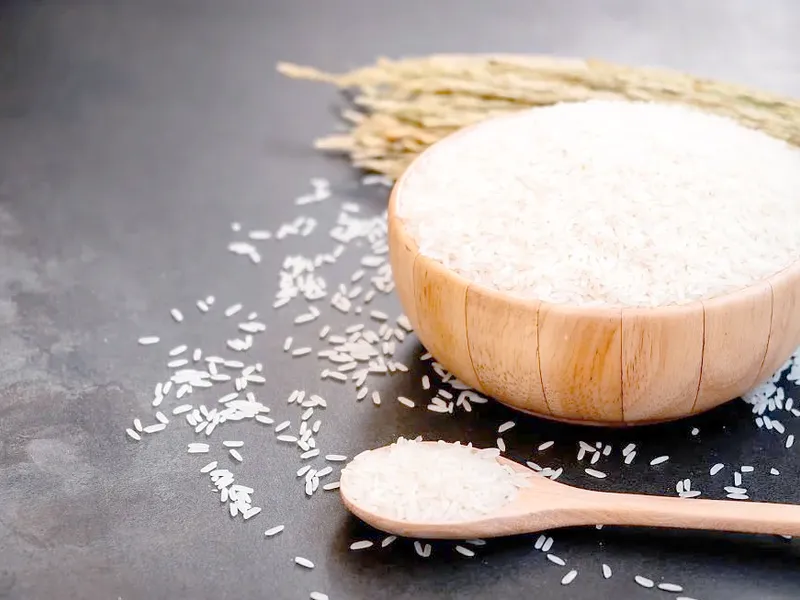
Rice is the backbone of Chinese culinary tradition, holding a place far beyond mere sustenance. For thousands of years, it has shaped diets, influenced culture, and even dictated seasonal celebrations. From everyday bowls of steamed rice to elaborate rice cakes, from delicate Chinese rice noodles to fragrant Chinese rice wine, rice embodies both the daily and ceremonial aspects of Chinese life. Understanding rice in Chinese food is therefore a window into Chinese history, regional diversity, and cultural symbolism.
I. The Cultural Significance of Rice in China
Rice, or 米 (mǐ) in Mandarin, is not merely a staple — it symbolizes life, abundance, and family harmony. Its cultivation shaped Chinese civilization, particularly in southern China, where fertile plains and abundant water created ideal conditions for rice farming.
Throughout history, rice has been associated with:
- ● Wealth and Prosperity: Surplus rice often represented economic stability.
- ● Family and Community: Rice is central to meals shared among generations, symbolizing unity.
- ● Tradition and Ceremony: Rice-based foods play a vital role in festivals and ancestral offerings.
Ancient Chinese texts praise rice not only for nourishment but also for its spiritual significance. In Confucian thought, the sharing of rice reinforces respect and social bonds.
II. Varieties of Chinese Rice Dishes
China’s rice-based cuisine is extraordinarily diverse, reflecting regional differences, climate, and culinary philosophy.
1. Steamed Rice (白米饭)
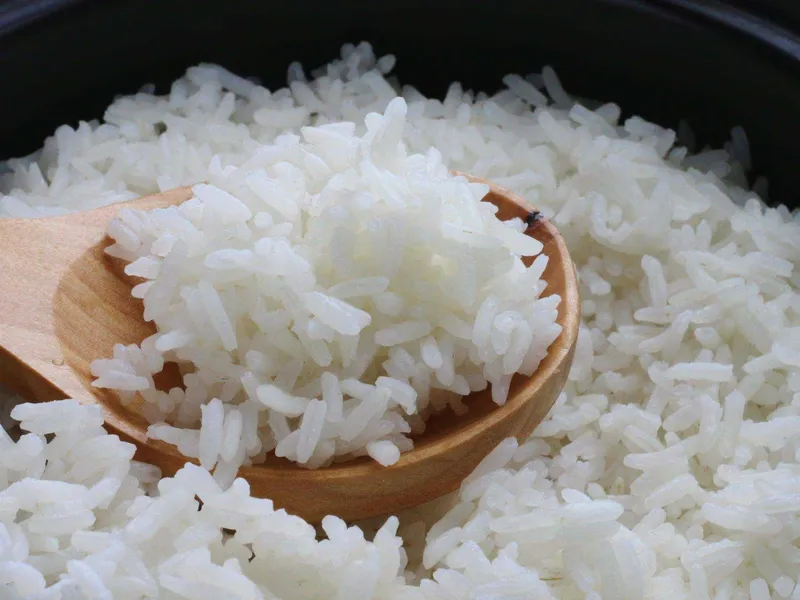
Steamed rice is the foundation of Chinese rice dishes, particularly in southern China. It is often paired with stir-fries, braised dishes, and soups.
Tips for perfect steamed rice:
- ● Rinse the rice until water is clear to remove excess starch.
- ● Use a water-to-rice ratio of 1.5:1 for fluffy texture.
- ● Allow rice to rest after cooking to improve the grain structure.
Steamed rice is versatile and neutral, serving as a canvas for the vibrant flavors of other dishes.
2. Chinese Rice Noodles (米粉)
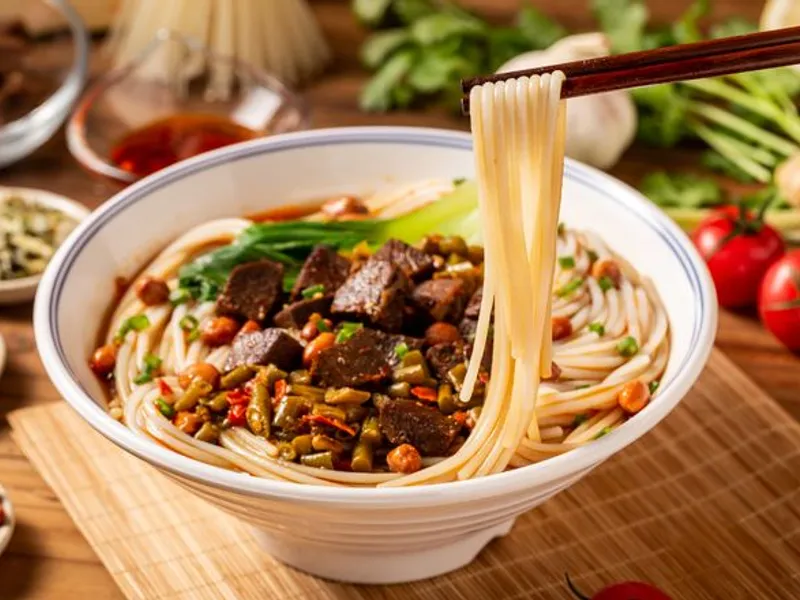
Chinese rice noodles are made from rice flour and water, varying in thickness and shape. They appear in a wide range of dishes across China:
- ● Guangzhou Rice Noodles (炒米粉) – Stir-fried with vegetables, shrimp, or meat.
- ● Yunnan Crossing-the-Bridge Rice Noodles (过桥米线) – Served in a rich broth with a mix of meats, vegetables, and raw ingredients cooked at the table.
- ● Rice noodle soups in Sichuan and Hunan – Often spicy, showcasing regional chili culture.
Rice noodles are prized for their delicate texture, adaptability, and ability to absorb the flavors of sauces and broths.
3. Chinese Rice Cakes (年糕)
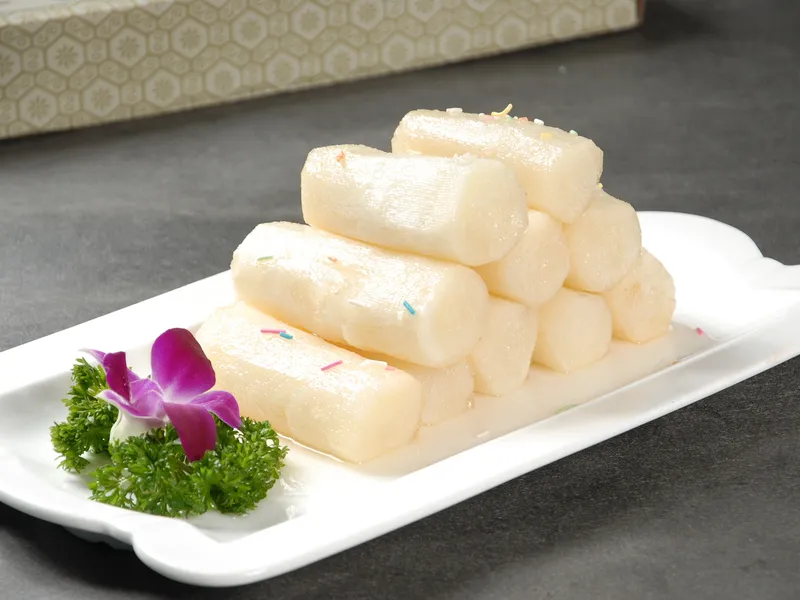
Rice cakes or niangao are traditional foods made from glutinous rice flour. Their chewy texture and symbolic meaning make them essential for festivals, especially Chinese New Year.
Types of Chinese rice cakes:
- ● Sweet rice cakes: Made with sugar, red beans, dates, or sweet fillings.
- ● Savory rice cakes: Stir-fried with vegetables, meats, or seafood.
- ● Layered or shaped rice cakes: Often molded into symbolic shapes for auspicious occasions.
The word niangao contains “年” (year), making rice cakes a symbol of progress, growth, and good fortune for the coming year.
4. Chinese Rice Porridge (粥)
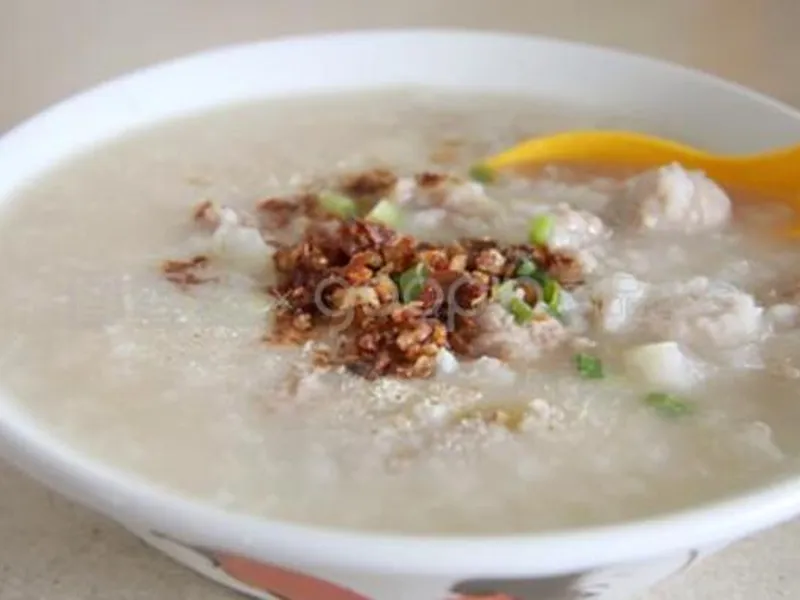
Rice porridge, or congee, is a versatile dish with regional variations:
- ● Cantonese-style congee: Smooth and thin, often accompanied by pickled vegetables, century eggs, or pork slices.
- ● Northern-style congee: Thicker, sometimes mixed with millet or beans, reflecting the hearty northern palate.
- ● Medicinal congee: Rice cooked with herbs or medicinal ingredients to nourish the body.
Congee exemplifies how rice is not only a food but also a source of comfort, health, and ritual.
5. Chinese Rice Wine (黄酒)
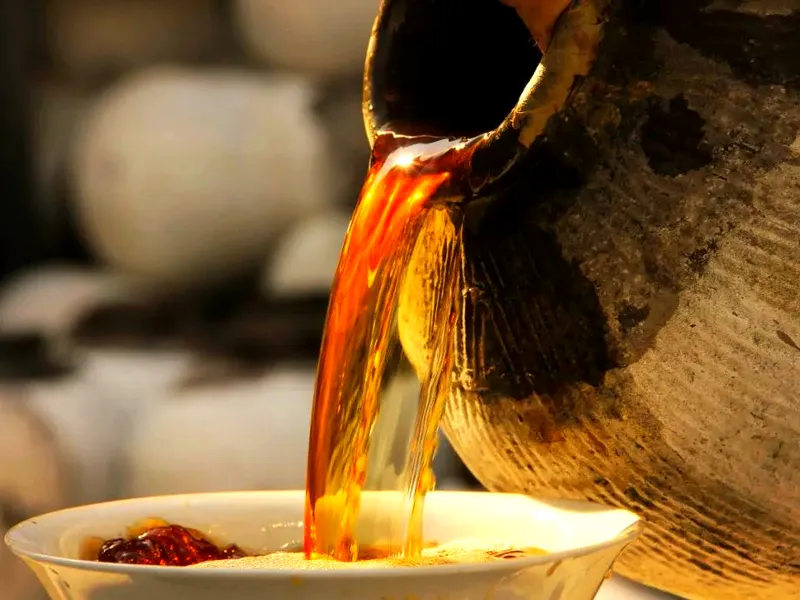
Rice is also fermented into Chinese rice wine, known as huangjiu. It has been brewed for centuries and holds cultural significance in both cooking and ceremonial practices.
- ● Shaoxing wine: Famous for its rich flavor, widely used in cooking and drinking.
- ● Mijiu: Sweeter and lower in alcohol, often used in desserts and celebrations.
- ● Fermented glutinous rice wine: Traditional homemade style, linked to regional festivals.
Rice wine embodies the transformation of rice from a basic staple into a product of cultural sophistication.
III. Regional Diversity of Chinese Rice
Rice-based dishes differ across China, reflecting geographic and climatic differences:
- ● Southern China: Dominated by steamed rice, rice noodles, sticky rice, and rice cakes.
- ● Northern China: Wheat is common, but rice porridge and some rice-based snacks remain popular.
- ● Eastern China: Sweet rice cakes and fermented rice foods are traditional.
- ● Western China: Rice is combined with meats and vegetables in hearty dishes influenced by minority cultures.
This diversity highlights rice’s adaptability and its ability to integrate with regional culinary philosophies.
IV. How to Make Chinese Rice and Rice Dishes
Learning to cook Chinese rice dishes helps understand Chinese cuisine and culture.
Steamed Rice:
- 1. Rinse rice until the water is clear.
- 2. Add water (1.5 times the volume of rice).
- 3. Cook in a rice cooker or over the stove.
- 4. Let rest for 10 minutes before serving.
Rice Noodles:
- 1. Mix rice flour with water to form a smooth batter.
- 2. Steam thin layers to make sheets.
- 3. Slice or cut into noodles.
Rice Cakes:
- 1. Mix glutinous rice flour with water, sugar, or other ingredients.
- 2. Steam until firm.
- 3. Stir-fry or serve as is.
Congee:
- 1. Simmer rice in 5–6 times water.
- 2. Cook slowly until soft.
- 3. Add meat, vegetables, or condiments.
Rice Wine:
- 1. Cook glutinous rice thoroughly.
- 2. Mix with yeast or fermentation starter.
- 3. Ferment for several days to weeks, depending on the desired flavor.
V. Festivals and Symbolism
Rice-based foods occupy a central place in Chinese festivals, not only as staples but as powerful symbols of prosperity, family, and continuity. Across centuries, rice has intertwined with Chinese culture, shaping rituals, customs, and even social values.
Chinese New Year (Spring Festival) is perhaps the most significant occasion where rice-based foods take center stage. Sticky rice cakes, or niangao, are traditionally prepared and consumed during this festival. The name “niangao” sounds like “year higher” in Mandarin, symbolizing progress, growth, and upward mobility in the coming year.
Families gather together to make niangao at home, often decorating the cakes with red bean paste, dates, or nuts, while children watch the process with curiosity. In southern China, savory versions are stir-fried with vegetables and meats, showcasing regional tastes. Beyond the kitchen, these rice cakes are also given as gifts to neighbors and relatives, spreading blessings and goodwill.
During the Mid-Autumn Festival, rice-based treats take on a slightly different form. Glutinous rice dumplings (zongzi), often filled with sweet red bean paste, lotus seeds, or savory meats, are wrapped in bamboo leaves and steamed. This festival celebrates the harvest and the legend of Chang’e, the Moon Goddess. The act of making and sharing zongzi symbolizes family unity and gratitude for abundance. In many households, family members of all generations gather to wrap zongzi together, creating a sense of continuity and shared heritage.
Rice also plays an important role in ancestor worship, a practice deeply rooted in Confucian and Taoist traditions. During Qingming (Tomb Sweeping Day) and other ceremonial occasions, families offer bowls of rice, rice cakes, and rice wine at ancestral altars. These offerings honor the deceased, express gratitude, and maintain a spiritual connection between the living and their forebears. The rice serves as both nourishment and symbolic sustenance for ancestors, reinforcing the idea that life and prosperity are cyclical and connected across generations.
Beyond specific festivals, rice itself carries enduring symbolic meaning in Chinese culture. It represents life, sustenance, and abundance, acting as a bridge between the practical and the spiritual. In many regions, rice is even incorporated into folk rituals for weddings, housewarmings, and newborn celebrations, emphasizing prosperity, fertility, and protection from misfortune.
Modern celebrations continue to innovate while preserving tradition. During Chinese New Year or Mid-Autumn Festival, urban families might buy intricately decorated niangao or zongzi from specialty stores, while still participating in communal cooking workshops or cultural events. Public festivals often feature rice-themed exhibitions, competitions for the most creative zongzi, or interactive tastings, allowing younger generations and international visitors to experience the symbolism of rice firsthand.
In this way, rice is far more than a culinary ingredient—it is a living symbol of Chinese cultural values, linking family, community, and heritage in both ancient and contemporary contexts. Whether served on a festive table, offered to ancestors, or shared among neighbors, rice embodies prosperity, growth, and the continuity of life itself.
VI. Modern Applications and Global Influence
Chinese rice dishes have transcended borders and become an influential part of global cuisine, inspiring chefs, home cooks, and food enthusiasts worldwide. The versatility and adaptability of rice in Chinese food allow it to seamlessly integrate into diverse culinary traditions.
Rice noodles, for example, have found their way into Southeast Asian street food and fusion cuisine across the globe. In Thailand, rice noodles appear in Pad Thai, while in Vietnam, they take the form of pho noodles—both of which owe their origins to centuries of rice cultivation and noodle-making techniques in China. In Western countries, chefs experiment with rice noodles in pasta-style dishes or cold salads, highlighting their delicate texture and ability to absorb flavors.
Sticky rice cakes (niangao), traditionally enjoyed during Chinese New Year, have also gained international recognition. Asian bakeries in the United States, Europe, and Australia sell sweet and savory rice cakes year-round. Innovative chefs are incorporating them into modern desserts, pairing sticky rice with chocolate, fruits, or ice cream, bridging traditional ingredients with contemporary tastes.
Rice porridge (congee), long considered a comfort food in China, is now embraced in health-conscious breakfast menus and wellness-oriented restaurants globally. Congee’s simple, easily digestible nature makes it ideal for vegan or gluten-free diets. In cosmopolitan cities like New York, London, and Singapore, congee bowls are garnished with artisanal toppings such as truffle oil, roasted nuts, or fermented vegetables, creating a fusion between tradition and modern culinary creativity.
Rice wine, historically used for cooking and ceremonial purposes, is increasingly present in gourmet kitchens and mixology bars. Shaoxing wine and other varieties are now appreciated not only for their flavor in Chinese recipes but also as unique ingredients for sauces, reductions, and cocktails. Mixologists in international bars craft rice wine cocktails, introducing its nuanced aroma and subtle sweetness to global audiences.
Home cooks around the world are exploring how to make Chinese rice dishes, often inspired by social media, cooking shows, and international food blogs. Enthusiasts experiment with traditional recipes, adapting them to local ingredients and personal tastes, while respecting the techniques that have been passed down for generations. This global appreciation demonstrates that rice is not only a staple food in China but also a cultural ambassador, connecting people across continents through taste, tradition, and creativity.
VII. Conclusion
Rice is more than a grain in China — it is a cultural icon, a culinary cornerstone, and a symbol of life itself. From Chinese rice noodles to rice cakes, rice porridge, and rice wine, each preparation carries a story, a tradition, and a taste of Chinese history.
Whether you are trying to cook Chinese rice dishes, explore Chinese rice cakes, or taste authentic Chinese rice wine, you are partaking in a tradition that has nourished people for millennia.
Rice connects people, preserves culture, and continues to inspire both chefs and food lovers around the world. By understanding rice in China, you gain insight not only into cuisine but also into the values, history, and philosophy embedded in every bowl.